
 +86-(0)512-82283871
Content
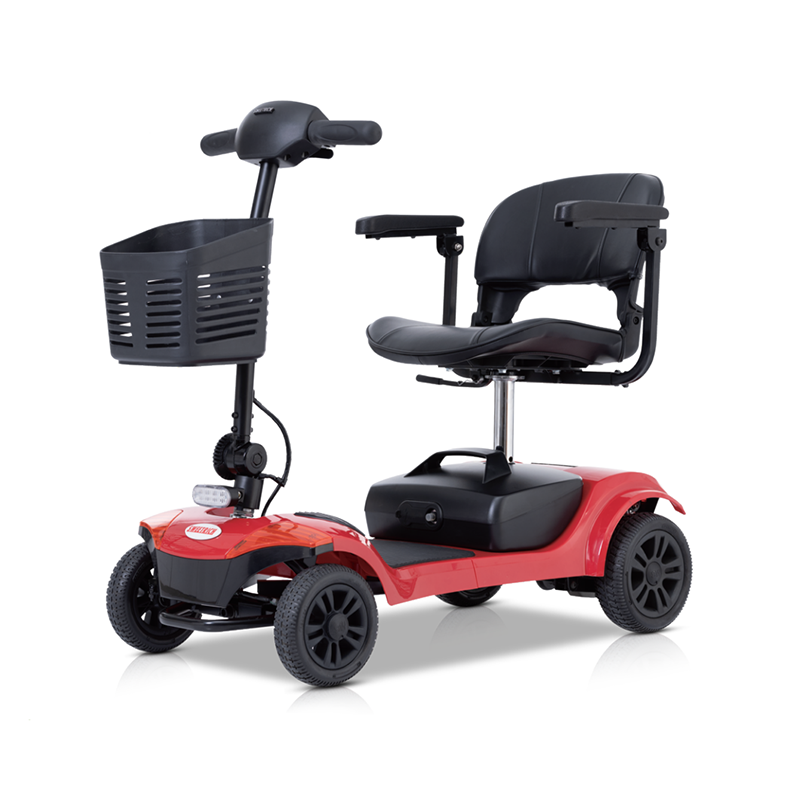
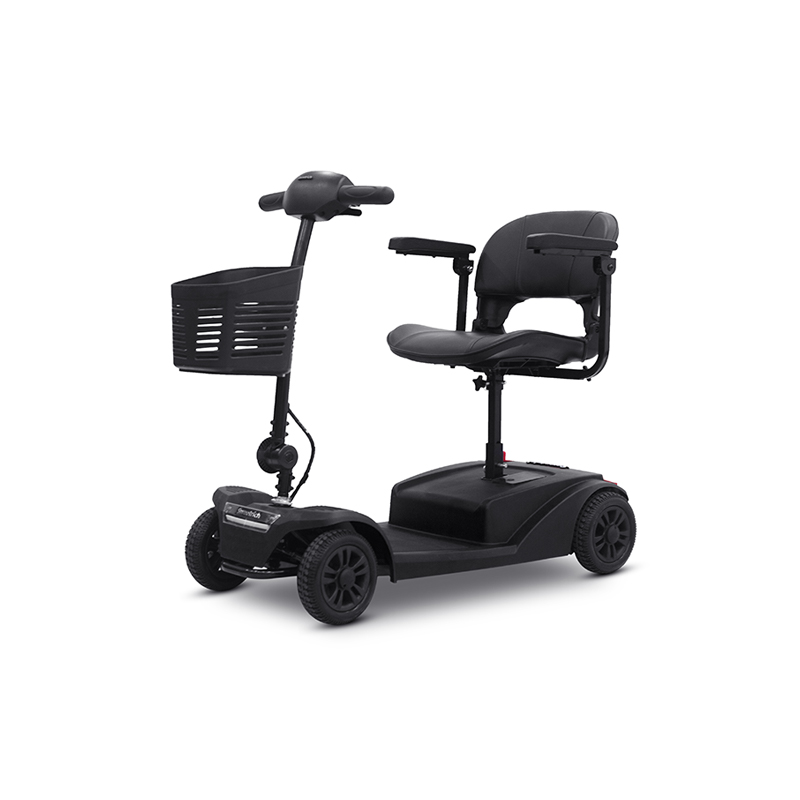
A folding scooter is no longer a toy for the last kilometre; it has become a hinge that connects sidewalks, buses, trains, and even ferries into one continuous journey. When the frame collapses in three seconds and the wheels lock into a trolley position—a transformation perfected within a Foldable Scooter Factory where reliability is welded into every latch and hinge—the device turns from vehicle into luggage. That simple transformation is the key that unlocks public transportation systems for people who cannot walk long distances, who need to bridge the gap between a home side-street and a regional rail station, or who simply want to avoid the queue for a shared bicycle.
Choosing a scooter that public transport will actually accept Public transportation systems publish three numbers that matter to scooter users: weight limit, folded dimensions, and battery chemistry. A frame that folds to a flat rectangle no thicker than a medium suitcase and no heavier than a packed grocery bag will pass inspection on buses and metro lines that allow hand luggage. Batteries that are dry-cell and rated below the threshold for personal electronic devices remove the need for special declarations.
Before purchase, measure the gap between the fold-down handlebars and the deck; this gap must fit through the ticket barrier without forcing the rider to tilt the scooter. Check that the stem latch locks positively and cannot collapse while the scooter is standing in a moving vehicle. A simple test is to fold the scooter, stand it upright on its rear wheel, and press down on the handlebars. If the latch slips, the mechanism will not survive the repeated shocks of rail travel.
Folding technique
One smooth motion that never blocks the aisle Practice the fold at home until it can be completed in one motion while wearing commuter gloves. The sequence begins with the rider standing on the left side of the scooter, left hand on the handlebar grip, right hand on the rear fender. Depress the thumb lever on the handlebar collar, lower the bars until they click parallel to the deck, then kick the rear fender latch with the heel. The front wheel swings back and magnets on the deck clamp the steering column. The entire motion takes three seconds and ends with the scooter locked into a tidy parcel that can be rolled like wheeled luggage.
Carry the folded scooter with the deck facing inward toward the body; this keeps dirty wheels away from other passengers and prevents the brake rotor from snagging coats. If the scooter has a trolley position, extend the small rear skate-wheel so the device rolls on two points instead of being lifted.
Boarding buses
Timing, position, and communication Wait until other passengers have boarded, then approach the rear door where the floor is lower and the driver can see the scooter. Place the folded frame between the feet, rear wheel on the floor, handlebars tucked under the knees. This stance keeps the footprint within the area reserved for strollers and shopping carts. Make eye contact with the driver and state clearly, "Folding scooter, folded and locked." This short sentence reassures the driver that the device will not unfold during motion.
If the bus has a luggage rack above the seats, lift the scooter vertically and slide it in wheel-first. Secure the stem with the elastic cord provided for skis. Never block the aisle; a scooter that projects even slightly can become a trip hazard when the bus brakes.
Metro and light rail
Using the gap, not the gate Ticket barriers vary in width. Approach the wide gate marked for luggage or wheelchair access. Tap the travel card while holding the scooter at the balance point, then pivot the deck through the gate before the paddles close. On the platform, stand behind the tactile yellow line and keep the scooter vertical; a folded scooter lying flat can roll onto the track.
When the train arrives, enter the carriage that has flip-up seats near the doors. These areas provide a vertical pole against which the scooter can lean. Loop one arm through the strap on the deck and grasp the pole; this prevents the scooter from sliding if the train lurches. If all flip-up seats are occupied, ask politely, "Could you spare this space for a folded scooter?" Most riders will oblige when they see the device occupies less space than a full-size bicycle.
Regional trains
Reservations, straps, and quiet zones Long-distance trains often require advance notice for oversized luggage. Book a seat in the quiet coach where luggage stacks are available. These racks resemble vertical mail slots; slide the scooter in deck-first so the handlebars face outward. Use the provided strap to prevent longitudinal movement.
If no rack exists, place the scooter between facing seats in the bicycle zone. Fold down the seat-back table and wedge the scooter deck under the table lip; this creates a stable triangle that will not shift when the train tilts on curves.
Ferries and water taxis
Salt, spray, and staircases Marine environments accelerate corrosion. Rinse the scooter with fresh water after each crossing and dry the hinge points with a paper towel. On multi-deck ferries, use the stair lift marked for wheelchairs rather than carrying the scooter up steep treads. Stand the scooter on its rear wheel, engage the lift platform, and hold the stem against the wall rail. Once on the passenger deck, lash the scooter to the exterior rail using a bungee cord; the open air keeps salt spray from pooling around the battery seal.
Air travel
Battery removal, terminal carts, and gate checking Airlines treat folding scooters like powered mobility aids. Arrive at the check-in counter with the scooter folded and the battery removed. Place the battery in a clear plastic bag provided for power banks. The frame can be rolled to the gate and tagged for cabin stowage if it meets folded dimension limits. If the frame is too large, request gate-check: receive a claim ticket at the gate, fold the scooter at the aircraft door, and collect it at the arrival gate rather than the baggage carousel.
| Step | Action | Purpose |
|---|---|---|
| Check-in | Arrive with folded scooter, battery removed | Follow airline powered mobility aid rules |
| Battery handling | Place battery in clear bag | Comply with power bank regulations |
| Cabin stowage | Roll frame to gate if within size limits | Store scooter safely in cabin |
| Gate-check | Fold scooter at aircraft door, collect at arrival gate | Accommodate oversized frames |
Multi-modal ticketing
One barcode for scooter plus rider Emerging transit apps allow riders to add a “folded personal device” to the digital ticket. The barcode embeds a flag that tells inspectors the rider is entitled to carry hand luggage of non-standard shape. When tapping through a turnstile, the app displays a colour flash that matches the gate sensor, confirming that the scooter has been accounted for in passenger load calculations.
Etiquette
Space, speed, and sensitivity Keep the folded scooter touching your own feet; do not place it on seats even when the carriage is empty. Offer to move the scooter if a wheelchair user boards; the priority space hierarchy remains wheelchair first, then stroller, then folded scooter. Never unfold the scooter inside a vehicle, even when the train is stationary; the sudden expansion can startle standing passengers.
Infrastructure design for operators Transit agencies can encourage scooter use without capital expense. Mark a rectangle of floor with yellow hatching between the rear door and the rear axle line of buses; this box becomes the default scooter zone. Install a spring-loaded hook on the vertical stanchion so riders can hang the scooter by its stem, keeping the deck off the floor. On metro platforms, paint a small scooter icon on the tactile paving strip; this tells riders where to stand so the folded device aligns with the door gap.
Digital integration
APIs and capacity counts Feed folded-scooter boarding events into the existing passenger-count API by adding one byte to the data string: 0 for no scooter, 1 for scooter present. This byte allows algorithms to adjust load forecasts without distinguishing between a scooter and a suitcase, preserving rider privacy while improving crowding predictions.
Maintenance in public space Transit terminals can host micro-repair kiosks that stock replacement wheels, brake cables, and folding latches. A simple bench with a vise and a QR code linking to repair videos turns a fifteen-minute wait into a maintenance opportunity. Provide a debris bin labelled "small-device parts" so riders can discard worn washers responsibly.
Safety drills for staff Train drivers and conductors in the three-point scooter check: latch locked, wheels clean, footprint clear. A thirty-second role-play during annual safety refreshers prevents disputes at the door and keeps dwell times short.
Future-proofing
From fold to roll to stow The next generation of scooters will feature automatic folding triggered by a double-tap on the transit card. Sensors will verify that the deck is empty before the hinge closes, preventing pinched fingers. Once folded, the scooter will convert to a powered suitcase that follows the rider using optical tethering, eliminating the need to lift or drag the device through long interchange tunnels.
| Feature | Description | Benefit |
|---|---|---|
| Automatic folding | Triggered by double-tap on transit card | Quick and convenient folding |
| Safety sensors | Detect empty deck before hinge closes | Prevents pinched fingers |
| Powered suitcase mode | Scooter follows rider using optical tethering | Eliminates lifting or dragging through tunnels |
A folding scooter is not a vehicle that happens to collapse; it is a ticket extension that expands the reach of every bus, train, and ferry it accompanies. Master the fold, respect the space, and understand the rules, and the public transportation system becomes a seamless continuum rather than a sequence of gaps. Operators who recognise the folded scooter as legitimate hand luggage, and planners who mark a simple rectangle on the floor, will discover that inclusion can be achieved with a strip of paint and a polite nod, not a billion-dollar viaduct. The city that learns this lesson will move more people, more quietly, and more affordably, one folded frame at a time.
Sweetrich Mobility
Sweetrich Mobility every folding component designed for bus access, every rust-resistant hinge, and every low-profile footrest is born on a quiet assembly line where engineers meticulously test every millimeter to ensure the e-scooter passes smoothly through ticket gates and parks securely under train seats.
By providing components rather than finished product labels, Sweetrich Mobility allows city transit agencies, local garages, and even community cooperatives to assemble fleets based on their road widths, boarding/alighting heights, and cultural customs. This ensures that the folding e-scooters parked at stations tomorrow are perfectly designed for the routes they will be added to.