
 +86-(0)512-82283871
Content
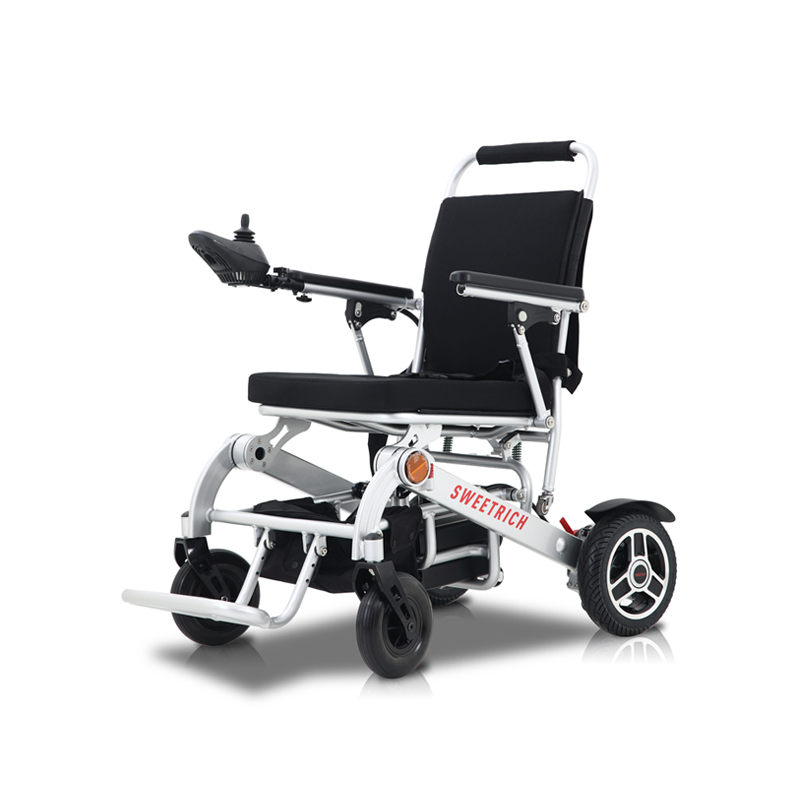
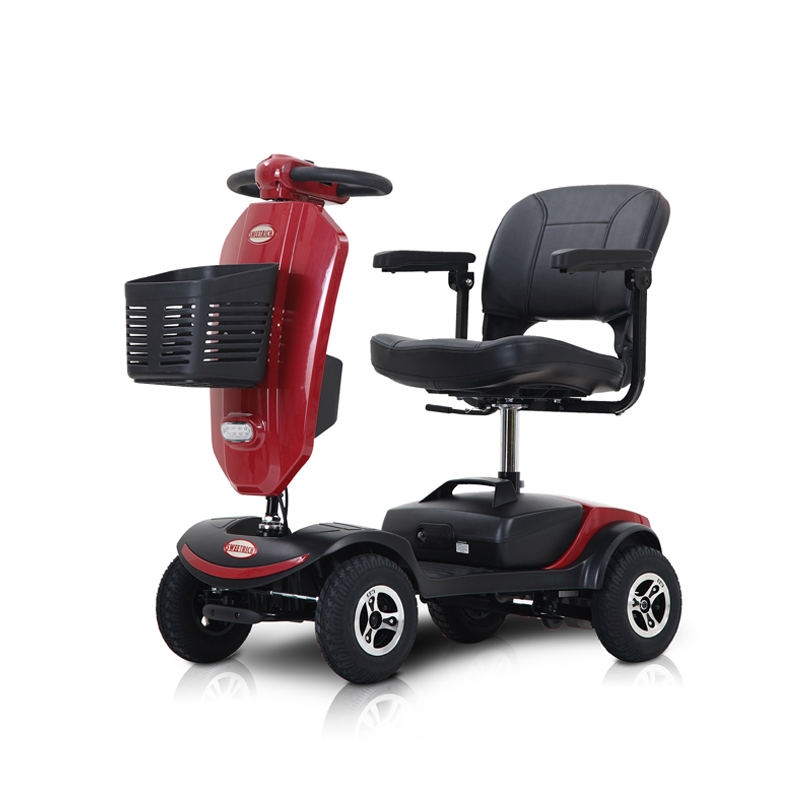
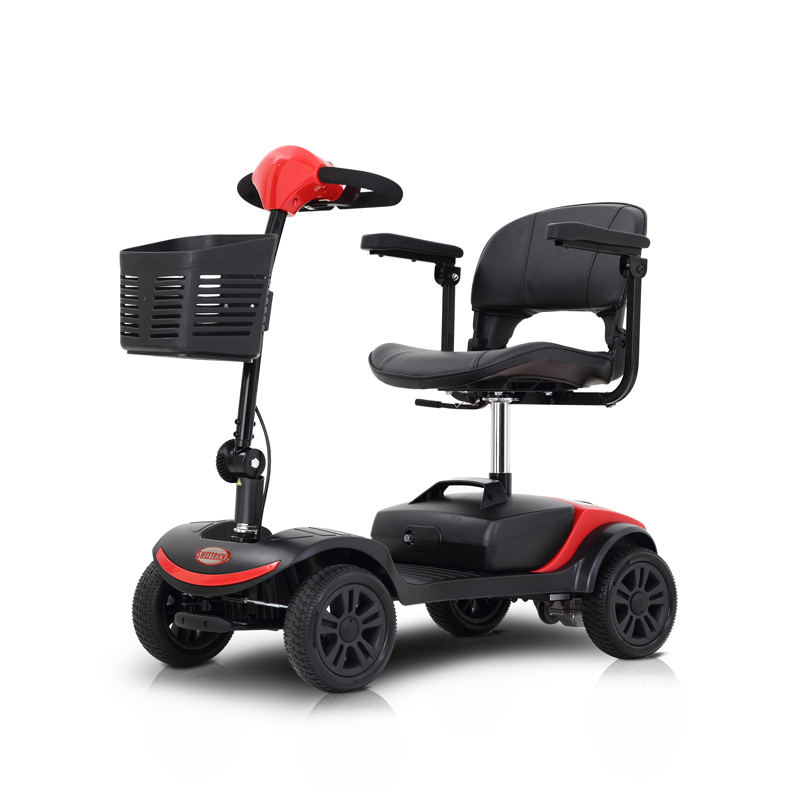
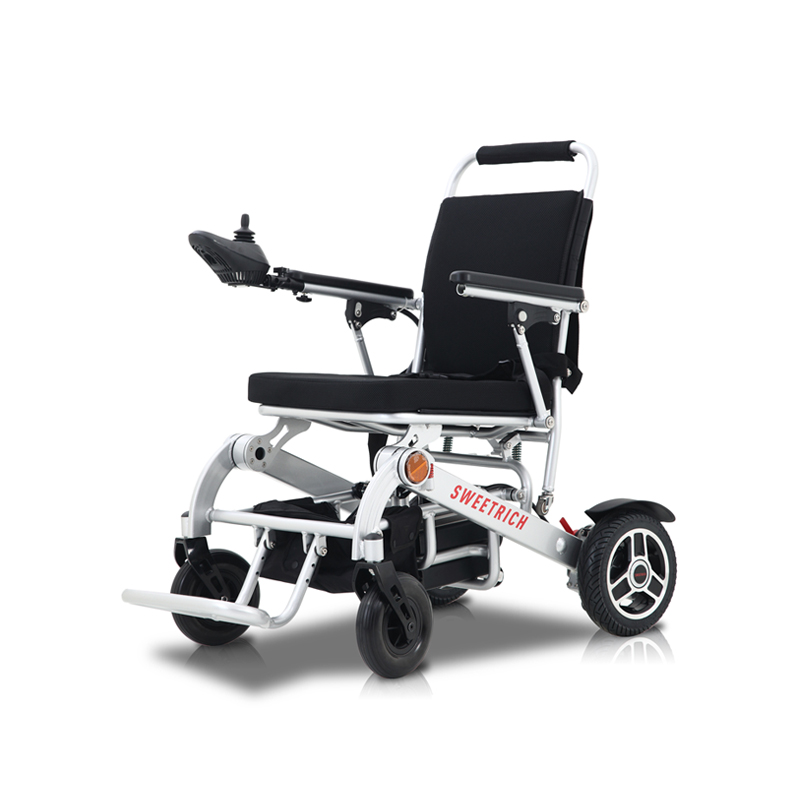
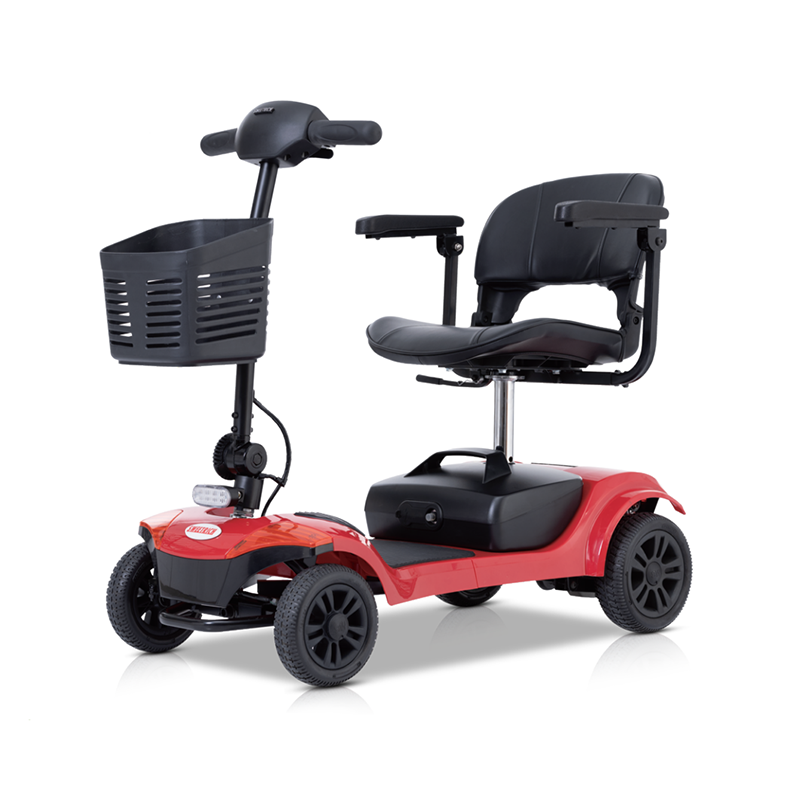
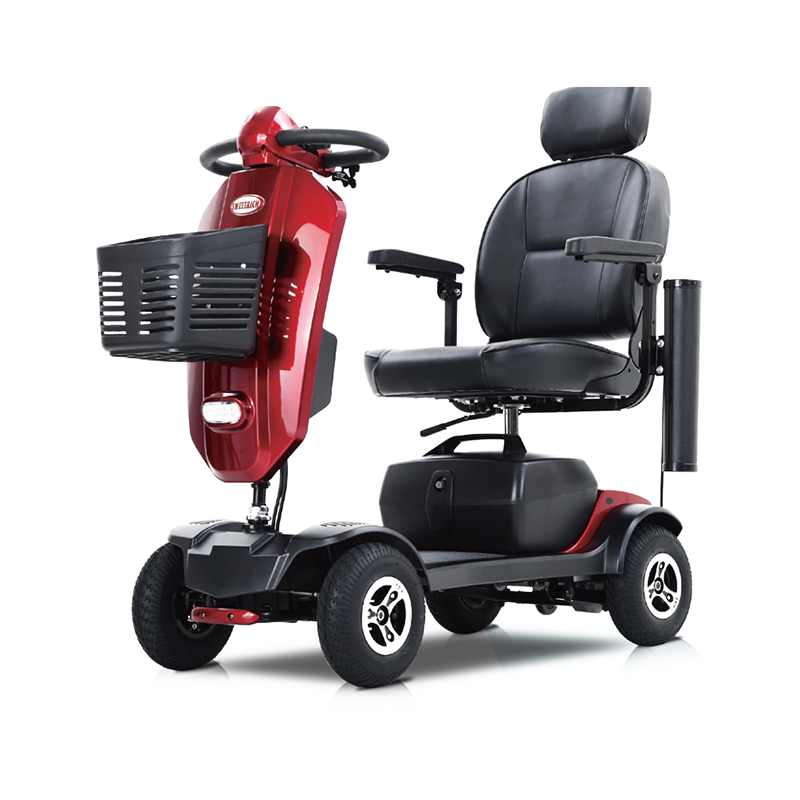
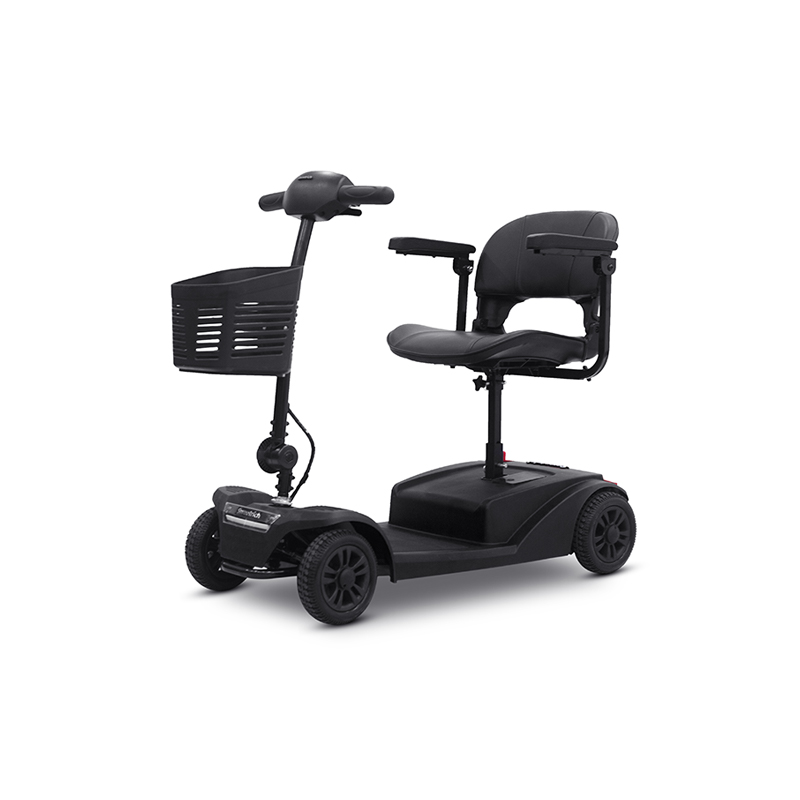
People rely on personal mobility devices like scooters, bicycles, and wheelchairs—including options such as the Sweetrich Wholesale Portable Scooter—to navigate cities, campuses, and neighborhoods. These tools provide practical ways to cover short to medium distances without depending entirely on cars or public transport. Over the years, designers have focused on making these devices easier to use, more efficient, and longer-lasting. One of the main ways they achieve this is through careful selection of construction materials. Lightweight options—such as certain alloys, composite blends, and engineered polymers—help reduce overall weight while keeping the necessary strength intact.
Everyday Portability Benefits
Carrying or lifting a mobility device often determines how often someone actually uses it. When frames and components are built from lighter materials, the entire unit becomes noticeably easier to handle. A commuter can fold a scooter, pick it up, and step onto a bus or train without straining. Climbing a few flights of stairs with the device in hand turns from a struggle into a routine task.
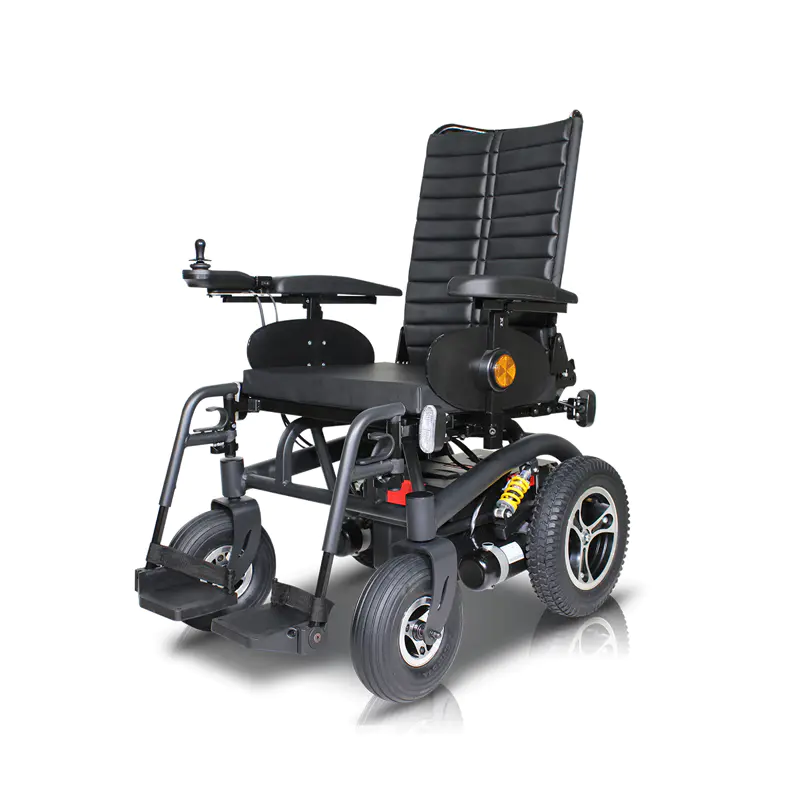
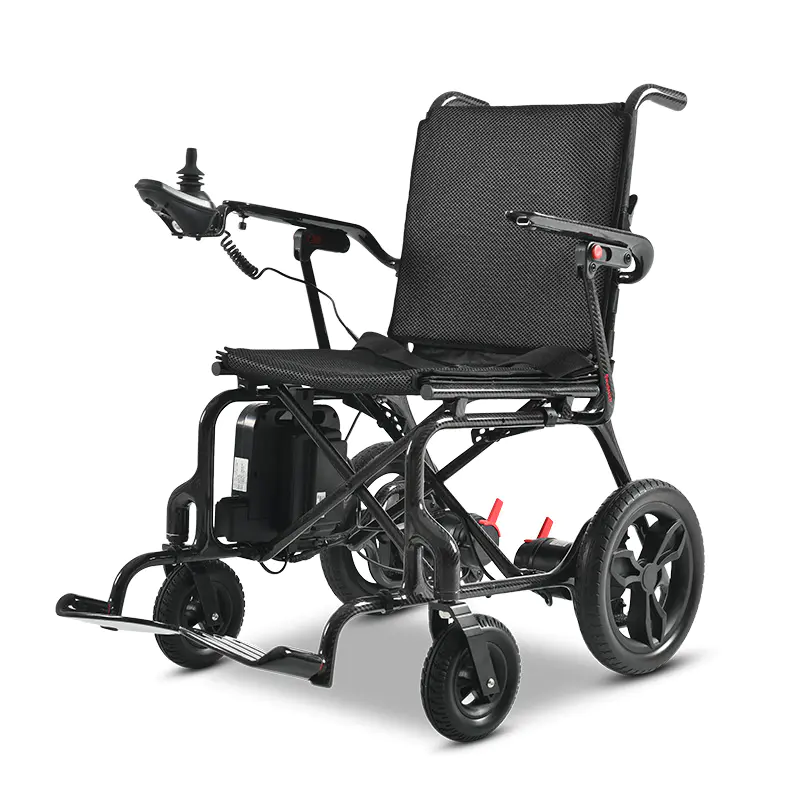
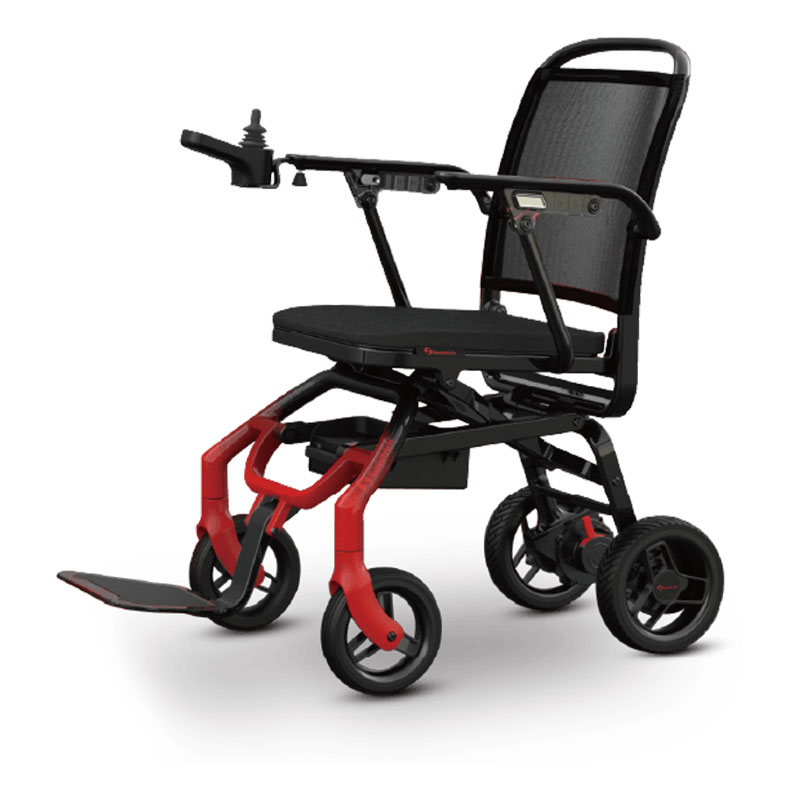
The same principle applies to wheelchairs. Users who transfer in and out of vehicles or push the chair over door thresholds find that lower weight reduces the effort required for each movement. Cyclists who need to hoist their bike onto a rack or carry it inside appreciate the difference as well. In crowded urban settings, where people frequently switch between walking, riding, and storing their equipment, these reductions in weight make the devices fit more naturally into daily schedules.
Storage space is another practical concern. Apartments, offices, and vehicles often have limited room. A lighter, more compact device slides under a desk, hangs on a wall hook, or fits in a car trunk without taking over the area. This convenience encourages consistent use rather than leaving the device gathering dust in a corner.
Energy Savings in Electric Models
Many scooters and bicycles now include electric assistance, and weight plays a direct role in battery life. A lighter overall build means the motor has less mass to move, so it draws less power to reach and hold speed. On a typical commute, this can add meaningful distance to a single charge.
Riders who travel the same route each day notice they arrive home with more battery remaining. Fewer midday or evening charging sessions become necessary, which fits better with busy schedules. Even on routes with gentle hills, the motor works more efficiently, preserving range. Lower friction and heat generation in lighter components also contribute to smoother operation over time.
For non-electric devices, the energy savings are physical rather than electrical. Pushing or pedaling requires less force, so users tire more slowly and can cover greater distances comfortably. Across both powered and manual options, reduced weight supports longer, more practical journeys.
Quicker Response and Acceleration
Starting from a standstill or speeding up to merge with traffic feels different when weight is lower. The device accelerates more readily because there is less inertia to overcome. A quick push or twist of the throttle produces immediate forward motion.
In stop-and-go city riding, this responsiveness helps maintain flow and safety. Cyclists pull away from intersections smoothly. Scooter users launch forward without hesitation. Wheelchair propulsion becomes more efficient, with each stroke delivering greater distance. Designers combine lightweight materials with stiff structures to ensure this agility does not come at the expense of control.
The result is a riding experience that feels direct and connected. Inputs from the rider translate quickly into movement, building confidence across a range of speeds and situations.
| Aspect | Benefits of Lightweight Materials |
|---|---|
| Acceleration | Quicker response from standstill; less inertia to overcome |
| Starting & Throttling | Immediate forward motion with quick push or throttle twist |
| City Riding | Maintains flow and safety in stop-and-go traffic |
| Specific Examples | Smooth pull-away for cyclists; fast launch for scooter users; efficient propulsion for wheelchairs |
| Design Balance | Stiff structures preserve control despite added agility |
| Overall Ride Feel | Direct, connected experience; builds rider confidence across speeds and situations |
Comfort and Stability During Rides
Stability depends heavily on how weight is positioned and distributed. Lightweight materials allow designers to place heavier parts—like batteries or wheels—lower to the ground without making the whole device bulky. This lowers the center of gravity and helps the device stay balanced through turns and over uneven surfaces.
Road imperfections transmit fewer harsh vibrations to the rider. Cracks, gravel, or small potholes feel less jarring when the frame and components absorb and dampen the impacts. Wider standing platforms or contact patches become practical without adding excessive weight, giving users a more secure footing.
Wheelchair users navigate indoor and outdoor obstacles with greater ease. Scooter riders experience less sway at moderate speeds. Cyclists hold their line more predictably on descents or winding paths. Overall, the ride becomes smoother and less fatiguing, encouraging people to take longer trips or explore new routes.
Long-Term Durability
Strength and resistance to wear remain essential, even in lighter builds. Many alloys used today stand up well to moisture, salt, and daily knocks. Composite layers resist cracking under repeated stress. These qualities help devices maintain their performance after months or years of regular use.
Frames stay straight and joints remain tight longer, preserving alignment for wheels and brakes. Maintenance stays manageable—checking connections, cleaning pivot points, or swapping worn parts does not require heavy lifting or specialized effort. When materials hold up reliably, repairs become less frequent.
Users end up keeping their devices for extended periods before needing replacements. This longevity provides better value and reduces the frequency of buying new equipment.
| Aspect | Benefits of Lightweight Materials |
|---|---|
| Resistance to Wear | Strong against moisture, salt, and daily impacts |
| Material Strength | Alloys withstand environmental exposure; composites resist cracking under stress |
| Performance Over Time | Maintains functionality after months/years of regular use |
| Structural Integrity | Frames stay straight; joints remain tight for better wheel/brake alignment |
| Maintenance | Easy tasks (check connections, clean pivots, swap parts); no heavy lifting needed |
| Repair Frequency | Less frequent repairs due to reliable hold-up |
| Overall Longevity | Extended device life; better value; fewer replacements |
Materials Commonly Used
Aluminum alloys appear often in main frames and structural tubes. They combine reasonable strength with natural resistance to rust, making them suitable for folding sections and load-bearing parts.
Composite materials, typically fibers embedded in resin, bring stiffness to areas that experience bending or impact forces. Forks, decks, and rim sections benefit from this approach.
Engineered polymers serve in handles, seats, and protective coverings. They add flexibility where needed and protect against scratches or minor collisions.
Different devices emphasize different combinations. Scooters prioritize alloys for quick folding and carrying. Bicycles may use composites in frames focused on efficient power transfer. Wheelchairs blend alloys for the base structure with softer polymers for seating comfort. Each choice aligns material properties with the primary ways the device will be used.
Environmental Angle
Lighter devices contribute to lower energy use over their lifetime. Electric models consume less electricity per mile traveled. Manual ones encourage active movement that can replace short car trips.
Increasing amounts of recycled content now appear in alloys and plastics, reducing demand for newly mined or synthesized raw materials. Manufacturing processes continue to improve efficiency and cut waste.
When a device reaches the end of its useful life, several of these materials can be separated and recycled. Durable construction delays that point, further limiting the need for new production. Together, these factors support more sustainable patterns of personal transport.
Remaining Challenges
Production costs for advanced lightweight materials can still run higher than traditional options. Specialized equipment and techniques add expense during manufacturing, which may affect final pricing.
Joining dissimilar materials securely requires precise engineering to avoid weak spots. Temperature changes, repeated loading, and impacts all need consideration during design and testing.
Ongoing work focuses on bringing costs down through larger-scale production and refined processes. New formulations aim to deliver similar performance with simpler manufacturing steps.
Future Directions
Material research continues to produce options with improved strength relative to weight. Plant-based polymers and enhanced recycling methods are gaining attention for their potential to maintain performance while relying on renewable sources.
Custom fabrication techniques allow parts to be shaped precisely for individual needs without excess material. Integration of electronic assistance benefits from frames that keep overall weight low.
As urban areas expand and people seek flexible ways to move around, lightweight construction will remain a central focus for practical, user-friendly mobility solutions.
Choose Sweetrich
Choosing Sweetrich comes down to a thoughtful balance of practical benefits that matter in everyday use. The brand prioritizes lightweight materials throughout its scooters, resulting in devices that are noticeably easier to carry, fold, and store without sacrificing strength or ride quality. This approach delivers better portability for commuters, extended battery range for electric models, smoother handling on varied surfaces, and lasting durability that reduces the need for frequent replacements. For riders seeking a reliable, efficient, and user-friendly personal mobility option that supports active and sustainable travel habits, Sweetrich offers a compelling choice that enhances daily convenience while keeping performance and environmental considerations in clear focus.