
 +86-(0)512-82283871

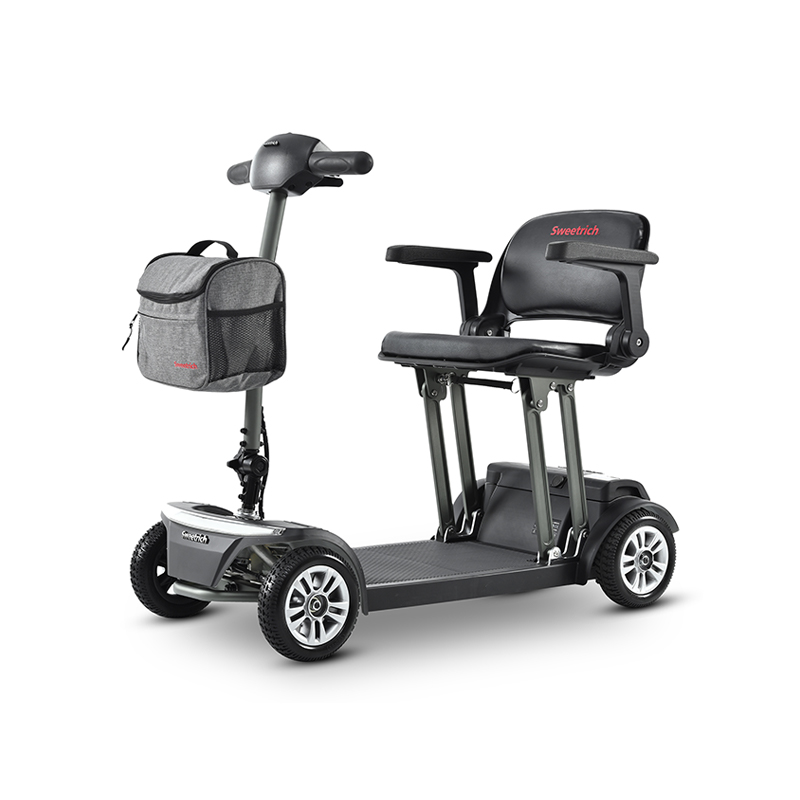
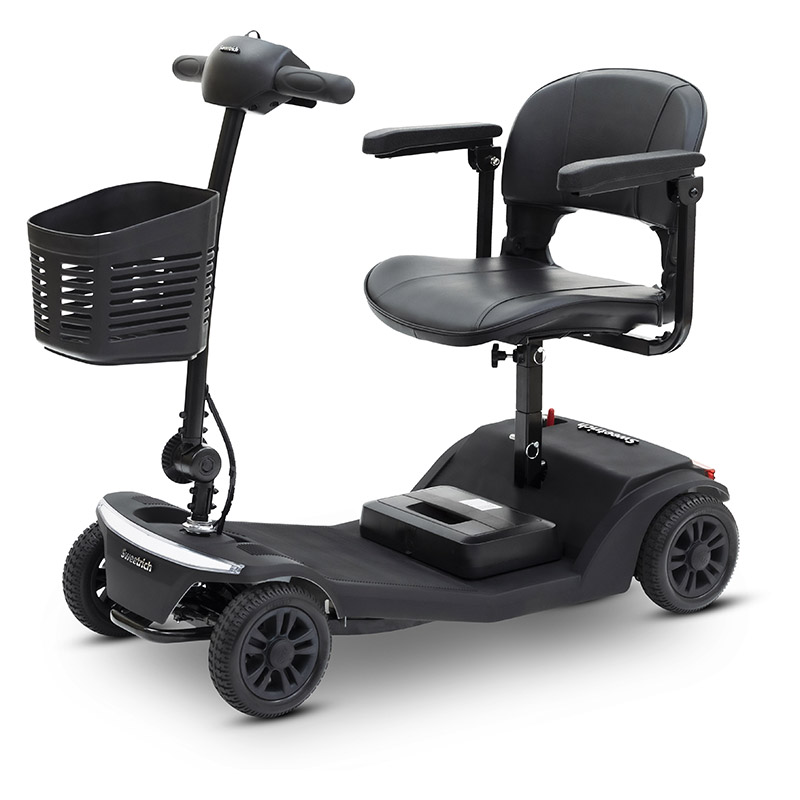
You're staring at two scooters. One's standard, one's premium. The premium costs more—sometimes a lot more—and you're supposed to figure out if the upgrades actually earn their keep. Not an easy call. Every distributor faces it. And honestly, there's no one answer that fits everybody. Depends on your customers, your market, what those extra features really deliver over the scooter's life.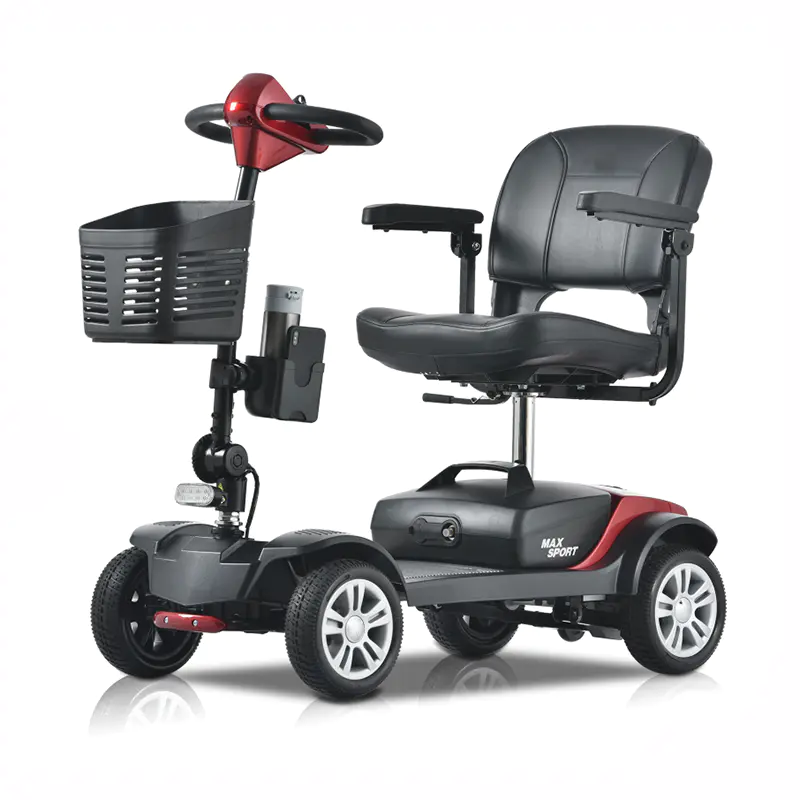
What Makes a Premium Mobility Scooter Different?
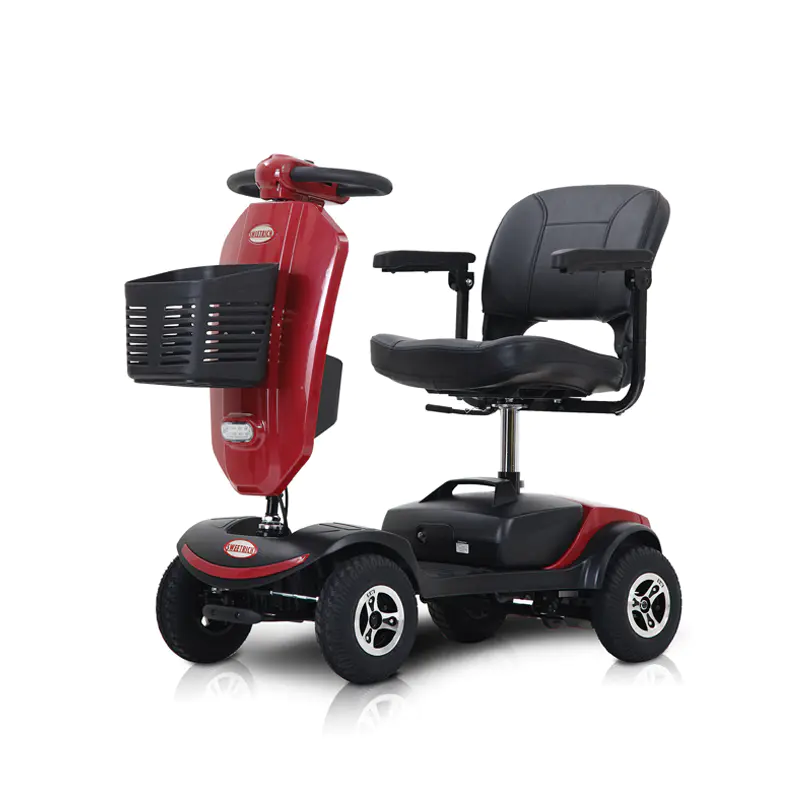
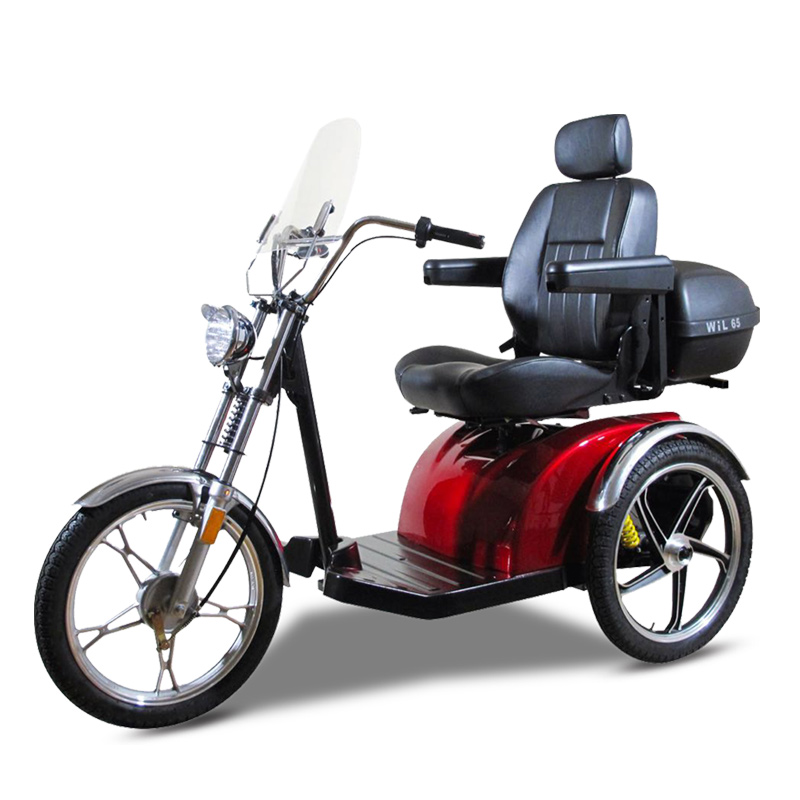
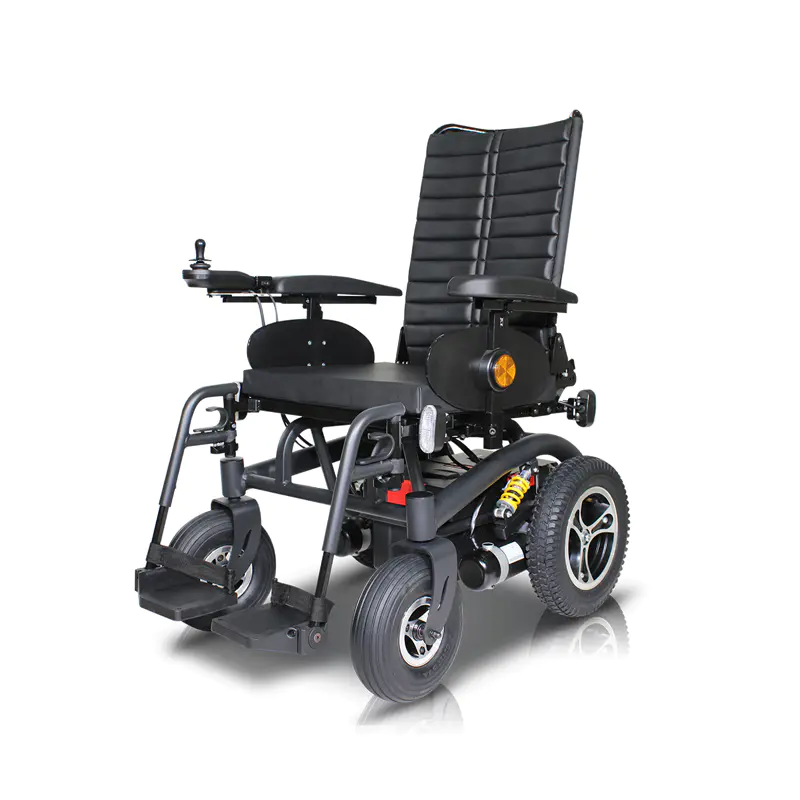
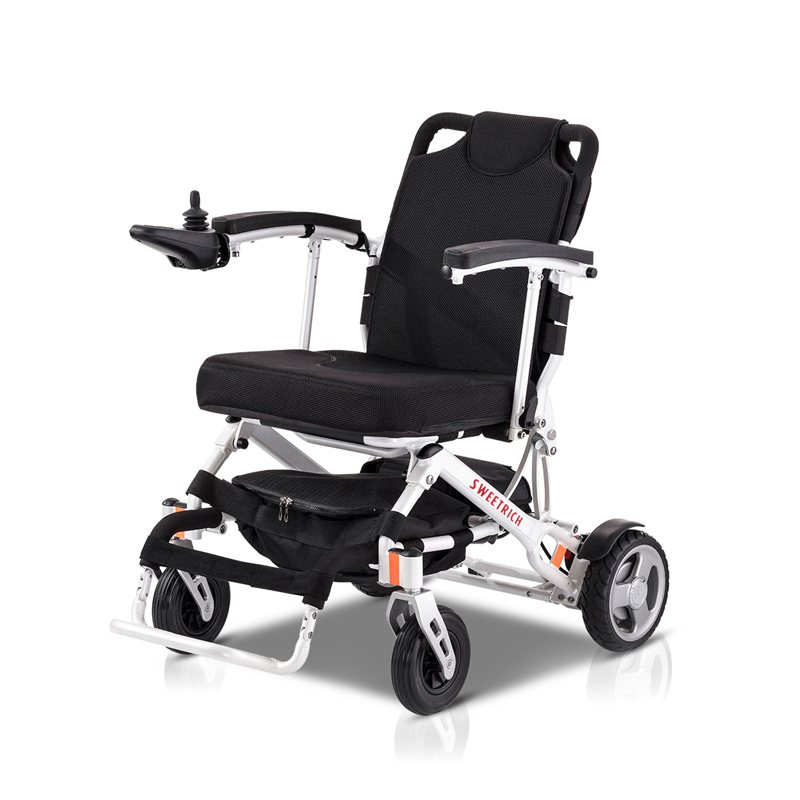
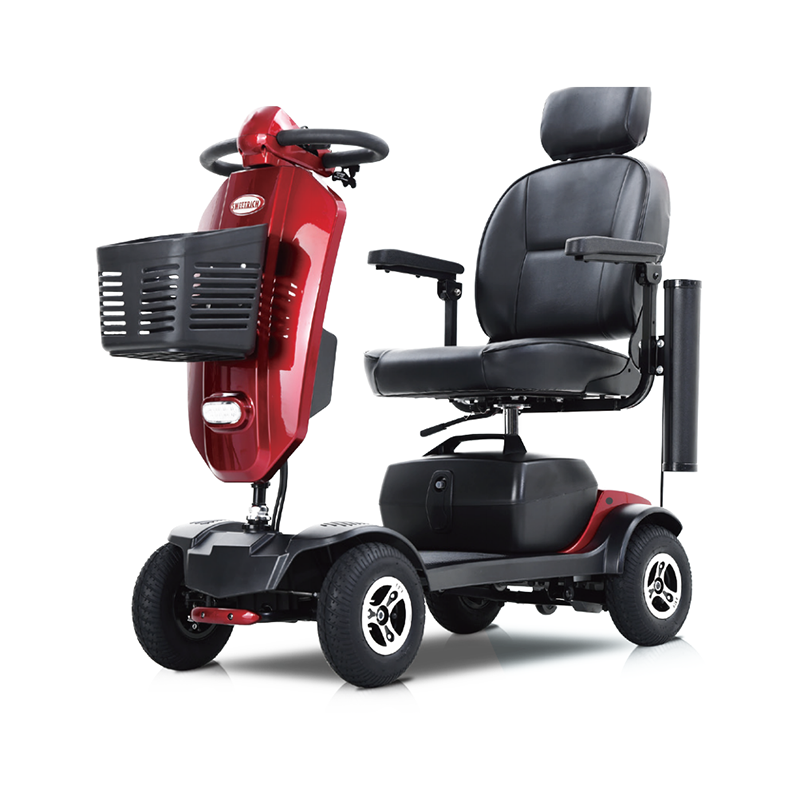
Premium scooters usually stand out through features, materials, performance specs, overall feel. But "premium" means different things to different manufacturers. So compare documented specs—not labels. Common upgrades: adjustable seating, better suspension, fancier controls, bigger batteries, compact folding, nicer finishes. Good for customers who ride often or have specific comfort and convenience needs. But expensive doesn't automatically mean more reliable or better suited. Before paying premium wholesale, look at intended use, rated weight capacity, driving range, braking performance, dimensions, warranty terms. All of it.
Better Comfort Can Increase Customer Satisfaction
Comfort matters for regular users. Seat cushioning, back support, armrest adjustments, footrest design, suspension—they shape the ride. For distributors selling to older adults and daily mobility users, these features carry real value. A more comfortable scooter also helps retailers differentiate. But comfort is personal. Seat dimensions, posture needs, ease of getting on and off—they vary. Arrange demos or sample evaluations whenever possible. Ask customers and retail partners which features they actually consider essential before committing to large quantities of premium models.
Battery Performance and Portability Can Justify Higher Prices
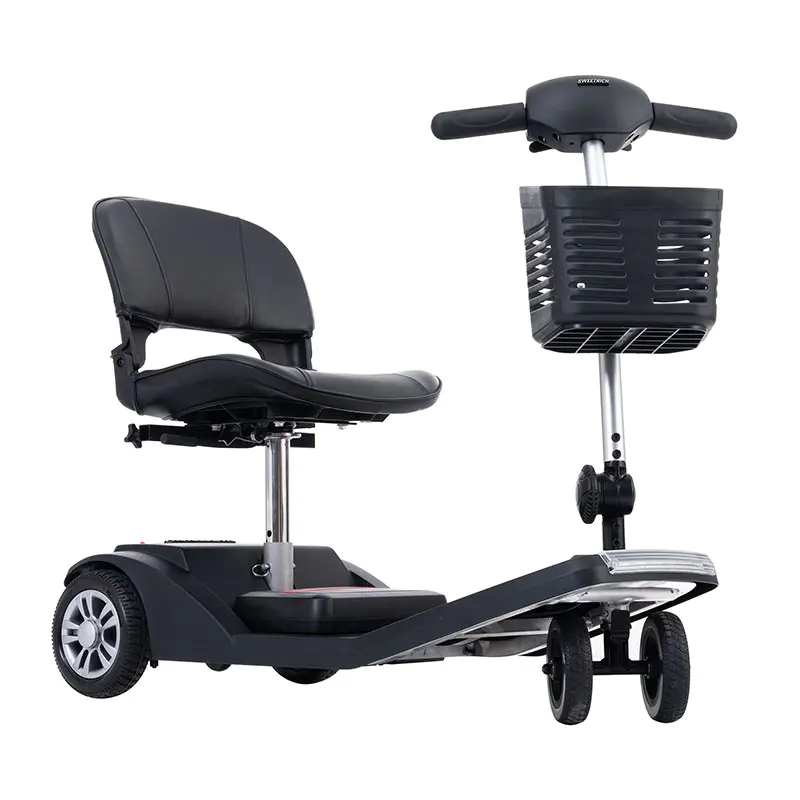
Battery capacity and product weight shape everyday suitability. Some premium models offer greater rated driving ranges, removable batteries, lightweight folding designs. Useful for customers who travel a lot, haul scooters by car, or cover longer distances between charges.
Advertised range depends on testing conditions, though. Real-world performance shifts with rider weight, terrain, temperature, speed, battery condition. Evaluate the whole battery system: replacement costs, charging requirements, warranty coverage, spare parts availability.
| Feature | Potential benefit | What distributors should verify |
|---|---|---|
| Higher battery capacity | Greater rated driving range | Test conditions and battery warranty |
| Lightweight construction | Easier transportation | Total weight and component weight |
| Folding mechanism | More convenient storage | Folded dimensions and locking security |
| Improved suspension | Greater comfort on suitable surfaces | Design specifications and testing |
| Adjustable seating | Better fit for different users | Adjustment range and seat dimensions |
| Upgraded controls | More convenient operation | Ease of use and product documentation |
A premium feature earns its price when it solves a real customer problem. That's the bottom line.
Durability and Maintenance Affect Long-Term Value
Higher price might be worth it if the scooter shows better durability, consistent manufacturing quality, easier maintenance. But verify through evidence. Not assumptions. Ask about frame materials, component specs, quality control procedures, relevant durability test results. Pay attention to folding joints, braking systems, batteries, other components needing maintenance.
Warranty coverage counts too. Compare duration, exclusions, replacement policies, the supplier's process for defective products. Also examine spare parts costs and availability. A premium scooter with expensive or hard-to-source replacement components creates extra after-sales headaches—potentially wiping out its financial advantages. Seen it happen.
Compare Total Cost and Potential Profit Margins
Wholesale buyers should evaluate total cost of supplying a scooter, not just unit price. Freight, insurance, import duties, inspections, warehousing, warranty claims—they all affect profitability.
| Cost or business factor | Standard scooter | Premium scooter |
|---|---|---|
| Initial wholesale price | Generally lower | Generally higher |
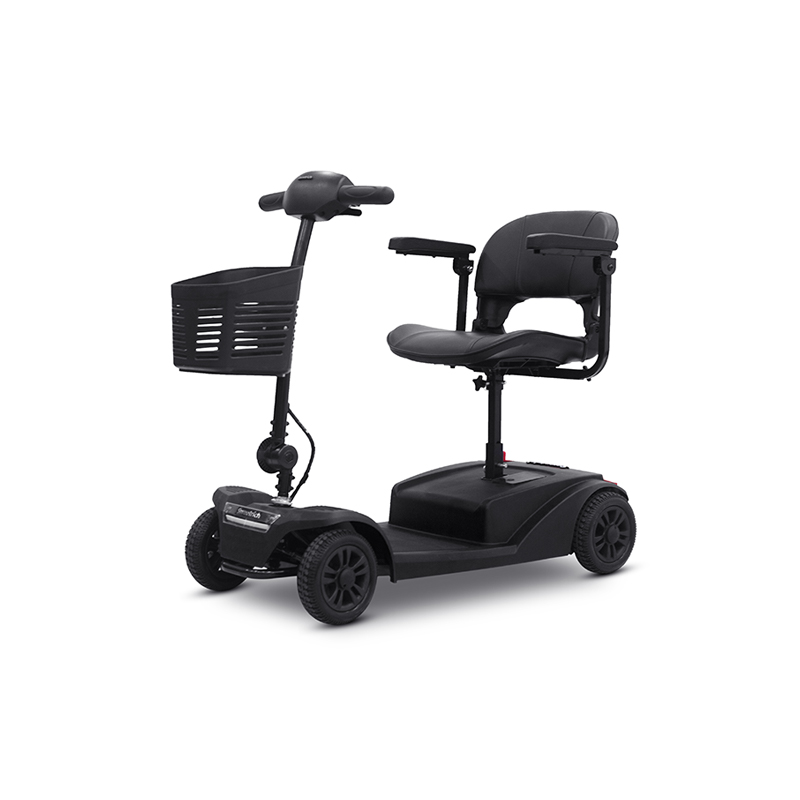
| Feature differentiation | Basic or essential features | More advanced features may be included |
| Target customer | Price-sensitive buyers | Buyers seeking specific upgrades |
| Inventory investment | Lower per unit | Higher per unit |
| Selling price potential | Depends on local competition | May support higher pricing if value is demonstrated |
| Maintenance costs | Depend on actual component quality | Depend on actual component quality and parts pricing |
These are typical positioning differences, not universal outcomes. Some standard models offer solid durability. Some premium products have higher maintenance expenses. To compare objectively, calculate landed cost per unit and estimate gross profit using realistic selling prices. Account for inventory turnover, warranty expenses, risk of slower sales at higher price points.
Match Premium Features to Your Target Market
Premium scooters aren't equally attractive to every customer segment. Distributor serving budget-conscious buyers? Reliable, competitively priced standard models may do better. Businesses serving customers who prioritize comfort, portability, extended range? Premium products may fit better.
Customer research helps identify the right product mix. Sales records, retailer feedback, customer inquiries, competitor offerings—they reveal which features influence purchasing decisions and which upgrades generate limited interest. A balanced portfolio might include an entry-level model, a mid-range scooter, a premium option. Retailers get flexibility to serve different budgets without relying on one price segment.
Verify Supplier Quality Before Ordering Premium Models
Premium positioning demands credible product quality and consistent supplier performance. Request technical specs, product samples, relevant testing documents, written warranty terms before a substantial commitment. For international purchases, verify regulations and product compliance requirements for the destination market. Check that certificates and test reports correspond to the exact model being purchased.
Confirm production capacity, Delivery cycle, customization options, after-sales support. A manageable trial order helps assess product consistency, packaging, delivery reliability, communication before increasing order volumes.
Make Premium Mobility Scooters a Strategic Investment
The benefits of a mobility scooter matter when its specs address customers' practical needs and support sustainable business performance. Premium models can offer meaningful advantages in comfort, portability, battery performance, convenience. But those benefits vary by design and manufacturer.
For distributors, a sensible approach: compare verified product specs, calculate total procurement costs, use customer demand to guide purchasing decisions. A carefully selected premium range can complement standard models, strengthen product differentiation, help your business serve customers with different mobility requirements. That's how premium becomes strategic—not just expensive.