
 +86-(0)512-82283871
Content
- 1 Operational Principles of Electric Motors
- 2 How Internal Combustion Engines Function
- 3 Efficiency Differences in Practice
- 4 Environmental Contributions of Efficient Motors
- 5 Influence on Infrastructure and Adoption
- 6 Factors Affecting Real-World Efficiency
- 7 Maintenance for Sustained Performance
- 8 Broader Societal and Industry Impacts
- 9 Ongoing Advancements in Motor Technology
- 10 Daily Applications and User Benefits
- 11 Sweetrich electric mobility scooters offer reliable transportation.
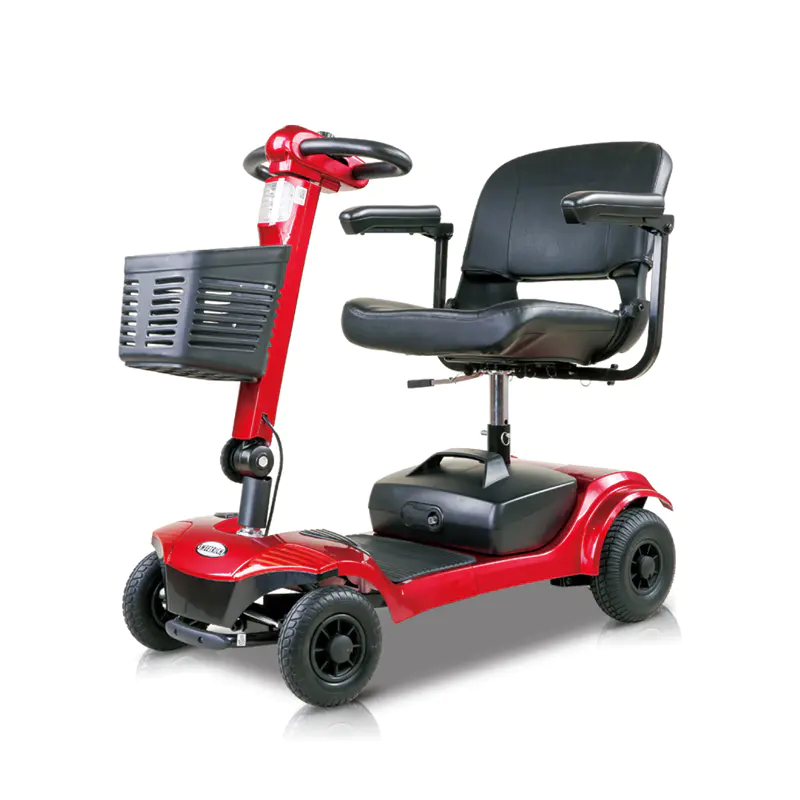
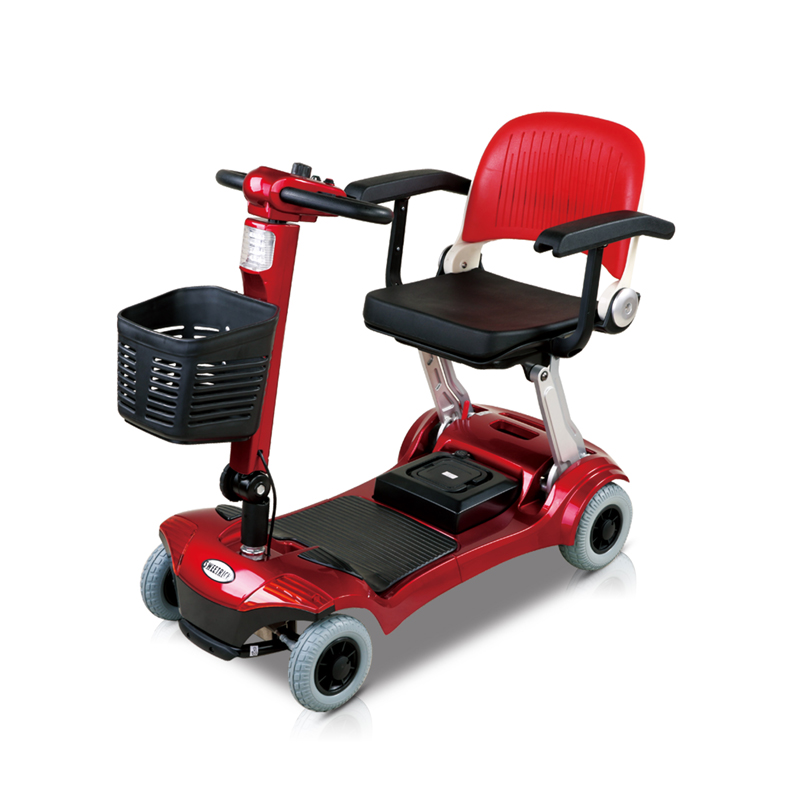
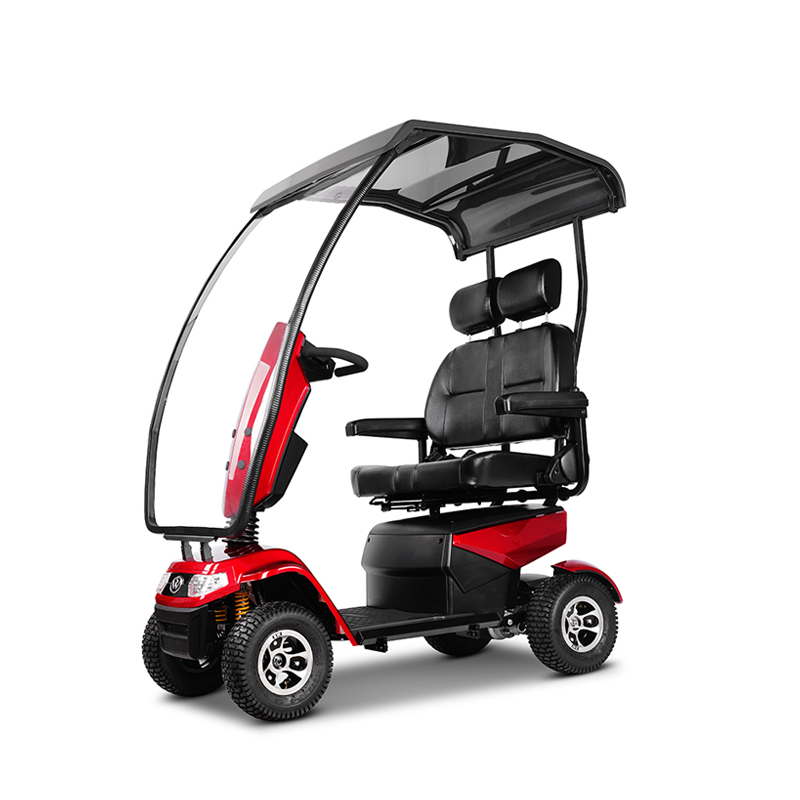
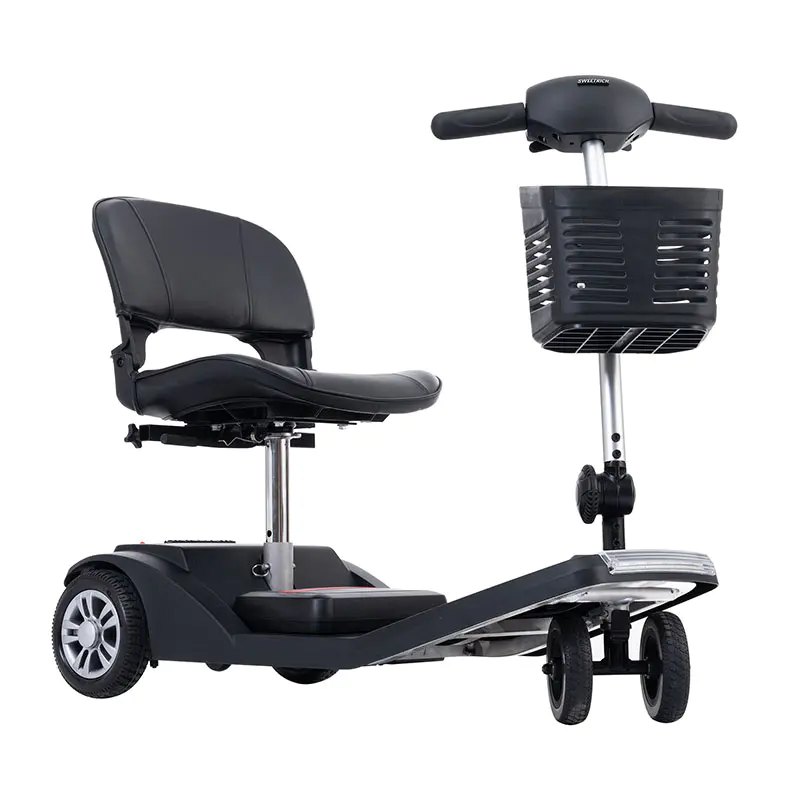
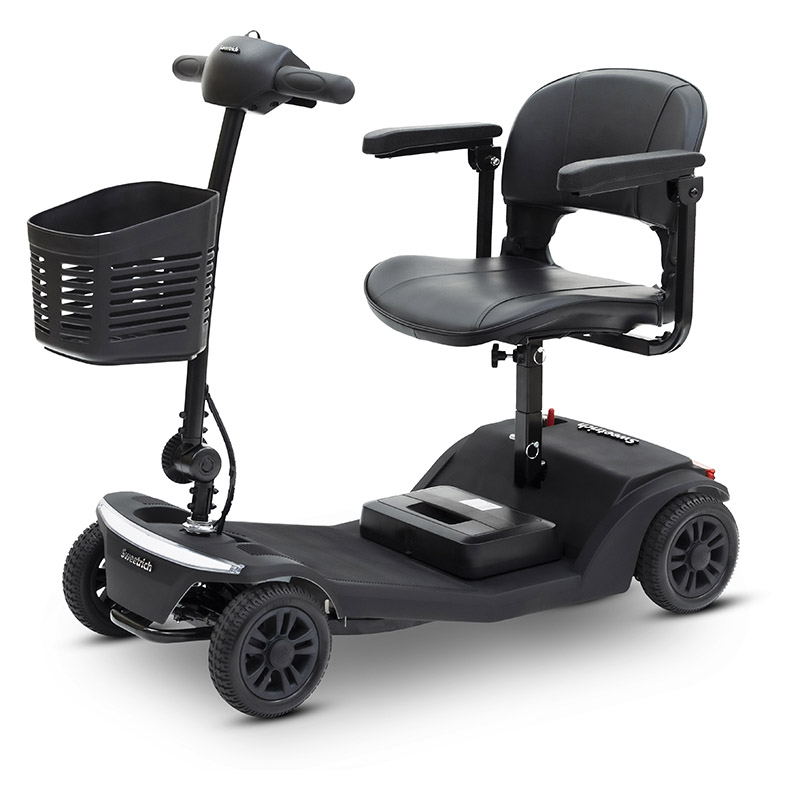
Environmental considerations and ongoing technological improvements continue to shape modern transportation preferences. Sustainable travel options receive increasing attention as people seek ways to reduce their impact while maintaining convenience. Mobility scooters from Mobility Scooter Factory provide a practical solution for personal mobility, particularly in urban areas where short trips dominate daily routines. These vehicles support independent movement for errands, leisure, or commuting without relying on larger, higher-consumption alternatives. A standout feature contributing to their appeal is the energy conversion efficiency of electric motors, which outperforms that of internal combustion engines in traditional fuel vehicles.
Operational Principles of Electric Motors
Electric motors rely on electromagnetic interactions to generate movement. Current passing through wired coils creates magnetic fields that interact with magnets, producing torque to rotate the drive components.
- Energy flows directly from electrical input to mechanical output.
- Heat buildup remains limited due to efficient conduction and design.
- Fewer mechanical linkages minimize friction-related waste.
Many mobility scooter motors include regenerative elements. During slowing or descending slopes, the motor acts as a generator, converting motion back into stored electricity. This process recaptures energy that would otherwise dissipate, extending operational range and enhancing overall utilization.
How Internal Combustion Engines Function
Internal combustion engines operate through repeated cycles of fuel ignition. Air-fuel mixtures compress, ignite, and expand to push pistons, which then transfer force through connecting rods and crankshafts.
- Chemical energy converts to thermal, then to mechanical.
- Substantial heat escapes via exhaust systems and cooling mechanisms.
- Complex drivetrains introduce additional losses at each transfer point.
The multi-phase conversion inherently limits how much original fuel energy reaches the wheels. Auxiliary systems, such as pumps and alternators, further draw from the available power.
| Aspect | Simplified Explanation |
|---|---|
| Operating Cycle | Fuel–air mixture compresses, ignites, and drives pistons |
| Energy Conversion | Chemical → thermal → mechanical energy |
| Heat Loss | Significant energy released through exhaust and cooling |
| Power Transfer | Pistons transmit force via crankshaft and drivetrain |
| Efficiency Limits | Multiple conversion stages reduce usable wheel power |
| Auxiliary Loads | Pumps and alternators consume part of engine output |
Efficiency Differences in Practice
Electric motors achieve higher rates of energy utilization through their streamlined process. For comparable distances, mobility scooters require less input energy than vehicles powered by combustion engines.
- Direct drive configurations eliminate many intermediate stages.
- Precise electronic control optimizes power delivery according to demand.
- Overall consumption supports practical daily use with manageable recharging.
This translates to extended travel capability per energy unit and reduced operational demands, making electric options suitable for frequent, shorter journeys typical in city environments.
Environmental Contributions of Efficient Motors
Mobility scooters with electric motors align closely with sustainable travel practices.
- Operation produces no direct exhaust emissions, supporting cleaner urban air.
- Electricity can increasingly source from renewable generation methods.
- Reduced noise levels enhance livability in residential and pedestrian areas.
Smooth power delivery and quiet performance improve rider comfort on shared paths, sidewalks, and indoor facilities. These qualities encourage wider adoption for routine activities, contributing to lower community-wide pollution.
Influence on Infrastructure and Adoption
Rising interest in efficient electric vehicles drives supportive developments.
- Expansion of public and home charging options facilitates convenient use.
- Battery technology improvements extend range and durability.
- Declining component costs broaden accessibility across user groups.
As infrastructure grows, mobility scooters integrate more seamlessly into daily mobility patterns, complementing public transit or walking for multi-modal trips.
Factors Affecting Real-World Efficiency
Several elements influence how efficiently a mobility scooter performs.
- Vehicle weight and aerodynamics impact energy requirements.
- Riding style, including gradual acceleration and anticipation of stops, preserves momentum.
- Terrain variations, such as hills or rough surfaces, affect consumption rates.
Users can maximize efficiency through mindful operation and appropriate model selection for intended routes.
Maintenance for Sustained Performance
Electric motor systems typically involve straightforward care routines.
- Fewer fluid changes or filter replacements compared to combustion engines.
- Electronic diagnostics monitor health and flag potential concerns.
- Battery maintenance focuses on proper charging habits and storage conditions.
Routine inspections of tires, connections, and brakes help maintain energy use over time.
Broader Societal and Industry Impacts
Efficient electric motors in personal vehicles support larger transitions.
- Reduced petroleum dependence eases resource pressures.
- Grid integration with renewables amplifies environmental benefits.
- Compact, low-impact options alleviate urban space and parking constraints.
Communities experience advantages through decreased congestion and improved quality of life when efficient alternatives complement existing transport networks.
Ongoing Advancements in Motor Technology
Research continues to enhance electric motor capabilities.
- New materials improve heat dissipation and power density.
- Advanced controllers refine energy distribution for varying loads.
- Integration with connectivity allows remote monitoring and optimization.
These innovations promise continued gains in performance and user convenience.
| Development Area | Optimized Description |
|---|---|
| Material Innovation | Improves heat control and increases power density |
| Controller Technology | Optimizes energy output across changing loads |
| System Integration | Enables remote monitoring and performance tuning |
| User Impact | Supports higher efficiency and smoother operation |
Daily Applications and User Benefits
Mobility scooters serve diverse practical needs.
- Navigating shopping districts or markets efficiently.
- Reaching local services, appointments, or social venues independently.
- Enjoying outdoor spaces like parks or trails with minimal effort.
Their efficient operation ensures reliable support without frequent energy concerns, promoting active lifestyles.
Electric motors deliver clear energy conversion advantages over internal combustion engines, making mobility scooters effective vehicles for modern, responsible travel. Their direct transformation process, regenerative capabilities, and minimal waste enable reduced consumption alongside smooth, quiet operation. Riders experience practical benefits through reliable range, comfort, and ease of use, while contributing to cleaner surroundings.
Sweetrich electric mobility scooters offer reliable transportation.
Sweetrich mobility scooters exemplify the practical benefits of advanced electric motor technology in everyday personal transportation. By prioritizing energy conversion efficiency, these vehicles deliver reliable performance with reduced resource consumption, quieter operation, and zero direct emissions. Riders enjoy greater independence for urban errands, leisure outings, or community travel, while contributing to cleaner air and sustainable practices. As infrastructure continues to evolve and innovations refine electric systems further, Sweetrich remains committed to offering accessible, eco-friendly mobility solutions that balance convenience, comfort, and environmental responsibility for users seeking thoughtful ways to navigate their daily lives.