
 +86-(0)512-82283871
Electric mobility scooters offer individuals a practical way to preserve independence when walking extended distances, remaining standing for long periods, or moving through typical environments becomes challenging. User experience encompasses every aspect of interaction with the scooter—from the moment someone approaches it, transfers onto the seat, begins operating the controls, travels through different surroundings, and eventually dismounts. Accessibility refers to how readily people with varying physical capabilities, body proportions, ages, cognitive approaches, and environmental contexts can use the scooter safely and comfortably. Positive user experience builds confidence, reduces fatigue, and encourages regular use. Strong accessibility broadens who can benefit and in which situations the scooter proves helpful—from designs crafted by a dedicated Mobility Scooter Factory that focuses on ergonomic innovation and user-centered features to ensure reliable performance and inclusive usability for a wide range of riders.
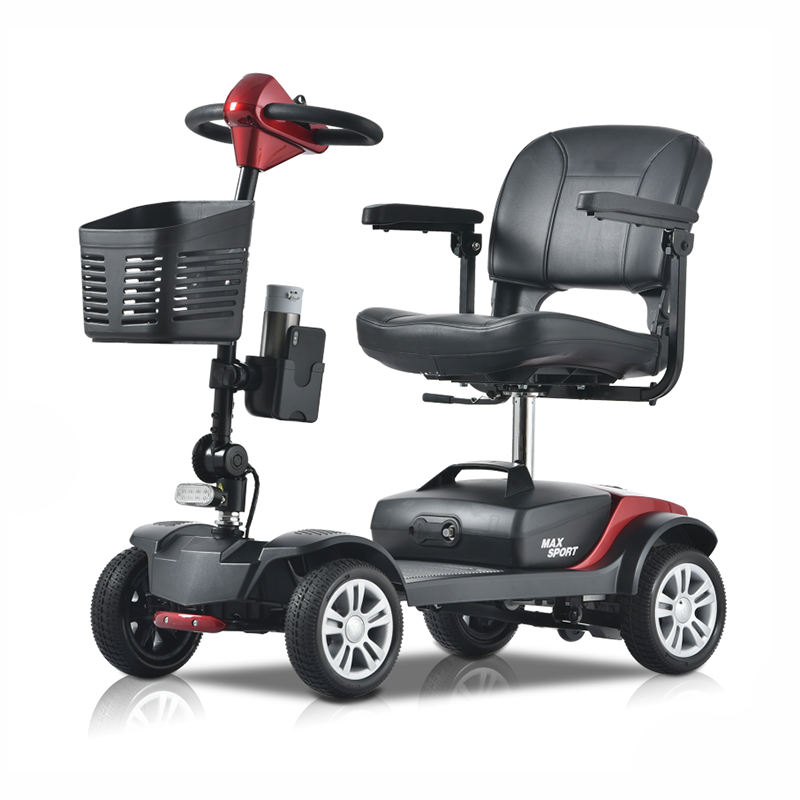
The seat represents one of the direct contributors to both user experience and accessibility. Positioned as the central connection between rider and machine, it affects posture throughout the journey, ease of reaching and using controls, comfort during motion, and overall sense of security. When the seat matches the rider's body well, attention can remain on steering, observing the path ahead, and enjoying surroundings rather than shifting to relieve discomfort. Thoughtful adjustability in seating allows the scooter to adapt to individual differences, making it accessible to a broader range of users and supporting changing needs over time.
Comfort arises from the seat's interaction with the body during active riding, brief pauses, mounting, dismounting, and exposure to weather or terrain. The sitting surface carries pelvic and thigh weight without generating intense pressure beneath the sit bones or compressing tissue behind the knees—particularly important when crossing small elevation changes, gentle inclines, or textured pavement. The backrest respects the natural forward curve present in the lower spine for many people and maintains light, distributed contact along the mid and upper back to reduce tendencies toward forward head posture that often develops during focused steering or obstacle awareness. Cushioning provides initial compliance under load to cradle bony prominences, yet maintains sufficient structure to avoid bottoming out against the rigid base. Materials that permit air movement help dissipate heat and moisture that accumulate during outdoor travel, warmer weather, physical transfers, or layered clothing. Allowing subtle position shifts—through rotation for easier access, gentle rocking at stops, or small angle adjustments—helps interrupt prolonged static loading that contributes to joint stiffness and slower circulation.
Seating with fixed dimensions restricts adaptability. Without adjustment capability, the seat may hold thighs at angles that strain hip flexors during forward motion, fail to support the lower back adequately, position armrests too high relative to shoulder height, or create pressure behind the knees when the rider leans toward the steering tiller. Adjustable mechanisms enable each rider to tailor the seat to their anatomy and the postures required for safe, comfortable control. This adaptability holds value in households where multiple people share a scooter, in community programs providing temporary access, and for individuals whose physical condition, weight distribution, or activity patterns shift gradually due to aging, health changes, or lifestyle adjustments.
Seat height adjustment serves as a foundational element for proper alignment. Raising or lowering the entire seat platform relative to the deck and footrest area positions thighs approximately parallel to the ground, creates a comfortable knee angle, and supports secure foot placement. Correct height promotes pelvic neutrality, helps maintain the natural lumbar curve, and limits excessive forward or backward pelvic tilt during acceleration, braking, turns, or travel over uneven surfaces. Riders with greater height frequently select elevated settings to achieve clearer forward sightlines over the tiller and controls while keeping knee and hip angles balanced. Riders with less height typically choose lower positions to ensure feet remain firmly planted and to avoid posterior thigh tension from unsupported feet.
Seat depth adjustment modifies the front-to-back measurement of the sitting surface relative to the backrest. Appropriate depth allows consistent lumbar contact while preserving clearance behind the knees to prevent compression of major blood vessels and nerves. Riders with longer femurs generally prefer greater depth to remain fully supported against the backrest without sliding forward under momentum or during stops. Riders with shorter femurs often reduce depth to sit completely back without the front edge pressing into sensitive tissue.
Backrest recline adjustment changes the angle of the back support from near-vertical for active steering and environmental awareness to a moderately tilted position suitable for rest during pauses or conversation. A modest recline increases the hip angle, which can decrease pressure on lumbar discs, ease tension through posterior neck muscles, and reduce forward shoulder rounding after prolonged concentration on the route ahead.
| Adjustment Feature | Position / Purpose | Main Benefits |
|---|---|---|
| Near-vertical | Active steering & environmental awareness | Better forward visibility, quick response to surroundings |
| Moderate recline | Rest during pauses or conversation | Increases hip angle |
| Overall effect of recline | — | ↓ Pressure on lumbar discs ↓ Tension in posterior neck muscles ↓ Forward shoulder rounding (after long focused driving) |
Lumbar support adjustment repositions a contoured pad, curved section, or movable element vertically along the backrest and, in some cases, forward or backward to align with the rider's specific lumbar lordosis. Proper placement helps preserve the spine's physiological S-shape, counters gravitational pull toward forward slumping, and reduces sustained contraction in lower back extensor muscles. Riders with more pronounced curves may position the support higher or project it farther forward, while those with flatter profiles usually select lower or less prominent settings.
Armrest adjustment—covering height, lateral spacing, forward extension, and sometimes pivot angle—positions forearms so shoulders remain relaxed and elbows maintain a comfortable bend during throttle operation, steering inputs, or holding personal items. Well-adjusted armrests help unload the cervical spine and shoulder girdle, particularly during extended rides or frequent steering corrections. They also enable riders to adjust distance from the tiller without rounding the upper back.
Additional adjustment options expand personalization. Seat pan tilt mechanisms introduce slight forward or backward angles to influence pelvic orientation and hip opening. Resistance controls for rocking or swivel functions allow riders to modulate how readily the seat responds to small movements. Neck support adjustments in height and angle assist in maintaining head alignment with the thoracic spine, especially during reclined rest or on surfaces that produce minor vibration. Lateral side supports or adjustable bolsters provide containment during turns or inclined paths. In certain configurations, riders can modify cushion firmness through internal air chambers, mechanical tension devices, or interchangeable inserts to match ride duration, terrain, or personal preference.
Materials and construction influence immediate sensation and long-term support. Cushioning frequently combines layers of varying density: a firmer base resists permanent deformation under repeated load, while a softer top layer conforms under initial weight. Some resilient materials recover shape quickly after compression for consistent performance, while others mold closely to contours but may retain heat during prolonged outdoor exposure or after transfers. Supplemental gel inserts or adjustable air bladders permit localized firmness changes.
The way a scooter seat is made—from the cushion layers and outer covering to the frame and hidden support parts—directly shapes how comfortable and reliable it feels during everyday use. Cushioning often uses multiple layers with different firmness levels: a denser base holds its shape under repeated sitting, while a softer top layer yields just enough to fit the shape of the pelvis and thighs when the rider settles in. Materials that spring back quickly after being pressed down give steady support trip after trip, whereas others that mold more closely to the body can feel very supportive at but tend to hold onto warmth during rides in hot weather or right after the rider has put in effort to get seated.
Some seats include built-in extras like gel pads or small air pockets the rider can adjust to change firmness in particular spots. These let users dial in relief exactly where pressure builds up without having to replace the entire cushion.
Coverings play a big role in keeping the seat pleasant over time. Fabrics designed to let air pass through—whether open-cell foam underneath, mesh sections, tiny perforations, or loose weaves—help move heat away from the skin and pull sweat off so it evaporates instead of pooling. Thicker or sealed coverings can start out feeling smooth and wipe clean with little effort, but they trap warmth unless designers add deliberate vents or channels. Textiles that actively draw moisture away from the body and dry fast usually stay more comfortable in practice, and they handle light dust, a splash of rain, or accidental spills without much trouble.
The frame that holds everything together and connects the seat to the scooter influences how solid the ride feels, how long the seat lasts, and how it reacts to bumps. A stiff, well-built frame keeps the seat dimensions steady even when the rider shifts weight or the scooter rolls over small cracks and edges. Parts of the backrest or base that are allowed to flex a little can soften the impact from curbs, uneven sidewalk joints, or low thresholds, spreading the jolt so it does not travel straight up the spine. Hidden suspension pieces—stretch webbing, elastic bands, or small dampers—add a layer of cushioning that smooths out the motion when crossing rough patches, climbing shallow ramps, or changing direction.
All these material and construction decisions tie closely into the seat's adjustable features. When the cushion is on the firmer side, getting the lumbar support placed just right prevents hard spots from forming against bony areas over long rides. A cushion that compresses more easily needs careful shaping so the rider does not sink too far when leaning forward to steer or brake. Coverings that breathe well keep the seat feeling fresh even while the rider swivels to look around, rocks gently at a stop, or tilts the backrest a few degrees.
Different body sizes and proportions call for different seat setups. Riders who are taller often raise the seat so knees and hips stay in natural positions, lengthen the sitting surface to support the full thigh, and choose a taller backrest that reaches up toward the shoulders and neck. An adjustable neck rest becomes especially helpful for keeping the head steady during short leans back or when small vibrations travel up from the wheels. Riders who are shorter typically lower the seat to keep both feet planted firmly, shorten the depth so the back stays in solid contact, and adjust armrests downward to stop shoulders from rising.
| Rider Height | Seat Height | Seat Depth | Backrest Height | Armrests | Additional Feature | Main Purpose / Benefit |
|---|---|---|---|---|---|---|
| Taller | Raise | Lengthen | Taller (extends to shoulders/neck) | — | Adjustable neck rest | Natural knee/hip angles Full thigh support Head stability during leans or vibration |
| Shorter | Lower | Shorten | — | Adjust downward | — | Feet flat & secure Solid back contact Relaxed shoulders (no hunching) |
The width of the hips and the rider's overall weight change how wide the seat pan should be and how the cushion behaves under load. Wider hips do better with a broader sitting area and armrests spaced farther apart to avoid squeezing soft tissue on turns or when leaning to one side. Riders who carry more weight need cushioning built to support heavier loads without flattening quickly, frames reinforced to resist slow sagging, and lumbar support that holds its position instead of collapsing inward. Riders who weigh less sometimes prefer cushions that give more readily and include ways to soften the feel so the seat does not come across as too hard.
Sitting and riding styles vary from person to person. Some riders like to sit upright when moving through busy walkways or tight indoor spaces, so they benefit from strong lower-back contact, a straight-up backrest, and a small forward tilt on the seat that opens the hips comfortably. Others lean back a bit during calmer stretches or rest stops and appreciate backrests that tilt through a useful range, plus neck support to keep the head level. Riders who move around a lot—reaching for items, turning to talk, or getting on and off frequently—prefer seats that swivel easily, rock gently when needed, and have backrests flexible enough to follow natural body shifts.
Age brings its own seating needs. Younger riders or those still growing do well with seats that can be adjusted upward in height and depth as they get taller. Cushions that offer steady support without being overly stiff help encourage good posture habits, and smooth rounded edges cut down on scrapes during energetic transfers. Older riders frequently raise the seat height to make standing and getting seated easier, add a gentle recline to ease pressure on joints, and look for large, easy-to-operate controls that work well with weaker hands or less precise grip. Bases that stay stable and coverings that handle moisture add both safety and comfort on regular outings.
Riders dealing with ongoing mobility challenges or certain health conditions see real advantages from seats that adjust readily. Controls that move with very little effort reduce strain for people with weaker hands or shorter reach. Customized support around the lower back and pelvis can help ease chronic ache or keep the spine in better alignment. Wider seats and armrests that move out of the way make sliding over from a wheelchair or managing hip and knee limitations smoother. Features that tilt the whole seat or shift its position let riders redistribute weight periodically and keep circulation flowing during longer seated time.
Pregnancy changes how weight is carried, increases belly space, and alters spinal curves. Seat depth that can be shortened prevents the thighs from feeling pinched as the body expands forward. Lumbar support that moves up, down, or in and out follows the changing lower-back shape. A backrest that reclines a little takes some load off the lumbar area, and fabrics that let air move freely help deal with extra body heat and sweat.
Riders who stay physically active often want seats that deliver firm, alert support while traveling and can switch to a softer feel during rest or recovery. Controls that change cushion firmness allow quick adjustments. Surfaces that pull moisture away and release heat keep the seat agreeable when the body is warmer from movement or hot surroundings.
Beyond the seat itself, the placement and design of controls play a large part in how easy and comfortable the scooter is to use. A tiller positioned so the rider does not have to stretch or twist awkwardly, throttle response that feels smooth and predictable, and switches arranged for easy reach all make operation more intuitive. Clear, easy-to-read indicators for speed, battery charge, direction, and warnings help riders stay informed without taking their eyes off the path for long. For better accessibility, controls that need only light pressure and give tactile or sound feedback help riders who have reduced hand strength, limited sensation, or vision differences.
How well the scooter handles and stays steady affects the rider's sense of safety and willingness to go out alone. Steering that responds quickly but predictably, a base that resists tipping, and balanced weight distribution make navigating sidewalks, store aisles, doorways, and gentle slopes feel natural. Tires and suspension that grip well and soften small bumps open up more surfaces—smooth indoor flooring, outdoor pavement, short grass, or lightly textured paths—making the scooter truly usable in everyday places.
Real-world accessibility depends on how the scooter fits into different environments. A tight turning circle and reasonable overall size help in narrow hallways, elevators, or crowded rooms. Tough construction and tire choices suited to mixed terrain extend where the rider can travel comfortably. Easy compatibility with ramps, vehicle lifts, public transit boarding, and accessible entrances widens the range of places someone can reach on their own.
Safety elements build confidence and encourage more use. Lights that improve visibility from the front and back, audible signals for others nearby, brakes that engage reliably and bring the scooter to a controlled stop, and consistent handling in changing light, weather, or ground conditions all let riders move with greater peace of mind. When the scooter behaves predictably, riders tend to take longer trips and venture out more often.
Choosing the right scooter means looking at regular routes, how well the seat fits the body, how simple the controls are to reach and use, and how easy it is to get on and off every day. Spending time testing in places that match actual routines shows how the scooter performs during transfers, movement, turns, stops, and dismounting. Basic ongoing care—inspecting moving parts, wiping down surfaces, checking tires and battery condition—keeps comfort, performance, and safety consistent over months and years.
Some common hurdles include adjustment ranges that do not quite cover unusual body sizes. Looking at exact measurements before buying and adding straightforward helpers like raised footrests or extra cushion pads can close those gaps. Scooters packed with many adjustments often cost more at the start, so focusing on the ones that solve the biggest comfort issues—lumbar support, seat height, and depth—usually brings clear improvement without spending extra.
Control panels with too many switches or dials can overwhelm riders who have limited hand control, reduced vision, or little experience with mechanical devices. Seats and scooters that label controls clearly, arrange them logically, and highlight the ones used often make operation much easier. Daily adjustments put wear on tracks, hinges, and locking parts, so strong materials and places easy to reach for cleaning or light lubrication help everything last longer.
Looking ahead, scooter design is heading toward even more personal fit. Sensors that track posture shifts, pressure across the seat, and small movements could one day offer suggestions or make quiet automatic tweaks. Materials that change firmness or shape on their own in response to prolonged weight or rising temperature might create seats that adapt without any input from the rider. Designers are paying more attention to sustainability by choosing parts that can be repaired, replaced individually, or built to last through many years of use. Inclusive thinking pushes for adjustment ranges that cover a wider variety of bodies and controls that stay simple enough for hands that tire easily or eyes that see less sharply. Linking seats to digital tools could let riders save their preferred settings and call them up quickly—especially useful when scooters are shared—while soft reminders might prompt riders to shift position or stand for a moment during the day.
Why Choose Sweetrich Mobility
Sweetrich stands out as a forward-thinking mobility scooter manufacturer that embodies the very principles of exceptional user experience and broad accessibility outlined throughout this discussion. With a strong emphasis on ergonomic design, innovative adjustability, and user-centered features—from height- and depth-adjustable seats with thoughtful lumbar and armrest support to breathable, durable materials and smooth-handling frames—Sweetrich scooters prioritize comfort, proper posture, and ease of use for riders of diverse body sizes, ages, and physical needs.
Whether navigating everyday urban environments, enjoying longer outings, or adapting to changing life circumstances, Sweetrich combines reliable performance, practical portability, and inclusive engineering to empower individuals with greater independence. By choosing a Sweetrich model and taking time to personalize its seating and controls, users can fully realize the freedom, confidence, and everyday practicality that truly inclusive electric mobility promises for years to come.