
 +86-(0)512-82283871

Distributors and mobility equipment brands don't just place a large scooter order and walk away. The products need to arrive on time, match the approved samples, and stay available when the next shipment rolls around. A battery shortage here or a controller delay there can stall production even when the factory has frames and other parts stacked to the ceiling.
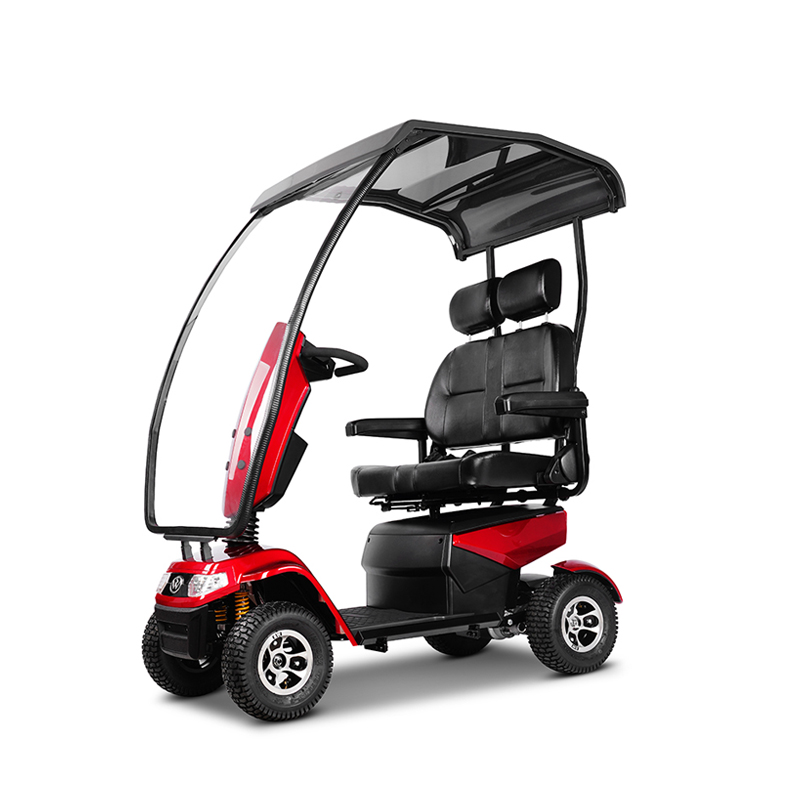
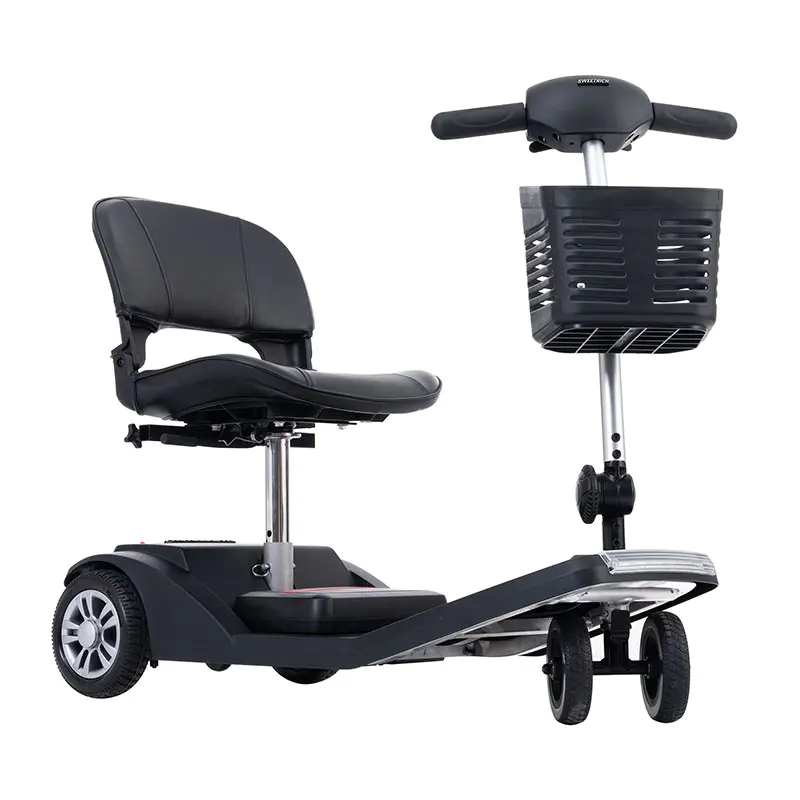
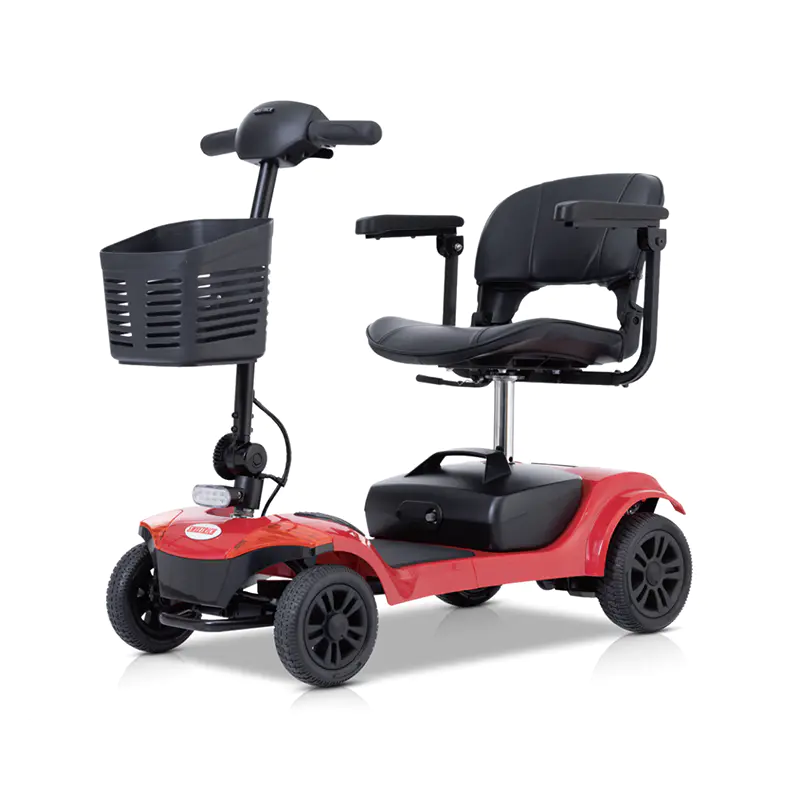
So a Mobility Scooter Factory needs more than assembly lines to handle this kind of work. Component sourcing, production planning, inspection, export arrangements—they all shape how reliably it can fulfill international orders.
Production Capacity and Planning Support Large Orders
A factory might advertise impressive monthly output, but how much of that capacity is actually free for your order? Production lines, workforce, existing commitments, assembly arrangements—they all matter.
Before production kicks off, lock down the details:
- Model numbers and technical configurations.
- Order quantities and delivery batches.
- Accessories and packaging specifications.
- Inspection standards and acceptance criteria.
- Production and shipment dates.
For bigger purchases, splitting deliveries into batches often works better than taking everything at once. It gives distributors breathing room on warehouse space and inventory. The factory also needs enough time for inspection, corrections, and export prep.
Stable Component Supply Reduces Production Disruptions
Mobility scooters rely on all sorts of components—motors, batteries, controllers, frames, tires, brakes, electronic displays. One essential part runs late and the finished order sits there waiting.
Factories typically handle this through approved suppliers, purchasing schedules, incoming inspections, component records. Keeping part specifications documented pays off when a supplier changes or an alternative source becomes necessary.
Battery sourcing deserves extra caution. Check chemistry, voltage, capacity, manufacturer details, transport documentation. Don't swap in a substitute battery just because the dimensions look similar—compatibility and safety need verification before it goes into production.
Reserve stock of critical components and qualified backup suppliers can soften the blow when shortages hit.
Quality Control Maintains Consistency Across Bulk Orders
One good sample unit is fine. A shipment of several hundred scooters is a different animal—keeping every unit consistent takes work. Inspection has to cover incoming parts and the finished product alike.
Typical checks:
- Incoming material inspection: Verify component dimensions, specifications, appearance, supporting documents.
- In-process inspection: Check frame assembly, welds, wiring, fasteners, component installation.
- Final product testing: Examine braking, steering, motor operation, battery charging, folding mechanisms where applicable.
- Pre-shipment inspection: Confirm quantities, accessories, labels, packaging, agreed acceptance requirements.
Inspection records should stay organized by production batch. When a problem surfaces after delivery, those records make it easier to trace affected products and dig into the cause.
Compare Manufacturing Capabilities Before Placing Bulk Orders
Buyers can use these points when reviewing potential suppliers.
| Evaluation area | What buyers should verify | Supply chain benefit |
|---|---|---|
| Production capacity | Lines, workforce, output records | More predictable order fulfillment |
| Component sourcing | Approved suppliers and backup plans | Lower shortage risk |
| Quality management | Inspection procedures and records | Consistent product quality |
| Customization | Engineering and production capabilities | Better market adaptation |
| Packaging | Export packaging and labeling controls | Reduced shipping damage |
| After-sales support | Spare parts and warranty procedures | More manageable long-term service |
Factory visits, sample reviews, third-party inspections provide evidence beyond sales brochures. Buyers should also check whether the factory has experience producing the particular models they want to order.
OEM and ODM Services Support Different Market Requirements
Distributors often need tweaks to fit their own markets—branding, colors, accessories, packaging, technical configurations. OEM and ODM services give manufacturers room to handle these requests.
Not every change is simple. Different battery capacity, motor specs, frame design, electronic systems may require engineering checks and extra testing. It can also affect production costs and delivery dates.
Before green-lighting a project, talk through order thresholds, sample approval, tooling costs, development time. Both sides should sign off on the final product specification. This matters for repeat orders—even small differences between batches cause headaches.
Export Logistics and Documentation Support Global Delivery
Production wraps up, but the scooters still need packing and shipment prep. Battery-powered products can involve specific transport rules, particularly with lithium batteries.
An export-experienced factory should know carton labeling, palletization, shipment scheduling, commercial documents. Battery transport requirements must be checked against the actual battery type, shipment method, destination.
Shipping terms need clarity. Buyers should know who handles customs clearance, how damaged goods get reported, what the delivery schedule covers. Production completion, freight booking, arrival at the destination—these are separate stages, not one date.
After-Sales Service Helps Distributors Maintain Market Confidence
The factory's job doesn't end when an order leaves the warehouse. Distributors may need replacement batteries, tires, chargers, controllers, other parts long after the original purchase.
Before ordering, check how warranty claims are handled and whether technical assistance is available. Compatible component lists and maintenance instructions help local repair teams, especially when they're juggling several scooter models.
Spare-parts availability matters on large orders. Without it, a minor fault can leave a customer's scooter unusable while the distributor waits on a replacement part.
Build a Long-Term Partnership With a Reliable Mobility Scooter Factory
A factory's ability to handle bulk orders comes down to several things working together: production capacity, component availability, quality checks, export experience, support after delivery.
Before committing to a large purchase, review production records, test samples, confirm component specifications, agree on delivery dates and warranty responsibilities. Clear specs and regular communication make repeat orders easier to manage too, especially when you're supplying several markets.