
 +86-(0)512-82283871

Picking a portable electric chair isn't just about grabbing whatever's cheapest. Distributors, healthcare retailers, wholesalers—they all face different customer needs. Portability, comfort, battery performance, safety, affordability. Match those correctly and you get happier customers, better inventory management, a product lineup that actually sells.
For B2B buyers, product selection starts with knowing your market. Here's how to evaluate customer needs, compare specs, assess suppliers, and choose chairs that support long-term growth.
Identify Your Target Customers and Their Mobility Needs
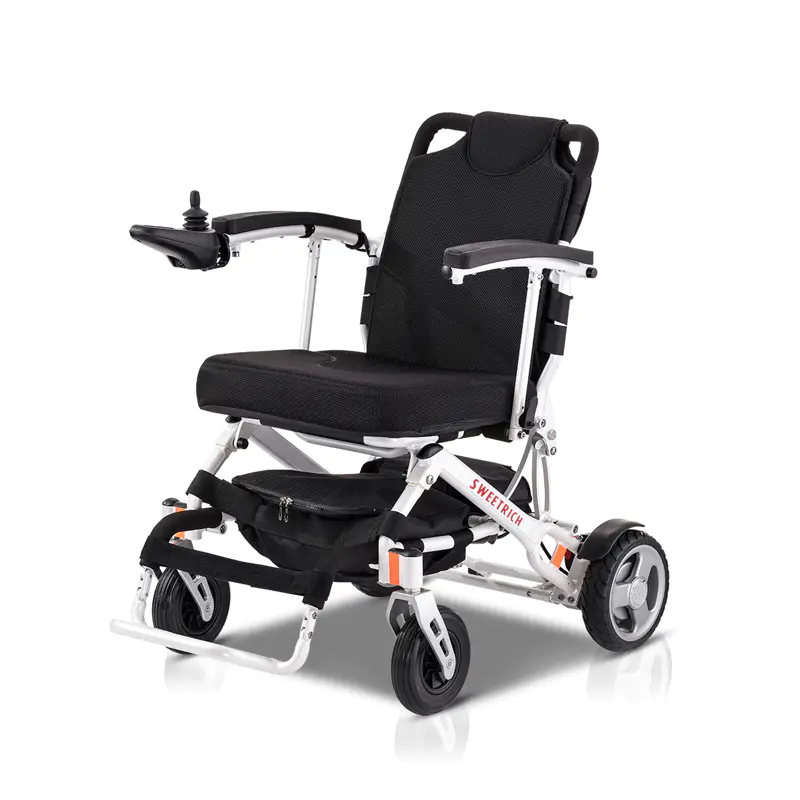
Before sourcing anything, figure out who you're serving. Seniors, people with limited mobility, frequent travelers, users who need daily assistance—they all want different things.
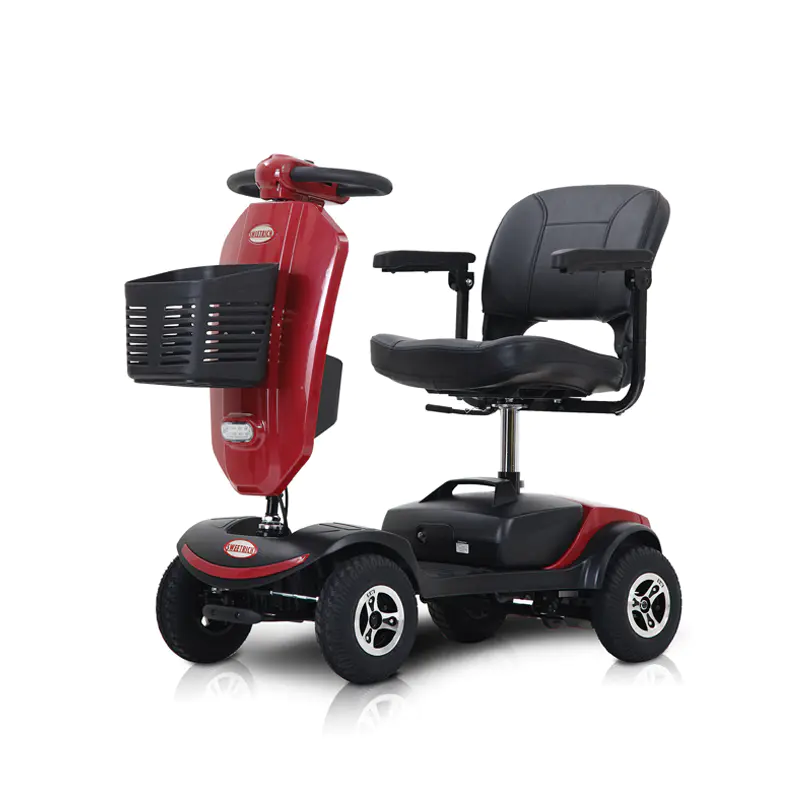
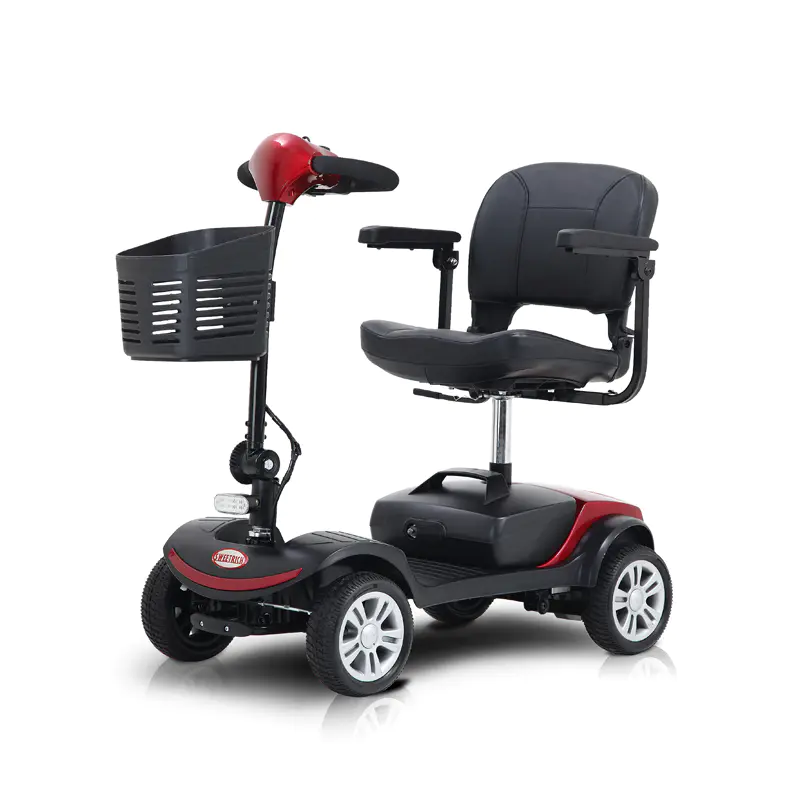
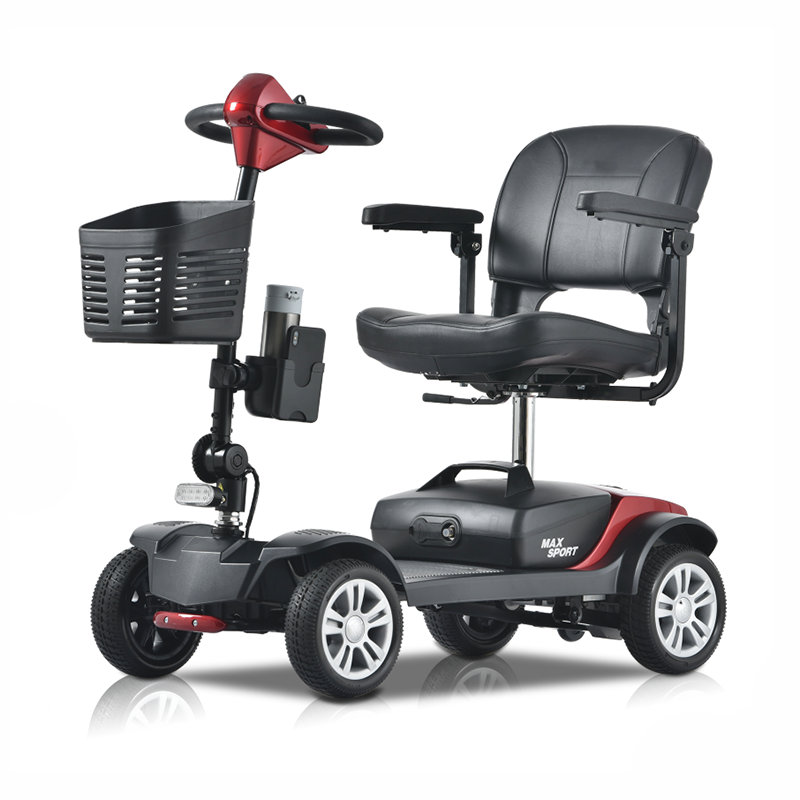
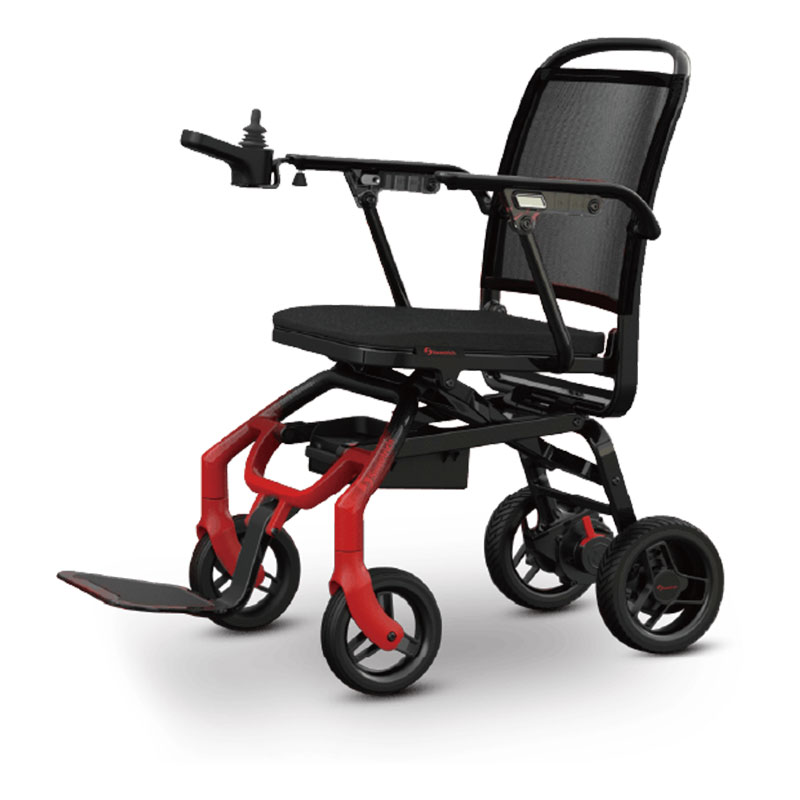
Travel-focused customers? Lightweight designs, easy folding, fits in the car. Daily mobility users? Seating comfort, stable handling, battery range, accessible controls.
Customer segments to consider:
- Travel-focused customers: Compact dimensions, manageable weight, convenient folding mechanisms.
- Older adults: Intuitive controls, comfortable seating, easy entry and exit.
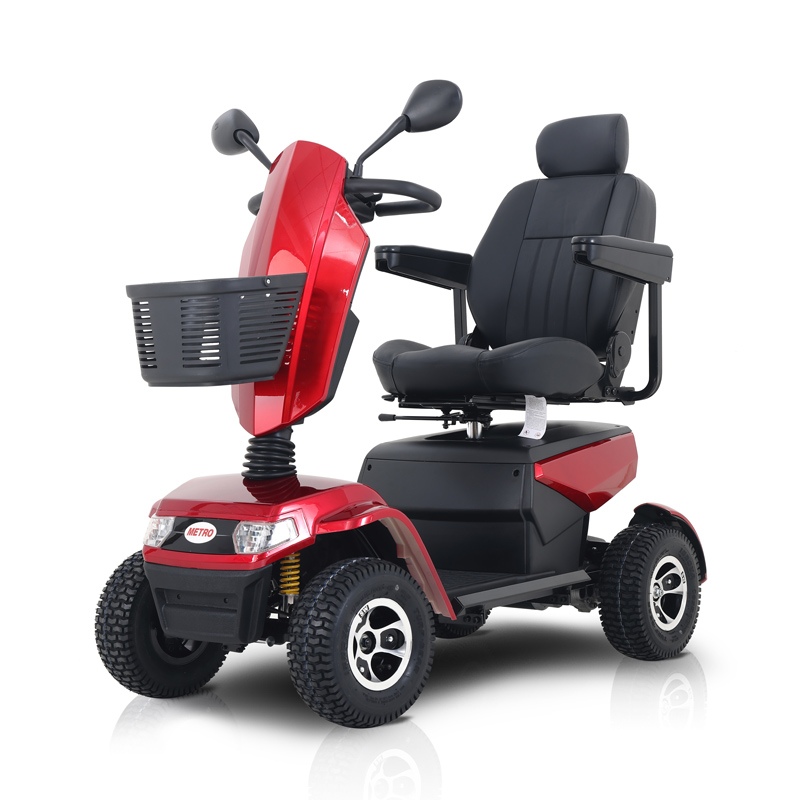
- Daily mobility users: Dependable battery performance, durable construction, accessible replacement parts.
- Budget-conscious buyers: Essential functions, warranty coverage, overall ownership costs.
Talk to customers. Get retailer feedback. Look at sales records and market research. These tell you which features actually matter to your audience.
Compare Portability, Weight, and Folding Design
"Portable" is a vague word. Products labeled portable can differ wildly in actual weight, folded size, ease of transport. Check the chair's total weight, battery weight, folded dimensions, folding procedure, whether components separate for lifting. A compact folded profile helps customers with limited storage. A lightweight frame makes transportation easier for caregivers.
But examine the trade-offs between portability and usability. Some lightweight designs have user weight limits or are meant for specific surfaces and environments. Request product demonstrations or samples. Can the chair fold and unfold easily? Does it need tools or serious physical effort?
Evaluate Battery Performance and Driving Range
Battery specs affect how conveniently the chair works throughout the day. Compare battery chemistry, rated capacity, charging time, expected range, charging requirements, replacement availability. Lithium-ion is common for portable mobility products—decent balance of weight and energy capacity. The right configuration depends on product design, price point, intended use, service requirements.
Don't evaluate range using advertised figures alone. Real performance varies with user weight, terrain, temperature, speed, battery condition, how often you stop and start. Ask manufacturers how range is tested. Can batteries be removed for charging? Verify charger specs. Request relevant battery safety and transportation docs where applicable.
Assess Comfort, Safety, and Everyday Usability
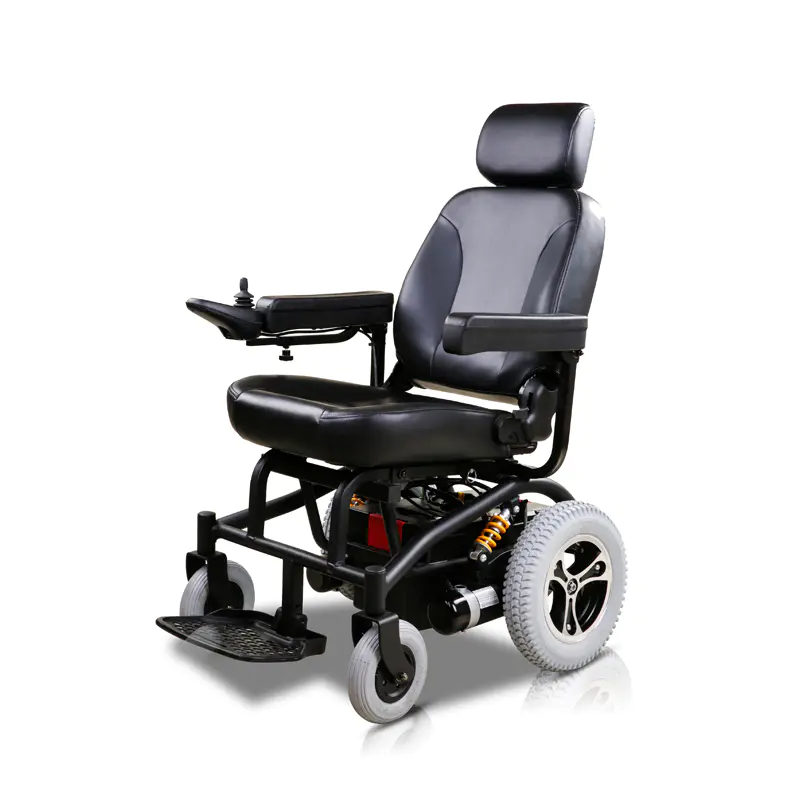
A portable electric chair should meet the physical and practical needs of its users. Seat dimensions, cushioning, back support, armrests, footrests, adjustability—they all affect the experience.
Safety features deserve close attention too. Depending on design: electromagnetic braking, anti-tip components, stable wheel positioning, speed controls, clear battery indicators.
| Evaluation factor | What to check | Why it matters |
|---|---|---|
| User weight | Rated weight capacity | Helps match the chair to intended users |
| Seat design | Width, depth, cushioning, and support | Influences comfort |
| Braking system | Type, operation, and relevant testing | Supports controlled stopping |
| Driving range | Test conditions and battery specifications | Helps set realistic expectations |
| Folded dimensions | Measurements and folding procedure | Affects storage and transportation |
| Warranty | Coverage and claim procedures | Influences after-sales costs |
| Spare parts | Availability and Delivery cycle | Supports long-term maintenance |
Product suitability should be based on documented specs and appropriate testing. Avoid making medical or therapeutic claims unless supported by reliable evidence and permitted under applicable regulations.
Match Product Pricing to Your Market Position
A good product portfolio fits both customer budgets and your commercial objectives. Some customers pay more for lighter construction, convenient folding, advanced controls. Others prioritize affordability and essential functionality.
When comparing suppliers, calculate total landed cost—product price, shipping, insurance, import duties, inspection expenses, warehousing. Also consider spare parts, warranty claims, potential inventory holding costs. A balanced portfolio might include an entry-level model, a mid-range option with extra convenience features, a higher-spec model for demanding users. Don't add too many similar models at the start. A focused selection makes purchasing, inventory planning, staff training, replacement-part management easier.
Choose a Reliable Manufacturer and Verify Compliance
The manufacturer's capabilities affect product consistency, delivery reliability, long-term serviceability. Review production experience, quality control procedures, order Delivery cycle, customization options, communication standards.
Request samples, detailed specs, relevant test reports, applicable certificates. Verify documentation matches the exact model and manufacturer. Requirements differ by destination market and product classification. Importers should confirm applicable safety, labeling, electrical, battery, conformity requirements before ordering.
Selling under your own brand? Clarify minimum order quantities, logo application, packaging customization, sample approval, ownership of designs. A manageable trial order verifies manufacturing consistency and delivery performance before a larger commitment.
Confirm After-Sales Support and Spare Parts Availability
After-sales service matters for mobility equipment. Product problems affect customer confidence and create extra operating expenses. Before choosing a supplier, establish the warranty period, exclusions, repair procedures, responsibility for replacement or shipping costs. Can the manufacturer supply batteries, chargers, controllers, wheels, other model-specific components over time?
User manuals, troubleshooting instructions, technical support help retailers handle customer questions more efficiently. Suppliers with clear service processes make it easier to maintain consistent support across sales channels.
Build a Product Portfolio Around Customer Needs
Choosing the right portable electric chair means balancing portability, comfort, battery performance, safety, pricing, supplier reliability. Use customer research to identify relevant features. Verify product specs. Evaluate the full cost of supplying and supporting each model.
Start with a focused product range, test samples, establish clear agreements with manufacturers. As sales data and customer feedback come in, adjust the product mix to reflect actual demand. That approach helps control inventory risks while building a portfolio that meets the practical needs of your target market.