
 +86-(0)512-82283871

Content
- 1 Why Suspension Matters for a Heavy Duty Mobility Scooter
- 2 Do Larger Tires Improve Performance?
- 3 How Suspension and Tire Size Work Together
- 4 Why Rider Weight and Load Capacity Matter
- 5 Which Tire and Suspension Setup Suits Different Environments?
- 6 Maintenance Makes a Difference to Ride Quality
- 7 How to Choose the Right Heavy Duty Electric Mobility Scooter
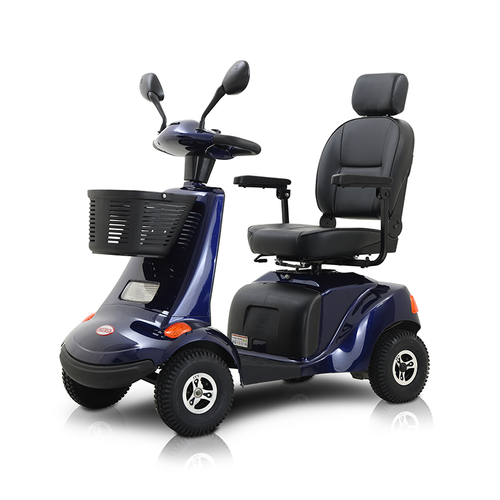
Heavy duty electric mobility scooters are made to handle higher weight limits and get users around all kinds of daily environments. But carrying extra weight puts extra strain on the frame, tires, suspension, and drive system, which leads to a pretty common question: does a heavy duty scooter always need upgraded suspension and bigger tires? The short answer is—it depends on what the scooter's for, what the rider needs, and what kinds of surfaces it'll roll over. Suspension can make rides smoother and help wheels stay planted on uneven ground, while right-sized tires help with weight distribution, traction, and getting over small obstacles. Neither feature works magic on its own, though. Shoppers should look at the whole design before picking a model.
Why Suspension Matters for a Heavy Duty Mobility Scooter
Suspension soaks up the jolts from uneven pavement, cracks, small bumps, and changes in ground level. Without decent suspension, more vibration travels straight through the scooter's frame up to the seat and the rider. For heavier riders, suspension design deserves extra thought because the system has to perform well under the scooter's expected total weight. A suspension system that's not matched to the rider's weight might bottom out too easily, or barely provide any cushioning at all. That said, a higher weight capacity doesn't automatically mean a scooter needs super fancy suspension. A model used primarily on smooth indoor floors or paved sidewalks can work just fine with a simpler setup. People who regularly roll over rough pavement, uneven paths, or outdoor surfaces will get more use out of a well-thought-out suspension system. When comparing models, take a look at the manufacturer's weight rating, suspension setup, and any notes on what terrain it's meant for.
Do Larger Tires Improve Performance?
Larger tires have practical perks, especially for outdoor use. Depending on their diameter, tread, and build, they can roll over small surface bumps more easily and give the chassis more ground clearance. Tire size also shapes the scooter's overall feel and geometry. A well-matched tire helps keep things stable and responsive under load, while the wrong tire can cut down turning clearance or make steering feel off. Bigger tires aren't a win for every user, though. They add to the scooter's overall size, can make turning in tight spaces harder, and tack on extra weight. A wider tire might also cause clearance issues if the frame and wheel wells weren't built for it. For indoor use, more compact tires are usually more practical for narrow hallways and tight turns. For outdoor trips, larger tires come in handy when the scooter regularly hits cracks, rough pavement, or mild surface unevenness.
How Suspension and Tire Size Work Together
Suspension and tires do related but separate jobs. Tires create the contact point between the scooter and the ground, while suspension controls how the wheels move and softens impacts. A bigger tire can help a wheel roll over certain obstacles, but it can't make up for a suspension system that's not up to the task. Similarly, solid suspension can't fully fix tires that don't have enough traction or aren't right for the surface. The overall ride also depends on things like wheelbase, ground clearance, frame design, weight distribution, steering geometry, and tire pressure when applicable.
| Feature | Main Benefit | Important Consideration |
|---|---|---|
| Improved suspension | Helps absorb bumps and cut down on transmitted vibration | Has to fit the intended load and terrain |
| Larger tire diameter | May help with obstacle handling and ground clearance | Can impact turning space and overall size |
| Wider tires | May increase contact area, depending on tire design | Have to be compatible with the wheels and frame |
| Suitable tread pattern | Supports traction on intended surfaces | More aggressive tread isn't always good on smooth indoor floors |
| Higher ground clearance | Helps lower the risk of the chassis hitting obstacles | Can affect stability and overall vehicle height |
All these features work well when they're part of one cohesive design, rather than being tacked on individually.
Why Rider Weight and Load Capacity Matter
A heavy duty electric mobility scooter has to support the rider, any accessories, and whatever items they bring along for the ride. Shoppers should check the manufacturer's maximum weight capacity and make sure the model they pick works for their expected total load. Keep in mind, load capacity alone doesn't tell you much about ride comfort or what terrain the scooter can handle. Two scooters with similar weight ratings can have very different suspension setups, wheel sizes, frame designs, and handling quirks. It's worth asking the manufacturer if the suspension is calibrated for the model's rated load, and if performance specs shift under different loading conditions. Users should never go over the stated capacity, or try to modify the suspension on their own to increase it. A properly matched scooter leads to more predictable handling, longer-lasting parts, and a more comfortable ride overall.
Which Tire and Suspension Setup Suits Different Environments?
The right setup largely comes down to where the scooter gets used on a regular basis. For indoor spaces, compact size, smooth steering, and a manageable turning radius usually matter more than big tires. The suspension should be comfortable enough without getting in the way of easy maneuvering. For paved outdoor routes, moderately sized tires and decent suspension can help handle sidewalk gaps, cracks, and small changes in surface level. People who regularly travel on rougher paths should pay closer attention to ground clearance, tire construction, suspension capability, and the manufacturer's notes on suitable terrain. A mobility scooter isn't automatically ready for grass, gravel, steep slopes, or off-road travel just because it has big wheels. Always double check the intended operating conditions and maximum allowed gradients.
Maintenance Makes a Difference to Ride Quality
Even a well-built scooter will feel less smooth or predictable if its tires or suspension parts are neglected. Regular checks should include tire condition, recommended pressure for pneumatic tires, wheel fasteners, and any visible damage to suspension parts. Solid tires don't need inflating, but they still need to be checked for wear and tear over time. Unusual noises, extra bounciness, constant vibration, or changes in how steering feels can all signal a mechanical issue. If you notice any of these, have a qualified service technician take a look. Don't install bigger replacement tires or swap out suspension parts without confirming compatibility with the manufacturer first. Unauthorized changes can throw off steering, braking, stability, ground clearance, and even void your warranty.
How to Choose the Right Heavy Duty Electric Mobility Scooter
Before buying, think about the user's weight, typical travel distance, usual terrain, storage space, and comfort preferences. Compare each scooter's rated load capacity, tire dimensions, suspension design, turning radius, ground clearance, and braking performance. Whenever you can, set up a supervised test ride on surfaces similar to what you'd use day to day. Notice how much vibration you feel, how responsive the steering is, how comfortable the seat is, how well it clears obstacles, and how easy it is to maneuver in tight spaces.
At the end of the day, a heavy duty electric mobility scooter doesn't need oversized tires or an overly complicated suspension system. It needs parts that work well together for the user's weight, typical routes, and mobility needs. Picking a model with well-matched tires, suspension, and chassis design can boost ride comfort and daily usability, while helping you skip paying for features your regular environment doesn't call for.