
 +86-(0)512-82283871
Content
- 1 What This Piece Is About
- 2 How Electric Wheelchairs Work on the Street
- 3 The Barriers That Haven't Disappeared
- 4 Making Cities Friendlier for Wheelchair Users
- 5 Benefits That Go Beyond Wheelchair Users
- 6 What a Good City Wheelchair Needs
- 7 Planning and Policy Basics
- 8 Challenges That Remain
- 9 What's Coming Next
- 10 Sweetrich Mobility
Cities are spreading out and changing quickly these days. For folks with limited mobility, that expansion can feel like one roadblock after another—cracked sidewalks that jolt you, surprise steps you didn't see coming, or buses that simply aren't set up for you. Electric wheelchairs have become a real game-changer for a lot of people. Many users rely on models provided by a reliable Wholesale Wheelchair Manufacturer to navigate streets, shops, and longer trips on their own without wearing themselves out. When cities start planning with accessibility in mind, these chairs help turn busy urban spots into places that actually work for way more people.
What This Piece Is About
This article looks at how electric wheelchairs fit into everyday city travel, the everyday barriers that still get in the way, and what planners and new tech can do to make moving around a lot less of a hassle.
How Electric Wheelchairs Work on the Street
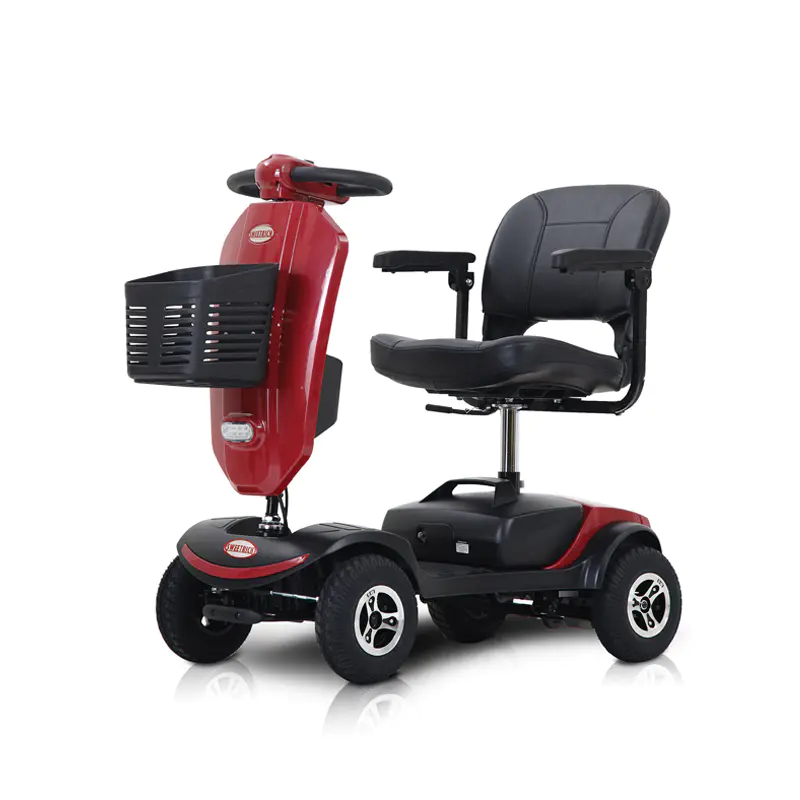
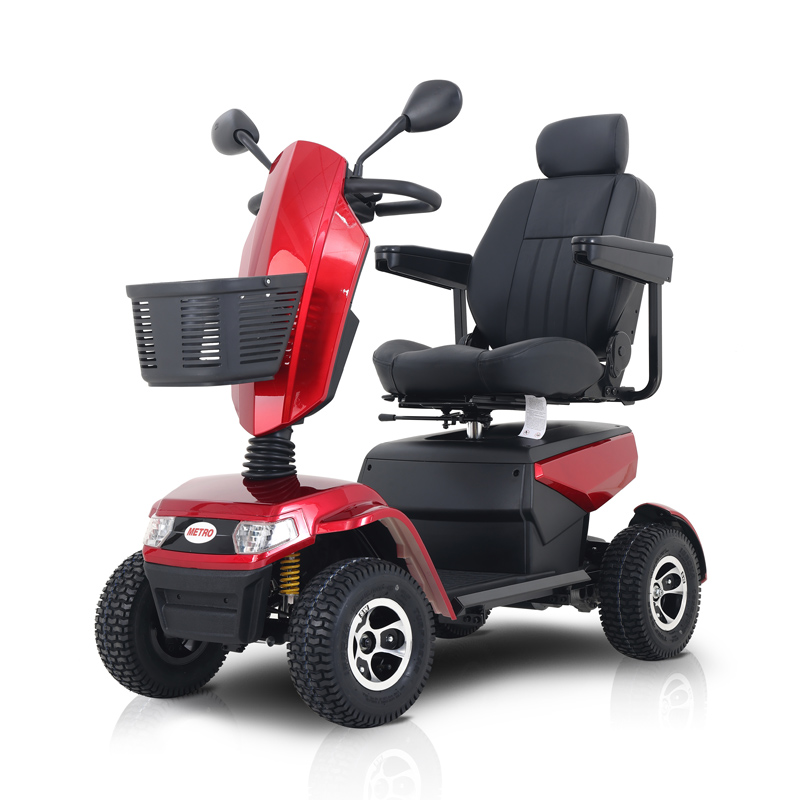
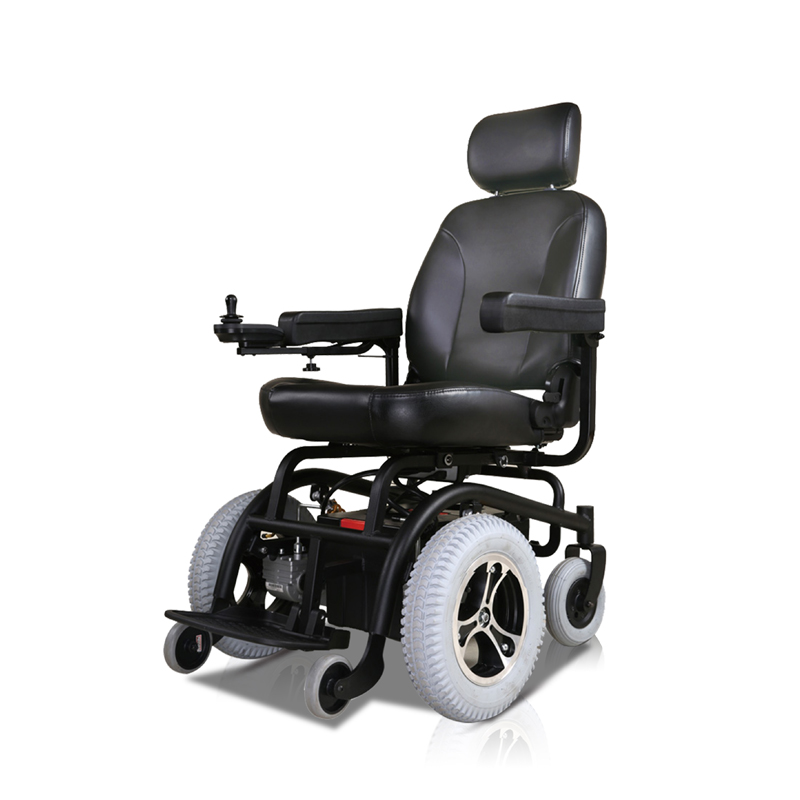
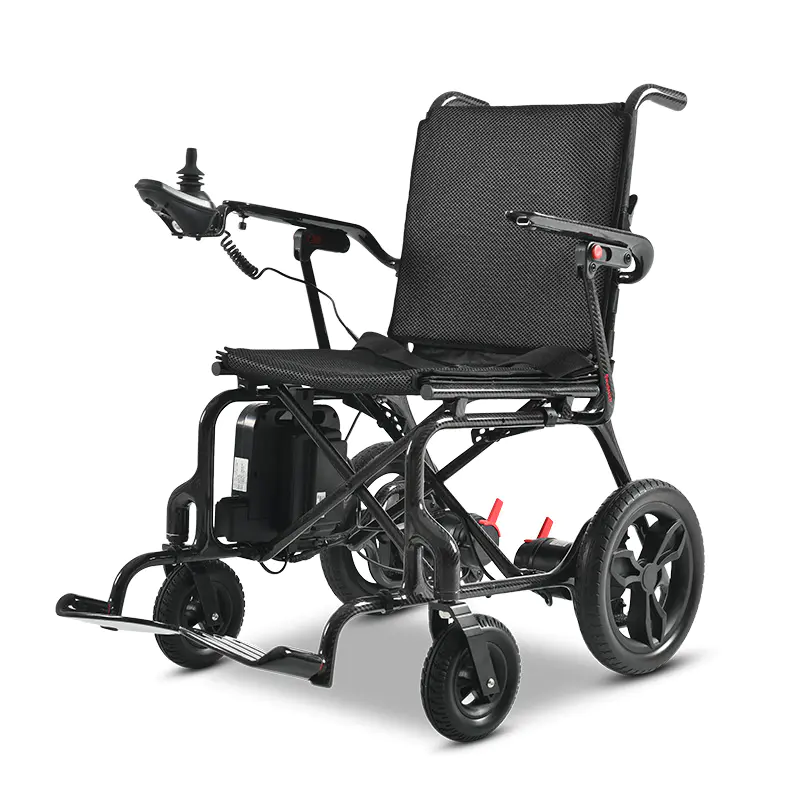
Electric wheelchairs run on rechargeable batteries and take the strain out of moving around. They're handy both inside buildings and out on the pavement, especially when you need to cover real distance without getting tired. Unlike pushing a manual chair, they deal with hills, rough patches, and crowded areas much more easily.
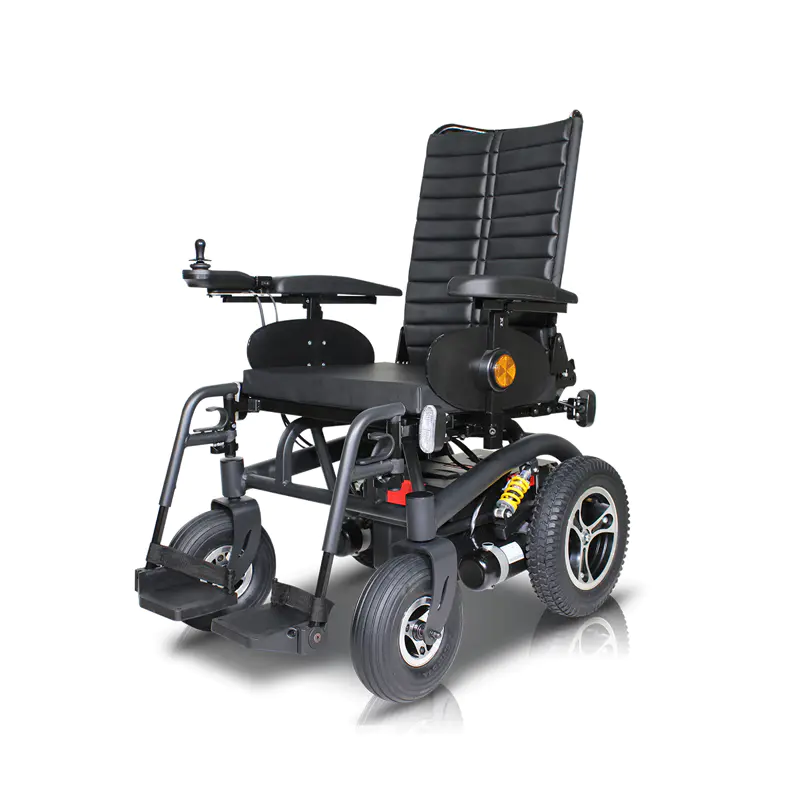
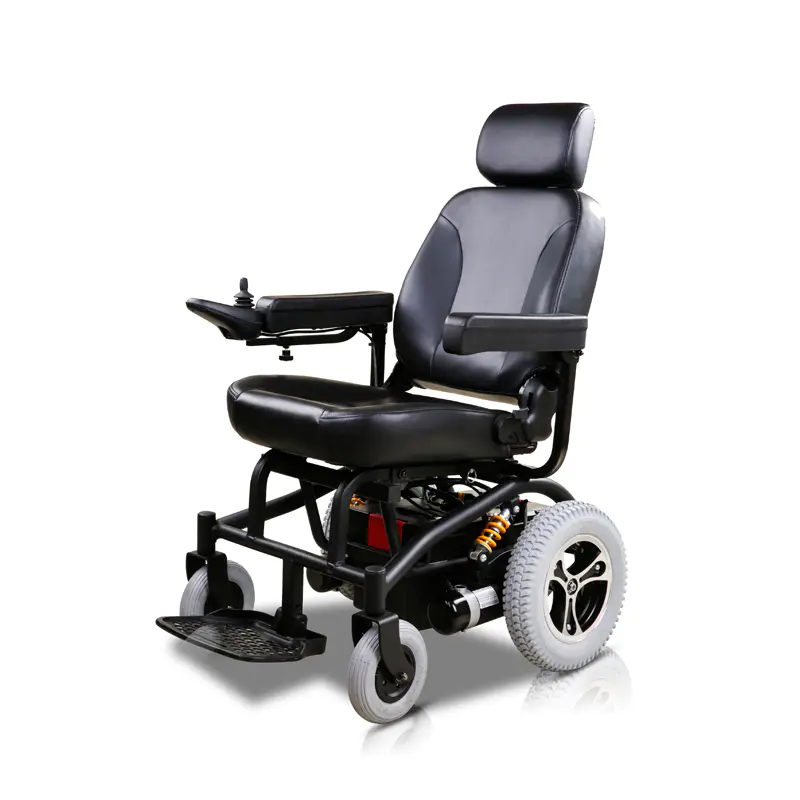
The motors give you steady power to climb slopes and roll over bumps without fighting for every inch. Controls come in different forms—joysticks, touch pads, or switches adapted to what your body can manage. Some people use head controls or sip-and-puff systems. Batteries usually last long enough for errands or visits without constant recharging. Safety features like automatic brakes, anti-tip systems, and sensible speed limits keep things stable near traffic or on uneven ground. Seats that adjust help you stay comfortable instead of ending up sore after a few hours out. All these things together make the chair something you can actually rely on every day.
The Barriers That Haven't Disappeared
Even in large, modern cities, wheelchair users still run into plenty of frustrations. Some problems hit you right away, others creep up on you.
High curbs and broken sidewalks shake your whole body and slow every trip down. Buildings with stairs but no ramps or working elevators keep doors shut that should be open. Public transport can be a nightmare—buses or trains that lack proper lifts or space make boarding feel like luck more than planning.
Packed sidewalks leave almost no room to steer. Rain, snow, or ice turn everything slippery and risky. Random clutter like parked bikes, construction barriers, or outdoor café tables shows up without warning and blocks your path.
| Obstacle Type | Effect on Wheelchair Users | Notes/Examples |
|---|---|---|
| Crowded sidewalks | Limited maneuvering space | High pedestrian density |
| Weather hazards | Slippery surfaces, increased risk | Rain, snow, ice |
| Random obstructions | Blocked pathways, delays | Parked bikes, construction barriers, café tables |
Rules change from one neighborhood to the next, so one area feels usable while the next one doesn't. Too many people and planners still don't see how little oversights add up to major limits. Money and priorities often push fixes to the back burner because updating old streets and buildings costs serious cash and time.
A good electric wheelchair helps a lot, but it still needs a city that's willing to meet it halfway with decent design.
Making Cities Friendlier for Wheelchair Users
Cities that take accessibility seriously end up easier for everyone. Wide sidewalks with gentle slopes, textured paving that guides you, and surfaces that stay grippy even when wet make a huge difference. Leaving enough space for wheelchairs to roll alongside regular foot traffic without constant dodging helps too.
Public transport gets better with low-floor buses, reliable ramps, and reserved spots. Apps that give live updates on working elevators or clear routes cut down on wasted time and frustration.
Tech is starting to pull its weight. Navigation apps made for wheelchair users point out ramps and open paths. City sensors can flag blockages or damaged sidewalks so repairs happen faster. Charging stations or shared wheelchair programs in busy areas give more options, especially for visitors or people who don't keep their own chair full-time.
Benefits That Go Beyond Wheelchair Users
When people can actually reach where they need to go, daily life improves in noticeable ways. Greater independence means handling groceries, appointments, or meeting friends without always needing help from others. It opens doors to jobs, public spaces, and community activities that used to feel out of reach. Cutting out that constant daily struggle also eases stress and supports better physical and mental health.
Smart accessible design doesn't just help wheelchair users. It makes streets smoother for parents pushing strollers, older folks, delivery workers, and plenty of others sharing the same sidewalks.
What a Good City Wheelchair Needs
For real urban use, the chair has to feel nimble in tight indoor spaces and on crowded sidewalks. Good suspension softens the repeated jolts from cracked pavement or tram tracks. Batteries should carry you through a full day, paired with motors that don't drain power too fast. Wheels and frames need to handle curbs, debris, and wet weather without breaking down quickly.
| Feature | Purpose/Benefit | Key Considerations |
|---|---|---|
| Maneuverability | Easy navigation in tight spaces and crowded areas | Indoor and sidewalk use |
| Suspension | Absorbs jolts and uneven surfaces | Cracked pavement, tram tracks |
| Battery & Motor | Full-day operation without power loss | Efficient energy use |
| Wheels & Frame | Durability on obstacles and in wet conditions | Curbs, debris, rain, and rough terrain |
Because bodies differ, adjustable seating, controls that match your abilities, and simple add-ons like lights or carry baskets matter. Bright signals and solid brakes keep both the rider and people nearby safer in mixed traffic.
Planning and Policy Basics
Real progress needs clear rules: ramps and elevators built into new construction from the start, not added later as expensive fixes. Sidewalks require regular maintenance so they stay smooth instead of turning into hazards. Public education helps regular people understand shared space better. Funding, incentives for accessible options, and support for charging points can move things along faster.
Challenges That Remain
Old buildings and streets are tough and costly to update. Advanced electric wheelchairs loaded with features can carry a high price tag that many individuals and cities struggle to afford. Regular servicing is necessary but depends on skilled technicians. Bad weather and rough surfaces can still cut short how far and how often you travel.
Fixing these issues properly takes real teamwork—planners, governments, manufacturers, and the people who use the chairs every day sitting down together instead of working separately.
What's Coming Next
Newer chairs are showing up with better obstacle detection and smarter route guidance. Cities are starting to use data from mobility devices to spot and fix problem areas quicker. Lighter materials and more efficient batteries are helping cut down on weight and charging needs. The improvements come from universal design thinking—changes that make the whole city flow better for everybody, whether you're on wheels or not.
Electric wheelchairs are giving many people real freedom in growing cities. When urban planning catches up—with solid infrastructure, useful tech, and policies that actually stick—daily life gets simpler and more dignified for anyone who needs wheels to get around. It's less about having equipment and more about creating places where going from A to B doesn't feel like a constant fight.
Sweetrich Mobility
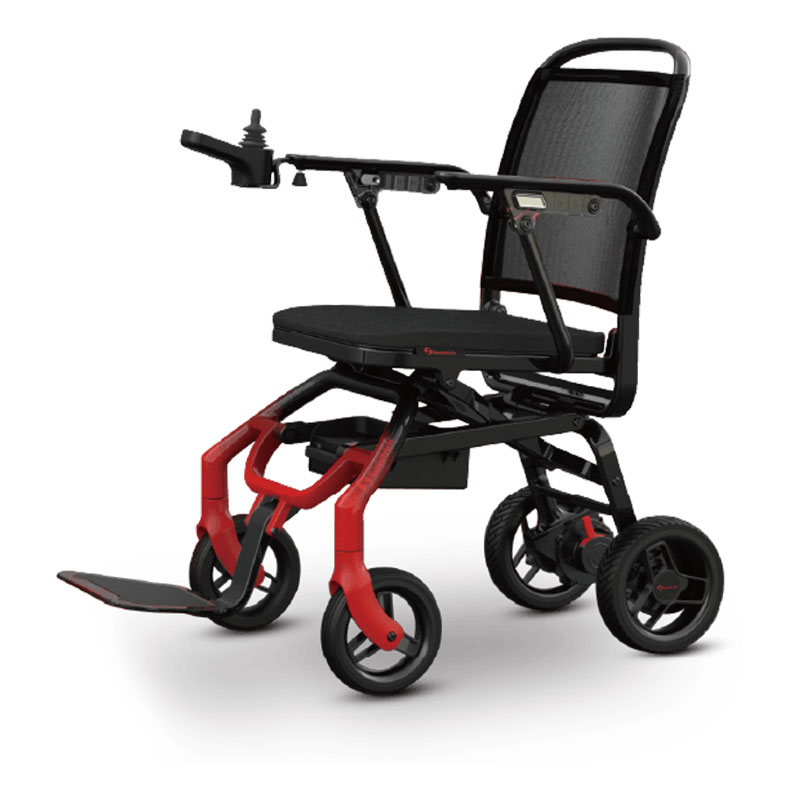
For countless users, Sweetrich Mobility has become the brand of choice, thanks to wheelchairs engineered to be robust and durable—specifically built to withstand the rigors of real-world urban environments. These chairs feature reliable, long-lasting batteries capable of powering you through a full day; highly responsive control systems adaptable to varying physical needs; sturdy suspension mechanisms that effortlessly smooth out rough or damaged pavement; and a practical, streamlined design that ensures low maintenance costs.
Choosing Sweetrich means selecting an assistive device that truly aligns with the practical demands of daily life—empowering you to navigate unpredictable weather, tight spaces, and uneven infrastructure with ease, rather than feeling constantly hindered. Ultimately, it is this pragmatic, user-centric engineering philosophy that transforms the ideals of urban planning into a tangible sense of personal freedom—enabling individuals to move through the city with confidence, without ever having to make compromises or sacrifices.