
 +86-(0)512-82283871
Content
- 1 Why Foldable Scooters Fit into Urban Routines
- 2 Picking a Scooter That Matches Your Daily Path
- 3 Getting Ready Before Leaving Home
- 4 Making the Most of the Ride Itself
- 5 Staying Safe Amid City Movement
- 6 Keeping the Scooter Ready for Repeated Use
- 7 Tailoring the Setup to Evolving Routines
- 8 Developing Skill and Awareness Over Time
- 9 Addressing Everyday Challenges
- 10 Sustained Advantages in Daily Life
- 11 Sweetrich Mobility
Daily commutes in busy cities often feel like a puzzle of traffic jams, limited parking spots, and transit delays that throw off schedules. Many people look for ways to make the journey smoother, and foldable scooters from a reliable Foldable Scooter Factory have become one option that fits into mixed routines. These compact rides offer a way to cover short distances quickly while staying easy to tuck away when needed. This guide walks through ways to weave a foldable scooter into regular travel, touching on preparation, actual riding, staying safe, keeping it in good shape, and making it part of a long-term habit.
Why Foldable Scooters Fit into Urban Routines
Foldable scooters bring a set of practical perks that align with the realities of city life. Their ability to collapse down makes them straightforward to carry onto crowded buses or trains, or to slide under a desk once at the office. Instead of facing long walks from a transit stop, riders can zip through the last stretch and arrive feeling less worn out.
Time tends to stretch differently on a scooter. What might take twenty minutes on foot can shrink noticeably, especially when dodging slow-moving vehicle lines. For those who mix walking, transit, and riding, the scooter fills gaps without adding bulk to the day. The motion involved provides gentle movement that feels less tiring than covering the same ground entirely on foot, yet it avoids the sweat that sometimes comes with pedaling a bike in humid weather.
On the broader side, choosing a scooter over driving for parts of the trip cuts down on fuel use and eases some of the mental load that comes with searching for parking or sitting in gridlock. The flexibility stands out too—ride to a station, collapse the scooter, board public transport, then unfold again on the other end. This approach works well for people whose routes include varied surfaces or whose living spaces do not allow room for larger equipment.
Over repeated use, riders often notice how these rides adapt to shifting needs, whether adding a quick errand on the way home or adjusting pace based on weather. The overall effect can turn a fragmented commute into something more manageable and even enjoyable on clearer mornings.
Picking a Scooter That Matches Your Daily Path
Finding a scooter involves thinking about the specifics of your route, body type, and storage realities rather than chasing trends. Weight plays a noticeable role when carrying the folded unit through stations or up stairs. Lighter frames ease those transitions, though durability still matters for repeated unfolding in all kinds of conditions.
Comfort during the ride comes from how the platform feels underfoot and how well the wheels roll over typical city pavement. Wider decks give more room to adjust stance, while wheels that handle minor bumps reduce jolts on cracked sidewalks or light gravel patches. Frames built from sturdy yet manageable materials strike a balance between strength for daily knocks and ease when lifting.
For versions with electric assistance, the distance covered between charges should comfortably exceed the typical leg of the trip, leaving room for detours or an extra stop. Features that improve awareness, such as built-in illumination or textured surfaces for grip, add layers of confidence when light fades or surfaces turn slick.
Local rules vary on where these rides can operate—some paths welcome them alongside bikes, while others limit speeds or restrict certain areas. Checking those details early helps avoid surprises and keeps the focus on the ride itself.
Getting Ready Before Leaving Home
Mapping the route ahead saves time and reduces frustration. Note stretches of dedicated lanes, sections shared with pedestrians, or spots where construction often appears. Steep sections or areas packed with foot traffic might call for slower pacing or an alternate path on busier days. Having a backup plan in mind prevents small setbacks from derailing the entire morning.
| Key Considerations | Details |
|---|---|
| Route Planning | Identify dedicated lanes, shared pedestrian areas, and construction zones. |
| Traffic & Pedestrian Awareness | Slow down on steep sections or crowded areas; adjust pace accordingly. |
| Contingency Planning | Have an alternate route to avoid delays from unexpected obstacles. |
Timing influences the experience. Leaving a bit before or after the heaviest rush can mean fewer close calls with crowds and clearer sightlines. For assisted models, considering energy use alongside schedule helps ensure arrival without running low at an inconvenient moment.
Clothing choices affect both ease and protection. Fabrics that move freely prevent snags in mechanisms, while sturdy shoes offer solid contact with the platform. Layers that stand out in dim conditions help others notice the rider from a distance. A properly fitted helmet and basic pads on knees or elbows provide simple insurance against unexpected slips, especially as confidence builds.
Making the Most of the Ride Itself
Folding and unfolding becomes second nature with repetition. At home, going through the motions a few times reveals any sticking points and builds familiarity with the latch or hinge system. Keeping those areas free of buildup helps the action stay smooth during hurried transfers.
Stepping on involves placing one foot forward on the deck while giving a gentle push with the other to start rolling. Getting off calls for care near curbs, intersections, or places where people gather. Balance improves gradually as muscle memory develops, turning initial wobbles into steadier control.
Riding calls for a measured approach. Starting with controlled forward motion helps settle into rhythm before adding pace. When changing direction, a slight shift in body weight guides the turn more naturally than sharp handle movements. Coming to a halt works with even pressure rather than sudden grips, allowing time to adjust posture.
Positioning both feet roughly apart matches shoulder width for better stability across uneven patches. Anticipating small rises or dips by lightly shifting weight or bending knees absorbs impacts without losing flow. In tighter spots, easing speed creates space to react to sudden movements from others sharing the path.
Staying Safe Amid City Movement
When you ride a foldable scooter through city streets, staying safe really boils down to keeping your head up and expecting the unexpected. A couple of small lights and some reflective tape on your jacket or backpack make you much easier to spot when the sun is barely up or when you dip into those dimly lit underpasses. I've learned to scan farther ahead than I used to—watching for folks suddenly stepping off the curb, bikes cutting across, or cars swinging into a turn without signaling. A quick wave of the hand or a clear shift in how I lean tells others what I'm about to do, and that little bit of notice cuts down on those heart-stopping moments.
Every neighborhood has its own way of dealing with scooters. In some spots you can roll along pretty naturally with the bike traffic, while in others it's smarter to hug the right side and keep an eye on any posted signs about speed or where you're allowed. Once you pick up on those local patterns, the ride feels less like you're fighting everyone else on the road and more like you're just part of the flow.
I always throw a little kit in my bag with a few basic tools, a patch kit, and maybe an extra charging cord if my scooter needs juice. It doesn't take up much space, but it saves a lot of headaches when something small goes wrong or the battery starts dipping sooner than I thought. Planning for those minor snags ahead of time turns what could ruin your morning into something you just handle and keep moving.
Keeping the Scooter Ready for Repeated Use
If you ride every day, the scooter takes a beating from pavement, weather, and constant folding, so a little regular attention keeps it working like it should. I usually give it a quick wipe-down with a damp rag and some gentle soap after rides that kick up a lot of dust or splash through puddles. I make sure to dry everything well, especially any spots where wires or connections sit, because moisture sneaking in can cause problems later.
Every couple of weeks I take a few minutes to look over the wheels, the brakes, and all the folding parts. Anything that's starting to wiggle gets tightened, and I swap out pieces that look worn before they actually fail. A drop of the right kind of oil on the hinges and bearings stops annoying squeaks and keeps the whole thing folding and unfolding without fighting me when I'm in a hurry at the bus stop.
For the battery models, I got in the habit of plugging it in nights after I get home. I try to keep it stored where it doesn't get too hot or too cold, because temperature swings seem to wear the power down faster over time. Avoiding long stretches where it sits totally dead has helped me keep decent range even when my route includes some hills or extra stops.
Tailoring the Setup to Evolving Routines
After riding the same route for a while, you start noticing little ways to make the scooter fit your life better. I added a small bag that clips on without throwing off the balance, so I can carry my lunch, a water bottle, or whatever I need for the day. On longer days I sometimes use a simple seat add-on that lets me rest my legs when the distance stretches out.
The scooter really shines when you mix it with buses or trains. I ride the short stretch to the stop, fold it up flat for the main ride, then pop it open again on the other end. That combination often gets me there faster than sticking to one way the whole time, and it gives me options when the train runs late or the traffic turns ugly.
I also pay attention to where I leave the scooter when I'm not using it. Keeping it out of the rain and direct sun helps the frame and moving parts hold up longer. When something finally wears out for good, I try to dispose of it the right way so it doesn't just add to the pile of old gear.
Developing Skill and Awareness Over Time
The way to get comfortable is to start practicing where there's hardly any traffic. I spent the few days doing easy loops in a quiet lot near my place, getting the feel for balancing, stopping gently, and turning without overthinking it. Once I took it on my real commute, things started clicking faster—my body just knew what to do without me having to concentrate so hard.
Riding with my full attention makes a big difference. I watch the road surface for cracks or loose gravel, listen for cars or bikes coming up behind me, and slow down when the sidewalks get crowded. Taking it easy through busy areas or picking a slightly longer but calmer route usually means fewer surprises and a smoother trip overall.
Addressing Everyday Challenges
After riding regularly, you run into the same handful of issues. When the folding part gets stiff, I clean out any dirt that's built up and check the joints, and it usually loosens right back up. Brakes that feel grabby or uneven often just need a quick look for stuck bits or a small tweak in how tight they are.
| Common Issue | Simple Solution |
|---|---|
| Stiff folding mechanism | Clean dirt buildup and check joints |
| Grabby or uneven brakes | Inspect for debris and adjust tension as needed |
Wheels that start rolling funny or losing grip get rotated or replaced before they make the ride uncomfortable. On the electric ones, if the distance I can go suddenly drops, it's usually because of how I've been charging it or because of really hot or cold days. Getting back to a steady routine almost always brings the performance back to normal.
Dealing with these things as soon as they show up keeps small headaches from turning into reasons I'm late for work.
Sustained Advantages in Daily Life
Once the scooter becomes part of how I get around every day, the upsides go way beyond just one trip. The easy motion gives me a bit of movement without feeling like exercise, which helps me feel less stiff by the end of the week. Being able to choose my own speed and path takes away a lot of the frustration that comes from waiting on buses or sitting in traffic.
I've noticed my spending on gas and extra fares has gone down because the scooter handles those short connecting pieces. These days I even grab it for quick errands after work or short weekend rides, so it's turned into something useful for more than just the morning commute.
Over time this way of moving around the city has changed how I think about getting places. Even when I'm sharing the streets with cars and other people, I feel a little more in charge of my own time and route.
Sweetrich Mobility
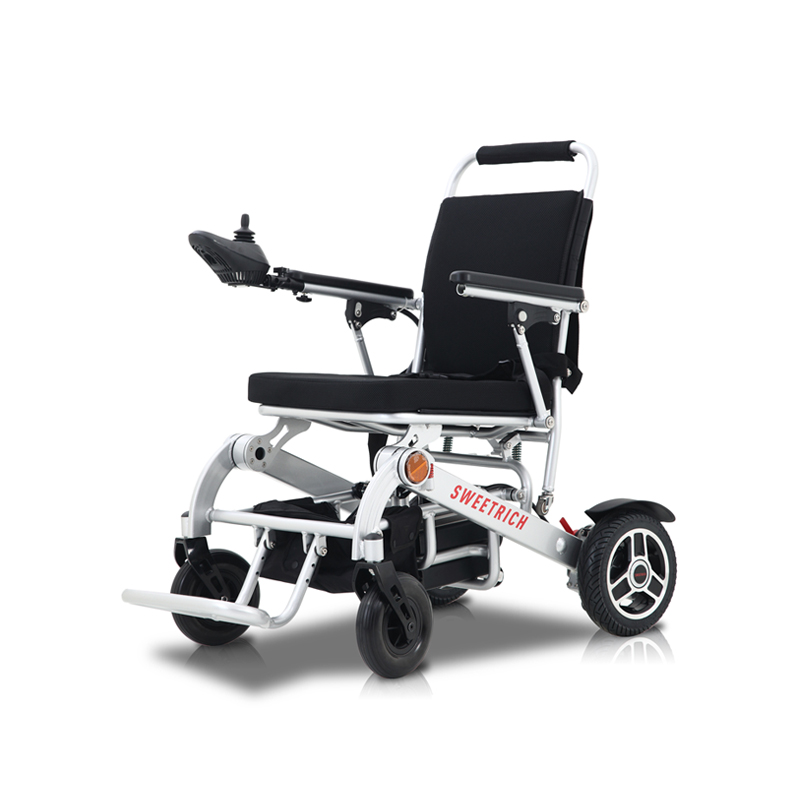
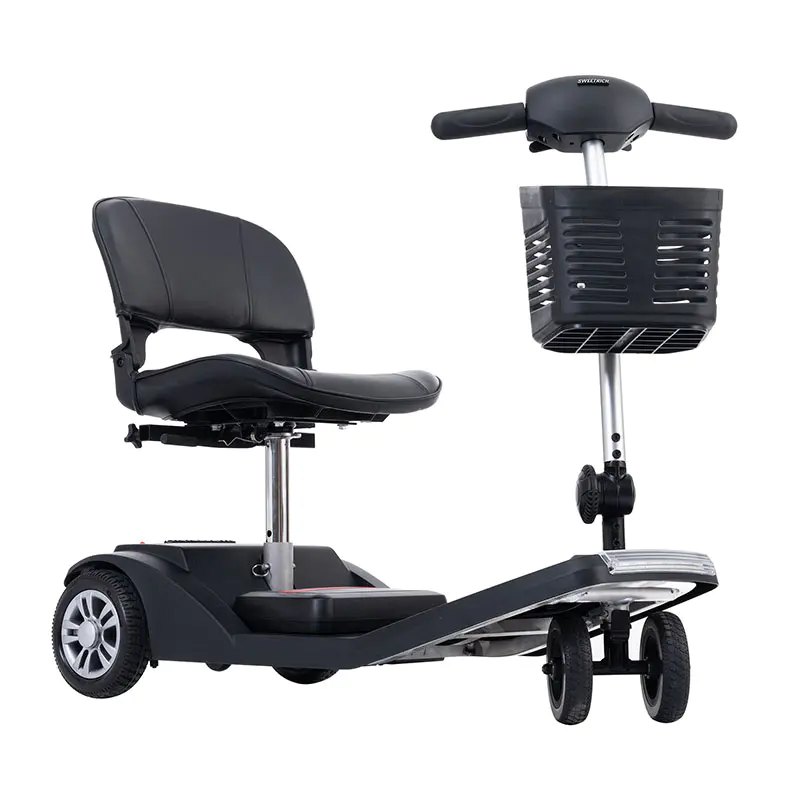
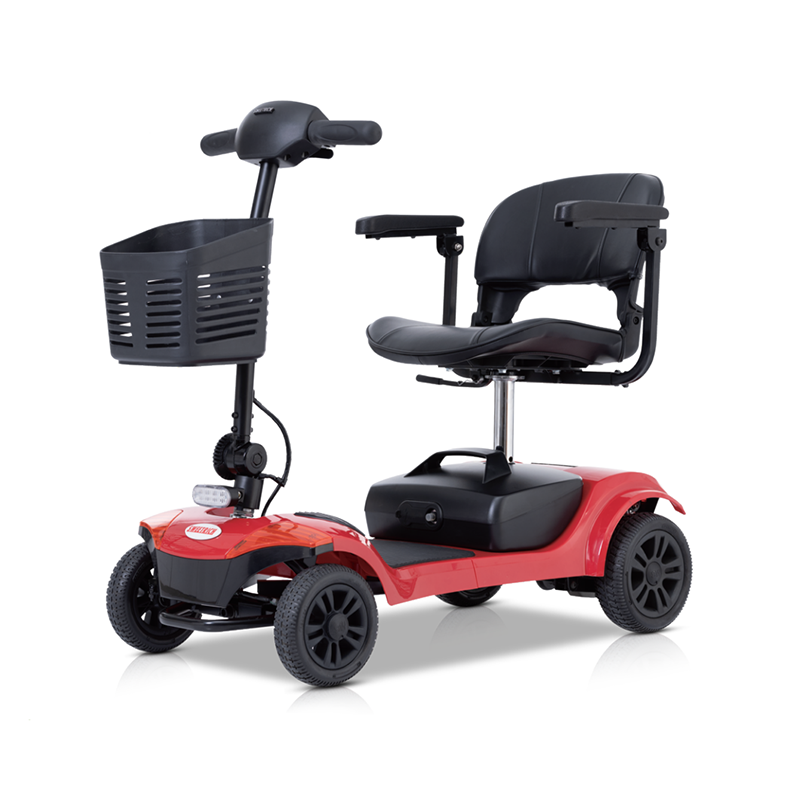
Sweetrich's design strikes a balance: offering exceptional portability without sacrificing an ounce of necessary durability. Whether navigating uneven sidewalks, folding down quickly for storage at busy transit hubs, or providing reliable performance when encountering ramps or unexpected detours, it handles every situation with effortless ease.
When folded, the Sweetrich Mobility scooter is remarkably compact—small enough to slide easily into a crowded bus or stow effortlessly beneath an office desk. At the same time, it stands up to the rigors of daily use and varying weather conditions; it neither loosens with wear and tear nor loses its smooth, stable ride quality. This unique blend of lightweight portability and thoughtful durability means I no longer have to live in fear of my mobility aid failing me at a critical moment. Instead, I am empowered with a newfound sense of confidence—whether blending into traffic or sharing public spaces with pedestrians, I can navigate the world with complete composure.
Users who choose Sweetrich Mobility often remain fiercely loyal to the brand, as the scooter naturally adapts to the shifting rhythms of their lives—whether by accommodating a small storage rack for daily shopping trips or seamlessly bridging the gap between short-distance rides and long-haul public transit connections. It transforms what was once a fragmented, stressful commute into a new kind of experience—one that feels more controlled and serene, and which, on those crisp mornings when everything just seems to go right, even brings with it a sense of pure, unexpected delight.