
 +86-(0)512-82283871
Content
- 1 Why Material Choice Matters in Mobility Scooters
- 2 Aluminum Alloy Mobility Scooters
- 3 Carbon Fiber Mobility Scooters
- 4 Side-by-Side Comparison
- 5 Matching Material to Lifestyle
- 6 New Directions in Scooter Design
- 7 Safety Comes First
- 8 Caring for Your Scooter Over Time
- 9 Thinking About Environmental Impact
- 10 Making the Right Choice for You
- 11 Sweetrich Mobility
Mobility scooters have changed daily life for many people who face challenges getting around. They bring a greater sense of independence, make routine tasks easier, and allow users to stay connected with their communities. As designs continue to develop, the materials used in construction receive close attention. Frame weight influences how easy the scooter is to handle, transport, and live with day after day. At a reputable Lightweight Scooter Factory, manufacturers often focus on aluminum alloy and carbon fiber frames. Each material brings its own mix of strengths and trade-offs that affect real-world use.
Why Material Choice Matters in Mobility Scooters
A scooter needs to feel stable on different surfaces, hold up through regular use, and remain light enough for practical transport. Weight affects nearly every part of the experience—from pushing the scooter onto a ramp to lifting it into a car trunk or maneuvering through narrow doorways at home.
Lighter frames generally make the scooter easier to live with, especially for users who travel frequently or have limited help from others. At the same time, the frame must stay strong enough to carry the rider safely and handle occasional bumps or uneven ground. The material also influences battery range because a lighter scooter requires less energy to move. Over time, these differences add up in daily comfort and operating costs.
Aluminum Alloy Mobility Scooters
Aluminum alloy has been a common choice for scooter frames for years. The material offers a useful balance of strength and reduced weight compared with heavier metals. Many manufacturers appreciate how aluminum resists corrosion, which helps the scooter hold up in damp climates or when left outside occasionally.
Users often notice that aluminum alloy scooters feel solid under them. The frame provides enough mass to give a planted feeling on sidewalks, shopping center floors, or gentle slopes. This added stability can be reassuring for people who want confidence during longer outings.
Transport remains manageable with aluminum models. While not the lightest option available, they are considerably easier to handle than older steel versions. Many users can load them into the back of a vehicle with some effort, particularly when the scooter has a folding or disassembly feature.
Durability stands out as another practical advantage. Aluminum handles everyday knocks and scrapes without major structural concerns. Surface scratches may appear over time, but they rarely affect the scooter's performance when basic care is given. The material also stands up well to changing weather, making it suitable for people who use their scooter in a variety of conditions throughout the year.
| Aspect | Details |
|---|---|
| Durability | Aluminum handles everyday knocks and scrapes without structural issues |
| Surface Wear | Scratches may appear but rarely impact performance with basic care |
| Weather Resistance | Performs well in varying conditions, suitable for year-round use |
Carbon Fiber Mobility Scooters
Carbon fiber represents a different approach focused on reducing weight as much as possible while keeping strength. The material consists of woven fibers held together in a composite structure. This construction allows frames to become remarkably light without giving up rigidity.
People who choose carbon fiber scooters often do so because lifting and carrying the unit feels noticeably easier. The weight savings can make a real difference when loading the scooter into a car several times a week or navigating public transport. For users with reduced upper body strength or those who travel frequently, this advantage becomes important in daily decisions.
The ride quality with carbon fiber can feel responsive. The lighter frame and good stiffness allow the scooter to change direction with less effort and absorb road vibrations in a different way than heavier models. Some riders describe the handling as more nimble, particularly in tighter indoor spaces or crowded areas.
Corrosion resistance comes naturally with carbon fiber since the material does not rust. This quality appeals to users who live near the coast or store their scooter in humid conditions. The surface finish also tends to maintain its appearance longer when cleaned regularly.
Side-by-Side Comparison
Weight and Portability
Carbon fiber scooters generally weigh less than aluminum alloy versions. This difference shows up when lifting the scooter, folding it for storage, or carrying it up a few steps. Aluminum alloy scooters still feel light enough for many people but require a bit more physical effort during transfers.
Stability and Ride Feel
Aluminum alloy frames often give a slightly more grounded sensation due to their mass. This can help on uneven pavement or when turning at higher speeds. Carbon fiber models, being lighter, may feel more agile but sometimes require riders to adjust their balance technique, especially on slopes or cross-slopes.
Durability in Real Use
Both materials perform well with normal care. Aluminum alloy tends to forgive minor impacts and shows wear gradually. Carbon fiber handles repeated stress effectively but can be more sensitive to concentrated sharp blows, such as hitting a curb edge directly. Many users find that careful driving habits protect either type of scooter for years.
Cost Differences
Aluminum alloy scooters usually come at a more accessible price point. The material and manufacturing processes allow manufacturers to offer good performance without pushing the final cost too high. Carbon fiber scooters carry a higher price because of the specialized production involved. Buyers often weigh this extra investment against the long-term benefits of easier handling and reduced physical strain.
Maintenance Outlook
Aluminum frames benefit from simple routines such as regular cleaning and occasional checks for loose fittings. Surface marks can usually be touched up without difficulty. Carbon fiber requires gentle cleaning methods to protect the finish and careful inspection of attachment points after any significant impact. Both types last longer when kept clean and stored away from weather when not in use.
Matching Material to Lifestyle
Different lifestyles and daily routines often steer people toward one material or the other.
City and Indoor Users
Folks who spend of their time in towns, popping into shops or moving between buildings usually gravitate toward carbon fiber scooters. The noticeably lighter weight makes boarding buses, using elevators, and tucking the scooter away in tight apartment spaces much less of a struggle.
Suburban and Outdoor Routines
People who enjoy longer neighborhood outings, park visits, or paths with gentle bumps tend to lean toward aluminum alloy models. That bit of extra weight gives a grounded, steady feel that many riders find comforting when they're out for extended periods.
Frequent Travelers
Those who regularly pack the scooter into a car or take it on flights to visit family often prefer carbon fiber. The reduced weight takes a lot of effort out of lifting and loading, making last-minute trips feel far more doable.
Budget-Focused Buyers
Shoppers who want good, dependable performance without spending a premium usually choose aluminum alloy scooters. These models offer solid everyday reliability at a more approachable price and suit a wide range of regular uses.
New Directions in Scooter Design
Designers are constantly testing ways to get the from both materials. Some recent frames start with aluminum as the main backbone and reinforce key stress points with carbon fiber. This approach keeps the overall cost reasonable while shaving off weight exactly where it helps most.
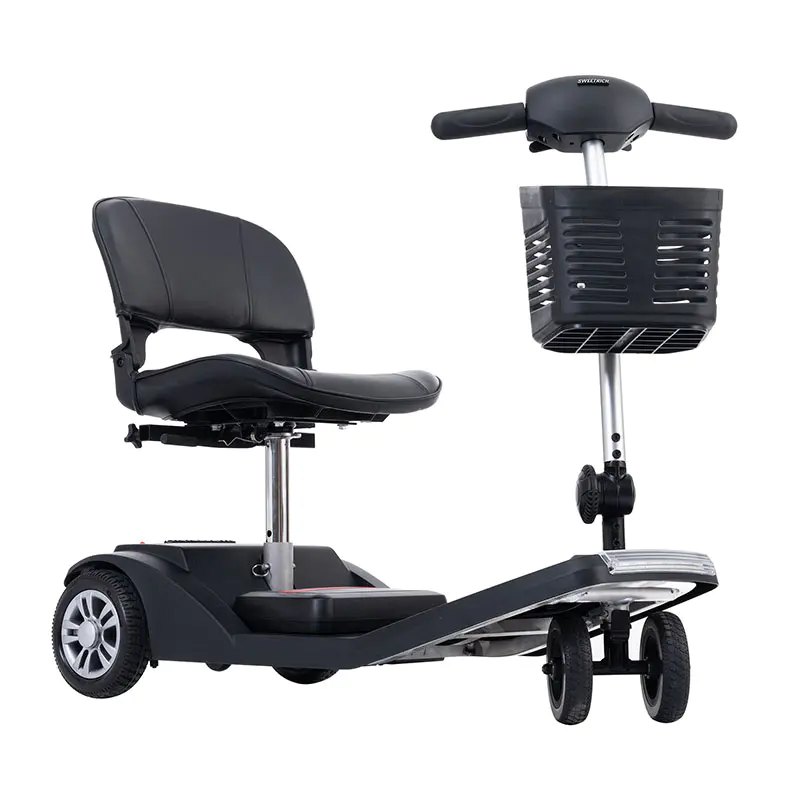
Add-ons like removable batteries, seats that detach quickly, and wheels that can be swapped out also boost portability. These features pair well with either material and let owners tweak the scooter as their needs evolve over the years.
| Innovation Area | Details |
|---|---|
| Hybrid Frame Design | Aluminum backbone reinforced with carbon fiber at key stress points |
| Cost & Weight Optimization | Maintains reasonable cost while reducing weight where it matters |
| Portability Add-ons | Removable batteries, detachable seats, and swappable wheels enhance flexibility |
| Long-Term Adaptability | Features allow owners to adjust the scooter as their needs evolve |
Safety Comes First
Whatever material you pick, the scooter has to feel safe and trustworthy for you personally. Solid design pays close attention to balance, braking, and controls that are easy to reach and use. Taking different models for a proper test drive helps you understand how the weight and handling match your body and the places you usually go.
Some riders like the planted stability that comes with a slightly heavier aluminum frame. Others enjoy how a lighter carbon fiber scooter glides and turns with less effort, though it may take a short time to adjust your riding style. Both options can be safe and secure when they fit the way you actually live.
Caring for Your Scooter Over Time
Looking after your scooter with simple daily habits makes a real difference in how long it lasts. A quick clean after outdoor use stops dirt from building up. Regular glances at the tires, brakes, and battery connections help catch little problems early. Storing it somewhere dry and sheltered when it's not in use protects both aluminum and carbon fiber from extra wear and tear.
Aluminum alloy owners usually focus on shielding the painted or finished surfaces from deep scratches. Carbon fiber users stay mindful of hard knocks and check the joints now and then. For both types, sticking to basic care and proper charging routines helps the scooter stay reliable for years.
Thinking About Environmental Impact
The materials also matter when you think about what happens to the scooter at the end of its life. Aluminum goes into regular recycling programs without much trouble, which matters to people who care about responsible disposal. Carbon fiber needs more specialized recycling, though the processes are improving. Some buyers keep this in mind alongside day-to-day performance when making their choice.
Making the Right Choice for You
Picking between aluminum alloy and carbon fiber mobility scooters really comes down to your own priorities. Some people prefer the familiar solid feel and better value of aluminum alloy. Others love the obvious weight savings and easy handling that carbon fiber delivers.
Take time to think about your typical week — where you go often, how much lifting and loading is involved, and what price range feels right. Trying both types during a demonstration can quickly show you which one simply feels better in real life.
When you find the right match, a scooter stops being just a mobility aid. It becomes something that opens doors, keeps you connected with people and places, and lightens the daily physical load. The material choice helps the scooter blend smoothly into your life instead of adding extra hurdles.
By honestly weighing the differences in weight, ride feel, cost, and upkeep, you can find a scooter that supports you comfortably for a long time ahead. With so many options available now, there's a good fit for nearly every lifestyle and set of needs.
Sweetrich Mobility
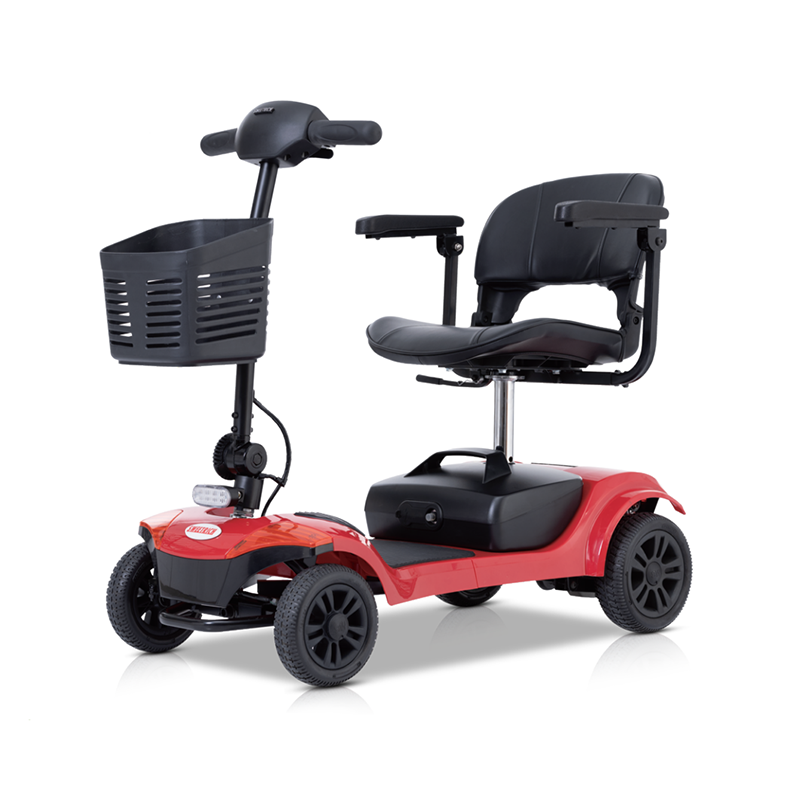
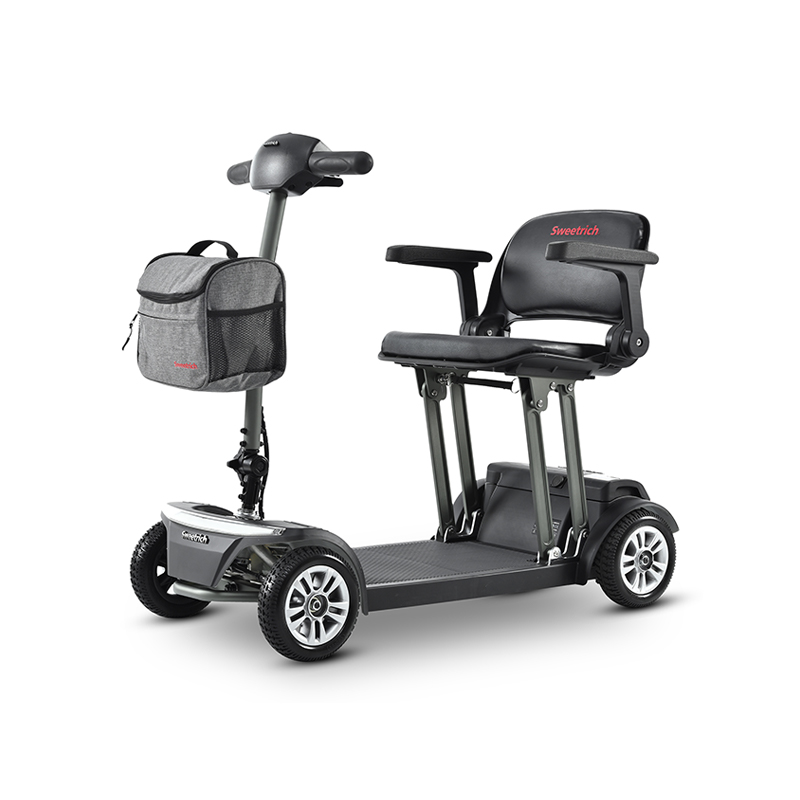
For those seeking a practical, lightweight, and truly lifestyle-compatible vehicle for daily mobility, Sweetrich Mobility is undoubtedly a wise choice.
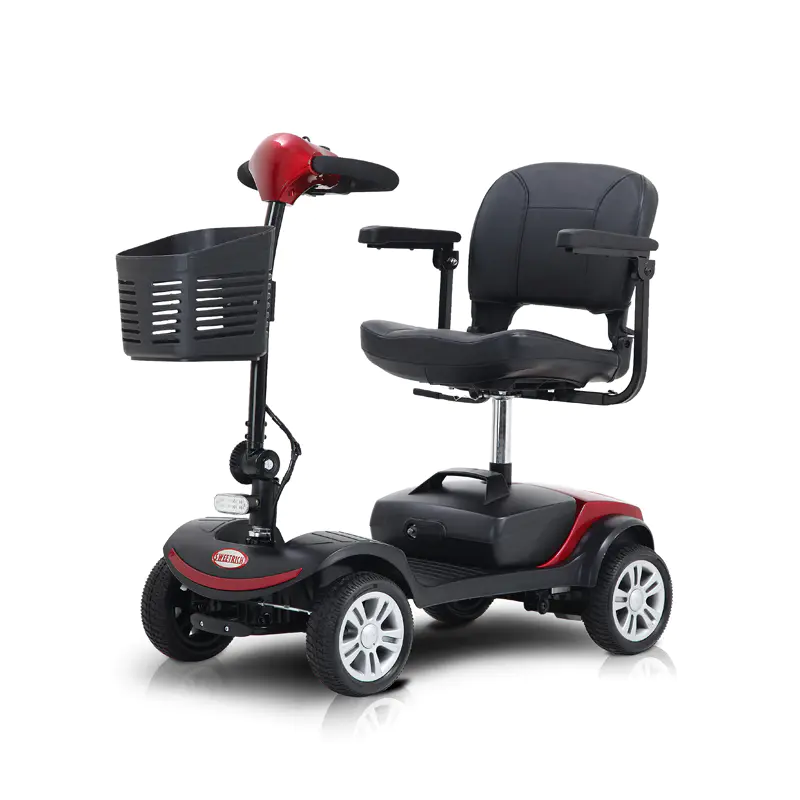
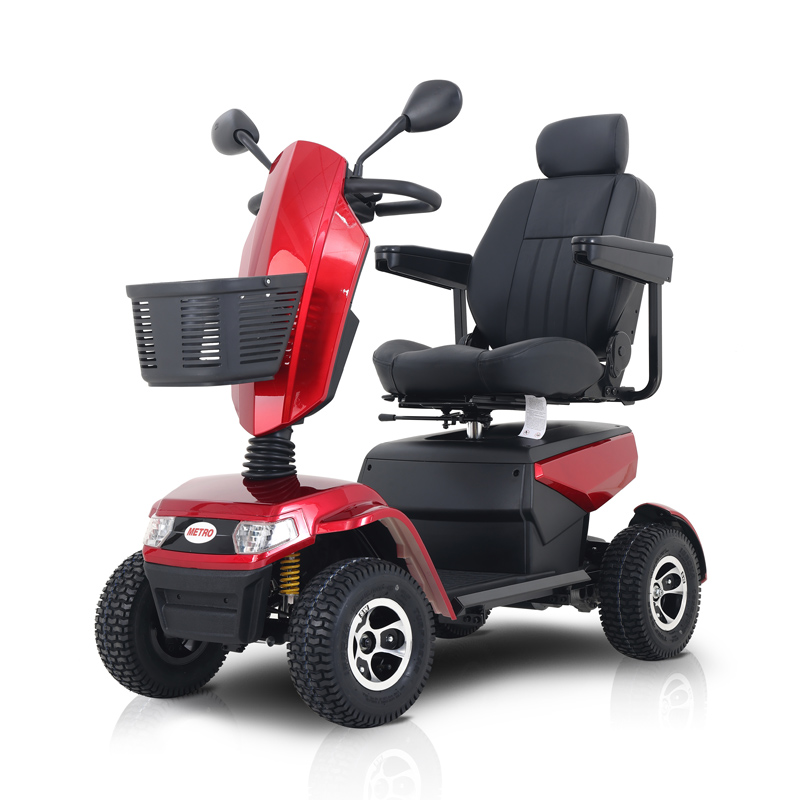
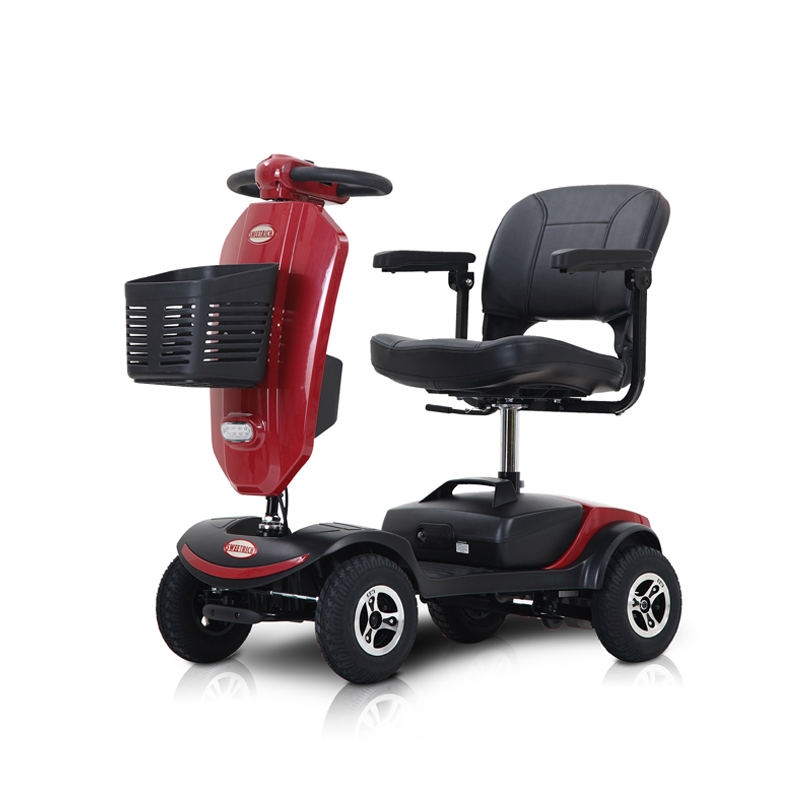
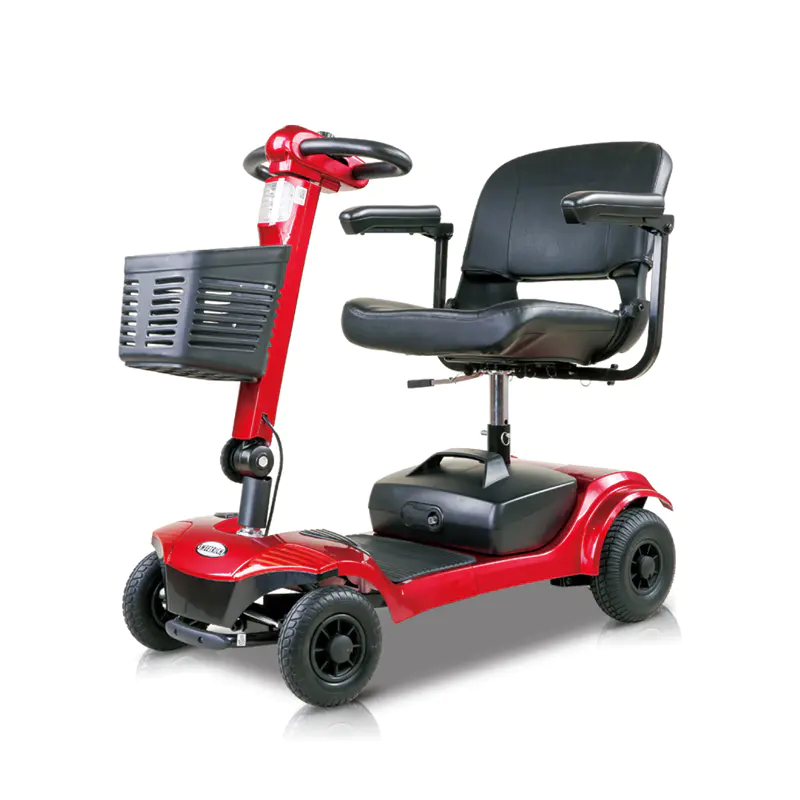
Their lightweight mobility scooters strike a clever balance between the strength of aluminum alloy and intelligent design; while ensuring stability for daily use, they maintain a low overall weight that makes them easy to handle and transport. Sweetrich Mobility demonstrates meticulous attention to practical needs—offering smooth handling, riding comfort, and a robust, durable structure capable of effortlessly navigating various daily scenarios without the need for overly complex designs. Whether navigating city streets, enjoying outings within the community, or traveling with family, these scooters integrate seamlessly into daily life. Thanks to their quiet, reliable performance and user-centric design philosophy, they empower users to achieve greater independence and are built to last.