
 +86-(0)512-82283871
Content
- 1 How Does Wheel Layout Influence Stability on Irregular Ground?
- 2 Why Does Suspension Response Matter in Medium Mobility Scooter Use?
- 3 How Does Tire Contact Shape Grip on Loose or Rough Surfaces?
- 4 What Role Does Frame Balance Play During Slow Movement?
- 5 How Does Seating Position Affect Body Control on Bumpy Terrain?
- 6 Why Do Steering Adjustments Become Frequent on Mixed Terrain?
- 7 How Does Speed Behavior Influence Movement on Uneven Paths?
- 8 What Happens During Transitions Between Smooth and Rough Areas?
- 9 How Can Daily Outdoor Use Shape Long Term Riding Comfort?
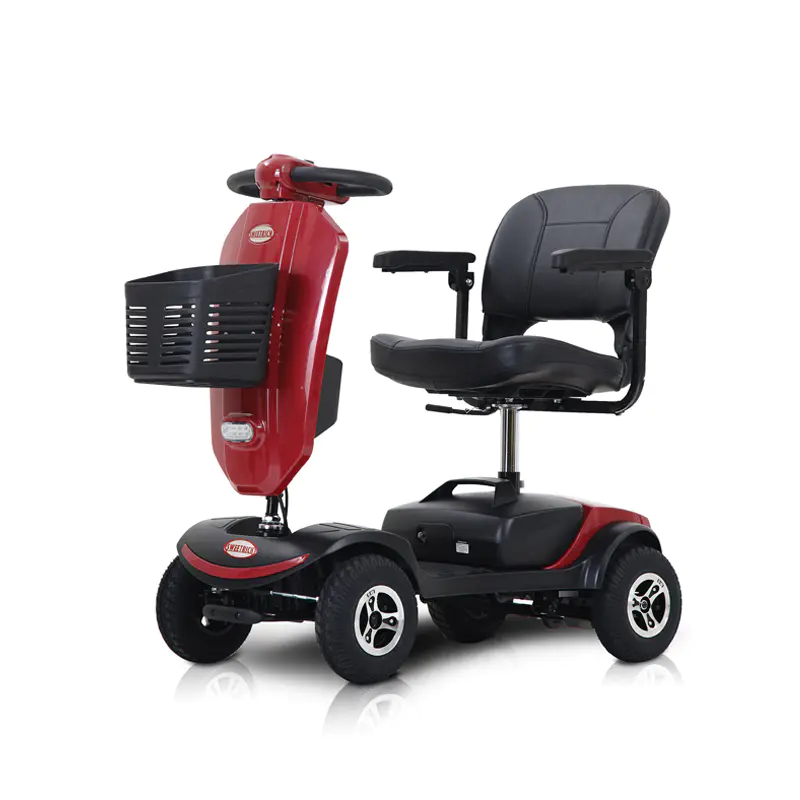
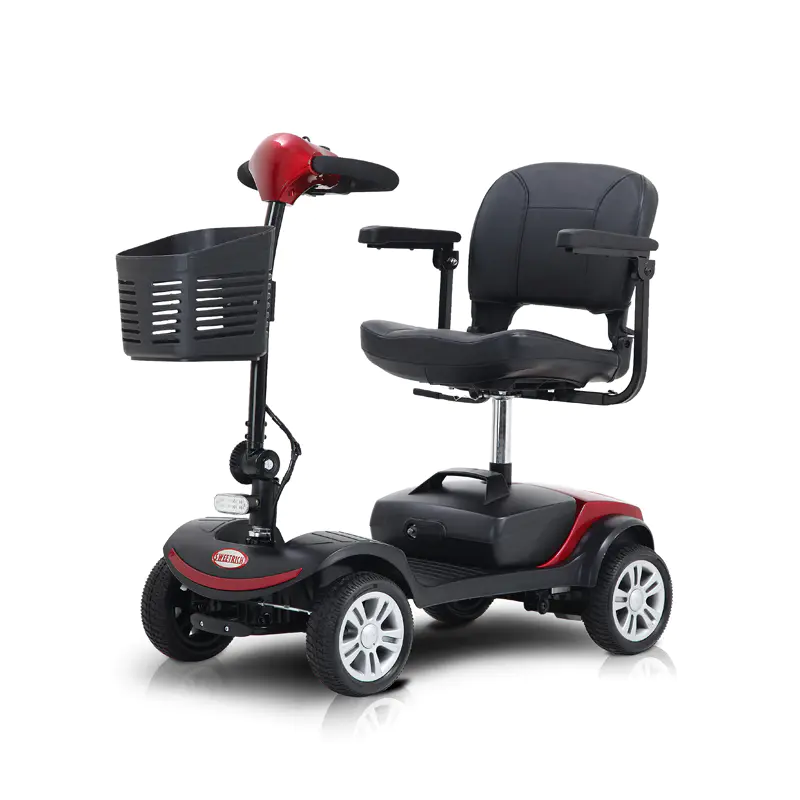
Outdoor paths can change from one minute to another. A smooth sidewalk may turn into broken pavement near a driveway. A park walkway may carry small stones, shallow dips, or a patch of soft soil after rain. An Outdoor 4 Wheel Scooter meets all of that in ordinary daily use.
Uneven ground affects more than wheel rolling. It changes how weight moves through frame, seat, and steering points. Even a small crack can shift balance slightly. A loose gravel section can make rolling feel less steady. A gentle slope may add extra pressure to one side of scooter body.
Common path conditions include:
- broken pavement joints
- shallow dips and raised edges
- scattered gravel or small stones
- compact soil with softer patches
- mild slopes and side tilts
A Medium Mobility Scooter used outdoors meets similar path changes, so surface reading becomes part of normal travel rather than an unusual event.
How Does Wheel Layout Influence Stability on Irregular Ground?
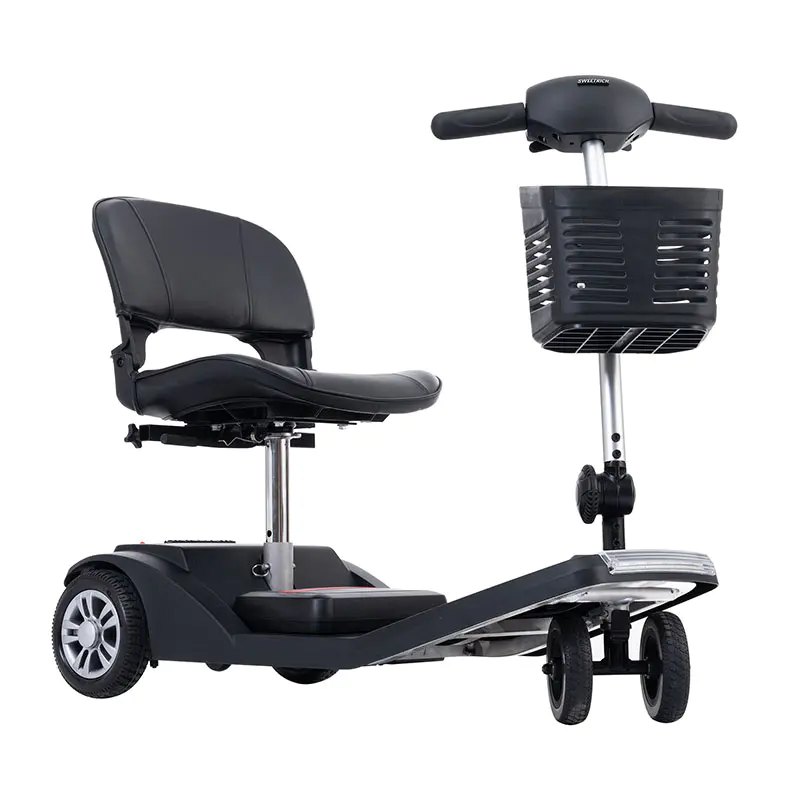
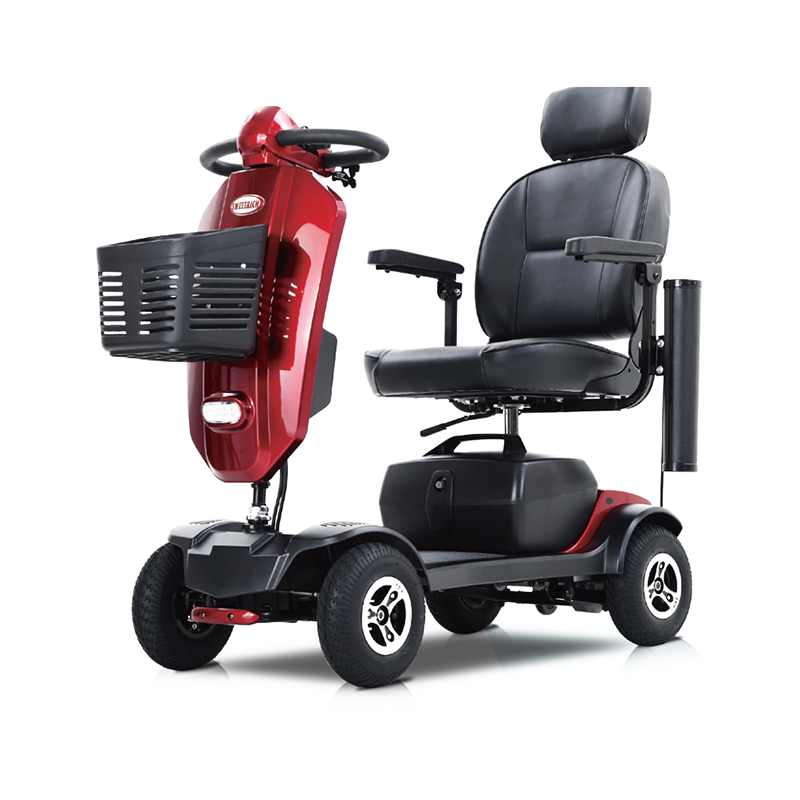
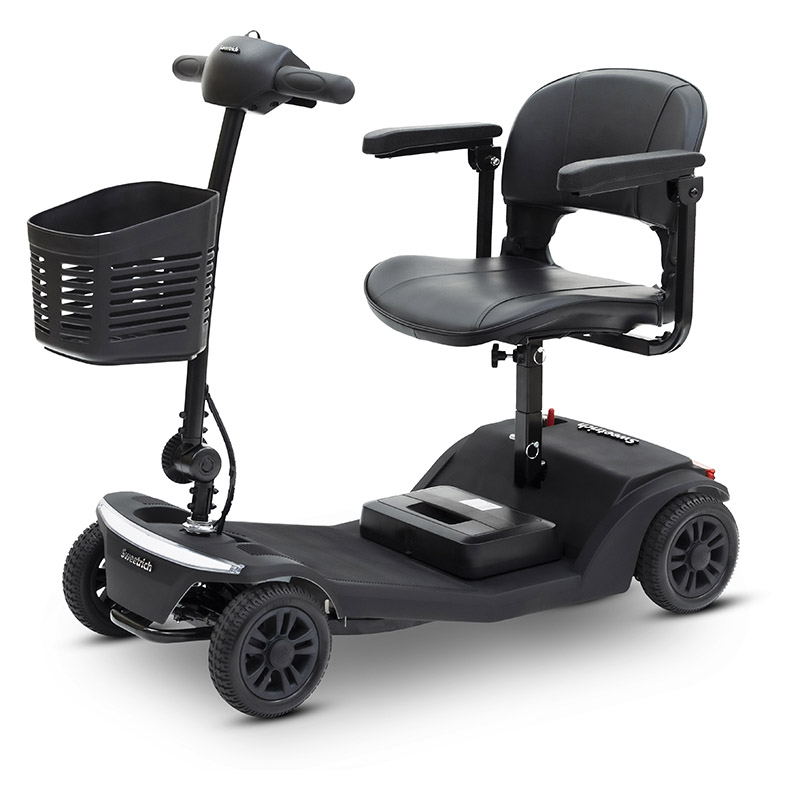
Four-wheel layout helps spread weight across more contact points. When ground stays flat, all wheels share load in a balanced way. When one wheel drops into a low spot, other wheels still keep contact and reduce sudden sway.
That does not remove every shake, yet it softens the feeling of a rough path. Instead of a sharp lean, body often feels a smaller shift. On a long walk or short neighborhood trip, that difference matters.
| Ground Condition | Wheel Response | Riding Feel |
|---|---|---|
| smooth pavement | even contact | steady movement |
| small crack | one wheel dips slightly | mild tilt |
| gravel patch | uneven rolling resistance | light vibration |
| sloped path | load shifts to one side | controlled lean |
Wheel spacing also matters. A wider stance gives a calmer feel when path tilts from side to side. A narrower stance may turn a small slope into a more noticeable body shift.
In daily use, that means curb edges, driveway lips, and uneven sidewalk repairs can feel less abrupt when wheel layout supports balance well.
Why Does Suspension Response Matter in Medium Mobility Scooter Use?
Suspension is easy to overlook until ground turns rough. Small bumps from uneven paths may seem harmless, yet repeated shocks can travel into seat and hands very quickly. Suspension helps absorb part of that motion before it reaches body.
On ordinary outdoor routes, suspension can soften:
- small stones under wheel path
- shallow bumps in pavement
- short drops between surface levels
- light vibration from rough ground
Medium Mobility Scooter use often involves more than a few meters at a time. That extra distance means more bumps, more vibration, and more time spent in seated position. A bit of shock absorption can make the ride feel calmer, especially when surface changes happen back to back.
A useful way to think about it is simple: wheel hits bump, suspension takes part of that energy, frame gets less shake, seat carries less harsh movement. That chain affects comfort more than many riders expect.
How Does Tire Contact Shape Grip on Loose or Rough Surfaces?
Tire contact decides how well movement stays under control when path surface is not firm. Loose gravel can slide a little under load. Dry soil may shift without warning. Small pebbles can make a wheel roll unevenly for a short stretch.
A scooter with steady ground contact usually feels easier to guide across such patches. Grip does not mean sticking hard to surface. It means rolling in a controlled way without sudden slips or wandering direction.
Different surfaces create different feelings:
- compact pavement gives clean rolling contact
- gravel adds tiny changes under each wheel
- soft soil can lower traction and slow movement
- mixed surfaces call for small steering corrections
Outdoor 4 Wheel Scooter performance on irregular paths often depends on tire contact more than appearance. A surface may look only slightly rough, yet wheel grip can change quickly once path texture becomes loose or patchy.
Practical signs of weak contact include extra steering effort, slight side drift, or a need to slow down more often. Stronger contact brings a calmer, more predictable ride.
What Role Does Frame Balance Play During Slow Movement?
Frame balance matters a lot at low speed. Fast travel can hide small shifts for a moment. Slow travel makes every surface change easier to notice. Uneven paths ask scooter body to stay centered even when wheels meet different heights at different moments.
When frame balance works well, weight moves in a smoother way across structure. That reduces sudden side leaning and keeps seating position more settled. A rider may still feel a bump, yet body does not get pushed around as sharply.
Useful signs of balanced frame behavior:
- less side sway during slow turns
- steadier feel when crossing patchy ground
- calmer reaction when one wheel meets a dip
- easier control when stopping on a slope
During a walk across cracked pavement or a rough garden edge, a stable frame can make travel feel less tiring. Weight stays easier to manage, so arms and shoulders do not need to compensate as often.
How Does Seating Position Affect Body Control on Bumpy Terrain?
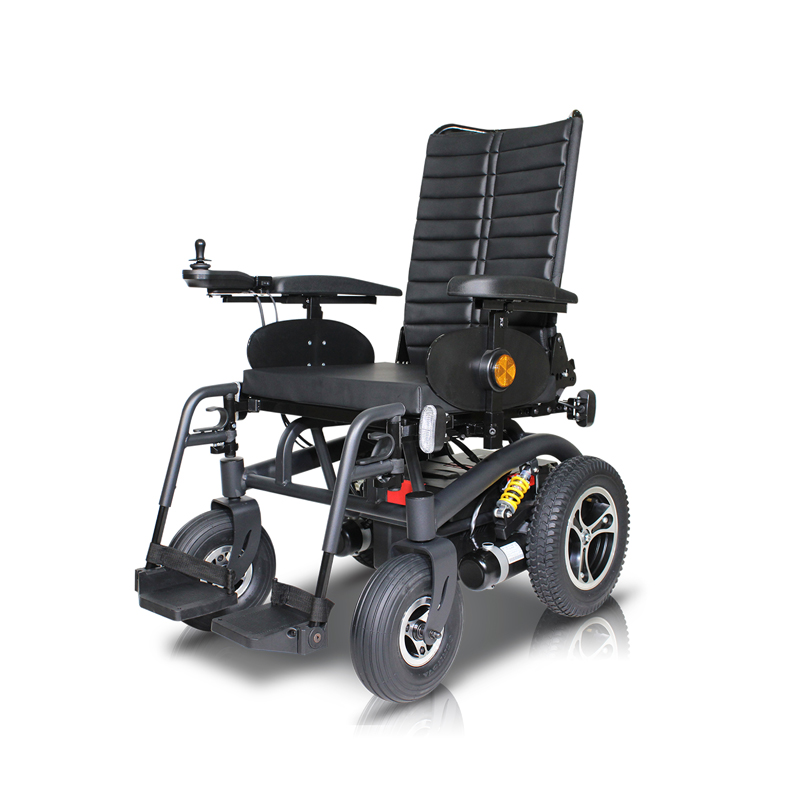
Seat position changes how bumps reach body. A seat set too high can make small jolts feel larger. A seat that sits well with frame height helps lower body stay more settled. Cushioning adds another layer by softening contact when wheels pass over rough spots.
Body control becomes important on bumpy terrain because small shocks can trigger posture changes. Hips shift. Shoulders tighten. Hands may grip more firmly. Feet may move to regain balance.
Typical body reactions on rough ground:
- a slight forward lean after a bump
- a quick grip adjustment on steering area
- weight shift from one hip to another
- foot repositioning during rough patches
A Medium Mobility Scooter used outdoors needs seat support that keeps those reactions small and manageable. Good seating position does not erase roughness, yet it helps body stay relaxed enough to handle it without strain.
On daily paths, that can mean less fatigue after a trip to a nearby store, a park corner, or a familiar sidewalk route.
Why Do Steering Adjustments Become Frequent on Mixed Terrain?
Mixed terrain asks for small steering changes again and again. A path may start with smooth pavement, then shift to gravel, then return to a firm surface after only a few steps. Each change alters wheel resistance in a slightly different way, so direction control needs constant attention.
An Outdoor 4 Wheel Scooter handles that kind of route by making minor corrections feel manageable rather than sudden. When one side meets a rough patch and the other side stays on firmer ground, steering pressure can change for a moment. A calm hand on control area helps keep movement steady through that shift.
Common situations that call for steering changes include:
- crossing from pavement to loose gravel
- moving around broken curb edges
- following a path with small side slopes
- passing through patchy ground near grass or soil
A Medium Mobility Scooter used in the same setting faces similar surface changes. Steady steering becomes useful not because terrain is difficult all at once, but because small changes keep appearing in short intervals.
Narrow paths create another layer of adjustment. A walkway with bushes, parked bikes, or uneven edge lines leaves less room for wide turns. In that setting, small corrections feel more useful than sharp movement. Slow steering also gives more time to sense where the front wheels are heading.
When steering remains predictable, body tension stays lower. Shoulders do not need to brace as much, and hands do not need to correct direction in a rushed way. That makes mixed terrain feel less tiring even when surface changes are frequent.
How Does Speed Behavior Influence Movement on Uneven Paths?
Speed changes the way rough ground feels. A slower pace gives the wheels more time to settle into uneven spots, while a quick pace can make bumps feel sharper. Outdoor travel often works better when motion stays calm and measured, especially on paths that change texture without warning.
On uneven ground, slower movement helps in several ways:
- gives more time to react to small dips
- lowers the force of each bump
- reduces sudden side movement
- keeps wheel contact more controlled
A Medium Mobility Scooter often feels more settled when speed stays moderate. Fast movement across rough ground can make vibration pass through frame in a stronger way. Slow movement does not remove unevenness, yet it gives body and steering more room to adapt.
Daily routes often include short sections where speed must change anyway. A driveway lip, a cracked pavement line, or a gravel stretch may call for a gentler pace. Once the surface becomes smoother again, motion can return to a more regular rhythm.
That steady rhythm matters. When speed changes too often or too sharply, ride comfort can feel broken up. When pace stays consistent, travel feels easier to follow, and small surface changes become less distracting.
A useful habit in outdoor use is to slow down before rough ground rather than after it starts. That gives more control from the start of the rough section. The body feels less jolted, and the ride remains easier to manage.
What Happens During Transitions Between Smooth and Rough Areas?
Surface transitions often cause more discomfort than rough ground itself. A smooth path gives a calm rolling feel. A rough patch changes wheel resistance quickly. The moment those surfaces meet, scooter behavior can shift in a way that feels noticeable.
A transition may happen in a few common ways:
- pavement ending at a gravel edge
- flat path turning into a shallow dip
- hard ground changing to soft soil
- level walkway meeting a small slope
During such shifts, wheels do not react at the same instant. One wheel may move onto the rougher part before another wheel does. That small timing difference can create a light tilt or a short vibration change.
Outdoor 4 Wheel Scooter use on mixed ground depends on how well those changes are absorbed. A stable frame, balanced wheel contact, and calm speed help the transition feel less abrupt. The body stays more relaxed when movement across the surface border feels gradual rather than sharp.
Transitions also affect confidence in route planning. A path with repeated surface changes can feel tiring even when distance stays short. That is why some outdoor routes work better when the surface pattern is known in advance. Once rough spots are expected, it becomes easier to slow down early and keep body posture steady.
Practical signs that a transition is coming include:
- a change in wheel sound
- a shift in rolling resistance
- light shaking through the seat
- slight change in steering feel
Noticing those signs early helps keep motion under control. Small response changes often work better than larger corrections after the bump has already started.
How Can Daily Outdoor Use Shape Long Term Riding Comfort?
Repeated outdoor travel changes how the body responds to uneven paths. A single rough section may feel minor. Several repeated outings through the same kind of ground can create more strain over time. That is where daily comfort becomes less about one bump and more about the full pattern of use.
Longer term comfort is shaped by a few everyday habits:
- slowing before rough sections
- avoiding sudden turns on loose ground
- keeping posture steady during longer rides
- taking short rests after repeated uneven travel
A Medium Mobility Scooter used outdoors often encounters the same sidewalks, driveway edges, or park paths day after day. That repetition makes consistency important. When the riding pattern stays calm, the body learns how to settle into movement more easily.
Seat support, wheel grip, steering steadiness, and speed choice all work together here. No single part carries the whole experience. A ride on rough ground feels easier when each part does a simple job without adding extra strain.
Daily outdoor comfort also depends on route habits. A smoother side path may work better than a shorter rough one. A small change in route can reduce vibration, lower steering effort, and make the trip feel less demanding. In real use, that kind of choice often matters more than trying to push through a difficult surface.
Another point comes from body recovery after travel. Even short trips over rough ground can leave shoulders, hands, or lower back feeling a little tight. A calm stopping habit after return helps reduce that buildup. Standing still for a moment, then leaving the seat in a relaxed way, gives body time to settle again.
Outdoor riding comfort is built through repeated small choices. A steady pace, measured steering, and awareness of path changes often create a more manageable experience than trying to move through rough ground in a rushed way. Over time, that approach makes uneven paths feel less demanding and more predictable in daily travel.