
 +86-(0)512-82283871
Content
Cities face constant pressure to move large numbers of people efficiently through limited space. Shared mobility services address part of this challenge by making vehicles and devices available for temporary use by different individuals throughout the day. Foldable Scooter Factory contribute another piece by offering a form of transport that can be quickly collapsed and carried when riding is not practical. When shared access meets foldable design, the result is a transport option that can slot into existing patterns of movement with relative ease.
This combination allows people to handle short segments of a journey without needing to own equipment or depend solely on walking and fixed-route transit. A typical sequence might involve walking to a pickup location, riding a scooter for a portion of the distance, folding the device to board a bus or train, and then continuing on foot or by another means at the destination end. Such flexibility can reduce the friction that often accompanies multi-modal travel in urban settings.
The broader context includes a gradual shift away from exclusive reliance on privately owned cars for every trip. Many journeys—especially those under a few kilometers—are better suited to lighter, more space-efficient solutions. Shared foldable scooters fit into this shift by providing an intermediate option between walking and larger vehicles. They require minimal infrastructure compared with dedicated rail lines or extensive parking structures, yet they can still cover ground faster than pedestrian pace.
The idea behind shared mobility is straightforward: provide access to a transport resource so that many people can use it over time rather than each person needing a separate unit. Early examples appeared in the form of public bicycle programs with fixed docking stations. Later versions adopted dockless approaches, allowing users to leave devices almost anywhere within service boundaries. Scooter-sharing followed a similar trajectory, often starting in dense urban cores before spreading to surrounding neighborhoods.
Digital platforms make these systems function smoothly. A person opens an application, sees nearby available devices on a map, approaches one, unlocks it, rides, and ends the session when finished. Payment happens automatically based on time or distance. Behind the scenes, operators monitor fleet condition, redistribute devices to balance supply and demand, and schedule maintenance based on usage data.
In practice, shared mobility helps solve several persistent urban problems. Parking demand drops because users do not need to store a vehicle at either end of a trip. Road space is used more efficiently when short journeys shift from cars to smaller devices. Public transit ridership can increase when reliable first-mile and last-mile connections become available, making the entire journey more attractive compared with driving door-to-door.
| Urban Problem | How Shared Mobility Helps | Main Benefit |
|---|---|---|
| High parking demand | No need to store vehicle at trip start/end | Reduced parking pressure |
| Inefficient road space use | Short car trips shift to smaller devices | Better utilization of road capacity |
| Low public transit appeal | Reliable first-mile/last-mile connections | Increased transit ridership |
| Overall door-to-door travel | More attractive alternative to driving everywhere | Smoother, more efficient multi-modal trips |
Environmental outcomes follow from the same logic. Fewer individual cars on short trips translate into lower fuel consumption and tailpipe emissions in the immediate area. The effect accumulates when large numbers of people adopt the pattern regularly. Noise levels also tend to decrease in neighborhoods where scooter and bicycle traffic replaces automobile traffic for local movement.
The model is not without operational demands. Devices experience wear from repeated use by different people. Vandalism, accidental damage, and simple neglect occur in any public system. Operators therefore invest in durable construction, frequent inspections, and rapid-response repair teams. Local authorities often set rules around permitted riding zones, parking etiquette, speed limits, and liability arrangements. Finding the right balance between openness and order requires ongoing dialogue among operators, city staff, and residents.
Foldable Scooters in Context
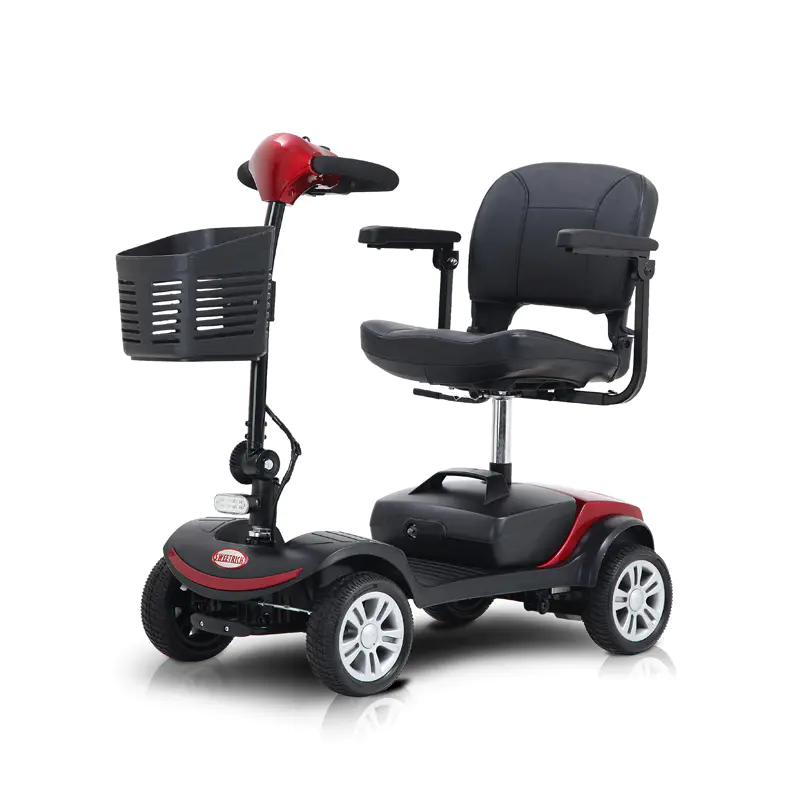
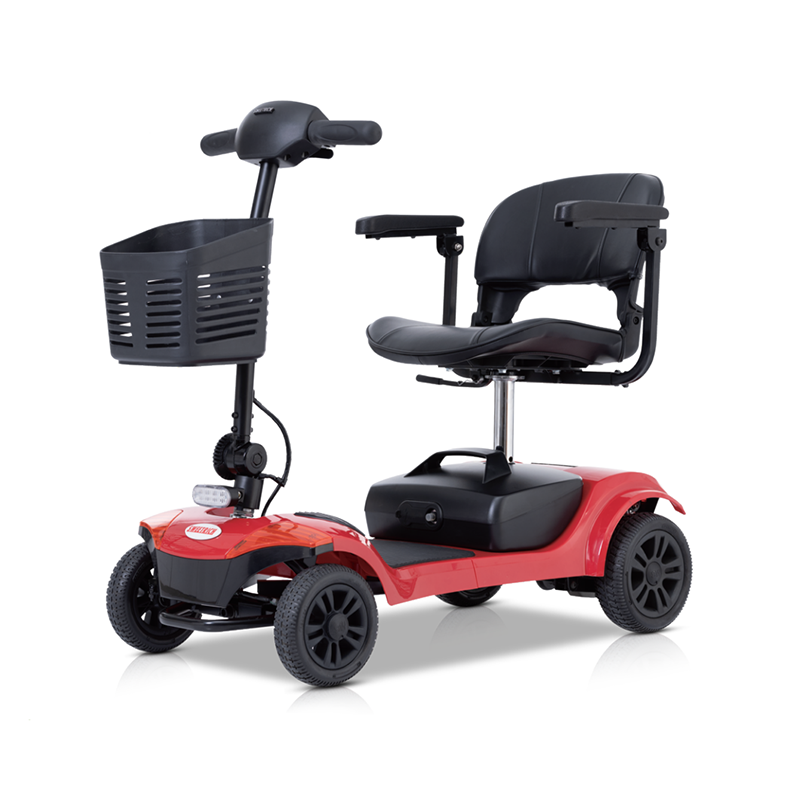
A foldable scooter is distinguished primarily by its ability to reduce in size for carrying and storage. The frame typically consists of hinged sections that lock into place during riding and release to allow collapse. When folded, the device becomes narrow enough to fit beside a seat on public transit, stand in a corner of an office, or rest in a hallway at home.
Wheel sizes are usually modest, providing adequate stability on paved surfaces while keeping overall weight manageable. Many versions include a small electric motor and battery pack that assist forward motion without eliminating the option of manual propulsion. Speed remains modest to match the pace of urban traffic and to align with safety expectations in mixed environments.
Users find the scooter convenient for situations where walking feels slow but bringing a full-size bicycle or larger scooter would be cumbersome. The folding action takes seconds, so transitions between modes happen quickly. A commuter might ride from home to a transit station, fold the scooter before boarding, ride the train, unfold at the destination station, and continue to the workplace. Similar patterns apply to students moving between classes, delivery personnel covering multiple stops, or residents running errands in a compact neighborhood.
Maintenance requirements stay reasonable for users. Batteries need periodic charging, tires require occasional inflation or replacement, and folding hinges benefit from light lubrication. Because the device is carried indoors much of the time, exposure to weather is reduced compared with permanently outdoor equipment.
From a city-planning viewpoint, foldable scooters support the goal of active transport. They encourage people to cover short distances under their own power (or light assistance) rather than defaulting to a car. Where sidewalks, shared paths, or quiet streets exist, scooters integrate naturally. Where infrastructure is absent or poorly maintained, riding becomes less comfortable and sometimes less safe.
Forms That Integration Can Take
Integration appears in several configurations. In one common arrangement, scooters are stationed near major transit nodes. A person alights from a train, locates a nearby scooter through an application, rides to an office several blocks away, folds the device upon arrival, and stores it in a designated area or personal space. The same scooter might later be used by another person for the return journey or for a different trip entirely.
Dockless shared fleets extend this idea across wider areas. Users find scooters wherever they happen to be, ride to their destination, fold if necessary to enter a building or board transit, and end the session when the device is no longer needed. The folding capability becomes especially valuable in these dockless setups because it allows temporary indoor storage during longer transit legs without violating parking rules.
Some systems operate within closed environments such as university campuses, business parks, or large residential complexes. Here the scooter serves as an internal shuttle, moving people between buildings or from parking areas to entrances. Folding allows users to bring the device inside, reducing clutter in outdoor spaces and protecting equipment from rain or sun.
Hybrid arrangements pair scooters with other shared modes. A car-sharing vehicle might be returned to a designated spot, after which the driver uses a nearby shared scooter to cover the final few hundred meters to a residence. In reverse, a scooter ride might bring someone to a car-sharing pickup point for a longer journey. These combinations create continuous chains of transport tailored to specific trip purposes.
Advantages That Emerge
People who use this combined system enjoy straightforward access without the ongoing responsibilities of ownership. They avoid the upfront expense of buying a scooter, the hassle of finding storage space at home or work, and the routine tasks of keeping it in good condition. A scooter becomes available precisely when required and can be set aside once the ride ends. The ability to fold the device quickly eliminates many obstacles that previously made switching between walking, transit, and another form of movement feel awkward or impractical. Journeys that used to involve extended stretches on foot at the start and finish now break down into manageable, less tiring portions.
Municipalities see noticeable relief in the demands placed on streets and parking areas. As individuals turn to scooters for trips they might otherwise have made by car, the volume of motor vehicles in motion drops during busy periods. Traffic moves more smoothly, wait times at crossings shorten, and sections of curb space open up for practical purposes such as delivery zones, planted areas, or expanded walkways.
Local air conditions benefit from the drop in brief car journeys. In tightly built neighborhoods where distances between common destinations stay short, the shift toward scooters produces a clear difference in exhaust levels. Quieter operation replaces the low rumble of engines in housing areas, creating a more peaceful setting for daily life.
Daily movement patterns receive a gentle but steady boost. Balancing on a scooter calls for subtle engagement of core and leg muscles along with ongoing attention to surroundings. These repeated small efforts accumulate over time, adding useful activity to routines that might otherwise remain largely sedentary.
The arrangement broadens participation for those who lack their own transport options. Learners heading to lectures, people staying temporarily in a city, and individuals navigating housing changes gain reliable ways to reach workplaces, educational sites, or essential services. Entry remains simple—typically requiring only a mobile device and a way to handle payment—opening the system to people across different age groups and circumstances.
Service providers achieve better returns on their investments. Each scooter supports rides from numerous users in a single day, distributing purchase costs and servicing expenses over a wider pool of revenue. The foldable structure helps extend operational life by permitting storage indoors during quieter times or inclement weather, limiting damage from constant outdoor exposure.
Challenges That Surface
Existing walkways show considerable variation in suitability. Sidewalks in many locations prioritize foot traffic, leaving them uneven or narrow for wheeled devices. Uneven pavement, raised edges, loose gravel, and sharp inclines reduce comfort and raise the chance of mishaps. Without separate lanes, scooters end up sharing space with pedestrians and other slow-moving traffic, which can to occasional close encounters or irritation.
Rules governing use change from one area to the next. Certain communities adopt open policies with few limitations, while others enforce tight boundaries on where riding occurs, require protective headgear, set age thresholds, or mandate particular parking arrangements. Providers work to adapt to these differences while delivering a predictable experience to riders.
Wear on equipment increases under frequent shared use. The folding joints go through repeated opening and closing each day. Power cells endure many cycles of draining and replenishing. Tires and moving parts absorb repeated bumps from imperfect surfaces. Operators respond by choosing sturdy parts built for intensive service and by setting up thorough check routines.
| Component Affected | Wear Cause | Operator Response |
|---|---|---|
| Folding joints | Repeated opening/closing many times per day | Select durable, heavy-duty hinges |
| Power cells (batteries) | Frequent charge-discharge cycles | Choose high-cycle-rated batteries |
| Tires & moving parts | Repeated impacts from uneven/rough surfaces | Use reinforced tires and robust bearings |
| Overall equipment | High-frequency shared use by multiple riders | Implement regular, thorough inspection routines |
Rider conduct varies widely. A portion of users observe posted instructions closely, while others leave devices in inconvenient spots, venture onto restricted terrain, or ride in ways that disregard safety. Ongoing efforts in awareness, prompts delivered through the application, and small rewards encourage better habits, though complete uniformity proves difficult in a publicly accessible setup.
For models with electric assistance, arranging reliable power replenishment requires careful thought. Scooters need accessible charging without blocking pathways or occupying too much public area. Certain providers install cabinets with solar support or collaborate with nearby businesses for outlets. Alternative methods involve crews collecting and swapping depleted units overnight when activity slows.
Fairness concerns appear when coverage clusters in more affluent or central zones. Peripheral districts, communities with lower resources, and places with sparse transit links often receive less attention. Closing these divides calls for intentional decisions about deployment and, in some cases, support from public funds or local collaborations.
Implementation Strategies
Effective efforts frequently start with controlled trials in restricted zones to evaluate ideas under actual conditions. Focusing on a smaller area makes it easier to track patterns of use, any reported problems, comments from participants, and upkeep requirements. Insights gained during this stage—whether concerning the number of units, placement guidelines, or digital interface elements—allow refinements that strengthen results ahead of larger expansion.
Cooperation on physical improvements yields strong returns. Local governments can mark routes that align with current cycling facilities, add simple holding areas near transit points, or ask operators to help fund repairs to shared paths. Actions like these build environments where riding feels secure and interactions with other street users stay calm.
Digital tools enhance day-to-day functioning. Virtual boundaries guide where riding and stopping are permitted with sufficient precision. Forecasting methods anticipate needs and direct rebalancing efforts. Systems that check device status remotely spot potential issues early, preventing breakdowns during active periods.
Introductory guidance for new participants needs to stay direct and easy to follow. Brief demonstrations covering correct posture while riding, the steps for folding, and polite ways to leave a scooter help beginners develop sound routines from the outset. Gentle notifications at the close of a ride can remind users to act responsibly.
Upkeep schedules improve when driven by collected information. Records of distance traveled and fold counts identify units that experience heavier strain, enabling timely swaps of vulnerable components before problems arise.
Approaches to fees affect how widely the service gains traction. Options such as fixed amounts for brief rides, charges tied to duration, or monthly plans for regular users each serve different preferences. Special starting rates and reduced prices for community members can draw in those who remain uncertain.
Future Trajectories
Advances in power technology promise longer travel capability without excessive increases in mass or expense. Quicker ways to restore energy could shorten intervals between successive rides. Lighter construction techniques may simplify the folding process while keeping the frame strong and reliable.
Ties to wider city networks create fresh opportunities. Scooters equipped to share live information on location and usage could supply valuable input for traffic planning, offering planners detailed views of how people move through streets. Links with intelligent controls for lights or crossings might afford riders smoother passage at busy points.
Governing approaches will keep influencing development. Communities that treat scooters as components of an overall transport framework may introduce rewards for providers that deliver strong performance with limited ecological footprint. Uniform guidelines covering build quality, battery reuse, and responsible disposal could spread across different regions.
Refinements in construction will tackle present shortcomings. Greater protection against moisture would support riding through varied weather. Options to adjust handle height and standing area dimensions could fit a broader spectrum of riders. Replaceable sections might permit swift fixes in the field instead of retiring entire units.
Over an extended period, shared foldable scooters will likely hold a steady place among varied urban travel alternatives rather than dominate entirely. They perform particularly well in linking segments of fixed-route services, meeting needs for brief distances, and easing reliance on cars for ordinary local movement. As urban areas grow denser and place greater value on comfortable streets, solutions that blend ease of use, minimal spatial requirements, and moderate energy consumption will continue to matter.
Sweetrich Mobility
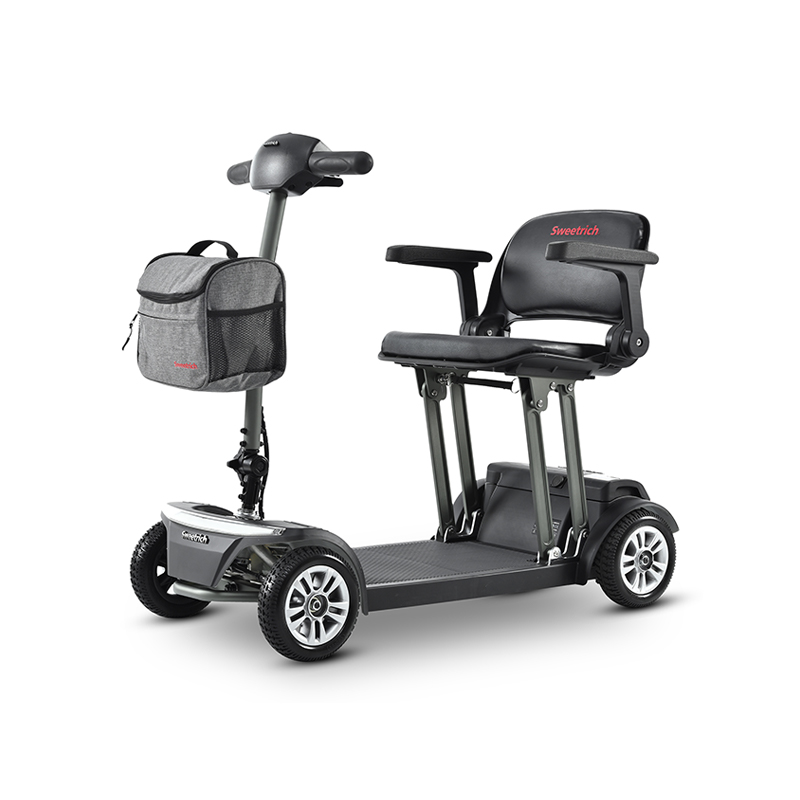
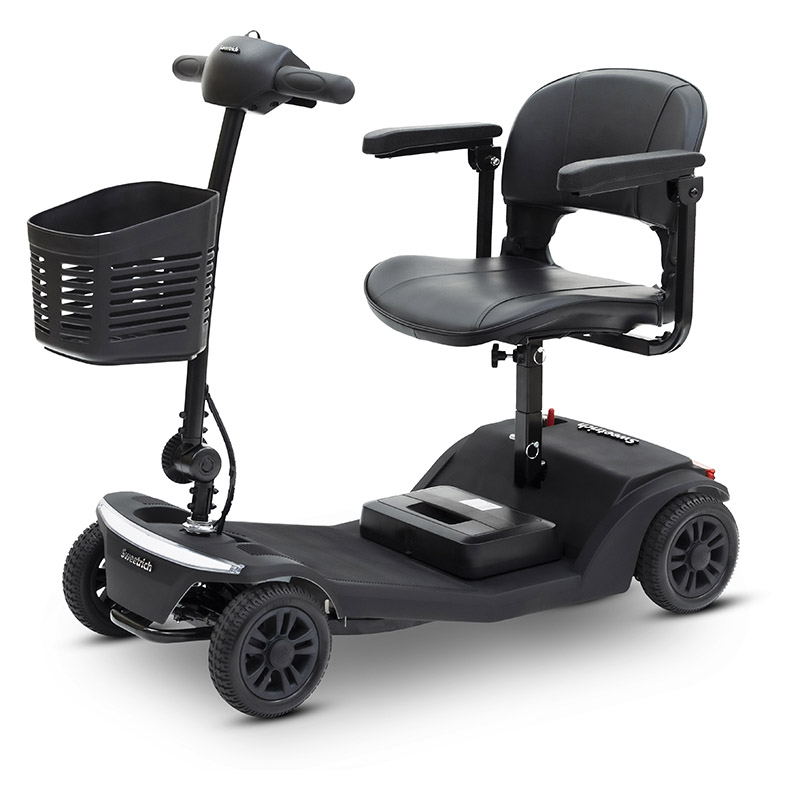
Sweetrich represents a thoughtful advancement in accessible personal mobility, particularly through its focus on folding motorized scooters and related devices designed for practical, independent use in everyday settings. It enables smoother transitions across short urban distances, supports multi-modal journeys without the burdens of full ownership, and contributes to reduced strain on city infrastructure while promoting greater freedom for users of varied ages and abilities.
As communities continue to seek balanced, sustainable transport solutions that prioritize convenience, inclusivity, and minimal environmental footprint, options like those embodied in Sweetrich illustrate how targeted innovations can bridge existing gaps in urban movement. Ultimately, this evolution points toward more adaptable, user-centered systems that enhance daily life in growing cities, fostering environments where mobility feels both effortless and equitable for everyone.