
 +86-(0)512-82283871
Content
- 1 Everyday use and slow changes over time
- 2 Basic structure behind 4 Wheels Scooter Factory products
- 3 Environmental influence on long-term condition
- 4 Basic daily attention points
- 5 Wheel interaction with different surfaces
- 6 Foldable structure and its maintenance behavior
- 7 Storage influence on long-term condition
- 8 How long-term use slowly changes performance
- 9 Small signals that appear over time
- 10 Maintenance habits that develop naturally
- 11 Foldable Scooter Factory design behavior in long-term use
- 12 Interaction between environment and structure
- 13 Frame behavior during long-term operation
- 14 Wheel surface interaction over extended use
- 15 Battery and general system behavior
- 16 How Foldable Scooter Factory structure affects long-term care
- 17 Everyday operation and user influence
In everyday use, mobility scooters are often used across more than one type of environment. A short trip may involve indoor floors, outdoor walkways, and sometimes slightly uneven ground. Over time, this kind of mixed use naturally places different levels of pressure on the structure.
In many discussions around production and design, Suzhou Sweetrich Vehicle Industry Technology Co., Ltd. is sometimes mentioned when talking about how scooters are built for long-term daily movement across changing environments.
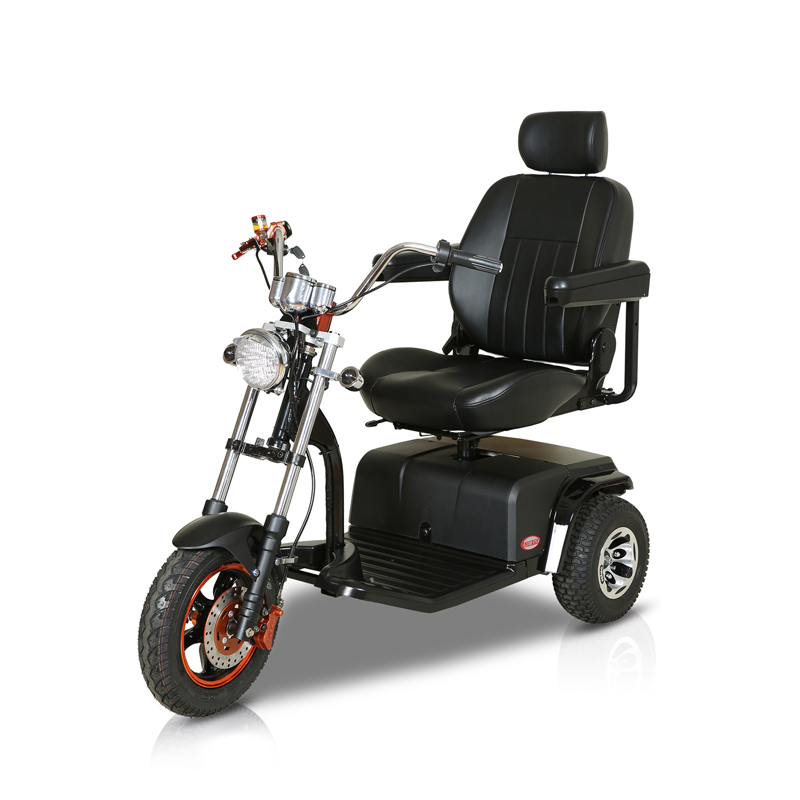
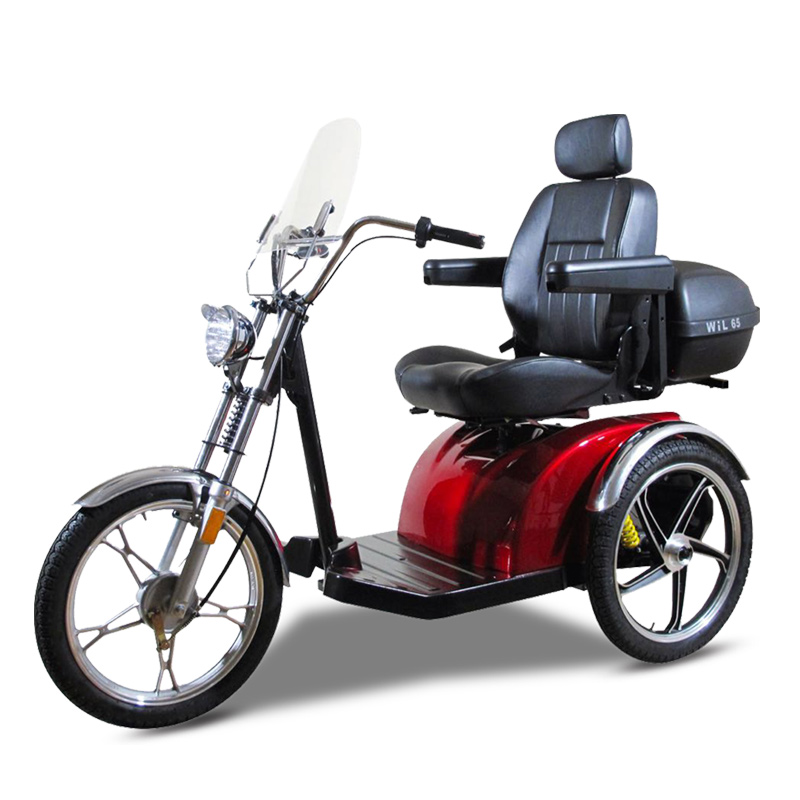
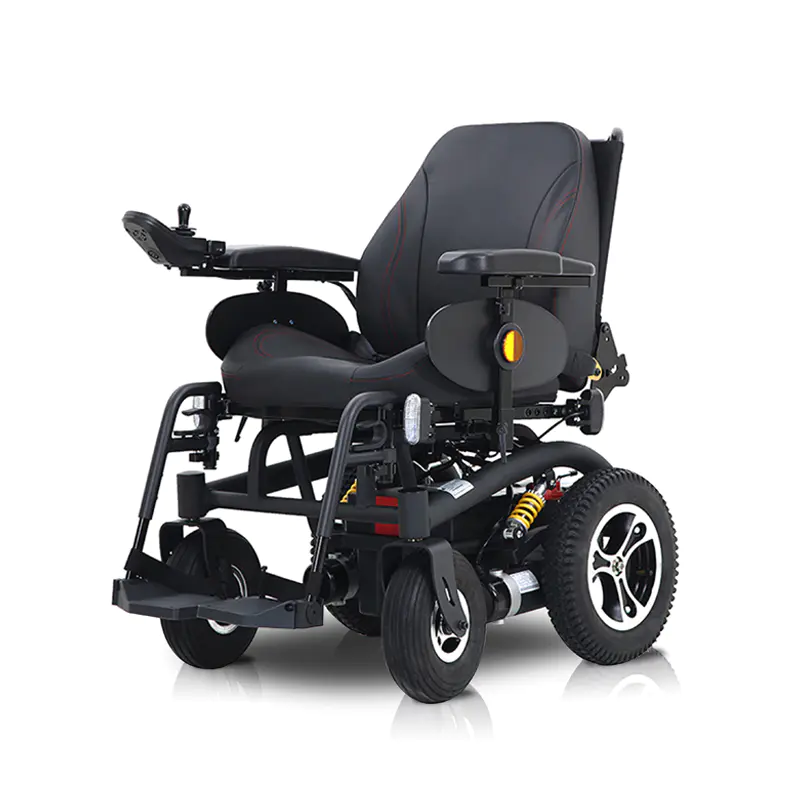
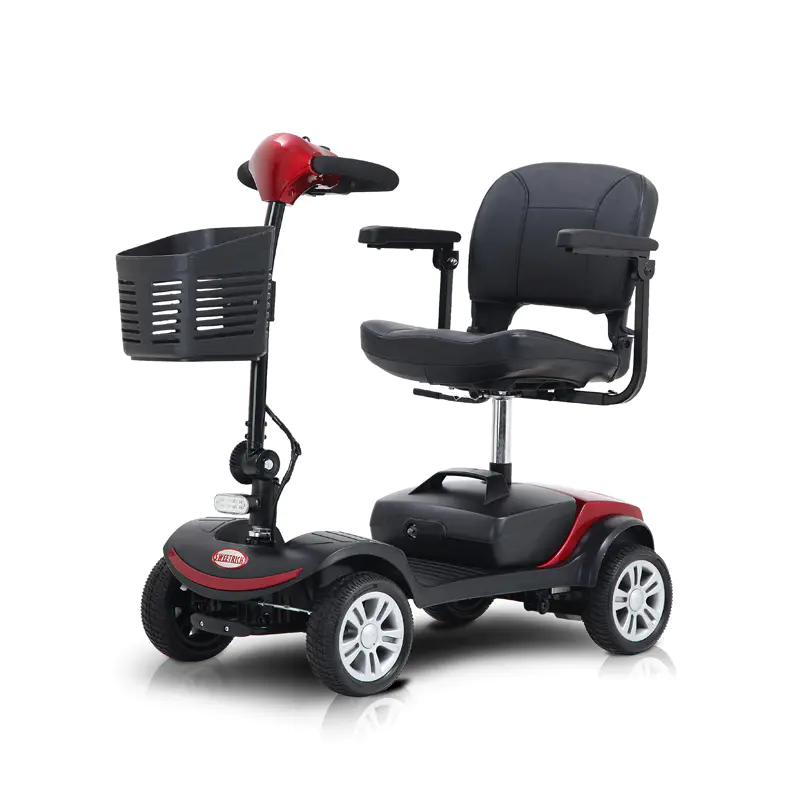
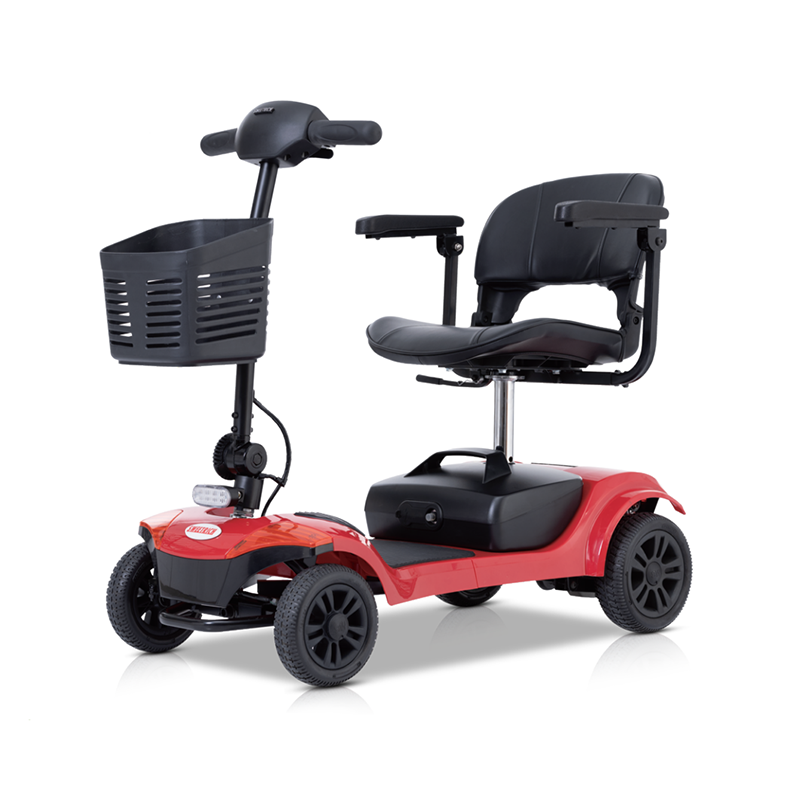
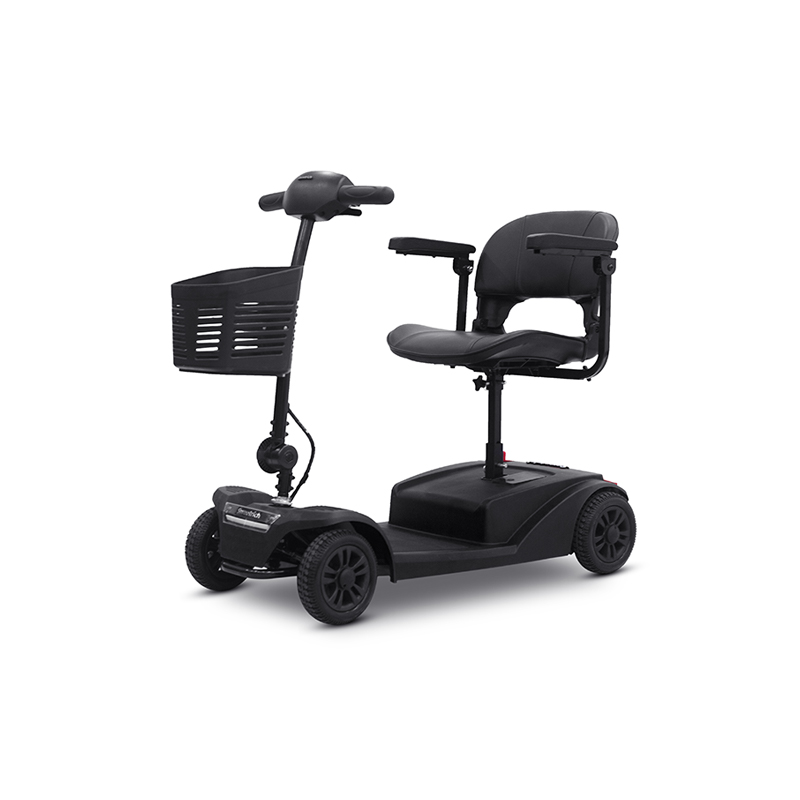
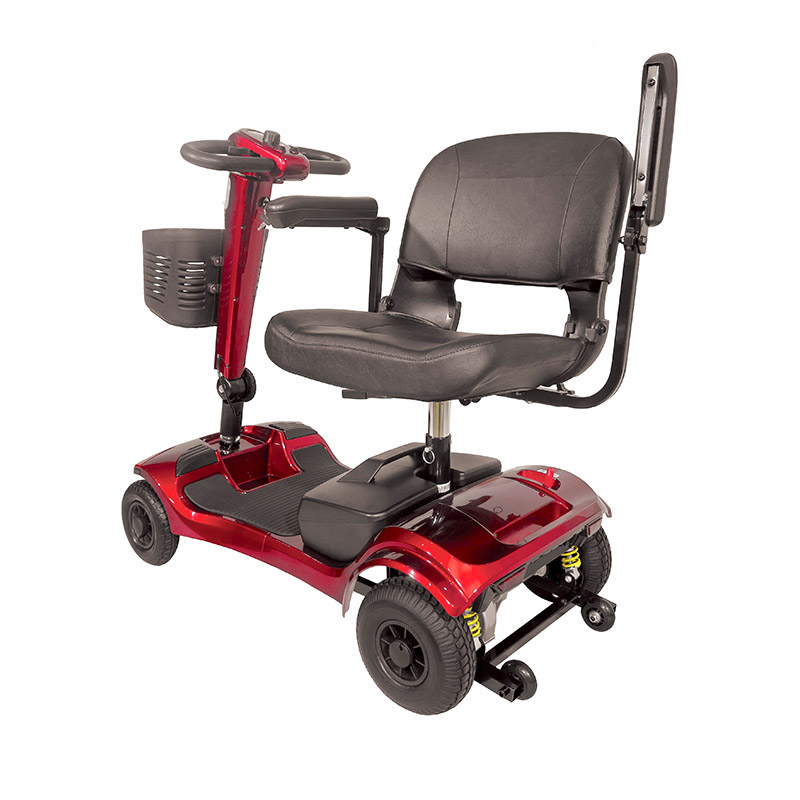
A 4 Wheels Scooter Factory usually considers these usage patterns during the early design stage. Instead of focusing only on how the scooter looks when new, attention is also given to how it behaves after repeated use.
Everyday use and slow changes over time
Scooters do not usually change suddenly. The process is gradual. At first, everything feels consistent. Movement is smooth, steering is predictable, and the structure feels stable.
But after repeated use, small differences can begin to appear. These changes are not always easy to notice at once. They show up slowly, often through small signals.
For example:
- movement may feel slightly different on uneven ground
- steering response can change very gradually
- wheels may react differently on rough surfaces
- folding joints may feel less tight over time
These are not immediate problems, but they are part of normal long-term use.
Basic structure behind 4 Wheels Scooter Factory products
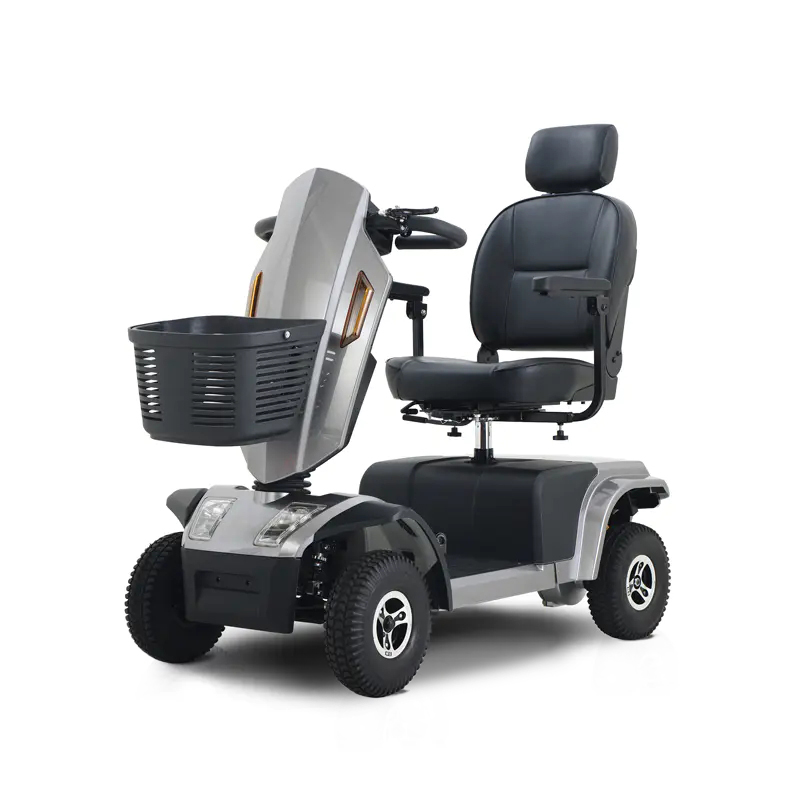
A four-wheel design is mainly focused on balance and steady movement. Instead of relying on the user to maintain balance, the structure itself helps keep stability.
Inside a 4 Wheels Scooter Factory production environment, attention is often placed on how different parts work together rather than separately.
Key elements usually include:
- a frame that supports steady weight distribution
- wheels that maintain contact with varied surfaces
- steering components that respond in a controlled way
- connection points that hold the structure together during movement
Each part influences how the scooter feels during long-term use, especially when the ground is not always even.
Environmental influence on long-term condition
Scooters are rarely used in a single controlled space. They move between different environments, and each one affects the structure in a slightly different way.
Common influences include:
- indoor smooth surfaces with low resistance
- outdoor pavements with light texture
- uneven paths that create small vibrations
- storage conditions during idle periods
Each environment does not cause immediate change, but over time, the combined effect becomes noticeable.
Simple comparison of usage conditions
| Environment | Surface behavior | Effect on scooter | Long-term impact |
|---|---|---|---|
| Indoor use | Smooth and stable | Light wear | Low change |
| Outdoor pavement | Slight texture | Moderate contact | Gradual adjustment |
| Uneven ground | Irregular surface | Active response | More noticeable wear |
| Mixed use | Changing surfaces | Continuous adaptation | Accumulated effect |
This kind of variation is normal in daily use and shapes how maintenance habits develop over time.
Basic daily attention points
Maintenance does not always mean complex actions. In many cases, it is about small and regular attention during normal use.
Some common habits include:
- checking if movement feels slightly different
- observing wheel contact with the ground
- noticing small changes in steering response
- looking at folding parts during normal handling
These simple checks often help identify early signs of wear.
Wheel interaction with different surfaces
Wheels are one of active parts of the scooter because they are always in contact with the ground. Over time, different surfaces affect them in different ways.
On smooth indoor floors, movement stays steady. On outdoor paths, wheels begin to react more to surface texture. On uneven ground, the contact becomes more active and noticeable.
This is where small maintenance habits matter. Cleaning dust or small particles from wheels after outdoor use can help keep movement consistent over time.
Foldable structure and its maintenance behavior
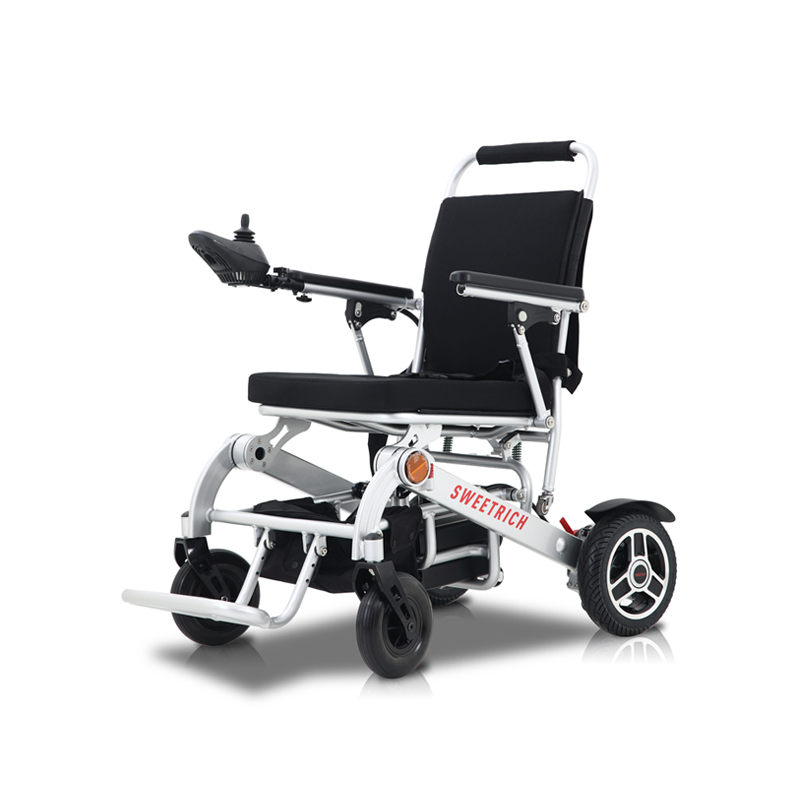
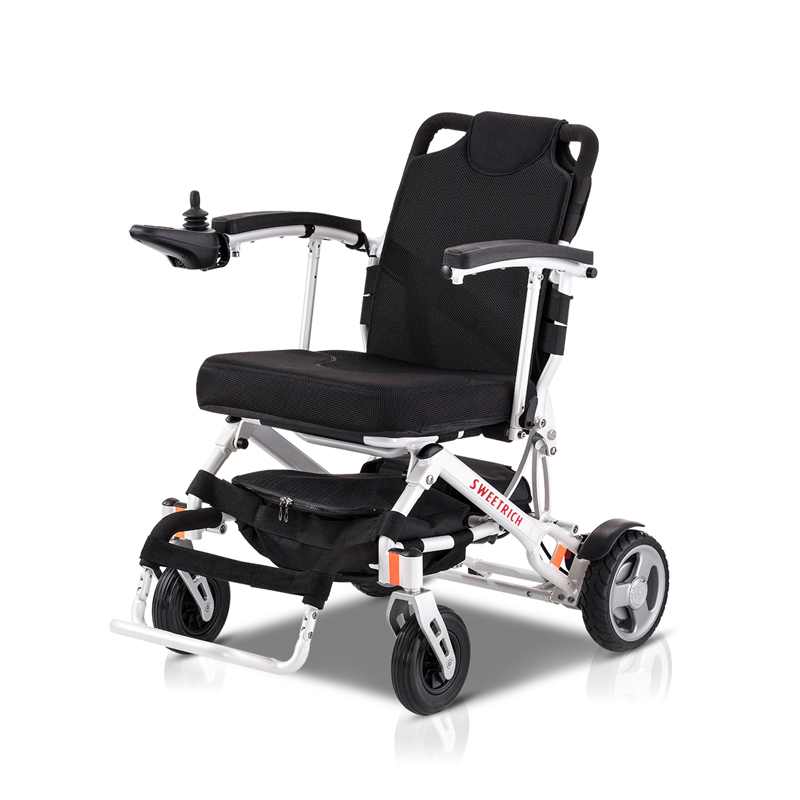
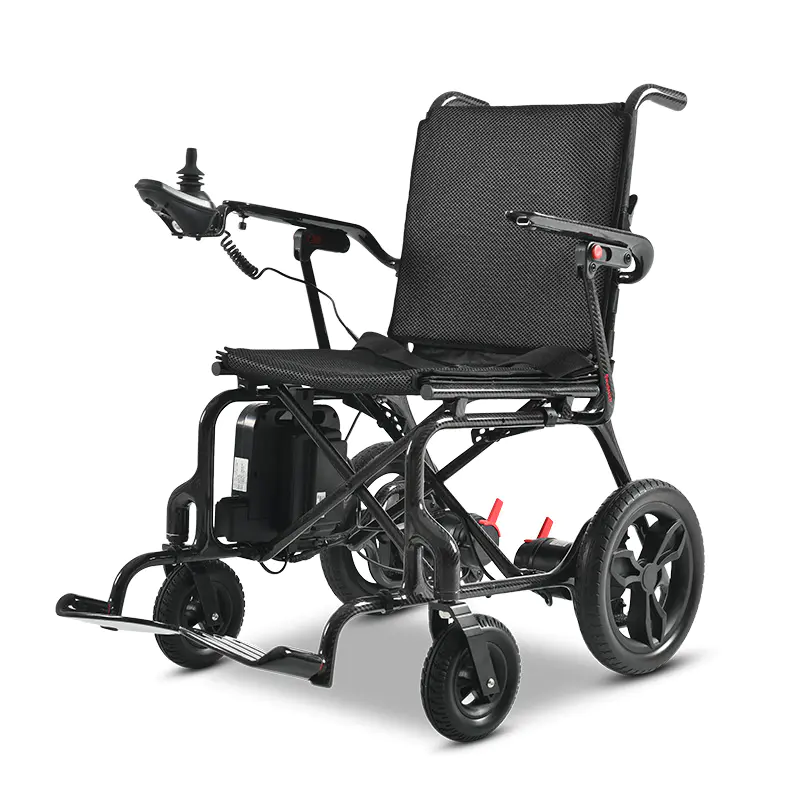
In a Foldable Scooter Factory design approach, folding parts introduce an additional layer of movement. These areas are used repeatedly and may slowly change in feel over time.
Folding sections may require attention because:
- they are involved in frequent mechanical movement
- they connect different parts of the structure
- they carry load during both use and storage
Small changes in tightness or movement feel can appear gradually. This does not happen suddenly but develops over repeated use cycles.
Storage influence on long-term condition
When scooters are not used for a period of time, storage conditions also play a role in long-term condition. Even when not moving, materials can slowly respond to the environment around them.
During storage, simple habits can help maintain condition:
- keeping the scooter in a stable environment
- avoiding unnecessary pressure on folding parts
- checking condition before returning to use
- making sure wheels are not under uneven load
These small actions help maintain consistency over time.
How long-term use slowly changes performance
After a longer period of use, the scooter does not suddenly feel different. The change usually comes in a quiet and gradual way. It is often noticed during routine movement rather than at a specific moment.
For example, a short ride that once felt completely smooth may start to feel slightly different on uneven ground. Steering may respond a bit differently when turning slowly. These changes are not sharp, but they slowly build up through repeated use.
In many cases, users only notice these shifts when comparing current movement with earlier experience.
Small signals that appear over time
In daily operation, there are a few subtle signs that often appear before any real maintenance is needed. These are not faults, but simple indicators of natural wear.
They may include:
- a slight change in wheel sound on rough ground
- a different feel when turning at low speed
- folding joints feeling a bit less tight than before
- small delay in response when starting movement
These signs usually develop slowly and are easy to miss if the scooter is used every day without close attention.
Maintenance habits that develop naturally
Some maintenance does not come from strict routines. It often develops naturally during use. People start paying attention only when something feels slightly different.
Common habits include:
- glancing at wheels after outdoor travel
- checking folding points when storing the scooter
- noticing steering feel before longer rides
- wiping dust after movement on rough surfaces
These small actions are not planned in detail, but they become part of regular use over time.
Foldable Scooter Factory design behavior in long-term use
A Foldable Scooter Factory design introduces moving joints that are used repeatedly. These parts are not static, so they slowly respond to long-term mechanical movement.
Over time, folding areas may show:
- slightly smoother or looser movement compared to earlier use
- small changes in resistance when opening or closing
- minor alignment differences when locked into position
- gradual shift in tactile feedback
These changes are normal in repeated folding systems and usually develop slowly.
Because of this, simple handling care during folding and unfolding becomes important in daily use.
Interaction between environment and structure
The scooter does not operate in one fixed condition. It moves between different environments, and each one adds a small influence over time.
Indoor use tends to keep movement stable. Outdoor pavements introduce light vibration. Uneven surfaces add more variation. When these conditions are combined over time, the structure slowly adapts.
This interaction is not immediate. It builds gradually through repeated exposure.
Simple maintenance comparison across usage areas
| Usage condition | Structural response | Maintenance focus | Long-term effect |
|---|---|---|---|
| Indoor use | Stable movement | Minimal cleaning | Very low wear |
| Outdoor use | Light vibration | Wheel cleaning | Gradual wear |
| Mixed use | Continuous adjustment | Regular observation | Moderate change |
| Frequent folding | Mechanical repetition | Joint attention | Slow loosening |
This comparison reflects how different environments influence maintenance needs in daily life.
Frame behavior during long-term operation
The frame of a 4 Wheels Scooter Factory product does not usually show visible changes quickly. However, over time, small differences in movement distribution can appear.
The frame helps connect all moving parts. When conditions change, it spreads pressure across the structure. This reduces sudden impact in daily use.
With long-term use, the frame may show:
- slightly different response during uneven ground travel
- small variation in how movement is distributed
- gradual change in overall movement feel
- continued stability even with surface variation
These changes are slow and often only noticed after extended use.
Wheel surface interaction over extended use
Wheels are always in direct contact with the ground, so they naturally show the earliest signs of environmental influence.
Over time, different surfaces affect them in different ways:
- smooth surfaces keep movement consistent
- rough surfaces create gradual texture response
- mixed surfaces increase variation in rolling feel
- outdoor use leads to more visible surface interaction
Simple cleaning and occasional inspection can help maintain smoother movement behavior.
Battery and general system behavior
Without going into technical details, general usage patterns can also influence how consistently the scooter performs over time.
Regular use with stable charging habits tends to support consistent operation.
These changes are usually subtle and appear slowly rather than suddenly.
How Foldable Scooter Factory structure affects long-term care
Foldable structures introduce a different maintenance focus compared to fixed-frame designs. Since parts are designed to move, they require attention not only during use but also during storage.
Key areas include:
- folding joints and locking points
- alignment after repeated opening and closing
- smoothness of movement during folding action
- contact points between connected sections
These areas do not change quickly, but they gradually respond to repeated mechanical motion.
Everyday operation and user influence
How the scooter is used also affects its long-term condition. Smooth and controlled movement tends to keep structure stable. Rough handling or sudden changes in direction may increase wear in certain areas.
Over time, usage style becomes part of the scooter's overall condition.
Simple patterns include:
- steady movement supporting longer structural consistency
- frequent rough surface use increasing wheel response changes
- careful folding reducing joint variation
- mixed environments creating balanced wear across parts
The life of a scooter is not defined by a single moment or action. It develops gradually through repeated use, environment changes, and small maintenance habits.
A 4 Wheels Scooter Factory design focuses on maintaining balance across these conditions, while Foldable Scooter Factory structures add flexibility for storage and movement.
Over time, the interaction between structure, environment, and user behavior forms a natural cycle. Small maintenance actions, even when not planned, gradually support longer and more stable operation.