
 +86-(0)512-82283871
Content
- 1 Daily Patterns That Shape Urban Travel Choices
- 2 How the Fold Changes Practical Use
- 3 Combining Transit and Personal Mobility
- 4 Holding Transportation Expenses Steady
- 5 Helping Create Calmer Street Environments
- 6 Bringing Gentle Movement Into Necessary Travel
- 7 Moving With Awareness in Crowded Spaces
- 8 Fitting Into Changing City Layouts
- 9 Opening Room for Nearby Connections
- 10 Keeping the Scooter Ready Through Simple Habits
- 11 Noticing Gradual Shifts in Personal Mobility
- 12 Finding a Personal Rhythm With the Scooter
- 13 Sweetrich Mobility
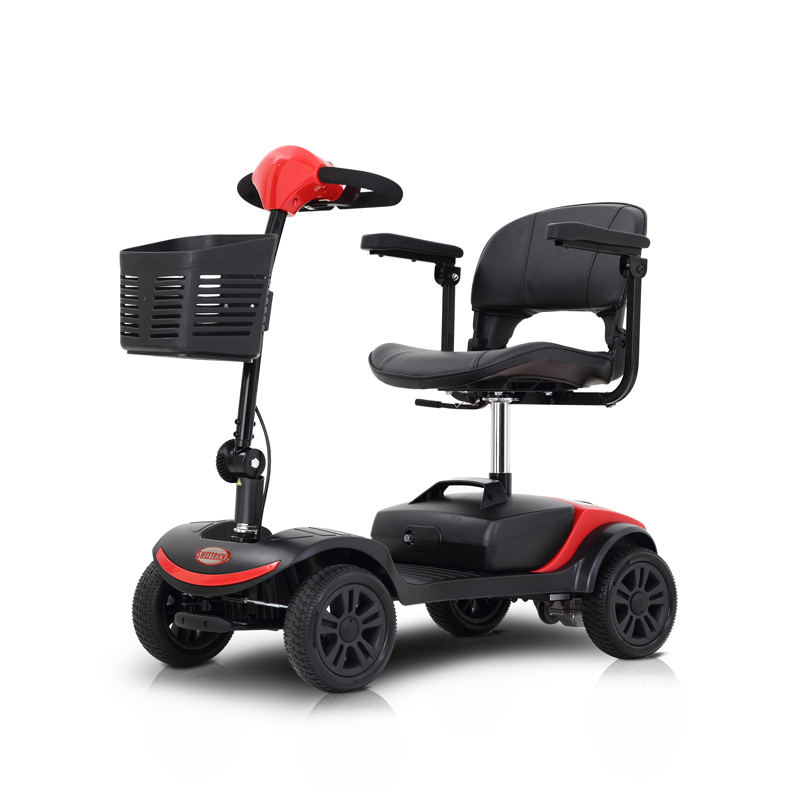
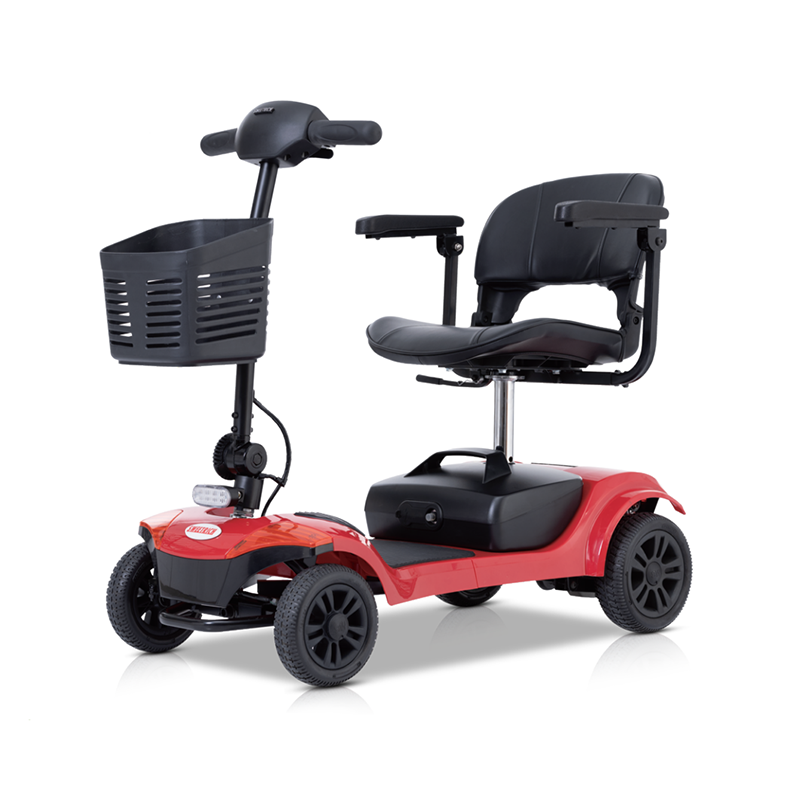
Folding scooters have quietly become part of the rhythm of city life for many people who move around urban areas every day. Their ability to fold down into a smaller shape gives them a practical edge in places where space is tight and travel needs change from one moment to the next. Foldable Scooter Factory contributes to this growing trend by producing designs that riders appreciate for letting them cover ground quickly when it makes sense and then switch to carrying the device when walking or going indoors feels more natural.
The steady presence of these scooters in neighborhoods, business districts, and near transit stops comes from the way they fit into ordinary routines without asking for major adjustments. People who live in apartments without garages, work in buildings with limited storage, or rely on buses and trains for longer stretches find that a foldable scooter smooths out the awkward parts of getting from place to place.
Daily Patterns That Shape Urban Travel Choices
City days tend to break into short segments rather than long unbroken journeys. A morning might start with a walk to a bus stop, a ride across several neighborhoods, then a final stretch to an office door. Evenings often reverse the pattern, with added stops for groceries or quick errands along the way. Each piece of the trip brings its own pace, surface conditions, and interruptions.
Folding scooters slide into these breaks by offering a personal way to bridge gaps without waiting for another vehicle or walking the entire distance. The quick shift from riding to folded carrying keeps momentum going and reduces the small frustrations that build up over repeated commutes.
| Aspect | Description |
|---|---|
| Role in Commute Breaks | Bridges gaps between transit segments or walking portions |
| Main Benefit | Avoids waiting for another vehicle or walking the full distance |
| Key Feature | Quick transition from riding to folded carrying |
| Overall Impact | Maintains travel momentum |
| User Experience | Reduces accumulated small frustrations during repeated daily commutes |
How the Fold Changes Practical Use
The folding action itself is straightforward—a hinge or latch lets the stem and handlebar collapse toward the deck. A single motion or two brings the whole unit down to a size that fits in a hand or rests against a shoulder. That change turns a mobility tool into something closer to a personal item that travels with the user.
In homes where every square foot counts, the folded scooter stands in a hallway corner, leans behind a door, or slips under a couch. At work, it rests beside a chair or inside a cabinet without taking up noticeable room. The design therefore carries its usefulness past the street and into the places where trips begin and end.
Combining Transit and Personal Mobility
Buses, trains, and subways handle the backbone of longer urban travel in many cities. Yet they leave the beginning and ending segments to the rider. Those remaining blocks can stretch time and energy, especially when carrying bags or facing wind and rain.
Folding scooters cover those portions at a comfortable rolling pace. A rider steps off a platform, unfolds in a few seconds, glides along a sidewalk or quiet street, then folds again before entering a building. The same sequence works on the way home. Because the collapsed form stays compact, carrying it onto transit vehicles fits within common guidelines that allow small personal items in passenger areas.
Holding Transportation Expenses Steady
Living in a city often means watching recurring costs carefully. Folding scooters draw power from regular wall outlets, so charging adds only a tiny amount to monthly electricity use even when the device sees daily rides. No fuel stations, no separate insurance line items in many cases, and no parking fees for short stops keep the financial picture clear and contained.
Routine care focuses on visible parts—tires that roll over pavement, brakes that slow the ride, and hinges that fold repeatedly. These elements respond to simple checks and occasional replacement using ordinary tools. The pattern supports predictable budgeting for people who already balance rent, utilities, and daily necessities.
Helping Create Calmer Street Environments
Cities work toward streets with less exhaust and quieter surroundings through rules and gradual shifts in how people move. Electric folding scooters run without tailpipe output or loud motors, so each ride contributes a small reduction in local emissions and noise for the distance covered.
When enough people choose them for routine short trips, the effect spreads across blocks and intersections. Neighborhoods see lighter traffic loads on certain corridors and a bit more breathing room for pedestrians and other users. Individual decisions to favor this kind of transport line up with larger efforts to improve air and sound conditions without requiring dramatic lifestyle changes.
Bringing Gentle Movement Into Necessary Travel
Standing on a scooter while rolling forward calls for balance, small weight shifts to steer, and steady posture adjustments. Those actions engage leg muscles, core stability, and coordination in a low-key way that fits inside travel time rather than competing with it.
Riders frequently arrive feeling more awake and less stiff than after sitting still for the same distance. Open-air movement supplies fresh circulation, daylight, and changing views that closed vehicles or underground lines cannot provide. The level of effort stays approachable for different ages and starting points, making it easy to keep up over weeks and months.
Moving With Awareness in Crowded Spaces
Streets mix walkers, cyclists, delivery riders, buses, and cars in close quarters. Folding scooters travel at speeds that let them blend with slower groups while staying out of faster lanes. Front and rear lights plus reflective patches help others spot them in dim light or busy moments.
Brakes give precise control for stops and slowdowns. The narrow profile makes it simpler to ease around pedestrians or parked vehicles. Riders learn to watch intersections, keep reasonable gaps, and use body language to show turns or lane changes. Some city districts now include shared paths or low-speed zones that guide personal devices away from heavier traffic, creating clearer separation and smoother flow.
Fitting Into Changing City Layouts
Urban areas update streets and rules bit by bit to handle more people and different movement preferences. Wider sidewalks, protected lanes for lighter vehicles, reduced-speed residential blocks, and occasional public charging spots appear in various neighborhoods. Folding scooters move through these changes comfortably because they take up little space whether rolling or carried.
Local policies continue to spell out where and how compact devices can operate, often grouping them with pedestrian or bicycle categories in certain situations. Clearer guidelines lower confusion and help riders feel confident about daily routes.
Longer-term city plans describe transport systems built in layers—public transit for distance, personal options for flexibility. Folding scooters match that vision by adding versatility without heavy infrastructure needs.
| Aspect | Description |
|---|---|
| City Planning Vision | Transport systems built in layers |
| Layer 1 – Public Transit | Handles longer distances |
| Layer 2 – Personal Options | Provides flexibility for shorter/local trips |
| Role of Folding Scooters | Adds versatility to the system |
| Key Advantage | Requires minimal / no heavy infrastructure |
Opening Room for Nearby Connections
When short distances stop feeling like a chore, people step out more often without much planning. A walk to a nearby café turns into a quick ride, a neighbor’s invitation becomes easier to accept, or a community event down the street fits naturally into an afternoon. Riders gain quiet freedom in how they use pockets of time close to home.
Brief exchanges happen along sidewalks or at crosswalks, creating small threads of recognition among people who share similar paths. Schools and workplaces notice steadier attendance and less strain from unpredictable travel, which supports calmer group dynamics and shared attention.
Keeping the Scooter Ready Through Simple Habits
A folding scooter stays dependable when owners build in a few basic checks that take only minutes each week. Look over the tires to see if they hold air properly and feel firm under pressure. Test the brakes by squeezing or pressing them gently to confirm they grab without delay or odd noises. Run a hand along the folding hinge to notice if it moves freely or shows any sticking points from dust buildup.
Wipe down the frame, deck, and exposed joints with a damp cloth after rides through dusty streets or light rain. This removes grit that can grind into moving parts over time. Plug in the charger each evening after a commute so the battery begins the next day full and ready. Avoid leaving the scooter parked outside in pouring rain for hours or baking in direct summer sun, as steady exposure shortens the life of both the frame and internal wiring.
Parts that wear down naturally—such as the tires that touch pavement every day, the grips that hands hold onto, and the brake surfaces that slow the ride—remain easy to find at local shops or general hardware sections. Many riders swap these items themselves using simple tools, keeping the scooter rolling without long waits for service.
Noticing Gradual Shifts in Personal Mobility
Engineers continue refining the materials used in folding scooters so the overall weight drops while the structure holds strong against daily bumps and turns. Lighter builds make it simpler to lift the device onto a curb or carry it up a short flight of stairs without feeling weighed down.
Battery cells gain efficiency, allowing riders to travel farther on a single charge before needing to plug in again. This opens up routes that stretch a little beyond the usual neighborhood loop. Phone-based tools might eventually guide users around road work, busy pedestrian zones, or temporary closures by pulling live street data.
Urban planners now include small personal devices like folding scooters when sketching out future sidewalks, shared paths, and transit connections. The scooters fit smoothly into these discussions because they demand little dedicated space yet help spread out travel across different modes.
Finding a Personal Rhythm With the Scooter
Spend a moment mapping out the routes walked or taken by transit each day, then spot the stretches where rolling on a scooter would cut down on time spent on foot or waiting. Set aside a quiet afternoon to open and close the folding mechanism several times until the steps happen without thinking.
Shift foot placement on the deck and tweak the handlebar height until the stance feels balanced and relaxed even after twenty or thirty minutes of riding. Slip a compact toolkit into a bag for quick roadside tweaks, such as tightening a loose bolt or adding air to a softening tire.
Check the sky or a weather app before leaving home to prepare for sudden showers or strong winds. Follow whatever signs or markings the city posts about where scooters belong on paths and what lights or reflectors need to stay visible after dark. Roll with patience in busy areas—slow down near walkers, use a hand to point out turns, and stay watchful for sudden stops—so the street remains comfortable for everyone sharing it.
Folding scooters stay useful in urban settings because they meet clear, everyday demands without complicated solutions. The simple switch between rolling forward and picking up to carry opens up choices in places where space and schedules stay restricted. Reliable running costs, operation that adds little to street noise or fumes, a bit of natural movement during the ride, and smoother handling of nearby errands all help keep them a practical part of city routines.
Metropolitan areas keep transforming as more people arrive, rules adjust, and new ways of moving gain attention. Folding scooters offer an adaptable, low-key choice that backs independent trips no matter how those larger shifts play out.
Sweetrich Mobility
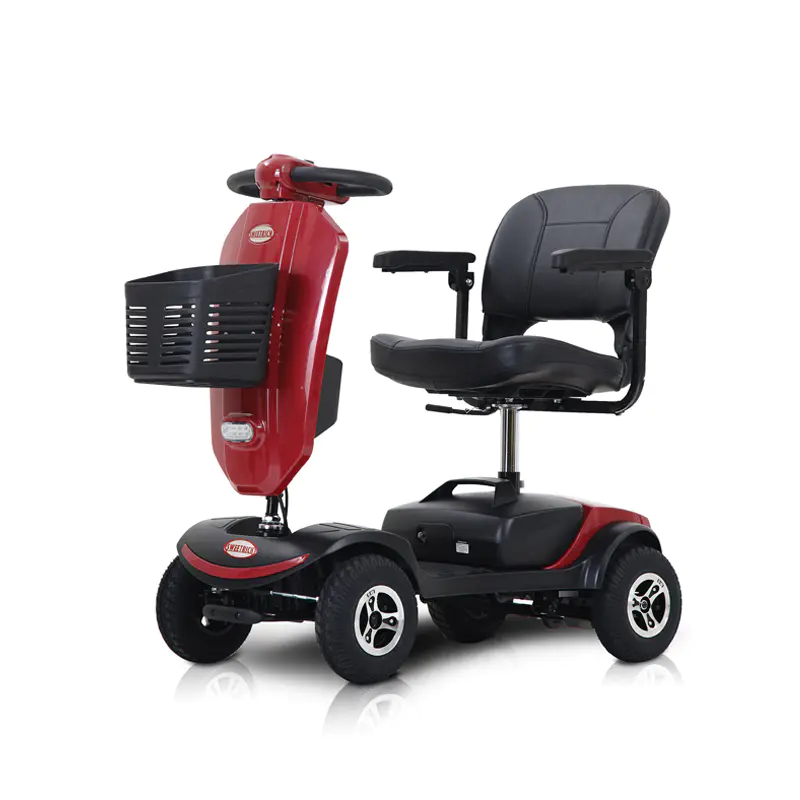
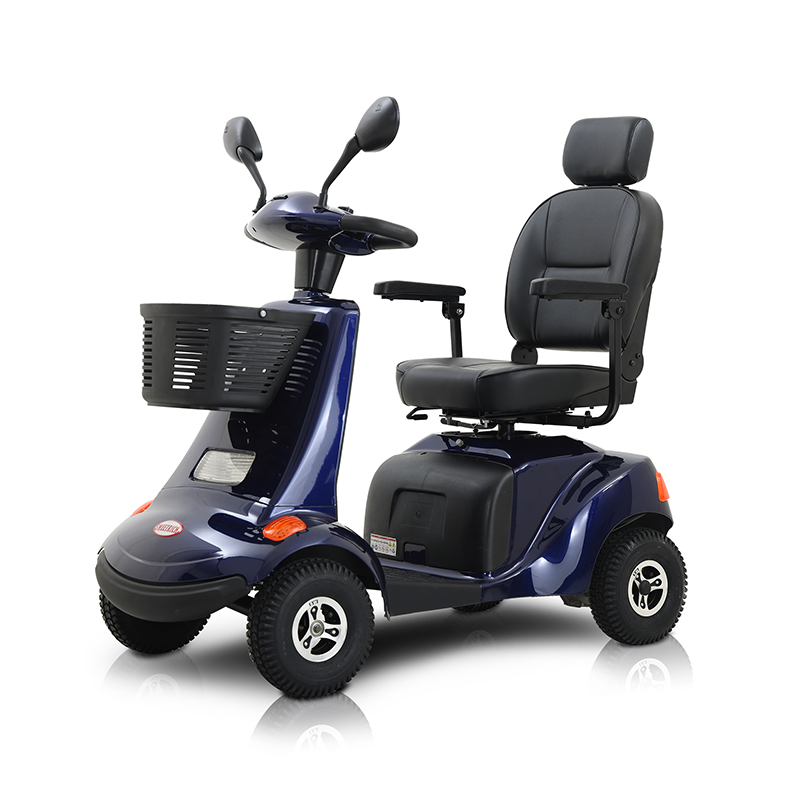
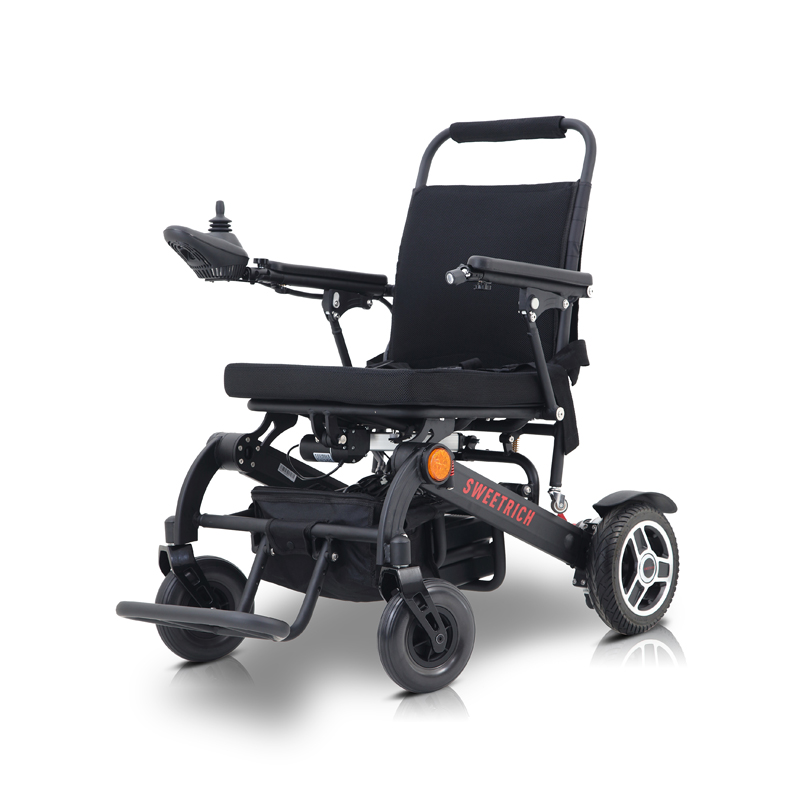
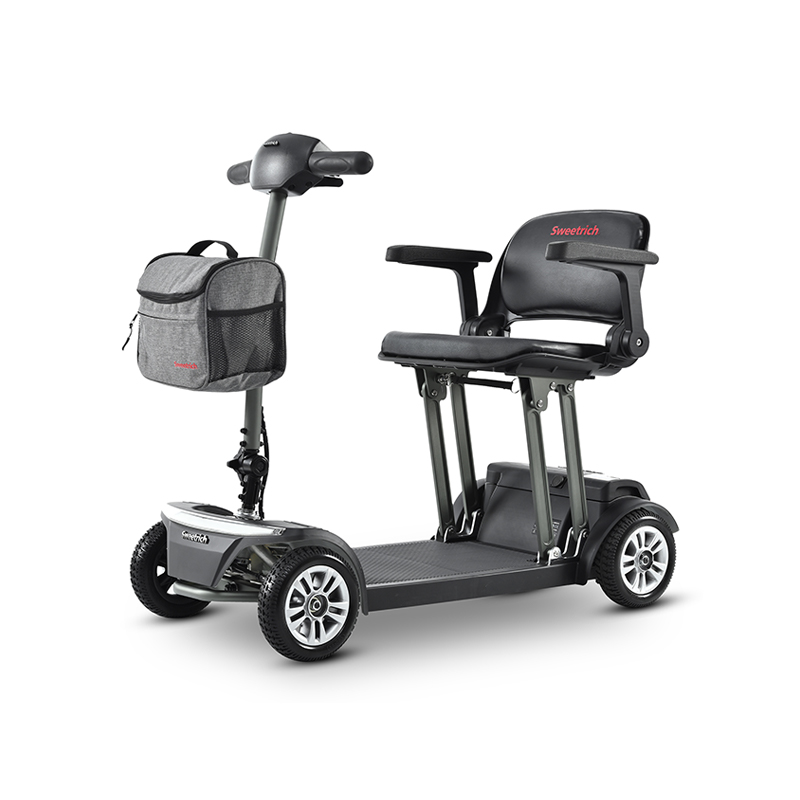
As urban routines continue to demand adaptable solutions for short-distance travel, Sweetrich Mobility brings forward a lineup of folding electric scooters that blend thoughtful engineering with everyday practicality. Riders who navigate busy sidewalks, transit connections, and compact living spaces often turn to these models for their reliable folding action and straightforward performance on pavement. The brand focuses on creating devices that support independence through features like easy disassembly for storage, balanced handling in varied conditions, and consistent power delivery suited to neighborhood errands or commutes.
In neighborhoods where personal mobility means staying active and connected without unnecessary complexity, Sweetrich scooters offer a quiet, efficient way to move through the day while keeping storage and transport simple.