
 +86-(0)512-82283871

Content
- 1 Designed for Practical Outdoor Mobility
- 2 Powertrain and Driving Performance
- 3 Range for Longer Daily Journeys
- 4 Adjustable Seating and User-Focused Configuration
- 5 Stability, Tires, and Outdoor Control
- 6 Weight Capacity and Heavy-Duty Construction
- 7 Options for Greater Everyday Convenience
- 8 How the Product Compares with Common Alternatives
- 9 Manufacturing Experience and Engineering Capability
- 10 Quality Management and Production Strengths
- 11 Designing for User Independence
- 12 Maintenance and Ownership Considerations
- 13 Transport, Storage, and Daily Planning
- 14 Technical Specification Overview
- 15 Who May Benefit from This Configuration?
- 16 Frequently Asked Questions
- 16.1 Is the iPower GTS Plus a medical device?
- 16.2 What is the maximum user weight?
- 16.3 How far can it travel on one charge?
- 16.4 Can the joystick be used on either side?
- 16.5 Does it have suspension?
- 16.6 Can it climb a 10-degree slope?
- 16.7 How long does charging take?
- 16.8 What type of batteries does it use?
- 16.9 Is the chair easy to transport?
- 16.10 Are lights available?
- 16.11 Is a power tilt and lift system included?
- 16.12 What makes this chair different from a basic indoor power wheelchair?
- 16.13 What maintenance does it require?
- 17 Conclusion
- 18 References
- 19 Product: iPower GTS Plus More popular type second hand off road light power electric electronic wheelchair for the elderly
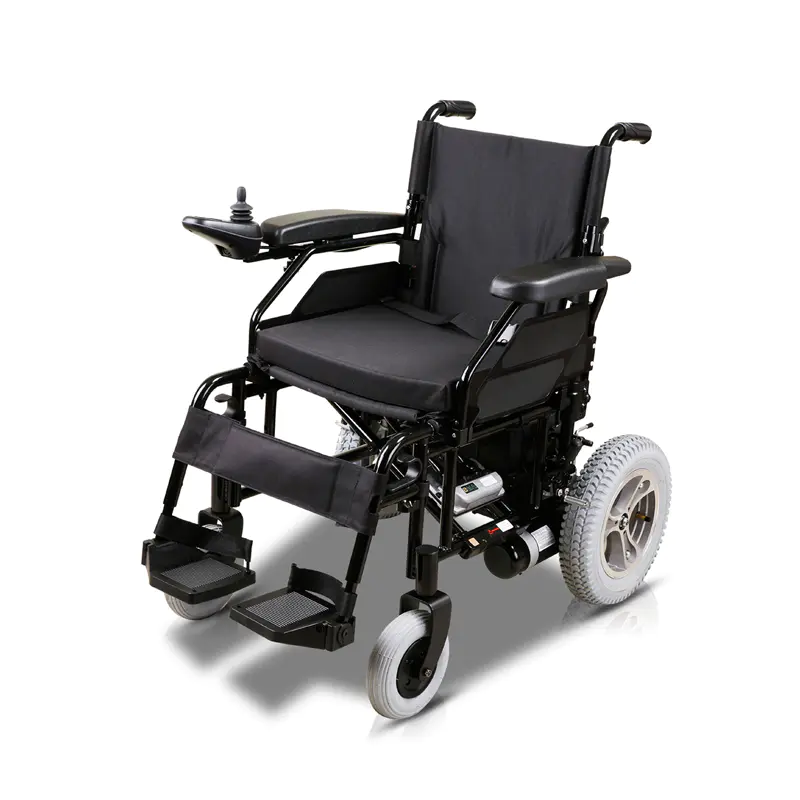
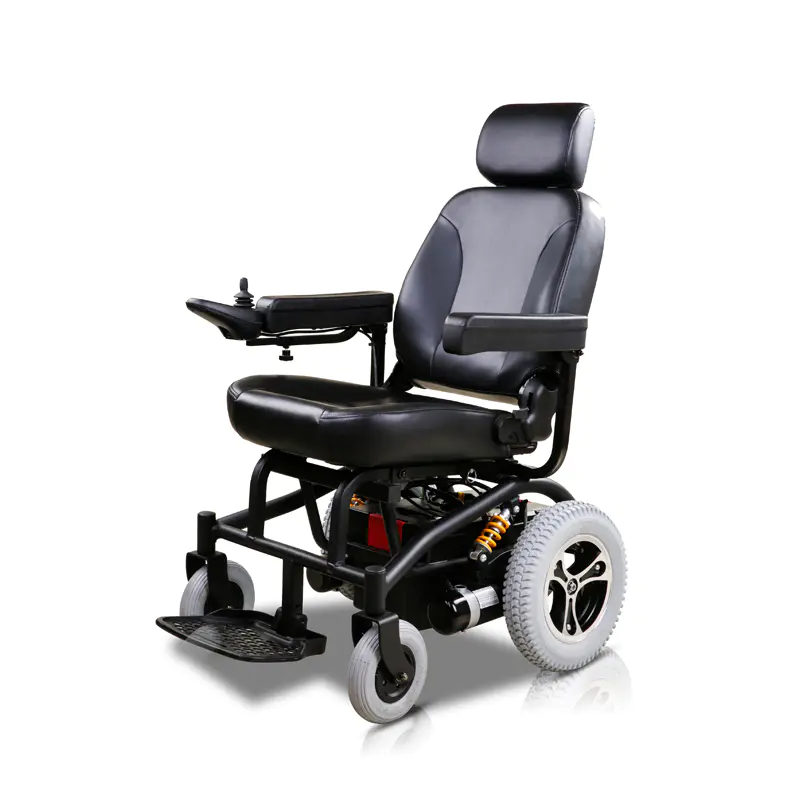
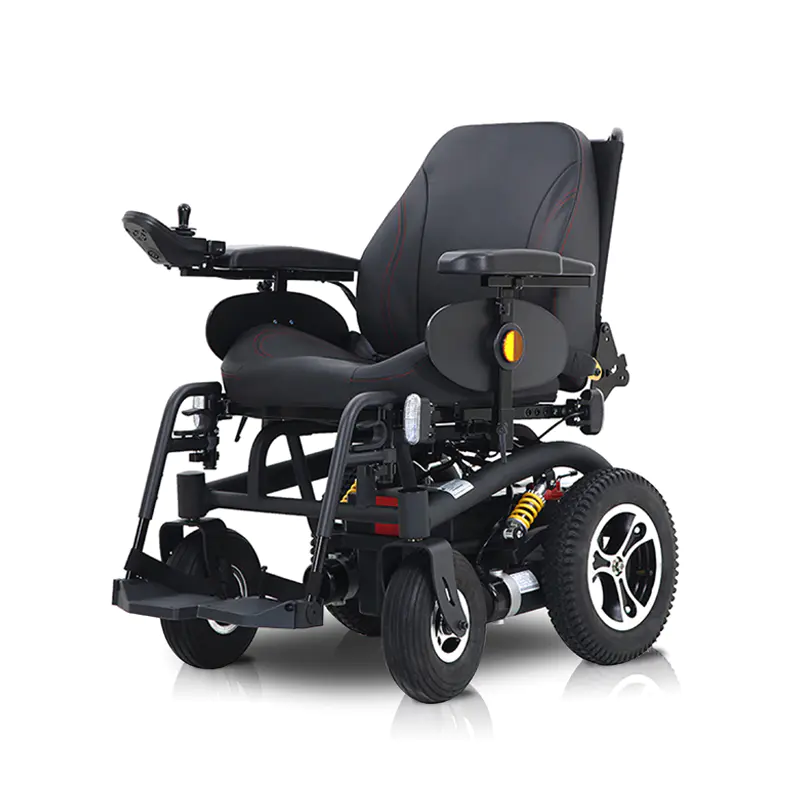
For people who want dependable personal mobility beyond smooth indoor floors, an off-road power wheelchair must provide more than basic electric propulsion. It must combine stability, useful ground clearance, responsive controls, comfortable seating, durable tires, reliable braking, and enough battery capacity for everyday travel. The iPower GTS Plus is designed around these priorities, offering a practical mobility platform for outdoor use, neighborhood travel, shopping areas, paved paths, and selected firm outdoor surfaces.
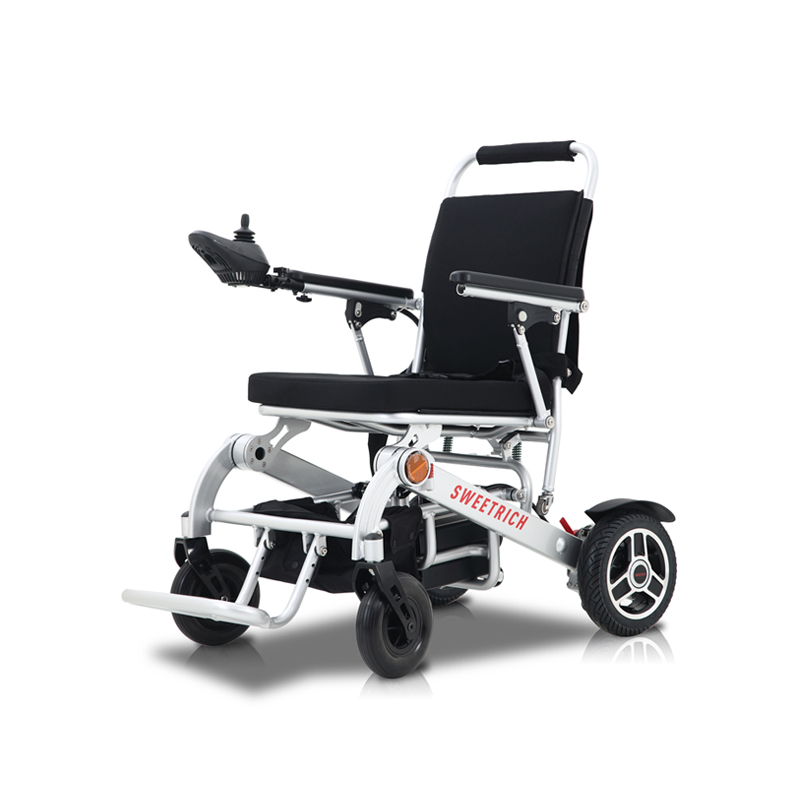
Presented by Sweetrich Mobility, the iPower GTS Plus is a heavy-duty electric wheelchair with a compact overall footprint, a 136 kg, or 300 lb, weight capacity, dual 350-watt motors, rear suspension, large pneumatic tires, and a driving range rated at approximately 30 to 40 kilometers, or 19 to 25 miles. Its configuration is intended to give users a balance between outdoor capability and manageable dimensions.
The product is also notable for its adjustability. Adjustable seat width, adjustable armrest height, a joystick that can be used on either side, and optional swing-away controller mounting help accommodate different body sizes, transfer preferences, and driving habits. These features make the wheelchair more adaptable than a fixed-configuration chair designed only for a single user profile.
As with any powered mobility device, the iPower GTS Plus should be selected according to the user’s physical needs, environment, transportation arrangements, and local regulations. The product information identifies the device as non-medical equipment for the United States market. It should therefore be evaluated as a mobility and transportation product rather than as a medical treatment device.
Designed for Practical Outdoor Mobility
The central design objective of the iPower GTS Plus is outdoor performance. Many basic power wheelchairs are optimized primarily for smooth indoor flooring, narrow passages, and short-distance movement. Those models may be useful in homes, offices, and shopping centers, but they can be less suitable for uneven pavement, outdoor paths, driveway transitions, or longer neighborhood journeys.
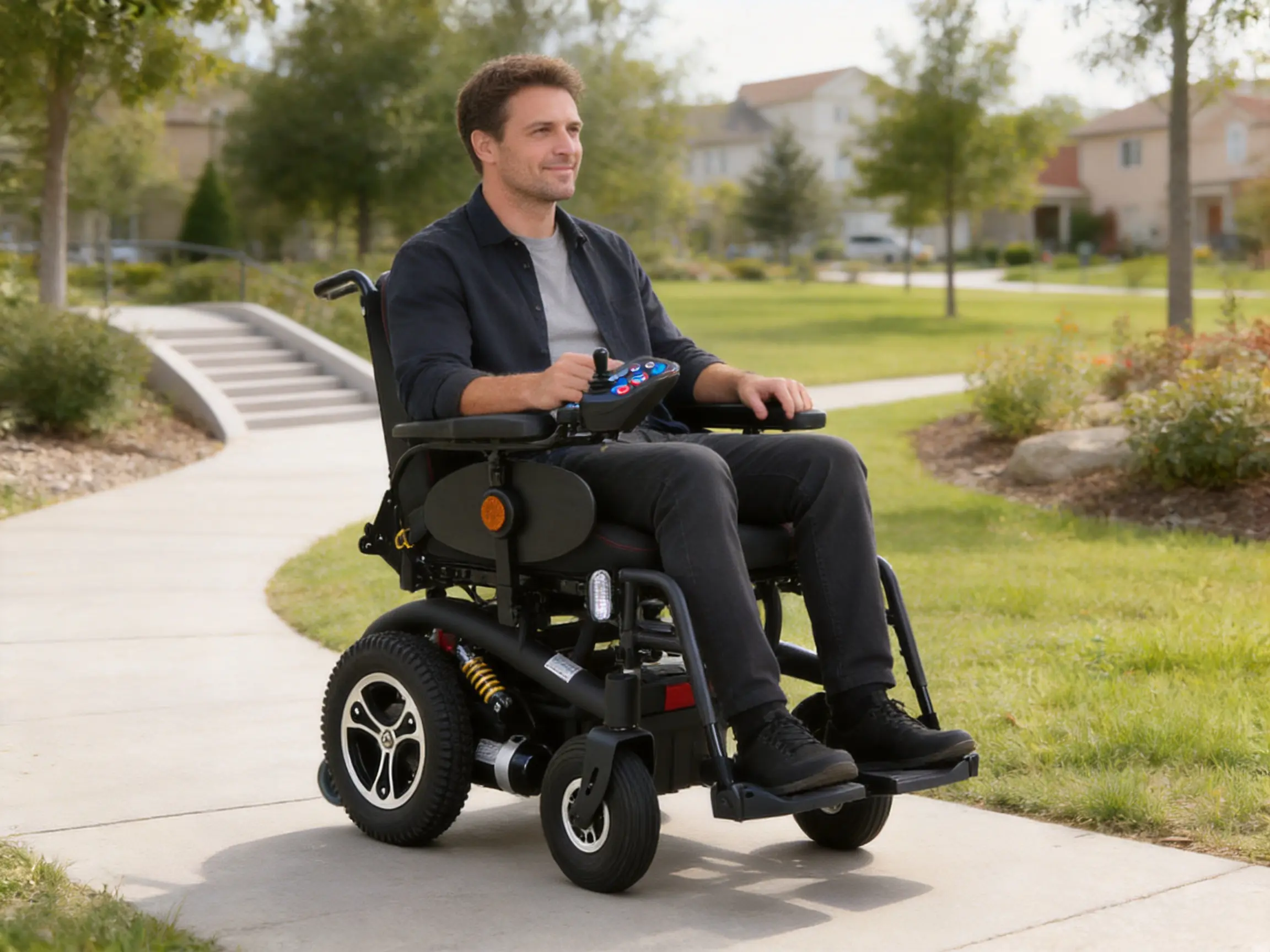
The iPower GTS Plus takes a more outdoor-oriented approach. Its 10-inch front wheel and 14-inch rear pneumatic tires help the chair negotiate ordinary surface imperfections with a more substantial rolling platform. Larger tires can reduce the tendency of a wheel to stop abruptly when it meets a small crack, threshold, or uneven section of pavement. Pneumatic construction can also provide a degree of cushioning that is useful on firm but imperfect surfaces.
The rear suspension further supports the outdoor configuration. Suspension helps isolate the frame and occupant from some vibration generated by uneven ground. It does not make every surface suitable, and it does not remove the need for careful driving, but it can contribute to a smoother and more controlled ride than a rigid frame without suspension.
The maximum driving gradient is listed as 10 degrees. This specification should not be interpreted as permission to use the wheelchair on every slope of that angle. Actual performance depends on the user’s weight, battery condition, tire pressure, surface material, weather, direction of travel, and the presence of obstacles. Slopes should be approached slowly, and users should follow the operating instructions supplied with the specific unit.
With a maximum forward speed of 8 kilometers per hour, or approximately 5 miles per hour, the chair is suitable for practical outdoor travel while remaining controllable in pedestrian environments. Speed should always be reduced around people, doorways, corners, ramps, crossings, and congested areas.
iPower GTS Plus More popular type second hand off road light power electric electronic wheelchair for the elderly
Powertrain and Driving Performance
The wheelchair uses two 24-volt, 350-watt motors, producing a total motor rating of 700 watts. A dual-motor arrangement provides independent drive power to the two sides of the chair. This layout is widely used in powered mobility because it supports controlled steering and allows the chair to turn without requiring a conventional steering wheel.
For the user, the result is a familiar joystick-operated driving experience. Forward, reverse, turning, and speed adjustment can be controlled through the hand-operated interface. The joystick is specified as available for use on both sides, which is an important advantage for users who have stronger control on one side, prefer a particular transfer arrangement, or need a configuration that works with a specific armrest position.
The 24-volt electrical system is matched with a 24-volt motor controller rated at 50 amps. The listed controller options include PG and Dynamic systems. A correctly matched motor-controller package helps regulate acceleration, steering response, braking, and power delivery. Smooth control is particularly important outdoors, where sudden movement can make it more difficult to manage slopes, narrow paths, or uneven ground.
Compared with a basic low-power indoor chair, the 700-watt total motor package gives the iPower GTS Plus a stronger specification for outdoor use. It is important, however, to distinguish motor rating from guaranteed real-world performance. Motor output, speed, range, and climbing ability can change according to terrain, load, temperature, tire condition, battery age, and driving style.
The electromagnetic braking system is another key part of the powertrain. When the joystick is released, the controller and electromagnetic brake system are designed to bring the chair to a controlled stop. Electromagnetic brakes are commonly used in powered wheelchairs because they can help hold the chair when power is not being applied. Users should still avoid parking on unsafe slopes and should use any additional parking or freewheel procedures according to the manual.
Range for Longer Daily Journeys
The iPower GTS Plus is specified with a maximum driving range of approximately 30 to 40 kilometers, or 19 to 25 miles. This range gives the product a useful position between short-distance indoor chairs and larger mobility vehicles designed primarily for extensive outdoor travel.
A rated range is a laboratory or reference value rather than a promise for every journey. Real range may be affected by the total occupant and cargo weight, road surface, gradients, tire pressure, ambient temperature, battery age, frequency of stops and starts, and the use of accessories such as lights. Repeated climbing, soft ground, and aggressive acceleration can also increase energy consumption.
The standard battery specification consists of two 12-volt, 40 amp-hour lead-acid batteries. Together, these batteries form the 24-volt supply required by the motors and control system. Lead-acid batteries are familiar, widely available, and relatively straightforward to service or replace through qualified suppliers. Their established use in mobility equipment can be valuable for owners who prioritize conventional battery technology and broad service familiarity.
The supplied charger is rated at DC 24 volts and 5 amps, with an AC input range of 115 to 230 volts. The listed charging time is approximately 6 to 8 hours. Users should charge the batteries in a suitable, ventilated location using the correct charger and should follow the battery manufacturer’s instructions. Charging habits, storage temperature, and avoiding prolonged deep discharge can influence battery life.
For a person planning a full day outdoors, range planning remains important. A journey should include a reserve for unexpected detours, hills, slower travel, weather changes, and battery deterioration over time. The product’s rated range is a strong practical feature, but responsible planning is still essential.
Adjustable Seating and User-Focused Configuration
One of the most valuable features of the iPower GTS Plus is its adjustable seat width. A seat that can be configured to suit the user may provide a more practical fit than a fixed-width chair. Adjustability is especially useful when a product is supplied to different users, when clothing and support needs vary, or when a dealer must configure the chair for a broader customer base.
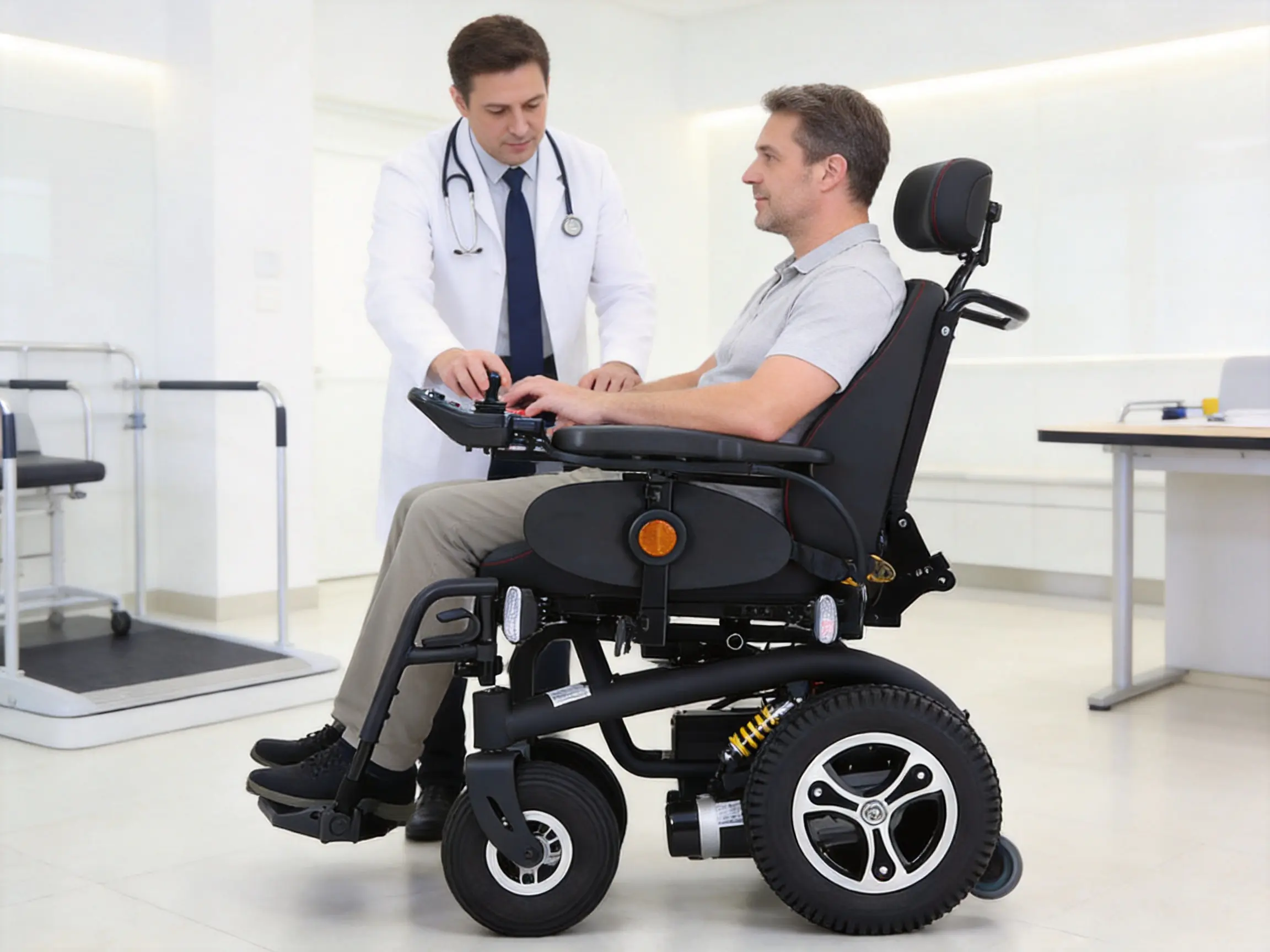
Seat width should not be considered in isolation. A proper assessment should also consider seat depth, back support, cushion requirements, foot positioning, armrest clearance, transfer technique, and the user’s ability to maintain a stable sitting posture. Professional advice may be appropriate for users with complex seating or positioning needs.
The armrests are height adjustable, allowing the seating area to be configured for different arm lengths and sitting positions. Correct armrest height can support comfortable upper-body positioning and reduce the temptation to lean or rest unevenly while driving. It can also affect how easily a user transfers into or out of the chair.
The joystick can be installed for use on either side. This is a meaningful advantage over products that place the controller permanently on one armrest. A left- or right-side configuration can support a wider range of users and may make the chair easier to operate after a transfer from a bed, vehicle, or another seat.
An optional swing-away controller mount adds another layer of convenience. By moving the controller aside, the mount may create more space during transfers and make it easier for a user to approach a table or desk. It can also reduce the risk of the controller interfering with clothing or nearby furniture. The exact mounting position and compatibility should be confirmed before ordering.
These adjustment features help the iPower GTS Plus compete effectively against more rigidly configured power wheelchairs. Rather than relying on one standard setup, the product provides several points of personalization without requiring a completely custom-built chassis.
Stability, Tires, and Outdoor Control
Wheel size has a direct influence on how a mobility chair interacts with the ground. The iPower GTS Plus uses a 10-inch front wheel and 14-inch rear tires, with the tire specification listed as 10 by 3 inches at the front and 14 by 3 inches at the rear. Larger wheels can roll over small surface irregularities more easily than very small casters, provided the obstacle is approached safely and within the limits of the chair.
The pneumatic rear tires can contribute to ride comfort and traction on appropriate outdoor surfaces. Tire pressure must be checked regularly because underinflation can increase rolling resistance, reduce handling precision, and raise the possibility of tire damage. Overinflation can reduce comfort and may decrease the tire’s ability to absorb minor surface irregularities. Pressure should be maintained according to the manufacturer’s instructions.
Rear suspension complements the tire design. Together, the suspension and pneumatic tires are intended to make outdoor travel more comfortable and controlled. However, the chair is not an all-terrain vehicle in the recreational sense. Deep mud, loose gravel, sand, standing water, snow, steep cross slopes, and large obstacles can create serious risks and should be avoided unless the manual specifically permits such use.
The 625-millimeter overall width gives the chair a reasonably compact profile for a heavy-duty outdoor power wheelchair. The listed dimensions are 1,045 millimeters long by 625 millimeters wide by 1,080 millimeters high. These dimensions should be compared with the user’s doorways, ramps, lift platforms, vehicle storage area, and turning spaces before purchase.
Outdoor stability depends not only on wheel size but also on weight distribution, speed, slope angle, turning behavior, and user posture. Sharp turns on slopes should be avoided. When crossing a transition, the chair should approach it slowly and as close to a right angle as practical. Users should receive suitable instruction before operating the chair independently outdoors.
Weight Capacity and Heavy-Duty Construction
The iPower GTS Plus has a listed weight capacity of 136 kilograms, or 300 pounds. This capacity is a major reason the product is categorized as a heavy-duty wheelchair. A higher capacity can broaden the range of potential users and may provide additional flexibility for clothing, personal items, and small approved accessories.
Weight capacity should always be treated as a total system limit unless the manufacturer states otherwise. The combined weight of the user, cushion, bags, accessories, and any mounted equipment should remain within the specified limit. Exceeding the limit can affect braking distance, stability, range, motor temperature, tire wear, and structural durability.
The heavy-duty specification also needs to be considered alongside the chair’s transport requirements. The listed heaviest part is 59 kilograms, with the source information also showing 37 pounds in parentheses. Because 59 kilograms is substantially heavier than 37 pounds, buyers and transport providers should confirm the correct figure with the supplier before arranging lifting equipment or vehicle storage. This clarification is particularly important for caregivers, dealers, and families who plan to load the chair manually.
A robust outdoor chair will normally require more careful planning than a lightweight folding indoor model. Its advantage is stronger support for outdoor performance and a higher user capacity; its trade-off may be greater handling weight and a need for a suitable vehicle ramp, lift, or transportation system.
Options for Greater Everyday Convenience
The product information identifies several optional features. A swing-away controller mount is available for improved transfer access and positioning. A light package is also listed as an option. Lights can increase visibility in low-light conditions, although they do not replace reflective clothing, appropriate route planning, or compliance with local regulations.
An in-powertilt and lift system is described as an upcoming option. Because the source identifies this feature as forthcoming, buyers should confirm availability, compatibility, final specifications, and delivery timing before including it in a purchase decision. Optional seating or positioning systems can affect overall weight, dimensions, center of gravity, and battery consumption.
The availability of options is an advantage for dealers and distributors who serve different user groups. One customer may require a basic outdoor chair, while another may need a swing-away controller or lighting package. A configurable platform can reduce the need to maintain entirely different models for every use case.
Optional features should be professionally installed or approved by the supplier. Incorrect wiring, poorly positioned controls, or unapproved modifications can affect safety and may invalidate warranty coverage. The best configuration is not necessarily the one with the greatest number of options; it is the one that directly supports the user’s mobility routine.
How the Product Compares with Common Alternatives
Mobility users typically compare an outdoor power wheelchair with three broad alternatives: a lightweight indoor power chair, a traditional mobility scooter, or a larger heavy-duty wheelchair. Each category has different strengths.
Compared with a lightweight indoor power chair, the iPower GTS Plus offers a stronger outdoor specification, larger wheels, rear suspension, a higher weight capacity, and a longer rated range. Its dual 350-watt motors are also more substantial than the power systems commonly selected for strictly indoor equipment. The trade-off is that the iPower GTS Plus may be more demanding to transport and store.
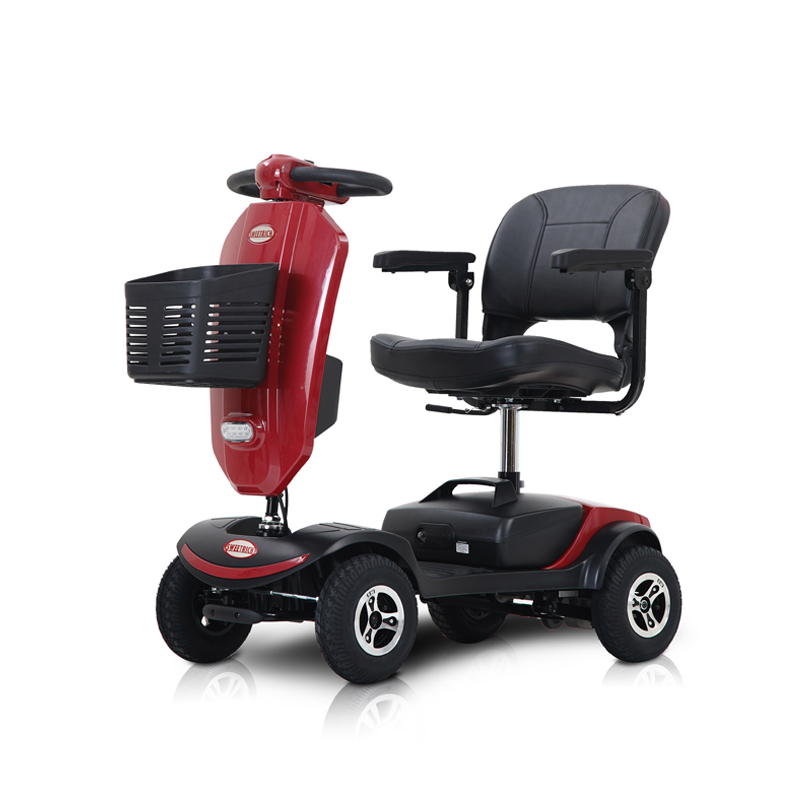
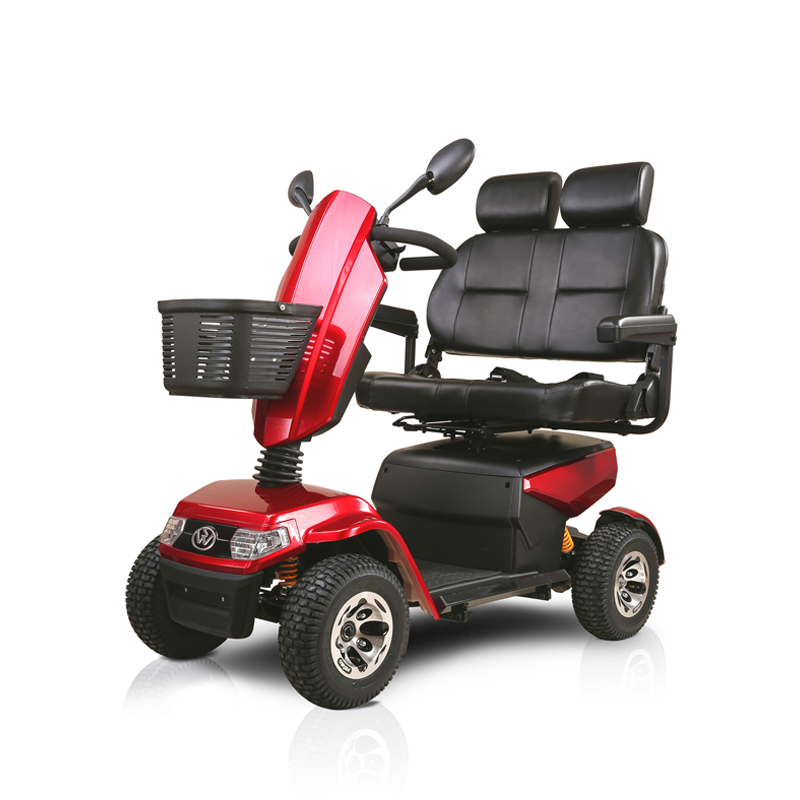
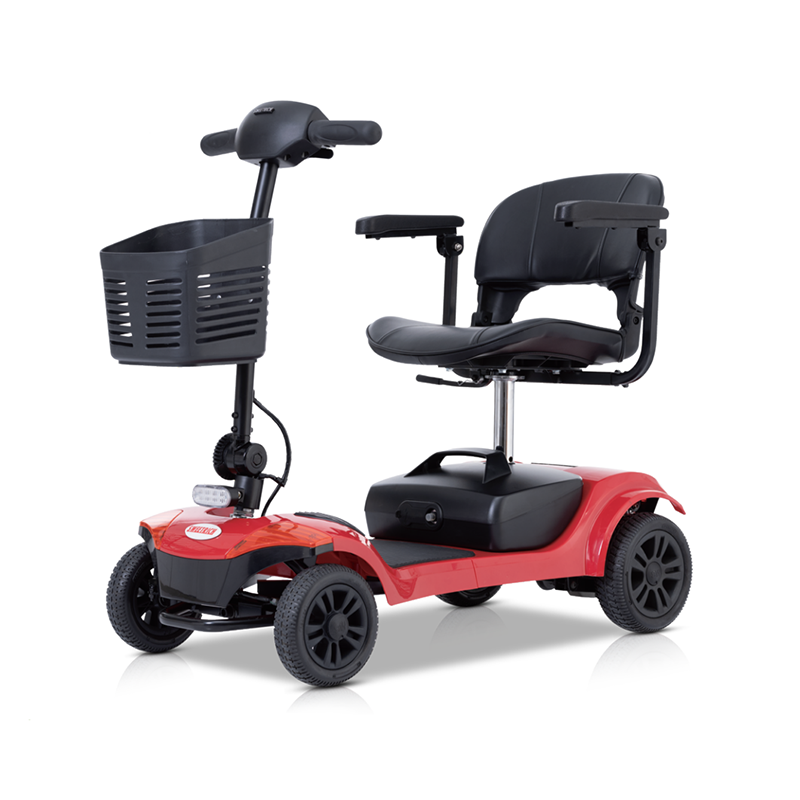
Compared with a conventional mobility scooter, a joystick-operated power wheelchair may be better suited to users who need direct control from a seated position without a tiller. The adjustable controller side can make the chair more adaptable for different users. A scooter may offer easier directional familiarity for some people, while a wheelchair-style platform may provide a more supportive seating and maneuvering arrangement for others.
Compared with a larger high-capacity outdoor wheelchair, the iPower GTS Plus has relatively compact stated dimensions while still offering a 300-pound capacity and outdoor-oriented equipment. Its 625-millimeter width may be helpful where doorways and storage spaces are limited. Buyers should still compare actual turning dimensions, seat measurements, ground clearance, battery type, and transport weight because specifications vary between manufacturers.
The most important competitive advantage is the balance of features. The product does not depend on one specification alone. Rather, it combines dual motors, pneumatic tires, suspension, electromagnetic braking, adjustable seating, two-sided joystick availability, a practical width, and an extended range. This combination can be attractive to buyers seeking one chair for both indoor transitions and regular outdoor travel.
Manufacturing Experience and Engineering Capability
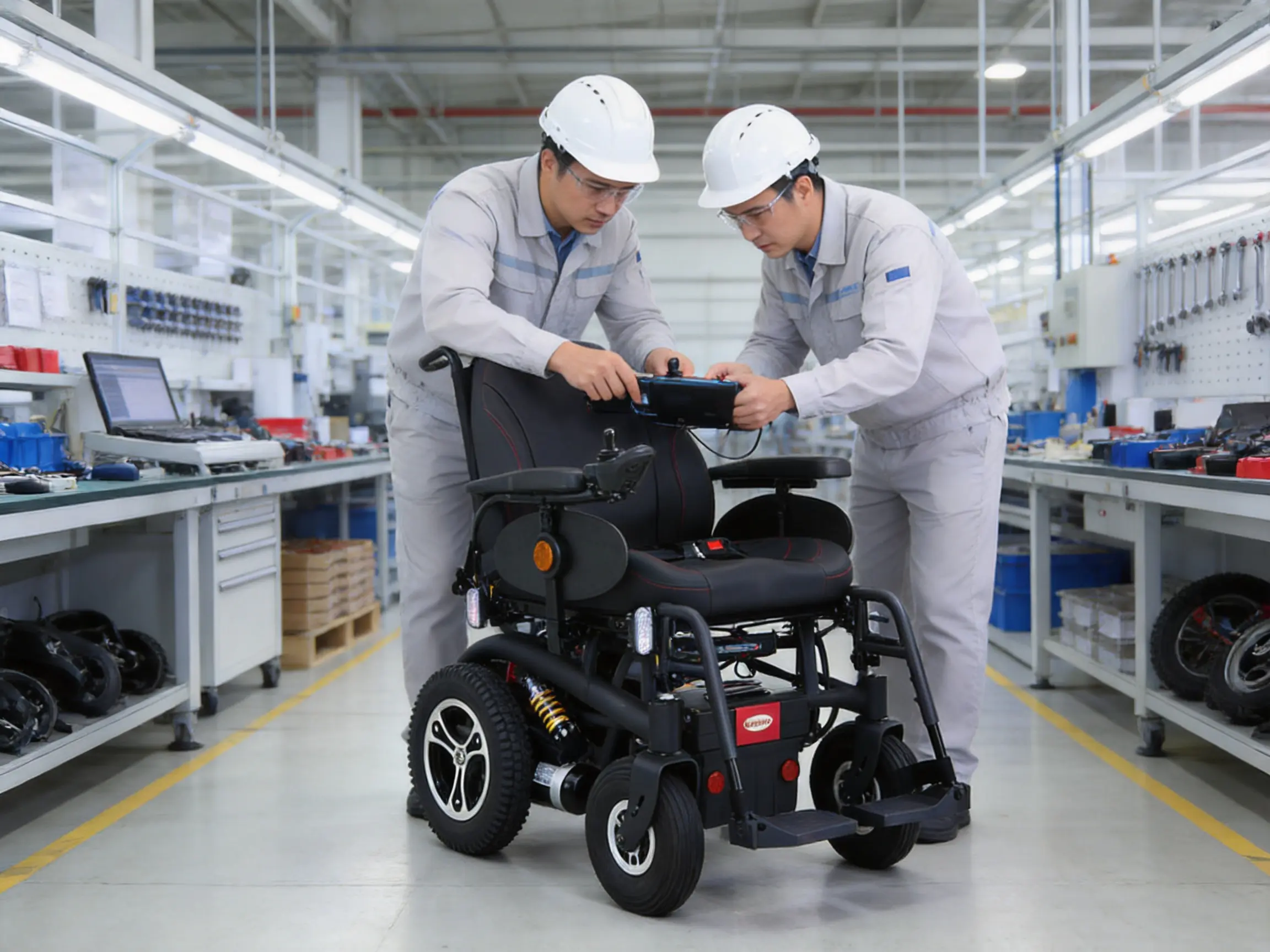
Sweetrich Mobility is the mobility equipment division of Suzhou Sweetrich Vehicle Industry Technology Co., Ltd., a high-tech company located in Suzhou Industrial Zone, Jiangsu, China. The company was established in 2011 and is described as operating a 30,000-square-meter factory on a site covering approximately 60 acres.
More than a decade of experience in the research, development, and production of mobility scooters and power wheelchairs gives the company a focused background in the personal mobility sector. This specialization is important because mobility equipment requires more than general vehicle manufacturing. It must integrate structural design, electric drive systems, user controls, seating ergonomics, battery management, braking, and practical service considerations.
The company states that it owns intellectual property rights for its electric scooters and power wheelchairs. In practical terms, an in-house product development capability can support closer coordination between design, prototyping, testing, production engineering, and after-sales feedback. It may also help a manufacturer adapt products for different markets and customer requirements.
Scientific product design and strict production management are identified as core principles. For a power wheelchair, production quality should include consistent frame assembly, accurate mounting of motors and wheels, secure electrical connections, correct controller installation, reliable brake function, and inspection of seating and adjustment components. A disciplined manufacturing process helps reduce variation between individual units.
The company’s product development approach is also reflected in the iPower GTS Plus configuration. The chair integrates mechanical components such as the frame, suspension, wheels, seat, armrests, and controller mount with electrical systems including the motors, batteries, charger, electromagnetic brakes, and motor controller. Successful integration requires attention to both individual component quality and system-level performance.
Quality Management and Production Strengths
Quality in mobility equipment is cumulative. A high-quality motor cannot compensate for a poorly secured battery connection, and a strong frame cannot compensate for an incorrectly adjusted controller. Reliable production therefore depends on systematic inspection at multiple stages rather than a single final check.
A capable manufacturing process generally begins with controlled incoming materials and components. Frames, brackets, wheels, batteries, motors, controllers, cables, seats, and fasteners should match approved specifications. Consistent component sourcing helps ensure that the finished product behaves predictably during assembly and operation.
During assembly, the manufacturer must manage alignment and fastening accuracy. Wheel alignment affects tracking and tire wear. Motor and gearbox mounting affects noise and power transfer. Seat and armrest adjustment hardware must operate smoothly while remaining secure during use. Electrical wiring should be routed to reduce rubbing, pinching, and exposure to avoidable damage.
Functional testing is especially important for powered mobility products. A completed chair should be checked for forward and reverse operation, steering response, acceleration behavior, braking, charger compatibility, battery connection, control display functions, and unusual noise or vibration. Load-related tests and inspection of moving parts can help identify issues before shipment.
Production records and traceability can also support after-sales service. When a supplier can identify product batches, component versions, and inspection results, it becomes easier to investigate questions and provide compatible replacement parts. This is valuable for distributors serving customers across international markets.
Sweetrich reports that its products are exported to America, Europe, Japan, Australia, the Middle East, Russia, and other regions. International distribution requires attention to different electrical systems, packaging requirements, documentation expectations, user instructions, and service arrangements. The charger’s stated 115 to 230 VAC input range is relevant to international deployment, although buyers should still verify the plug configuration and local requirements.
Designing for User Independence
The company’s stated mission emphasizes improving the well-being and convenience of elderly and disabled people and helping them live with greater independence and dignity. The iPower GTS Plus supports this goal through practical design rather than unnecessary complexity.
A joystick control can allow a user to manage movement without relying on a companion for every short journey. The availability of left- and right-side control can help more users operate the chair in a way that matches their abilities. Adjustable seating and armrests can make the product more adaptable as routines and preferences change.
Independence also depends on reliability. A user may rely on the wheelchair to reach a local shop, visit a community facility, move around a property, or participate in outdoor activities. Range, braking, tire design, and motor performance therefore have a direct effect on confidence. Reliability must be supported by routine checks, appropriate charging, and timely maintenance.
Caregivers and family members can also benefit from thoughtful design. Adjustable controls may make it easier to configure the chair for different users. The optional swing-away mount can simplify transfers. A heavy-duty capacity may reduce the need for frequent equipment replacement when user requirements change.
However, independence should always be balanced with training and risk awareness. Users should learn how to start, stop, turn, reverse, manage slopes, approach thresholds, use the charger, monitor battery condition, and respond if the chair loses power. A dealer demonstration and practical supervised training can be valuable before regular outdoor operation.
Maintenance and Ownership Considerations
Regular maintenance is essential for preserving the performance of any powered wheelchair. Tires should be inspected for wear, damage, and correct pressure. Pneumatic tires require particular attention because a slow leak can change handling and increase motor load. Wheels, suspension components, armrests, seat hardware, and controller mounts should be checked for looseness or unusual movement.
The electrical system should be kept clean and dry. Battery terminals and connectors should be inspected by a qualified person if corrosion, heat marks, or loose connections are found. The charger should be matched to the specified battery system. Extension cords, damaged cables, and unsuitable charging locations should be avoided.
Lead-acid batteries are affected by storage and charging habits. If the chair will not be used for an extended period, the owner should follow the battery supplier’s storage instructions. Leaving batteries deeply discharged for long periods can reduce capacity. Battery replacement should use compatible specifications and should be performed according to the manufacturer’s guidance.
The electromagnetic braking system should be checked if the chair rolls unexpectedly, stops unevenly, or behaves differently from normal. Any change in braking performance should be treated as a safety issue. Users should not attempt unqualified repairs to the controller, motor wiring, or brake system.
Cleaning should be performed with methods suitable for powered equipment. Excessive water exposure can damage electrical components, and high-pressure cleaning should be avoided. After outdoor use in wet conditions, the chair should be dried appropriately and inspected for debris around the wheels and moving parts.
Transport, Storage, and Daily Planning
The iPower GTS Plus has a listed overall length of 1,045 millimeters, width of 625 millimeters, and height of 1,080 millimeters. These measurements can help buyers assess whether the chair will fit through entrances, inside a home, or within a storage area. The actual turning circle and clearance requirements should be confirmed with the supplier because overall dimensions do not fully describe maneuverability.
Transportation requires special attention because of the chair’s heavy-duty structure and the listed heaviest-part specification. A vehicle lift, ramp, hoist, or accessible transport van may be more appropriate than manual lifting. The correct tie-down method should be used when transporting the chair in a vehicle, and the chair should not be treated as secured simply because the parking brake is engaged.
Storage should protect the wheelchair from excessive moisture, extreme temperatures, and unauthorized use. Batteries may have specific temperature and charging requirements. The controller should be protected from impact, and the chair should be parked where it does not block emergency exits or create a trip hazard.
Before each journey, the user or caregiver should check battery status, tire condition, joystick operation, seat and armrest security, and the intended route. Outdoor routes should be evaluated for curb cuts, ramps, surface quality, slope, traffic, weather, and rest points. Good planning extends the practical value of the wheelchair and reduces avoidable interruptions.
Technical Specification Overview
| Specification | Listed information | Practical significance |
|---|---|---|
| Product type | Heavy-duty electric power wheelchair | Designed for powered mobility with an outdoor-oriented configuration |
| Overall dimensions | 1,045 × 625 × 1,080 mm | Useful for checking doorways, storage, ramps, and vehicle access |
| Maximum forward speed | 8 km/h, approximately 5 mph | Supports practical travel while requiring speed management in busy areas |
| Maximum driving gradient | 10 degrees | Indicates the stated climbing capability under specified conditions |
| Rated driving range | 30–40 km, approximately 19–25 miles | Suitable for planned longer daily journeys, subject to operating conditions |
| Weight capacity | 136 kg, approximately 300 lb | Supports a broad range of users and approved equipment |
| Suspension | Rear suspension | Helps improve comfort and control on suitable uneven surfaces |
| Front tire | 10 × 3 inches | Provides a substantial front rolling platform |
| Rear tires | 14 × 3 inches, pneumatic | Supports outdoor rolling performance and cushioning |
| Brake system | Electromagnetic brake | Provides controlled braking through the electric drive system |
| Batteries | Two 12 V, 40 Ah lead-acid batteries | Supplies the 24-volt drive system |
| Charger | DC 24 V, 5 A; AC 115–230 V input | Supports charging across a broad electrical input range |
| Charging time | Approximately 6–8 hours | Suitable for overnight charging in many daily-use patterns |
| Motors | Two 24 V, 350 W motors | Provides a combined listed motor rating of 700 watts |
| Motor controller | 24 V, 50 A; PG or Dynamic options listed | Regulates drive, steering, acceleration, and braking behavior |
| Heaviest part | Listed as 59 kg and 37 lb in the supplied information | Confirm the correct transport figure before arranging lifting equipment |
Who May Benefit from This Configuration?
The iPower GTS Plus may suit users who need powered mobility for regular outdoor travel and who value a higher weight capacity. It may also be suitable for users who want adjustable controls and seating rather than a fixed, one-size configuration.
It can be considered by individuals traveling across paved paths, neighborhood roads designed for mobility equipment, shopping areas, and firm outdoor surfaces. It may also be useful for assisted living settings, mobility dealers, rental fleets, and families who need a versatile chair that can be configured for different users.
The product may be less appropriate for people who require an ultra-light chair for frequent manual lifting, a highly compact model for air travel, or a specialized clinical seating system with extensive positioning adjustments. It may also be unsuitable where the primary need is a very narrow indoor chair or a vehicle designed for deep off-road recreation.
A proper purchase decision should include a seating assessment, route review, transportation evaluation, and confirmation of after-sales support. The best product is the one that matches the user’s actual daily environment rather than the one with the longest list of specifications.
Frequently Asked Questions
Is the iPower GTS Plus a medical device?
The supplied product information identifies it as a non-medical device for the United States market. It is intended as a powered mobility product. Buyers should review local classification, safety, insurance, and accessibility requirements before purchase or use.
What is the maximum user weight?
The listed weight capacity is 136 kilograms, or 300 pounds. The total should include the user and any approved accessories or carried items unless the supplier provides a different interpretation.
How far can it travel on one charge?
The stated maximum driving range is approximately 30 to 40 kilometers, or 19 to 25 miles. Actual range depends on terrain, user weight, battery condition, tire pressure, temperature, speed, stopping frequency, and other operating factors.
Can the joystick be used on either side?
Yes. The product information states that the joystick is available for use on both sides. A dealer should confirm the selected installation position and any related configuration requirements.
Does it have suspension?
Yes. The specification lists rear suspension. The wheelchair also uses a 10-inch front wheel and 14-inch pneumatic rear tires to support outdoor ride performance on suitable surfaces.
Can it climb a 10-degree slope?
The maximum driving gradient is listed as 10 degrees. This is a stated specification, not a recommendation to attempt every slope. Surface conditions, battery charge, load, tire pressure, weather, and driving direction all affect safety. Users should follow the operating manual and receive appropriate training.
How long does charging take?
The listed charging time is approximately 6 to 8 hours. Charging should be performed with the correct 24-volt charger in a suitable location and according to the battery and product instructions.
What type of batteries does it use?
The standard specification lists two 12-volt, 40 amp-hour lead-acid batteries. Replacement batteries should match the required specifications and should be installed or approved by a qualified supplier.
Is the chair easy to transport?
The chair has a heavy-duty configuration, and the listed heaviest-part information should be verified because the supplied figures show both 59 kilograms and 37 pounds. Buyers should plan for a suitable ramp, lift, hoist, or accessible transport vehicle rather than assuming that manual lifting will be practical.
Are lights available?
A light package is listed as an optional feature. Availability, installation, and local road-use requirements should be confirmed with the dealer or manufacturer.
Is a power tilt and lift system included?
The product information describes an in-powertilt and lift system as an upcoming optional feature. Buyers should confirm whether it is available for the required model, the final specifications, and any effect on weight, dimensions, seating, and battery range.
What makes this chair different from a basic indoor power wheelchair?
Its outdoor-oriented configuration includes dual 350-watt motors, larger pneumatic tires, rear suspension, a 136-kilogram capacity, electromagnetic braking, and a rated range of up to 40 kilometers. It also provides adjustable seat width, adjustable armrests, and left- or right-side joystick availability.
What maintenance does it require?
Owners should inspect tire pressure and wear, battery condition, electrical connections, brakes, wheels, suspension, seat hardware, armrests, and the controller. Charging should follow the specified procedure, and any braking, steering, or electrical fault should be assessed by a qualified service provider.
Conclusion
The iPower GTS Plus is designed as a capable outdoor power wheelchair for users who need more than basic indoor transportation. Its combination of dual 350-watt motors, rear suspension, large pneumatic tires, electromagnetic braking, adjustable seating, two-sided joystick availability, and a rated range of up to 30 to 40 kilometers gives it a balanced specification for daily outdoor mobility.
Its 136-kilogram weight capacity and 625-millimeter stated width make it a practical option for users who need both support and a relatively manageable footprint. Optional features such as a swing-away controller mount and light package provide further opportunities for personalization, while the proposed power tilt and lift system may expand the configuration in the future.
The product is supported by a manufacturer with experience in mobility scooters and power wheelchairs, an established production facility, international export experience, and a stated focus on research, development, intellectual property, quality management, and customer service. These capabilities are important when purchasing equipment that must perform reliably over many years.
Before purchase, users and dealers should confirm seat measurements, final options, battery and charger details, transport weight, local regulations, service availability, and the correct interpretation of any ambiguous specification. With appropriate configuration, training, maintenance, and route planning, the iPower GTS Plus can provide a strong combination of outdoor performance, user adjustability, and everyday independence.
References
1. Sweetrich Mobility. Product specification sheet for the iPower GTS Plus electric power wheelchair.
2. Suzhou Sweetrich Vehicle Industry Technology Co., Ltd. Company information and manufacturing profile.
3. Manufacturer-provided technical data covering dimensions, speed, gradient, range, weight capacity, suspension, tires, batteries, charger, motors, controller, and braking system.
4. General principles of powered wheelchair operation, battery care, tire maintenance, slope safety, and accessible mobility planning.
5. General product-selection guidance for outdoor power wheelchairs, including seating fit, transport planning, electrical safety, and routine inspection.