
 +86-(0)512-82283871
Content
- 1 Aligning with Changing Demographics
- 2 Improvements in Design and Accessibility
- 3 Emphasis on Operational Safety
- 4 Contribution to Responsible Travel
- 5 Advances in Energy Storage
- 6 Prioritizing Seating Comfort
- 7 Fitting into Regular Routines
- 8 Managing Acquisition Costs
- 9 Process for Suitable Selection
- 10 Standard Care for Reliability
- 11 Broader Well-Being Impacts
- 12 Direction of Ongoing Development
- 13 Value of Shared Experiences
- 14 Societal Advantages
- 15 Practical Transition Tips
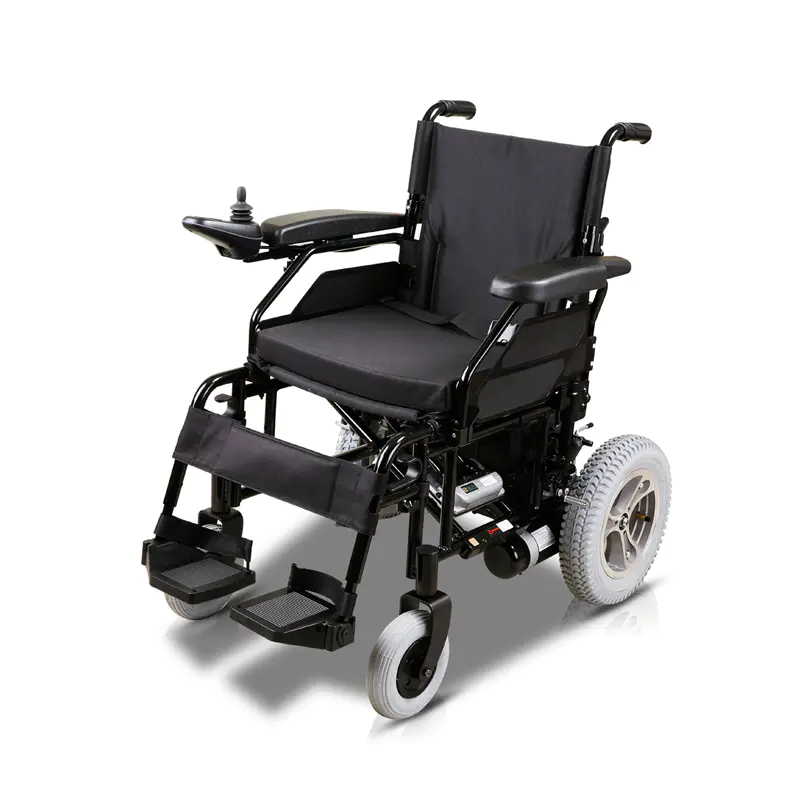
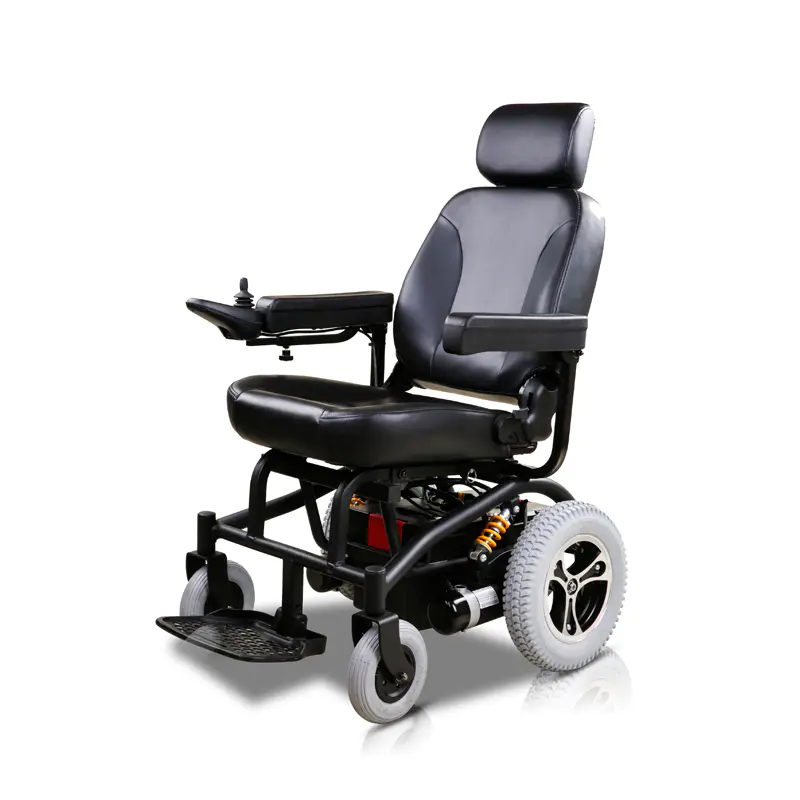
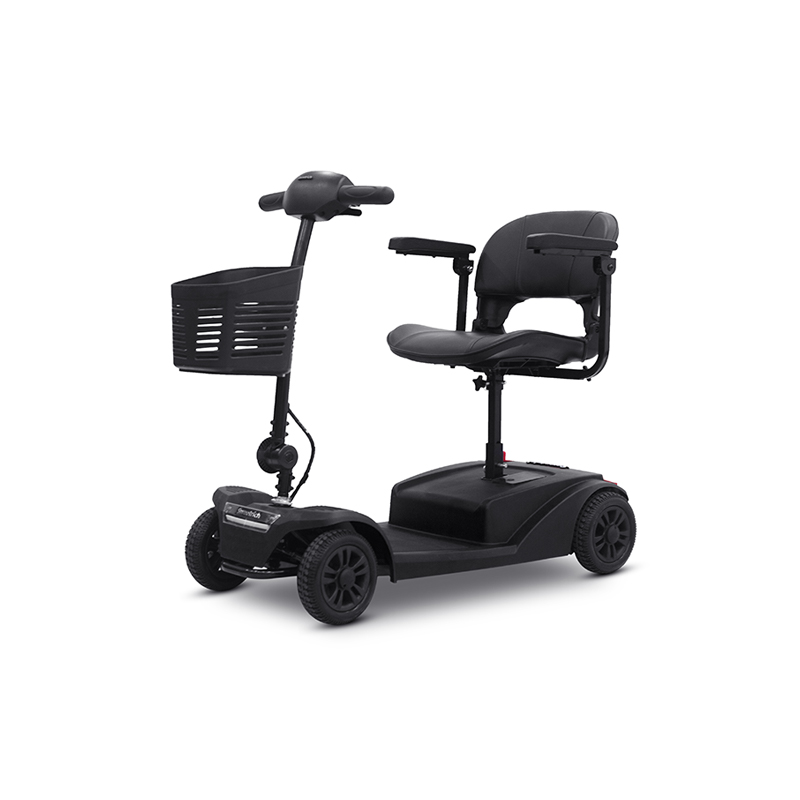
Shifting demographics around the world have highlighted the importance of reliable mobility aids for older adults and those with physical challenges. Electric wheelchairs have seen increased interest as practical devices that foster independence, comfort, and continued participation in daily life. These powered solutions offer controlled movement in various settings, helping users maintain routines while accommodating changing physical needs.
The rise in electric wheelchair use combines population trends with thoughtful design improvements, creating options that balance functionality, safety, and sustainability.
Aligning with Changing Demographics
Extended lifespans mean more individuals experience gradual reductions in strength or stamina. Many seek ways to stay connected to family, friends, and community activities without constant support.
- Electric wheelchairs allow independent trips to nearby stores or cafes.
- Users can join social events or medical visits comfortably.
- Gentle outdoor movement supports well-being and routine exercise.
This level of autonomy preserves personal dignity and encourages ongoing engagement.
Improvements in Design and Accessibility
Engineering progress has made electric wheelchairs more approachable for everyday use.
- Reduced weight in frames aids handling and vehicle transport.
- Flexible seating configurations fit different body sizes and postures.
- Clear control interfaces simplify speed and direction adjustments.
These refinements accommodate diverse preferences, making adoption smoother for new users.\
| Improvement Area | Optimized Description |
|---|---|
| Lightweight Frames | Easier handling and simpler vehicle transport |
| Seating Flexibility | Adapts to varied body sizes and sitting needs |
| Control Clarity | Straightforward speed and direction adjustment |
| User Impact | Smoother learning and everyday usability |
Emphasis on Operational Safety
Built-in protections build user trust during movement.
- Braking activates promptly when input stops.
- Balance features maintain stability on turns or slight elevations.
- Controlled acceleration prevents unexpected surges.
Confident navigation occurs in homes, pathways, and public facilities.
Contribution to Responsible Travel
Electric wheelchairs support environmentally aware choices.
- No tailpipe emissions during use benefit local surroundings.
- Power efficiency minimizes energy needs for regular trips.
- Low noise levels preserve quiet in shared spaces.
They provide a viable option for local journeys, reducing short drives in congested areas.
Advances in Energy Storage
Power system updates have improved practicality.
- Charges sustain meaningful durations of activity.
- Status displays assist with planning.
- Shorter recharge periods align with daily patterns.
Dependable operation supports varied schedules and spontaneous plans.
Prioritizing Seating Comfort
Prolonged use demands attention to supportive elements.
- Contoured padding encourages healthy alignment.
- Adaptable rests and supports reduce discomfort.
- Damping mechanisms ease travel over minor irregularities.
Extended comfort promotes frequent outings and active habits.
Fitting into Regular Routines
Electric wheelchairs suit a variety of common tasks.
- Self-managed shopping or browsing experiences.
- Attendance at classes, services, or gatherings.
- Leisure exploration of gardens or local attractions.
Maneuverability works well in confined or open environments.
Managing Acquisition Costs
Financial aspects influence decisions for many.
- Prices reflect construction quality and included features.
- Battery care and servicing represent ongoing considerations.
- Support availability varies by location.
Aid comes from charitable efforts, public funding, and second-hand programs. Trial rentals help evaluate suitability before commitment.
Process for Suitable Selection
Matching a wheelchair to needs requires careful thought.
- Review expected travel distances and surface types.
- Check dimensions and capacity for secure seating.
- Experience operation through hands-on testing.
Professional input from mobility advisors ensures appropriate choices.
| Step | Key Focus |
|---|---|
| Usage Assessment | Typical travel distance and surface conditions |
| Fit & Capacity | Size, weight support, and seating security |
| Hands-On Trial | Comfort, control response, and ease of use |
| Expert Guidance | Advice from mobility professionals |
Standard Care for Reliability
Regular attention maintains consistent performance.
- Charge according to activity levels.
- Remove dirt from moving parts periodically.
- Arrange checks for key components over time.
These steps prolong usability and safety.
Broader Well-Being Impacts
Mobility gains extend to emotional spheres.
- Self-reliance strengthens personal assurance.
- Social outreach becomes more feasible.
- Flexible plans enhance daily satisfaction.
Surrounding networks often observe uplifted spirits and involvement.
Direction of Ongoing Development
Innovation continues to shape future models.
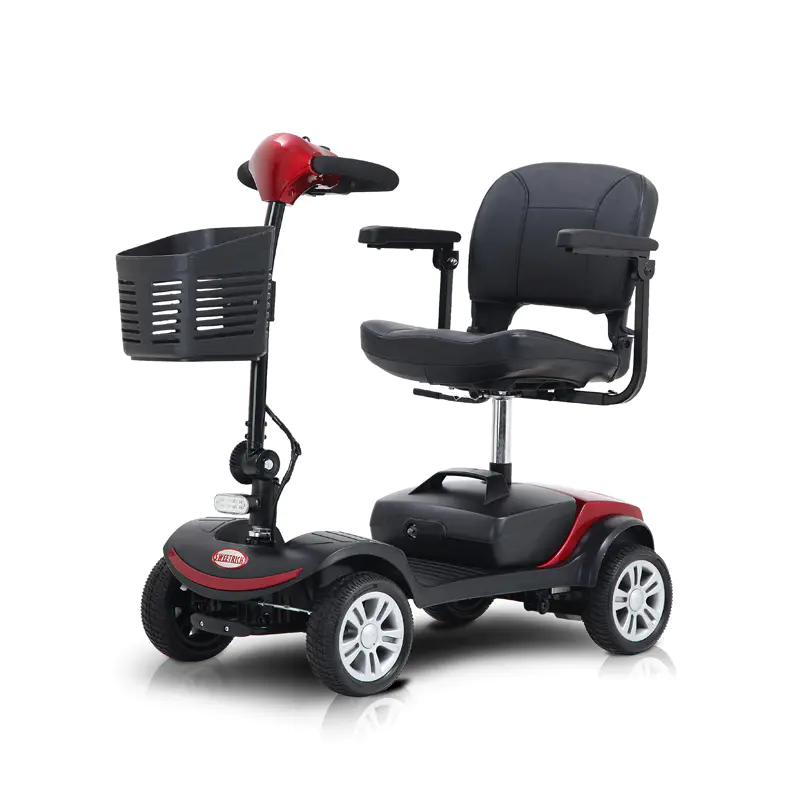
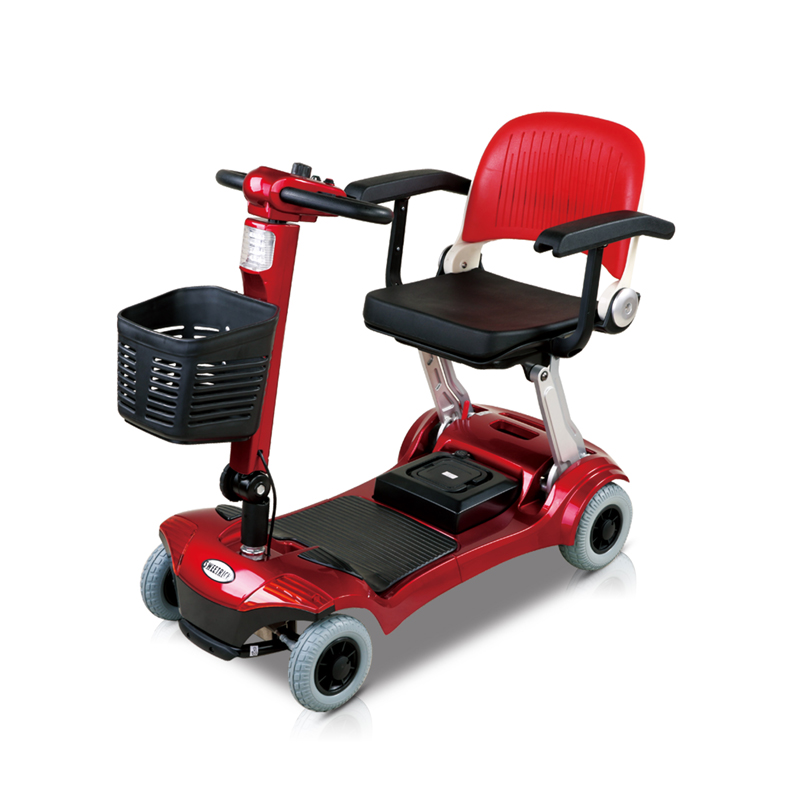
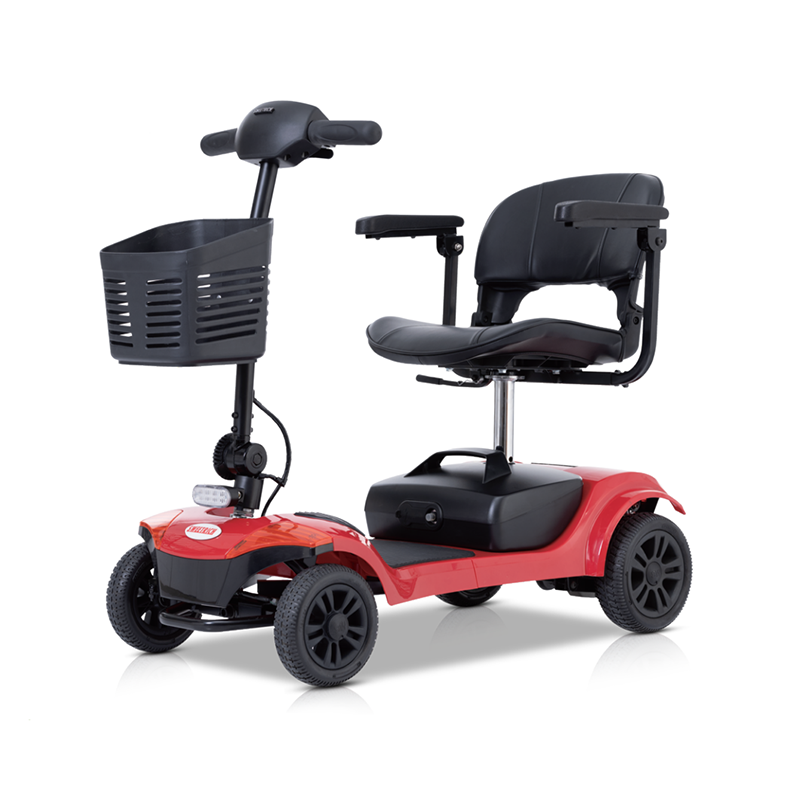
- Collapsible structures ease storage and portability.
- Monitoring connections provide usage insights.
- Varied input styles broaden control options.
Feedback-driven changes address practical requirements.
Community ties support users effectively.
- Group discussions offer adaptation ideas.
- Digital exchanges cover maintenance and destinations.
- Guided sessions reinforce confident handling.
Connections blend knowledge with encouragement.
Societal Advantages
Greater electric wheelchair presence promotes welcoming spaces.
- Infrastructure enhancements benefit multiple groups.
- Engaged individuals enrich local activities.
- Decreased nearby vehicle use lightens environmental load.
Inclusive progress emerges from collective adaptations.
Practical Transition Tips
Starting with electric wheelchairs involves gradual steps.
- Begin in familiar indoor areas.
- Expand to known outdoor routes progressively.
- Seek adjustments for fit early.
This method builds comfort and skill steadily.
Electric wheelchairs are essential mobility partners for seniors and people with mobility impairments, helping them regain independence through ingenious engineering and reliable performance. Their lightweight design, easy operation, durable power source, and comprehensive safety features allow users to easily integrate into daily life. While price may influence mobility choices, the ever-expanding range of assistive pathways significantly increases mobility.
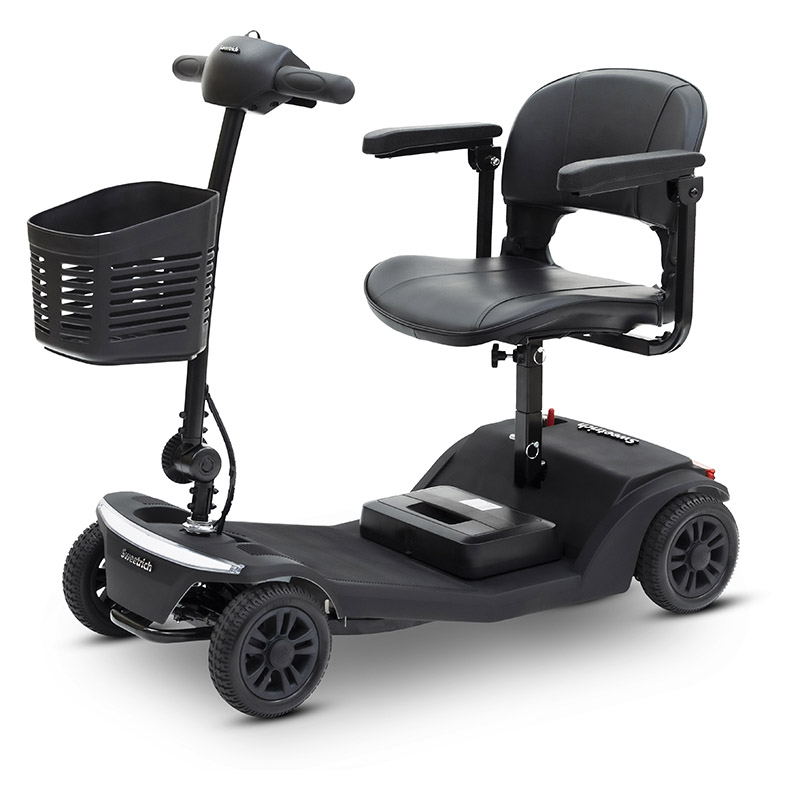
Sweetrich electric wheelchairs combine user-friendly controls, robust safety features, a lightweight and durable structure, and efficient battery performance, making them ideal for maintaining independence and enjoying daily activities. Sweetrich prioritizes comfort, convenience, and sustainability, meeting the modern user's demands for quality, ease of use, and long-term reliability. For seniors and people with mobility impairments, choosing Sweetrich means investing in a solution that enhances freedom, confidence, and overall quality of life without unnecessary complexity or compromise.