
 +86-(0)512-82283871
Content
- 1 Why Armrest Position Shapes Everyday Riding Experience
- 2 How Adjustable Armrests Follow Different Seating Habits
- 3 Structural Behavior Behind Adjustable Armrests
- 4 Armrest Position and Seat Interaction
- 5 Adjustable Armrests Inside Portable 3 Wheel Scooter Design
- 6 Role Of Armrests In Medium Mobility Scooter Design
- 7 Material Selection And Surface Comfort In Armrest Design
- 8 How Adjustable Mechanisms Affect Long Term Usability
- 9 User Behavior And Its Impact On Armrest Performance
- 10 Design Trends In Adjustable Armrest Systems For Mobility Scooters
Compact mobility design often shows its character in small contact points rather than large structural changes. Seat shape, arm position, and rider posture keep adjusting against each other during normal movement, especially in environments where travel includes short stops, slow turns, and repeated direction changes across flat and slightly uneven ground.
Armrests belong to components that appear simple from outside, yet rider experience changes noticeably depending on how they sit, move, and hold the upper body during travel. Without dedicated arm support, shoulders tend to carry small continuous load that builds gradually through repeated use, even when distance remains short.
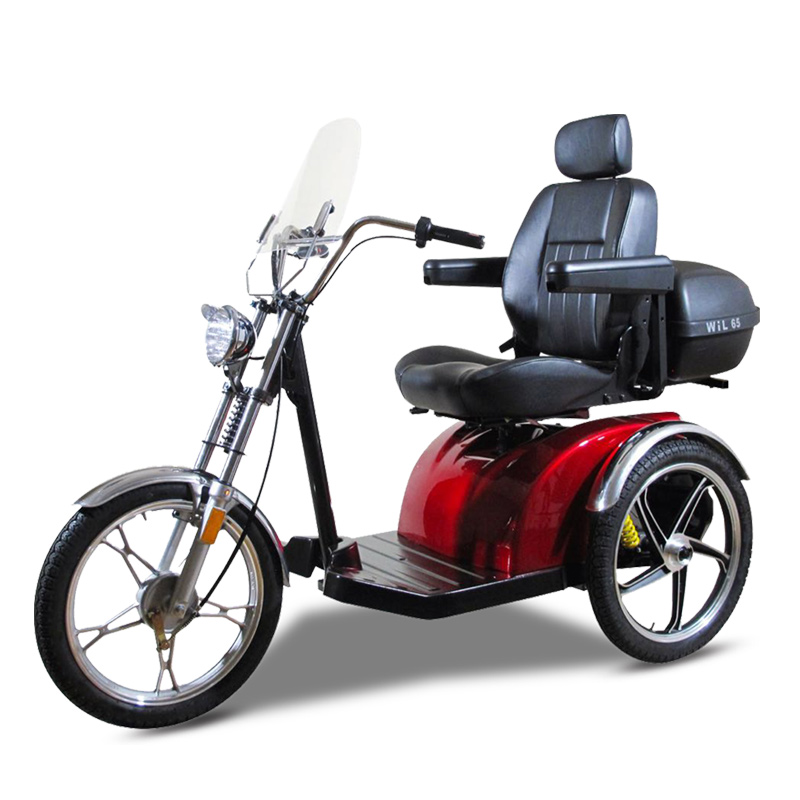
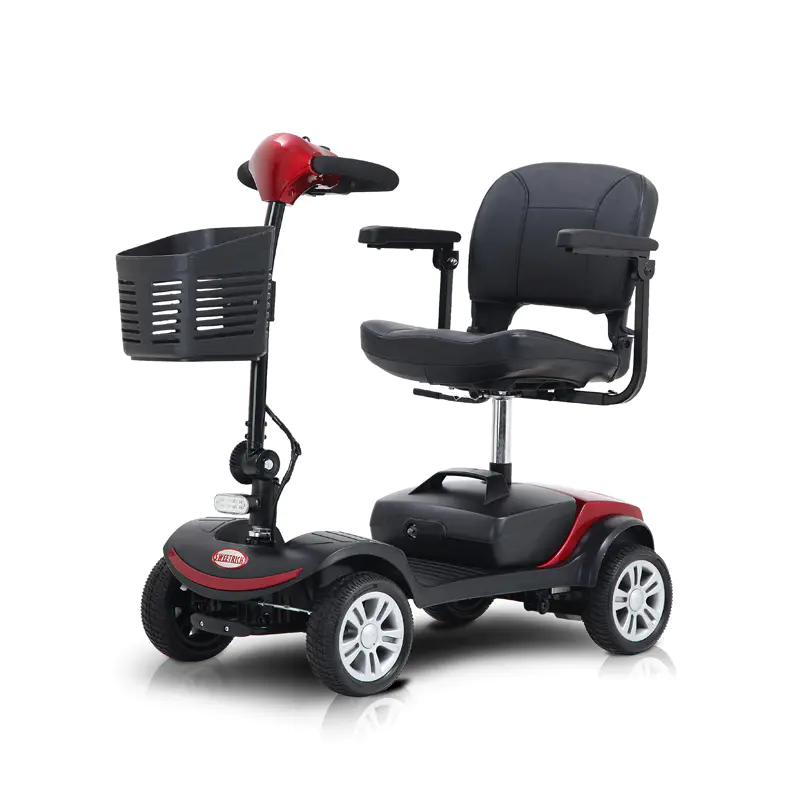
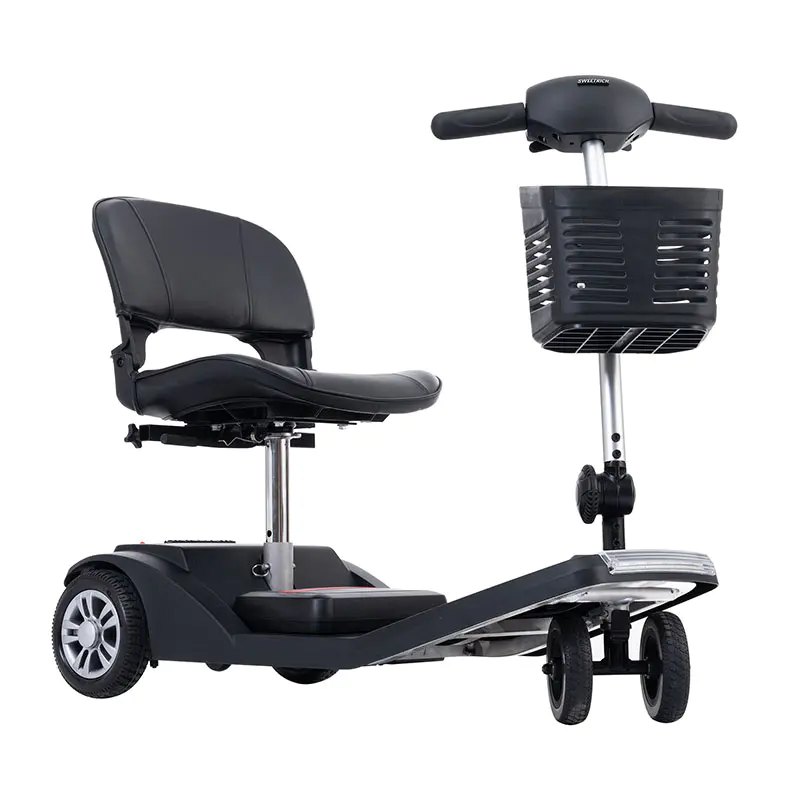
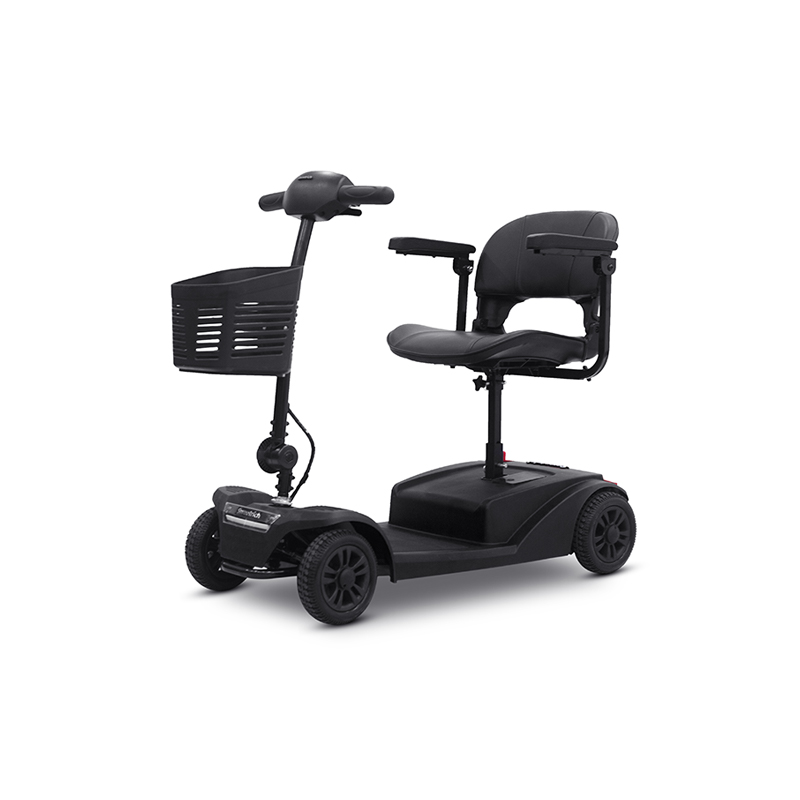
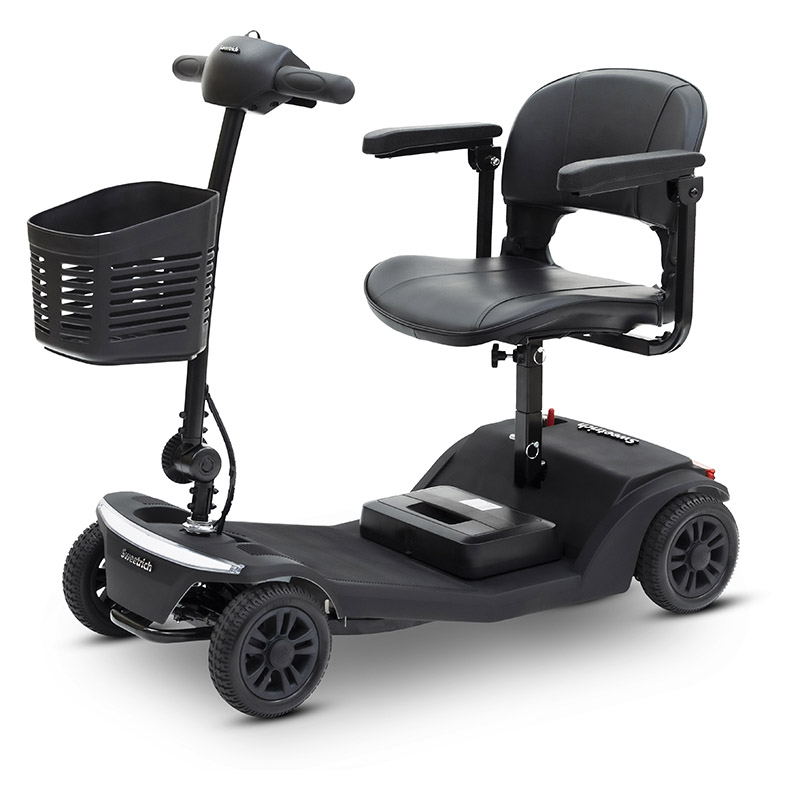
Inside a Portable 3 Wheel Scooter, armrest behavior becomes part of how the seating area "feels" during motion. Instead of acting as an isolated structure, arm support interacts with seating surface and rider posture at the same time, shaping how upper body settles after every small movement of the scooter.
Why Armrest Position Shapes Everyday Riding Experience
Riding posture rarely stays still. Even slow travel introduces small changes in shoulder height, elbow angle, and torso lean, especially during steering input or when scooter passes over minor surface changes. Without side support, upper body tends to rely more on core muscles, which slowly increases fatigue during repeated use cycles.
Armrests reduce that constant micro-adjustment. Once arms find a stable resting point, upper body movement becomes less reactive to small directional changes. Seating position feels less disrupted during braking or turning because shoulders no longer compensate for every shift in motion.
Some riders naturally place weight slightly on one side, especially during longer sitting periods. Without adjustable support, that habit can create uneven pressure across seat contact areas. Armrests help moderate that pattern by offering a fixed reference point for both sides of the body.
- Arms searching for resting position after seating
- Shoulder movement during steering correction
- Small leaning during short stops
- Repositioning while waiting in place
These small actions shape overall riding feel more than large movement changes.
How Adjustable Armrests Follow Different Seating Habits
Body structure differences create variation in how riders interact with arm support. Some prefer a higher resting position, others lean slightly lower depending on natural shoulder alignment. Fixed armrests force all riders into a single posture range, which does not always match natural sitting behavior.
Adjustable design allows small movement range instead of rigid positioning. Once set, arms sit in a more relaxed angle, reducing tension around shoulder joints during longer seating periods. Movement during travel becomes less disruptive because upper body no longer needs constant correction to stay balanced.
Adjustment does not need wide range to change experience. Even small variation in height or angle can shift how upper body rests against seat structure.
- Slight vertical repositioning for shoulder matching
- Narrow lateral adjustment for elbow spacing
- Locking feel after position change
- Resistance balance during movement
Each function supports a different part of sitting behavior rather than creating large structural change.
Structural Behavior Behind Adjustable Armrests
Armrest movement depends on interaction between several hidden points inside the structure. When rider applies pressure, force travels through joint area into seat frame, then spreads across base support. If any section shifts too easily, arm support loses consistency during motion.
Locking points control whether armrest remains steady during vibration or directional change. Without stable locking behavior, arm position slowly drifts during use, which changes shoulder feel even when rider does not notice immediate movement.
Connection base also affects how armrest responds during load. A stable base reduces small twisting motion when rider leans slightly forward or sideways. Over time, repeated small shifts influence overall seating experience more than occasional large movements.
Material contact between parts plays quiet role as well. Friction level inside adjustment system determines whether armrest feels firm or loose during repositioning.
| Structural Area | Observed Behavior During Use |
|---|---|
| Joint section | Controls movement smoothness |
| Lock point | Holds selected position |
| Base connection | Transfers load into seat frame |
| Contact surface | Affects adjustment feel |
| Support frame | Maintains alignment during motion |
Small instability in any area can reflect through arm position, especially during repeated daily use.
Armrest Position and Seat Interaction
Seat and armrest tend to influence each other after rider settles in. Once arms rest on support, upper body weight redistributes slightly across seating surface. Even small changes in elbow position can shift how pressure spreads across seat cushion.
When armrests sit too high or too low, shoulders adjust continuously to compensate, which changes how torso aligns with seat backrest. Over time, that leads to uneven sitting behavior during longer rides.
Correct positioning reduces that constant correction. Upper body remains closer to natural resting shape, while seat cushion carries weight more evenly across contact zones.
During steering movement, arm support also affects how quickly upper body returns to neutral position. Stable arm placement reduces delay between movement and recovery, making posture feel more settled after turning.
- Less shifting during short stops
- More stable upper body during direction change
- Reduced shoulder tension after repeated use
- More consistent seat contact distribution
Adjustable Armrests Inside Portable 3 Wheel Scooter Design
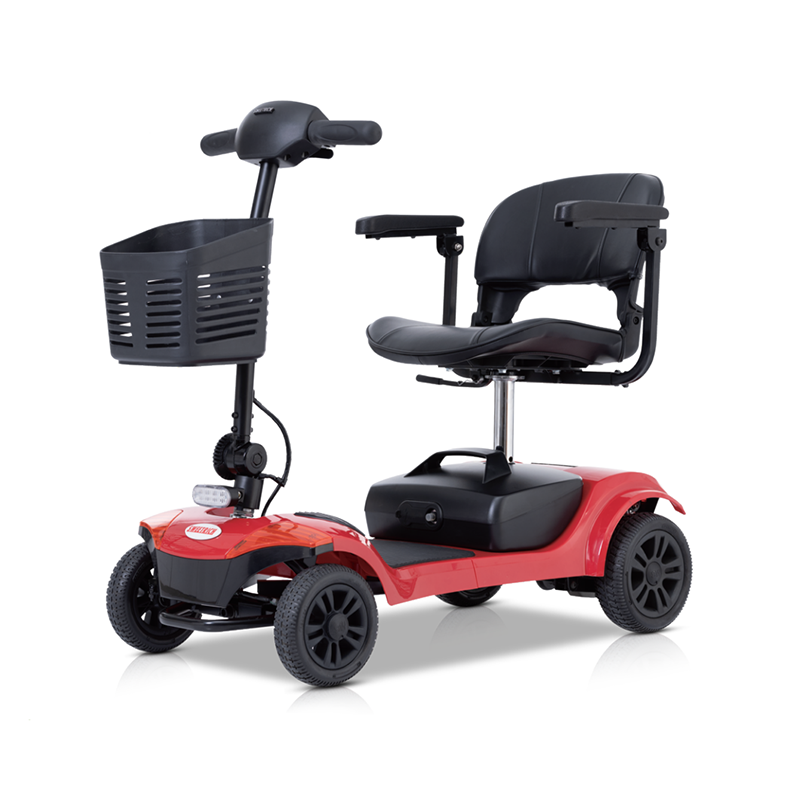
Inside a Portable 3 Wheel Scooter, space between components remains limited, which makes armrest placement more sensitive to surrounding layout. Steering controls, seat width, and rider entry path all influence where arm support can sit without interfering with movement.
Adjustable structure helps manage that limitation. Instead of forcing fixed spacing, armrests adapt slightly to rider preference while remaining within compact frame boundary. That flexibility becomes noticeable during entry and exit from seating position, where arm placement often changes naturally.
In everyday operation, riders often shift posture depending on environment. Short stops, indoor navigation, and outdoor transitions all create different sitting behavior patterns. Adjustable support reduces need for repeated repositioning during those changes.
Role Of Armrests In Medium Mobility Scooter Design
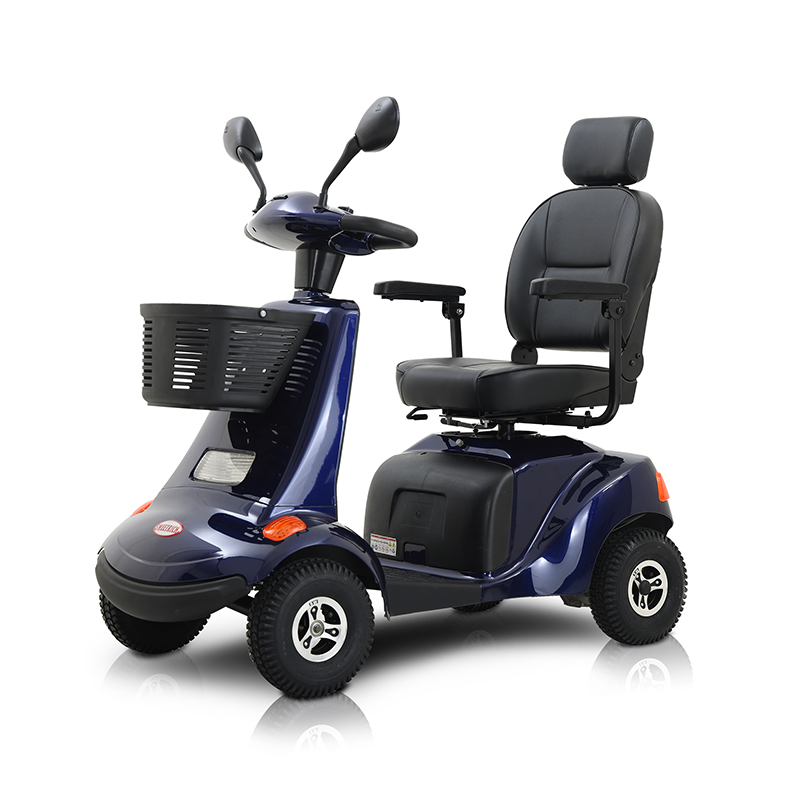
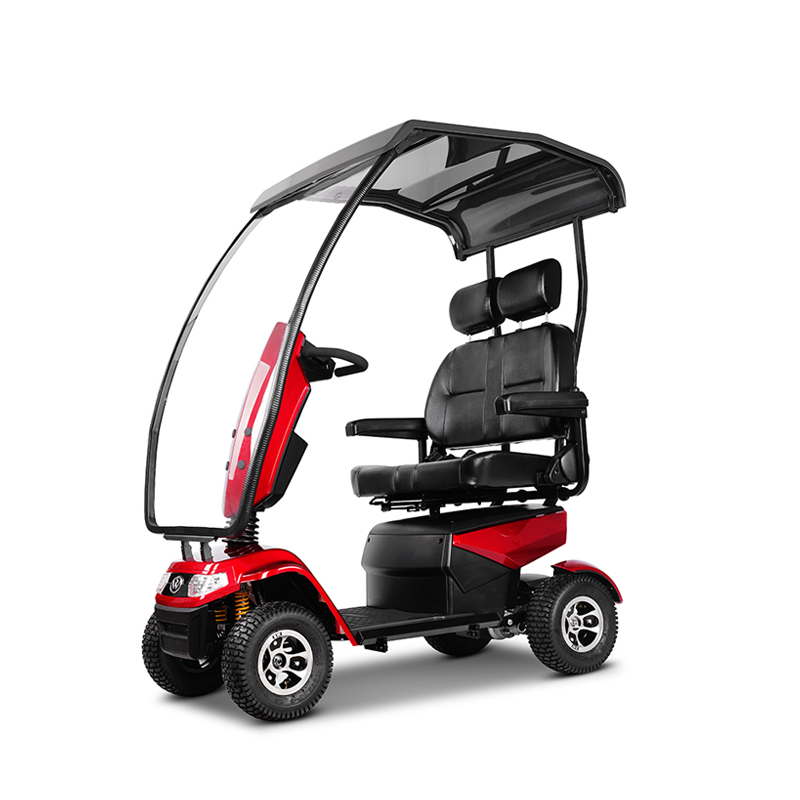
Inside a Medium Mobility Scooter, seating time often stretches beyond brief transfer use, and once that happens arm support starts affecting the riding feel in a more noticeable way because upper body contact remains in place for longer periods, shoulder angle changes more slowly, and small posture shifts begin to accumulate across the ride rather than disappearing after a short movement.
Armrests in that setting do more than offer a resting point for the arms. They help frame the upper body within the seating area, keep shoulders from drifting too far outward or inward, and give the torso a steadier reference during repeated pauses, gradual turns, and minor changes in travel speed. When support remains consistent, posture tends to settle without constant correction, which matters in a compact mobility product where body position and seating layout are closely linked.
A medium-size layout also brings broader variation in usage style, since some riders remain upright for longer stretches while others lean slightly forward during travel or relax back during pauses, and adjustable armrests help absorb those differences without forcing a single sitting pattern onto every situation. Comfort in that environment usually comes from how calmly the support follows changing posture, not from how much movement range appears on paper.
Material Selection And Surface Comfort In Armrest Design
Surface feel influences armrest comfort more quietly than visible shape, since contact between forearm and support area continues through much of the ride, especially during slow travel or extended waiting periods. A surface that feels too firm tends to concentrate pressure around one narrow line, while a surface that sinks too easily can lose its shape and leave the arm without dependable support.
Padding structure beneath the outer layer plays a steady role in spreading load across the contact area, and once that load is distributed more evenly, shoulder tension often drops because the arm no longer has to make small corrective movements just to stay in place. Long-term comfort usually depends on that quiet balance between support and softness, where the surface stays steady without feeling rigid and remains responsive without becoming unstable.
Material behavior also matters during repeated use cycles. A covering that handles pressure well, keeps its shape after many adjustments, and avoids excessive surface drag supports a more natural resting position because the arm can settle without sliding or sticking in a way that interrupts posture.
| Surface Element | Influence During Use |
|---|---|
| Outer covering texture | Shapes contact feel against the arm |
| Padding response | Spreads pressure across the support area |
| Internal stability | Helps maintain shape during repeated use |
| Surface friction | Controls slipping while allowing natural repositioning |
Comfort rarely comes from one layer alone; the feel of the armrest usually reflects how the outer surface, internal padding, and structural base respond together during ordinary riding.
How Adjustable Mechanisms Affect Long Term Usability
Adjustment systems inside armrests experience repeated movement across daily use, and those repeated cycles matter more than initial appearance because a support that works well once may feel different after many changes in position, particularly when locking behavior becomes less predictable or internal resistance changes with time.
A stable mechanism allows arm position to remain where it was placed without slow drift during vibration, turning, or ordinary movement across uneven ground. Once position begins shifting on its own, shoulder alignment changes as well, and that small change can spread into the rest of the sitting posture before it becomes noticeable. Reliable locking therefore shapes comfort in a very direct way, even though the mechanism itself often stays out of sight.
Adjustment feel also influences use habits. A system that moves with moderate resistance tends to encourage normal repositioning, while one that feels too loose may never stay where it was set and one that feels too stiff may discourage changes even when posture needs a slight correction. Long-term usability usually sits in that middle zone where movement remains controlled, position remains steady, and manual adjustment still feels natural during routine use.
- smooth movement during repositioning
- steady hold after locking
- limited drift under repeated load
- consistent response across daily use
Once those points remain stable, armrests continue supporting posture rather than becoming another part that needs constant attention.
A Portable 3 Wheel Scooter leaves limited room between seating structure and control area, which means armrest placement cannot be treated as a separate design choice. A slight change in width or angle can alter elbow position, shoulder rotation, and access to steering controls, all at the same time. Because of that close spacing, comfort depends on whether the armrest fits naturally within the overall seating geometry.
Seat shape sets the starting point for posture, while armrests extend that posture outward by giving the upper body a defined lateral support. When those two parts align well, the rider remains centered in the seat without extra effort, and control access stays open rather than feeling crowded by the support structure. That balance becomes especially important during steering, since arm position and body rotation need to work together without creating awkward reach or compressed shoulder movement.
Control area spacing also affects how often posture changes during normal use. If armrests sit too close to the steering zone, movement becomes restricted and the upper body loses freedom. If support sits too far away, the arms no longer settle comfortably and the shoulders begin to carry more of the load. A careful middle arrangement allows both support and movement to happen without conflict.
User Behavior And Its Impact On Armrest Performance
Actual use patterns shape armrest experience more than fixed design assumptions, since riders do not sit in one identical posture for every trip. Some remain upright throughout the ride, some lean slightly while turning, and some shift weight from one side to another during pauses or slow movement, creating a wide range of arm support needs that change from one moment to the next.
Armrest design responds to those habits through the way support remains steady under changing pressure. A rider who rests both arms evenly places a different load on the structure than someone who alternates support or keeps one arm relaxed while the other handles more steering-related movement. Over time, those differences influence how the seating area feels and how much correction the upper body needs to stay balanced.
- resting one arm more than the other
- changing shoulder position during slow turns
- shifting posture while waiting in place
- leaning forward during navigation and relaxing afterward
Because habits vary so widely, armrests that tolerate small changes without losing support tend to feel more natural across different riding styles.
Design Trends In Adjustable Armrest Systems For Mobility Scooters
Current development in mobility seating continues to move toward components that adapt more quietly to body movement instead of forcing one fixed position. Adjustable armrests fit that direction well because they allow limited movement within a controlled range, which gives room for personal posture differences without weakening the stability of the seating system.
Integration with seat structure has also become more closely connected, since armrests that share a stronger relationship with the frame usually transfer load in a cleaner way and avoid isolated stress around the mounting point. That kind of arrangement supports both comfort and durability by reducing unnecessary movement around the support base.
Material refinement, joint precision, and compact construction continue shaping how these systems behave during repeated use. In both Portable 3 Wheel Scooter and Medium Mobility Scooter layouts, comfort develops from the way seat structure, support position, and rider movement work together through ordinary travel, not from a single feature acting on its own.
Adjustable armrests keep gaining attention because small structural details often change the riding experience more than large visual changes, and that pattern has become clearer as mobility products continue to focus on everyday usability.