
 +86-(0)512-82283871

Ask a bariatric user what's wrong with electric wheelchairs and you'll hear the same things. The seat's too narrow. The frame flexes. The motor strains on a mild slope. Standard models just weren't built with higher weight capacities in mind, and bolting on a wider seat doesn't fix the underlying engineering. As demand for inclusive mobility grows, manufacturers are rethinking the whole design—frame, seating, power system, controls—rather than tweaking a standard platform.
For distributors, rehab providers, and procurement teams, knowing how Electric Wheelchair Manufacturers approach bariatric requirements matters when judging product quality. The better solutions tie structural engineering, ergonomic design, battery performance, safety systems, and quality control together. The weaker ones just advertise a higher number on the spec sheet.
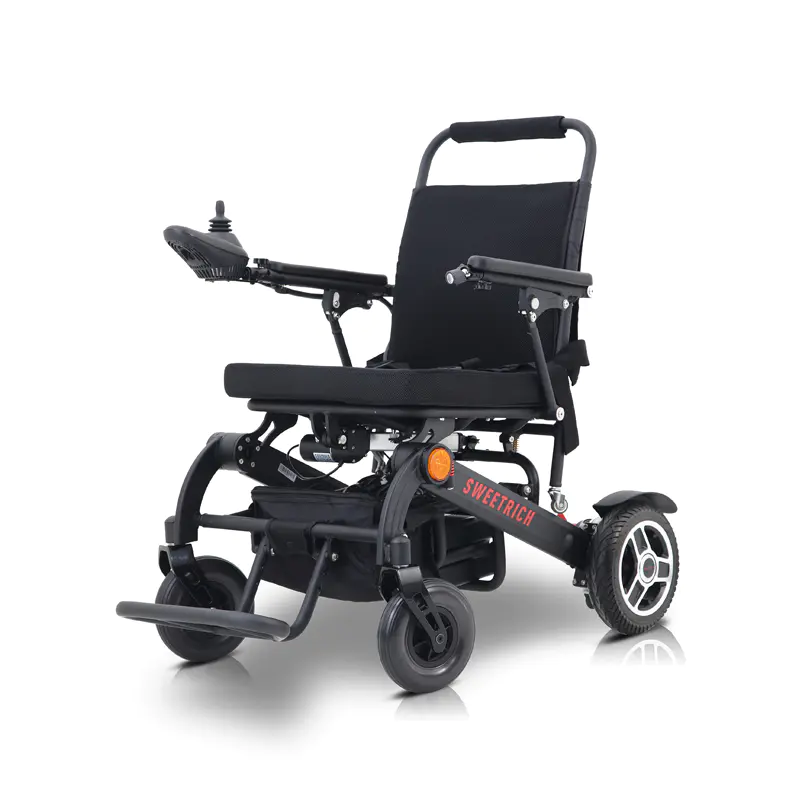
Reinforced Frames Support Higher Weight Capacities
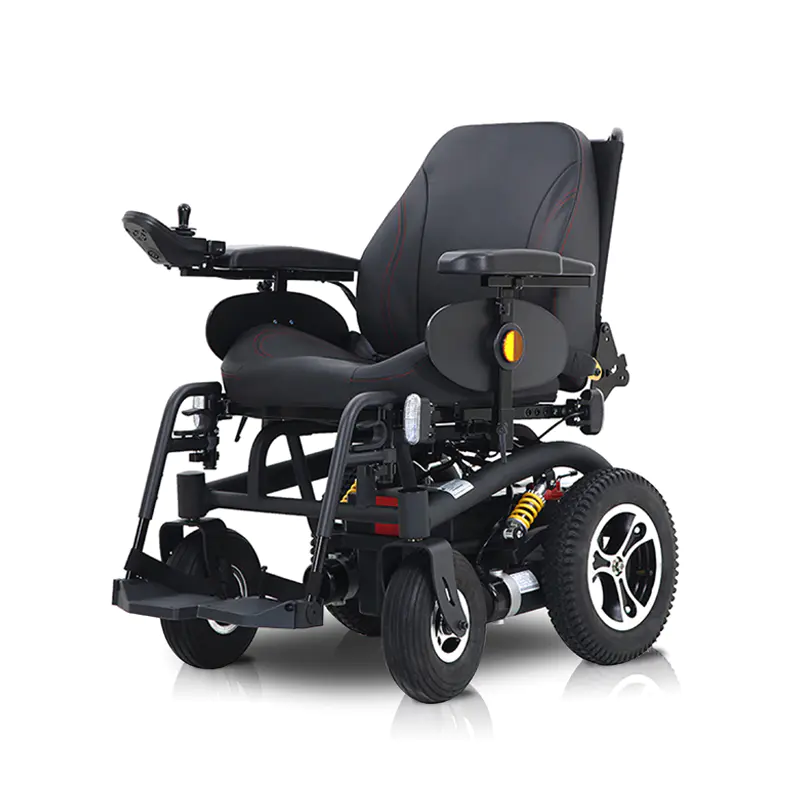
Frame strength is where bariatric design starts. A wheelchair has to carry the user's weight through repeated movement, turning, acceleration, uneven surfaces—not just hold still on a showroom floor. Manufacturers may use reinforced steel or aluminum alloy structures, depending on load capacity and product design. What matters in the engineering: reinforced frame joints, stronger crossbars and support brackets, durable seat mounting, stable wheel attachment points, fatigue resistance under repeated loading.
A higher stated weight capacity should be backed by structural testing. Manufacturers need to assess static loads, dynamic loads, frame deformation, component durability. Buyers should request technical specifications and test documentation to verify the product suits its intended user group. A number on a brochure isn't evidence.
Wider Seating and Ergonomic Design Improve Comfort
Seat dimensions make or break comfort. Bariatric electric wheelchairs commonly need wider seats, greater depth, stronger cushioning. Manufacturers may offer adjustable armrests, reinforced seat frames, supportive backrests, pressure-distributing cushions. Get the configuration right and transfers become easier and extended use less punishing.
Seat width should follow the user's body measurements and clinical requirements. Too narrow and you create pressure points. Too wide and postural support drops or the controls end up out of reach. Some users need positioning accessories or specialized seating systems, which is why product selection should involve healthcare professionals when postural or pressure-management needs are present.
Powerful Motors and Battery Systems Support Daily Mobility
More user weight means more mechanical load on motors, drive wheels, batteries. Bariatric models need power systems that deliver suitable acceleration, climbing performance, and operating range within manufacturer limits. Higher-torque motors and controllers calibrated for the intended load capacity are common. Motor selection should account for permitted user weight, terrain, speed requirements, thermal performance.
Battery capacity matters as well. Greater energy demand may call for a larger battery system, but that adds weight. Engineers have to balance driving range, charging time, battery size, portability. Buyers should look at rated range under realistic conditions—terrain, rider weight, temperature, driving behavior, battery condition all change the outcome.
Stable Wheelbases and Reliable Braking Improve Safety
Predictable handling and effective braking aren't optional. A wider or reinforced chassis may improve stability, but the complete design needs evaluation for safe turning and maneuverability. Key elements: suitable wheelbase and center of gravity, durable drive wheels with traction, braking systems matched to weight and speed, anti-tip wheels where the design requires them, reliable electronic controls and speed adjustment.
Manufacturers should test braking response, turning stability, slope performance, handling under specified loads. Buyers should check the permitted slope and operating environment—not every model handles steep inclines or rough outdoor terrain.
Compare Key Design Features in Bariatric Electric Wheelchairs
| Design feature | Typical engineering focus | Buyer consideration |
|---|---|---|
| Frame structure | Reinforced joints and load-bearing components | Verified weight capacity |
| Seat system | Wider dimensions and stronger support | User measurements and comfort |
| Motor system | Suitable torque and controller settings | Terrain and daily usage |
| Battery | Adequate energy capacity | Realistic operating range |
| Wheels and brakes | Stability, traction, and stopping performance | Intended environment |
| Controls | Accessible joystick and adjustment options | User's physical abilities |
Accessible Controls Support Different Physical Needs
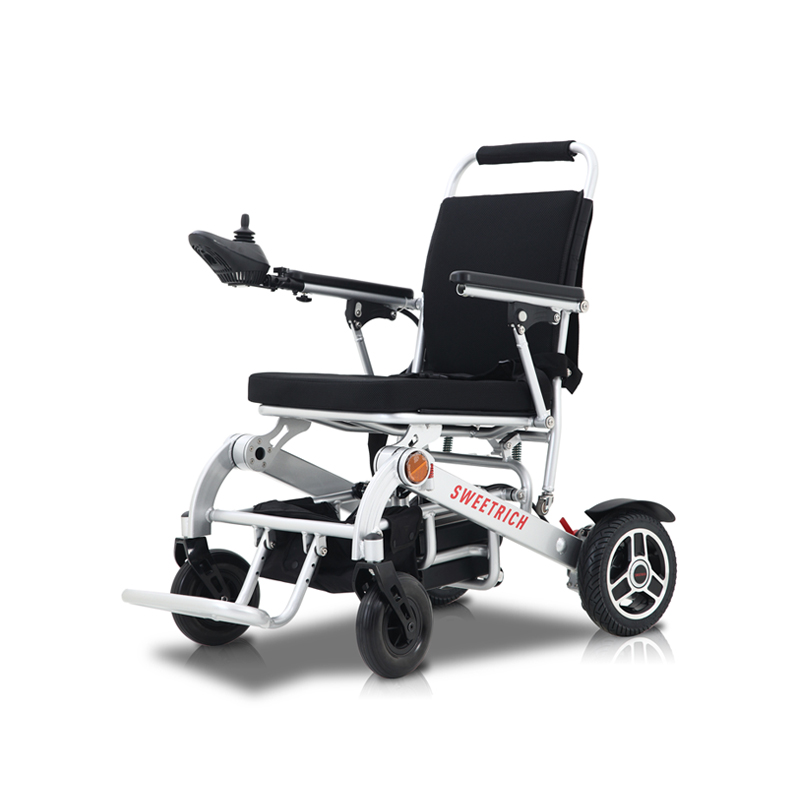
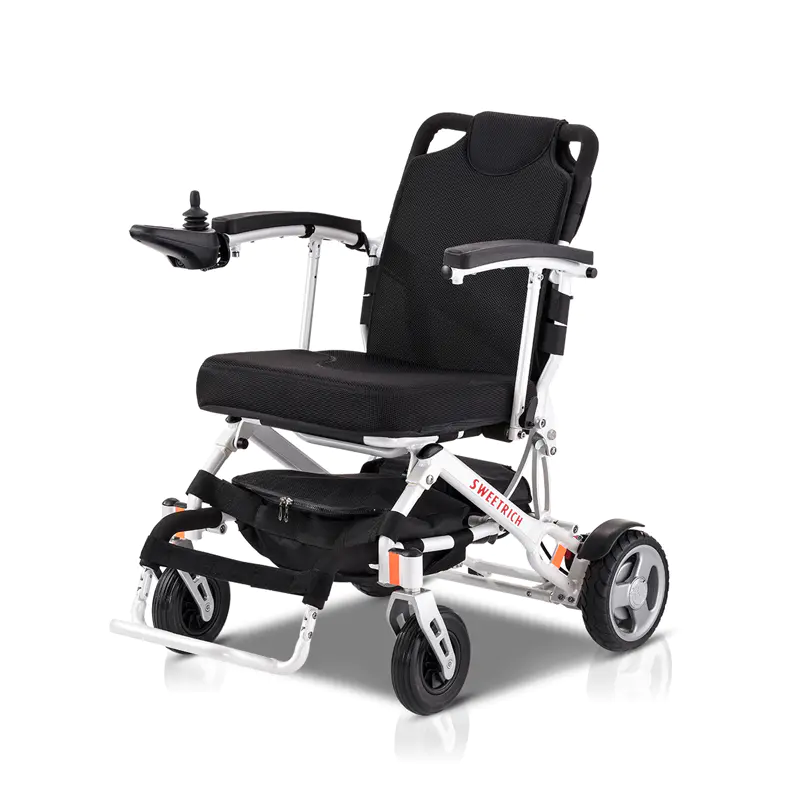
Upper-body strength, hand function, coordination vary among bariatric users. Adjustable joystick positions, ergonomic control handles, responsive speed settings, simplified interfaces all help. Some designs allow controls on either side. Adjustable armrests help users reach the joystick without straining.
Electronic controls should respond predictably. Manufacturers need to validate control sensitivity and make sure accidental contact doesn't trigger unexpected movement. Demonstrations and individual assessments matter here—control arrangement depends on the user's abilities and operating environment, not a generic recommendation.
Quality Testing and Customization Support Product Reliability
Bariatric wheelchairs take serious mechanical loads, so quality control carries extra weight. Documented testing should cover frame strength, seat durability, motor performance, battery operation, braking, electrical safety. Customization may be necessary for specific seating or positioning needs—different seat widths, cushion options, armrest configurations, control arrangements.
Any customization that changes structural components, electrical systems, or load-bearing characteristics needs engineering review. Buyers should confirm whether modifications affect weight capacity, warranty, or product certification.
Choose Manufacturers With Verified Bariatric Design Capabilities
When evaluating Electric Wheelchair Manufacturers, look beyond advertised weight capacity. Frame construction, seating dimensions, motor specs, braking performance, battery documentation, quality testing all influence whether a model works for bariatric users.
Request detailed specifications, load-test evidence, warranty terms, replacement-part information. Where possible, arrange sample evaluations under professional guidance. A manufacturer with documented engineering processes and consistent production controls is better positioned to deliver reliable bariatric mobility equipment across different user requirements.