
 +86-(0)512-82283871

Scooters aren't the flashiest product a healthcare distributor can carry. They're not wheelchairs, not rehab equipment, not the stuff that gets talked about at industry events. But they sell. And they keep selling—batteries, tires, service calls, the whole loop. For distributors already serving older adults, rehab facilities, home care providers, that's a business worth understanding properly.
Understanding the Benefits of a Mobility Scooter from a commercial angle means looking past the unit price. Demand, purchasing strategy, supplier relationships, service obligations—all of it shapes whether scooters actually make money or just take up warehouse space.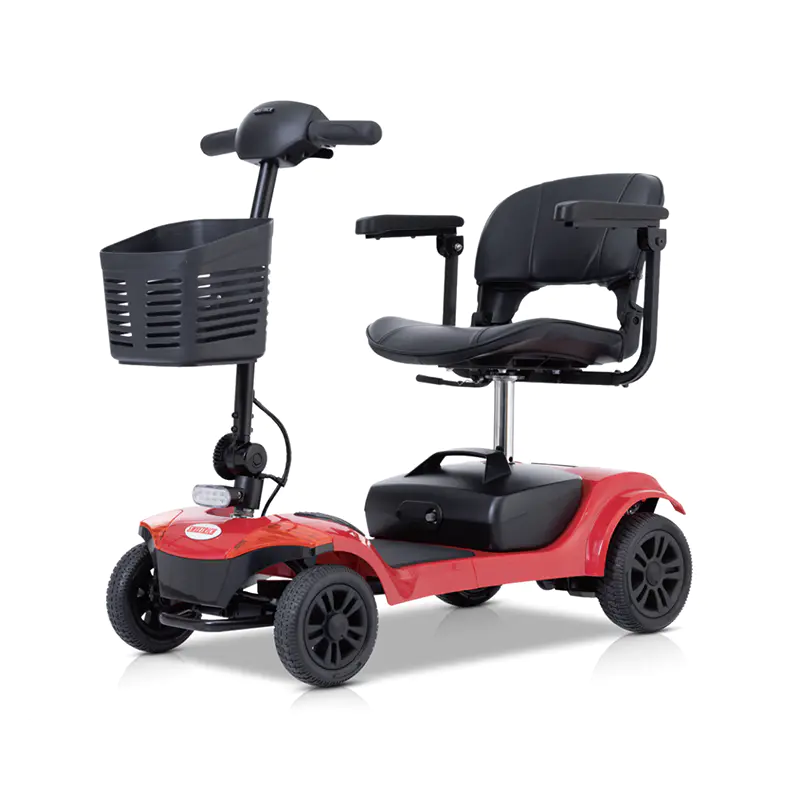
Expand Product Portfolios and Reach More Customer Segments
Here's the practical starting point: scooters sit naturally alongside wheelchairs, walking aids, rehab equipment, home healthcare supplies. If you already sell to customers with mobility needs, adding scooters isn't a leap. It's an adjacent sale.
Who's buying?
- Older adults who need help covering longer distances.
- People with mobility impairments who can safely operate a scooter.
- Home healthcare providers and rehabilitation organizations.
- Retirement communities and assisted living facilities.
- Medical equipment retailers and regional wholesalers.
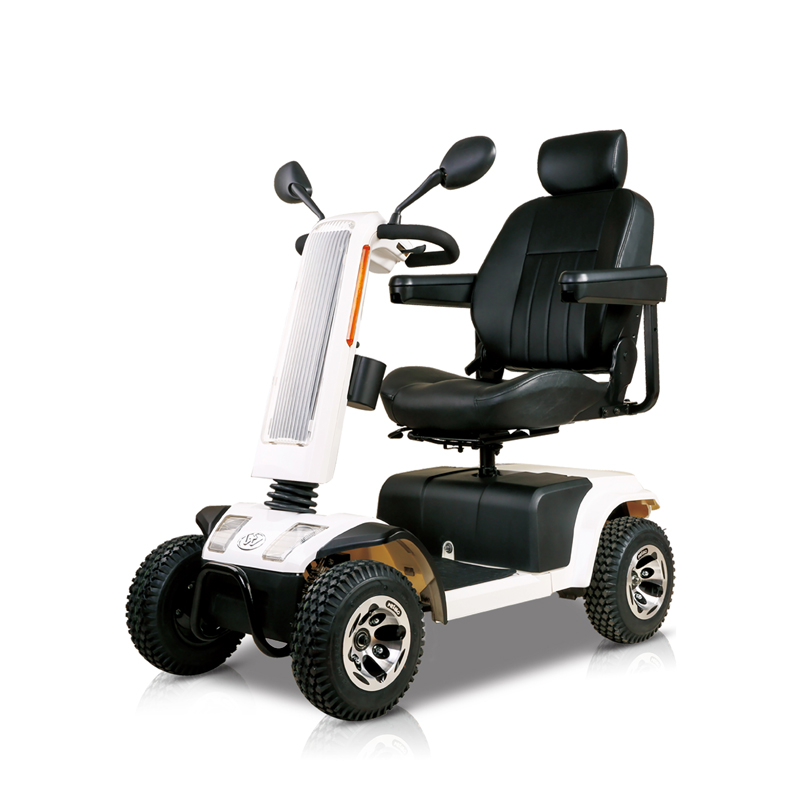
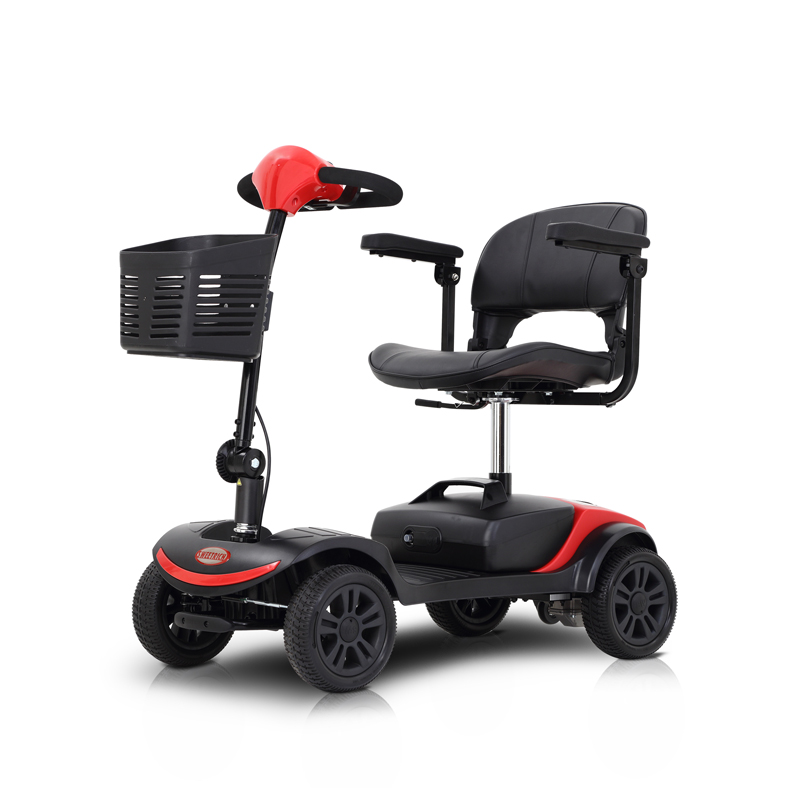
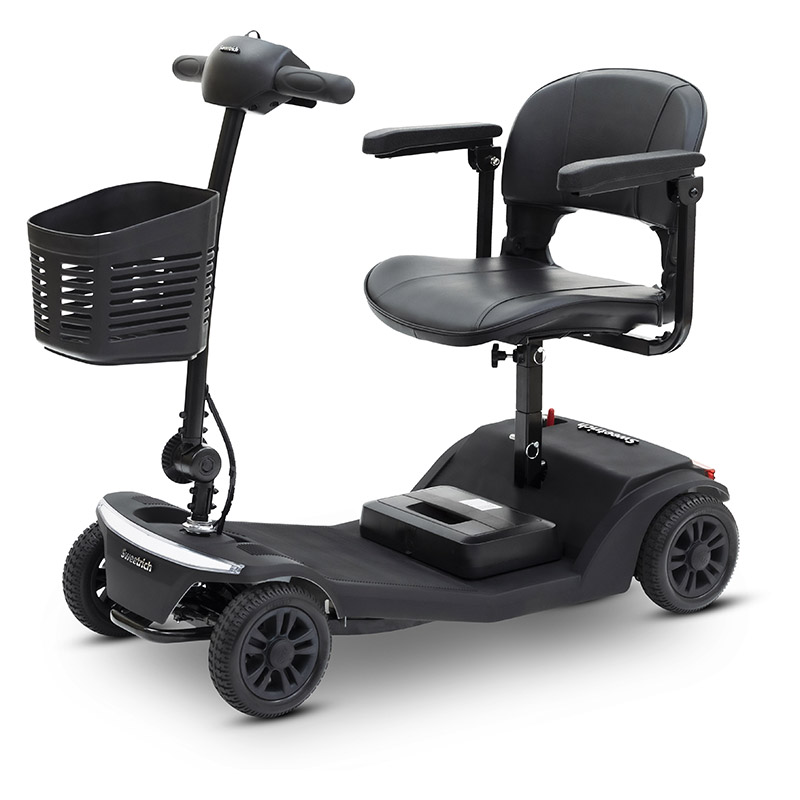
Different buyers want different machines. Travelers lean toward compact folding models. Users who need higher load capacities or longer ranges go for heavier-duty builds. Carry a few well-chosen models rather than a sprawling catalog—that's usually the smarter play for inventory control.
Create Additional Revenue and Sales Opportunities
Scooters generate revenue three ways: direct sales, institutional purchasing, repeat business. Then there's the accessory tail—batteries, chargers, replacement tires, armrests. A customer buying a scooter often needs something else six months later.
Bigger product range, bigger transaction values. Someone buying a scooter may also want a storage accessory, maintenance service, replacement battery. None of that shows up in the initial sale price, but it adds up.
Profitability isn't just selling price minus cost, though. Freight, import duties, warehousing, warranty claims, spare parts, after-sales labor—all of it eats into margins.
A pricing strategy that actually works needs to account for:
- Product acquisition cost and MOQ.
- Shipping and customs expenses.
- Local competitor pricing.
- Warranty and maintenance obligations.
- Expected inventory turnover.
- Distributor and retailer margin requirements.
Run those numbers and you'll know which models carry real commercial value. Skip them and you're guessing.
Build Long-Term Customer Relationships Through After-Sales Service
Scooters need maintenance. Batteries fade. Tires wear. Electrical and mechanical parts need inspection or replacement sooner or later. That's not a problem—it's an opportunity.
Battery replacement, routine inspections, troubleshooting, spare parts supply. All recurring revenue. All things that keep customers coming back to you instead of shopping around.
Service quality also influences buying decisions more than people admit. Institutional buyers want to know: can we get replacement parts? How fast can you fix a technical problem? If the answers are vague, they'll find another distributor.
What strengthens service operations? Keep commonly needed spare parts in stock. Train technicians. Provide clear maintenance instructions. Establish a consistent warranty claim process. None of it is glamorous, but it works.
Compare Commercial Benefits Across Different Scooter Categories
Product selection drives target customers, inventory costs, service requirements. Pick wrong and you're stuck with stock nobody wants.
| Scooter category | Main customer segment | Potential business benefit |
|---|---|---|
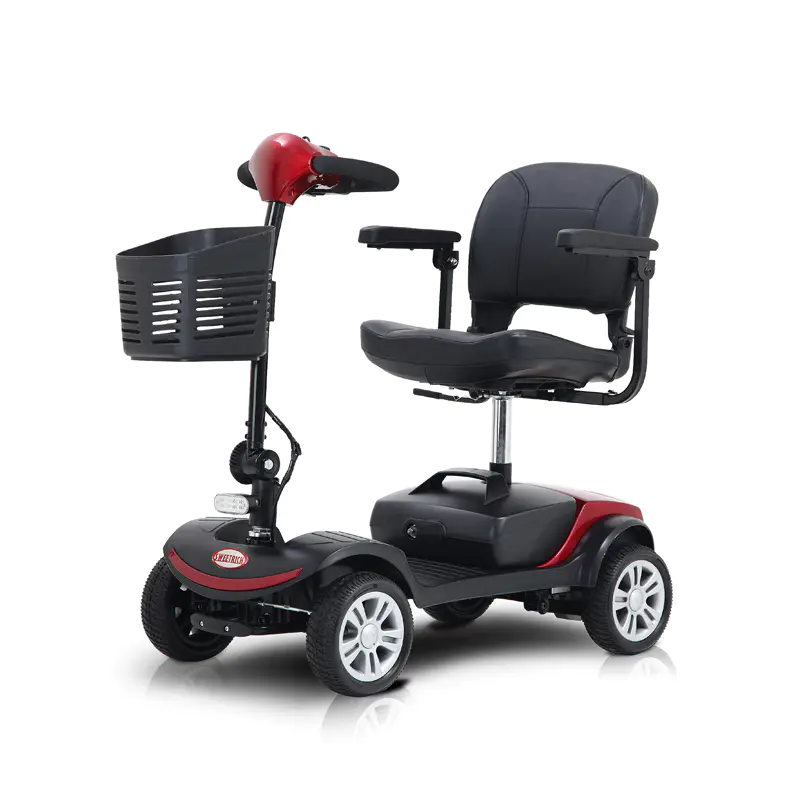
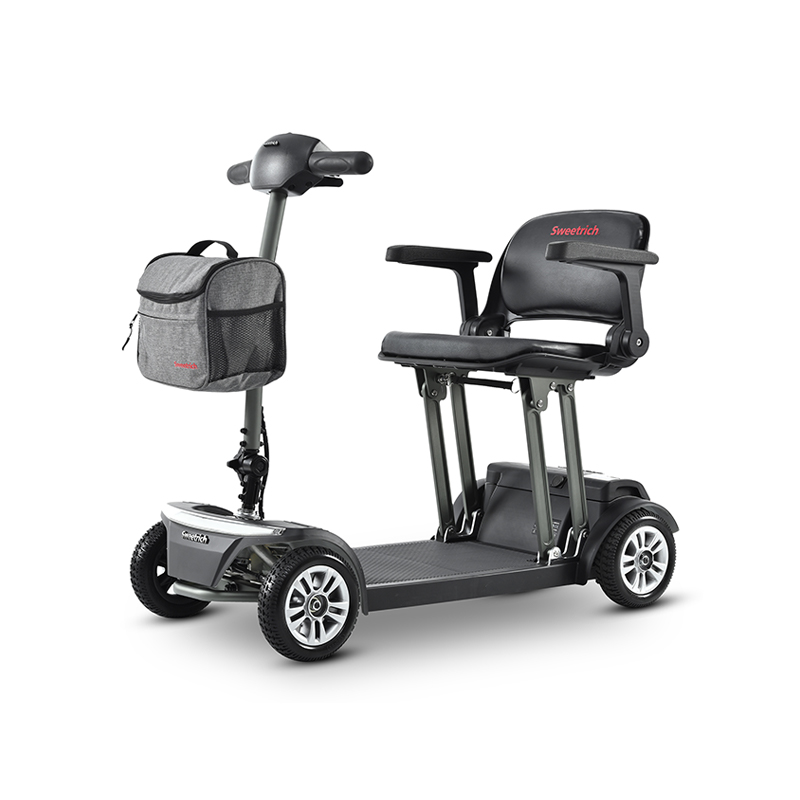
| Folding mobility scooters | Travelers and home users | Access to portability-focused demand |
| Compact three-wheel scooters | Indoor and limited-space users | Suitable for customers prioritizing maneuverability |
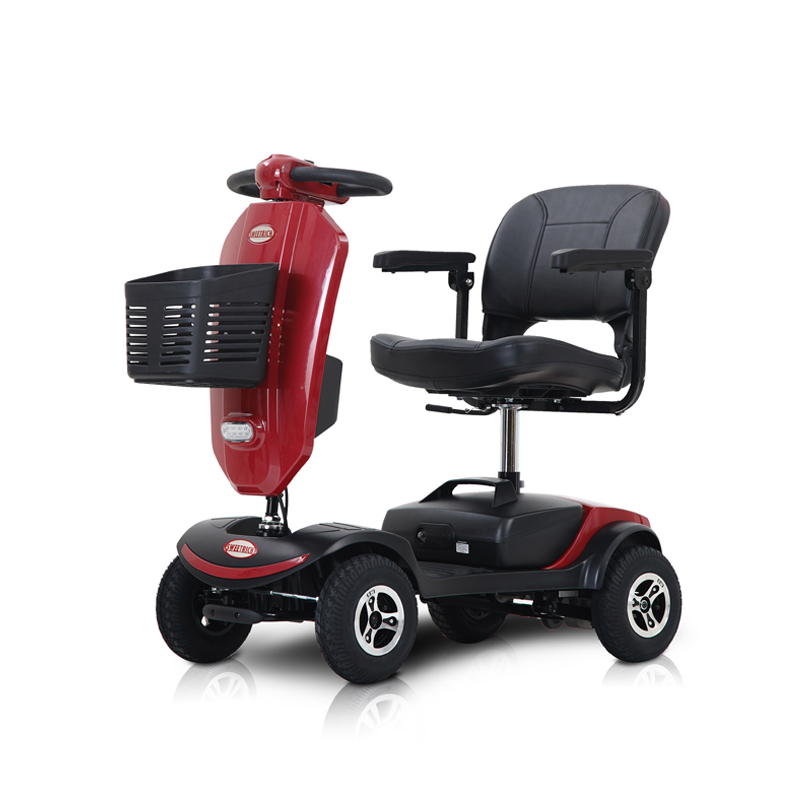
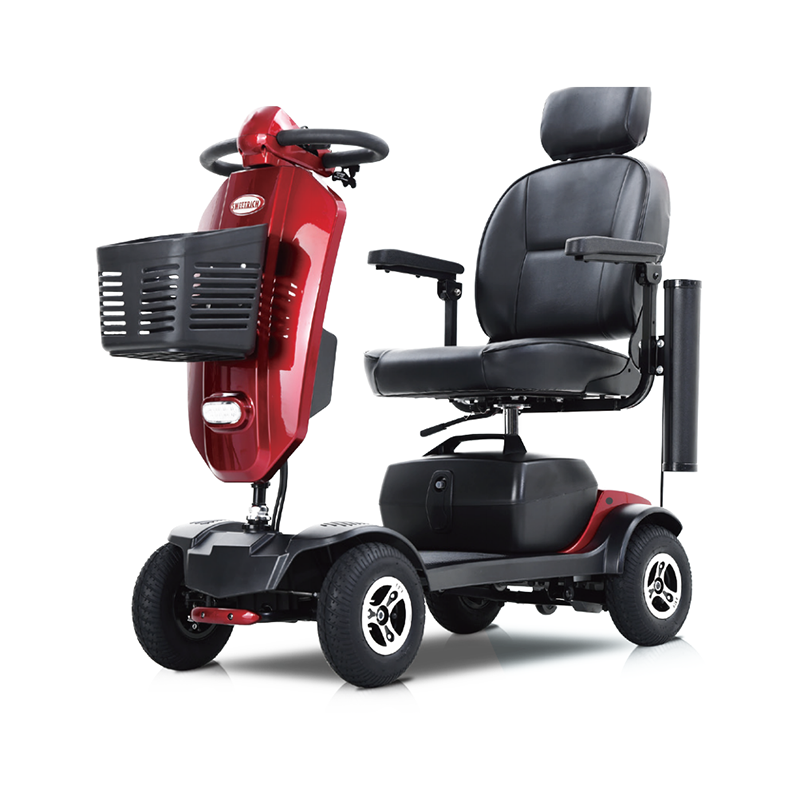
| Four-wheel mobility scooters | Users seeking additional stability | Broader everyday mobility applications |
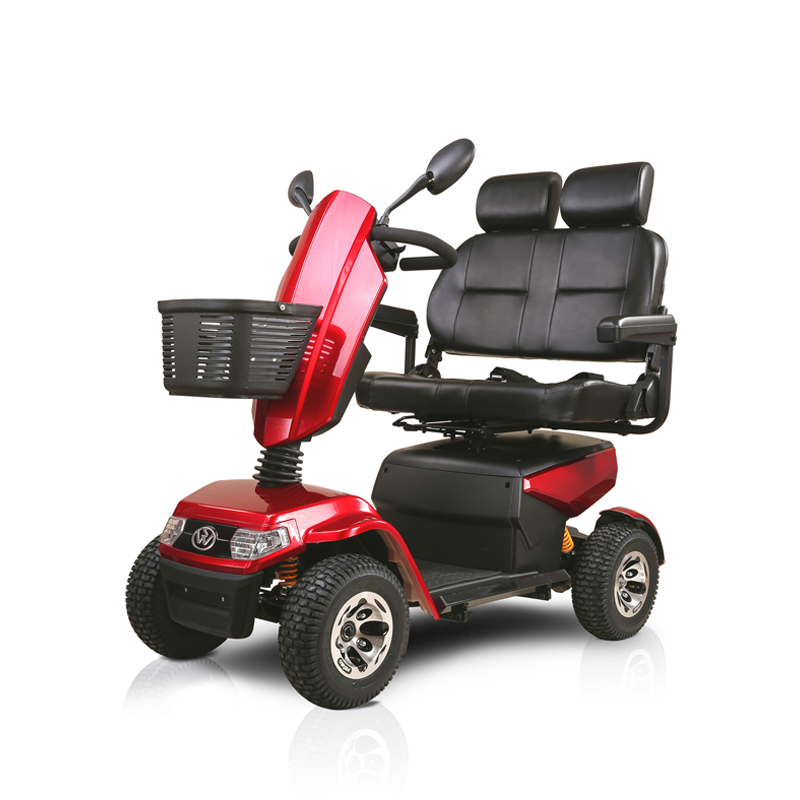
| Heavy-duty scooters | Users requiring higher load capacity | Access to specialized customer segments |
| Long-range scooters | Users covering greater distances | Differentiation through battery performance |
General classifications, not gospel. Suitability depends on the individual user, their physical abilities, where they'll ride, and what the manufacturer actually specifies.
Improve Market Competitiveness Through Product Differentiation
Distributors compete on quality, price, availability, service. Scooters offer several ways to stand out—if you pick a lane.
Lightweight folding models. Battery performance. Comfortable seating. Adjustable controls. Models built for specific environments. Any of these can be a differentiator, provided the product specs are clear enough for customers to compare.
Low prices alone won't sustain you. Reliability, warranty coverage, spare parts availability, supplier responsiveness—those influence retention more than a discount ever will.
Good demonstrations and practical guidance improve the buying experience too. Sales staff should know weight capacity, turning radius, battery range, braking systems, charging requirements. Otherwise they're just reading off a spec sheet, and customers can tell.
Strengthen B2B Sales Through Reliable Supplier Partnerships
Supplier performance is a major factor in business stability. Manufacturers need to maintain consistent quality, hit agreed order quantities, provide technical documentation. Miss any of those and the distributor absorbs the consequences.
Before bulk orders, evaluate:
- Manufacturing capacity and production Delivery cycle.
- Quality inspection procedures.
- Battery specifications and relevant safety documentation.
- OEM and private-label capabilities.
- Warranty policies and replacement parts availability.
- Export experience and shipping arrangements.
Sample testing before a large commitment is worth the effort. Inspect assembly, folding mechanisms, braking performance, battery operation, packaging quality. Catching a problem at the sample stage costs far less than catching it after 200 units arrive.
A reliable supplier relationship reduces procurement uncertainty. It also makes inventory planning easier for seasonal demand or institutional contracts.
Manage Inventory and Regulatory Requirements Carefully
Scooters involve batteries, electrical systems, load-bearing structures. Distributors need to understand requirements in their target markets—safety standards, labeling rules, battery transportation regulations.
Inventory planning needs attention too. Too many models means storage costs and slow-moving stock. Better approach: identify relevant customer segments, keep a focused range, adjust purchasing quantities based on sales data.
For lithium battery models, confirm transport documentation and testing records with manufacturers. Establish procedures for battery storage, charging, handling. Regulatory issues around lithium batteries aren't going away, and getting caught unprepared is expensive.
Turn Mobility Scooter Demand Into Sustainable Business Growth
The Benefits of a Mobility Scooter for healthcare equipment distributors come down to broader product coverage, additional sales opportunities, recurring service revenue, stronger relationships with customers and institutional buyers. But those benefits hinge on selecting suitable models and maintaining reliable supplier and service networks. Evaluate product specifications, total ownership costs, market demand, compliance requirements, after-sales support before expanding your portfolio. A focused product strategy backed by dependable manufacturing partners gives businesses a more competitive mobility equipment offering and a foundation for sustainable growth.