
 +86-(0)512-82283871
Content
- 1 The Impact of User Habits and Load on Electric Mobility Scooters
- 2 Safety Considerations and Risk Management
- 3 Innovation and Technological Advancements
- 4 Load Management and Long-Term Reliability
- 5 Energy Efficiency and Usage Habits
- 6 Environmental Adaptation and Maintenance
- 7 Integration of Safety Features
- 8 Emerging Trends and Future Directions
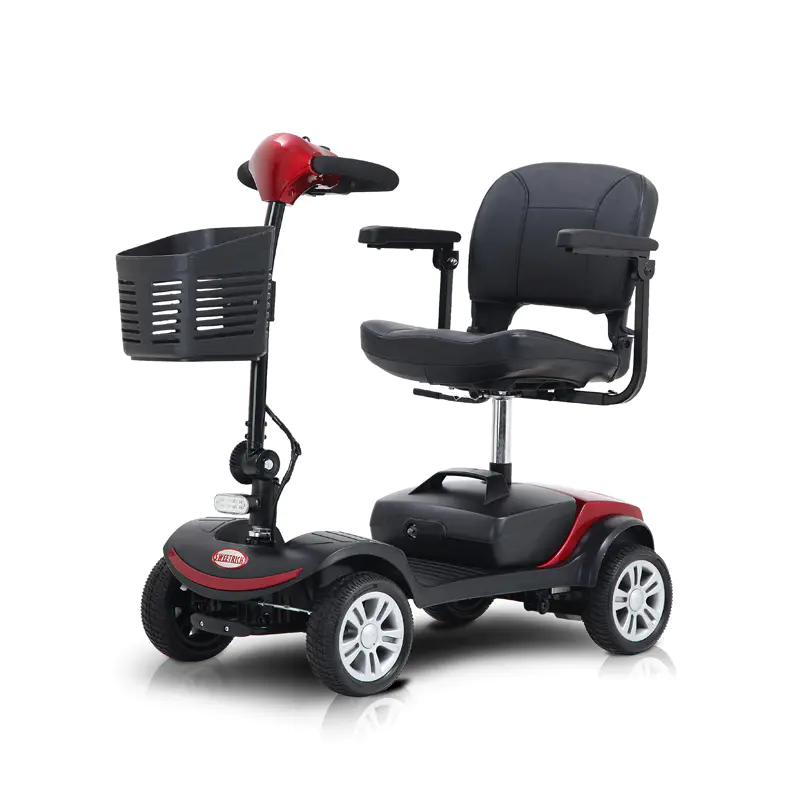
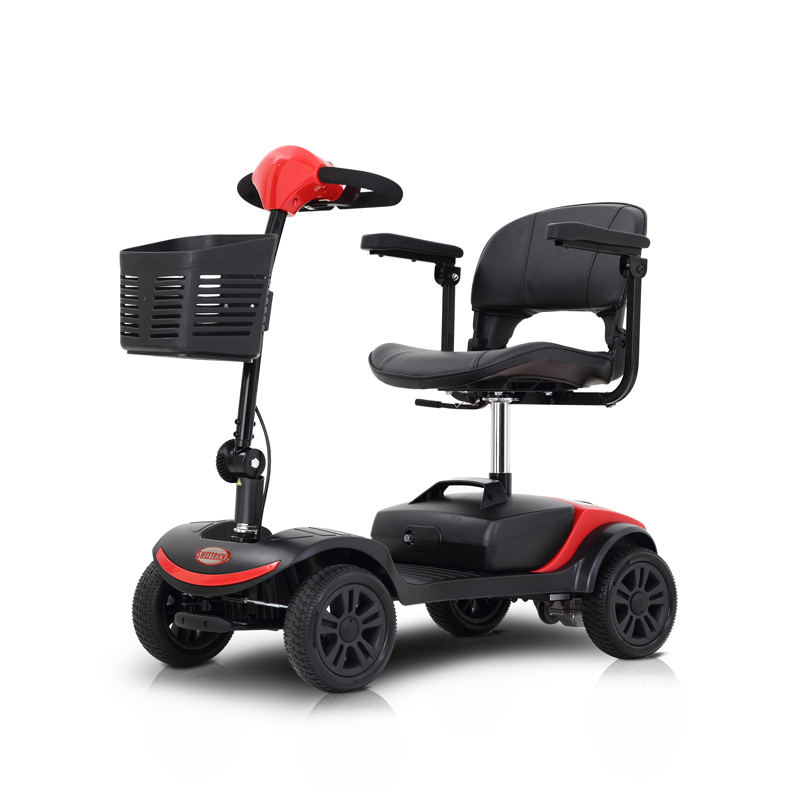
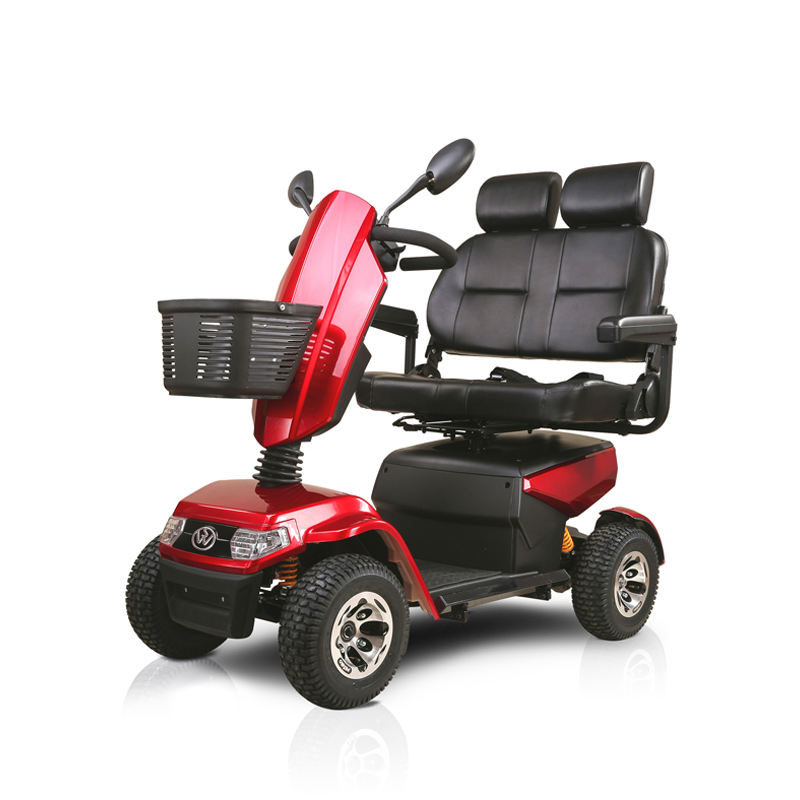
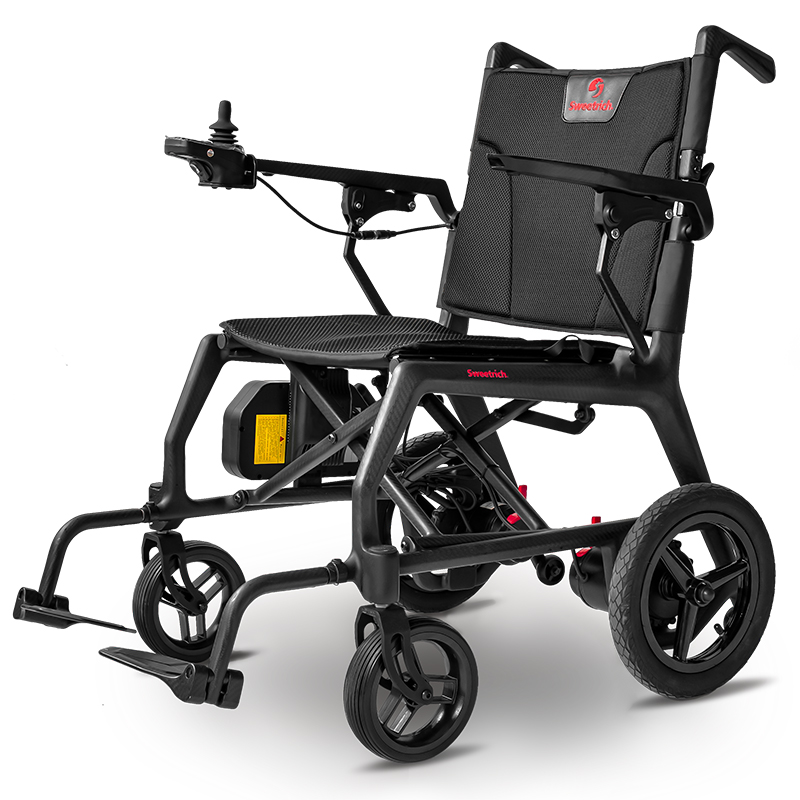
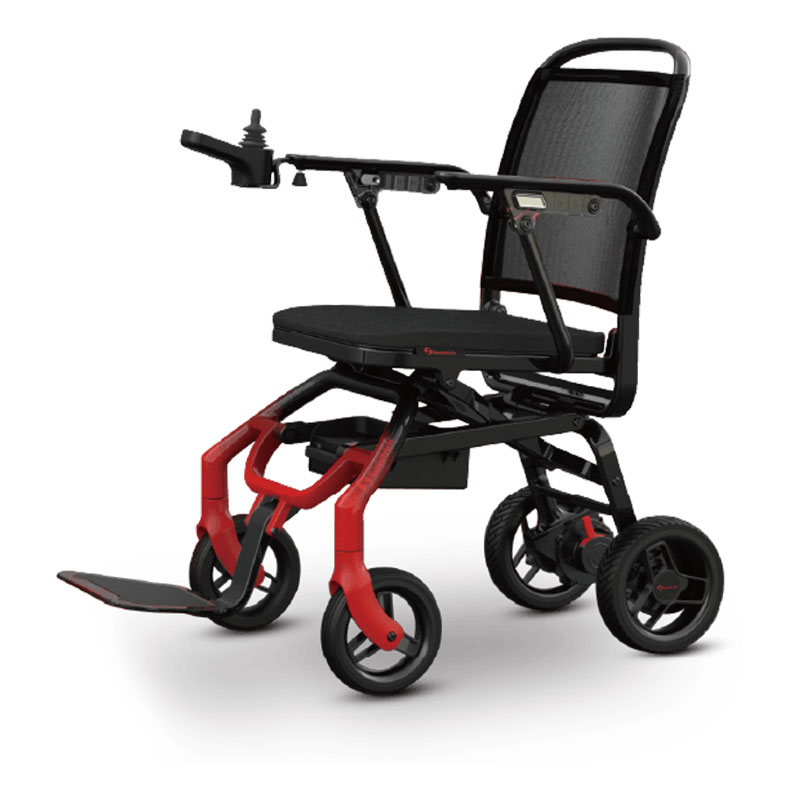
The demand for reliable personal mobility solutions is growing steadily, and manufacturers are responding with innovative designs that prioritize safety, comfort, and efficiency. A Mobility Scooter Factory plays a crucial role in producing high-quality electric scooters that meet diverse user needs, from navigating indoor spaces to handling outdoor pathways.
The Impact of User Habits and Load on Electric Mobility Scooters
Electric mobility scooters are widely recognized as tools for improving personal mobility for individuals with limited physical capacity. While the underlying technology plays a significant role in performance and reliability, user habits and load management significantly influence long-term durability. Understanding these factors can help users maximize the lifespan of their devices and maintain safe operation.
User Weight and Cargo Distribution
The weight carried by a mobility scooter, including the user and any cargo, affects the stress on structural and mechanical components. Scooters are designed with a rated load capacity to ensure operation. Exceeding this limit can to faster wear of wheels, motors, and suspension systems. Balanced weight distribution is also important. Concentrating heavy cargo on one side or placing items on unstable areas can impact stability and handling.
Acceleration and Braking Patterns
User behavior in acceleration and braking directly impacts component life. Frequent rapid starts and abrupt stops can place stress on the drive system, reduce battery efficiency, and increase wear on braking elements. Smooth, gradual operation helps maintain mechanical integrity over extended periods.
Routine Cleaning and Maintenance Habits
Environmental exposure, such as dust, dirt, and moisture, can affect moving parts and electronics. Users who maintain regular cleaning schedules, check for loose components, and monitor tire and suspension conditions help preserve scooter performance and reliability. Neglecting routine maintenance can accelerate degradation and increase the likelihood of mechanical failures.
Environmental Factors in Daily Use
Scooter operation in variable conditions such as uneven pavements, steep inclines, or wet surfaces can compound the effects of user habits and load. While scooters are designed to accommodate moderate variations, consistent operation in challenging conditions requires careful attention to weight distribution, speed control, and frequent inspection of mechanical and electronic systems.
| Aspect | Key Points |
|---|---|
| User Weight & Cargo | Overloading or uneven cargo affects wheels, motors, and stability; balanced distribution improves handling. |
| Acceleration & Braking | Frequent rapid starts/stops increase wear; smooth, gradual operation extends component life. |
| Cleaning & Maintenance | Regular cleaning, component checks, and tire/suspension monitoring preserve performance and reliability. |
| Environmental Conditions | Uneven pavements, inclines, and wet surfaces increase stress; careful weight, speed, and inspection maintain safe operation. |
Safety Considerations and Risk Management
Safety is a critical consideration for electric mobility scooters. Understanding potential risks and implementing preventive strategies ensures safe use in different settings, whether indoor, urban, or outdoor environments.
Braking and Stopping Distances
Scooters rely on electronic or mechanical braking systems to control speed and stop safely. Slopes, wet surfaces, and additional load can increase stopping distances. Users should account for terrain conditions and avoid sharp turns at high speeds. Familiarity with the braking responsiveness under different conditions enhances confidence and prevents accidents.
Terrain and Environmental Awareness
Scooters are designed for predictable terrain, including pavements, sidewalks, and indoor floors. Uneven surfaces, potholes, or loose gravel can challenge stability. Users should anticipate terrain changes and reduce speed to maintain control. Awareness of local environmental conditions, such as wet surfaces, snow, or sand, is essential for preventing slips, skidding, or tipping.
Visibility and Regulatory Compliance
Being visible to pedestrians, cyclists, and vehicles is a key factor in preventing accidents. Many scooters include lights, reflectors, or signals to enhance visibility. Understanding local regulations regarding speed limits, road usage, and pathway restrictions ensures compliance and reduces legal or safety risks. Users should also adhere to recommended safety gear, such as helmets or protective clothing, in appropriate environments.
Operator Training and Practice
Safety is improved when users receive proper guidance on controls, speed adjustment, turning radius, and emergency handling. Practicing in controlled areas before navigating crowded or complex pathways builds experience and helps avoid accidents.
Innovation and Technological Advancements
The evolution of electric mobility scooters is driven by innovations that address user comfort, performance, adaptability, and safety. Technological improvements aim to enhance daily use while maintaining reliability and sustainability.
Battery Technology Improvements
Advances in battery systems have improved energy density, charge cycles, and thermal management. Modern batteries allow for extended operating ranges and more consistent power output. Some designs integrate intelligent battery management systems that monitor voltage, temperature, and state-of-charge to prevent over-discharge or overheating, contributing to longer battery lifespan.
Smart and Connected Controls
Integration of smart controls allows users to monitor speed, battery life, and fault detection through digital displays or mobile apps. Some scooters include connected features like GPS tracking, route planning, and diagnostic alerts. These systems enable timely maintenance, predictive troubleshooting, and enhanced safety for both indoor and outdoor use.
Suspension and Ride Comfort
Innovations in suspension and chassis design improve shock absorption and stability. Adjustable suspension systems help scooters adapt to varying terrain conditions, reducing impact on users while protecting internal components. This contributes to a smoother ride and reduces stress on mechanical parts over time.
Ergonomic Design Enhancements
Attention to seating, armrests, footrests, and control placement improves accessibility and comfort. Adjustable seats and tilting steering columns accommodate users of different heights and mobility levels. Enhanced ergonomics reduces fatigue and encourages safe, consistent operation.
Urban Adaptability and Compact Design
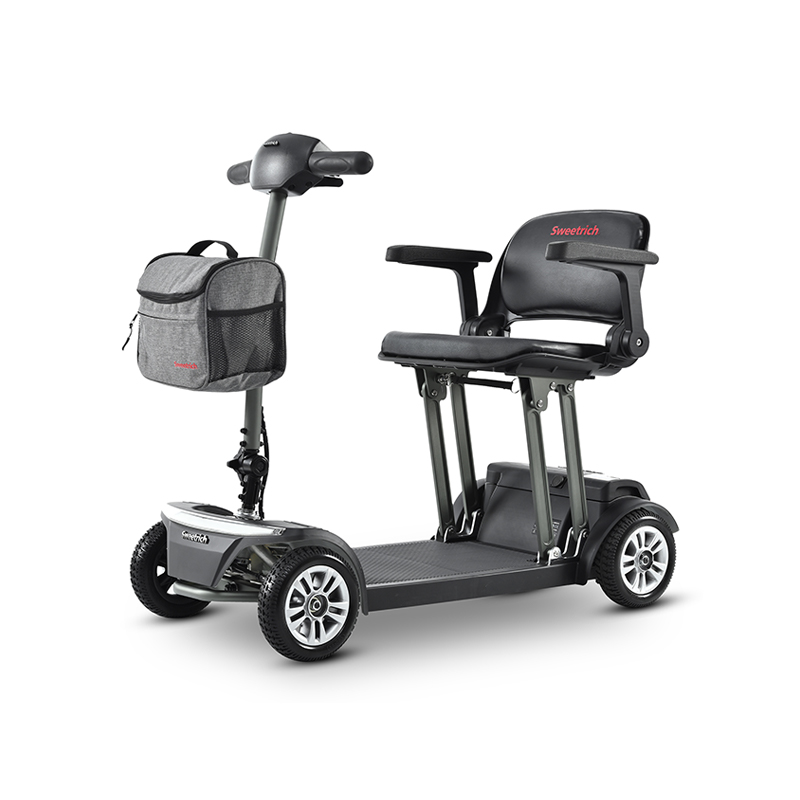
Urban mobility requires devices that can maneuver through tight spaces, public transit systems, and crowded areas. Some scooters now incorporate foldable frames, lighter materials, and modular designs that balance stability with portability. These improvements allow users to maintain independence without compromising on safety or performance.
Load Management and Long-Term Reliability
Understanding how load affects scooter performance is critical for durability. Users who adhere to weight limits and distribute cargo evenly minimize wear on motors, drive chains, and wheels. Overloading can to:
- Increased mechanical stress and reduced lifespan of motors and gear systems.
- Uneven tire wear or suspension strain, affecting handling and safety.
- Accelerated battery drain due to additional load demand, reducing operational range.
Adopting simple practices such as limiting cargo weight, using storage compartments appropriately, and regularly inspecting load-bearing components ensures consistent performance.
Energy Efficiency and Usage Habits
Electric mobility scooters are designed for efficiency, but user habits influence energy consumption. Smooth acceleration, maintaining moderate speeds, and avoiding unnecessary braking conserve battery life. Environmental conditions also play a role; for example, operation in hilly or uneven terrain demands more energy. Awareness of usage patterns and adjusting habits accordingly enhances operational efficiency and extends battery and component life.
Environmental Adaptation and Maintenance
Scooter longevity is influenced by exposure to temperature extremes, humidity, and environmental contaminants. Users who follow maintenance routines, such as cleaning debris, lubricating moving parts, and protecting electronics from moisture, help maintain reliable performance. Considerations include:
- Avoiding prolonged exposure to sunlight, which can degrade materials and batteries.
- Ensuring tires and suspension components are inspected after off-road or rough-surface use.
- Using covers or indoor storage during inclement weather to prevent corrosion and moisture ingress.
Proactive maintenance, combined with careful environmental management, reduces wear and preserves functionality over time.
| Aspect | Key Points |
|---|---|
| Temperature & Sunlight | Avoid prolonged sun exposure to prevent material and battery degradation. |
| Tires & Suspension | Inspect after rough-surface or off-road use to maintain performance. |
| Moisture Protection | Use covers or indoor storage to prevent corrosion and water damage. |
| Routine Maintenance | Clean debris and lubricate moving parts to preserve reliability over time. |
Integration of Safety Features
Modern scooters include design elements that reduce accident risk:
- Anti-tip mechanisms and stability systems enhance balance on inclines or uneven surfaces.
- Advanced braking systems with electronic modulation improve control in emergency situations.
- Alert systems notify the user of mechanical or electrical irregularities, allowing timely intervention.
These features, coupled with safe usage practices, promote confidence and reduce risks associated with daily mobility.
Emerging Trends and Future Directions
As cities become more compact and mobility needs diversify, scooters are evolving to meet urban living requirements. Future trends include:
- Improved battery energy density for longer, uninterrupted travel.
- Enhanced smart connectivity for real-time tracking and maintenance alerts.
- Lightweight materials to maintain stability while improving portability.
- Adaptive suspension and modular designs for variable terrain and storage needs.
These developments ensure scooters remain practical for both indoor and outdoor applications while supporting independence and accessibility.
By integrating ergonomic design, intelligent controls, improved battery technology, and adaptive suspension systems, these devices continue to enhance personal mobility across diverse user profiles. Sweetrich Mobility ensures that advanced mobility solutions incorporate these design principles, helping users maintain independence, safety, and convenience in their daily activities.