
 +86-(0)512-82283871
Content
- 1 How to Choose the Right Wheelchair for Your Travel Needs
- 2 Innovation in Lightweight Wheelchair Materials
- 3 Safe Operating Procedures for Everyday Wheelchair Use
- 4 Ergonomic Considerations for Comfort and Posture
- 5 Accessories and Customization for User-Specific Needs
- 6 Maintenance and Inspection Practices
- 7 Choosing Between Manual and Powered Options
Choosing the right mobility solution is essential for maintaining independence and comfort, especially for individuals with limited physical capabilities. A reliable Wholesale Wheelchair Manufacturer provides a range of options that cater to diverse travel needs, physical abilities, and daily routines. By considering factors such as lifestyle, terrain, strength, and distance traveled, users can select a wheelchair that optimizes maneuverability, safety, and overall usability.
How to Choose the Right Wheelchair for Your Travel Needs
Selecting the right wheelchair requires careful consideration of personal mobility requirements, travel routines, and overall lifestyle. Each user has unique needs, which makes the decision more than a matter of simply picking a lightweight or electric model. Factors such as the user's physical abilities, daily travel distance, and degree of independence play significant roles in determining the suitable wheelchair type.
Assessing Daily Mobility Patterns
Understanding one's typical mobility routine is essential for wheelchair selection. Users who frequently navigate long distances, uneven terrain, or crowded public spaces may require features that differ from those needed for short indoor movements. Observing the environments where the wheelchair will be used—including sidewalks, ramps, public transportation, and indoor corridors—helps identify which mobility features are necessary.
Travel patterns also affect whether a manual or powered wheelchair is preferable. Manual wheelchairs allow the user to exert physical control and promote upper body activity, but extended outdoor use or travel over rough terrain may require considerable energy. In contrast, powered wheelchairs reduce physical effort, supporting users who may have limited strength or stamina, and allow consistent mobility over longer distances.
Evaluating Physical Capabilities
The user's physical condition is a critical factor in choosing a wheelchair. Strength, endurance, and flexibility influence whether a manual model is feasible or if powered assistance is more appropriate. Individuals with full upper-body mobility may prefer a manual wheelchair for its lightweight handling and simplicity. Those with reduced strength or endurance often benefit from powered wheelchairs, which minimize physical strain while providing reliable support.
Another consideration is hand dexterity and control ability. Wheelchairs with manual propulsion require coordination for wheel handling, while powered models rely on joystick or touch controls, which can be customized for various user needs. Ensuring the control interface aligns with the user's abilities enhances safety and independence.
Daily Travel Distances and Routes
The average distance traveled in a typical day impacts both wheelchair type and accessory choices. Short distances with frequent stops may favor compact and foldable wheelchairs that allow easy maneuvering and storage. Longer distances, especially on uneven outdoor surfaces, may necessitate a sturdier frame, suspension support, or powered assistance to reduce fatigue and ensure consistent mobility.
In addition, the terrain influences wheel size, frame design, and suspension requirements. Wheelchairs intended for urban use on smooth pavements differ from those designed for parks, trails, or other outdoor settings. Understanding where the wheelchair will be predominantly used helps identify models that balance comfort, stability, and energy efficiency.
Caregiver Support and Independence
The degree of caregiver involvement is another important factor. Some users operate their wheelchair independently, while others rely on assistance for movement, transport, or storage. Wheelchairs designed for self-propulsion prioritize user-friendly handling, ergonomic design, and lightweight construction. Models intended for assisted use may include features such as push handles, brakes for caregiver control, and adjustable seating to simplify transport and comfort.
Innovation in Lightweight Wheelchair Materials
Advances in material science have significantly improved wheelchair performance, comfort, and portability. Modern wheelchairs often utilize aluminum, carbon fiber, or composite materials, which reduce overall weight without sacrificing structural integrity.
Aluminum Frames
Aluminum frames offer a combination of durability and low weight, allowing users to maneuver the wheelchair with less effort. They are corrosion-resistant, reducing maintenance needs over time. Aluminum also allows for adjustable frame designs, enabling customization for user height, posture support, and activity-specific needs.
Composite Materials
Composite materials, including carbon fiber blends, provide enhanced strength-to-weight ratios. Wheelchairs made from these materials are lightweight, yet capable of withstanding repeated stress, vibration, and uneven terrain. The reduced weight improves portability, making it easier to lift, transport, or fold for storage and travel.
Impact on Maneuverability and Durability
Lightweight materials contribute to faster acceleration, easier turns, and reduced fatigue for users, especially in manual wheelchairs. At the same time, maintaining durability requires careful engineering. Reinforced joints, cross-bracing, and impact-resistant finishes ensure that even thin frames can support consistent use without compromising safety.
Accessories such as reinforced wheels, shock-absorbing components, and durable seat cushions complement lightweight frames, maintaining comfort and long-term reliability even under frequent use or moderate outdoor conditions.
| Material Type | Key Benefits | Impact on Wheelchair Performance | Maintenance & Durability Notes |
|---|---|---|---|
| Aluminum Frames | Lightweight, corrosion-resistant, adjustable | Easier maneuvering, reduced fatigue, customizable fit | Low maintenance, durable with proper use |
| Composite Materials | High strength-to-weight ratio, vibration-resistant | Portable, easier transport, resilient on uneven terrain | Reinforced joints and finishes ensure long-term reliability |
| Accessories | Shock absorption, reinforced wheels, seat cushions | Enhances comfort, supports durability | Complements lightweight frames for consistent performance |
Safe Operating Procedures for Everyday Wheelchair Use
Regardless of wheelchair type, safety is a central concern. Proper use minimizes the risk of accidents, extends the life of the device, and preserves user confidence. Safety considerations include braking, anti-tipping measures, navigating ramps, and safe transfers in various settings.
Braking Systems and Anti-Tipping Devices
Effective braking mechanisms prevent unintentional movement on slopes or during transfers. Both manual and powered wheelchairs include braking systems that should be tested and adjusted regularly. Anti-tipping devices or extended wheelbases provide additional stability, reducing the risk of falls when navigating inclines, curbs, or uneven surfaces.
Ramps are common in public spaces and residential areas. Users should approach ramps straight on, maintain controlled speeds, and ensure proper weight distribution to prevent tipping. For powered wheelchairs, gradual acceleration and deceleration on slopes prevent sudden movements that could destabilize the user.
Safe Transfers
Transferring between a wheelchair and a bed, car, or chair requires attention to posture, balance, and positioning. Using armrests, seat belts, or transfer boards can assist in safe movement. When a caregiver assists, coordination and communication are essential to prevent strain or injury for either party.
Awareness in Crowded or Dynamic Environments
Navigating crowded areas demands attentiveness to surroundings, pedestrian flow, and environmental obstacles. Users should maintain a clear line of sight, use mirrors or sensors where available, and keep both hands on controls when possible. Protective accessories such as reflective markings, lights, or flags enhance visibility in busy or low-light conditions.
Ergonomic Considerations for Comfort and Posture
Long-term wheelchair use can affect posture, circulation, and overall comfort. Adjustable seating angles, supportive cushions, and footplate positioning help distribute weight evenly and prevent pressure points. Customized armrests, headrests, and lumbar supports provide stability during prolonged use.
Cushion materials vary, from foam-based pads to gel or air-infused options, each offering different levels of pressure relief and comfort. Selecting the appropriate cushion depends on the user's body weight, duration of use, and potential for skin sensitivity or pressure sores.
Accessories and Customization for User-Specific Needs
Beyond basic wheelchair features, customization enhances the user experience and expands functionality.
- Storage Solutions: Backpacks, pouches, and under-seat compartments allow users to carry personal items conveniently.
- Environmental Protection: Rain covers, sunshades, and thermal blankets protect users and equipment during outdoor use.
- Activity-Specific Enhancements: Sports or travel wheelchairs may include specialized wheel types, folding mechanisms, or reinforced frames to support unique activities.
- Control Customization: Adjustable joystick sensitivity, alternative switch controls, or electronic aids allow precise handling tailored to individual needs.
Careful consideration of these accessories ensures that the wheelchair supports both mobility and independence across different daily tasks.
Maintenance and Inspection Practices
Routine maintenance preserves functionality and ensures safety. Key practices include:
- Tire and Wheel Checks: Inspect for wear, alignment, and proper inflation where applicable.
- Frame and Joint Inspection: Look for cracks, loose bolts, or corrosion.
- Brake Testing: Ensure braking systems respond consistently and are adjusted as needed.
- Battery Maintenance for Powered Wheelchairs: Regular charging, cleaning of terminals, and monitoring performance extend battery life.
- Cleaning and Environmental Care: Wipe down frames, avoid exposure to moisture, and store in dry conditions.
Regular maintenance routines reduce the risk of mechanical failures and ensure smooth operation for daily use.
| Maintenance Area | Key Actions | Purpose |
|---|---|---|
| Tires and Wheels | Inspect wear, alignment, and inflation | Ensure smooth mobility and safety |
| Frame and Joints | Check for cracks, loose bolts, corrosion | Maintain structural integrity |
| Brakes | Test responsiveness and adjust as needed | Ensure reliable stopping power |
| Battery (Powered Wheelchairs) | Charge regularly, clean terminals, monitor performance | Extend battery life and maintain efficiency |
| Cleaning & Environmental Care | Wipe frames, avoid moisture, store dry | Prevent corrosion and preserve wheelchair longevity |
Choosing Between Manual and Powered Options
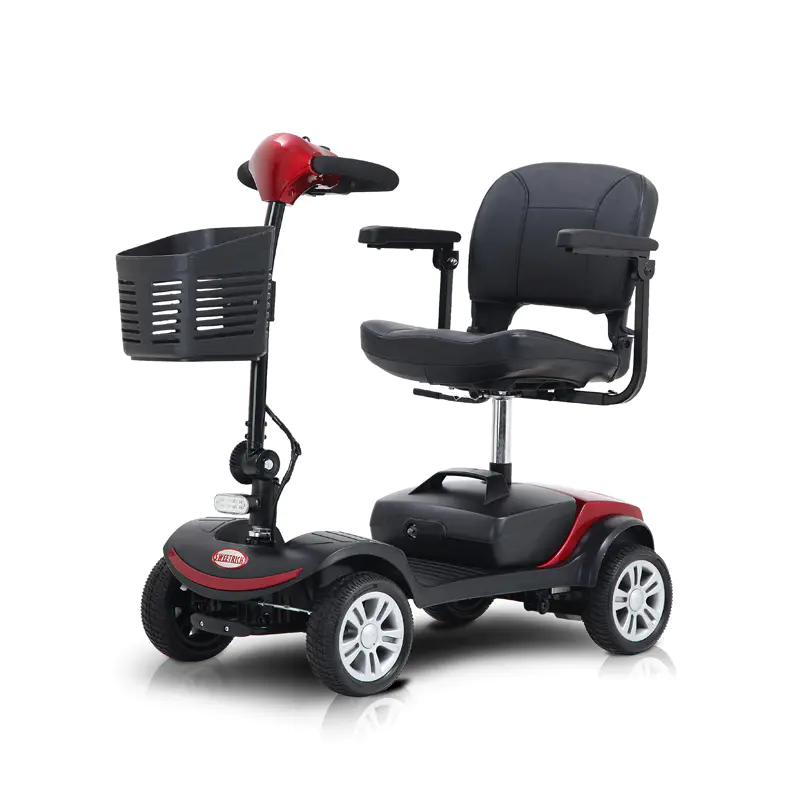
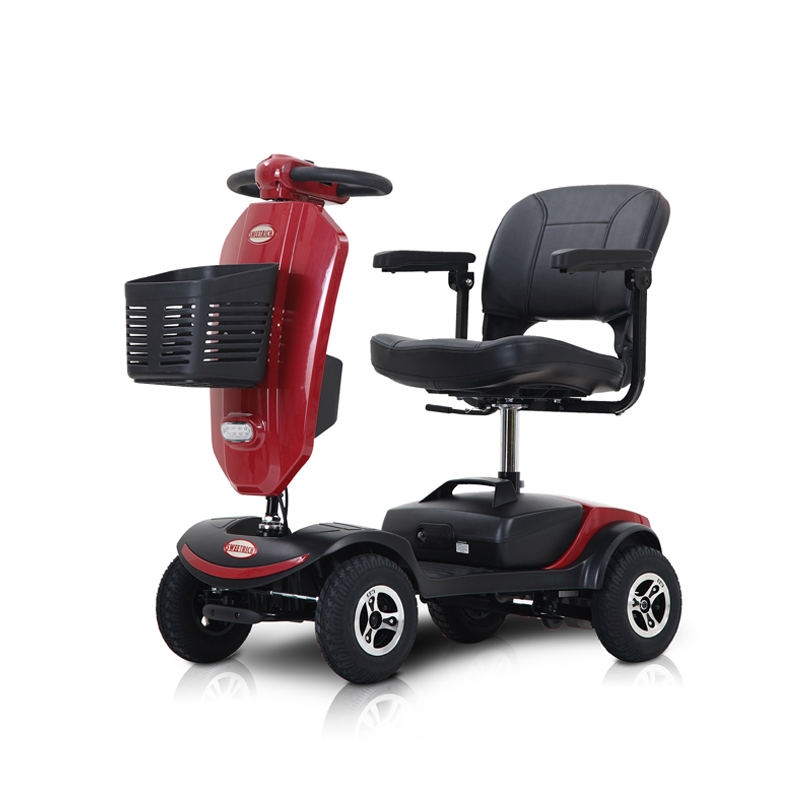
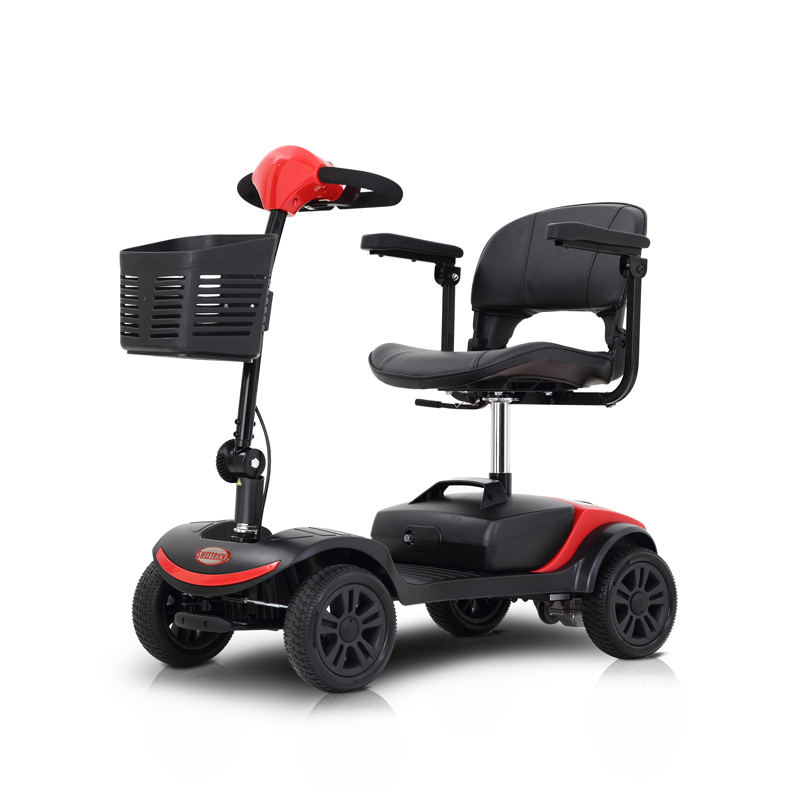
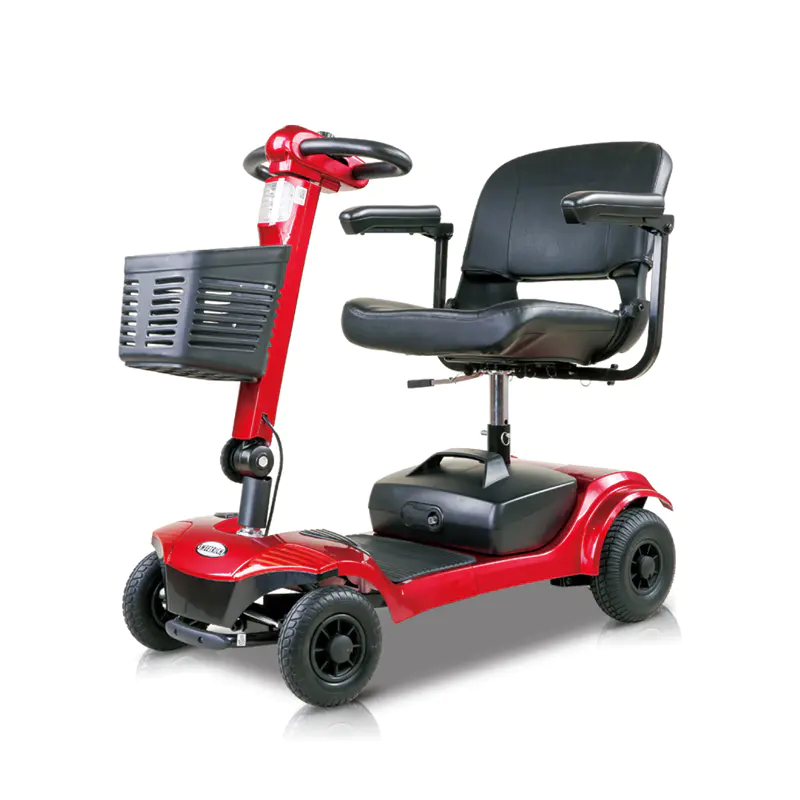
While manual wheelchairs emphasize physical engagement and portability, powered models support users who require additional assistance, particularly over longer distances or uneven terrain. Understanding the user's lifestyle, strength, and independence needs helps determine the choice.
Key considerations include:
- Physical strength and endurance for manual propulsion
- Distance and terrain requirements
- Indoor vs. outdoor use and storage needs
- Need for caregiver support during travel or transport
- Desired level of customization and accessory integration
These considerations guide both users and caregivers in selecting a wheelchair that aligns with daily routines and long-term mobility goals.
Users can customize seating, add functional accessories, and follow practices to ensure reliability and comfort in daily use. For individuals and caregivers seeking dependable solutions, Sweetrich Mobility offers a comprehensive range of wheelchairs designed to support independent lifestyles, provide ergonomic comfort, and meet varying mobility requirements with quality and consistency.