
 +86-(0)512-82283871
Content
- 1 What Makes Up an Electric Wheelchair
- 2 Moving Around Inside the Home
- 3 Handling Outdoor Terrain and Conditions
- 4 Features That Bridge Indoor and Outdoor Use
- 5 Effects on Health and Daily Outlook
- 6 Keeping the Chair in Good Shape
- 7 Getting Comfortable with the Chair
- 8 Fitting into Wider Surroundings
- 9 Examples from Everyday Routines
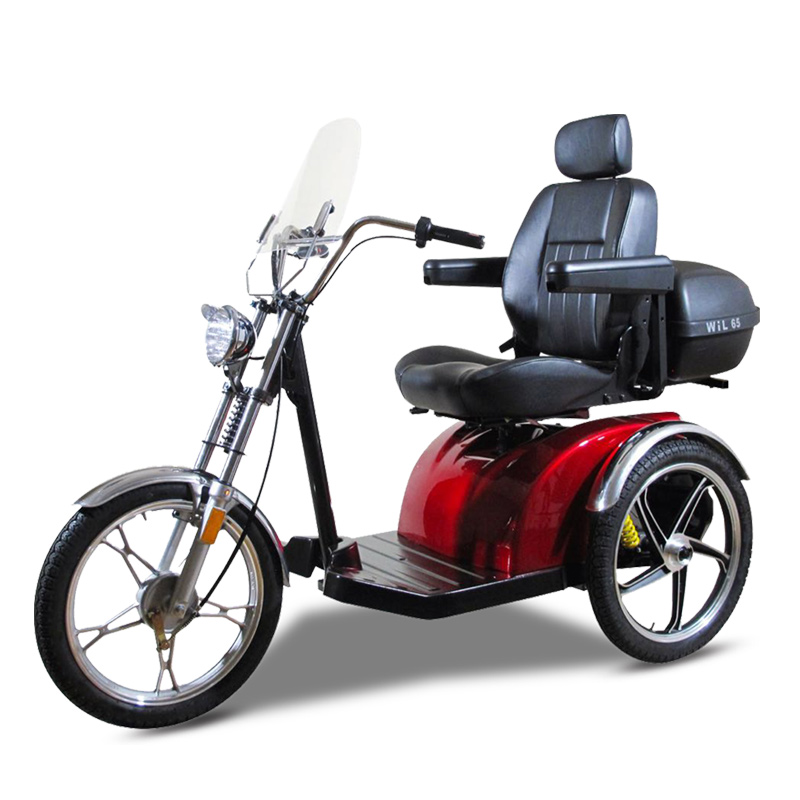
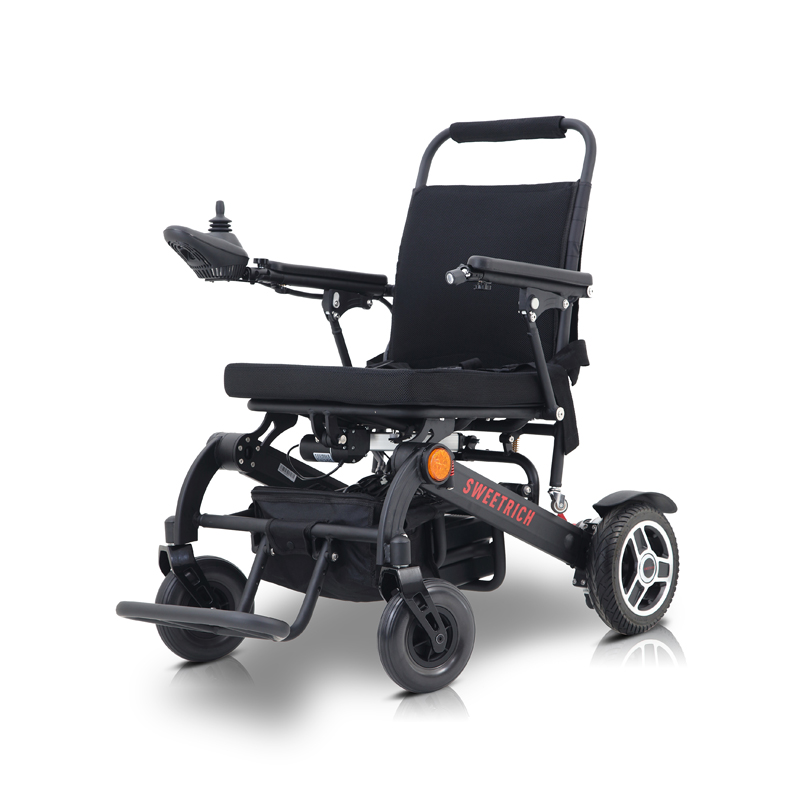
Electric wheelchairs have changed the way many people handle everyday movement. They run on batteries that power motors to drive the wheels, giving users a way to get around without pushing themselves manually. This setup helps individuals who deal with limited strength, pain when moving, or balance issues. From getting through a busy home to heading out for errands or fresh air, these chairs provide practical assistance that fits into real routines—especially when sourced from a reliable Sweetrich Wholesale Wheelchair Manufacturer.
What Makes Up an Electric Wheelchair
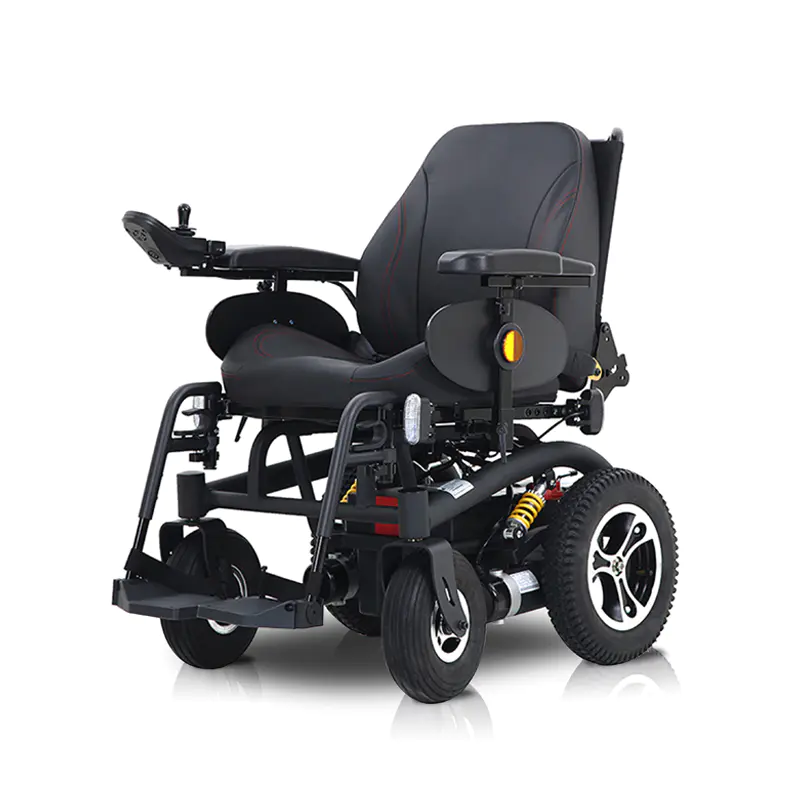
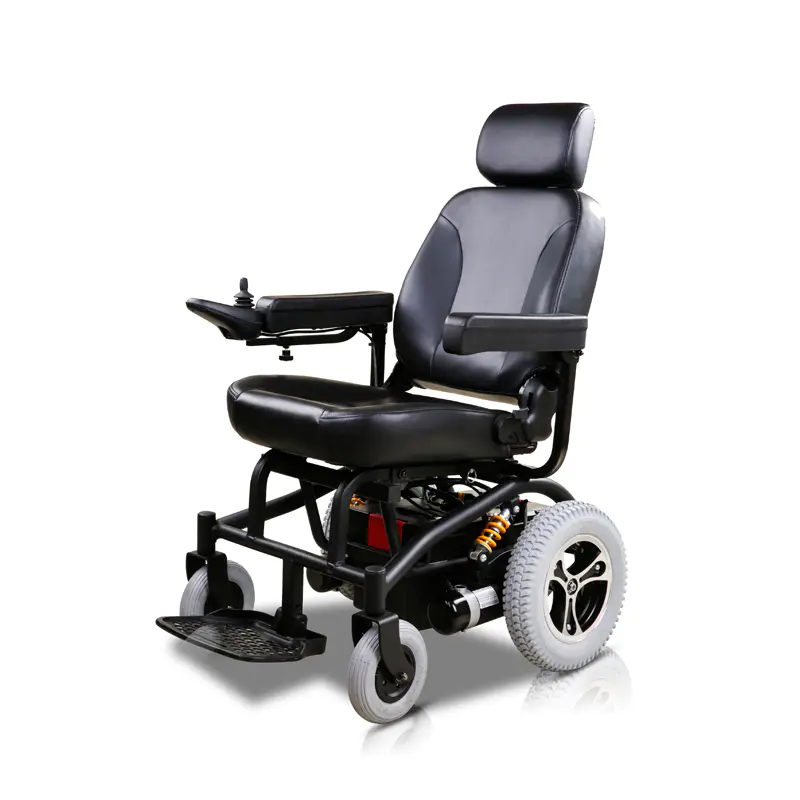
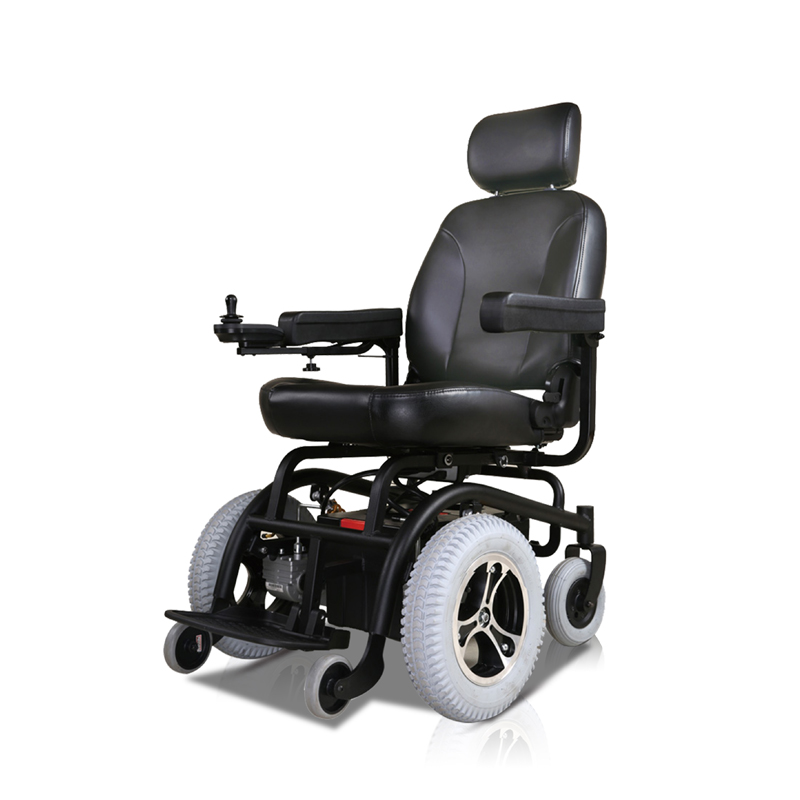
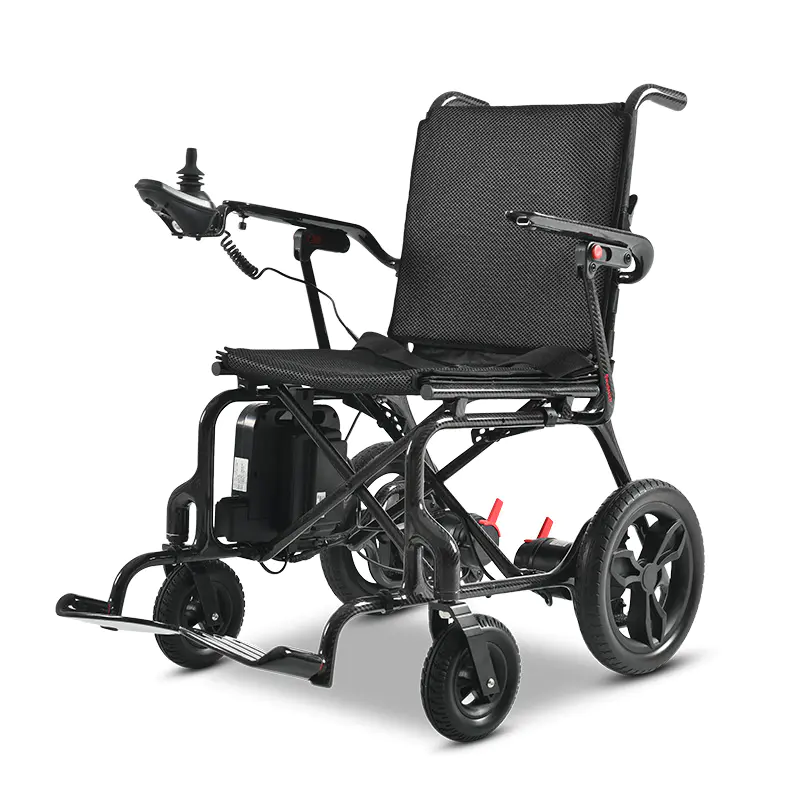
An electric wheelchair starts with a solid base frame that holds everything together. The seat is built for support during long periods of sitting, often with padding and backrests that adjust. Wheels vary in size and placement—some configurations put larger wheels at the back for straight-line steadiness, others in the middle for easier spinning in place.
The power comes from rechargeable batteries tucked under the seat or along the frame. Motors connect directly to the wheels, responding to input from a control box usually mounted on an armrest. A joystick serves as the main way to steer: push forward to go, pull back to reverse, and tilt side to side for turns. Speed settings let users dial things down for careful indoor moves or up for covering ground outside.
Braking happens automatically when the joystick returns to center, and many chairs include extra safeguards against tipping on uneven surfaces. The whole system runs quietly, so it does not draw unwanted attention in public or disturb others at home.
Compared to manual chairs, the electric version takes over the hard work of propulsion. Users save energy for other tasks and avoid strain on shoulders or arms. Charging is straightforward—plug in overnight, and the chair is ready for the next day.
Moving Around Inside the Home
Homes present plenty of tight spots: narrow doorways, furniture arrangements, and turns between rooms. Electric wheelchairs handle these with frames that keep overall width manageable and turning circles small enough to fit through standard openings.
In the kitchen, users roll right up to counters or tables. Reaching appliances, sinks, or cabinets becomes possible without standing or stretching awkwardly. Preparing a meal, washing dishes, or simply making coffee turns into something done independently.
Bathrooms often have grab bars and open layouts in accessible designs. The chair positions steadily beside fixtures, making personal care routines safer and more private. Holding still while transferring reduces the chance of slips.
Living areas let people join family activities. Rolling over to a couch for conversation or parking near a television keeps everyone included. A small tray attached to the armrests can hold a drink, book, or remote, leaving hands free for the joystick.
Bedrooms benefit from easy approach to closets, dressers, or the bed itself. Getting ready in the morning or settling in at night happens without calling for help each time. In homes with multiple levels, the chair pairs with stair lifts or stays on one floor while elevators handle the rest.
| Room/Area | Challenges | Electric Wheelchair Benefits |
|---|---|---|
| General Indoor | Narrow doorways, furniture, tight turns | Manageable width and small turning radius |
| Kitchen | Reaching counters, appliances, sinks | Direct roll-up access for independent meal prep |
| Bathroom | Positioning near fixtures, transfers | Steady hold, safer and more private routines |
| Living Areas | Joining family activities, reaching seating | Easy positioning; trays for items while operating |
| Bedroom | Access to closets, dressers, bed | Independent morning/evening routines |
| Multi-Level Homes | Moving between floors | Compatible with stair lifts or single-floor use |
Households with kids or pets stay lively. The ability to stop quickly and move slowly prevents accidents amid sudden dashes across the floor. Quiet operation means the chair blends into background activity rather than announcing every move.
Offices or home workspaces gain from the same indoor advantages. Rolling between desk, printer, and filing cabinets keeps workflow smooth. Meetings in conference rooms or shared spaces become reachable without extra planning.
Public buildings like libraries, clinics, or community centers usually feature wide aisles and ramps. Users cover distances comfortably, browse shelves, or wait for appointments without tiring out early.
Handling Outdoor Terrain and Conditions
Stepping outside brings new factors: sidewalks with cracks, slopes to entrances, gravel paths, or grassy areas. Electric wheelchairs meet these with wheels that grip well and motors strong enough to manage gradual hills.
Neighborhood walks become regular options. Users head to mailboxes, visit nearby houses, or simply circle the block for exercise and fresh air. Traction holds on pavement or packed dirt, keeping movement steady.
Local errands—picking up groceries, dropping off mail, or stopping at a pharmacy—fit into the day more easily. The chair carries bags on hooks or baskets designed for the purpose. Covering a few blocks no longer requires advance arrangements with others.
Parks offer benches, walking paths, and open spaces. Rolling along paved trails or stopping to watch birds provides relaxation. On grass for picnics or events, the chair maintains balance without sinking too deeply.
Public transportation opens farther destinations. Many buses and trains have ramps and securement areas. The chair locks in place for the ride, then rolls off at the stop. For personal vehicles, some chairs break down into pieces that lift into a trunk or back seat.
Weather plays a role, but light rain or wind does not stop everything. Covers protect controls and seating, while users add jackets or blankets as needed. On clearer days, longer outings become appealing.
Community gatherings, markets, or outdoor concerts turn accessible. Navigating crowds slowly and stopping where needed keeps users part of the scene. Lights or reflective strips help visibility when daylight fades.
Sidewalk curbs with cutouts allow smooth transitions from street to path. The motor assists over small lips or bumps that would otherwise block progress.
Features That Bridge Indoor and Outdoor Use
Electric wheelchairs include several thoughtful details that make it simple to go from being inside the house to spending time outdoors. The batteries strike a good balance—they hold enough charge to get through a full day of mixed activities without making the chair too heavy to maneuver. The joystick and speed controls can be tweaked so that the chair reacts gently and slowly when weaving around furniture inside, yet picks up pace easily for longer stretches on sidewalks or paths. Many models let users save a couple of favorite settings, so switching between indoor caution and outdoor freedom takes just a button press. Seats are shaped to spread weight evenly and encourage a comfortable sitting position even after hours of use, while footrests and armrests shift up or down to fit thicker clothes on chilly days or to make room for legs that swell a bit. Useful extras like sturdy cup holders, secure mounts for personal items, or quick-attach rain covers turn the chair into something that truly fits daily needs. Some chairs have simple alerts for objects close by or for steeper slopes, giving an extra layer of awareness without complicating things. Charging becomes routine when the plug-in spot is placed somewhere convenient, whether beside the bed, in a garage corner, or under a covered entryway.
| Feature | Description | Benefit for Indoor/Outdoor Use |
|---|---|---|
| Batteries | Balanced capacity and weight for full-day use | Reliable power without compromising maneuverability |
| Joystick & Speed Controls | Adjustable sensitivity; savable preset settings | Gentle for tight indoor spaces; faster for outdoor paths |
| Seating & Supports | Pressure-relieving design; adjustable footrests and armrests | Comfort over long periods; adapts to clothing or swelling |
| Accessories | Cup holders, item mounts, quick-attach rain covers | Enhances practicality and weather protection |
| Safety Alerts | Obstacle detection and slope warnings | Added awareness in varied environments |
| Charging Convenience | Flexible plug-in locations (bedside, garage, entryway) | Easy integration into daily routines |
Effects on Health and Daily Outlook
By taking over the work of moving around, electric wheelchairs spare arms, shoulders, and back from constant strain. That saved effort helps keep pain in check and makes it easier to handle ongoing physical challenges. Being able to head out for errands, visits, or fresh air on one's own schedule builds quiet confidence—small tasks completed without waiting for help add up to a stronger feeling of control over the day. Relationships stay lively because dropping by a neighbor, sharing a meal with family, or joining a local event no longer requires elaborate planning. Time spent outside, even in short bursts, brings natural light, changing views, and the satisfaction of getting places independently, all of which tend to brighten mood. Caregivers and family members find their role shifts toward conversation and shared moments rather than physical lifting or pushing. With the mechanics of travel handled, people often find extra energy for gentle stretches, favorite pastimes, or whatever small activities bring enjoyment.
Keeping the Chair in Good Shape
A little regular attention goes a long way toward keeping an electric wheelchair reliable. Checking the charge level each night avoids surprises the next day, and a quick wipe-down clears away dust or grit picked up outside. Tires stay effective when pressure is right and tread wear is noticed early. Bringing the chair in for a thorough check once or twice a year lets technicians look over motors, wiring, and brakes before small issues grow. Keeping it out of intense heat or freezing cold helps the battery stay strong, and a simple cover protects against dampness or dirt when it has to sit outside for a while. Everyday habits—parking on level ground, not overloading baskets, and keeping the controls dry—quietly add years to the chair's useful life.
Getting Comfortable with the Chair
Most people start learning in a wide-open room where mistakes don't matter. Practicing basic forward, backward, and turning motions helps the hand grow familiar with the joystick. Once that feels natural, narrower hallways and real doorways add realistic challenge. Outdoor practice usually begins on a flat driveway or quiet street, giving time to feel how the chair handles slight bumps or gentle inclines. Small adjustments—raising or lowering the seat, shifting armrest angle, or changing joystick position—come from trying things out and seeing what feels right for one's own body. Guidance from an occupational therapist or tips from other users often speed things up, especially for tricks like approaching curbs or making tight turns. With steady practice, the chair stops feeling like equipment and starts feeling like a natural way to move.
Fitting into Wider Surroundings
Modern buildings with ramps, wide automatic doors, and reliable elevators work hand-in-hand with electric wheelchairs, turning what could be obstacles into ordinary passages. Communities that maintain smooth sidewalks and add curb cuts make neighborhood travel noticeably easier. The rechargeable setup fits neatly into everyday energy habits—no gas stops, no exhaust. When drivers and pedestrians simply give a bit of room and offer help only when it’s clearly wanted, shared spaces feel safer and more welcoming for everyone.
Examples from Everyday Routines
A typical morning often begins with rolling from the bedroom to the bathroom for washing up, then on to the kitchen to make breakfast or pour coffee. Once that’s done, stepping outside to pick up the paper or water a few plants fits naturally into the flow. For someone heading to work, the chair carries them through office hallways to a desk or meeting room, with a midday break perhaps including a short roll to a nearby café. Students glide between lecture halls, the cafeteria, and library tables, keeping study groups and campus events within easy reach. Family visits blend indoor conversation with a leisurely walk around the block or watching kids play in the yard. Shopping means navigating store aisles, filling attached bags, and loading purchases into a car without hurry. Doctor visits involve getting to the clinic, moving through waiting areas, and parking the chair securely during the appointment. Personal interests stay alive—reading in a favorite corner inside or pausing to notice neighborhood details outside. Evenings settle into watching a show, chatting, or simply relaxing, all from a comfortable spot. These ordinary patterns show how the chair supports varied lives while staying quietly in the background.
Electric wheelchairs deliver reliable support for navigating homes, neighborhoods, and beyond, turning everyday challenges into manageable routines filled with independence and ease.
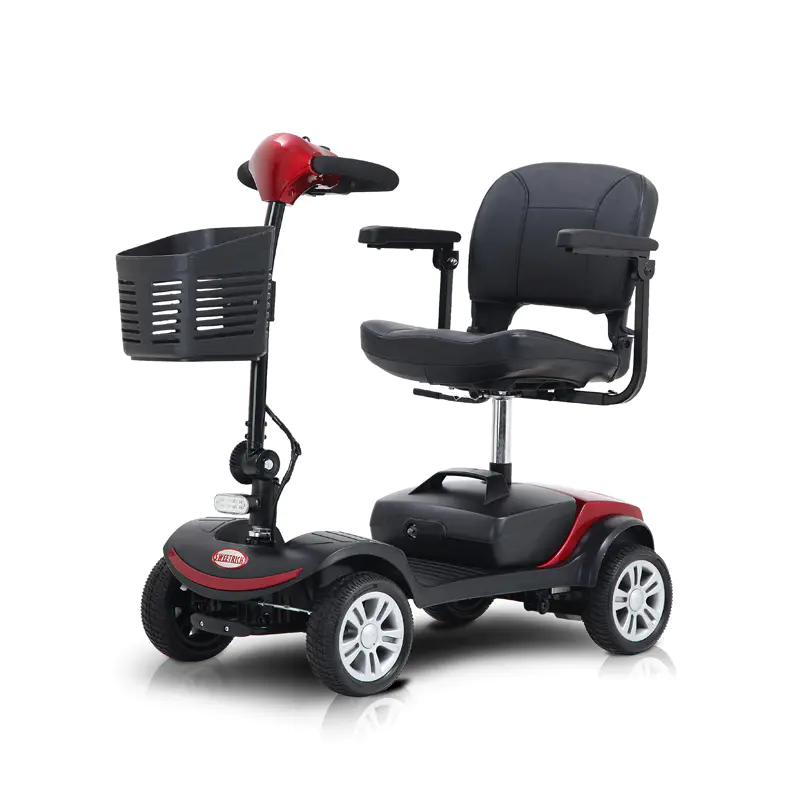
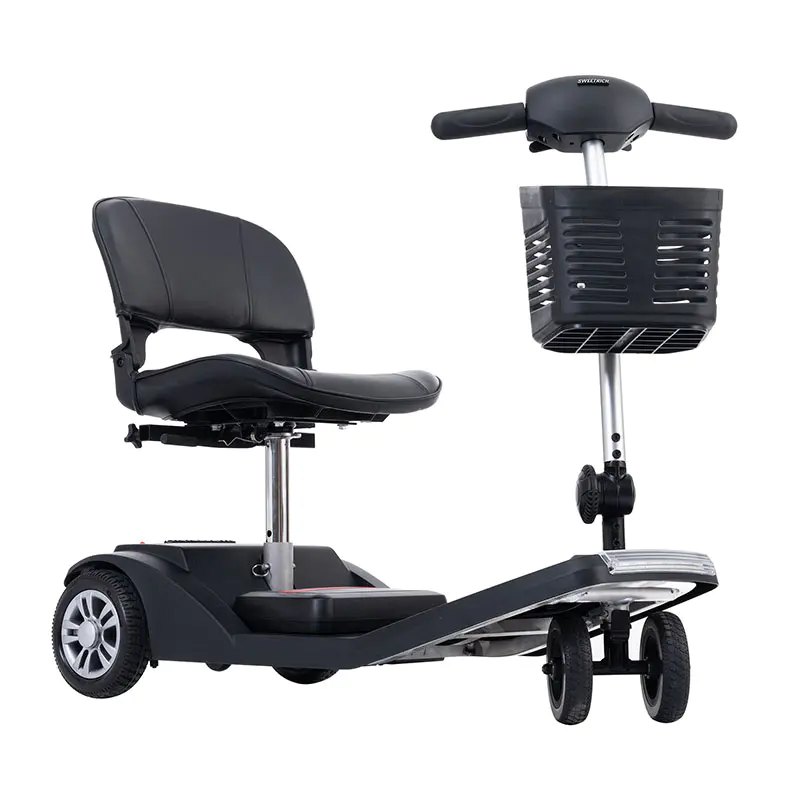
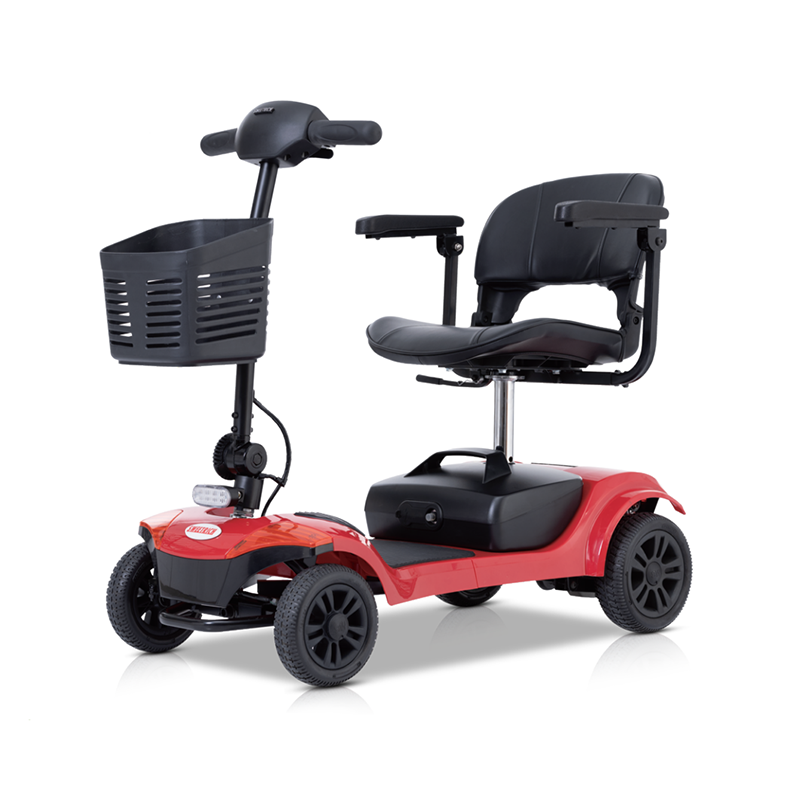
For those seeking a brand that combines thoughtful engineering with a focus on user comfort and portability, Sweetrich stands out as a strong choice. With years of experience in crafting lightweight, folding models that handle both indoor tight spaces and outdoor paths smoothly, Sweetrich offers options designed to enhance daily mobility while prioritizing durability and practical features.