
 +86-(0)512-82283871
Content
- 1 Understanding Why Preventive Care Matters
- 2 Daily Pre-Use Inspection and Basic Care
- 3 Weekly Cleaning and Light Lubrication
- 4 Battery Care and Thoughtful Charging Practices
- 5 Wheel, Tire, and Drive-System Attention
- 6 Protecting Electronics and Control Components
- 7 Frame and Structural Integrity Checks
- 8 Seating and Positioning Systems
- 9 Seasonal and Environmental Adjustments
- 10 Professional Service Intervals
- 11 Habits That Shorten Service Life
- 12 Creating and Sustaining a Practical Routine
- 13 The Cumulative Value of Regular Attention
- 14 Sweetrich Electric Wheelchair
Electric wheelchairs deliver essential mobility and independence in homes, workplaces, community facilities, shopping areas, parks, and many outdoor settings. As a Wholesale Wheelchair Manufacturer, we understand that when users follow consistent, practical care routines, these devices can remain reliable, comfortable, and safe for a significantly longer period. Regular attention slows natural wear, allows early identification of small issues, lowers the frequency of repairs, and helps maintain steady performance day after day.
Understanding Why Preventive Care Matters
An electric wheelchair is a coordinated system of mechanical, electrical, and structural parts that work together every time the device is used. The battery provides stored energy, motors generate movement, wheels and casters manage surface contact, electronic controls process user commands, the frame carries the combined weight of user and equipment, and seating components maintain posture while distributing pressure. Each of these elements experiences ongoing stress from body mass, surface changes, vibration, weather conditions, and repeated use cycles.
Dust, moisture, small debris, loose fasteners, uneven wear on tires, minor corrosion, and gradual fatigue in components accumulate slowly when left unaddressed. Preventive care focuses on noticing these subtle changes before they develop into larger difficulties. It reduces friction in moving parts, protects electrical connections, preserves battery capacity, and decreases the chance of sudden breakdowns or safety concerns.
When users consistently apply these routines, the result is usually smoother operation, more predictable power delivery, longer intervals between professional service visits, and fewer disruptions to daily activities. Over years of use, the difference becomes clear in both reliability and user confidence.
Daily Pre-Use Inspection and Basic Care
A short, systematic check at the beginning of each day helps catch problems early. Start by examining all tires and casters. Look for visible cuts, cracks, bulges, or embedded objects such as pebbles, glass fragments, or thorns. Run your hand over the tread to feel whether pressure seems consistent across the set. Tires that lose air gradually increase rolling resistance, raise motor demand, and shorten the distance that can be traveled on one charge.
Next, inspect seating surfaces—cushion, backrest, armrest pads, footplates, and leg supports—for any spilled liquids, food particles, hair, lint, or small debris. Removing these items promptly prevents skin irritation and slows material breakdown. A quick wipe with a soft, slightly damp cloth keeps surfaces clean and comfortable.
Clean the joystick shaft, display panel, speed controls, horn button, and other frequently touched controls with a soft, dry or barely moist cloth. Removing fingerprints, skin oils, and dust buildup helps maintain accurate and smooth response over time.
If the wheelchair was used the previous day, connect the charger in a dry, well-ventilated indoor space away from direct sunlight, heaters, or other heat sources. Charging after typical daily activity helps keep the battery at a healthy level and avoids repeated deep discharges that gradually reduce long-term capacity.
| Task | How to Do It | Main Purpose / Benefit |
|---|---|---|
| Clean joystick, display, speed controls, horn button, and other controls | Use a soft, dry or barely moist cloth | Removes fingerprints, skin oils, and dust to keep controls responsive and accurate over time |
| Charge the battery after daily use | Connect charger in a dry, well-ventilated indoor area, away from sunlight, heaters, or heat sources | Maintains healthy battery level, prevents repeated deep discharges, and helps preserve long-term battery capacity |
Perform a brief functional test: drive forward and backward a short distance, turn in both directions, cycle through available speed settings, and operate any powered positioning features (tilt, recline, leg elevation, etc.). Listen carefully for grinding, clicking, high-pitched whining, hesitation, or irregular sounds. Feel for jerky starts, delayed response, or uneven power delivery. Recording these observations early often allows simple corrections before the situation becomes more complicated.
Weekly Cleaning and Light Lubrication
Once a week, set aside time for a more complete cleaning session. Prepare warm water with a small amount of mild soap. Use a soft cloth or sponge to wipe down the frame tubing, wheel rims, caster forks, motor covers, battery compartment edges, and any lower areas where dirt tends to collect. Pay special attention to zones near drive wheels and underside sections, as grass clippings, sand, road grit, pet hair, and dried mud can block cooling vents and contribute to internal heat buildup.
Rinse lightly if needed, then dry all surfaces thoroughly with a clean towel or allow them to air-dry indoors. Moisture left on metal parts or near electrical connections can promote rust or corrosion over time.
Clean seating materials according to their construction. Fabric upholstery can be gently brushed with a soft upholstery cleaner, while vinyl, leather-like, or synthetic coverings respond well to mild soap solution. Regular removal of sweat, body oils, food residue, and dust helps maintain padding firmness and prevents unpleasant odors.
Apply a very small amount of suitable light lubricant to caster swivel bearings, wheel axles, and any accessible pivot points on footrests, armrests, or tilt mechanisms. Use only a drop or two—excess lubricant attracts dust and dirt. After lubrication, spin each wheel and caster by hand to confirm they rotate freely and quietly. This step frequently eliminates minor drag and reduces unnecessary strain on the drive motors.
Battery Care and Thoughtful Charging Practices
The battery powers every function and benefits greatly from consistent routines. Establish a charging pattern that avoids extremes. Charge after normal daily use rather than waiting until the charge level drops very low on a regular basis. When the wheelchair will sit unused for several days, aim to keep the charge in a moderate range to reduce stress on the cells.
Every few weeks, inspect battery terminals and connectors for signs of corrosion, looseness, or white powdery buildup. Clean them gently with a dry cloth or an appropriate contact cleaner, then ensure the battery remains securely positioned in its tray to limit vibration damage during travel over uneven surfaces.
Whenever possible, store the wheelchair indoors in a cool, dry location away from direct sunlight, heating vents, or damp areas. Extreme temperatures—both very hot and very cold—can affect battery chemistry and reduce long-term capacity. For storage periods lasting weeks or months, disconnect the battery (if the design allows) and recharge it every few weeks to support cell health.
Keep a simple record of the distance traveled on a full charge. A gradual reduction over several weeks or months often indicates the need for professional battery evaluation rather than a problem with daily charging habits.
Wheel, Tire, and Drive-System Attention
How the tires and wheels are doing affects safety, comfort, battery life, and the overall feel of driving. Make it a weekly habit to check tire pressure and adjust it depending on the main surfaces you travel on. Properly inflated tires roll much more easily, take some load off the motors, and normally give you noticeably better range on a single charge.
Look at the drive wheels every few weeks. Quite often one wheel wears faster because people tend to turn more in one direction during normal daily routines. Swapping the left and right drive wheels every now and then helps wear happen more evenly. Balanced wear gives better traction, makes the chair track straighter, and improves overall stability.
Check that both the drive wheels and the smaller caster wheels spin freely and quietly. Look carefully around the axles and carefully clean off any hair, carpet fibers, threads, string, or bits of debris that have wrapped themselves around them — even a surprisingly small amount creates extra drag and makes the motors work harder than necessary.
When casters feel stiff or start making noise during swivel movement, a very light touch of appropriate lubricant on the swivel bearings and axle points usually brings back smooth, quiet operation. Use only a tiny amount; too much just attracts more dirt.
Keep the outside surfaces of the motor housings and gearbox areas fairly clean. A soft brush or gentle low-pressure air works well for removing the dust and grit that settles there. While you're actually driving, pay attention to how the motors sound. Any new grinding, high whining, scraping, or obvious delay before power comes in is frequently an early warning sign that something is beginning to wear inside and would be smart to have checked professionally before it turns into a bigger repair.
Protecting Electronics and Control Components
The joystick, display, all the wiring, control boxes, and related electronic parts are quite sensitive to dust, water, vibration, and accidental bumps. Whenever you go outside, using simple protective covers over the control area helps keep rain, dust, splashes, and strong sunlight away from the vulnerable parts.
Clean the joystick shaft, buttons, and display screen gently using a soft cloth that is only slightly damp — never soak it. Wipe carefully so no liquid runs down into openings. Weekly testing of every control function is very worthwhile: speed settings, horn, lights, turn signals, power seating adjustments, and any other programmed features. When response becomes sluggish, functions become intermittent, the display flickers, or anything behaves unexpectedly, the cause is very frequently loose connectors, built-up dirt, or light surface corrosion rather than a failed component. Taking a moment to make sure visible wiring and plugs are held securely helps prevent them from working loose from constant vibration.
Frame and Structural Integrity Checks
The frame carries the full weight of both the user and the equipment, so it deserves regular attention. Once a month, look carefully for any cracks, dents, bent sections of tubing, or signs that the metal is starting to fatigue — especially around weld areas, joints, folding points (on foldable models), and places where motors, batteries, and major components attach. Any loose bolts, screws, or clamps should be carefully tightened — use the right size tool so you don’t damage the threads.
Pay extra attention to any part of the frame that gets exposed to water, road salt, or abrasive grit. After being outside, wipe those areas dry. When the frame finish allows it, a light application of an appropriate protective product can give additional resistance to surface corrosion. Spotting potential structural problems early usually makes correction much simpler and far less expensive.
Seating and Positioning Systems
The cushions, back support, headrest, armrest pads, footplates, and leg rests have a big influence on long-term comfort, good posture, even pressure distribution, and skin health. Regular cleaning to remove sweat, body oils, food bits, and dust helps slow down breakdown of both the foam and the covering materials. Look for areas that are becoming noticeably flatter, sagging, or losing their original firmness — these changes can create pressure points and affect spinal positioning during longer periods of sitting.
Make sure every part of the seating and positioning system stays firmly attached and properly adjusted. Even slightly loose or out-of-alignment components put extra stress on the frame and can make the chair feel less stable when transferring in or out.
Seasonal and Environmental Adjustments
Change your maintenance pattern a little bit according to the season. During winter, rinse salt, slush, and sand off the frame, wheels, casters, and underside after being outside — doing so makes a big difference in preventing corrosion. In hot summer weather, try not to leave the chair sitting inside a parked vehicle or in direct sun for long stretches; high temperatures speed up battery aging, put extra stress on electronics, and age upholstery materials faster.
When you know you'll encounter heavy rain, snow, blowing dust, or very humid conditions, put protective covers on and make sure the whole chair gets dried thoroughly after each trip. Whenever it's practical, bringing the wheelchair indoors greatly reduces exposure to swings in temperature, high humidity, blowing particles, and corrosive substances.
Professional Service Intervals
A lot of everyday care can be handled at home, but certain jobs need specialized tools, proper diagnostic equipment, and trained hands. Planning a professional service visit once or twice a year is a very sound practice. Technicians will do a thorough check of motors, gearboxes, brakes, electronics, wiring, alignment, and the overall structure. They can also carry out wheel alignment, brake adjustments, detailed battery capacity testing, controller fine-tuning, and many other procedures that simply aren't safe or practical to do at home.
Don't wait when you notice ongoing symptoms — new or changed noises, shorter-than-normal range, error messages appearing on the display, jerky driving, the chair pulling strongly to one side, or any clear change in handling. Getting professional eyes on the situation early very often prevents a small issue from turning into an expensive repair or — even worse — a safety concern.
Habits That Shorten Service Life
Letting small warning signs continue without attention — light vibration, slowly decreasing range, faint new noises, or minor delays in control response — usually allows the underlying problem to grow steadily worse. Using strong chemical cleaners on electronics, upholstery, or painted finishes frequently causes faster deterioration. Keeping the chair for long periods in very damp areas, extremely hot garages, or freezing outdoor spaces speeds up aging of almost every system. Leaving the battery permanently plugged in at full charge or letting it sit completely discharged for days or weeks harms battery life considerably.
| Harmful Habit | What It Causes | Result / Impact |
|---|---|---|
| Ignoring small warning signs (light vibration, slowly decreasing range, faint new noises, minor control delays) | Allows underlying problems to grow steadily worse | Small issues turn into major repairs or safety risks |
| Using strong chemical cleaners on electronics, upholstery, or painted surfaces | Causes faster material breakdown and deterioration | Premature damage to sensitive components and finishes |
| Storing the wheelchair long-term in very damp areas, extremely hot garages, or freezing outdoor spaces | Speeds up aging of almost every system | Accelerated wear across battery, electronics, upholstery, and mechanical parts |
| Leaving battery permanently plugged in at full charge or letting it sit completely discharged for days/weeks | Significantly harms long-term battery health | Reduced battery capacity and shorter overall lifespan |
Creating and Sustaining a Practical Routine
Put together a short, realistic checklist that matches the way you already live your days and weeks. A great number of users discover it's easiest to attach maintenance jobs to existing routines: a quick clean after evening use, tire pressure check before the trip of the day, wiping the controls during a regular coffee break, or looking over the battery area while it's charging. After a few weeks the whole sequence usually becomes almost automatic.
Having a small maintenance kit kept close by makes everything much easier. A few soft cloths, mild soap, the right lubricant, a small brush, and basic tightening tools are usually enough. When the supplies are already within reach, it removes one of the biggest barriers to staying consistent.
The Cumulative Value of Regular Attention
Steady, attentive care brings smoother driving, much longer intervals between service appointments, noticeably greater confidence during daily activities, and a considerably longer overall working life for the chair. The equipment stays safer, more comfortable, and more energy-efficient, which lets the user concentrate on living rather than constantly worrying about the equipment. These seemingly small habits also do a very good job of protecting the value of the original purchase by adding many extra years of faithful service.
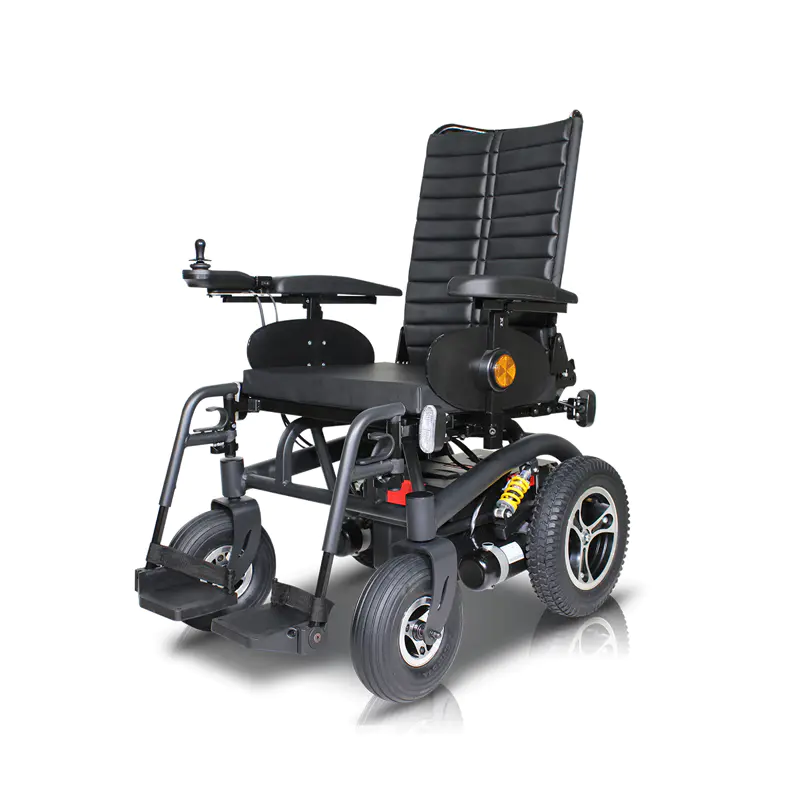
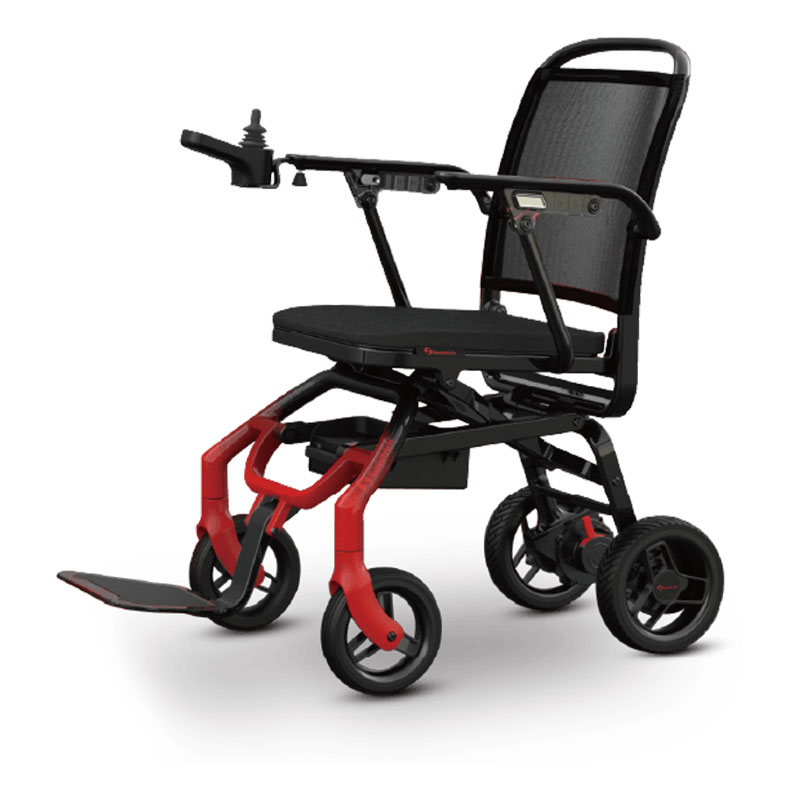
Sweetrich Electric Wheelchair
When it comes to choosing an electric wheelchair that truly supports long-term independence and peace of mind, Sweetrich stands out for all the right reasons. Its thoughtfully engineered frame, reliable drive system, and user-focused design make daily maintenance straightforward rather than burdensome, allowing the chair to deliver consistent performance year after year.
By combining durable materials, practical accessibility, and a commitment to real-world usability, Sweetrich gives users a solid foundation that rewards routine care with smoother rides, greater safety, and fewer unexpected interruptions.
Selecting a Sweetrich electric wheelchair is about more than mobility—it's about investing in a dependable partner that grows with you, stays comfortable through changing seasons, and continues to support your lifestyle with quiet confidence long after the charge.