
 +86-(0)512-82283871
Content
- 1 What Makes Outdoor Conditions Affect Scooter Durability
- 2 How Does Regular Cleaning Support Outdoor 4 Wheel Scooter Performance
- 3 Why Tire And Wheel Maintenance Matters For Stability
- 4 How Battery Care Influences Long Term Operation
- 5 What Structural Parts Need Regular Attention
- 6 How Storage Conditions Affect Long Term Performance
- 7 What Routine Checks Help Prevent Early Wear
- 8 Practical Daily Maintenance Habits For Outdoor Use
- 9 How Design Direction Influences Maintenance Needs
- 10 How Usage Habits Shape Long Term Stability
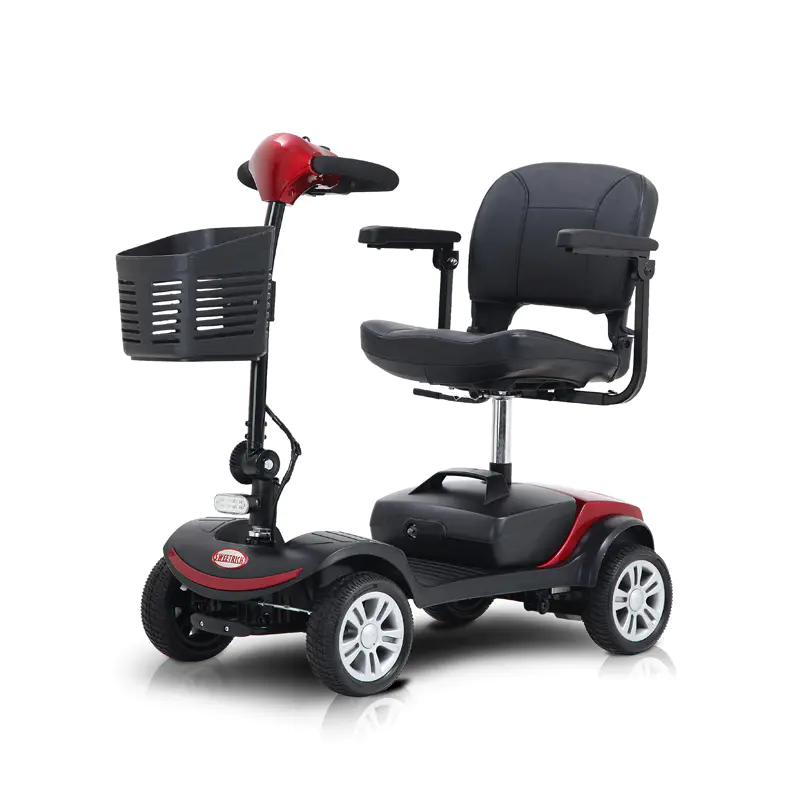
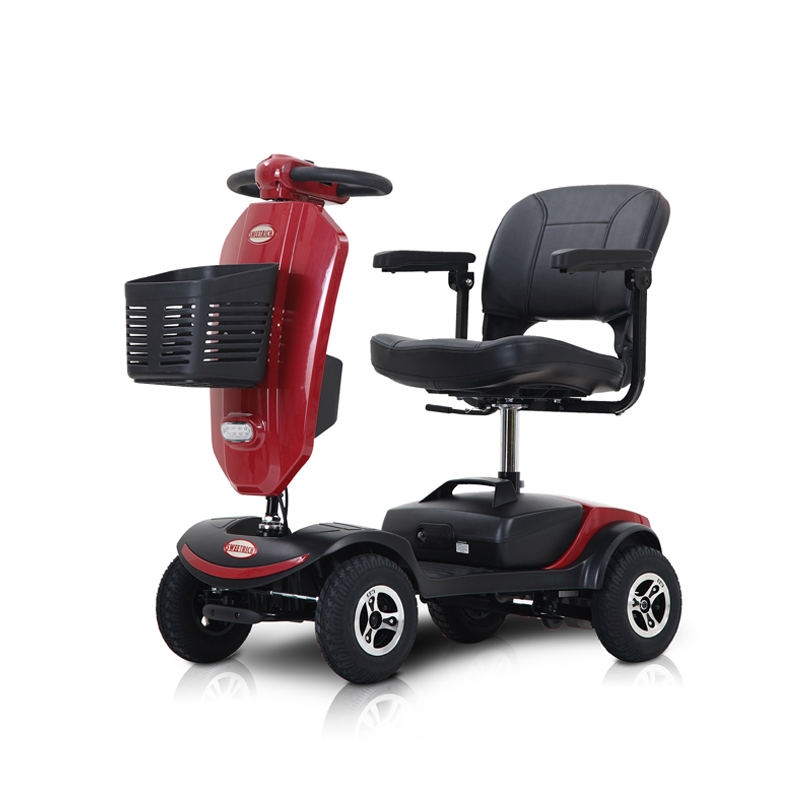
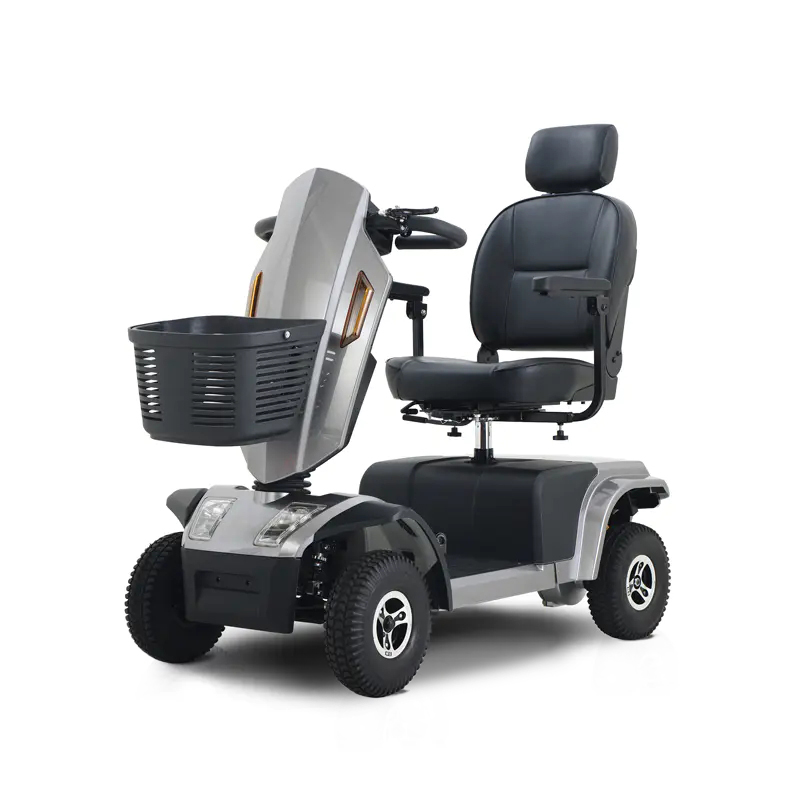
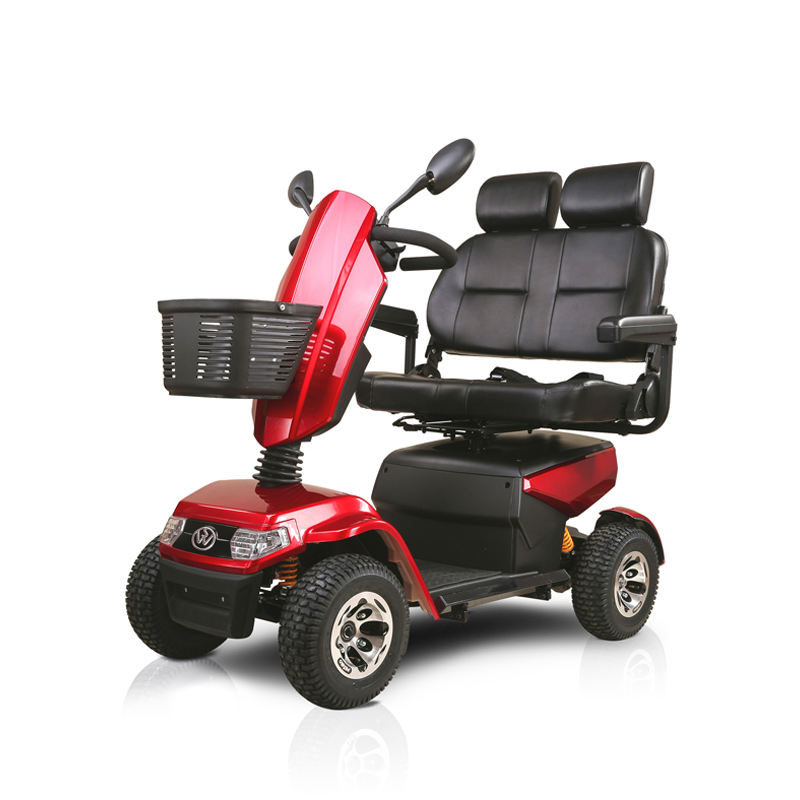
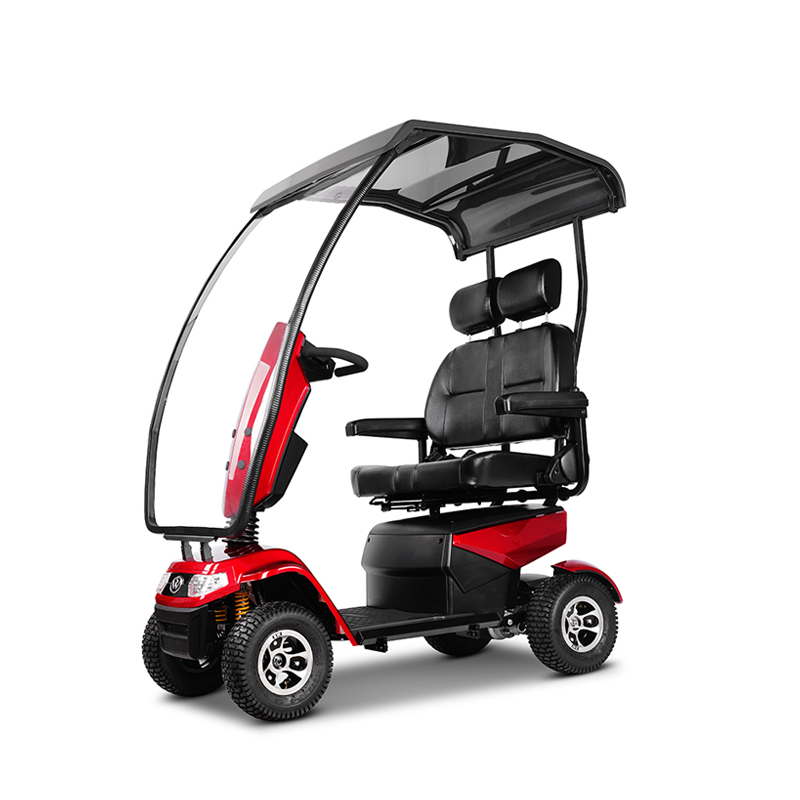
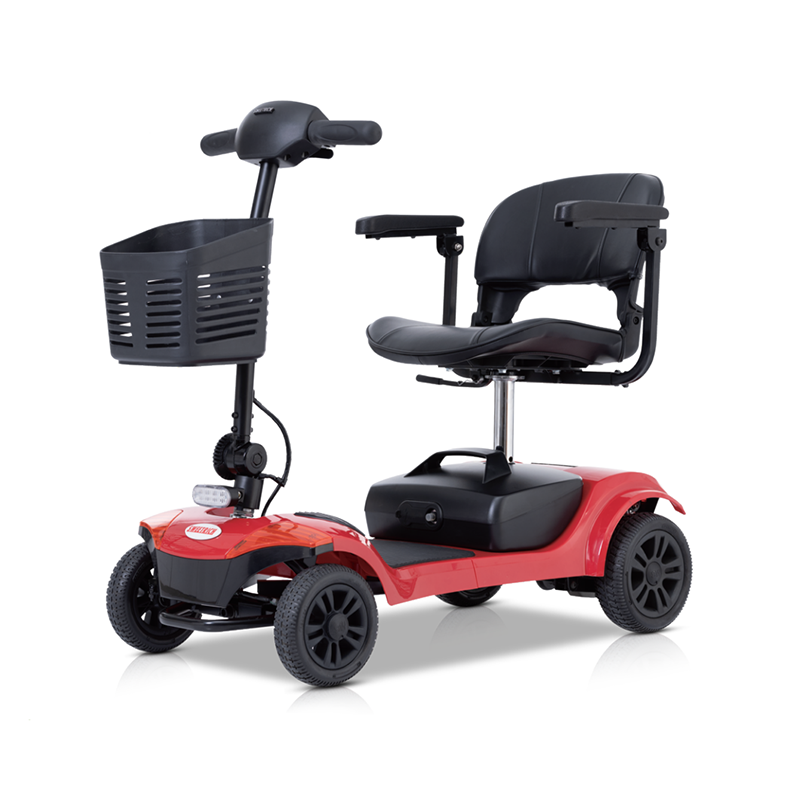
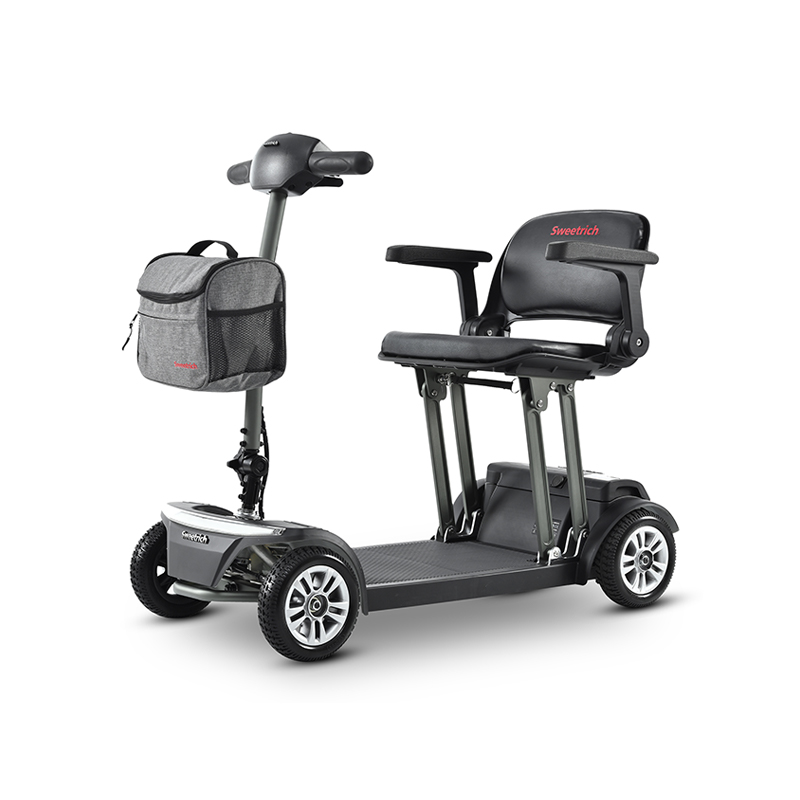
Outdoor mobility equipment does not really live an easy life. Once it starts being used outside, every surface it touches is slightly different from the last one. One day smooth ground, another day rough patches, sometimes dry conditions, sometimes moisture in the air that lingers longer than expected. In all of that, Outdoor 4 Wheel Scooter quietly absorbs small changes without much notice at the beginning.
Maintenance usually does not begin as a formal plan. It starts in a much simpler way. A quick glance at the wheels after stopping, a hand brushing away dust on the frame, a habit of checking whether folding still feels normal. Nothing complicated, yet these small actions slowly shape how the scooter behaves over time.
China Mobility Scooter Manufacturers generally design outdoor models with stronger frames and more stable wheel layouts, knowing that real use will never stay in one controlled environment. Still, design alone does not stop gradual wear. Outdoor conditions keep adding small pressure points that accumulate in ways that are not always visible.
What Makes Outdoor Conditions Affect Scooter Durability
Outdoor use means unpredictability. Even a short trip can include several different surface types, slight slopes, uneven pavement, and small debris. Each of these touches the scooter in a slightly different way.
The frame itself usually handles impact without obvious change. What changes are the smaller parts that move all the time. Wheels feel it, joints feel it, folding points feel it. Not in a dramatic way, more like a slow shift in smoothness.
Moisture is another quiet factor. It does not need heavy rain to become an issue. Even damp air or wet ground can leave traces that stay in small spaces. Dust mixes with that, forming layers that are not easy to notice until movement starts to feel slightly different.
Typical outdoor influences include:
- repeated vibration from uneven ground
- moisture staying in small mechanical gaps
- dust collecting around wheel and folding areas
- frequent direction changes on mixed surfaces
- gradual temperature shifts during daily use
None of these usually cause sudden failure. They work slowly, almost silently, which is why attention over time matters more than occasional checks.
How Does Regular Cleaning Support Outdoor 4 Wheel Scooter Performance
Cleaning often sounds like a basic task, yet in outdoor mobility use, it quietly decides how long smooth movement lasts. Outdoor 4 Wheel Scooter collects dust, small particles, and moisture traces almost every time it is used outside.
If left alone, these small elements start to settle into places where movement happens. Wheel edges, folding joints, small gaps in the frame. At the beginning, nothing feels wrong. Later, movement starts to feel slightly heavier or less consistent.
Cleaning does not need to be complicated. What matters is consistency, not intensity. A light routine done regularly usually works better than occasional deep effort.
Common simple habits include:
- wiping frame surface after outdoor use
- clearing visible dust around wheel edges
- checking folding areas for stuck residue
- drying damp parts after wet ground contact
- keeping cleaning tools soft instead of rough
Over time, this kind of attention helps movement stay closer to original smoothness, especially in daily outdoor use.
Why Tire And Wheel Maintenance Matters For Stability
Wheels are where everything meets the ground. Every small bump, every uneven patch, every turn is transferred through them. Outdoor 4 Wheel Scooter depends heavily on wheel condition to maintain steady movement.
What usually changes is not structure, but feel. Rolling may feel slightly less smooth. Turning may feel a bit less consistent on uneven ground. These changes are small at the beginning, easy to ignore, yet they slowly build up.
Wheel surface condition plays a direct role in grip. If wear becomes uneven, movement may not feel balanced across all directions. Alignment also matters because even a slight shift can affect how the scooter responds during turning.
Practical attention usually stays simple:
- checking whether wheel rotation feels smooth
- observing movement on flat ground for consistency
- looking for uneven wear on wheel surface
- noticing changes during slow turning
- keeping all wheels aligned in normal position
China Mobility Scooter Manufacturers usually design wheel systems for outdoor adaptability, yet real terrain differences still shape how quickly wear appears.
How Battery Care Influences Long Term Operation
Battery behavior is not always obvious during daily use. Over time, small habits around charging and storage begin to influence how stable that support remains.
Outdoor use often involves short stops, repeated starts, and different usage durations. These patterns slowly shape how energy is used and stored.
One common factor is consistency. When charging habits stay stable, performance tends to remain more predictable. When usage becomes irregular, small variations start appearing.
Temperature also plays a role, though it is rarely noticed directly. Warm or cold environments can slightly change how energy behaves during storage and release.
Simple care habits often include:
- keeping charging routine steady instead of irregular
- avoiding long idle periods without use
- storing in a place without strong temperature shifts
- checking connection points occasionally
- preventing moisture near charging area
Battery care rarely shows immediate visible change, yet over time it influences how reliable each ride feels.
What Structural Parts Need Regular Attention
Structure is what holds everything together, and in outdoor use it constantly receives small stress from movement and vibration. Outdoor 4 Wheel Scooter relies on joints, folding areas, and connection points to stay stable during repeated use.
Every fold and unfold creates small mechanical movement. Over time, this repeated action can slightly change tightness or smoothness.
Handle systems also experience continuous pressure during steering. Frame connections absorb vibration from uneven ground, even when movement feels normal.
Areas worth occasional attention include:
- folding joints and their movement feel
- connection points between frame sections
- handle response during direction changes
- seat support stability during use
- early signs of loosened fittings
China Mobility Scooter Manufacturers often reinforce these areas for outdoor use, yet long-term vibration still makes periodic checking useful.
| Area | What Happens Outdoors | Simple Care Habit |
|---|---|---|
| Wheels | Contact with uneven surfaces | Keep clean, check smooth rotation |
| Frame | Dust and moisture exposure | Wipe after use, check joints |
| Folding parts | Repeated movement stress | Check tightness and smooth folding |
| Battery | Charging cycles and temperature | Maintain stable charging routine |
| Handle system | Continuous steering pressure | Observe response and stability |
How Storage Conditions Affect Long Term Performance
Once Outdoor 4 Wheel Scooter stops moving and gets parked somewhere, maintenance does not really pause. The environment keeps working on it in a quiet way. Air moisture, temperature shifts, dust in the corner of a room, all of it slowly leaves marks even when nothing seems to be happening.
A dry indoor place usually helps keep parts more stable. When the scooter stays in damp air for too long, small metal joints and hidden corners can feel it later during movement. Nothing dramatic at the beginning, more like a slight change in smoothness when folding or turning.
Folding before storage also carries weight in long term behavior. A gentle fold keeps joints in a calm position. A forced fold repeated many times creates tiny stress points that do not show immediately.
Simple storage habits often look like:
- placing scooter in a dry indoor corner instead of open space
- avoiding leaving it outdoors overnight
- folding without pushing resistance points
- keeping wheels off constant pressure from heavy objects
- allowing space so frame is not squeezed
China Mobility Scooter Manufacturers usually design folding systems for repeated storage, yet real environments always add their own conditions.
What Routine Checks Help Prevent Early Wear
Small changes rarely appear suddenly. A faint change in wheel sound, a slightly different feeling when turning, folding that does not feel as smooth as before. These signals are easy to miss when attention is not given regularly.
Routine checking does not need tools or technical steps. It is more like paying attention during normal handling. Rolling the scooter slowly, listening for friction, noticing resistance when folding.
Simple checks often include:
- pushing scooter lightly to feel wheel smoothness
- listening for uneven sound during movement
- checking folding motion without extra force
- observing handle response during slow turns
- scanning for small loosened parts
Nothing complicated, just small attention repeated from time to time. Over weeks and months, that habit helps avoid larger problems forming quietly.
Practical Daily Maintenance Habits For Outdoor Use
Daily care is not something separate from usage. It blends into normal handling. Outdoor 4 Wheel Scooter usually performs better when small habits are built into everyday movement instead of treated as special tasks.
After outdoor use, dust and moisture tend to stay on surfaces and around wheels. Leaving them too long changes how smooth movement feels later. A quick wipe or short check often keeps things closer to normal condition.
A simple rhythm usually works like:
- light cleaning after returning from outside
- wiping wheel area when dust is visible
- checking folding movement before storing
- keeping charging routine steady and not random
- handling folding parts without forcing movement
Even steering style plays a role. Smooth direction changes reduce stress on wheels and joints. Rough handling over time slowly affects stability more than expected.
China Mobility Scooter Manufacturers often design for repeated outdoor use, yet daily handling habits still decide how long that smooth feeling stays.
How Design Direction Influences Maintenance Needs
Modern outdoor mobility design is slowly moving toward simpler structure instead of complicated assembly. Outdoor 4 Wheel Scooter reflects that shift in many ways, especially around folding systems and frame layout.
When structure is easier to access, cleaning and checking become part of normal use rather than separate maintenance work. Fewer hidden gaps also means less dust gathering in difficult areas.
Common design direction includes:
- folding systems that move with fewer steps
- smoother frame surfaces that reduce dirt buildup
- joint areas designed for easier inspection
- wheel structures built for mixed ground conditions
- balance between solid frame feel and practical handling
China Mobility Scooter Manufacturers often follow this direction because real users care more about ease of daily handling than technical complexity.
Maintenance becomes less about fixing problems and more about keeping movement from drifting away from its normal feel.
How Usage Habits Shape Long Term Stability
Even when structure is strong and design is stable, daily habits still leave marks over time. Outdoor environments change constantly, and handling style becomes part of that long term influence.
Frequent sharp turning on rough ground creates more vibration through the frame. Folding too quickly without alignment can slowly affect joint smoothness. Leaving scooter exposed to outdoor conditions for long periods allows dust and moisture to settle deeper into small spaces.
Habits that quietly influence long term condition:
- smoother turning instead of sudden direction change
- gentle folding instead of forced movement
- cleaning after outdoor travel instead of delaying it
- keeping charging habits steady over time
- avoiding long exposure to harsh weather conditions
None of these require extra effort. They usually come naturally once handling becomes familiar.
Outdoor 4 Wheel Scooter maintenance does not rely on complex routines or technical steps. It is built from small, repeated actions that often feel ordinary. Cleaning a little, checking movement briefly, storing in a dry place, handling folding with care.
Outdoor conditions will always bring change. Surfaces are uneven, weather is not stable, and movement patterns shift daily. What keeps performance steady is not avoiding those conditions, but responding to them in simple consistent ways.
China Mobility Scooter Manufacturers continue refining outdoor designs for real environments, yet long term stability still depends on how the scooter is treated in daily use. Over time, small habits tend to matter more than any single maintenance action.