
 +86-(0)512-82283871
Content
- 1 Why Are More Seniors Choosing Folding Mobility Scooters?
- 2 What Should You Know About an Elderly Electric Folding Scooter Before Riding?
- 3 Where Is the Safest Place to Start Your Ride?
- 4 How Can You Check Whether the Scooter Is Ready to Use?
- 5 How Can Proper Battery Care Support Daily Mobility?
- 6 What Is the Correct Way to Fold and Carry the Scooter?
- 7 Which Mistakes Do Many Riders Commonly Make?
- 8 How Can Family Members Support Older Riders During the Learning Process?
Why Are More Seniors Choosing Folding Mobility Scooters?
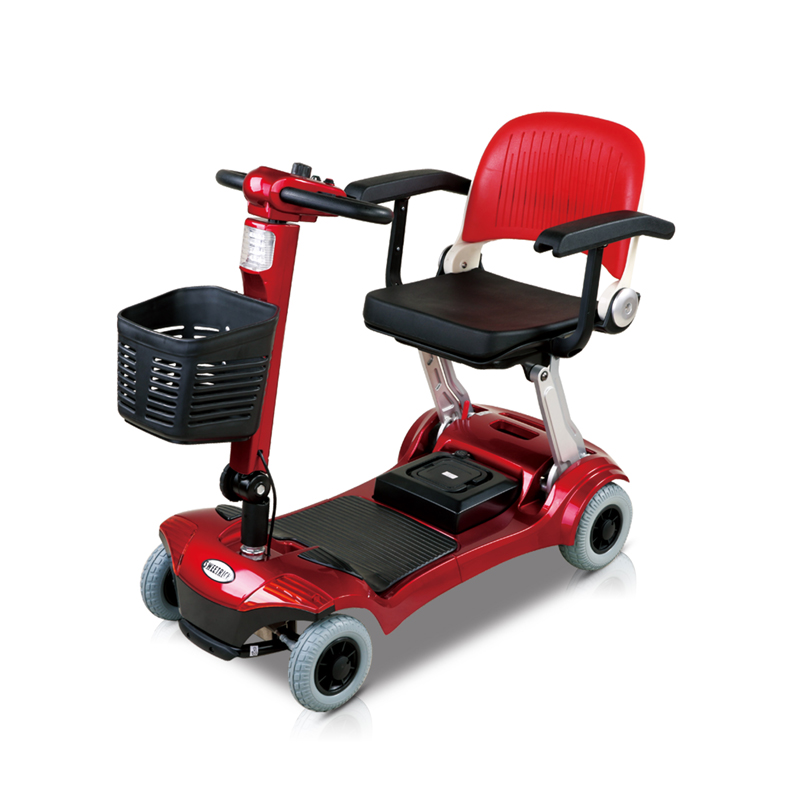
Early every morning in many neighborhoods, it is common to see older adults heading toward parks, grocery stores, or nearby community centers on compact Elderly Electric Folding Scooter. Some use them for daily errands, while others simply want an easier way to move around without depending on family members for every short trip.
For many seniors, walking long distances becomes more tiring over time. Even simple tasks like carrying groceries, waiting at crosswalks, or walking through large parking areas may gradually feel inconvenient. At the same time, many people do not want large mobility equipment occupying too much space inside the home. This is one reason folding scooters are attracting more attention in everyday life.
Unlike larger mobility vehicles that often stay in one place, a folding scooter is easier to move indoors, place in a car trunk, or store beside furniture. In apartment buildings, this becomes especially practical because hallway space and elevators are often limited.
Another realistic reason is flexibility during family activities. Some older adults avoid joining outdoor trips because they worry about walking distance. A portable Elderly Electric Folding Scooter may reduce that concern and make short outings feel less stressful.
In real daily use, confidence usually develops slowly. Riders who begin carefully often adapt more comfortably than those trying to learn everything at once.
Preparation matters because outdoor conditions are unpredictable. Sidewalks may slope unexpectedly, parking lots may contain rough pavement, and pedestrians may appear suddenly in crowded areas. A rider who understands the scooter beforehand often reacts more calmly in these situations.
What Should You Know About an Elderly Electric Folding Scooter Before Riding?
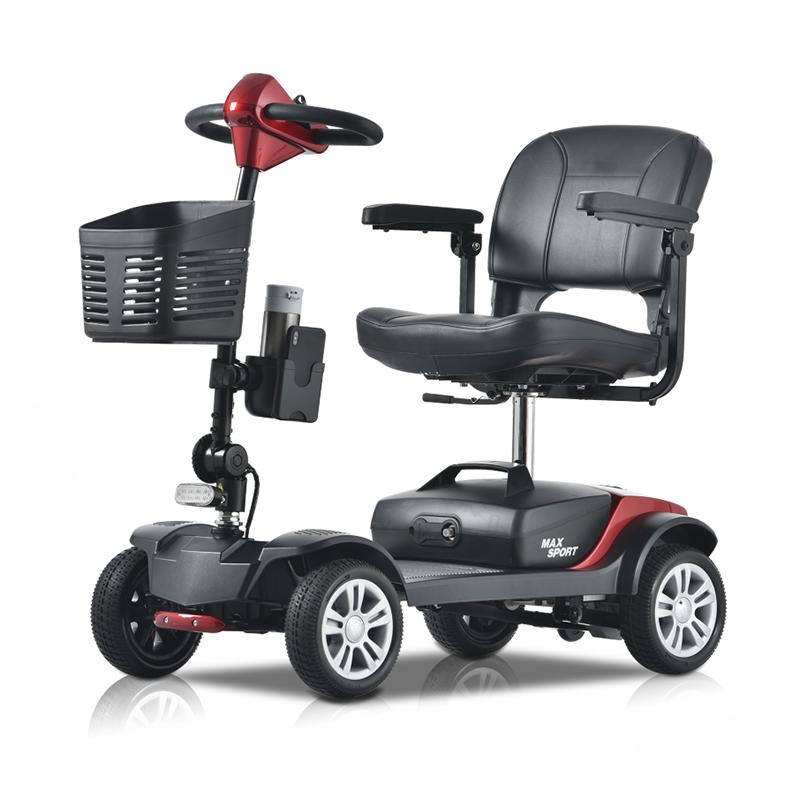
Many beginners focus only on learning how to move the scooter forward, but understanding the structure beforehand can prevent confusion later. A folding mobility scooter may appear simple from the outside, yet several small details affect comfort and safety during actual use.
Some new riders unfold the scooter quickly without checking whether the frame has locked completely. In everyday use, this can create shaking while turning or stopping. Before every ride, the frame should feel firm and stable without loose movement.
A useful habit is pressing gently on the handlebars after unfolding. If the Elderly Electric Folding Scooter shifts or folds slightly, the locking area may not be secured properly.
The seat position also deserves attention before going outdoors. Many seniors sit too low during early rides because they assume lower seating automatically feels safer. In reality, sitting too low may make standing up harder after stopping.
A more comfortable position usually allows:
- Feet to rest naturally
- Arms to remain slightly relaxed
- Back to stay upright without leaning forward
The handlebars should not require stretching. If the rider must lean forward continuously, shoulder tension may appear after only a short trip.
Battery awareness is another area many beginners overlook.
Some older adults charge the scooter only when the battery becomes nearly empty. In regular daily use, shorter and more consistent charging habits are often easier for battery stability. Forgetting to charge overnight may create stress before leaving home the next day.
Temperature also affects battery behavior more than some people expect. Leaving the scooter for long periods in strong heat, direct sunlight, or cold garages may influence charging performance.
Tires play a larger role in comfort than many beginners realize. Indoors, the Elderly Electric Folding Scooter may feel smooth and stable, but outdoor surfaces quickly reveal the difference between good and poor tire condition.
For example:
- Soft tires may wobble slightly during turns
- Worn tires may shake on uneven sidewalks
- Dirty wheel areas may affect smooth movement
Checking tires visually before riding only takes a short moment but may prevent discomfort outdoors.
A better approach is testing gradually:
- Move slowly forward
- Apply gentle braking
- Repeat several times
- Observe stopping distance
This helps the rider understand how the scooter reacts before entering busier environments.
Storage habits also affect long-term use. Some people leave folded scooters near doorways where moisture, dust, or clutter gradually collect around moving parts. Simple indoor storage in a dry and clean area often keeps folding joints working more smoothly.
Understanding these everyday details makes the scooter feel less unfamiliar and easier to manage during real outdoor situations.
| Scooter Part | Main Purpose | Why It Matters for Beginners |
|---|---|---|
| Handlebars | Steering and control | Helps riders maintain direction |
| Battery Area | Supplies electric power | Influences travel distance |
| Folding Joint | Allows compact storage | Requires secure locking |
| Tires | Supports movement and balance | Affects stability on roads |
| Braking System | Slows or stops movement | Important for safe riding |
| Seat Area | Provides sitting support | Influences comfort and posture |
Where Is the Safest Place to Start Your Ride?
Some beginners immediately try riding near shopping areas or busy sidewalks because they want to test the Elderly Electric Folding Scooter in "real conditions." Unfortunately, crowded environments often create pressure before the rider has fully adjusted to steering and braking.
A quieter location usually helps much more during the early learning stage.
Wide residential pathways, empty parking spaces, or calm community roads often provide enough room for practicing without distraction. In these places, riders can stop, turn, and restart without feeling rushed by pedestrians or vehicles nearby.
Many seniors feel embarrassed about making mistakes during practice. Choosing a quiet environment reduces this feeling and allows them to focus naturally on controlling the scooter.
Road surface conditions deserve careful attention too.
Smooth pavement feels very different from:
- Brick walkways
- Gravel paths
- Grass surfaces
- Broken sidewalks
- Wet parking lots
For example, gravel may slightly pull the front wheels sideways during turning. Uneven sidewalks may create vibration through the handlebars, which can surprise beginners.
Wet surfaces create another common problem. Even small puddles may reduce tire grip slightly during braking. New riders often become tense when the scooter slides unexpectedly, even in minor situations.
Because of this, dry weather is usually more suitable for early practice.
Slopes should also be approached carefully. Many beginners underestimate how different uphill and downhill movement feels compared with flat ground.
When traveling downhill:
- The scooter may feel faster than expected
- Braking distance may increase slightly
- Steering may feel more sensitive
Lighting conditions matter as well. Afternoon or early evening rides may seem peaceful, but shadows sometimes hide cracks or uneven pavement. Daylight practice makes surface changes easier to notice.
Noise levels can influence concentration too. Busy traffic sounds sometimes make beginners feel nervous, especially when learning turning movements. Quiet surroundings support calmer reactions and slower decision-making.
When riders feel comfortable controlling the scooter in calm spaces, everyday outdoor travel gradually feels more natural.
How Can You Check Whether the Scooter Is Ready to Use?
Many riding problems begin before the Elderly Electric Folding Scooter even starts moving. Small inspection habits can reduce unnecessary trouble outdoors and help beginners feel more prepared.
Some riders assume short trips require little preparation, then realize halfway through the outing that the battery is lower than expected. This situation becomes stressful, especially for seniors who are still adjusting to electric mobility devices.
Creating a small pre-ride routine often helps:
- Check battery charge
- Test brakes
- Look at tires
- Confirm folding lock
- Adjust seat position
Tires should always receive a quick visual inspection. Small cracks, trapped debris, or low pressure may affect riding comfort outdoors.
For example, if the scooter feels unusually shaky on pavement, tire condition may be part of the problem.
The braking system should also be tested before entering sidewalks or roads. A slow test in front of the house or near a driveway often reveals whether the brakes respond normally.
Beginners sometimes skip this step because they assume the scooter is working if the power turns on. In actual use, braking feel can change gradually over time.
Many folding scooters include locking levers or connection points that must remain fully secured during riding. If the frame shifts slightly while moving, riders may feel unstable during turns.
A practical habit is gently pushing the handlebars forward and backward before starting. If the frame feels loose, the locking area should be checked again.
Lights and reflectors are useful even during daytime. Parking garages, shaded walkways, and cloudy weather may reduce visibility more than expected.
Cleanliness also affects performance in daily life. Dust, hair, and outdoor debris sometimes collect around wheels or folding joints, especially after repeated use outdoors.
Simple cleaning habits may help:
- Wipe moisture after rainy rides
- Remove dirt from wheel areas
- Keep folding joints clean
- Avoid storing the scooter in damp places
Storage conditions influence long-term reliability too. Some riders leave scooters near outdoor entrances where humidity and temperature changes affect the frame and battery.
Indoor storage in a dry area is usually more practical for regular use.
These small checks may seem simple, but they often prevent avoidable problems during real riding situations.
How Can Proper Battery Care Support Daily Mobility?
Many people pay attention to the scooter only while riding it, but daily battery habits often decide whether the experience stays smooth or becomes inconvenient later.
A common situation happens like this: someone returns home after a short trip, parks the scooter near the entrance, and forgets about charging until the next morning. Then, before going out again, the battery level is already lower than expected.
For older adults, this can quickly become frustrating, especially when the scooter is part of daily routine.
Keeping charging habits simple usually works better than waiting until the battery becomes very low. Some riders prefer charging after returning home, much like placing a phone on charge overnight. This reduces last-minute stress before going outside.
Storage conditions matter too.
In real life, many Elderly Electric Folding Scooters spend long periods:
- Near apartment doors
- Inside garages
- Beside windows
- In storage rooms
Temperature changes in these places may gradually affect battery condition. Very hot spaces can make the Elderly Electric Folding Scooter feel warm while charging, while cold environments sometimes slow battery response.
A dry indoor area generally feels more practical for everyday storage.
Charging cables also deserve attention. Some riders pull cables quickly from the wall or leave them twisted tightly after use. Over time, this may damage the wire or loosen the connection point.
Simple habits help:
- Place the cable neatly after charging
- Avoid stepping on wires
- Keep the charging area dry
- Disconnect gently instead of pulling hard
Battery level should also match the planned trip.
For example, a short ride to a nearby shop may not require a full charge, but longer outings through parks or community areas usually feel less stressful with more battery remaining.
Some older adults become nervous once the battery drops lower, even if enough power remains. This is common during the early months of riding.
Another practical detail involves long periods without riding.
During colder seasons or rainy weeks, some scooters remain unused indoors. Forgetting about the battery completely during this time may create charging problems later.
Even when unused, occasional charging checks help maintain smoother performance.
Many experienced riders eventually develop small habits without thinking much about them:
- Charging before long outings
- Checking battery before leaving home
- Avoiding overnight outdoor storage
- Wiping moisture after rainy rides
These routines are simple, but they make daily use feel easier.
What Is the Correct Way to Fold and Carry the Scooter?
Folding looks simple when watching someone else do it. In actual use, many beginners need practice before the movement feels natural.
Some people rush the process and pinch their fingers near moving joints. Others struggle because they try lifting the scooter before it is fully folded.
Taking time matters more than speed here.
Before folding, the scooter should stand on stable ground. Uneven pavement sometimes causes slight shifting during the process, especially outdoors.
Many riders find it easier to follow the same order each time:
- Turn the power off
- Remove loose belongings
- Fold the seat if needed
- Release the folding lock
- Lower the frame slowly
- Secure the folded position
Repeating the same routine regularly helps prevent mistakes.
Hand placement is important too.
Folding joints may close faster than expected if released suddenly. Keeping fingers away from hinge areas reduces the chance of injury.
Some older adults also try lifting the scooter using awkward positions. Twisting the back while lifting from one side may create strain, especially after longer rides.
A steadier method usually feels safer:
- Bend slightly at the knees
- Keep the scooter close to the body
- Lift gradually instead of quickly
- Avoid carrying unnecessary extra weight at the same time
In everyday life, many riders rarely carry the scooter far. Simply fold it for:
- Car storage
- Apartment elevators
- Indoor corners
- Restaurant entrances
- Small storage spaces
Because of this, smooth folding often matters more than lifting strength.
Public places sometimes create unexpected situations too.
Wiping the scooter dry after wet rides often helps keep the mechanism moving smoothly.
Storage after folding also matters.
Some people lean the folded scooter carelessly against walls where it may slide or fall. Others place heavy boxes on top of it in storage areas.
A stable indoor position usually protects both the frame and folding parts from unnecessary wear.
Which Mistakes Do Many Riders Commonly Make?
Nearly every beginner makes small mistakes during the early stage of riding.
One common mistake is starting too fast.
Some riders become nervous and accidentally press the acceleration control harder than intended. The scooter moves forward suddenly, and the rider reacts by gripping the handlebars tightly.
This often creates more tension rather than more control.
Starting slowly usually feels calmer. Small movements help riders understand how the scooter responds.
Another common issue involves turning.
Beginners sometimes turn sharply while moving through narrow sidewalks or corners. On uneven pavement, this may feel unstable, especially at higher speed settings.
Wider and slower turns generally feel smoother.
Battery planning also causes problems more often than people expect.
A rider may leave home thinking the trip will only take a short time. Then:
- A store visit lasts longer
- The route changes
- Extra stops appear
Checking battery levels before leaving home reduces this kind of stress.
Ignoring small maintenance signs is another frequent issue.
For example:
- A loose mirror
- Slight wheel vibration
- Unusual clicking sounds
- A folding lock that feels stiff
Many people continue riding without checking these details because the scooter still works normally. Later, the problem may become more noticeable outdoors.
Carrying too many belongings also affects comfort.
Heavy shopping bags hanging from handlebars may influence steering slightly, especially while turning or stopping. Large items near the feet may reduce stable positioning.
Lighter loads often feel easier to manage.
Some beginners also choose difficult riding environments too early.
Busy shopping districts, steep sidewalks, or crowded parks may feel stressful before basic control becomes comfortable.
Quieter practice areas usually help confidence grow faster.
Weather decisions matter too.
After gaining some confidence, riders sometimes assume light rain or slippery pavement will not make much difference. In practice, wet surfaces can change braking feel and tire grip more than expected.
Another overlooked mistake is skipping rest breaks.
Even short rides require concentration during the beginning stages. Older adults may not notice shoulder tension or hand fatigue until discomfort appears later.
Short pauses during longer outings often help the body relax.
How Can Family Members Support Older Riders During the Learning Process?
For many seniors, emotional support matters almost as much as practical instruction during the early riding stage.
Some older adults hesitate to admit they feel nervous. Others worry about appearing dependent in front of family members. Because of this, calm encouragement often helps more than constant correction.
Simple support can make a noticeable difference.
For example, family members may help by:
- Practicing together in quiet areas
- Checking the scooter before outings
- Choosing easier riding routes
- Encouraging shorter practice sessions
Patience matters during this process.
Some seniors learn the controls quickly, while others need more time to feel comfortable steering, reversing, or parking. Repeating instructions too aggressively may increase tension instead of helping.
Many older adults feel more relaxed when family members stay nearby during early practice without taking complete control.
Shared outings often help confidence grow naturally.
A short ride through a calm park or neighborhood path may feel less intimidating when someone familiar is walking nearby. These relaxed situations usually create better learning experiences than crowded public environments.
Family members also help by noticing small practical issues beginners may overlook.
For instance:
- The seat may need adjustment
- Tires may look soft
- The rider may appear tense while steering
- The scooter may shake slightly during turns
Gentle observation often prevents small discomforts from becoming larger frustrations later.
Emotional reassurance matters too.
Some older adults become discouraged after small mistakes like awkward parking or sudden braking. Calm responses usually help more than criticism.
Learning any new mobility device takes time, especially for people who have not used electric transportation before.
In many families, the scooter eventually becomes part of normal routine rather than a special activity. Once this happens, the rider often feels less self-conscious and more independent during everyday outings.