
 +86-(0)512-82283871
Content
- 1 Why Do Older Adults Need New Mobility Support Options?
- 2 What Makes an Electric Folding Scooter Different From Other Mobility Tools?
- 3 How Does an Elderly Electric Folding Scooter Actually Work?
- 4 How Does the Folding Mechanism Help in Real Life Use?
- 5 Is It Easy to Control for Older Users?
- 6 How Does Battery Use Work in Daily Travel?
- 7 How Does Comfort Affect Daily Riding Experience?
- 8 What Safety Aspects Matter in Daily Environments?
- 9 Where Can an Elderly Electric Folding Scooter Be Used?
- 10 What Kind of Maintenance Is Usually Needed?
- 11 How Do Manufacturers Influence Product Design?
- 12 How Does It Fit Into Family and Community Life?
- 13 What Are the Practical Limits in Real Use?
- 14 How Does Daily Use Change Over Time?
- 15 What Could Future Mobility Support Look Like?
Why Do Older Adults Need New Mobility Support Options?
Getting around doesn't change overnight as people get older. It's usually a slow shift. A short walk that used to feel effortless can start to feel like something that needs more planning. Not because the distance changes, but because energy doesn't stretch the same way it used to.
Most of the time, the trips are still small—downstairs, around the block, to a nearby shop, or visiting someone close by. But when these short movements repeat through the day, they can become tiring in a way that's easy to overlook.
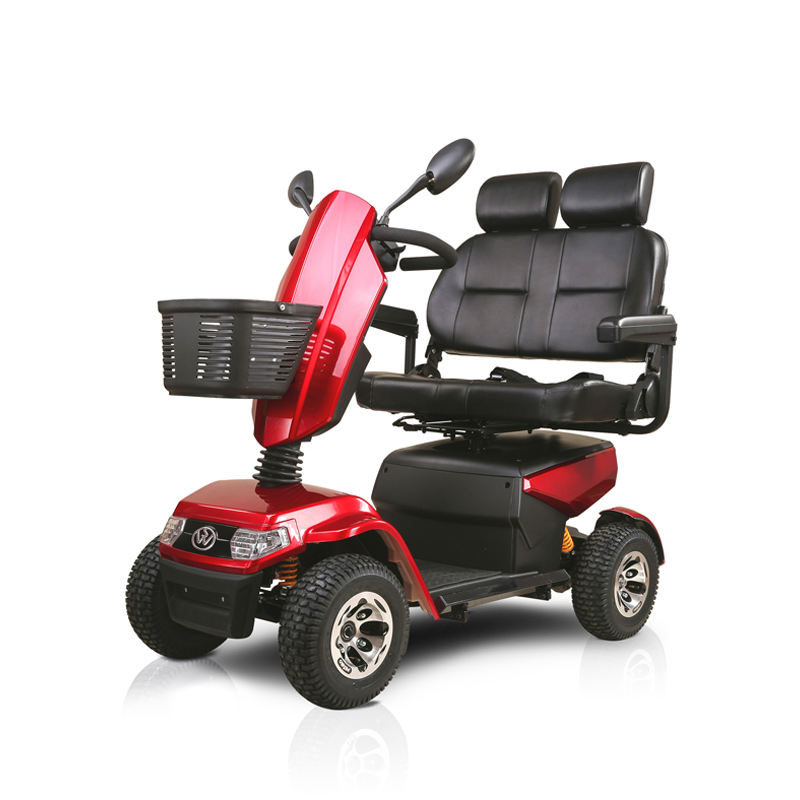
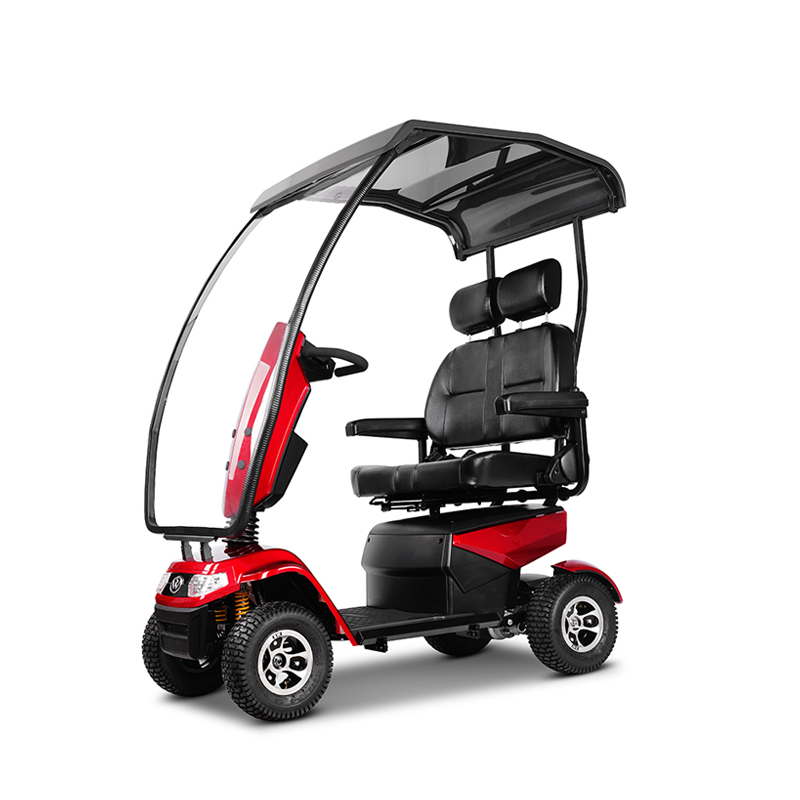
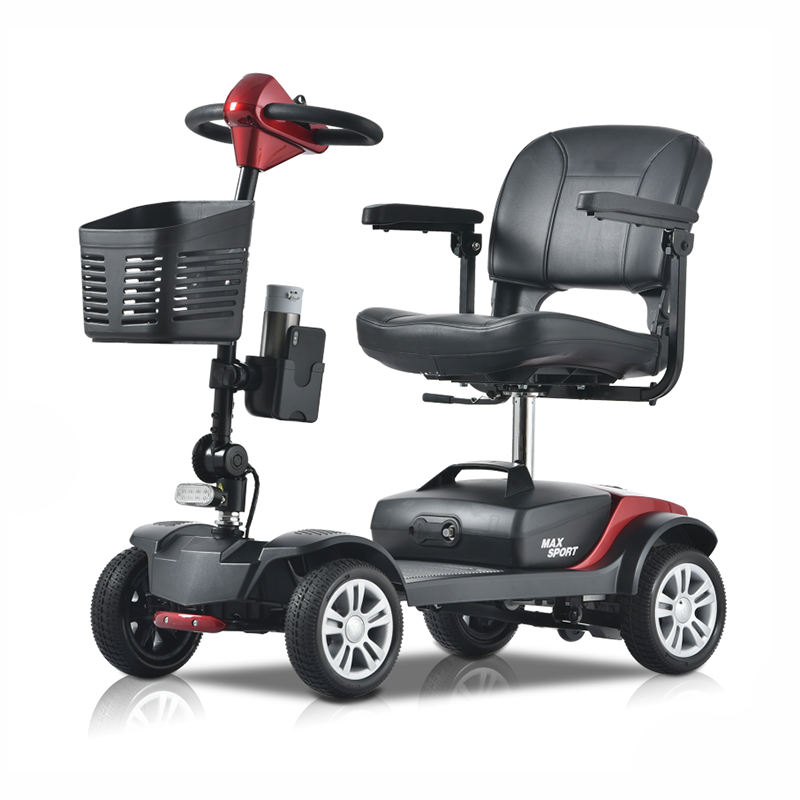
At this point, independence still matters a lot. Many older adults don't want to depend on others for every small movement. What they often look for is something that supports these short trips without taking away control. That's where the idea of an Elderly Electric Folding Scooter quietly fits in, not as a replacement for walking, but as a way to make repeated movement less demanding.
What Makes an Electric Folding Scooter Different From Other Mobility Tools?
Mobility tools are often grouped together, but in real use they behave differently. A folding scooter is mainly shaped around short, everyday movement instead of long travel.
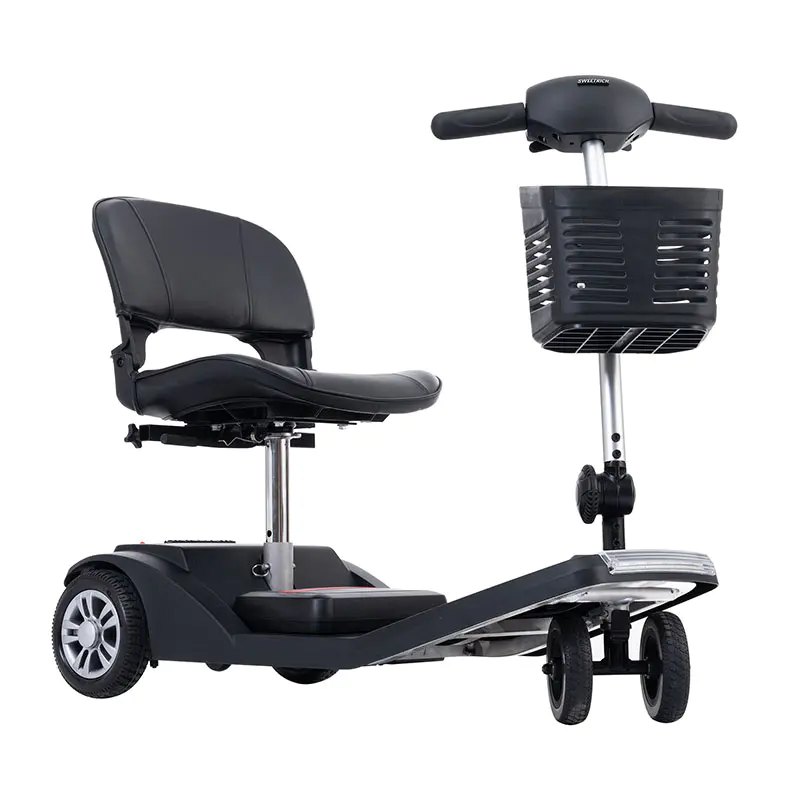
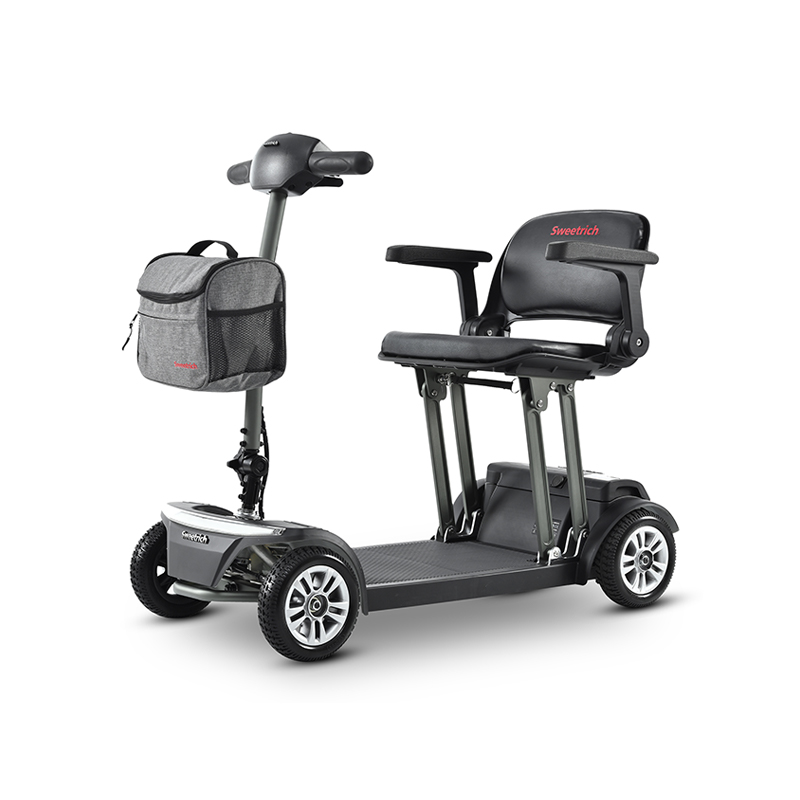
The folding part is not just a design detail. It changes how the device is handled throughout the day. When folded, it takes up less space and can be stored without much effort. In small homes or shared living areas, that difference matters more than it might seem on paper.
It also changes how often the scooter is actually used. Because it's easy to bring out and put away, it fits more naturally into short, repeated trips. There's no need to treat it like a large machine that requires preparation.
Compared with non-folding options, the difference is mostly in flexibility. The Elderly Electric Folding Scooter is meant to move in and out of daily life quickly, without becoming a burden when it's not in use.
How Does an Elderly Electric Folding Scooter Actually Work?
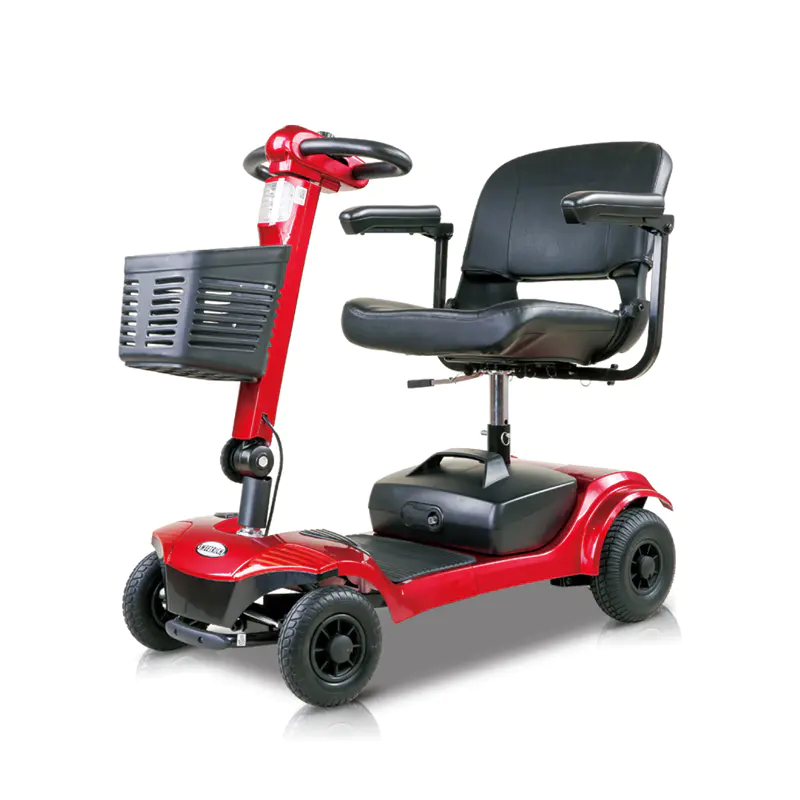
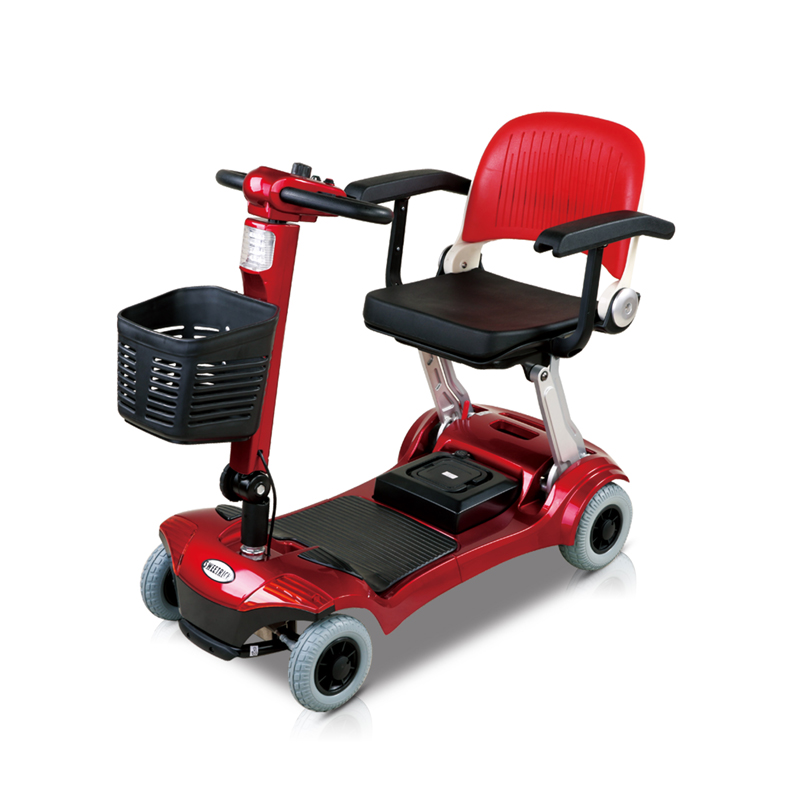
The working idea behind it is fairly simple. It uses electric support to reduce the effort needed for short-distance travel. Instead of relying fully on walking strength, the scooter helps carry the movement forward in a steady way.
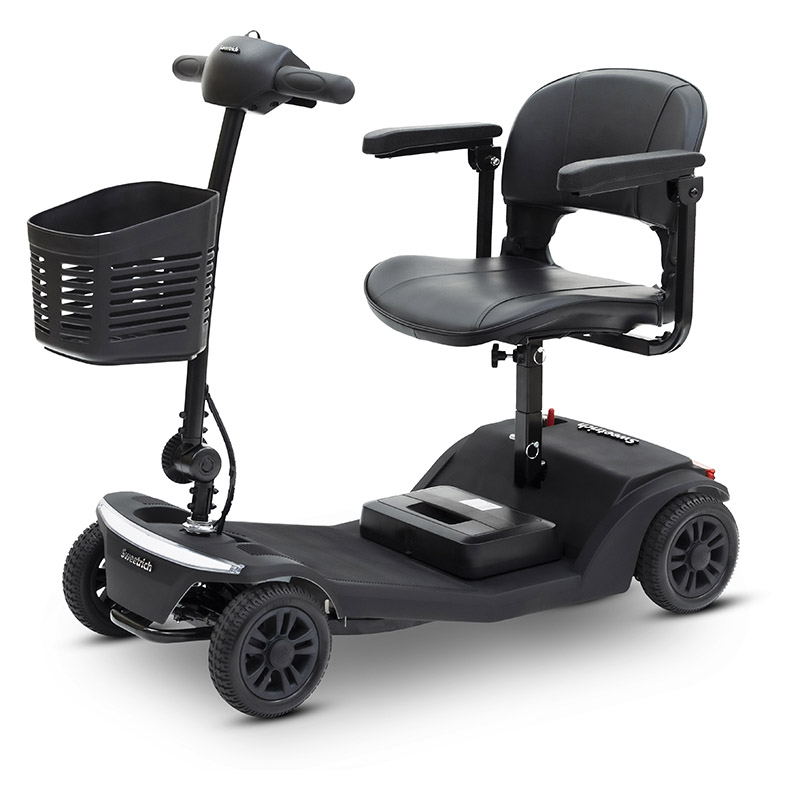
Operation is usually straightforward. Once powered on, the handle becomes the main point of control. Small movements guide direction, while gentle pressure influences speed. When the control is released, the scooter slows down naturally instead of stopping in a sharp way.
A simple breakdown helps make it clearer:
| Part of System | What It Does in Everyday Use |
|---|---|
| Electric Drive | Supports steady forward movement |
| Handle Control | Guides direction and speed |
| Folding Frame | Allows compact storage when not used |
| Battery Unit | Supplies energy for short trips |
There's no complicated sequence to remember. It's built for repeated use in simple daily routines, where the same actions happen many times.
How Does the Folding Mechanism Help in Real Life Use?
Space is usually the issue that people notice. Not every home has extra room for large equipment, especially in smaller living spaces or shared environments. The folding mechanism solves part of that problem by letting the scooter become compact when it's not needed.
In real use, folding often comes into play when:
- Putting the scooter near an entrance after returning home
- Loading it into a car for short trips
- Moving through narrow hallways or elevators
- Switching between indoor storage and outdoor use
Folding might feel like an extra step. But after a while, it usually becomes part of the routine. The movement becomes familiar, and it stops feeling like a separate task.
Is It Easy to Control for Older Users?
Control is kept simple on purpose. There's no need for complicated settings or multiple steps before use. Most of the interaction happens through the handle.
Direction changes come from small adjustments. Speed responds gently, not suddenly. This helps the movement feel more predictable, especially in shared spaces where other people are nearby.
In daily situations, this kind of control makes it easier to:
- Move through narrow pathways without stress
- Adjust speed when walking traffic increases
- Turn smoothly in small community areas
- Stop without sudden jerks
The focus is not on precision or speed. It's more about keeping movement steady and manageable.
How Does Battery Use Work in Daily Travel?
Battery use in this kind of scooter is closely tied to short, repeated trips. It's not about long journeys, but about multiple small movements during the day.
Charging usually happens at home and becomes part of a simple routine. The scooter is placed on charge when not in use, often during rest periods or overnight.
In everyday habits, a few patterns tend to appear:
- Charging after several short trips
- Keeping the charging space dry and stable
- Checking basic power status before going out
- Avoiding long periods of inactivity without charging
There's no need to think about it constantly. It becomes a background habit, like plugging in a phone.
How Does Comfort Affect Daily Riding Experience?
Comfort in this context is not about luxury. It's about reducing small strain that builds up over time.
The seat needs to support a steady posture without forcing the body into an awkward position. The handle height also plays a role, especially during longer use across multiple short trips.
On uneven ground, the scooter absorbs some of the small shocks so that movement doesn't feel harsh. These details may seem minor, but they affect how tiring the ride feels after repeated use.
What Safety Aspects Matter in Daily Environments?
Daily movement doesn't happen in empty spaces. It happens where people are walking, stopping, turning, and moving in different directions at the same time.
Because of that, safety is mostly about awareness and steady behavior rather than speed.
In practice, this often means:
- Moving slowly when areas are crowded
- Keeping enough space from pedestrians
- Avoiding sudden direction changes
- Staying aware of movement around corners or crossings
Lighting and visibility also matter, especially in early morning or evening conditions where surroundings are less clear.
Where Can an Elderly Electric Folding Scooter Be Used?
In real life, this kind of scooter doesn't appear everywhere. It usually stays close to where daily routines already happen. Most movement is short and familiar rather than long or complex.
Residential areas are where it is used the most. Going from home to the gate, moving around a courtyard, or visiting nearby neighbors are all typical situations. These are not long journeys, but they repeat often, which is where the scooter becomes useful.
It also fits small errands. A quick trip to a nearby shop or a short visit within the same community is often easier when the distance is just slightly more than walking comfort. The scooter fills that gap without changing the nature of the trip.
What Kind of Maintenance Is Usually Needed?
Maintenance is not complicated, but it does rely on small habits. Most of the time, it's about keeping things in working condition rather than fixing problems.
After outdoor use, it is common to wipe down dust or light moisture. Folding parts are usually checked to make sure they move smoothly without resistance. The handle and basic controls are also noticed during use—if something feels different, it's usually easy to spot early.
Charging becomes part of the home routine. The scooter is plugged in when not in use, similar to other household devices. There is no need for constant attention, just a regular habit that keeps it ready.
Over time, these small actions blend into daily life and stop feeling like maintenance tasks.
How Do Manufacturers Influence Product Design?
Behind the structure of an Elderly Electric Folding Scooter, design decisions usually come from real usage rather than theory. The focus is on how it behaves in everyday movement, not how it looks in ideal conditions.
Design work often revolves around a few practical points:
- Keeping controls simple enough for repeated use
- Making folding and unfolding easy in small spaces
- Ensuring stable movement at low speeds
- Choosing materials that can handle frequent short trips
China Mobility Scooter Manufacturers often follow this kind of approach, where the product is shaped by daily habits instead of complex features.
How Does It Fit Into Family and Community Life?
At home, it often becomes part of daily routines without much discussion. It's simply there to make short trips easier. Over time, it blends into normal household movement rather than standing out as a separate device.
In community life, it quietly changes how people move. Short visits become more manageable, and nearby travel feels less like a barrier. It doesn't change social life directly, but it removes some of the effort that used to be attached to small distances.
What Are the Practical Limits in Real Use?
No mobility tool fits every situation, and this one is no different. Its use depends heavily on environment and conditions.
Rough or uneven surfaces can make movement less comfortable. Steep slopes or unstable ground are usually not suitable. Wet or slippery conditions also affect how it feels to control.
Distance is another natural limit. It is designed for short, repeated trips, not long continuous travel. When the journey extends beyond simple daily movement, other transport methods are usually more practical.
These limits are not unexpected—they are part of how the scooter is meant to be used.
How Does Daily Use Change Over Time?
Using the scooter feels like learning something new. Movements are more careful, and small steps like folding or starting may take extra attention.
After a while, things settle into a rhythm. The same actions are repeated so often that they become automatic. There is less thinking involved, more routine.
What often changes is not just how it is used, but how often short trips are made. When movement feels easier, people tend to break tasks into smaller trips instead of combining everything into one outing.
What Could Future Mobility Support Look Like?
Changes in this area are usually gradual rather than dramatic. The direction tends to focus on making daily handling simpler and less tiring.
Folding mechanisms may become smoother and quicker to manage. Controls may feel more natural, requiring less adjustment during use. Storage and movement in shared spaces may also continue to improve based on everyday feedback.
The role of the Elderly Electric Folding Scooter is likely to stay focused on short-distance support. It sits between walking and transport, quietly handling the small movements that repeat through daily life.
In everyday routines, this kind of scooter doesn't stand out. It simply fits into the background of daily movement, handling short trips that would otherwise add up over time. That quiet support is where its real use is found.