
 +86-(0)512-82283871
Content
- 1 Why Scooters Tip and What That Feels Like
- 2 Anti-Tip Wheels – Small Additions with Big Impact
- 3 The Frame's Quiet Work in Keeping Things Steady
- 4 How Wheel Layout Changes the Feel
- 5 Tyres – The Crucial Link to the Ground
- 6 Balancing Weight for Everyday Confidence
- 7 Tackling Slopes Without Drama
- 8 Braking That Feels Reassuring
- 9 Making Sure Others See You
- 10 Suspension – Smoothing the Ride
- 11 Small Habits That Pay Off Every Day
- 12 Keeping the Scooter in Top Shape
- 13 Choosing Features That Fit Real Life
- 14 Where Things Are Heading
- 15 Final Thoughts on Safe, Enjoyable Mobility
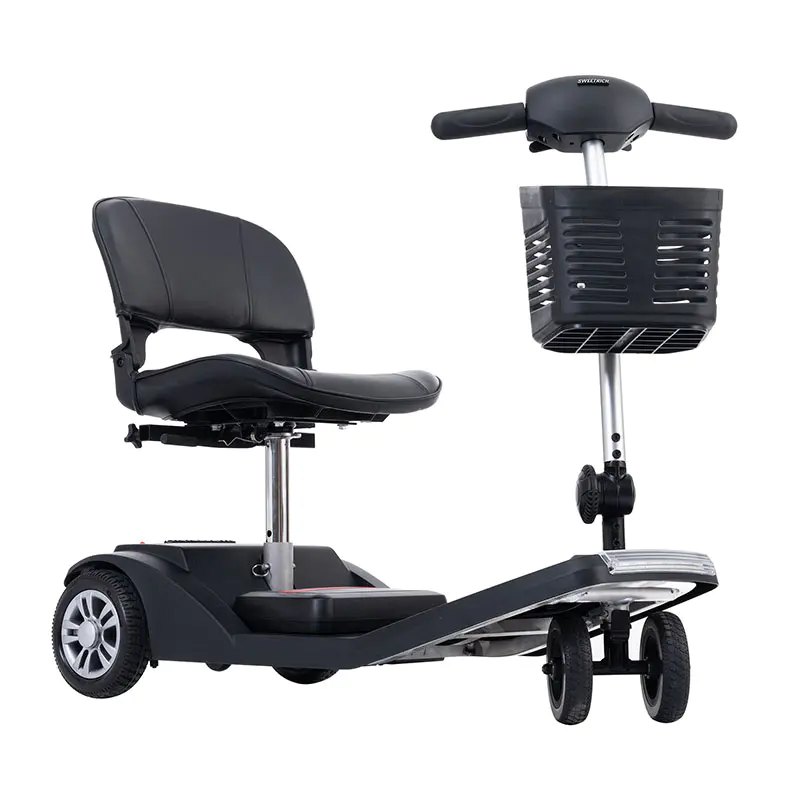
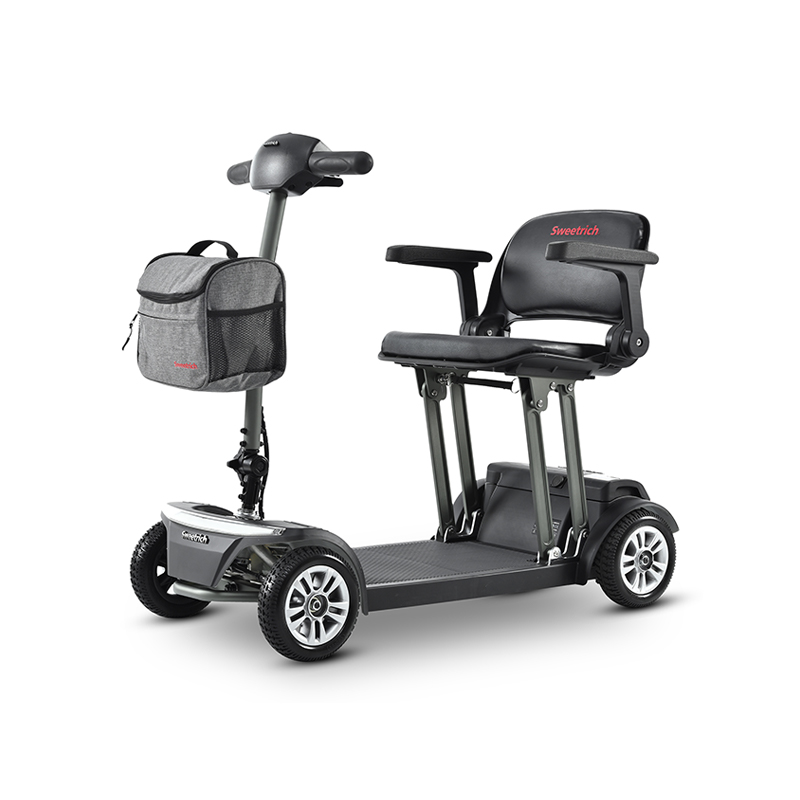
For many people, a personal mobility scooter—available through reliable Wholesale Mobility Scooter suppliers—is more than just a way to get from one place to another—it's a key to staying active and connected. These scooters let users pop to the local shops, meet friends for coffee, stroll through a park, or simply move around the house without relying on others. They have a padded seat that swivels or lifts for easy access, armrests that flip up, a steering tiller with thumb or finger controls, and a set of wheels driven by a quiet electric motor. Batteries sit low down, and the whole machine is built to feel approachable rather than intimidating.
Safety, though, has to come first. Riders often share pavements with families pushing prams, dog walkers, cyclists, and delivery vans. Surfaces change from smooth supermarket floors to cracked slabs, loose gravel paths, damp grass, and the occasional dropped kerb or driveway ramp. Lighting can be poor in the evenings, and rain or leaves make things slippery. If the scooter feels wobbly or threatens to tip, that sense of freedom quickly turns to worry.
Builders therefore pack in a range of safeguards. Some are obvious, like lights and a horn; others are hidden in the shape of the frame or the placement of heavy parts. Two of the important areas are the devices that stop the scooter from tipping over and the overall design choices that keep it steady day after day.
Why Scooters Tip and What That Feels Like
A scooter tips when the combined weight of the rider, the machine itself, and anything being carried moves too far away from the patch of ground covered by the wheels. Think of the wheels as table legs—if you push the tabletop far enough to one side, it topples.
Backward tipping usually happens when going up a slope or ramp too enthusiastically. The front wheel lightens, then lifts, and suddenly the rider is leaning back further than expected. Forward tipping comes from braking hard while going downhill; weight surges over the front wheel and the back end feels like it wants to rise. Side tipping appears during a quick turn on an uneven surface or when travelling across a camber—one wheel drops into a dip or rides up a ridge while the others stay level. Carrying a heavy bag on one side or leaning out to reach something can start the same chain of events.
Slippery conditions make everything worse. Wet leaves act like grease, loose stones roll under the tyres, and soft mud lets wheels sink at different rates. Overloading presses any springs flat and lifts the balance point higher. Knowing these triggers helps riders slow down or change direction more gently, and it guides designers toward useful protections.
Anti-Tip Wheels – Small Additions with Big Impact
One of the common and effective safeguards is a pair of small anti-tip wheels, usually attached toward the rear of the scooter. While riding normally, they hang just clear of the ground so they don’t scrape or reduce the scooter's ability to mount small obstacles.
If the front starts to rise—typically on a driveway ramp or when the rider shifts weight backward sharply—these little wheels touch down. They instantly create a longer base, stopping the backward rotation and letting the main wheels settle again. Everything happens automatically; the rider simply feels a gentle check rather than a frightening lurch.
The wheels themselves vary. Some are plain and rigid, others have a short spring to soften the landing, and a few can caster slightly so they roll instead of skid if they brush the ground in a turn. On many models the mounting bracket can be adjusted up or down to suit different rider weights or seat settings.
They add hardly any extra weight and do nothing to spoil tight indoor turns. Anyone who regularly uses ramps, carries shopping home, or ventures onto gently sloping park paths quickly appreciates the quiet reassurance they provide.
The Frame's Quiet Work in Keeping Things Steady
The frame is the backbone that everything else hangs from. Strong tubes welded or bolted into triangles or box sections resist twisting when the scooter hits potholes or leans into corners. Extra metal reinforces the areas around the seat pillar, battery box, and motor housing—the places that take the hardest knocks.
Keeping the batteries low, usually under the seat or built into the floor plate, drops the heaviest part close to the ground. That single choice makes a huge difference to how easily the scooter can be upset. Folding models need particularly robust hinges and several strong latches so that, once opened, the frame feels as solid as a one-piece design.
Modern tubing can be lighter than older steel yet still tough enough for daily use, which helps the scooter feel responsive without becoming flimsy.
How Wheel Layout Changes the Feel
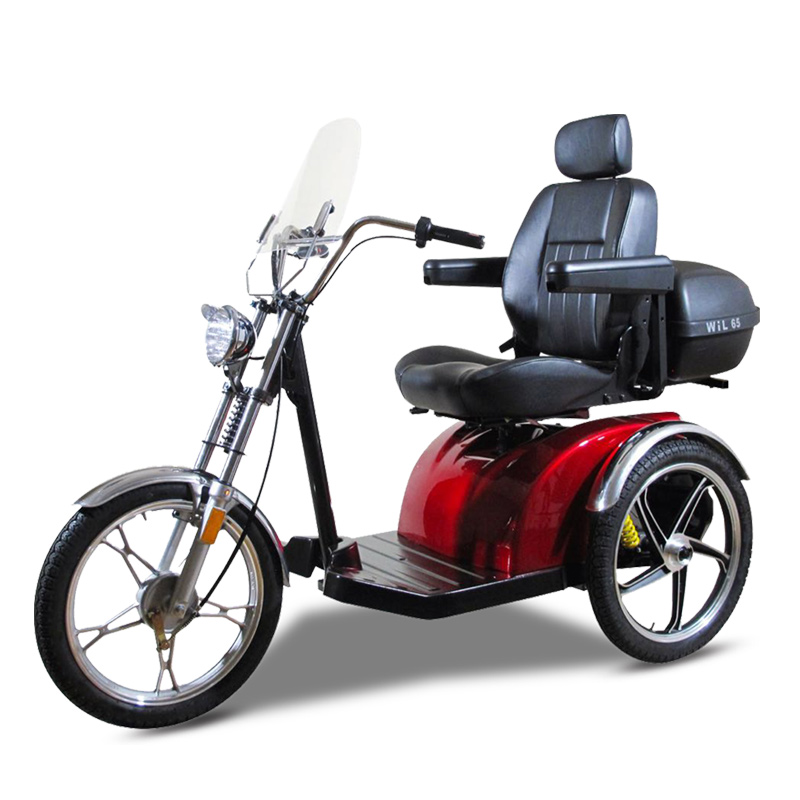
Wheel arrangement plays a large part in day-to-day confidence. Three-wheel scooters—one steerer at the front, two driven wheels at the back—turn on a dime. They slip easily between clothing racks in shops or negotiate narrow doorways at home. The penalty is a narrower front profile, so riders need to take outdoor corners and side slopes a little more gently.
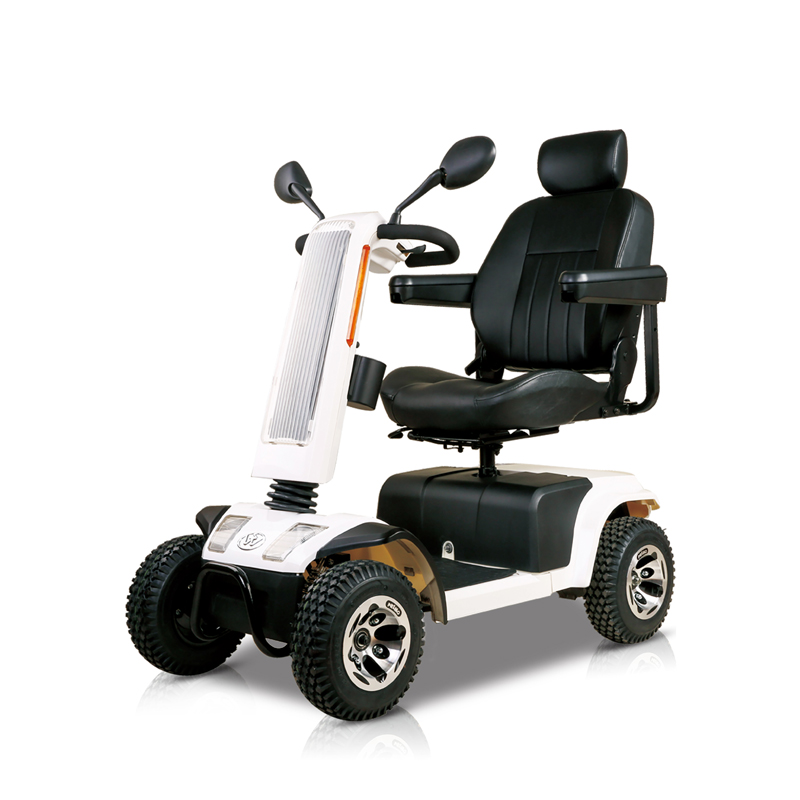
Four-wheel scooters add a second front wheel, widening the patch of ground that supports weight. The extra contact point makes sideways lean much harder to provoke and helps the scooter track straight over lumpy grass or cracked paving. The turning circle grows, but rarely enough to cause problems in ordinary settings.
The distance between front and rear axles—the wheelbase—also matters. A longer wheelbase smooths the up-and-down pitching over speed bumps and spreads weight transfer more gradually when starting or stopping. Wider rear spacing adds further resistance to side roll.
Many people pick three wheels when journeys are indoors or in large stores, and switch to four wheels when parks, residential streets, or gentle hills feature regularly. Some designs widen just the rear pair while keeping a single front wheel, offering a useful halfway house.
Tyres – The Crucial Link to the Ground
Tyres are the only parts of a mobility scooter that actually touch the surface, so their design directly affects grip, comfort, and stability.
Pneumatic tyres (air-filled) soak up small bumps and mould themselves to uneven patches, helping every wheel stay in contact. This constant contact preserves steering feel and braking power on rough sections.
Solid tyres cannot puncture, need no pressure checks, and keep going even if they pick up a nail. Modern rubber recipes give them acceptable softness for everyday riding.
- Foam-filled versions sit in between—flat-proof with a bit of cushion.
- Tread pattern is tailored to typical use:
- Deep grooves push water and mud aside outdoors.
- Nearly smooth treads roll quietly and easily on hard floors.
- Wider tyres spread the load, stopping the scooter from sinking into soft lawns or gravel.
A quick glance and occasional pressure top-up for air tyres—or a check for excessive wear on any type—keeps performance consistent.
| Aspect | Optimized Summary |
|---|---|
| Role of Tyres | Directly affect grip, comfort, steering control, and overall stability |
| Pneumatic Tyres | Absorb bumps, adapt to uneven ground, improve ride comfort and traction |
| Solid Tyres | Puncture-proof, low maintenance, suitable for consistent daily use |
| Foam-Filled Tyres | Balance between cushioning and puncture resistance |
| Tread Design | Deep grooves for outdoor grip; smooth tread for indoor efficiency |
| Tyre Width | Wider tyres distribute weight better on grass or gravel |
| Maintenance | Regular visual checks; air pressure or wear inspection maintains performance |
Balancing Weight for Everyday Confidence
Good stability starts with sensible weight placement. Heavy batteries low down act like ballast in a yacht. The seat puts the rider's weight right over the strongest part of the base, usually above the drive wheels.
Seat rails that slide forward or back let taller or shorter legs find comfort without shifting the rider too far from that sweet spot. Baskets and carriers are mounted low and as central as possible.
Riders help by sharing loads evenly—groceries split between front and rear, or placed in a purpose-built back box rather than dangling from one handle. Staying inside the stated weight limit keeps springs and structure working exactly as planned.
Tackling Slopes Without Drama
Ramps and hills need a calm approach. Heading straight up or down uses the full length of the wheelbase for support. Crossing a slope at an angle shortens that base dramatically and invites sideways slide.
Climbing calls for steady, gentle throttle so the front wheel never lightens excessively. Moderate pace keeps traction without overwhelming the motor. Many scooters quietly reduce power on steeper angles as an extra precaution.
Descending is about easing off the throttle and letting the automatic braking take charge. Sudden hard stops fling weight forward. When choice exists, sticking to gentler routes avoids unnecessary challenge.
Practising on shallow driveways soon shows how a particular scooter behaves and where personal comfort lies.
Braking That Feels Reassuring
Reliable brakes turn potential scares into simple slowdowns. Electromagnetic brakes kick in the moment the throttle is released, easing speed smoothly without needing constant finger pressure. They still work even if the battery runs flat.
Extra hand levers provide instant stronger stopping for unexpected moments. Together they give fine control—soft for ordinary situations, firm when something appears suddenly.
Daily quick checks—letting go of the throttle to feel the gentle pull—confirm everything is ready.
Making Sure Others See You
Sharing paths and roads means being noticeable. Front lights cut through dusk or indoor shadows; rear lights and brake lights show when slowing or stopping. Reflective strips on the frame and wheels catch car headlights from the side.
A horn or bell gives a friendly warning at crossings or busy corners. A bright flag or vivid colour scheme helps in busy daylight too.
Watching for pedestrians stepping out and signalling intentions early turns these aids into genuinely safer journeys.
Suspension – Smoothing the Ride
Simple springs or shock absorbers at the front or back soak up jolts, stopping the whole scooter bouncing. When wheels can move independently, one pothole doesn't throw the others off line.
Even basic seat padding and flexible tyres contribute useful comfort. Good suspension keeps tyres pressed to the ground, preserving grip and direction.
Small Habits That Pay Off Every Day
Quick routines add an extra layer of security to every journey.
- A glance over the scooter before heading out—checking tyres, lights, charge level, and any folding locks—spots anything unusual early.
- Choosing familiar, well-surfaced routes with decent lighting avoids surprises and reduces risks.
- Leaving a few extra minutes removes any rush, allowing calmer and safer operation.
- Keeping eyes up and scanning ahead gives time to react calmly to whatever appears.
- Regular short trips keep handling feel fresh and familiar, building confidence over time.
Keeping the Scooter in Top Shape
Basic care preserves all the built-in safeguards and extends reliable performance.
- Washing off road grime stops it building up around moving parts and affecting function.
- Checking visible nuts and bolts stops them working loose from vibration.
- Proper charging and storing away from freezing or baking conditions looks after the batteries and maintains power delivery.
- Following the suggested service schedule catches anything developing slowly before it becomes a problem.
- A notebook or phone note of dates and tasks makes it easy to stay on top of maintenance and track progress.
| Maintenance Area | Optimized Key Points |
|---|---|
| Cleaning | Remove dirt regularly to prevent buildup around moving parts |
| Fastener Checks | Inspect visible nuts and bolts to avoid loosening from vibration |
| Battery Care | Charge correctly and store away from temperatures |
| Scheduled Servicing | Follow routine service plans to catch issues early |
| Maintenance Tracking | Record dates and tasks to ensure consistent upkeep |
Choosing Features That Fit Real Life
Different routines suit different strengths. Frequent shop visitors often love the nimble turn of three wheels. Park strollers or neigh bourhood wanderers usually prefer the planted feel of four wheels and tougher tyres.
Regular ramp users value strong anti-tip wheels and confident hill performance. Changing weather suggests bright lights and grippy tread.
Thoughtful extras—rain covers, extra reflectors, or a rear-view mirror—extend comfort and safety into whatever conditions arise.
Where Things Are Heading
Designers keep finding improvements. Newer materials get lighter yet stay tough. Battery packs fit even lower. Simple sensors may soon ease power automatically on steep leans.
Rider experiences continue to shape practical, useful changes.
Final Thoughts on Safe, Enjoyable Mobility
Safety comes from many small details working together. Anti-tip wheels catch backward lifts, wide steady bases resist side lean, low weight placement anchors everything, dependable brakes offer control, and clear lights ensure visibility.
Tyres, suspension, strong frames, and careful daily habits complete the picture. Regular care keeps it all performing reliably.
When riders understand these elements and use them thoughtfully, a mobility scooter becomes a trusted friend—opening up the day with freedom and genuine peace of mind.
Sweetrich consistently incorporates these essential safety features into its designs, paying close attention to the details that matter in daily use.
Riders who prioritise peace of mind alongside independence find in Sweetrich a range of options that deliver steady, reassuring performance across pavements, parks, shops, and gentle slopes. Regular care and mindful habits further enhance these built-in strengths, but the foundation starts with design choices that put safety first. For anyone seeking a mobility scooter that combines practical freedom with dependable protection, Sweetrich offers a compelling choice—one rooted in careful engineering and a genuine focus on the user's everyday experience.