
 +86-(0)512-82283871
Content
- 1 What Makes an Elderly Electric Folding Scooter Suitable for Outdoor Use?
- 2 How Can Outdoor Time Be Organized in a Comfortable Way?
- 3 What Factors Influence Comfort During Outdoor Riding?
- 4 How Does Technology Influence Folding Scooter Development?
- 5 How Can Outdoor Time Become Part of a Daily Routine?
- 6 What Factors Shape Overall Outdoor Mobility Experience?
- 7 How Does Outdoor Mobility Support Independent Living?
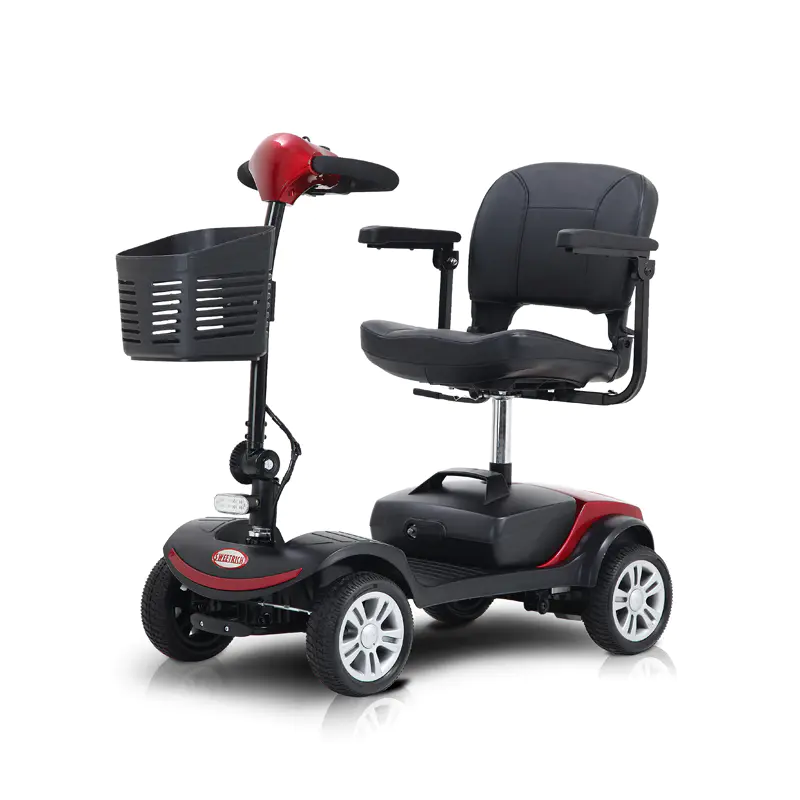
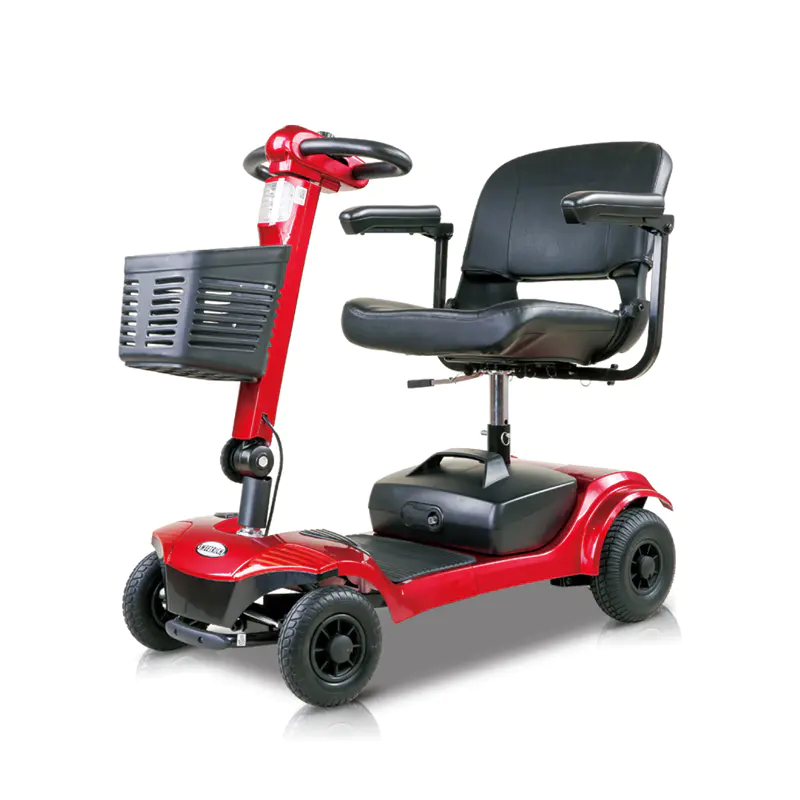
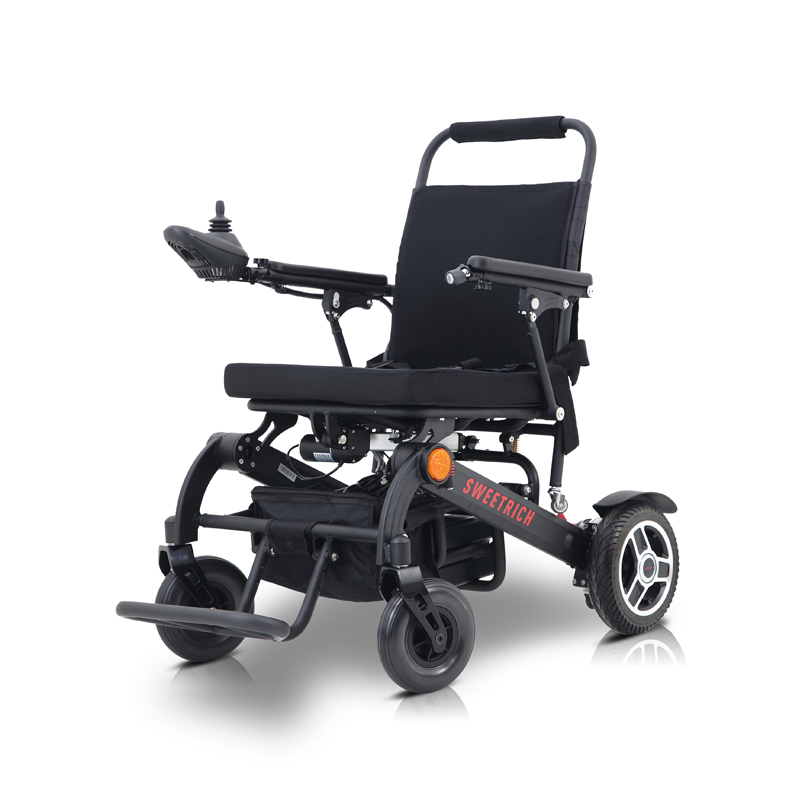
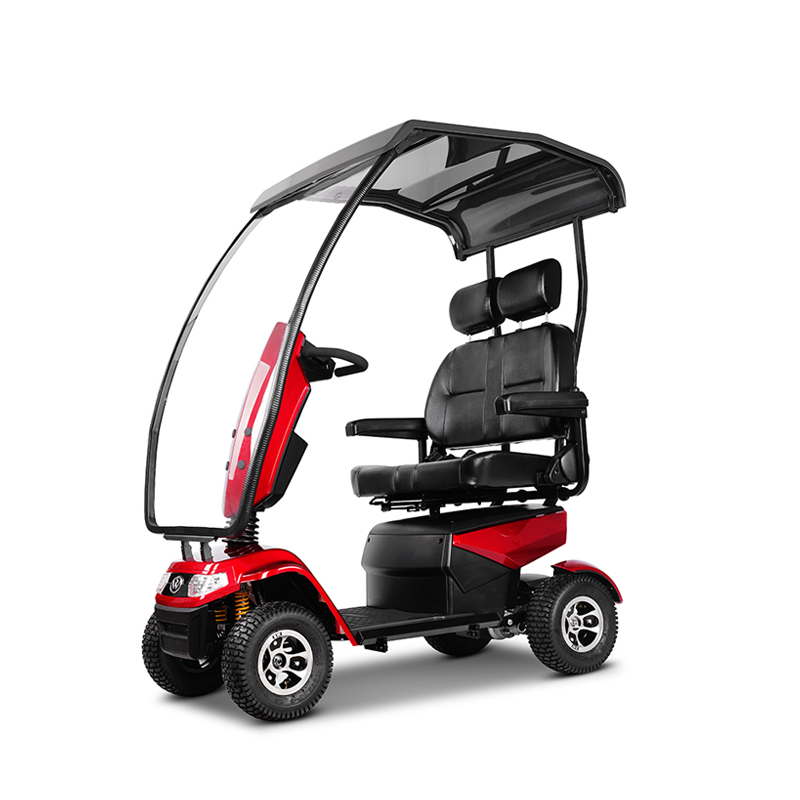
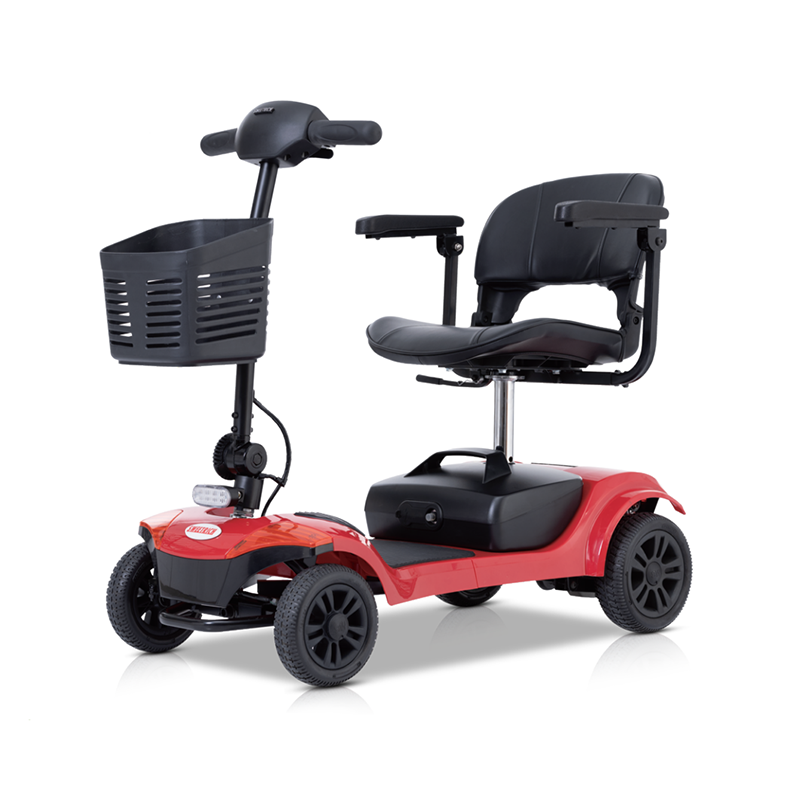
Outdoor movement often carries a meaning that goes beyond simple travel between places, because once a person steps outside the home, even for a short distance, the environment begins to shift in ways that affect mood, attention, and daily rhythm, and an Elderly Electric Folding Scooter quietly becomes part of that transition when walking longer distances is no longer comfortable or practical in repeated situations.
There are moments when outdoor time is not planned in detail, it simply happens as part of daily routine, such as moving around the neighborhood, circling a nearby park, or heading toward a familiar sitting area where the pace of life feels slower, and in those moments the scooter does not feel like a complex device, it works more like a steady support that allows movement to continue without interruption.
What stands out is not speed or distance, but the way outdoor space becomes accessible again in small portions that fit into ordinary days, because some users may only need a short ride to feel refreshed, while others may prefer slightly longer routes that include light interaction with surroundings, and in both cases the experience is shaped more by comfort and stability than by any sense of performance.
What Makes an Elderly Electric Folding Scooter Suitable for Outdoor Use?
Outdoor environments rarely remain consistent from one section of a path to another, since smooth pavement may gradually shift into slightly uneven ground, small slopes, or mixed surface textures, and because of this variation the structure of an Elderly Electric Folding Scooter is often shaped around steady movement rather than fixed conditions.
The folding structure plays a practical role that goes beyond saving space, since it allows the scooter to move between indoor storage and outdoor use without requiring complicated preparation, which becomes important in daily situations where plans may change suddenly or where available space is limited, and this flexibility quietly supports regular use rather than occasional use.
Electric assistance changes how movement feels across longer paths, because instead of relying fully on physical strength, travel becomes supported in a way that keeps pace more stable even when the ground changes slightly, and this becomes noticeable during small slopes, longer walkways, or areas where surface resistance is not always the same.
Safety-related design elements also work in the background without drawing attention, since stable frame behavior, controlled turning response, and consistent wheel contact with the ground all contribute to a predictable movement pattern, especially when the path includes small irregularities that are difficult to notice.
A few structural aspects often influence outdoor suitability in a combined way rather than separately:
- Frame balance during direction changes on uneven ground
- Folding mechanism stability during continuous movement
- Wheel response when surface texture changes gradually
- Controlled acceleration behavior in open outdoor spaces
How Can Outdoor Time Be Organized in a Comfortable Way?
Outdoor time often becomes more comfortable when it is not structured in a complicated way, because familiar routes tend to reduce mental effort and allow attention to remain on surroundings rather than navigation, and an Elderly Electric Folding Scooter fits into this style of movement by supporting repeated, simple travel patterns that do not require detailed planning.
Common outdoor environments such as residential walkways, park paths, quiet community spaces, and open seating areas each create slightly different movement experiences, even when the distance is similar, since parks often feel more open and relaxed, while residential paths usually feel more predictable and stable, and these differences naturally influence route preference.
Short travel patterns are often used in daily life, not because longer routes are difficult, but because repetition of familiar loops can create a sense of ease where surface conditions and direction become known, and this familiarity reduces the need for constant adjustment during movement.
A simple comparison of common outdoor movement patterns can help illustrate how route structure shapes experience:
| Outdoor Movement Pattern | Route Character | General Experience |
|---|---|---|
| Repeated short loop | Familiar surrounding paths | Calm and steady movement rhythm |
| Park circulation | Open space pathways | Relaxed and visually open experience |
| Community route travel | Residential street connections | Predictable surface conditions |
| Mixed surface travel | Pavement with light uneven sections | Slight variation in movement feel |
Pacing becomes an important but quiet factor in all of these situations, since steady movement allows the scooter to respond more naturally to surface changes, and reduces sudden shifts in balance that may occur when speed does not match ground conditions.
Even brief pauses during outdoor time, such as stopping near a shaded area or resting along a walkway, can help reset comfort during longer outings, making the overall experience feel less continuous and more naturally segmented.
What Factors Influence Comfort During Outdoor Riding?
Comfort during outdoor riding is rarely determined by a single component, instead it emerges from the way several elements interact with each other while responding to changing ground conditions, and this is particularly noticeable when using an Elderly Electric Folding Scooter across mixed terrain.
Seating structure plays an important role during longer rides, because when support is evenly distributed, the body remains more stable even as the scooter moves across slightly uneven surfaces, and this stability helps reduce gradual strain that may build up during continuous outdoor travel.
Wheel response becomes more noticeable when surfaces change from one type to another, since pavement, gravel, and compact soil each create different levels of resistance, and smoother transition between these surfaces often results in a more consistent movement feel rather than sudden shifts in vibration.
Frame structure also influences comfort, especially in folding designs where compact form must still maintain stability during movement, because weight distribution affects how the scooter reacts during turning or directional adjustments on uneven ground.
Instead of isolating each element, comfort can be understood as a combined outcome of several interacting factors:
- Seating support that maintains posture during longer use
- Wheel adaptation that responds to surface variation
- Frame balance that supports controlled direction changes
- Ground interaction that reduces sudden vibration transfer
When these elements remain reasonably balanced, outdoor movement tends to feel more natural and less demanding, even when surface conditions change gradually throughout the route.
How Does Technology Influence Folding Scooter Development?
Electric systems quietly shape how movement feels across different ground conditions, because smoother acceleration and more controlled response can reduce the sense of abrupt change when pavement turns into gravel or when a gentle slope appears without warning, and over time this kind of steadiness becomes more noticeable than raw movement capability.
Folding mechanisms also evolve around practical handling, since repeated folding and unfolding becomes part of daily routine rather than occasional action, and what matters more is whether the structure opens and locks in a stable way without requiring extra effort or adjustment during use, especially when storage space is limited or travel plans change quickly.
User feedback from real outdoor conditions often guides gradual adjustment in structure and function, since small details such as comfort during longer rides, ease of control on uneven ground, or stability during slow turns tend to appear only after repeated use, and these observations slowly shape how future designs are refined without changing the overall simplicity of the system.
How Can Outdoor Time Become Part of a Daily Routine?
Outdoor activity becomes easier to maintain when it does not rely on strict planning, because daily life often changes in small ways that make fixed schedules less practical, and short, flexible rides tend to fit more naturally into this kind of rhythm.
Familiar routes play a quiet role in building consistency, since repeated travel through known paths reduces the need for constant attention to navigation and allows more focus on surroundings, movement feel, and simple observation of environmental changes such as light, weather, or pedestrian activity.
In many cases, routine outdoor time is formed through repetition rather than intention, where short rides happen at similar times of day or through similar locations, and this repetition gradually creates a stable pattern that feels less like an activity and more like a normal part of the day.
There is also a subtle shift in how outdoor movement is perceived over time, because what begins as occasional travel may slowly turn into a regular habit that supports both physical activity and mental clarity without requiring additional effort to maintain.
What Factors Shape Overall Outdoor Mobility Experience?
Outdoor mobility experience is not defined by a single feature, since it comes from the way different elements interact during actual movement, including equipment behavior, ground condition, and the rider’s own adjustments while traveling.
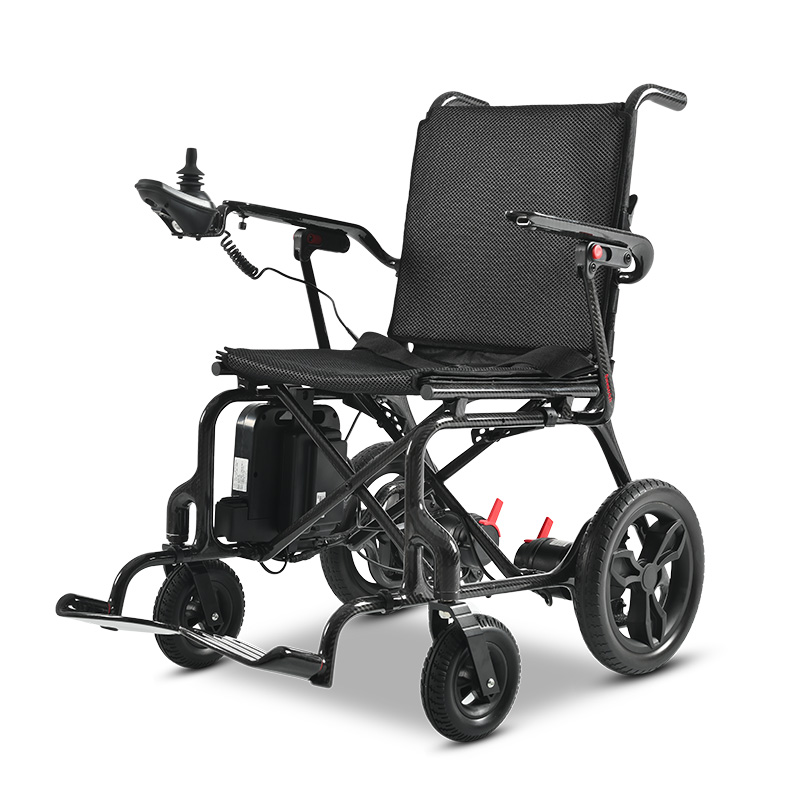
An Elderly Electric Folding Scooter responds to changes in surface texture through its wheel contact, frame balance, and electric support, while the environment introduces variation through pavement cracks, gravel patches, or uneven transitions that naturally affect vibration and direction feel.
User behavior also becomes part of this interaction, especially in how speed is adjusted, how turns are made, and how attention shifts between movement and surroundings, since these small decisions often influence comfort more than structural design alone.
Rather than separating these elements, it is more realistic to see outdoor mobility as a combined system where stability, surface variation, and movement habits continuously influence each other throughout the ride.
How Does Outdoor Mobility Support Independent Living?
Independent living is often reflected in small daily choices rather than large actions, and outdoor mobility plays a role in that sense by allowing movement outside the home without requiring constant support or fixed arrangements.
With the help of an Elderly Electric Folding Scooter, outdoor activity becomes more flexible, since timing, route, and duration can be adjusted based on personal comfort instead of external limitation, which gradually changes how daily planning is shaped.
This flexibility influences lifestyle rhythm in a quiet way, as short outdoor rides, casual visits, or simple movement around familiar areas begin to form part of normal routine, blending indoor and outdoor time into a more balanced structure.
Over time, independence is less about distance traveled and more about the ability to move freely within changing conditions, where outdoor access remains available in a simple and practical form that supports everyday living without adding complexity.