
 +86-(0)512-82283871
Content
- 1 What A Low Center Of Gravity Means
- 2 Weight Distribution During Everyday Riding
- 3 Stability During Starting And Stopping
- 4 Everyday Turning Requires More Than Steering
- 5 How A Low Center Of Gravity Helps On Uneven Ground
- 6 Why Tire Design And Weight Position Work Together
- 7 How Frame Layout Changes The Riding Feeling
- 8 Why Seat Position Matters More Than It Seems
- 9 Where Stable Design Helps In Daily Life
- 10 Simple Care That Helps Keep Stability
Daily mobility rarely follows one simple route. A short trip may begin on a smooth living room floor, continue through a doorway, cross a small ramp, pass along a sidewalk, and finish inside a shop. Every change in surface asks the scooter to respond a little differently. Even small height differences or gentle turns can influence how steady a ride feels.
For many people, comfort comes from predictable movement rather than speed. A scooter that remains balanced while starting, turning, or slowing down often creates a more relaxed riding experience. Because of that, stability has become an important point in modern mobility design.
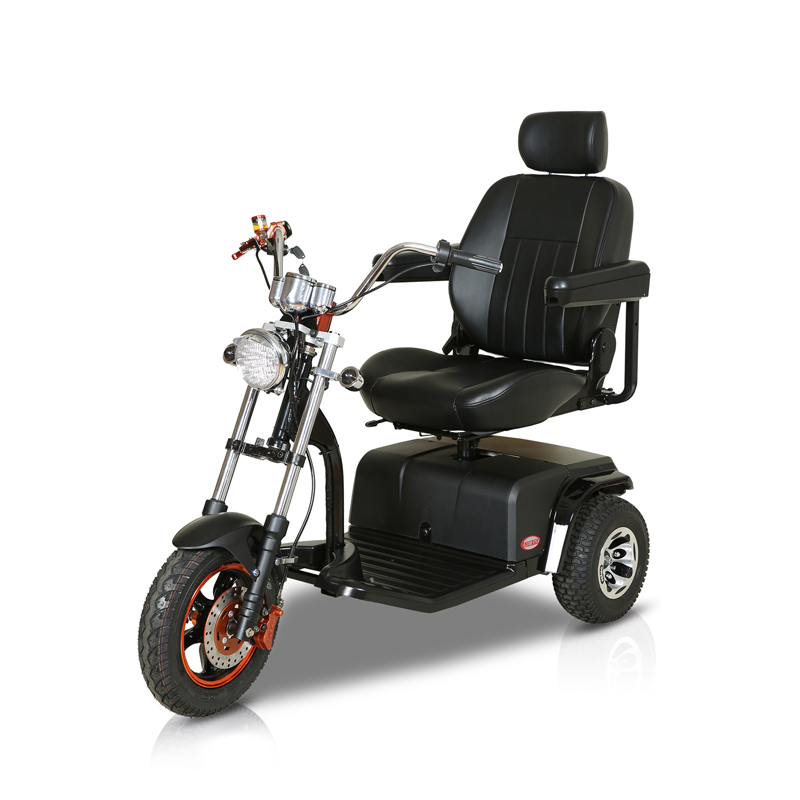
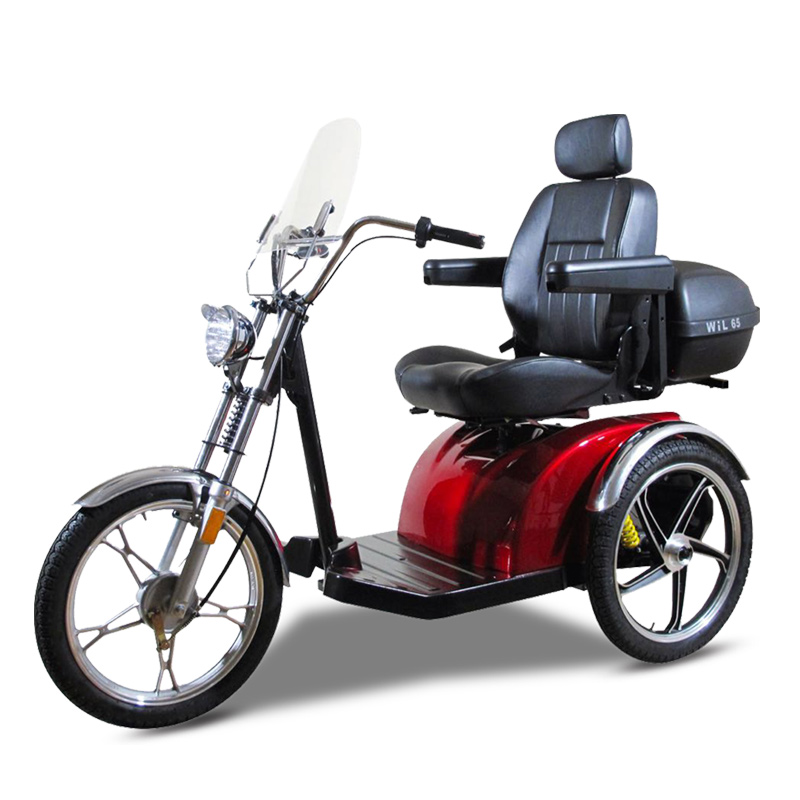
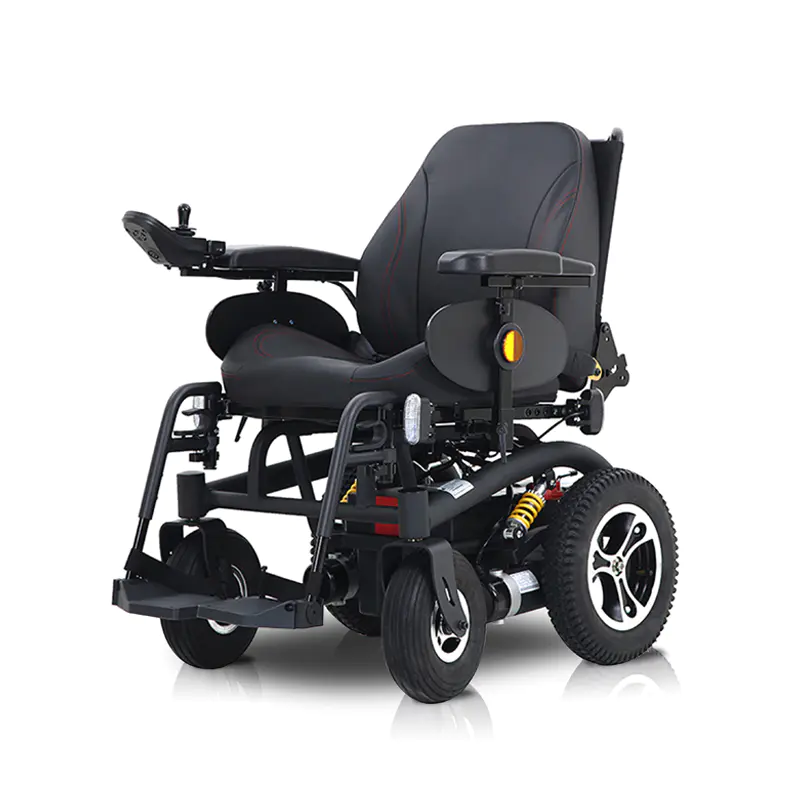
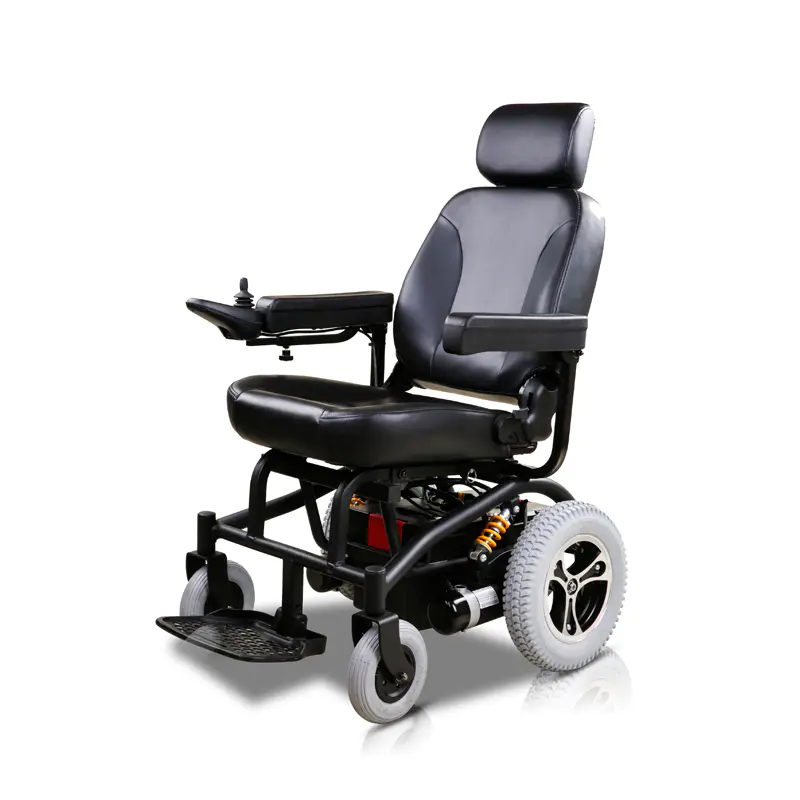
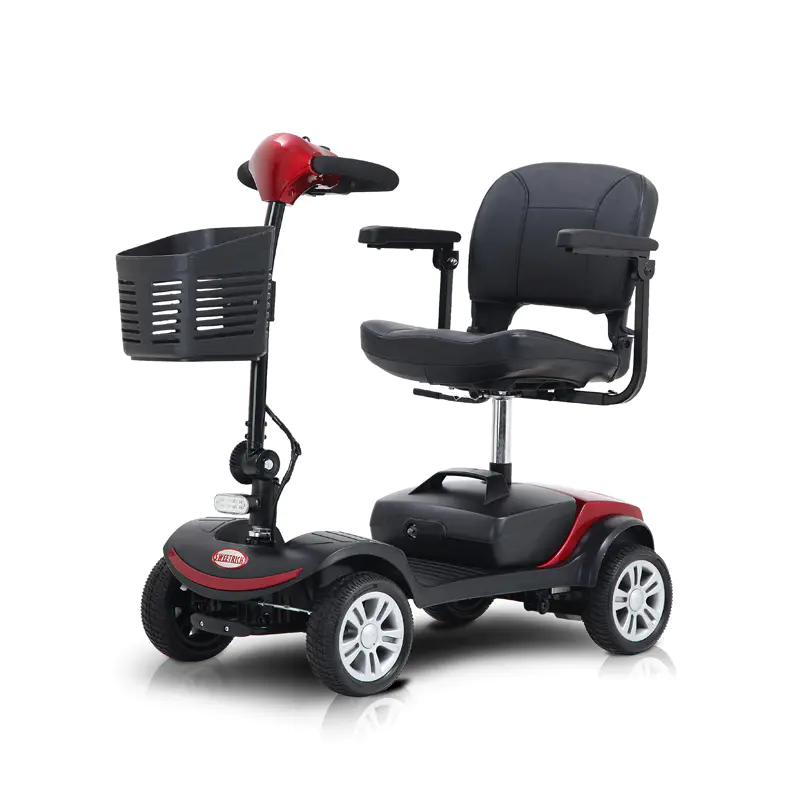
A Travel 3 Wheel Scooter is often expected to move through compact indoor areas as well as outdoor walkways. Such everyday conditions place more attention on overall balance than many people realize. Tire choice, frame layout, seating position, and weight distribution all work together, while the location of the center of gravity quietly affects how each movement feels.
Many riders notice stability only when something feels different. A scooter that leans more during a corner or reacts noticeably when crossing a driveway usually draws attention to its balance. When movement remains natural, few people think about the design underneath.
What A Low Center Of Gravity Means
Center of gravity describes where the main weight of a scooter is concentrated. Every mobility scooter has batteries, a seat, wheels, a steering system, and structural parts. Where those components are placed changes how the whole vehicle behaves during travel.
Imagine carrying two shopping bags. One bag hangs close to the ground, while another is held high near shoulder level. Even with similar weight, each feels different while walking around a corner. Weight positioned lower often feels steadier because body movement creates less swinging.
A similar idea applies to a Travel 3 Wheel Scooter. Components placed closer to the ground can help reduce unnecessary body movement during ordinary riding. Gentle steering, gradual braking, and everyday turning often feel more predictable because weight remains closer to the wheel contact area.
Overall weight tells only part of the story. A lighter scooter may still feel less balanced when heavy parts sit higher in the frame. A slightly heavier design may feel steadier when major components stay lower. Balance depends on where weight is located rather than weight alone.
Weight Distribution During Everyday Riding
Movement creates constant changes in force. Starting from a standing position shifts weight toward the rear. Slowing down moves pressure toward the front. Turning transfers part of the load from one side to another.
Balanced weight distribution helps those changes happen more smoothly.
Consider a common daily routine. A rider leaves home, passes through an entrance, follows a paved path, and turns into a grocery store. Several steering movements happen within only a short distance. Weight moves each time direction changes.
When heavier components remain lower inside the frame, body movement usually feels calmer during those transitions. Steering can feel more natural because the scooter does not react as suddenly to small changes in direction.
Everyday situations where balance becomes noticeable include:
- entering an elevator
- turning around display shelves
- passing through apartment hallways
- moving across gentle curb ramps
- avoiding small objects on a sidewalk
None of those situations involve difficult terrain. Ordinary travel simply asks the scooter to remain steady while direction changes several times.
Stability During Starting And Stopping
Starting from a complete stop appears simple, although several movements happen together. Power begins moving the scooter forward while body weight naturally shifts backward for a brief moment.
Stopping creates the opposite effect. Weight moves toward the front before returning to a resting position.
A lower center of gravity helps reduce unnecessary rocking during both actions. Riders may notice smoother transitions rather than sudden body movement.
Such differences become easier to recognize during routine activities.
For example, leaving a pharmacy often involves stopping at an automatic door, waiting briefly, then moving forward again. Similar patterns happen outside community buildings, libraries, shopping areas, and medical facilities. Frequent stopping and starting become part of ordinary travel instead of unusual situations.
Steady movement during those moments can also reduce unnecessary pressure on tires because weight changes remain more evenly distributed across the wheels.
Everyday Turning Requires More Than Steering
Corners appear almost everywhere during daily mobility. Living rooms, kitchens, elevators, store aisles, parking areas, and garden paths all require regular turning.
A steering system changes wheel direction, although balance determines how naturally the scooter follows that direction.
A low center of gravity helps keep weight closer to the ground while turning. Body movement feels more controlled because side-to-side weight transfer becomes less noticeable.
Different travel environments create different turning habits.
| Everyday Location | Common Movement | Why Balance Matters |
|---|---|---|
| Home hallways | Short turns around furniture | Smooth direction changes in limited space |
| Shopping areas | Repeated cornering between aisles | Predictable steering during frequent turns |
| Community sidewalks | Gentle curves and pathway changes | Stable movement across mixed surfaces |
Turning is not only about reaching another direction. Small steering adjustments happen continuously during ordinary travel. A balanced frame helps those adjustments feel consistent instead of abrupt.
Much of that stability comes from design choices hidden beneath the seat rather than from anything visible during everyday use.
How A Low Center Of Gravity Helps On Uneven Ground
Daily travel does not stay on one kind of surface. A scooter may roll from a smooth floor to a doorway lip, then onto pavement with small cracks, then across a path that changes height a little from one side to the other. Small changes like that are common, yet they can alter the feeling of balance quite a bit.
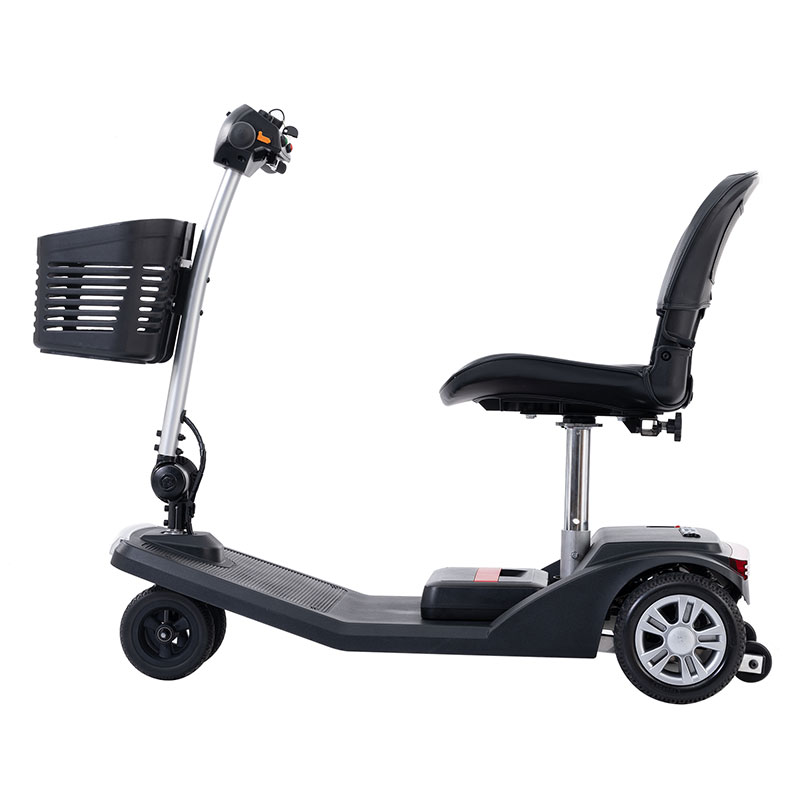
A low center of gravity keeps more weight close to the wheels, so a Travel 3 Wheel Scooter often feels steadier when the ground changes under it. The body of the scooter does not shift as sharply, and the rider usually needs less effort to stay relaxed while moving forward.
That difference can show up in ordinary moments. Rolling out of a home entrance, passing over a curb cut, crossing a parking edge, or moving through a walkway with worn patches all place different demands on the scooter. A lower weight position helps the frame stay calmer through those changes, which can make daily movement feel less jumpy.
A few common situations where balance becomes noticeable are:
- crossing a small gap between indoor and outdoor flooring
- moving over slightly rough pavement
- turning across a slanted path
- entering a building with a raised threshold
None of those routes sounds unusual, yet each one can reveal how a scooter handles weight transfer. A stable ride often feels less tiring because the rider does not need to keep adjusting posture as much.
Why Tire Design And Weight Position Work Together
Stability does not come from one part alone. Tire structure and weight placement need to support each other. A scooter with a low frame still relies on suitable tires to keep contact with the ground steady.
A Travel 3 Wheel Scooter used mostly indoors may need wheels that roll quietly and keep care simple. Outdoor use asks more from the tires, since paths can include dust, fine gravel, shallow cracks, and small surface changes. A tire that matches the route helps the scooter stay balanced instead of reacting too sharply to the ground.
Different tire styles bring different habits of care:
- solid tires keep maintenance simple and avoid pressure checks
- honeycomb tires add some cushioning while staying air-free
- pneumatic tires soften bumps and feel gentler on rougher paths
Each type suits a different kind of travel. A tire alone does not decide balance, though. Frame layout, wheel spacing, and seat position all shape how the scooter carries weight.
When those parts are arranged well together, movement feels easier to manage. A turn around a shop aisle, a stop near a doorway, or a slow ride through a walkway usually feels more natural when the scooter responds in a calm way.
How Frame Layout Changes The Riding Feeling
A scooter frame does more than hold parts together. It decides where the heavier components sit and how weight moves during travel. That shape has a quiet effect on balance.
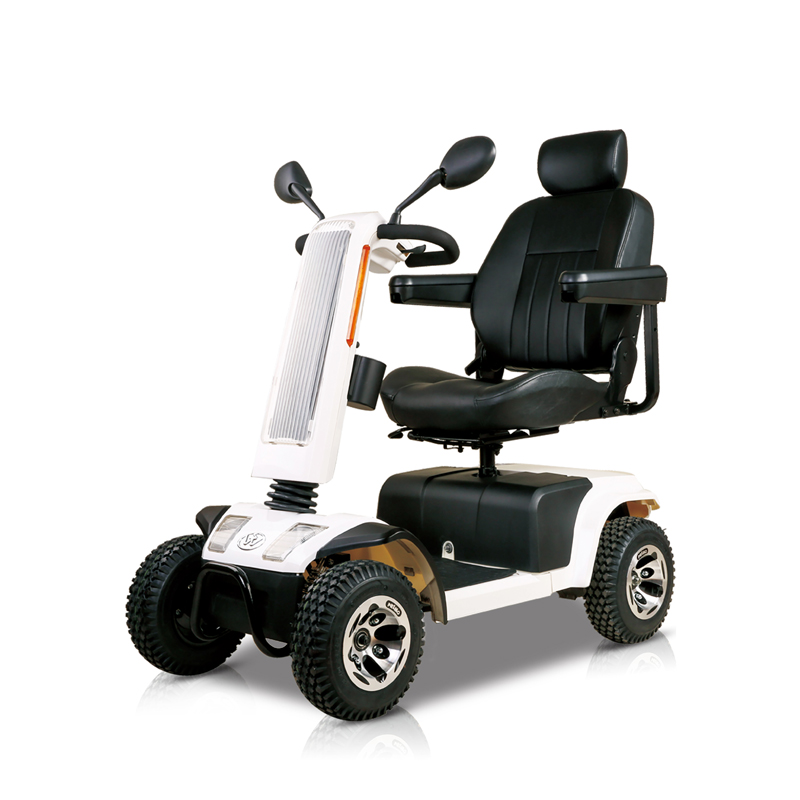
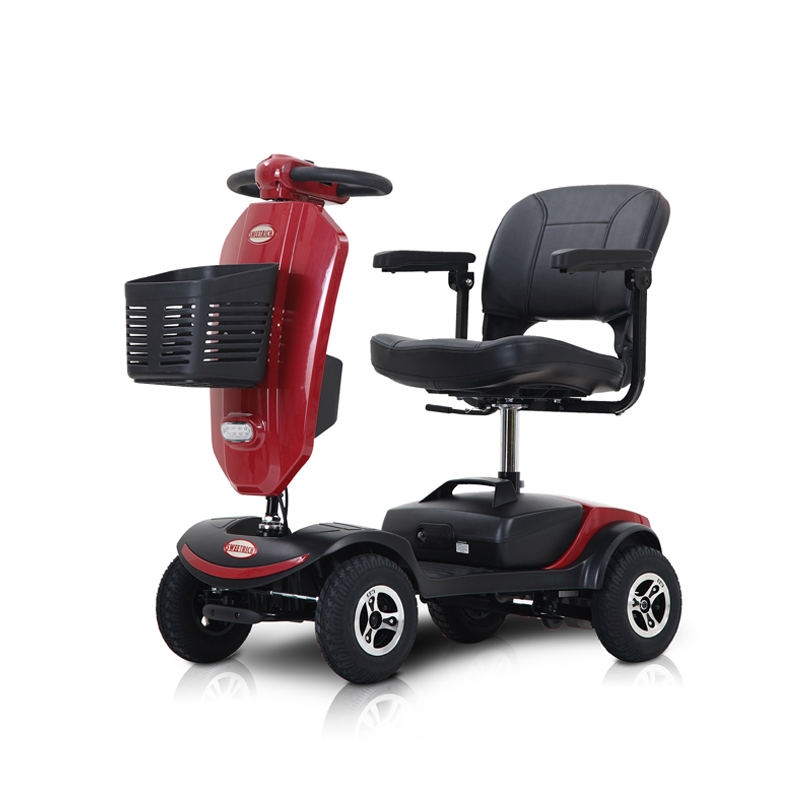
For a Medium Mobility Scooter, frame layout matters even more because daily use may cover a wider range of spaces. A scooter used in a home hallway in the morning may later move through outdoor paths or public areas. Each setting places different demands on the frame.
A lower frame can help keep the scooter feeling settled. Wheel placement also affects how the scooter reacts while turning or stopping. When the heavier parts stay lower, the rider often notices fewer sudden shifts from side to side.
Several details can influence that feeling:
- where the battery and main body parts sit
- how far apart the wheels are placed
- how high the seat rises from the base
- how the frame supports turning movement
People usually do not look at those parts during a ride. What gets noticed is the result. A scooter may feel easier to guide through a doorway, smoother around furniture, or less shaky when crossing a short outdoor ramp.
Why Seat Position Matters More Than It Seems
Seat position changes the rider's relationship with the scooter. A seat that sits too high can raise the rider's body and change how weight moves during travel. A seat that stays lower and fits the frame well often helps the whole scooter feel more grounded.
Comfort and balance usually work together. A person sitting in a stable posture can steer with less tension, make smoother turns, and deal with small changes in the road without leaning too much.
A few simple habits can support that feeling:
- sit down fully before moving forward
- keep carried items spread out evenly
- avoid leaning hard during turns
- adjust the seating position so it feels natural for daily use
A scooter can offer stable design, yet riding habits still matter. A calm posture helps the frame do its job more easily.
Where Stable Design Helps In Daily Life
A stable scooter is useful in ordinary places, not only on special routes. Indoor hallways, apartment entrances, shop aisles, sidewalks, parking lots, and building ramps all involve small changes that can affect balance.
Indoor Use
Indoor travel often means tight corners, narrow passages, and frequent stops. A stable ride helps when turning around furniture, moving through doorways, or waiting in a small space before continuing.
Outdoor Community Travel
Outdoor paths ask for more attention because the surface can change from one section to another. Sidewalk joints, driveway edges, and slightly uneven pavement all become part of normal travel. A balanced frame helps the scooter stay calm through those changes.
Medium Mobility Scooter Use
A Medium Mobility Scooter often serves people who move between indoor and outdoor spaces during the same day. Stability matters in both places, although the kind of movement may differ. A trip to a nearby store, a visit to a clinic, or a short ride through a community area can all benefit from a design that keeps weight low and steady.
Simple Care That Helps Keep Stability
A stable design still needs regular attention. Small checks often make a useful difference over time.
A few practical habits include:
- checking tire condition before longer trips
- clearing dirt and small stones from the wheel area
- keeping items carried on the scooter evenly placed
- noticing any change in steering feel
- paying attention when the scooter starts to shake more than usual
A scooter that suddenly feels different may be telling the rider something small has changed. A tire may be wearing unevenly. A wheel area may be holding debris. A load may be sitting to one side. Small issues like that can affect balance more than expected.
A Travel 3 Wheel Scooter designed with a low center of gravity usually works better when its tires, frame, and seat position all support that layout. A Medium Mobility Scooter follows the same idea, since daily travel becomes easier when balance stays steady during ordinary movement.