
 +86-(0)512-82283871
Content
- 1 What Makes Some Tires Easier To Maintain
- 2 Solid Tires In Everyday Travel
- 3 Pneumatic Tires And Everyday Attention
- 4 Honeycomb Tires As A Middle Ground
- 5 Real-Life Choice Depends On Where The Scooter Goes
- 6 How Tire Shape And Surface Pattern Affect Daily Care
- 7 Why Tire Size And Load Balance Matter
- 8 Tire Type And Real-Life Use
- 9 Basic Tire Care That Fits Busy Days
- 10 Matching Tire Choice To Common Routes
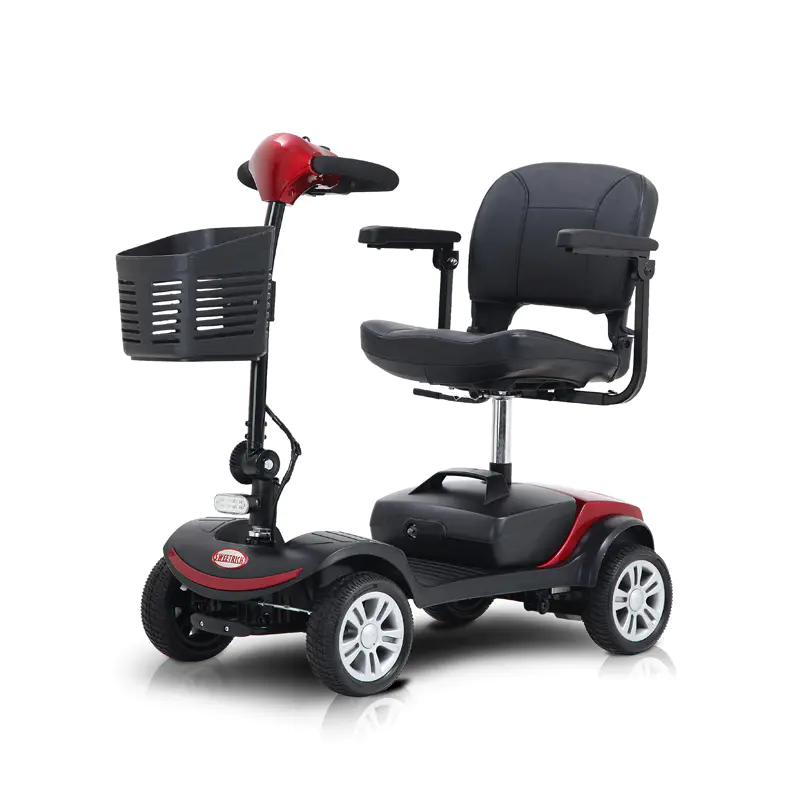
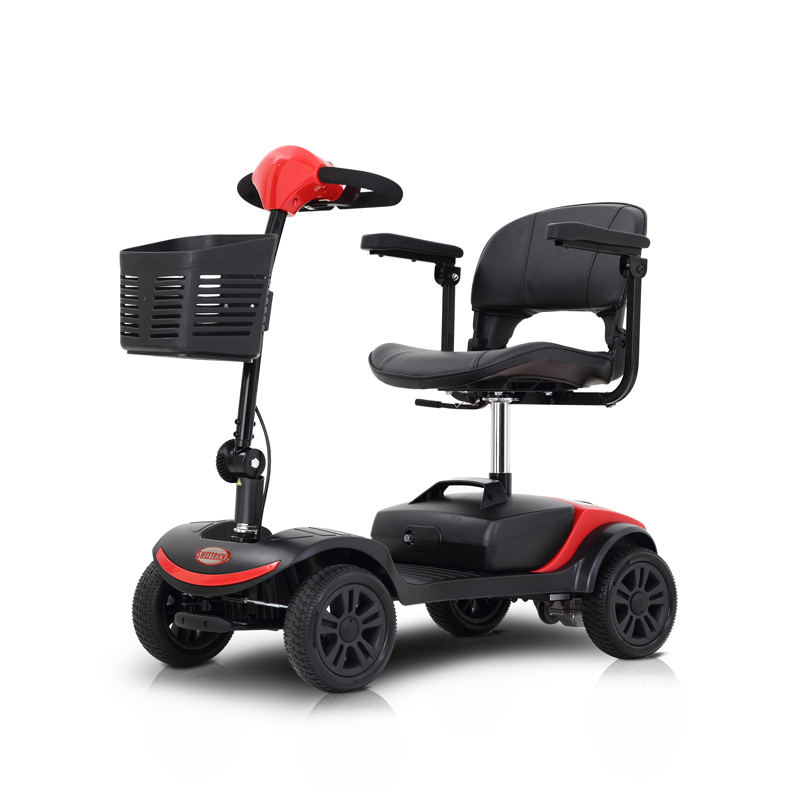
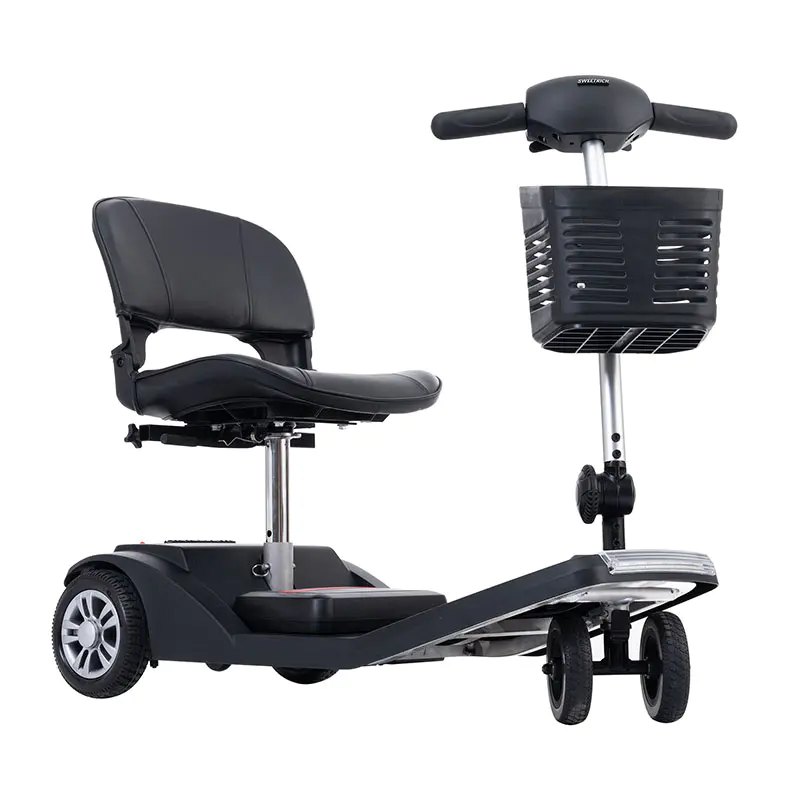
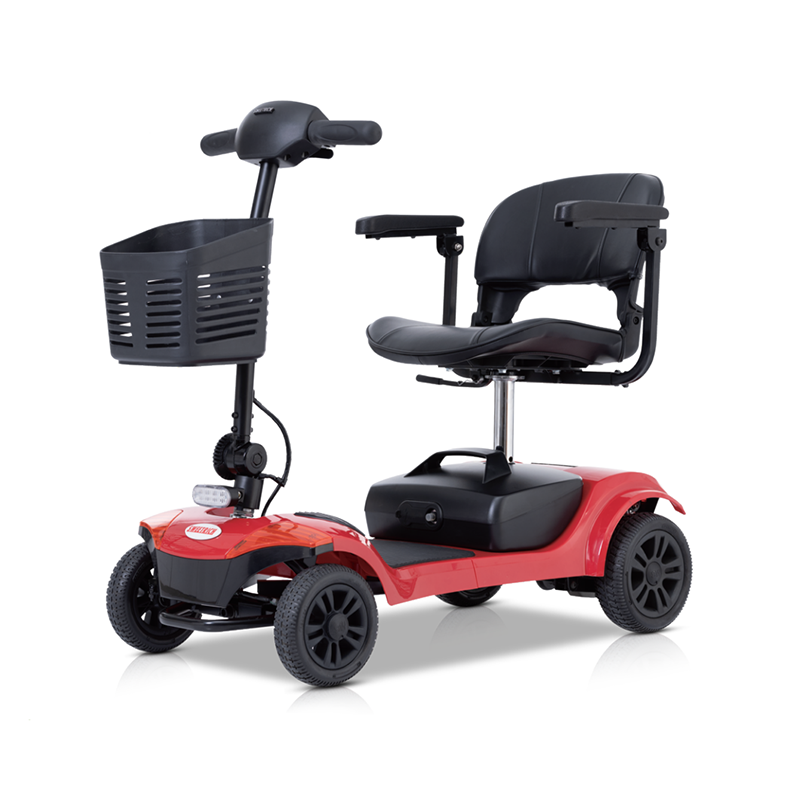
A scooter is usually chosen for ease, and tire choice plays a quiet part in that ease. When a Portable 3 Wheel Scooter is used for short trips around home, a nearby shop, a clinic, or a neighborhood path, wheel condition often decides how much care is needed later. Some tires ask for very little attention. Some need more checking, more cleaning, and more watchfulness.
A person who rides across smooth indoor floors does not face the same tire problems as someone who crosses uneven sidewalks or cracked pavement. A wheel that works well on one surface may feel less suitable on another. In daily life, that difference shows up in small ways. A tire may stay steady on a flat hallway floor, then feel harder on a rough outdoor path. A wheel may roll quietly indoors, then need more care after a ride over broken ground.
Maintenance is not only about fixing damage. It also means checking pressure, removing debris, looking for wear, and noticing changes in comfort. When tire design matches the usual route, fewer of those tasks may come up.
What Makes Some Tires Easier To Maintain
Wheel care often depends on whether air is involved in the structure. Air-filled tires need pressure checks. A small loss of air can change how the scooter feels. A tire with no air chamber removes that task from the routine.
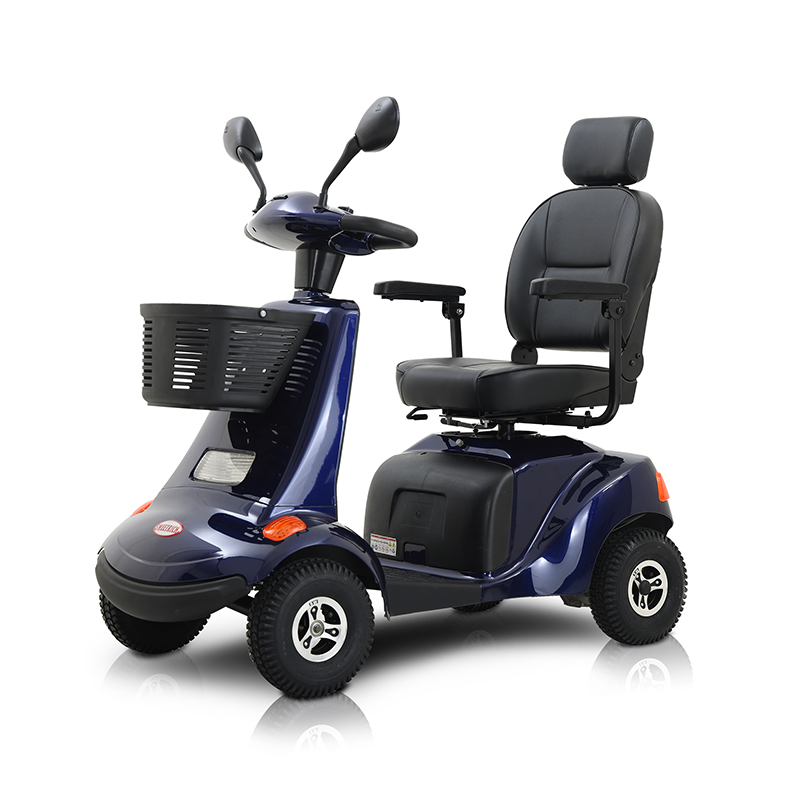
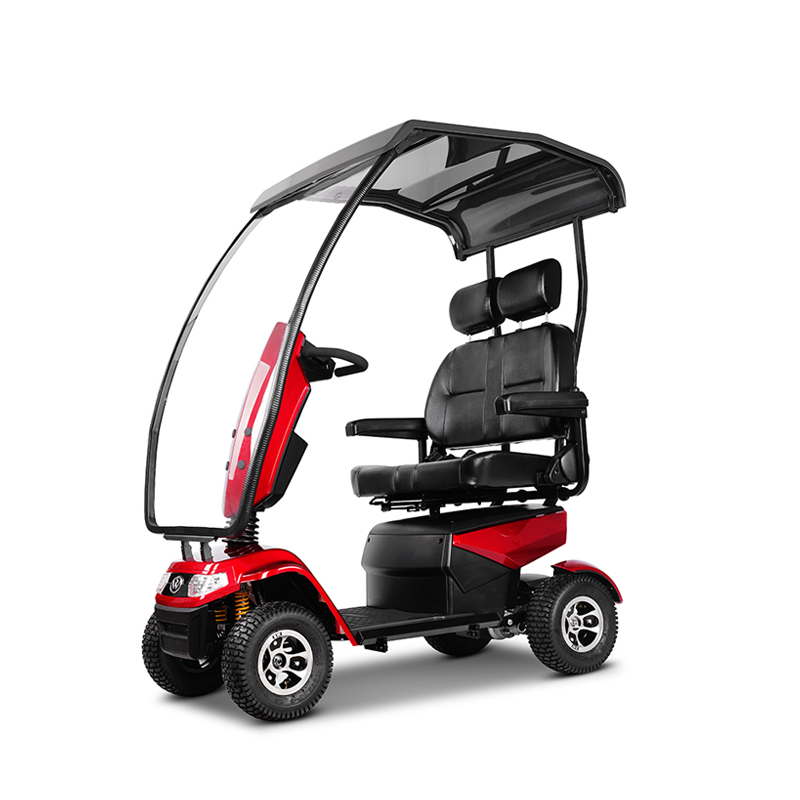
For a Medium Mobility Scooter, that point matters during regular use. Many users do not want to spend time checking tire pressure before every outing. A wheel that keeps its shape without inflation can make the scooter simpler to prepare. It also avoids a common problem seen in daily mobility use, where a tire feels soft at the wrong time and affects the ride before anyone notices.
Cleaning matters too. Roads bring dust, small stones, wet dirt, and other small bits into the wheel area. A simpler tire structure is often easier to wipe down after use. A more open or delicate structure may need closer inspection, especially after travel on rougher ground.
Solid Tires In Everyday Travel
Solid tires are often chosen by people who want fewer tire-related tasks. No air needs to be added. No gauge needs to be checked before leaving home. For short everyday trips, that can be a practical advantage.
A person living in an apartment may bring a scooter into an elevator, move through a lobby, pass a paved walkway, and stop at a nearby store. Route does not demand soft cushioning as much as it demands steady rolling and easy care. Solid tires fit that kind of use fairly well.
A few simple points often matter with solid tires:
- No inflation work before a trip
- Less concern about slow air loss
- Easy to inspect with a quick glance
- Useful on smooth ground and indoor flooring
Solid tires still wear down. Rubber can crack, flatten, or lose shape after long use. Even then, the work is usually about watching the surface rather than handling air pressure. For many users, that feels easier to manage.
Comfort is the tradeoff. On a rough path, vibration may pass through more strongly. A scooter with solid tires may feel firm on flat ground and less forgiving on broken pavement. For travel that stays close to smooth surfaces, that tradeoff is often acceptable.
Pneumatic Tires And Everyday Attention
Pneumatic tires use air inside the wheel. That air helps soften bumps and can make outdoor travel feel smoother. On a path with cracks, small slopes, or rough patches, the ride may feel gentler.
A scooter used for longer outdoor trips may benefit from that feeling. Crossing from a driveway to a sidewalk, then onto a road with uneven spots, can be easier with a tire that absorbs part of the shock. A user may notice less shaking in the hands and less harsh contact with the ground.
Still, air-filled tires ask for more care. Pressure changes can happen slowly, so a tire may seem fine and then feel different later. A wheel with too little air may roll less smoothly. Too much air can also affect comfort and wear.
Routine care often includes:
- Checking whether the tire feels softer than usual
- Looking for small cuts or punctures
- Watching for uneven wear after rough rides
- Making sure both sides of the scooter feel balanced
For people who use a scooter often, that extra attention can become part of the normal routine. For others, it may feel like one more task to remember.
Honeycomb Tires As A Middle Ground
Honeycomb tires sit between solid and air-filled styles. They do not need inflation, yet they can offer a little more comfort than a plain solid tire. Internal hollow spaces help the wheel absorb some vibration while keeping the structure air-free.
For daily life, that balance can matter. A user may travel indoors in the morning, move across a parking area, then return home later through a mixed route of flat and slightly rough ground. A tire that handles both settings without much care can be useful.
Honeycomb tires are often considered when users want to avoid regular pressure checks but still want a softer ride than a basic solid wheel gives. On a Portable 3 Wheel Scooter, that kind of tire can suit short city trips, community visits, or routine errands.
Care is usually straightforward. A glance at the wheel surface, a check for wear, and a look for trapped dirt often cover the main tasks. No air pump is needed. No pressure reading is part of the routine. That makes the tire easier to live with for many daily riders.
Real-Life Choice Depends On Where The Scooter Goes
Tire choice makes more sense when linked to the actual route. A person who stays mostly inside, moves across tile floors, and makes short outdoor stops may lean toward a tire that asks for less care. Someone who travels across rougher streets or uneven neighborhood paths may accept a little more maintenance in exchange for a softer ride.
A few everyday questions help narrow the choice:
- Does the scooter cross rough pavement often?
- Is a softer ride more important than simple upkeep?
- Does daily use leave little time for pressure checks?
Answers to those questions often point toward the tire type that fits real use instead of general advice.
Solid tires suit simple care. Honeycomb tires offer a useful middle path. Pneumatic tires suit riders who value comfort on uneven ground and are fine with extra checks. A Medium Mobility Scooter may use any of those styles depending on how far it travels and what kind of ground it meets each day.
How Tire Shape And Surface Pattern Affect Daily Care
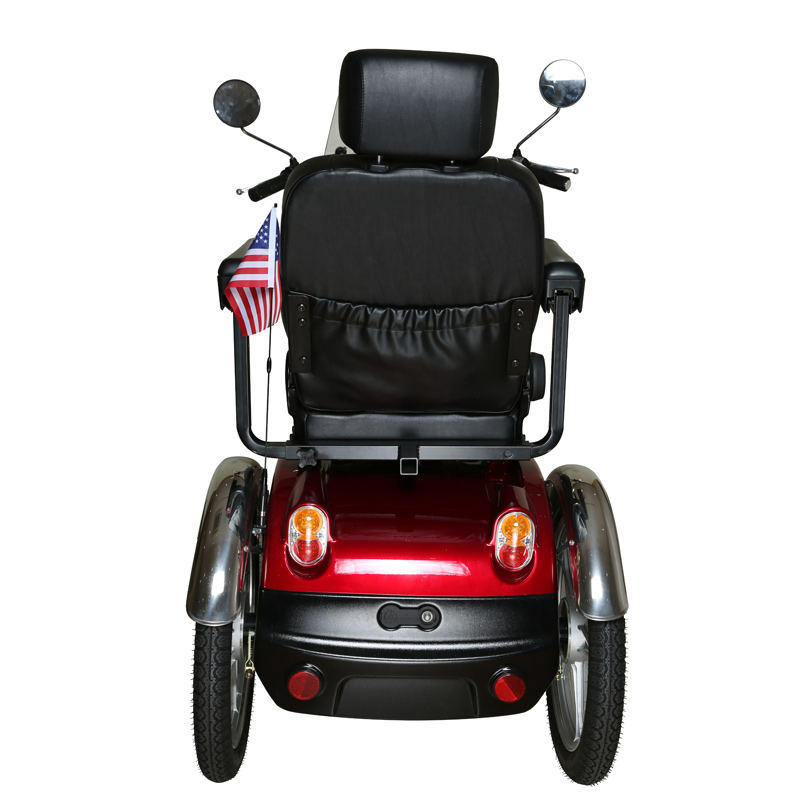
Tire care is not only about whether air is inside a wheel. Shape, surface pattern, and contact area all change how a scooter behaves during everyday travel. A Portable 3 Wheel Scooter often moves through mixed spaces, so wheel design can shape both comfort and upkeep.
A smooth indoor floor usually asks for steady rolling rather than deep grip. A rough sidewalk needs more traction, especially near curb edges, driveway joints, or uneven pavement. When a tire fits the route, wear often stays more even and the scooter feels easier to handle.
Surface pattern also matters during turning. Tight turns in narrow hallways or store aisles can place pressure on one side of the tire. Outdoor use brings a different kind of stress, since dust, gravel, and small bumps can slowly change how the wheel surface wears down.
Simple signs that tire shape or pattern may need attention include:
- one side wearing faster than the other
- a rougher rolling feeling on flat ground
- small stones collecting in the wheel area
- extra shaking during turns or stops
A wheel does not need to look badly damaged before it starts asking for more care. Small changes can show up in daily use before any clear crack or flat spot appears.
Why Tire Size And Load Balance Matter
Tire size influences how pressure spreads across a scooter. A smaller wheel may feel easier to move in compact areas, while a larger one can handle surface changes in a different way. Size also affects how often the scooter meets direct impact from bumps or floor joints.
A Medium Mobility Scooter often carries more travel demand than a very compact model. That makes size choice important, especially when the scooter is used for regular errands, outdoor visits, or longer trips across a neighborhood.
Load balance matters just as much. When weight sits unevenly, one wheel may wear out sooner than the others. A bag hanging on one side, repeated sharp turning, or carrying items that press more on one area can all change tire wear over time.
A few habits can help keep wear more even:
- avoid placing heavy items on one side only
- turn at a steady pace rather than making sudden moves
- keep the scooter free from stuck dirt and debris
- check whether one wheel looks more compressed than the others
Tire Type And Real-Life Use
Different tire types suit different daily routines. A person who uses a scooter indoors for short trips may care more about easy upkeep. Someone who crosses outdoor ground often may focus more on comfort and shock absorption.
| Tire Type | Daily Care Level | Common Feeling During Use Everyday Fit |
|---|---|---|
| Solid Tire | Lower care needs | Firm on smooth ground Indoor routes, short local trips |
| Honeycomb Tire | Moderate care needs | Balanced feel Mixed indoor and outdoor use |
| Pneumatic Tire | More care needed | Softer on rough ground Outdoor paths, uneven surfaces |
Solid tires reduce pressure checks and keep daily preparation simple. Honeycomb tires remove inflation work while still adding a little cushioning. Pneumatic tires feel softer on rough ground, though they ask for more attention.
Real life often includes more than one surface. A user may roll from a tiled room to a ramp, then onto a sidewalk, then back indoors again. That kind of route makes tire choice less about theory and more about what happens during ordinary movement.
Basic Tire Care That Fits Busy Days
Even a low-maintenance wheel still needs small checks. Regular care does not need to take much time. A quick look before a trip and a brief cleaning after use can prevent small problems from growing.
Useful habits often include:
- wiping away dust after outdoor travel
- checking for stones caught near the wheel
- looking for uneven wear during routine cleaning
- listening for changes in rolling sound
- noticing whether steering feels different
Storage matters too. A scooter left in a wet corner or near heavy dirt may need more wheel cleaning later. Dry storage usually makes upkeep simpler and helps the wheel area stay in better shape.
Pressure-based tires need one more habit, which is checking whether the tire still feels normal before riding. A tire that slowly loses air may not look damaged at a glance. The change can show up through a heavier ride, less steady movement, or a different sound on the road.
For solid and honeycomb wheels, care is usually more visual. Users can check for cracks, flat spots, and dirt buildup without dealing with air pressure. That is part of why these types often appeal to people who want fewer regular steps.
Matching Tire Choice To Common Routes
A good tire choice usually comes from looking at the real route, not only the scooter model. Short indoor trips, nearby shopping, paved walks, and outdoor paths each create different needs.
A person who stays mostly inside may do well with a tire that asks for little attention. A person who travels outdoors on uneven ground may accept more care in exchange for a softer ride. Neither choice is about image or style. It is about the kind of surface the scooter meets each day.
A few simple questions help narrow the choice:
- Does the scooter stay indoors for much of the day?
- Are outdoor paths smooth or rough?
- Is simple upkeep more useful than added cushioning?
- Does daily travel leave enough time for tire checks?
Answers to those questions usually point toward the tire style that fits everyday life more naturally.
A Portable 3 Wheel Scooter works better when the wheel choice matches the route. A Medium Mobility Scooter follows the same idea, since longer use and wider travel range can place different demands on the tires. When the wheel fits the pattern of use, upkeep tends to stay simpler and daily movement feels less demanding.