
 +86-(0)512-82283871
Content
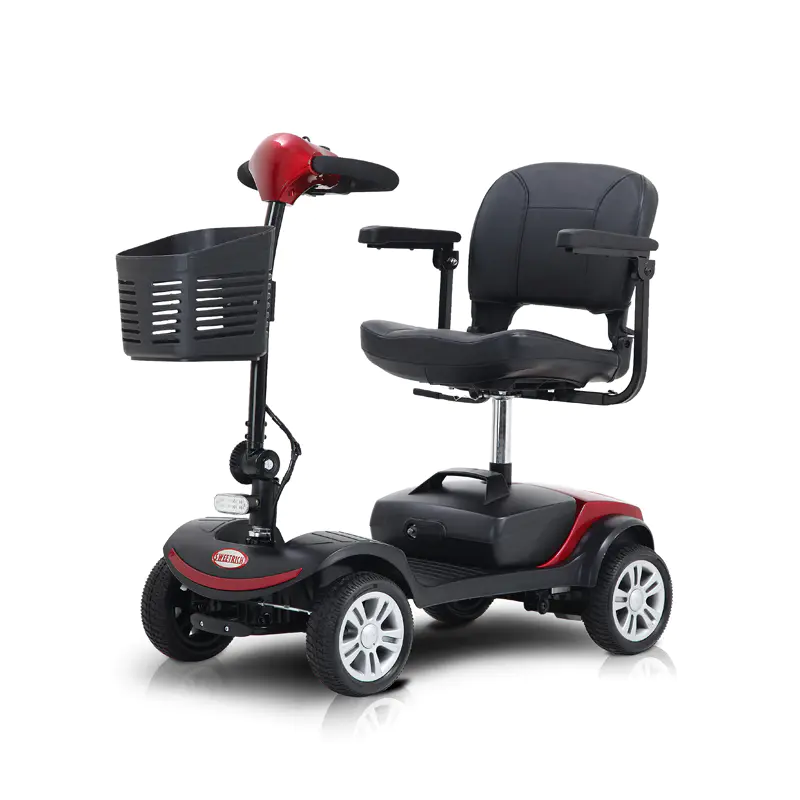
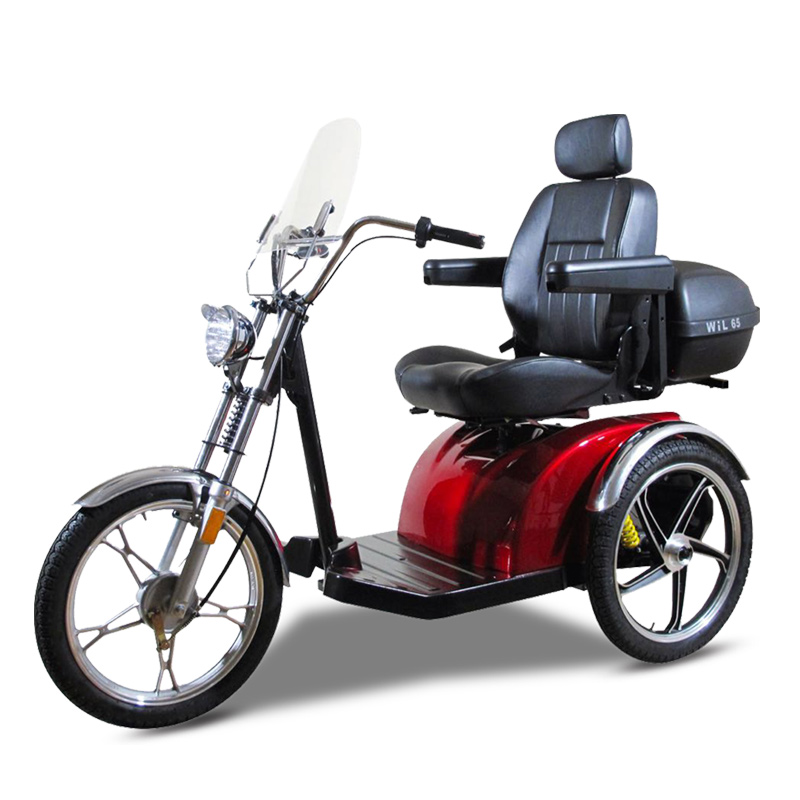
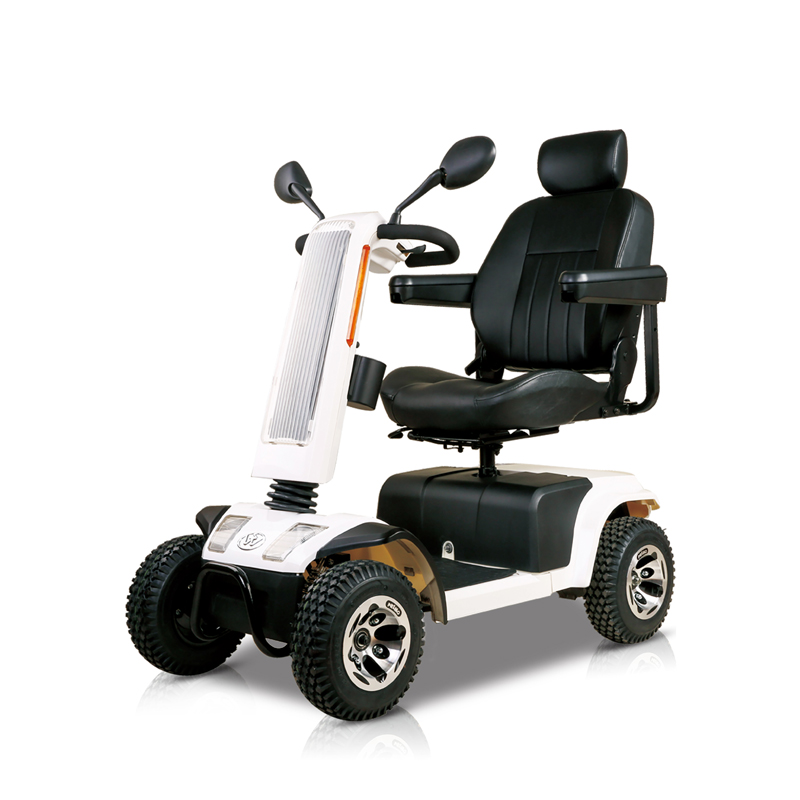
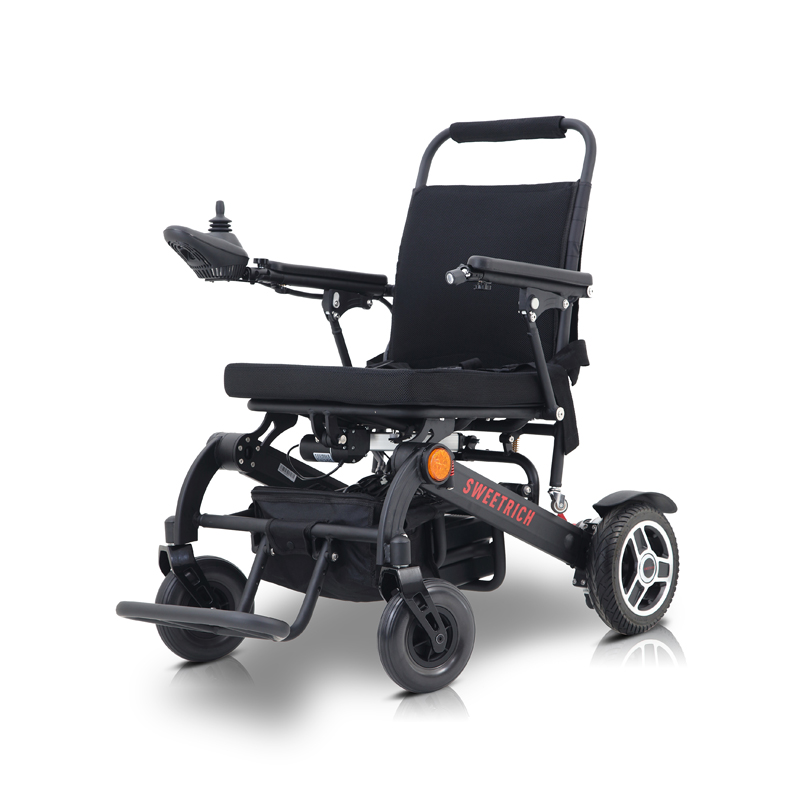
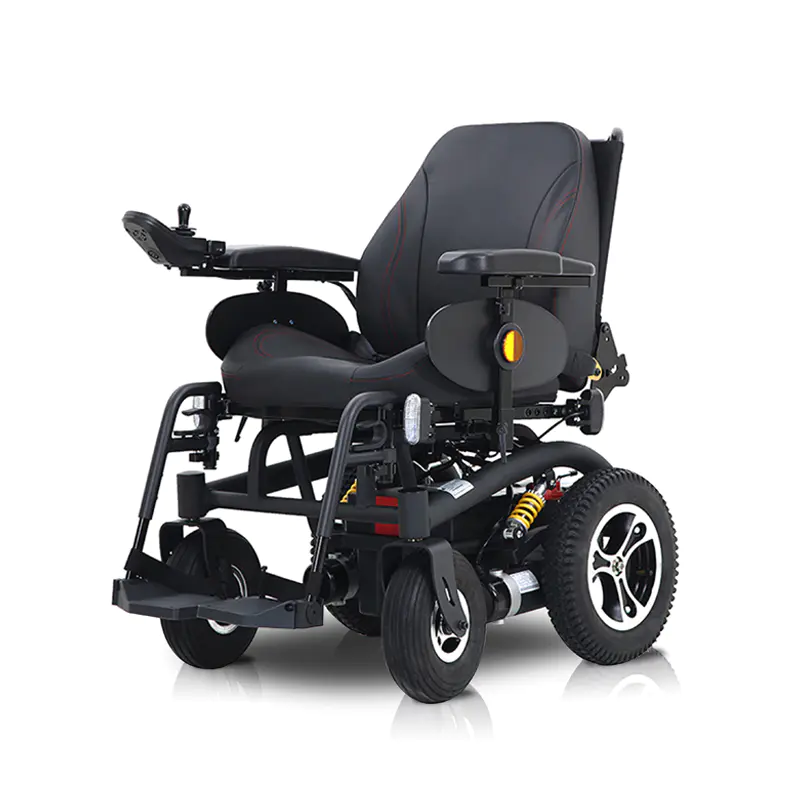
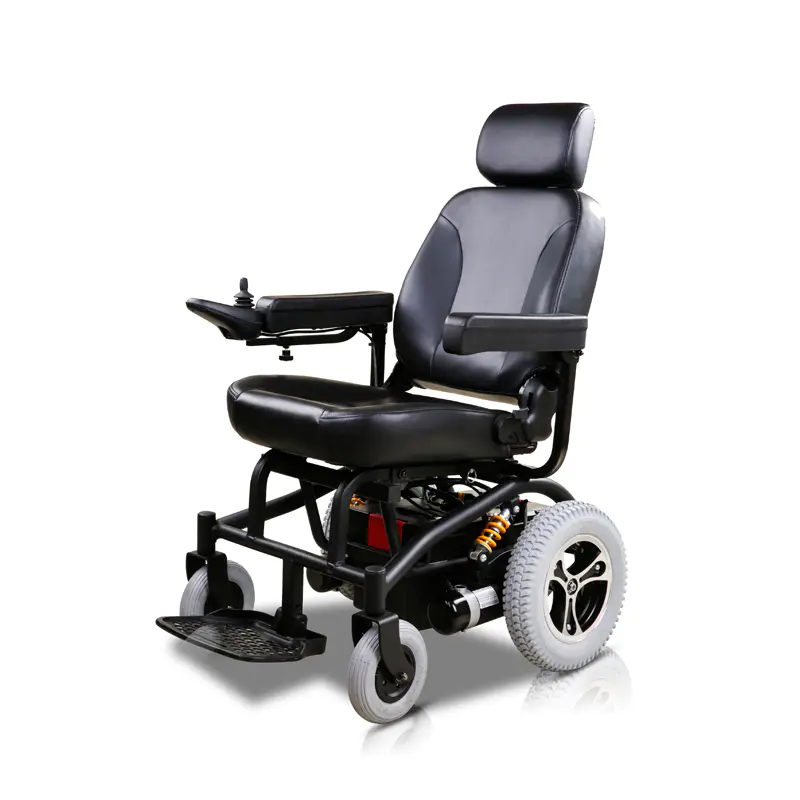
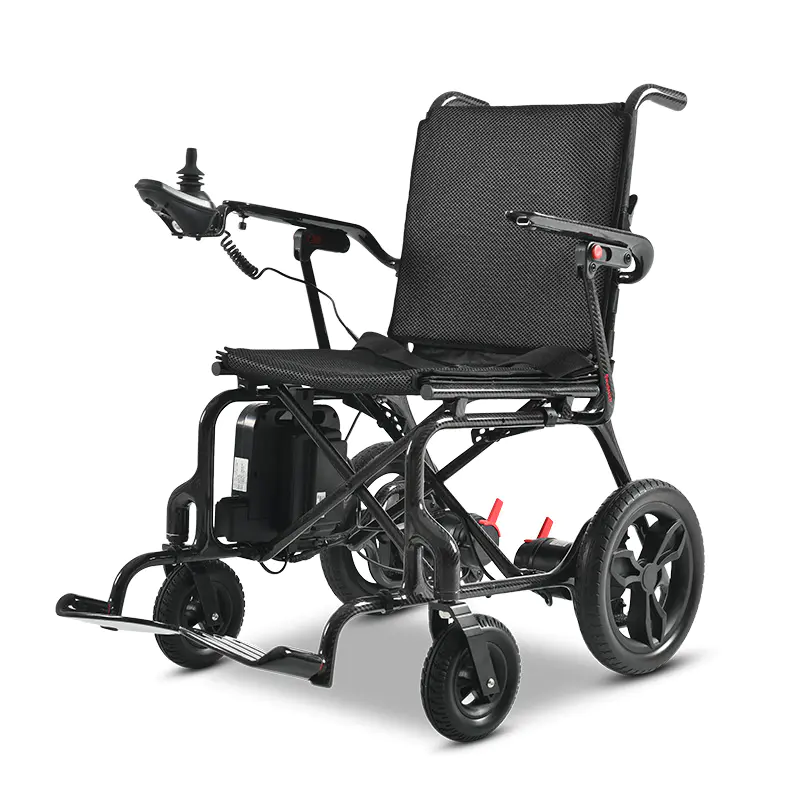
Electric wheelchairs play a key role in supporting mobility for people with physical constraints. As a Wholesale Wheelchair Manufacturer, these devices feature a central frame that carries the user, power supplies, propulsion units, and operation controls. The frame acts as the main backbone, handling weights while allowing traversal over different grounds. Striking a fitting balance between robustness and transport ease in these frames involves picking materials and arrangements that deliver dependability without excess heaviness or volume.
Robustness in a frame signifies its power to endure common pressures, like shocks from bumpy paths or weight adjustments in motion. Transport ease stresses simplicity in relocation, such as compressing for car placement or lifting over barriers. This alignment boosts user self-reliance and daily practicality.
Designers weigh diverse user contexts, covering indoor paths, exterior routes, and journey needs. A frame carrying too much weight might limit moving options, while one short on robustness could yield under force. This synergy shapes safety, usability, and satisfaction levels.
Technological progress lets frames adopt lighter elements and polished forms to tackle these aspects. Comprehending this balance reveals how electric wheelchairs adjust to fit various daily patterns.
Materials Used in Frames
Frames in electric wheelchairs often draw on metals or combined substances to build a firm base. Aluminum blends give a mix of lower mass and guard against rusting, fitting for frames moved regularly. These support slimmer builds while keeping essential steadiness.
Steel adds notable toughness, mainly in spots facing strong forces, such as joints or support bases. Its denser makeup can affect how easily it transports, yet it suits areas calling for increased endurance.
Combined materials with fiber supports help cut down total weight while holding stiffness. These shape into detailed patterns, aiding smooth profiles or space-efficient traits.
Each choice carries balances. Less heavy selections might call for extra strengthening to match the lasting power of bulkier ones. Designers review points like cost, making ease, and duration when settling on frame substances.
Treatments on surfaces and mixing methods refine how materials work. Adding protective covers to metals stretches use in wet spots without much added mass. In combinations, shifting fiber directions bolsters against certain stresses, like twisting or squeezing. This adjustment fits the frame to regular tasks without unneeded bulk.
Engineers look at heat traits too, as frames deal with changing warmth that sways substance actions. Choices staying steady through temperature shifts back reliable function. Sourcing plays into decisions, leaning toward those easing clean production to trim waste and time.
Ongoing work in alloy mixes creates options blending lightness with better features. For steel, safeguarding steps keep wholeness without hefty extras. Combinations grow through bonding upgrades, to frames that stand up to layer splits under strain.
Substance density ties into device mass overall. Lighter blends free up room for more functions without hurting transport. Combinations let stiffness tweaks, aligning with user action types.
| Aspect | Key Benefit / Feature | Advantage for Wheelchair Frames |
|---|---|---|
| Ongoing alloy development | Blends lightness with improved properties | Lighter yet stronger frame options |
| Steel protection methods | Maintains integrity without significant weight increase | Durable steel with minimal weight penalty |
| Composite bonding improvements | Enhances resistance to delamination / layer separation | More reliable performance under repeated stress |
| Material density | Directly affects overall device weight | Lower density = lighter chair |
| Lighter material blends | Allows additional features without compromising portability | More functionality while remaining easy to transport |
| Adjustable stiffness in composites | Enables customization of rigidity | Better match to different user activity levels |
Design Principles for Strength
Robustness in wheelchair frames comes from parts that share loads evenly. Tube-like shapes forces lengthwise, cutting bend risks. Extra cross pieces build stability, fighting twists in active moves.
Joints and links stand central. Fused or fixed spots need to bear steady pulls without tiring. Boosts in force-heavy zones, like mobility attach points, encourage long-term service.
Frame layout sways robustness. Wider bottoms aid balance, while bent parts soak up hits better than straight ones. These ways ready frames for usual duties, from flat insides to mixed outsides.
Check routines copy real setups, including quick drops or loop loads, to confirm robustness. This checks fit with safety rules without extra size.
Past basic forms, adding shake reducers strengthens robustness. Bendable links allowing small shifts stop breaks from constant vibes. Placing bearers smartly centers load spread.
Ideas from build studies guide force flows in frames. Notions like cut resistance and pull steer tough structure growth. Step-by-step tuning, with samples changed by check data, hones these ideas.
Safety buffers get woven in, so frames top normal load hopes. This cushion handles surprise cases, focusing on user guard. Together, these layout ways make frames trusty for extended involvement.
Focus on wear resistance deals with repeat cycles. Picks for materials and joints aim at lasting under loop forces to block early fade. Model tools help see stress maps, enabling early fixes.
Load paths get mapped to spot key zones for extra support. This targeted way builds strength without blanket weight hikes.
Enhancing Portability Through Design
Transport ease asks for frames that shrink or split with little work. Hinge setups let sections fold in, trimming size for keeping. Fast-free parts for items like wheels ease takedown.
Weight setup sways handling. Setting heavy bits low steadies center, simplifying raises or tips. Packed layouts shrink space when shut.
Flexible unit systems back tailoring, letting add or drop traits by user wants. This bend aids transport while guarding main jobs.
Grip designs for ease help carry. These cut effort for helpers or users in shifts.
Lock tweaks use light holds that fix spots firm but free quick. Hinge picks from tough synthetics ensure smooth run over time without mass costs.
How users link with move ways shapes designs matching car or keep norms. Shut frames suiting usual sizes blend into habits. Add roll traits for closed states turn shifts to easy steps.
Checks for transport gauge speed and simplicity over skill ranges. Views from these to better intuitive runs.
Bends in materials let frames curve without last change, helping tight keep. Alloy mixes in hinges cut rub, boosting smooth.
User studies track lift patterns, shaping grip spots and setups that lower strain. Detach methods pull from work uses, fit for daily.
Compact traits include nested parts that stack neat when folded.
Achieving Balance Between Strength and Portability
Gaining synergy between robustness and transport means blending traits that meet both ends. Substances with high pull hold let thin lines that fight shape shifts. Picked boosts toughen vital areas without full mass rise.
Stress model ways aid substance spots. This slims weight while keeping wholeness.
Shrink frames use firm pivots in open modes, giving steadiness. Wear-tough substances hold work through fold loops.
User views guide changes. Setups stressing simple use often lock better mix of solid and handy.
In use, layered ways have strong cores wrapped in light levels, making mixes that shine in both. Whole views line frames with mate device parts, fine-tuning spread.
Input from varied fields like substance know and use experts deepens synergy work. Actual trials of samples show tweak spots, giving frames that work in mixed cases.
Math tools mimic mixed states, guessing synergy results. Loop cycles take in finds, bettering layouts.
Trade grids weigh points by numbers, ensuring fair choices. This ordered way backs balance.
Challenges in Frame Design
Frame making faces several blocks. Substance bounds mean light types at times lag in lasting vs heavy ones. Locking robustness in transport-focus layouts needs exact work to skip weak bits.
Make limits form results. Fine shapes for transport can lift costs or knot assembly. Evenness in made items stays key for trust.
User range amps tricky. Frames fit mixed builds and weights, forming hold needs. Ground mix, from smooth walks to rough ways, tests solid.
Rule marks call for full looks, maybe stretching times. Meeting these with transport marks tests makers.
Surround factors, like wet touch or heat swings, wear substances slow. Guards against fade needed without weight adds.
Area substance reach changes, swaying picks. Money bounds push swaps, setting real over perfect.
Mixing fresh tech without layout mess adds hurdles.
Care learning for users ties to lasting; easy keep designs need forethought.
Chain relies can slow preferred substance get, calling alts.
Look pulls with work needs layer more.
Tech shifts demand constant updates, straining resources.
Solutions to Design Challenges
Fresh tactics face these blocks. Joined substances link metals and mixes, pulling gains from each. Guard coats block scrape, stretching use.
Forward make, like layer build, gives custom bits with small extra. This backs fine setups lifting robust and transport.
Guess models cut sample lean. Repeat looks shine synergy.
User-core layouts have change parts for own fits. This flex handles range without too much.
Maker-user ties grow work views. Loop backs advance steps, making even frames.
Shared layout tools spark growth by group boosts. Maker learn holds quality. Alt substance looks widen paths, around old.
Auto in put-together smooths ways, cutting diffs. Green get lines with last goals.
Data tools track trends, aiding predict shifts. Partner ties share know, speeding fixes.
Mod sets let local put, trimming ship weights.
| Solution Approach | Key Benefit | Impact on Wheelchair Frame Production / Design |
|---|---|---|
| Automation in assembly | Streamlines processes | Reduces variations and inconsistencies |
| Eco-friendly material sourcing | Aligns with sustainability objectives | Supports long-term environmental goals |
| Data analysis tools | Tracks trends and predicts changes | Enables more accurate forecasting and improvements |
| Collaborative partnerships | Shares knowledge and accelerates solutions | Speeds up problem-solving and innovation |
| Modular design sets | Allows local assembly | Reduces shipping weight and logistics costs |
Applications in Daily Life
In homes, even frames allow pass through slim ways and tight spots. Transport helps keep in small areas.
Outside, robust handles uneven, with light easing car fit. This backs active, like green visits or tasks.
Trip cases use shrink traits for hold spots. Robust promises hold in move shakes.
Health spots use frames for shift patients. Transport smooths room changes, robust gives sure back.
Group meets, including gets or trips, get reach with synced frames.
Learn places gain from frames aiding ground or room moves. Work spots back flow among areas.
Fun pursuits, such as show goes or art looks, use solid yet move frames.
Urgent cases tap portable robust for fast outs. Group aids blend such frames for all-in.
Sports tweaks show special syncs for busy users. Aid services use for wide reach.
Future Directions in Frame Technology
Rising changes hint lifts. Shift substances changing firm by load may tune synergy on fly.
Electronic ties, like force watchers, might guess fix wants. This grows lasting without mass ups.
Reuse-base substances cut nature marks. These could match old works.
Computer own crafts user-fit frames. In gives tuned robust and transport.
Small-scale looks vow light, strong makes. Such steps might change frame powers.
Self-set ways, like change holds, could lift feels. Link apps for checks add handy.
World ties might even changes, widening even frame get.
Nature-mimic layouts copy live builds for fine syncs. Power-save substances cut draws side.
Voice controls integrate for ease. Wear monitors track frame health.
Custom prints speed test sync ideas. Group platforms share layout info, growing community boosts.
Why Choose Sweetrich
With thoughtfully designed products, unwavering attention to detail, and a deep commitment to improving lives, Sweetrich offers more than just a solution—it provides freedom, confidence, and peace of mind. Choosing Sweetrich means choosing a partner dedicated to supporting independence and enhancing everyday experiences, backed by craftsmanship and values that endure. For anyone seeking a trusted name that combines innovation with heart, the answer becomes clear: Sweetrich is the choice that truly makes a difference.