
 +86-(0)512-82283871
Content
- 1 How Should the Tires Be Checked Before Outdoor Riding
- 2 Why Do Brakes and Steering Need Careful Inspection
- 3 What Should Be Checked Around the Seat and Control Area
- 4 How Does Battery Condition Affect Outdoor Scooter Preparation
- 5 How Should an Outdoor 4 Wheel Scooter Be Checked for Road Conditions
- 6 What Weather Conditions Should Be Considered Before Riding
- 7 Which Safety Features Should Be Checked Before Departure
- 8 How Can Load and Storage Areas Affect Outdoor Handling
- 9 What Final Checks Should Be Made Before Outdoor Use
A scooter that works normally in a garage can behave differently once it reaches a public path. Pavement joints, driveway edges, slopes, loose gravel, wet surfaces, and crowded areas all place different demands on steering and braking. A quick inspection before leaving can catch changes that are easy to miss during ordinary storage.
Start with the parts that can be seen without tools. Look around the body, wheels, seat supports, steering area, and lower frame for cracks, loose pieces, trapped debris, or signs of impact. Dirt around moving sections is worth removing before testing the vehicle. Small stones or other material near a wheel can interfere with rotation.
Controls deserve a functional check rather than a visual glance. Steering should move through its normal range without an unexpected stiff spot. Braking should respond in a predictable manner. Lights, warning devices, and other operating controls should also be checked when outdoor travel is planned.
A useful inspection sequence can follow the way the vehicle will be used:
- Check the body and frame for visible damage.
- Look closely at all four tires and wheel areas.
- Confirm that steering movement feels normal.
- Test braking in a clear, low-speed area.
- Check the seat, arm supports, and foot area.
- Make sure controls can be reached without obstruction.
- Remove loose items that could move into the wheel or control area.
The route itself should be considered before departure. A vehicle may be mechanically sound but poorly suited to a particular path. A narrow passage beside parked objects, a damaged sidewalk, or a section covered with loose material can create a handling problem that cannot be solved through vehicle inspection alone.
Previous storage conditions can also leave clues. A long period without use may allow dirt to collect around wheels or connections. Outdoor storage can expose the vehicle to moisture and temperature changes. After transportation, fittings may also need a visual check.
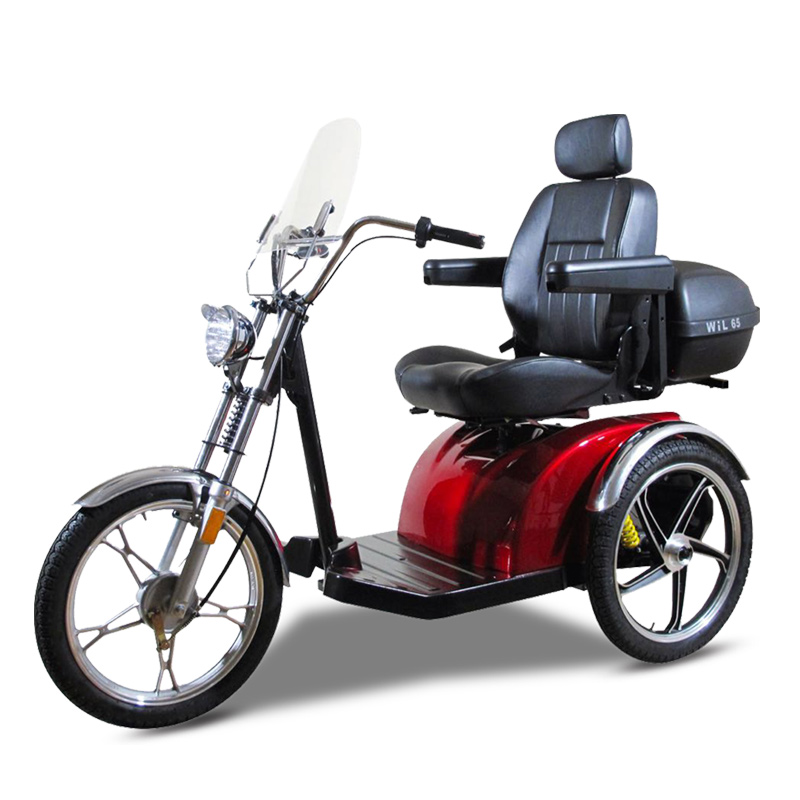
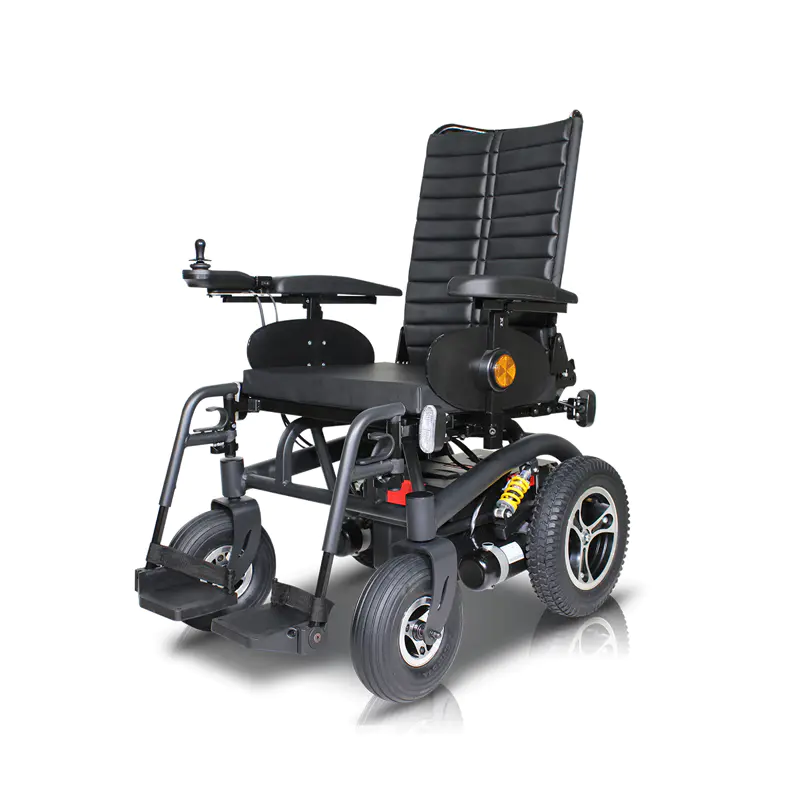
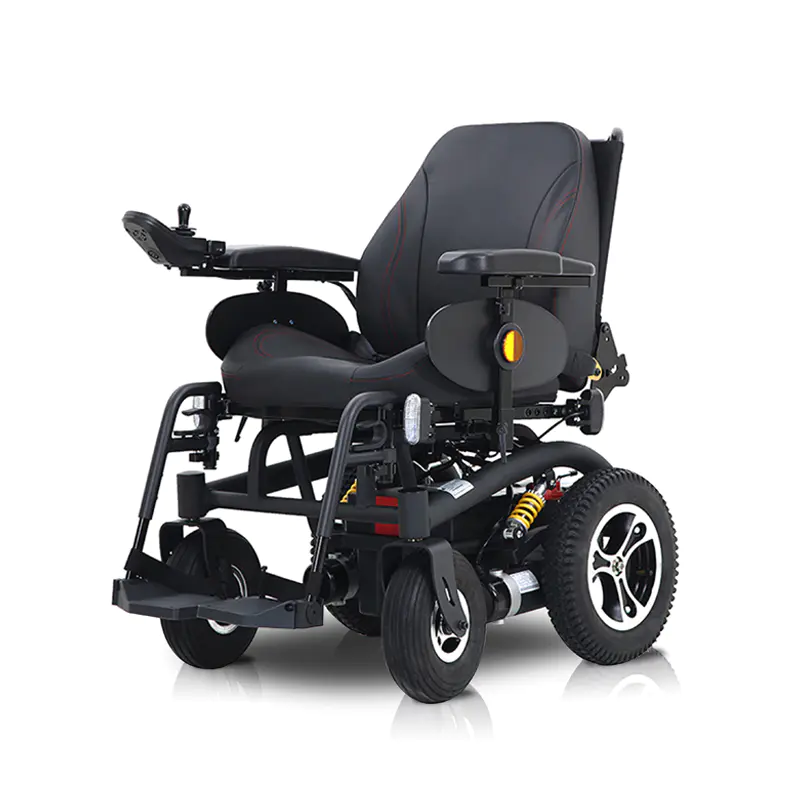
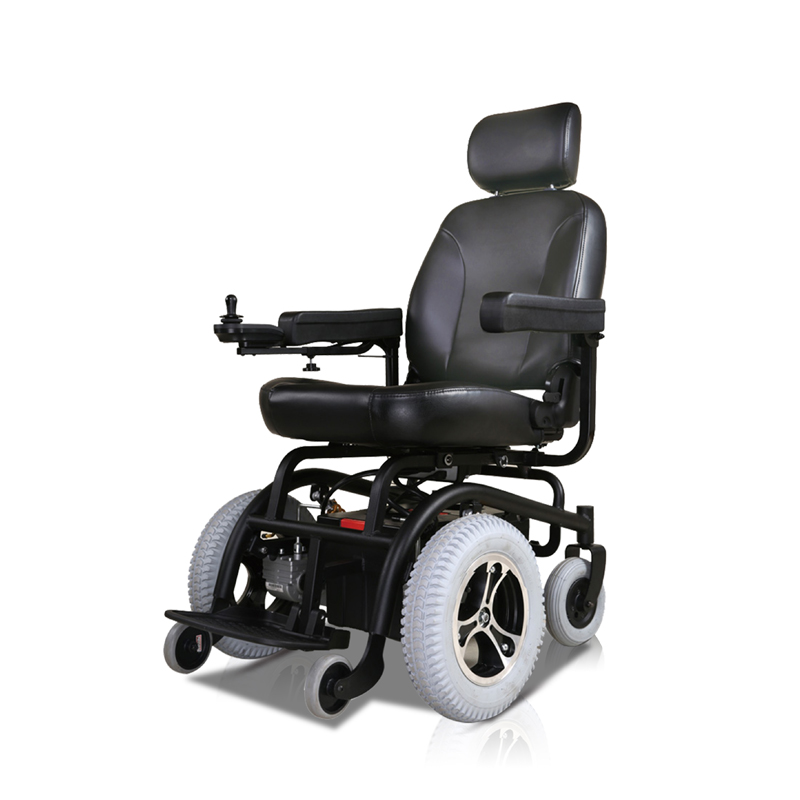
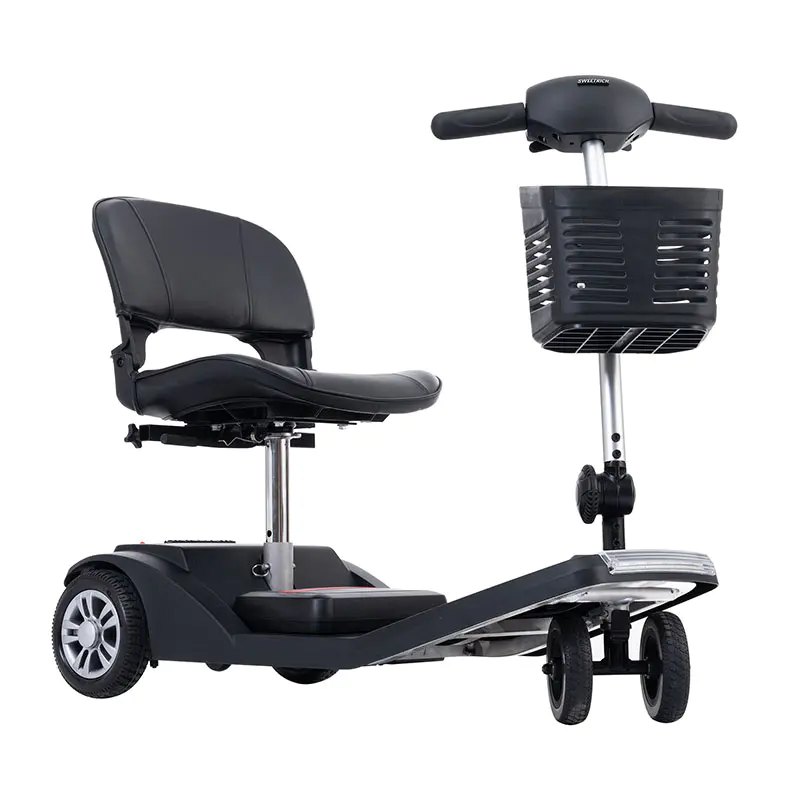
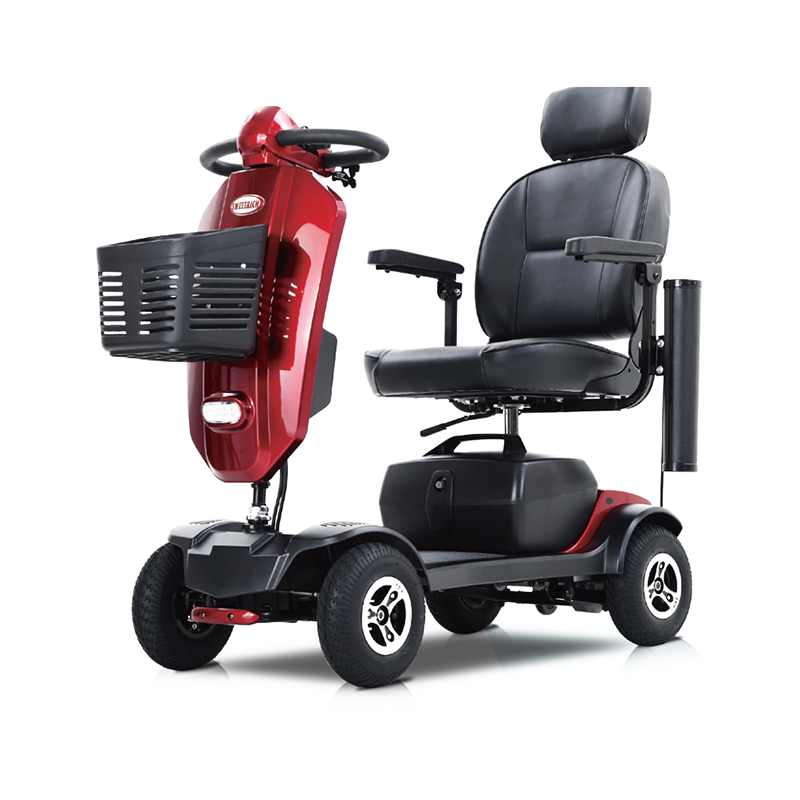
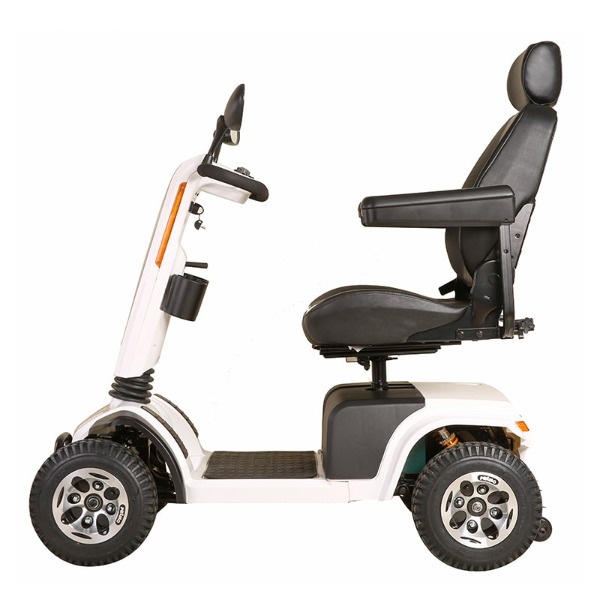
For a Heavy Duty 4 Wheel Scooter, preparation is less about performing a complicated mechanical procedure and more about noticing changes before they are encountered on the road. An unusual sound, altered steering feel, or damaged tire is easier to address while the vehicle remains stationary.
How Should the Tires Be Checked Before Outdoor Riding
Tire inspection should begin with the surface that actually meets the ground. Running a hand over the tire is not enough on its own; a visual check from several angles can reveal cuts, cracking, embedded stones, flattened sections, or wear that is concentrated on one side.
Uneven wear deserves particular attention. When one area of a tire wears differently from the surrounding surface, the cause may involve wheel alignment, loading, repeated turning, or contact with an uneven surface. The visible pattern does not identify the cause by itself, but it provides a reason to look more closely.
The wheel area should be checked at the same time. Leaves, string, plastic, gravel, or other debris can become caught around moving parts. Such material may not cause an immediate failure, yet it can make rotation less smooth and become harder to remove later.
A simple tire check can cover:
- Outer surface for cuts or cracks
- Tread area for unusual wear
- Sidewall for visible damage
- Wheel area for trapped debris
- Rotation for signs of resistance
- Wheel position for obvious changes
Pressure is another consideration where the scooter uses air-filled tires. The recommended pressure should come from the vehicle's instructions rather than from a general value used for another type of tire. Underinflation can change rolling behavior and make the tire deform more during movement, while excessive pressure can change how the wheel responds to surface irregularities.
Solid tires require a different visual inspection because pressure is not part of the check. Cuts, surface wear, embedded material, and changes in shape become more relevant.
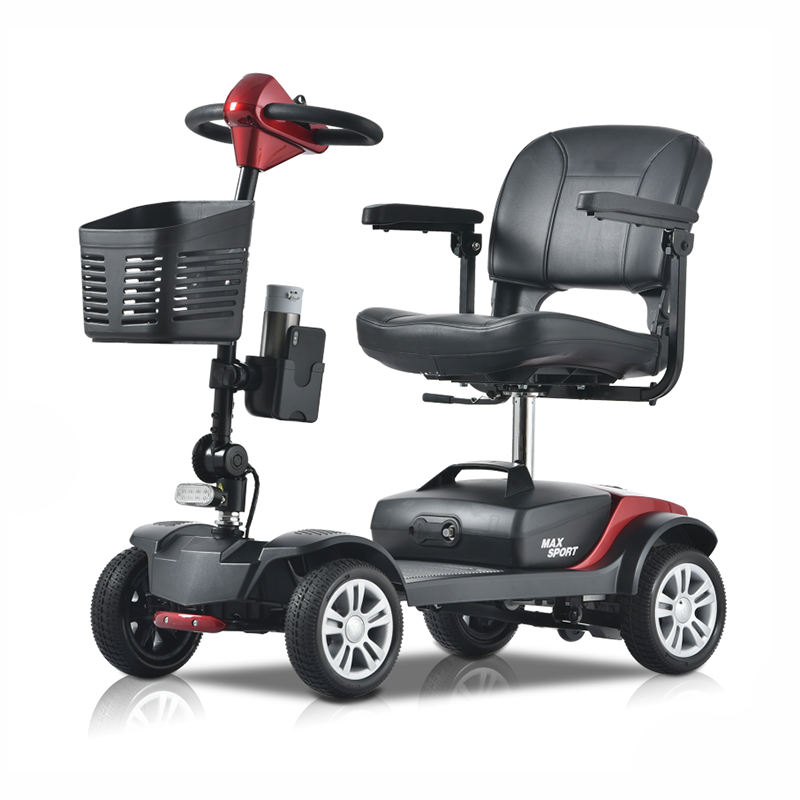
Outdoor routes can expose tires to conditions rarely found indoors. A paved path with occasional cracks places different demands on the wheels from loose gravel or a rough entrance. An Outdoor 4 Wheel Scooter therefore benefits from a route check alongside the physical inspection of the tires.
A tire that appears intact should still be observed during a short test. Pulling to one side, unusual vibration, or a repeated knocking sound can indicate that further inspection is needed. The purpose of the test is not to diagnose every possible fault, but to identify a change in normal behavior before entering a more demanding environment.
Why Do Brakes and Steering Need Careful Inspection
Brakes and steering are closely tied to the situations that make outdoor travel more complicated. A clear indoor floor rarely requires sudden steering around an obstacle or controlled stopping on a slope. Public paths can create both situations within a short distance.
Brake testing should take place in an open area. Begin at low speed and apply the brake in a controlled manner. Attention should be paid to whether the response begins when expected, whether stopping feels consistent, and whether the vehicle behaves differently from previous use.
A change in braking feel should not be dismissed simply because the vehicle still stops. Delayed response, unusual noise, excessive lever movement, or a pulling sensation can point to a condition that deserves inspection.
Steering can be checked in a similar way. While stationary, the steering control should move normally from side to side. A low-speed turn can then reveal whether the vehicle responds evenly. Sudden stiffness or looseness can make accurate positioning difficult.
Several conditions can affect outdoor control:
- Sloping pavement can change steering effort.
- Uneven ground can cause small steering corrections.
- Narrow paths leave less room for correcting a turn.
- Wet surfaces can alter tire contact with the ground.
- Loose material can make the vehicle feel different during braking.
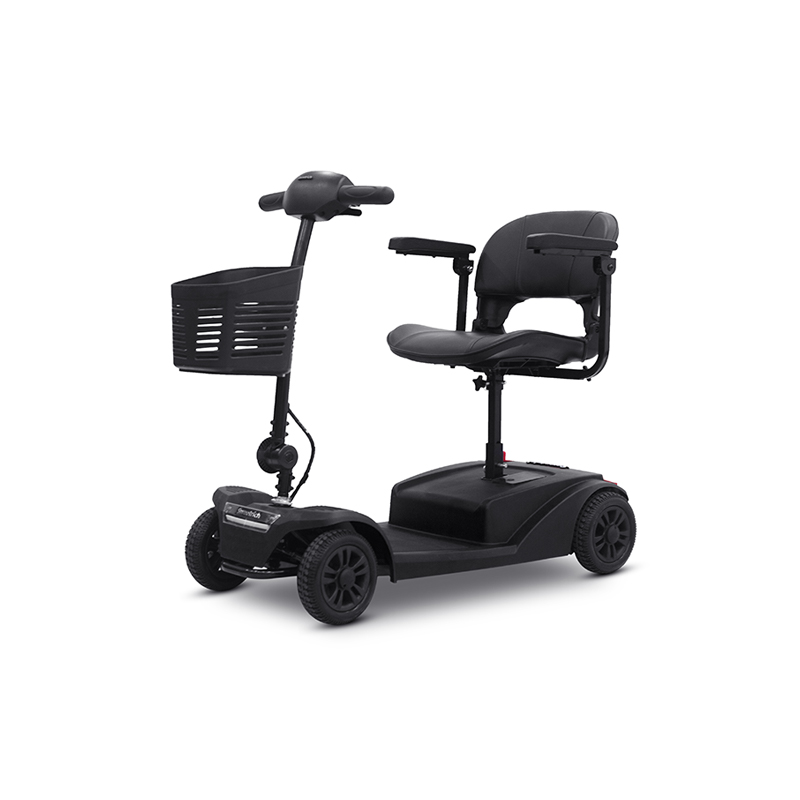
Four-wheel layouts provide four separate ground contact points, so wheel condition and steering behavior work together. A problem affecting one wheel can become noticeable during a turn even when straight-line movement appears normal.
Control testing should also include the release of the operating control. The vehicle should respond in accordance with its normal operating behavior rather than continuing to move unexpectedly. Any unfamiliar response is a reason to stop the test and inspect the vehicle before continuing.
What Should Be Checked Around the Seat and Control Area
The seat is not merely a place to sit. It determines body position relative to the steering controls, foot area, and surrounding supports. A loose seat or shifting support can change posture while the vehicle is moving, particularly over uneven pavement.
Begin with the seat attachment. Check for movement that should not occur during normal use. The back support and arm supports should also be examined for looseness, damaged fittings, or worn sections. The foot area needs enough clear space for comfortable placement without bags or other objects getting in the way.
Control access is equally important. Switches and levers should remain unobstructed. A bag hanging from the steering area, for example, can interfere with a control or move unexpectedly when the vehicle turns. Items placed near the foot area can create a similar problem.
A practical pre-departure check includes:
| Area | What to Check | Reason for Checking |
|---|---|---|
| Seat Attachment | and unwanted movement | Maintains a stable sitting position |
| Back support | Fittings and visible damage | Prevents unexpected movement |
| Arm supports | Looseness and condition | Keeps support areas in place |
| Foot area | Clear space and loose objects | Avoids interference with foot placement |
| Controls | Access and visible condition | Allows normal operation |
| Steering area | Obstructions and hanging items | Prevents interference during turning |
Seat position also affects reach. Controls that were easy to access before a seat adjustment may become awkward afterward. The relationship between the seat, steering area, and foot support should remain practical for the intended trip.
Personal belongings need a fixed place as well. Loose bags should not be placed where they can fall toward the wheels or cover operating controls. Heavy items should remain secured in an appropriate storage area rather than resting on the seat or steering assembly.
The same principle applies to clothing and straps. Anything hanging close to a wheel or moving component should be kept clear before movement begins.
A Heavy Duty 4 Wheel Scooter intended for outdoor use is affected by small preparation details as much as by its larger components. Stable seating, clear controls, unobstructed foot space, and a short functional check create a safer starting condition before attention shifts to battery status, weather, route conditions, and other outdoor factors.
How Does Battery Condition Affect Outdoor Scooter Preparation
Battery condition affects how an electric scooter responds during outdoor travel. A charge indicator should be checked before departure, but the displayed level alone does not show the full condition of the battery. A noticeable drop in power, delayed response, or unusual electrical behavior can indicate a charging or connection issue.
The charging port and related cable should be inspected for dirt, moisture, loose connections, or visible damage. Long periods without use can also affect battery performance, particularly when storage conditions are unsuitable. A short operating test after charging can help reveal abnormal power changes before the scooter reaches a longer route.
How Should an Outdoor 4 Wheel Scooter Be Checked for Road Conditions
Road conditions have a direct effect on wheel contact, steering movement, and braking response. Smooth pavement is generally easier to manage, while broken surfaces, loose gravel, raised edges, and sudden changes in level require slower and more controlled movement.
Route width also matters. A narrow passage may leave little room for turning or correcting direction. Slopes deserve attention as well, especially where the surface changes from level ground to an incline. Drainage channels, driveway edges, and uneven transitions can create brief changes in wheel contact.
Pedestrian areas require additional awareness because movement can be interrupted without warning. A route check before departure can reduce the need for sudden steering or braking.
What Weather Conditions Should Be Considered Before Riding
Weather changes the condition of both the route and the scooter itself. Wet pavement can reduce available grip, while standing water may enter areas that are not designed for prolonged moisture exposure. Rain also affects visibility and can make surface defects harder to notice.
Strong wind can influence steering, especially in open areas or around large vehicles. Low temperatures may also affect battery behavior and charging performance. Good visibility is important during darker conditions, rain, or fog.
A weather check should cover the expected route rather than only the starting point. Conditions can differ between open roads, sheltered streets, and areas with poor drainage.
Which Safety Features Should Be Checked Before Departure
Lighting, mirrors, warning devices, and reflective surfaces support safer operation in shared outdoor spaces. Each item should be checked for visible damage, secure fitting, and normal function.
Protective covers and external fittings also deserve attention. Loose panels, damaged housings, or missing fasteners can allow moisture or debris to reach internal components. Dirt around lights, mirrors, or warning devices may also reduce their usefulness.
Cleaning is part of routine inspection. Mud, dust, and road residue can collect around moving or visible parts, making small problems harder to notice during a quick departure check.
How Can Load and Storage Areas Affect Outdoor Handling
Storage affects balance as well as convenience. Loose bags, hanging straps, or poorly placed objects can interfere with steering, wheel movement, or foot placement.
Weight distribution also matters. A heavy item placed off center may change how the scooter responds during turns or on uneven pavement. Items stored near controls can become a handling problem when movement is needed quickly.
Designated storage areas provide a more stable arrangement. Before departure, all carried items should remain inside secure compartments or be fixed firmly enough to prevent movement.
What Final Checks Should Be Made Before Outdoor Use
A final inspection can be brief when the earlier checks have already been completed. The tires and wheels should be visually checked again, followed by the seat, steering area, controls, and storage spaces.
A low-speed test gives useful information about braking, steering, and power response. Electrical functions such as lights and warning devices can also be checked at this stage.
Route and weather conditions should be considered once more before leaving. For a Heavy Duty 4 Wheel Scooter, the final check is not only about mechanical condition; it also covers whether the surrounding environment is suitable for the planned movement. An Outdoor 4 Wheel Scooter benefits from the same approach, with attention to surface changes, visibility, moisture, and available turning space.