

 +86-(0)512-82283871
Content
- 1 Materials in 4 Wheels Scooter Factory Builds
- 2 Frame and Chassis Materials
- 3 Deck and Platform Construction
- 4 Wheel and Tire Components
- 5 Suspension and Moving Parts
- 6 Body Panels and Covers
- 7 Battery and Electrical Housing
- 8 Handlebar and Control Elements
- 9 Manufacturing Processes and Material Integration
Materials in 4 Wheels Scooter Factory Builds
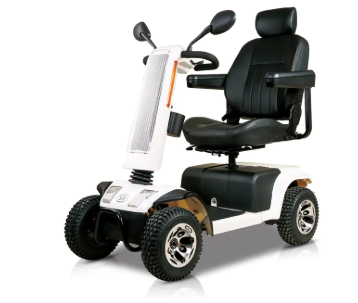
4 Wheels Scooter Factory builds depend on a thoughtful mix of materials to produce stable scooters for everyday use. Four-wheel models often show up in places where steady, reliable handling makes a real difference — on sidewalks, inside buildings, or along quiet neighborhood paths. The materials chosen quietly shape how these scooters perform through day-to-day routines.
Factories bring together different substances that offer enough strength to carry a rider while keeping the whole unit manageable. The four-wheel layout naturally adds balance, and material decisions help hold that steadiness without loading the scooter down with extra weight. From cutting and shaping to joining and finishing, every step works to make the parts fit and function as one.
In ordinary daily life, these choices show up in small ways — how the scooter rolls over a curb, how easily it wipes clean after a trip, or how steady it feels on mixed surfaces. The work done in 4 Wheels Scooter Factory settings aims at creating devices that simply become part of regular movement rather than something complicated to manage.
Frame and Chassis Materials
The frame acts as the backbone of any 4 Wheels Scooter Factory build. Steel is a common starting point because it turns into strong tubes and sheets that weld together cleanly. It gives solid support where weight needs to be carried during rides.
Aluminum alloys appear just as often. Factories shape them into lighter sections by bending or casting, then join the pieces using everyday techniques. These sections help the chassis stay rigid enough for four-wheel stability while trimming some of the overall weight.
Magnesium alloys sometimes find their way into certain spots when a little extra lightness helps. The material machines smoothly and brings stiffness exactly where it is needed. Factories pay close attention to how the different metals come together so the joints hold up well over time.
In practice, many frames blend these materials:
- Steel strengthens areas around the wheels and seat mount
- Aluminum lightens the longer stretches of the chassis
- The mix keeps the scooter level through turns and helps wheels stay properly aligned after regular daily use
Deck and Platform Construction
The deck is the surface where riders stand or sit, so the materials need to feel firm yet practical. Aluminum sheets or extrusions often make up the main base and connect straight to the frame. During production, factories press or cut textures into the surface to give shoes better grip when the ground turns damp or uneven.
Reinforced plastics or composite panels sometimes cover parts of the deck or form simple raised edges. These materials can be molded to include small drainage channels. In some designs the deck also hides space underneath for other components, leaving the top area flat and easy to use.
A light coating or rubber-like layer often adds a bit more traction while still allowing quick cleaning. When the deck goes onto the chassis during assembly, it fastens tightly so road vibrations do not work anything loose later. Width and height of the platform get careful thought to suit how people ride.
Wheel and Tire Components
Wheels matter a great deal for smooth movement and keeping the scooter steady on four wheels. Rims are usually made from aluminum because it strikes a useful balance between strength and lighter weight. They are cast or machined so bearings and motors sit accurately in place.
Other rims use reinforced nylon or composite materials that stand up to occasional small impacts without cracking. Tires come in two familiar types: solid rubber ones that need almost no maintenance and roll quietly on indoor floors, or air-filled versions that soften bumps on outdoor paths. The rubber itself is picked to handle repeated rolling across pavement and sidewalks.
Axles and mounts in 4 Wheels Scooter Factory builds typically pair steel for lasting durability with smooth bushings that let the wheels turn freely. Because weight spreads across four contact points, the materials focus on even, consistent performance. Good alignment at the factory ensures all wheels track straight and turn together when the steering moves.
Suspension and Moving Parts
Suspension softens the ride whenever the surface gets uneven. Springs and dampers often rely on steel coils or flexible elastomer pieces that press down and spring back without losing shape. Linkages and arms are built from metal tubing or cast parts that keep their angles even after many hours of movement.
In four-wheel scooters, suspension placed at the front or rear spreads forces more evenly across the whole chassis. Materials chosen for these areas resist corrosion since they sit nearer to the ground. Fasteners and bushings hold everything tight and help keep noise low during normal daily operation.
Small moving joints — those in steering or seat adjustments, for example — often mix metal surfaces with plastic inserts to cut down friction. These quiet details add up, helping the scooter behave predictably week after week.
Body Panels and Covers
Outer panels protect the inner workings and give the scooter its finished look. Injection-molded plastics shape fenders, side covers, and the housings around the battery. These materials cope well with the small bumps and scrapes that happen in everyday handling.
Fiber-reinforced composites sometimes form bigger panels that stay stiff yet stay relatively light. Factories fix them to the frame with clips or adhesives built for long service. A color finish or clear protective coating helps the surfaces hold up against sunlight over time.
Access panels open without fuss but still keep dust and moisture out when closed. In 4 Wheels Scooter Factory assembly, the gaps between panels stay even so nothing rattles and the scooter keeps a neat appearance. The combination of a solid frame with slightly flexible outer parts allows just enough give when light contact occurs.
| Component | Frequent Materials | Main Function |
|---|---|---|
| Frame and Chassis | Steel, Aluminum alloys | Structural support and stability |
| Deck and Platform | Aluminum sheets, Reinforced plastic | Secure footing and component housing |
| Wheels and Rims | Aluminum, Reinforced composites | Smooth rolling and load distribution |
| Body Panels | Injection-molded plastics, Composites | Protection and outer shape |
| Suspension Elements | Steel springs, Elastomer materials | Ride comfort on varied surfaces |
Battery and Electrical Housing
Battery enclosures do a basic but important job. In 4 Wheels Scooter Factory builds, aluminum or reinforced plastic cases protect the battery from bumps and moisture while letting heat escape during normal use. Wiring runs through channels built into the chassis so the cables stay clear of moving parts and stay protected.
The battery pack usually sits low and centered. This placement helps the scooter feel balanced on its four wheels. Mounting points connect directly to the deck or frame, keeping the weight spread evenly. Connectors and covers are made from materials that resist corrosion and keep working well even after many connections.
Electrical housings for the controller and display often sit near the handlebar or tucked under the seat. The plastics used there give enough protection while still allowing easy access when someone needs to look inside. These housings keep things simple and safe rather than complicated.
Handlebar and Control Elements
Handlebars and tillers are usually made from metal tubing, often aluminum or steel, shaped for comfortable use. Grips come from rubber or soft plastic that feels good in the hand whether the day is warm or cold.
Control levers for brakes or throttle use metal or sturdy plastic so they last through regular use. Height and angle adjustments rely on simple clamps and pins that lock into place reliably. Factories make sure these parts move smoothly so small changes can be made quickly without tools in many cases.
Display panels and switches sit inside protected housings made from impact-resistant materials. Wiring threads carefully through the frame to avoid any pinching. These small details help the controls feel natural when riding day after day.
Manufacturing Processes and Material Integration
4 Wheels Scooter Factory lines follow a steady, familiar rhythm when putting different materials together. Metal frames go through cutting, bending, and welding stations where alignment is checked to keep the four-wheel base square. Plastic parts arrive already molded and ready to attach with screws, clips, or adhesive bonds.
Checks happen at several quiet points along the line. Welds get a careful visual inspection, fasteners receive proper torque, and moving joints go through basic functional tests. Materials coming in are examined early for consistent thickness and quality. Assembly usually starts with the chassis and builds outward — wheels first, then the deck, suspension, and finally the body panels.
Packaging includes padding around wheels and panels to stop anything from shifting during shipping. The aim is steady results so each scooter performs similarly once it reaches daily use.
A few steps that commonly appear on the production floor include:
- Preparing and joining the main frame sections
- Installing and aligning the wheels
- Fitting the deck and suspension components
- Adding body panels and electrical housings
- Running final checks on moving and electrical parts
- Considerations for Daily Use and Maintenance
Material choices quietly shape how scooters are looked after over time. Frames and decks that resist corrosion usually need nothing more than a quick wipe to stay clean. Wheels and tires can often be checked with a simple glance without taking much apart.
Plastic panels handle small scuffs well and clean easily with ordinary household cleaners. Access to the battery area or electrical connections stays straightforward so routine checks fit naturally into storage habits. Materials that manage both indoor floors and occasional outdoor exposure help reduce worries about long-term condition.
In one example of ongoing industry effort, Suzhou Sweetrich Vehicle Industry Technology Co., Ltd. has taken part in developing manufacturing approaches that focus on consistent material performance and everyday usability.
The designs keep advancing through small, steady improvements that respond to actual patterns observed in commutes and short trips. By focusing on reliable frames, practical decks, and durable wheels, 4 Wheels Scooter Factory methods help create scooters that feel like a natural part of daily mobility.