
 +86-(0)512-82283871
Content
- 1 Core Design Principles in Foldable Scooter Production
- 2 Integration of Practical Features for Everyday Use
- 3 Manufacturing Approaches in Foldable Scooter Factories
- 4 Impact on Urban Commuting Patterns
- 5 User Experience Aspects in Daily Scenarios
- 6 Safety Elements Incorporated in Design Processes
- 7 Environmental Considerations in Production and Use
- 8 Customization Options Available Through Factory Processes
- 9 Future Directions in Foldable Scooter Development
- 10 Contribution to Broader Mobility Improvements
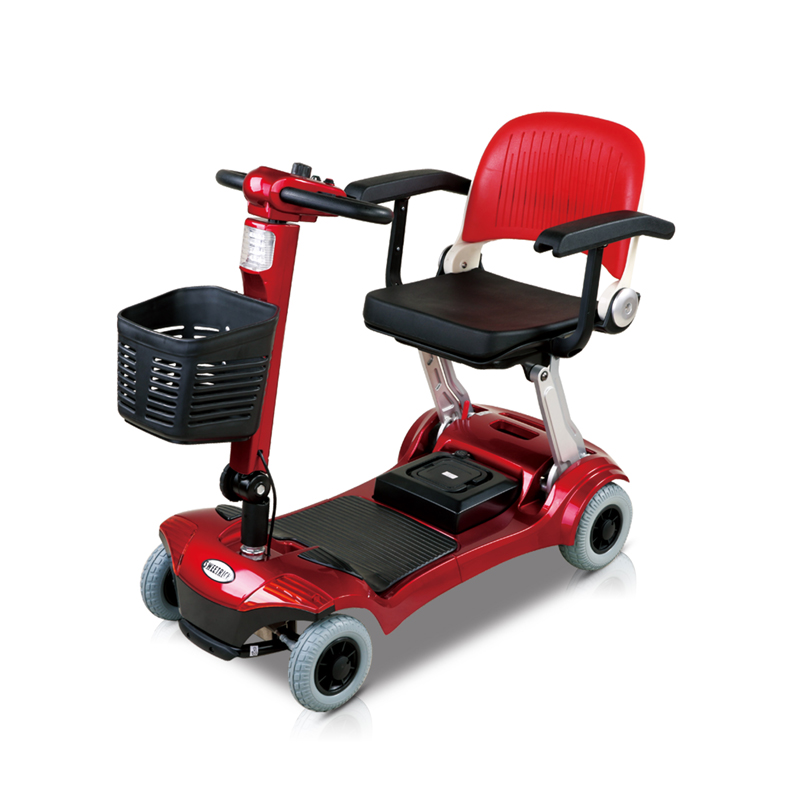
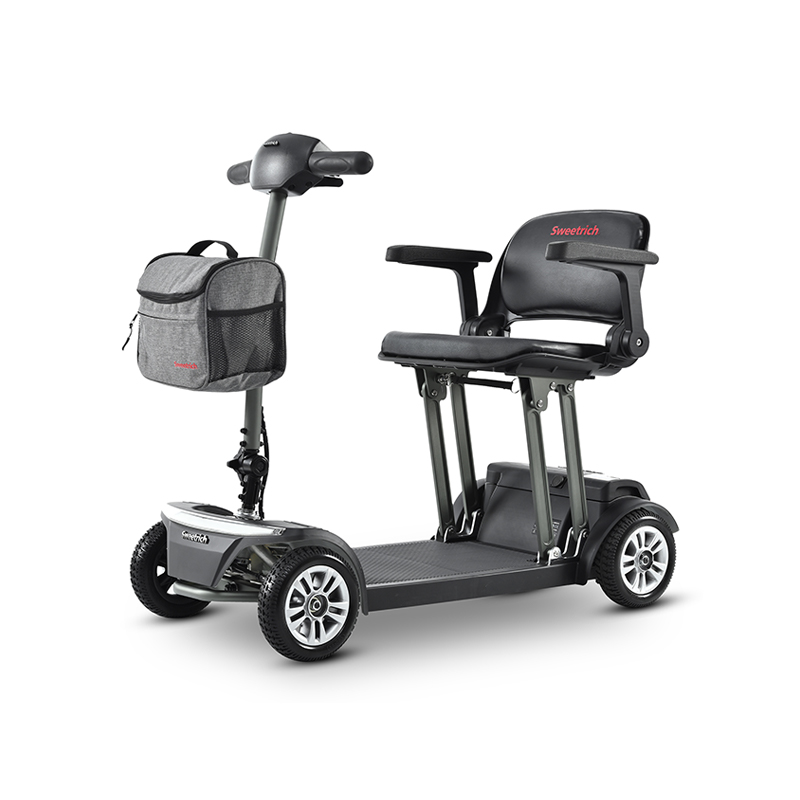
Foldable Scooter Factory approaches have quietly found their place in how folks get around crowded cities every day. These scooters can switch from a full riding setup to a much smaller package, which comes in handy when storage space is tight or you need to carry something through busy areas. In places full of traffic, narrow paths, and small apartments, being able to shrink the scooter makes it easier to weave personal rides into normal routines without much hassle.
Many people deal with short hops between home, bus stops, offices, or quick errands. Foldable Scooter Factory methods pay attention to exactly these moments. The scooter rolls nicely when you want to ride and folds down when it's time to walk inside or hop on public transport. It ends up feeling like a handy extension of your daily steps rather than one more thing to worry about.
Core Design Principles in Foldable Scooter Production
Teams at Foldable Scooter factories spend time thinking through the basic structure of each scooter. They pick materials that give enough strength to handle regular riding but stay light enough that you don't mind picking it up and carrying it when needed. Frames tend to use alloys that hold their shape without feeling heavy.
The folding part usually relies on solid hinges located around the steering column or near the base. These let the front swing back toward the deck in one fairly smooth motion. Handlebars often have their own folding spots that tuck in neatly.
A few things get special focus during design:
- Hinges that move without too much effort or wobbling over time
- Joints built tough enough to handle daily folding and unfolding
- Overall frame shape that feels steady on the road and stays compact once closed
The aim is a scooter that keeps working smoothly even after weeks of opening and closing in all kinds of weather and situations.
Integration of Practical Features for Everyday Use
Everyday features in Foldable Scooter Factory designs try to match how people actually ride and carry them. Handlebars usually adjust up or down with a simple clamp, so different riders can quickly find a position that feels right. The deck gives enough room for your feet and often has a surface that grips well, even if the ground is a bit wet.
Wheels are chosen to roll smoothly on city streets while keeping the folded size reasonable. When suspension is added, it sits in tight spots so it softens bumps without getting in the way of folding. Battery and motor placement keeps the weight low and centered, which helps the scooter feel balanced while moving. Wiring runs through protected channels at the hinges so repeated folding doesn't cause problems. The whole power system charges from regular outlets and gives enough support for typical short trips around town.
Together these choices create a scooter that slips easily into morning and evening routines—unfold, ride a few blocks, fold again, and keep going.
Manufacturing Approaches in Foldable Scooter Factories
On the production floor, Foldable Scooter factories follow steady sequences to make sure every hinge and joint works the same way from one scooter to the next. Workers align hinges carefully and check that angles stay consistent. Fasteners get tightened to the right level so connections don't loosen after lots of use.
Checks happen at different stages. Materials are looked over early for even thickness and quality. As assembly moves along, sample scooters go through repeated folding to see how the mechanism holds up. At the end, each unit gets tested with brakes, lights, and locks working in both open and folded positions.
Packaging includes supports that protect the hinges and wheels during shipping. The whole process keeps the focus on reliable, repeatable results so riders get a scooter that behaves consistently day after day.
Impact on Urban Commuting Patterns
Foldable Scooter Factory designs have a quiet effect on city commuting. Someone might unfold at a transit stop, ride the next stretch of blocks, then fold it again to board a train or walk into an office. The smaller folded size means it takes up very little room on public transport or in crowded spaces.
Those short gaps that used to mean extra walking can now turn into easy riding segments. The scooter travels with you instead of being left behind somewhere. This kind of flexibility helps cut down on waiting around and lets people move at a pace that suits their own schedule.
City streets mix all kinds of surfaces—smooth pavement, cracked sidewalks, small curbs. The design handles those changes without much trouble. When you need to carry it, the folded shape moves more easily through doorways and tight spots than bigger options would.
User Experience Aspects in Daily Scenarios
Riders often say Foldable Scooter Factory designs blend nicely into ordinary days. Unfolding becomes a quick habit: release the latch, swing the front out, and lock it in place. After a short time it feels automatic and doesn't slow you down.
Carrying the folded scooter works because the weight sits near the middle, making it easier to balance while walking short distances or going up stairs. At the office it can sit beside a desk. At home it slides into a closet or corner without needing much space.
Looking after it stays simple too. You can check tires or open the battery cover without unfolding everything. Basic cleaning and small adjustments fit into normal routines.
The daily flow often looks something like this:
- Step off the bus, unfold in a few seconds, and ride the last few blocks to work
- Fold again at the building entrance and tuck it away during the day
- Repeat the process in reverse on the way home
| Step | Action | Typical Situation |
|---|---|---|
| 1 | Release the main latch | Arriving at a stop or building entrance |
| 2 | Pivot the front section outward | Getting ready to ride after walking |
| 3 | Extend and lock the handlebars | Setting up for a comfortable ride |
| 4 | Check the deck and wheels | Before rolling onto the pavement |
| 5 | Reverse the steps to fold | Reaching your destination |
Safety Elements Incorporated in Design Processes
Safety in Foldable Scooter Factory designs comes from thinking about how people actually ride and carry them in real situations. Brakes have to respond cleanly whether the scooter is open for riding or folded for carrying. Levers and controls stay easy to reach even when the handlebars are in different positions.
Lights and reflectors are placed so they still work when the scooter is collapsed. Front and rear lights often sit on parts that stay visible, which helps in low light if you're walking with the folded unit along a street. Side markers along the frame edges can catch attention from passing traffic.
Locking systems prevent the scooter from popping open while you're carrying it or setting it down for a moment. Pins or latches usually click into place with a solid feel and hold everything steady until you deliberately release them. These parts are built to keep working after repeated daily use, even when exposed to dust, moisture, or changing temperatures.
A few other details that matter in daily use include:
- Brake controls that don't bind when the scooter is partially folded
- Surfaces that remain easy to see in both riding and carrying modes
- Simple release actions that feel natural after a few tries
These features help riders move through busy sidewalks and mixed traffic with a bit more confidence.
Environmental Considerations in Production and Use
Foldable Scooter Factory production pays quiet attention to material choices and how components come together. Many parts are selected with an eye toward what happens when the scooter eventually reaches the end of its service life, favoring materials that can be separated more easily. On the factory floor, efforts focus on cutting waste through careful patterns and reusing leftover pieces where it makes sense.
For daily riders, the scooters run on electricity from ordinary outlets. This makes them a straightforward option for short trips around the neighborhood instead of pulling out a car for every small errand. Many people simply plug the unit in when they get home or reach the office, letting it charge during normal downtime.
Power delivery is managed to match the rider's pace and the surface under the wheels. Charging ports are located in convenient spots so hooking up the cable becomes an easy habit rather than an extra step. Over weeks and months, these small habits can ease some of the load on crowded roads and parking spaces in busy areas.
Customization Options Available Through Factory Processes
Foldable Scooter factories provide a handful of practical ways for riders to adjust the scooter to fit their own routines. Frames come finished in different neutral tones that work with both casual and work settings. Grips on the handlebars and textures on the deck vary so hands and feet can settle on something comfortable.
Mounting points let users add simple accessories — a small carrier for a bag or a phone holder — as long as they don't interfere with folding. Some designs include modular sections where worn pieces can be replaced without touching the main frame.
Riders often make small changes such as:
- Picking grip materials that feel good in warm or cold weather
- Adding a light basket or strap for carrying everyday items
- Choosing wheel types that suit the roads and paths they use
These factory-supported options keep the core folding action and riding balance intact while letting people tweak minor details over time.
Future Directions in Foldable Scooter Development
Development work at Foldable Scooter factories keeps looking at ways to improve the everyday folding experience. Teams test small adjustments to hinges and weight balance to make the transition between riding and carrying feel smoother without weakening the structure.
There's also interest in how these scooters might fit better alongside other ways of getting around, such as bike racks on buses or simple connection points near transit areas. The goal is to make mixed trips feel more continuous — unfold for a quick ride, fold again, and move on without breaking your flow.
Many ideas come from watching how people actually use the scooters in daily life. Refinements often focus on quieter operation, easier access for basic maintenance, and shapes that tuck away neatly in small living spaces. Progress tends to come in steady steps rather than big leaps.
Contribution to Broader Mobility Improvements
Foldable Scooter Factory designs help make daily movement in cities a little smoother by adding flexibility to short trips. They allow riders to combine walking, riding, and public transit more naturally because the scooter can shrink down and travel with you instead of being left behind.
In apartments, offices, and transit hubs, the compact folded size opens up options for people who might otherwise find bigger transport choices difficult to manage. Riders can cover mixed surfaces at their own pace and carry the unit through doorways or up stairs without major changes to their plans.
The attention to reliable hinges, balanced weight, and simple everyday features creates something that supports ordinary routines without demanding constant attention. These practical details gradually ease the rhythm of city days for many users.
In one example of ongoing industry effort, Suzhou Sweetrich Vehicle Industry Technology Co., Ltd. has taken part in developing manufacturing approaches that emphasize consistent hinge performance and everyday usability.
The designs continue to move forward through small, careful improvements that respond to real patterns seen in commutes and errands. By focusing on steady folding, balanced riding, and easy carrying, Foldable Scooter Factory methods quietly help urban mobility feel more connected and less complicated.