
 +86-(0)512-82283871
Content
- 1 Why Weight Reduction Matters in Real Life
- 2 Choosing Materials That Keep Things Light
- 3 How Design Decisions Shape the Final Weight
- 4 The Balancing Act: Lightness Versus Real-World Durability
- 5 Different Contexts, Similar Challenges
- 6 Looking Toward Future Possibilities
- 7 Wrapping Up the Conversation
- 8 Sweetrich Mobility
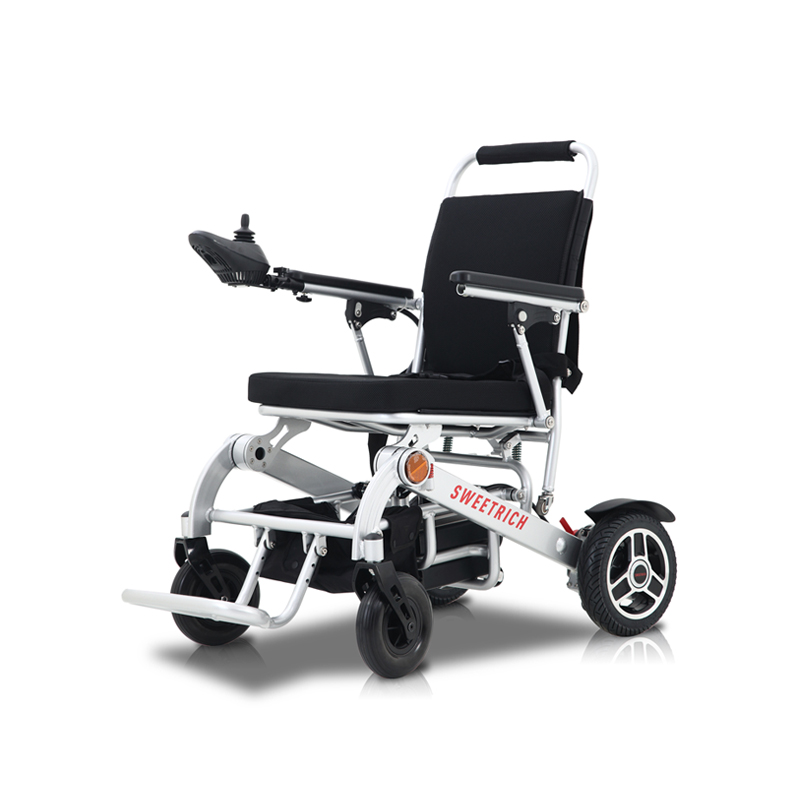
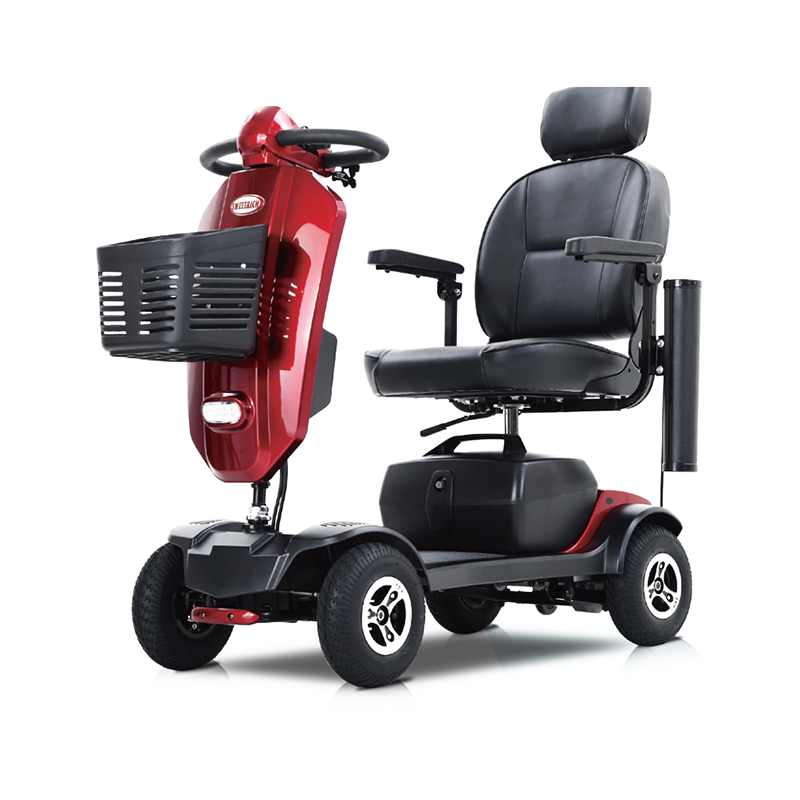
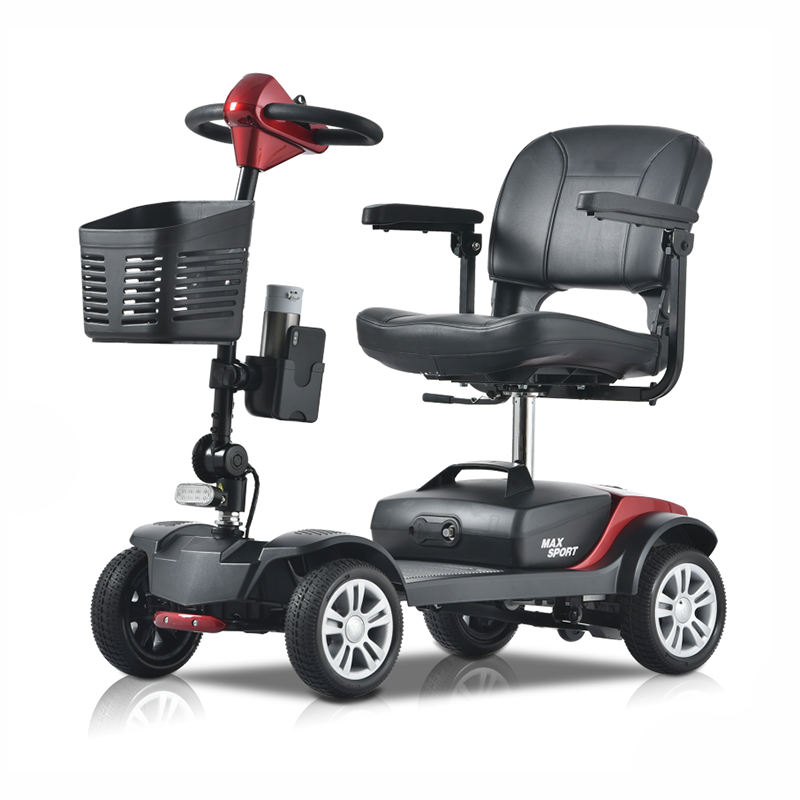
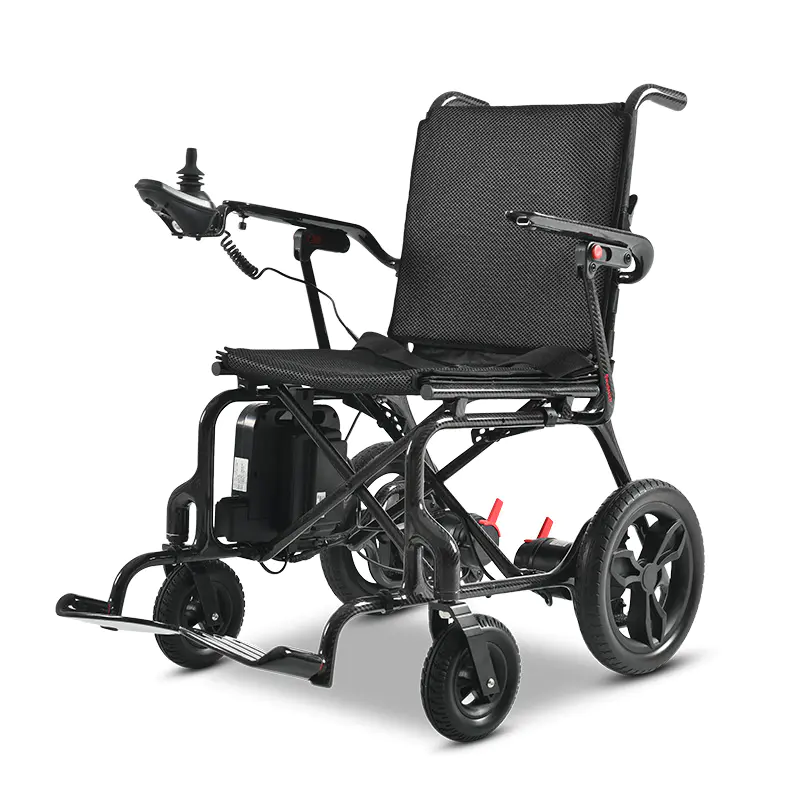
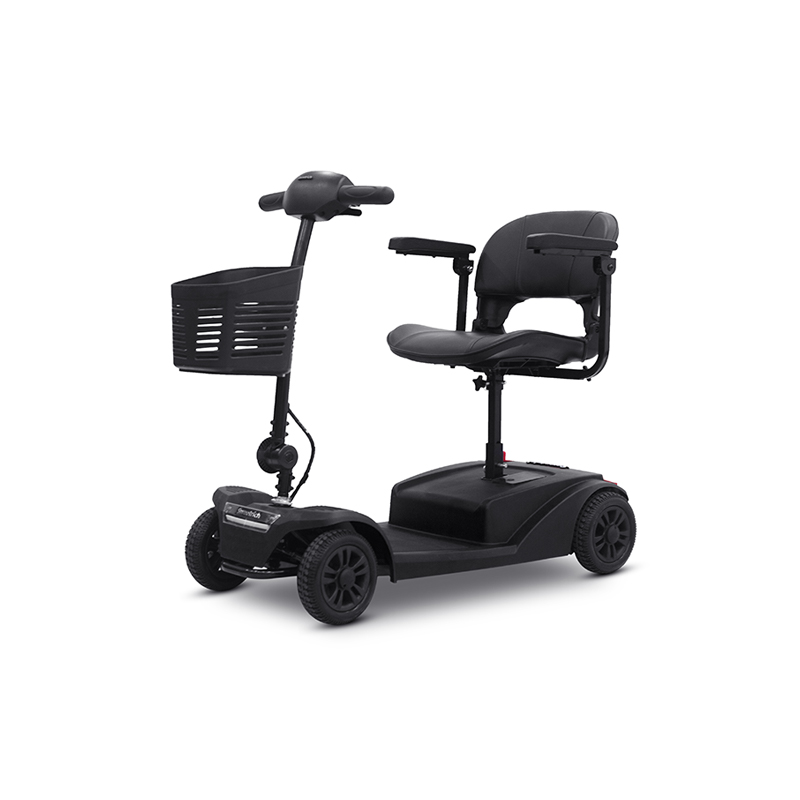
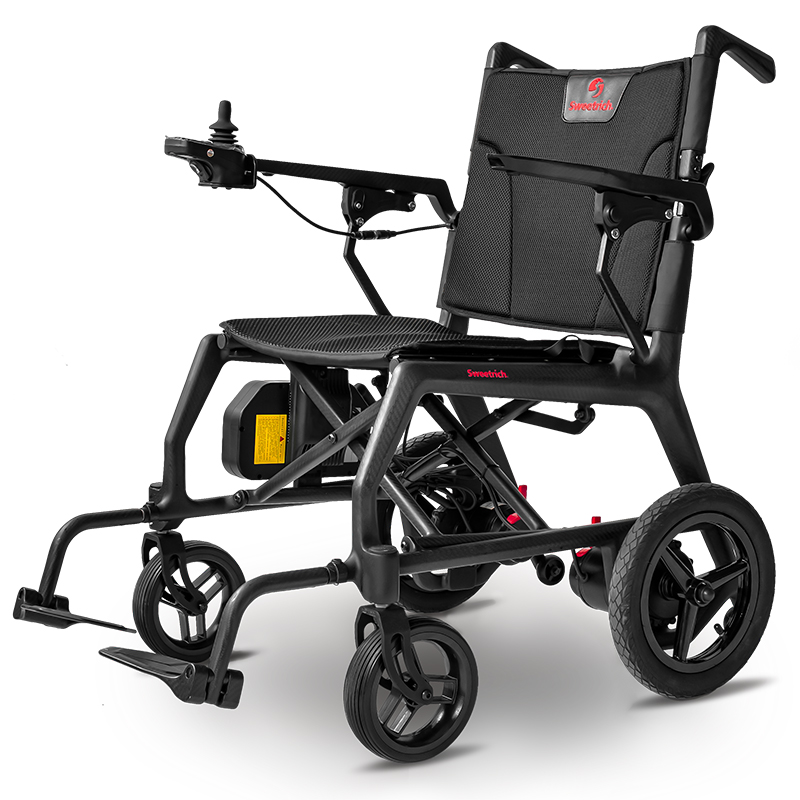
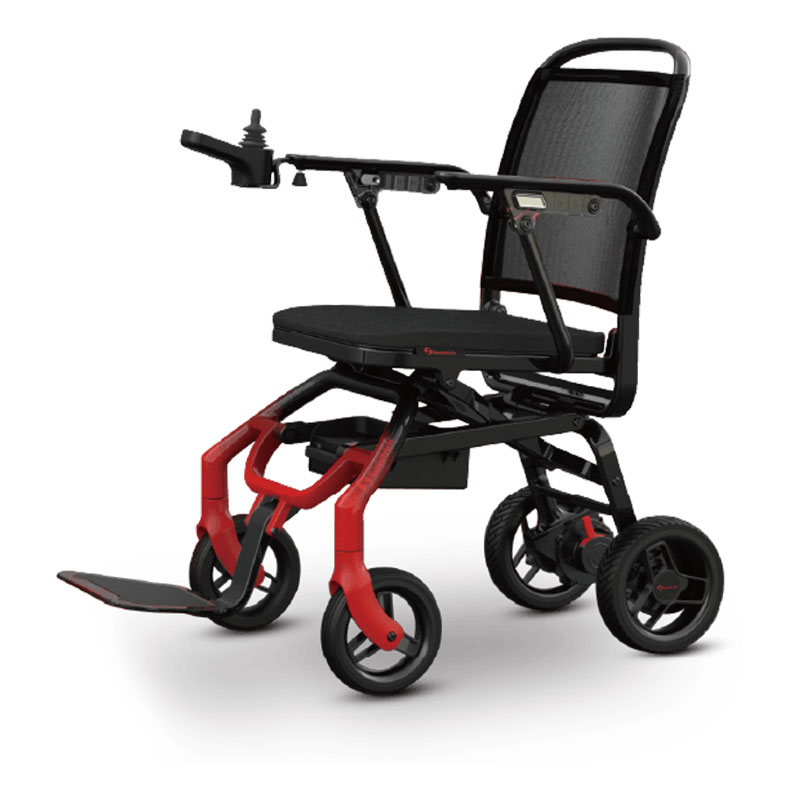
Personal mobility vehicles come in many forms—electric scooters for quick trips around town, powered wheelchairs for everyday independence, and other compact devices that help people get from one place to another without relying entirely on their own strength. One thing that stands out about a lot of these vehicles, especially a Wholesale Lightweight Scooter, is how surprisingly light they feel when you pick them up or fold them for storage. That lightness is not accidental. It comes from years of thinking carefully about what materials to use and how to shape the vehicle so it stays practical without feeling like a burden. The goal is to make something that people can actually live with day after day, whether they are lifting it into a car trunk, maneuvering through a narrow doorway, or simply carrying it a short distance.
When you stop to think about it, weight matters in ways that go beyond simple numbers on a scale. A heavy vehicle can wear people down over time. It makes loading and unloading more tiring, especially for older users or anyone with limited upper body strength. It can also discourage spontaneous outings because the effort of dealing with the device itself starts to overshadow the freedom it is supposed to provide. On the other hand, a vehicle that is too light might feel flimsy or unstable, particularly when going over bumps or turning corners. The real challenge lies in hitting that sweet spot where the vehicle is easy to handle but still solid enough to trust with your safety and comfort.
Engineers and designers who work on these vehicles spend a lot of time weighing different priorities. They know that every gram saved in one area has to be balanced against strength in another. The frame, wheels, battery housing, and controls all add up. If the whole thing ends up feeling like a piece of furniture, users will avoid it. If it feels like it might bend or break under normal use, confidence disappears. So the work becomes a constant conversation between what the materials can do and what the human body needs in daily life.
Why Weight Reduction Matters in Real Life
Consider a typical morning. Someone folds their scooter, carries it down a flight of steps, loads it into the back seat of a car, drives to a store, unloads it, unfolds it, and rides around inside. Each step involves lifting, twisting, or balancing the vehicle. When the weight is lower, these actions take less effort and less time. That small difference can mean the difference between going out and staying home. For caregivers or family members who help, lighter weight reduces strain on backs and shoulders, making assistance feel more sustainable over months or years.
Weight also plays a quiet role in how the vehicle moves. A lighter scooter or chair tends to accelerate more smoothly and stop with less drama. Steering feels more responsive because there is less inertia fighting against small corrections. On battery-powered models, every bit of saved weight can stretch the range a little further because the motor does not have to work quite as hard against its own mass. None of this happens in isolation—designers have to make sure that cutting weight does not create new problems like wobbling at speed or reduced grip on wet surfaces.
In practice, teams test these vehicles in conditions that mimic real streets and homes. They watch how people actually use them, not just how the specifications look on paper. Feedback from users often highlights moments when weight becomes noticeable: lifting the device onto a bus, storing it in a small apartment closet, or pushing it manually when the battery runs low. These observations drive decisions more than any single laboratory number.
| Aspect | Key Practice | Real-World Examples | Impact on Design Decisions |
|---|---|---|---|
| Testing Approach | Real-world condition testing | Mimic streets and homes | User behavior over lab specs |
| User Feedback Focus | Moments when weight is noticeable | Lifting onto bus, storing in apartment closet, manual pushing when battery low | Drives decisions more than lab numbers |
| Design Priority | Practical daily use | Lifting, storing, and maneuvering | Observations shape final product |
Choosing Materials That Keep Things Light
The materials chosen for these vehicles have to walk a fine line. They need to be strong enough to handle bumps, curbs, and the occasional overload, yet light enough that the finished product does not feel like dead weight. Aluminum alloys have become a go-to choice for frames because they strike a useful balance. They are considerably lighter than traditional steel while still offering decent rigidity when shaped properly. Frames built this way can use tubes or beams that look substantial but do not weigh the user down when it is time to move the vehicle by hand.
Magnesium alloys sometimes appear in less critical parts—things like wheel brackets or outer housings—where an extra bit of weight savings can be gained without risking the main structure. These materials are even lighter than aluminum, but they require careful protection against corrosion since they can react more readily with moisture in the air or on the ground.
Composites bring another set of possibilities. Layers of fiber-reinforced plastics can be arranged so that strength runs exactly where forces are highest, such as along the deck where a rider stands or sits. This approach lets designers use thinner sections in many places, trimming mass without creating weak spots. The beauty of composites lies in their tailorability; the same material mix can behave differently in different parts of the vehicle depending on how the fibers are oriented during manufacturing.
Plastics and reinforced polymers handle the parts that do not carry the main loads—fairings that cover electronics, trim pieces around the seat, or protective shrouds around the wheels. These materials mold easily into smooth, curved shapes that improve airflow or simply look clean, all while adding very little to the total weight. In many vehicles, you will see a mix: aluminum for the backbone, composites for panels, and polymers for the finishing touches. The trick is joining them securely so that vibration or temperature changes do not cause loosening or cracking over time.
How Design Decisions Shape the Final Weight
Materials alone do not tell the whole story. The way a vehicle is designed determines how much of each material actually gets used and where. Engineers look for opportunities to remove anything that is not pulling its weight—literally. Computer models help them trace where forces travel through the frame during acceleration, braking, or hitting a pothole. Once those paths are clear, material can be thinned or even eliminated in areas that experience little stress.
Frame shapes often use triangles or box sections because these forms are naturally stiff. A well-designed triangle can resist twisting with surprisingly little material. Folding mechanisms add their own complexity. Hinges and locks have to move freely yet lock solidly, all without adding heavy reinforcement. Designers spend hours refining pivot points and linkage lengths so the vehicle collapses neatly without feeling like it needs extra metal braces.
Suspension and wheel setups follow a similar logic. Slender arms or forks can provide enough travel to smooth out bumps while keeping unsprung weight low. This helps the vehicle feel planted on the road without the heaviness that comes from overbuilt components. Seating and controls get the same attention. Handles and levers are positioned for easy reach so users do not need bulky adjustment rails or heavy motors to move them. The overall body shape sometimes tapers or curves in ways that reduce drag, which indirectly helps because the motor works less hard and the battery can be kept smaller.
Integration matters too. Instead of bolting a separate battery box onto the frame, designers often build the frame around the battery so the housing itself contributes to structural strength. Wiring runs in protected channels that double as stiffeners. Even small details like the placement of lights or displays get reviewed—compact modules that tuck into the body save both space and weight compared with bulky add-ons.
The Balancing Act: Lightness Versus Real-World Durability
No designer wants to create something that feels great in the showroom but falls apart after a few months of real use. Lightness has to be earned through smart choices rather than simple subtraction. Joints between different materials need special attention because aluminum and composites expand and contract at different rates with temperature changes. Fasteners, adhesives, or hybrid welding techniques keep everything together through thousands of vibration cycles.
Testing plays a huge role here. Vehicles go through repeated folding and unfolding, simulated curb strikes, and long runs on rough surfaces. Engineers watch for early signs of fatigue in lightweight sections and adjust thicknesses or add strategic ribs only where data shows they are truly needed. User trials bring another layer of honesty—someone with smaller hands might struggle with a grip that felt fine during bench testing, to subtle redesigns that keep weight in check while improving daily comfort.
Environmental factors cannot be ignored either. A vehicle left outside occasionally will see rain, sun, and temperature swings. Materials and coatings have to hold up so the weight savings do not disappear through rust or swelling. Sealed bearings, protected electronics, and thoughtful drainage paths all help the vehicle stay light and reliable season after season.
Cost and how easily something can be manufactured also influence decisions. Processes that allow complex lightweight shapes—such as extrusion for aluminum tubes or molding for composites—make it possible to produce vehicles at scales that keep prices reasonable. Designers look for solutions that deliver the benefits without requiring exotic or overly expensive production lines.
Different Contexts, Similar Challenges
The same basic principles show up across different types of mobility vehicles, but the emphasis shifts depending on how the device will be used. A scooter meant for city commuting might prioritize quick folding and light carrying weight so it can ride along on trains or buses. An indoor wheelchair focuses more on tight turning circles and gentle handling in carpeted rooms or around furniture. Outdoor models need enough stability on grass or gravel without becoming so heavy that loading them into a van feels impossible.
In travel situations, the ability to break the vehicle into manageable pieces or collapse it flat becomes critical. Designers create quick-release pins or modular sections that come apart without tools, always keeping an eye on total carried weight. Recreational users might value a bit more robustness for longer rides on trails, but they still appreciate a vehicle that does not dominate the trunk space when the adventure is over.
Across all these scenarios, the conversation stays consistent: how do we give people freedom without asking them to wrestle with their mobility aid every time they use it?
Looking Toward Future Possibilities
New ideas in materials and manufacturing continue to open doors. Processes that create hollow or lattice-like internal structures could remove even more unnecessary mass while keeping surfaces solid. Materials that incorporate recycled content or come from renewable sources may one day match or exceed the performance of current options without increasing weight. Digital design tools let teams explore dozens of variations quickly, testing how a slight change in curve or joint angle affects both strength and mass.
Electronics are shrinking too. Smaller, more efficient motors and batteries mean less structure is needed to support them. When these components nest neatly inside the frame rather than sitting on top, the whole vehicle feels more unified and often lighter overall. Connectivity features—simple sensors that monitor battery level or provide basic navigation—can be woven in with almost no added weight when planned from the beginning.
| Aspect | Key Benefit | Design Advantage |
|---|---|---|
| Shrinking Electronics | Smaller, more efficient motors & batteries | Less supporting structure required |
| Component Integration | Nested inside the frame | Unified feel and reduced overall weight |
| Connectivity Features | Battery sensors & basic navigation | Added with almost no extra weight |
The human side remains central. As more people of different ages and abilities rely on these vehicles, designs will likely become even more personalized. Adjustable elements that do not add bulk, intuitive controls that work with limited dexterity, and vehicles that feel like natural extensions of the body rather than separate machines. Lightness will stay important, but it will always be in service to comfort, confidence, and independence.
Wrapping Up the Conversation
In the end, the lightness of personal mobility vehicles comes down to respect—for the materials, for the physics of movement, and especially for the people who will live with these devices every day. Thoughtful material choices like aluminum, magnesium, and composites provide the raw ingredients. Smart design—hollow sections, integrated systems, optimized geometries—turns those ingredients into something practical and pleasant to use. The process is never about making the lightest vehicle possible at any cost. It is about creating balance so that the vehicle supports freedom instead of getting in the way of it.
When a scooter or chair feels easy to live with, users notice. They go out more often. They travel farther. They rely less on others for simple tasks. That quiet improvement in daily life is what drives the continued focus on materials and design. The vehicles may look simple from the outside, but behind that lightness lies a lot of careful thinking about how people actually move through their world.
Sweetrich Mobility
At Sweetrich Mobility, lightweight design is far more than just a set of figures on a spec sheet; it is a tangible experience woven into every curve, joint, and structural element of the frame. Through the ingenious fusion of aluminum, composite materials, and precision-engineered components, Sweetrich mobility scooters achieve a equilibrium—balancing portability with stability, and seamlessly blending practical functionality with user confidence.
Users do not perceive this excellence through flashy features, but rather through the sheer effortlessness they experience when the scooter folds easily into a car, glides smoothly over uneven sidewalks, or fits perfectly into the confines of a small apartment. In this silent dialogue between materials, design, and the rhythm of human movement, Sweetrich elevates the everyday task of "getting around" into an experience of true freedom—making every outing smoother, safer, and imbued with an unexpected sense of liberation.