
 +86-(0)512-82283871
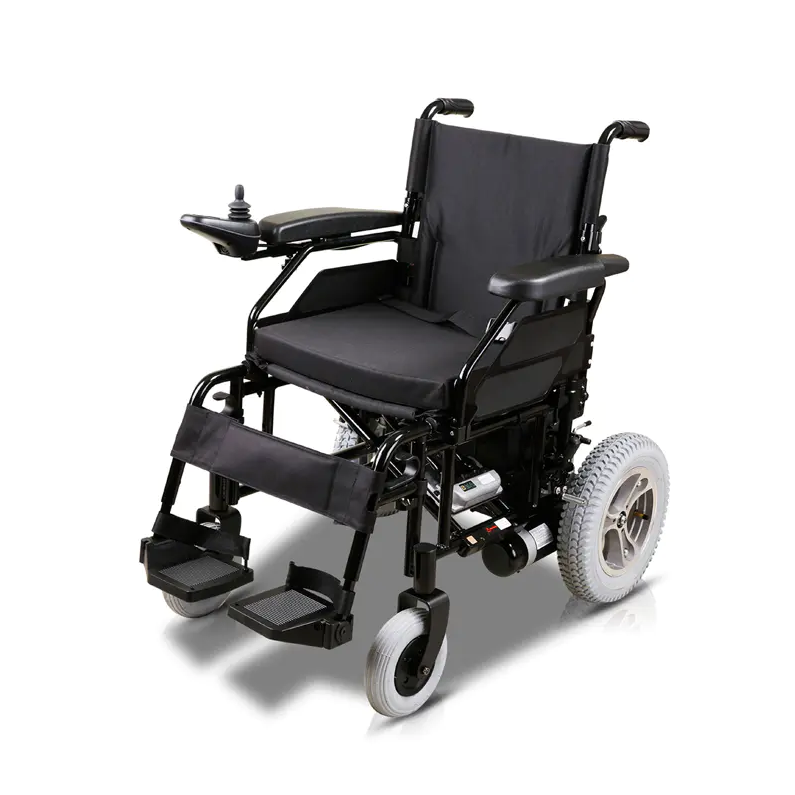
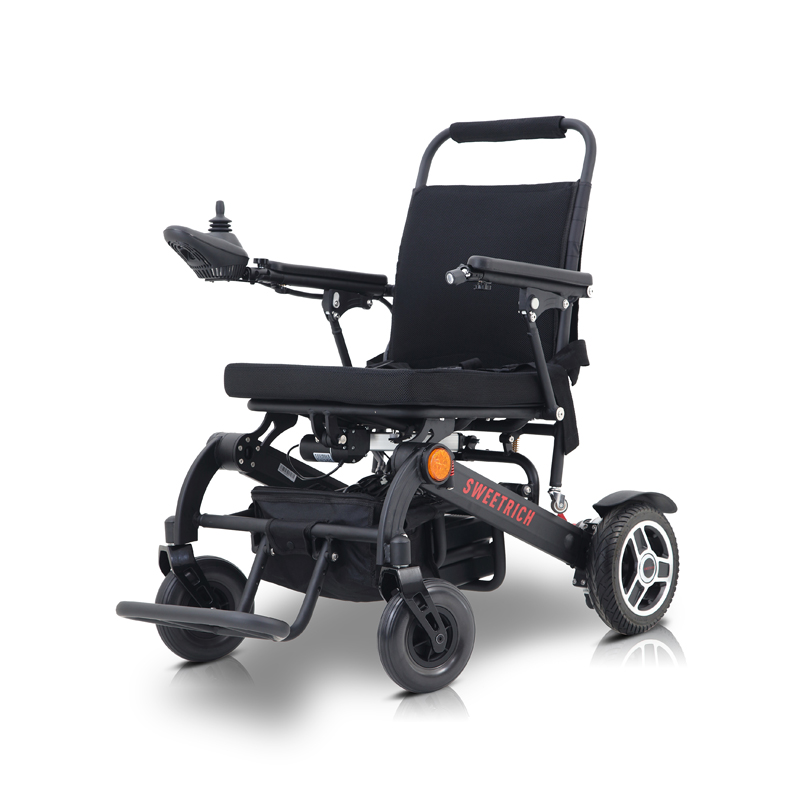
Foldable power wheelchairs can be used on uneven terrain to a certain degree, although there are important factors to consider when operating them in such environments. This article outlines the capabilities and limitations of foldable power wheelchairs when traveling across irregular surfaces.
Foldable power wheelchairs are designed to support mobility and independence. Unlike manual wheelchairs that require physical effort, power wheelchairs run on electric motors and can be controlled using a joystick or similar interface. Their integrated batteries and motors allow users to move with reduced strain and improved comfort.
When using a foldable power wheelchair outdoors, the wheel system plays a significant role in overall performance. Many foldable designs feature either mid-wheel drive or rear-wheel drive configurations.
Mid-wheel drive power wheelchairs are recognized for their strong maneuverability, especially in indoor areas and narrow pathways. Their ability to turn efficiently makes them suitable for compact spaces. However, their smaller front and rear wheels may not handle uneven terrain as effectively. The higher center of gravity can to reduced stability on rough surfaces.
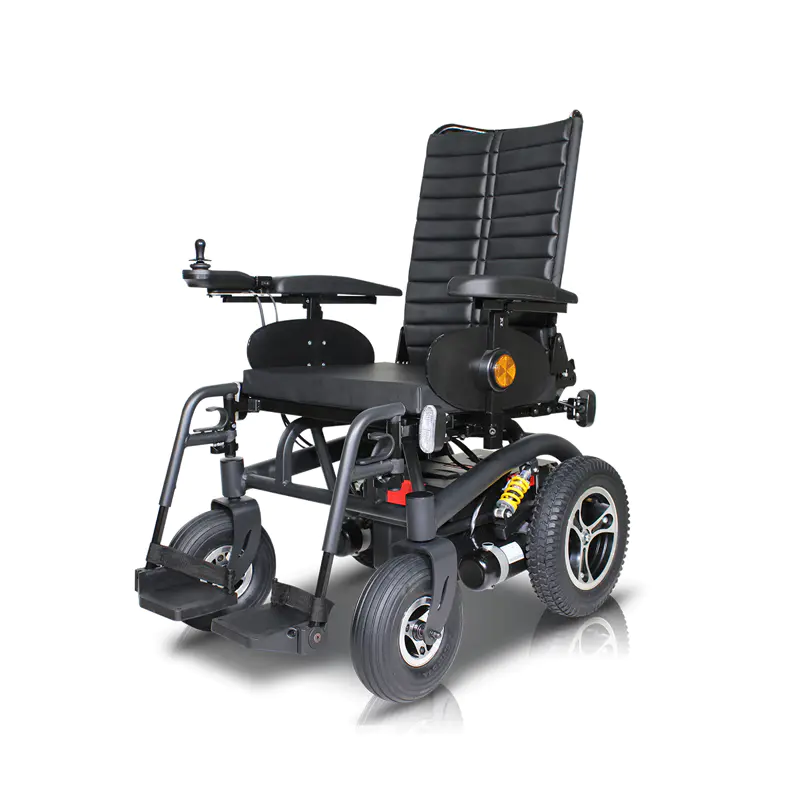
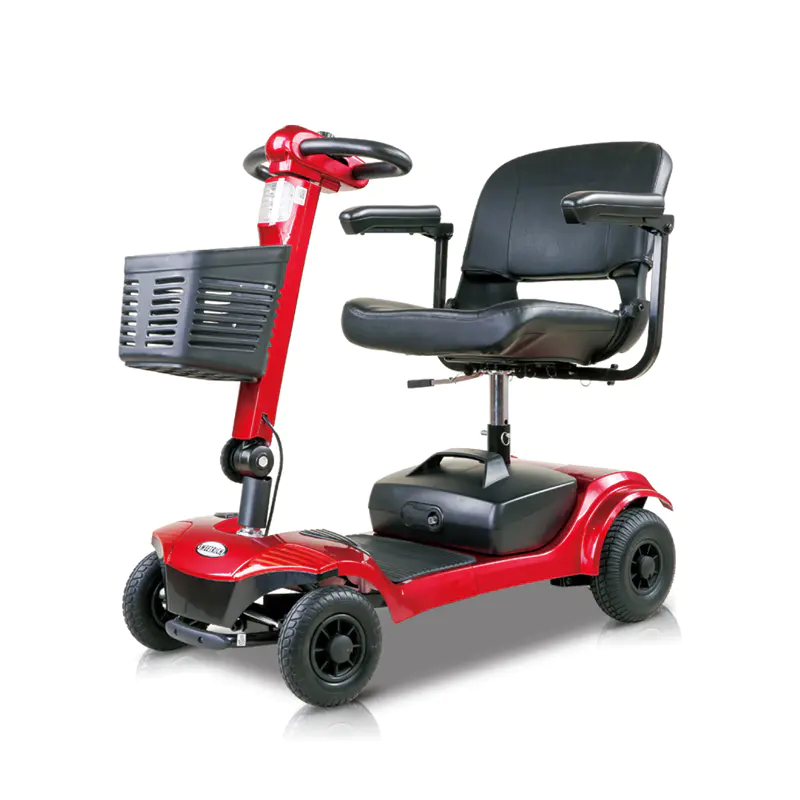
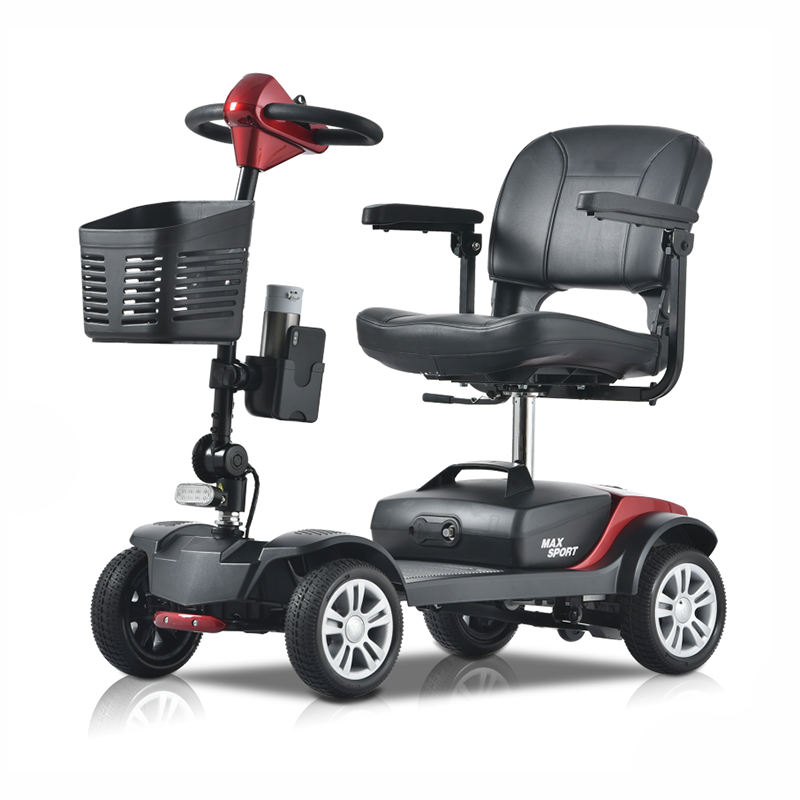
Rear-wheel drive power wheelchairs are generally better suited for outdoor environments and variable terrain. They typically include larger rear wheels that offer improved traction and steadiness. Some models also incorporate suspension systems that help absorb bumps and irregularities. While these wheelchairs tend to navigate outdoor terrain more comfortably, they may be less agile than mid-wheel drive options in tight indoor areas.
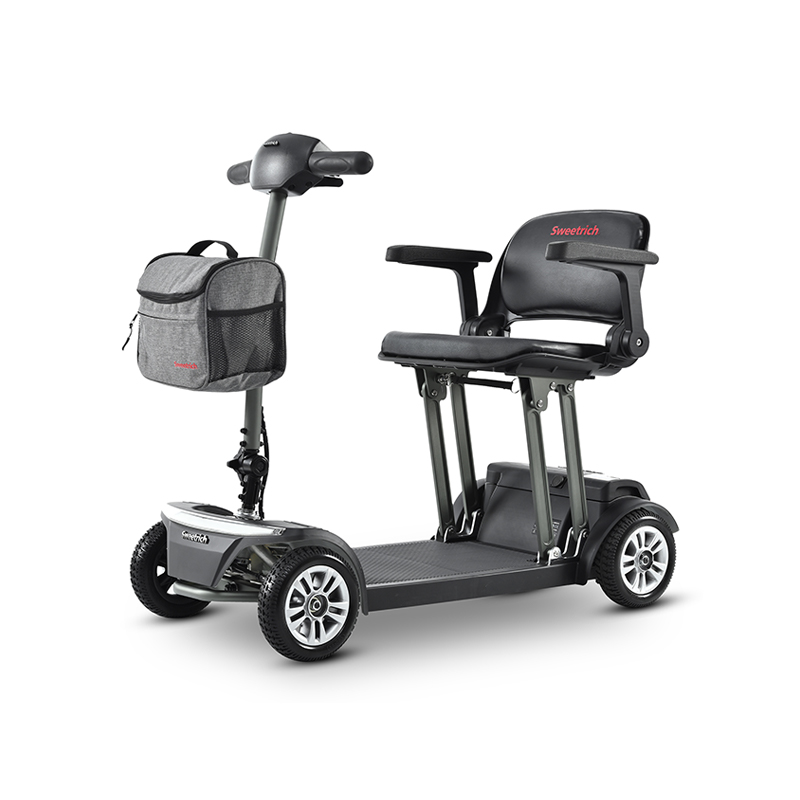
Another aspect to consider is the size and weight of a foldable power wheelchair. Since these wheelchairs are meant to be transported easily, they are usually built to be lightweight and compact. This convenience may also influence their stability on rough surfaces, as smaller frames and wheels may not provide the same level of grip and control as heavier outdoor-focused models.
To improve performance on uneven terrain, some foldable power wheelchairs include upgraded features such as larger wheels, enhanced suspension, and reinforced stability systems. These additions can help the wheelchair handle uneven ground more efficiently. Even with these enhancements, foldable power wheelchairs still have limitations compared to heavier outdoor models designed specifically for challenging terrain.
When operating a foldable power wheelchair on uneven surfaces, it is important to follow certain safety practices. Ensuring the battery is fully charged helps maintain consistent performance and reduces the risk of unexpected power loss. Traveling at a controlled speed and approaching bumps, curbs, or irregular surfaces with caution can contribute to a safer experience.
Foldable power wheelchairs can provide users with reduced mobility the ability to move through outdoor areas with greater ease. Selecting a model that fits individual needs, terrain conditions, and comfort requirements helps support a secure and confident experience on uneven ground.