
 +86-(0)512-82283871
Electric mobility vehicles created specifically with older adults in mind have become a steadily visible part of daily life in communities across different continents. These devices—most often compact scooters, powered chairs, or small battery-operated carts—give people a practical, low-effort way to cover short to moderate distances when walking feels tiring, unsteady, or painful. They support everyday activities such as going to the corner store, visiting a neighbor, tending a garden, attending a local club meeting, or simply getting fresh air without needing constant assistance from family or caregivers. The gradual but consistent increase in their use reflects several converging realities: populations living longer, changing family living arrangements, growing awareness of how mobility affects physical and emotional health, and engineering that has steadily improved usability for this age group. Mobility Scooter Factory plays a key role in this evolution by producing vehicles that prioritize thoughtful design, reliable performance, and features tailored to real-world needs of older users, helping make independent movement more accessible and comfortable in diverse communities worldwide.
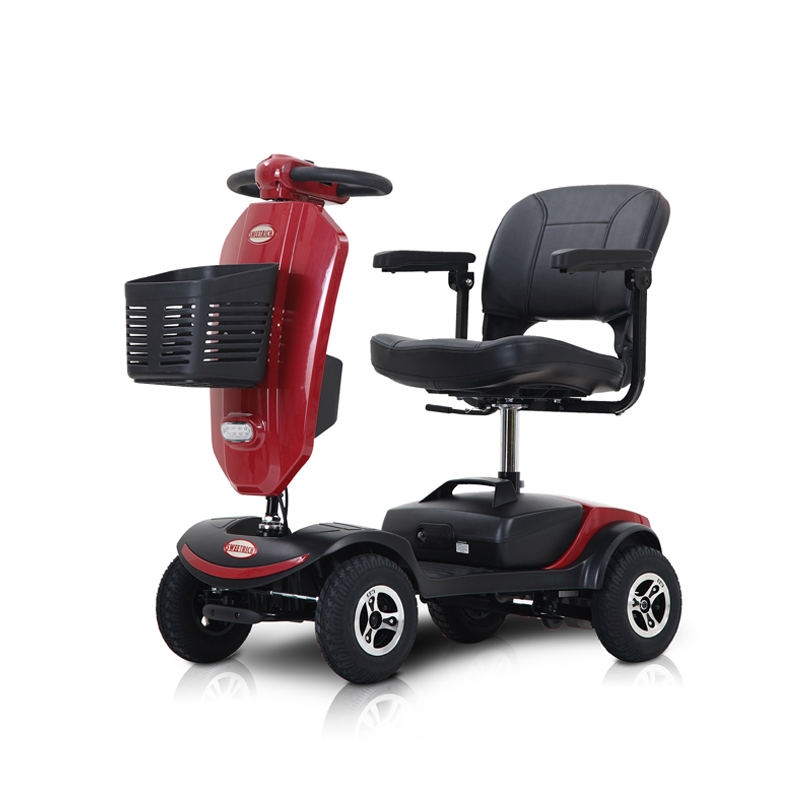
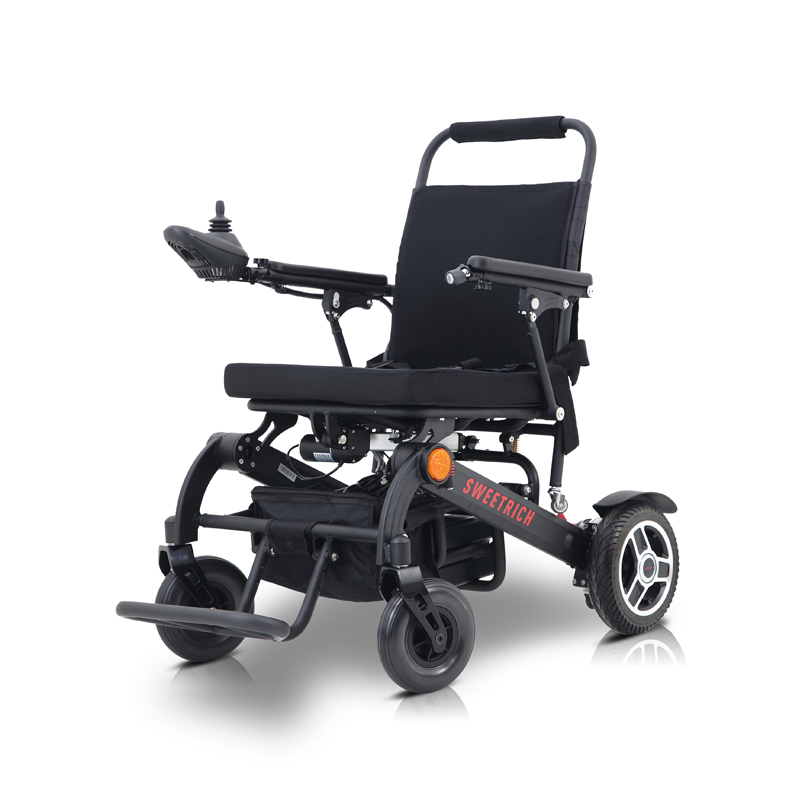
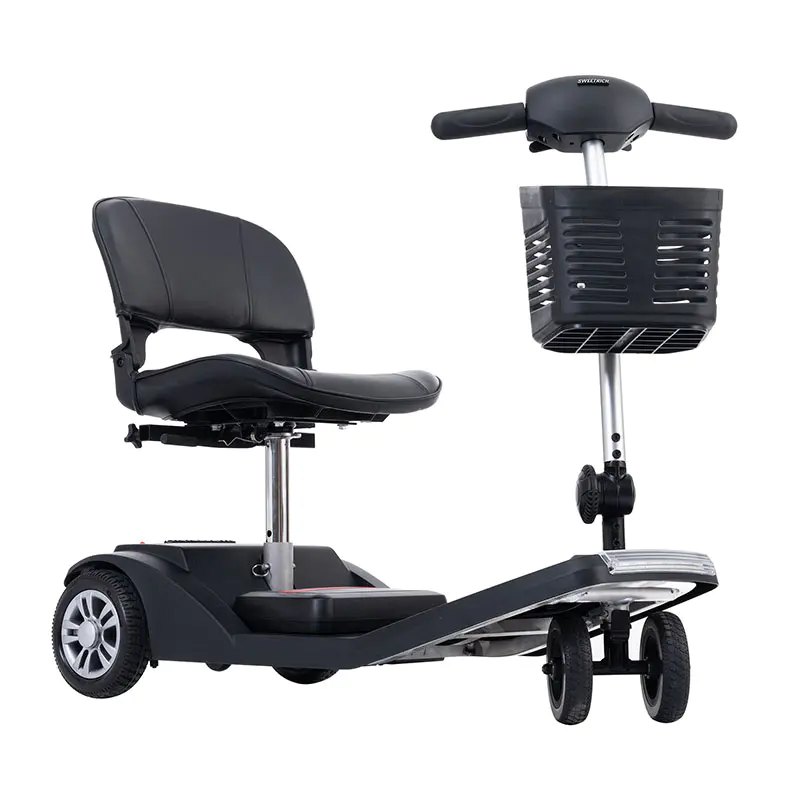
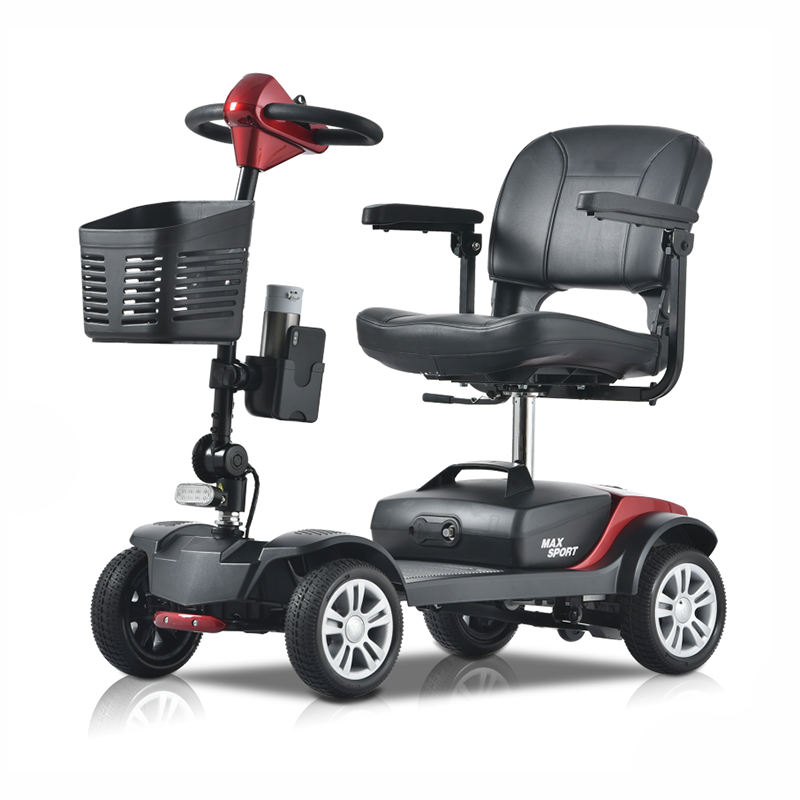
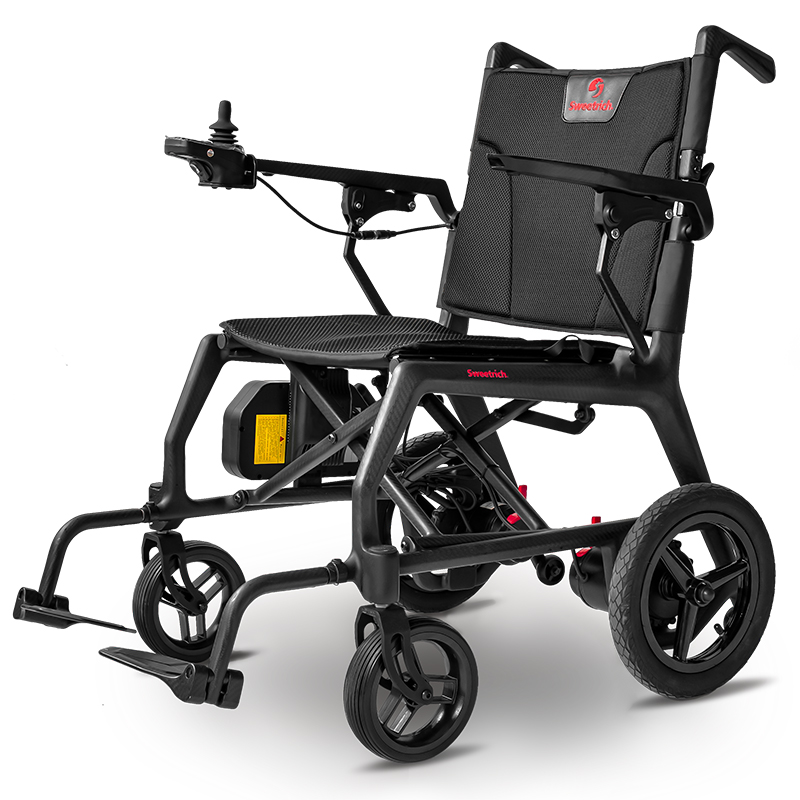
At their core, these vehicles share a few essential traits that explain their appeal. They run on rechargeable batteries that plug into ordinary household outlets, move quietly enough to avoid disturbing others, and operate at speeds close to a comfortable walking pace. Controls usually consist of a simple tiller, joystick, or set of large buttons that require only light pressure or minimal grip strength. Seats adjust for height and angle, wheels provide reasonable stability on smooth indoor floors as well as outdoor pavement, and many models fold or separate into pieces small enough to store in an apartment closet or load into a car trunk. These basic qualities make them approachable for people who may feel hesitant about anything that looks too technical or complicated.
The primary force behind wider acceptance is straightforward demographic change. In many countries the number of people reaching their 70s, 80s, and beyond has risen noticeably while the proportion of younger adults has remained stable or decreased. This creates a larger group of older residents who want to continue living in their own homes or familiar neighborhoods for as long as possible. Mobility limitations frequently appear as one of the earliest and disruptive obstacles to that goal. Stiff joints, reduced lung capacity, balance changes after an illness or fall, or gradual loss of confidence in walking can turn routine tasks into exhausting or risky endeavors. An electric vehicle removes much of that physical and psychological burden, allowing someone to reach the mailbox at the end of the driveway, cross the street to chat with a neighbor, or go to a weekly card game without arriving out of breath or worried about falling.
Family dynamics influence how these vehicles fit into daily life. In households where adult children live nearby but maintain busy schedules, the device reduces the frequency of chauffeuring or home visits needed just to help with errands. In multi-generational homes, the vehicle often becomes a shared household resource—used by grandparents for daily tasks and occasionally borrowed by younger family members for quick trips around the block. The emotional benefit of restored capability often matters as much as the practical one. Being able to contribute to household routines, maintain friendships, or pursue small hobbies independently supports a sense of purpose and reduces feelings of helplessness.
| Family Situation | How the Vehicle Fits into Daily Life | Key Practical Benefit | Key Emotional Benefit |
|---|---|---|---|
| Adult children live nearby but have busy schedules | Reduces need for frequent chauffeuring or home visits just to assist with errands | Less transport burden on younger family members | Older adult feels capable and less dependent |
| Multi-generational households | Becomes a shared household resource—grandparents use it for daily tasks; younger members borrow for quick trips | Efficient shared use within the family | Reinforces family cooperation and mutual support |
| General family context | Restores independent capability for routines, friendships, and hobbies | Enables contribution to household tasks without assistance | Boosts sense of purpose, reduces feelings of helplessness |
Health considerations add further weight to the trend. Conditions that become more common with age—osteoarthritis in hips or knees, chronic obstructive pulmonary disease, lingering weakness after a stroke, or peripheral neuropathy—limit how far and how comfortably someone can walk. Even short distances can feel daunting or to pain that discourages movement altogether. Regular, gentle activity helps preserve joint mobility, circulation, muscle strength, and bone density. When moving around becomes easier and less painful, people tend to do more of it naturally, creating a positive cycle of activity and improved well-being.
Economic factors shape access in different ways. In regions with higher average retirement incomes, outright purchase or financing plans are common. In middle-income countries, community rental programs, second-hand markets, group purchasing arrangements, or local subsidies lower the financial threshold. Families frequently view the cost as comparable to other home modifications—ramps, grab bars, stair lifts, or hearing aids—that extend independent living. In some communities, nonprofit organizations or senior centers offer trial periods, lending libraries, or low-cost leasing, allowing cautious individuals to experience the benefits before making a commitment.
Cultural perspectives on aging influence acceptance patterns. In societies that emphasize family interdependence, the vehicle may be framed as a practical way to reduce the physical load on younger relatives who provide care. In cultures that place high value on individual autonomy, it becomes a symbol of continued self-reliance. Both viewpoints ultimately support greater openness to powered mobility aids as ordinary, everyday tools rather than purely medical devices.
Design Choices Reflecting Real-World Needs
Designers have steadily refined these vehicles based on direct observation of how older adults use them and what makes the experience feel secure rather than overwhelming.
Comfort receives consistent priority. Seats use contoured padding that distributes weight evenly to prevent pressure points during rides lasting twenty minutes or more. Backrests provide lumbar support, armrests adjust in width and angle, and foot platforms offer stable placement without crowding the legs. Swivel seats or forward-sliding mechanisms make getting on and off easier, particularly for users with hip replacements, knee limitations, or general stiffness.
Stability addresses one of the common concerns—fear of tipping or loss of balance. Wider wheelbases lower the center of gravity. Rear anti-tip wheels add an extra layer of security on gentle slopes or uneven surfaces without restricting tight turns indoors. Tires balance grip for outdoor pavement or light gravel with smooth rolling on indoor carpet or tile.
Controls avoid unnecessary complexity. Large buttons with high-contrast markings and raised symbols work for hands affected by arthritis, tremor, or reduced sensation. Joysticks respond to light pressure and ramp up speed gradually to prevent startling starts. Speed adjustment dials turn slowly and clearly, often with automatic limits that keep velocity at a safe walking pace or slightly above.
Safety features have become standard across models. Automatic braking engages the moment the control is released. Forward-facing sensors detect obstacles and slow or stop the vehicle. Front and rear lights activate automatically in low-light conditions, and reflective strips or small flags increase visibility to drivers or pedestrians. Audible signals warn of reverse movement or low battery levels.
Battery management aligns with everyday routines. Charge-level indicators use simple lights or color bars rather than complicated screens. Removable batteries allow charging at a table or counter instead of requiring the user to bend down to a low port. Overnight charging through ordinary household outlets covers typical daily distances without creating range anxiety.
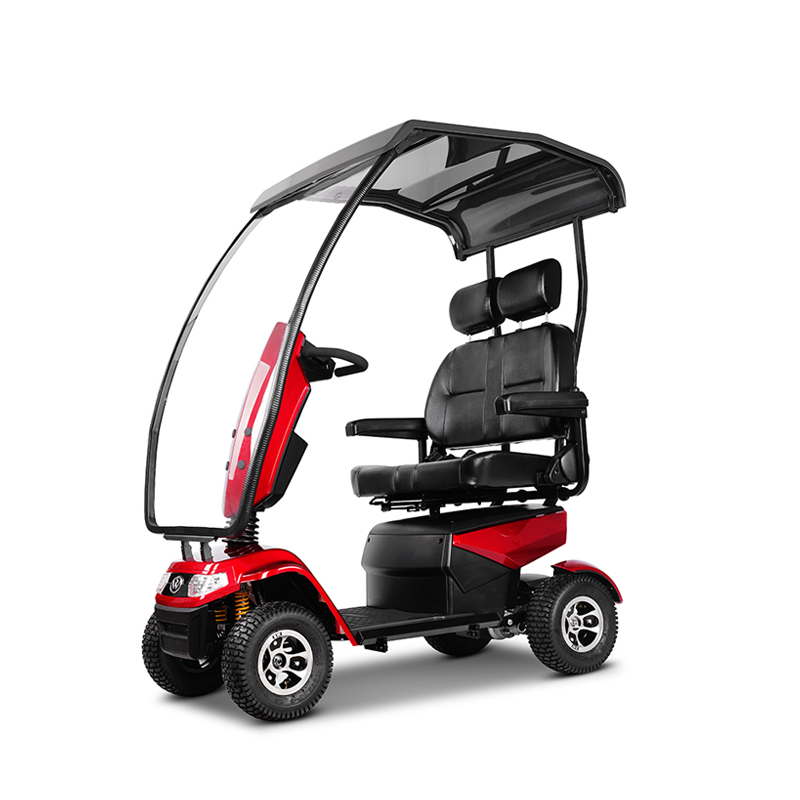
Storage supports practical independence. Front baskets carry purses, shopping bags, medications, or small groceries. Rear compartments hold oxygen tanks, walking sticks, or folded clothing. Weather shields protect against rain or sun without obstructing visibility or movement. Fold-down frames or quick-disconnect seats make storage straightforward in apartments or loading into car trunks.
These choices stem from observing real usage patterns—short, frequent trips rather than long-distance travel—and from listening carefully to what helps users feel confident and in control.
Regional Differences in Adoption and Adaptation
The way electric mobility vehicles are chosen and used varies noticeably from one part of the world to another, even though the central purpose—helping older adults move independently—stays the same everywhere. Local housing styles, street layouts, weather patterns, income levels, and cultural habits all shape the kinds of models people prefer and how they incorporate them into daily routines.
In many European cities, where streets are narrow, sidewalks often historic and uneven, and a lot of people live in multi-story buildings without elevators, compact and lightweight scooters tend to be the go-to choice. These models slip easily through doorways, ride up small elevators, and tuck away indoors when rain or snow arrives. Pedestrian-oriented paths and the presence of public charging outlets in squares or apartment lobbies make regular outings feel natural. Senior clubs and neighborhood groups occasionally arrange group rides along safe routes, turning the vehicle into something social rather than just a personal tool.
East Asian cities, packed with high-rise apartments and bustling commercial districts, lean toward foldable or slim designs that fit into tight living spaces. Family living arrangements mean the vehicle is frequently shared among grandparents, parents, and visiting relatives. Extensive sidewalk networks make it easy to handle daily errands—trips to fresh markets, clinic check-ups, park strolls—so the device quickly becomes part of ordinary life instead of something used only occasionally.
North American suburban neighborhoods tend to favor models with longer battery range and added comfort because distances between home, stores, doctor's offices, and community centers can stretch farther. Four-wheel stability handles driveways, light trails, or bumpy sidewalks well. In northern areas, insulated batteries, heated handgrips, or protective covers appear to cope with cold; in southern regions, sunshades and better ventilation get more attention.
Latin American urban areas often adopt these vehicles to weave through crowded markets, hilly streets, or rough sidewalks. Lower-cost basic models fit different income levels, and community health programs sometimes introduce them to lower-income neighborhoods, making trips to clinics, pharmacies, or social centers easier and less physically taxing.
In parts of Africa and the Middle East, the focus shifts to sturdy frames and puncture-resistant tires that stand up to unpaved roads or dusty conditions. Solar-assisted charging works well in sunny climates. Many programs emphasize the relief from long walks to water points, markets, or healthcare posts, especially for rural elderly.
Australia and New Zealand put a premium on portability for travel between home and holiday spots. Beach-ready tires and corrosion-resistant parts suit coastal living, while lightweight frames make loading into cars or caravans simpler.
These differences illustrate how the same core idea—seated electric mobility—adapts thoughtfully to climate, housing types, income ranges, and cultural expectations while always keeping practical independence at the center.
| Region | Key Priority & Focus | Specific Adaptations | Main Benefit / Outcome |
|---|---|---|---|
| Australia & New Zealand | Portability for travel between home and holiday destinations | Beach-ready tires, corrosion-resistant components, lightweight frames | Easy loading into cars or caravans, suits coastal lifestyles, supports travel and storage |
Why Choose Sweetrich Mobility
In a world where aging populations seek reliable ways to stay active and connected, Sweetrich Mobility stands out by focusing squarely on the real needs of older adults—practical independence, everyday safety, and thoughtful design that fits seamlessly into diverse lifestyles. Every vehicle reflects careful attention to the factors that matter in real-world use: stable handling on varied surfaces, intuitive controls that require minimal strength, comfortable seating for longer outings, and battery systems that charge easily without complicated setups. Users and families appreciate the consistent performance through daily errands or occasional longer trips, while caregivers value the reduced strain and peace of mind that comes from knowing loved ones can move confidently on their own terms.
Sweetrich Mobility understands that an electric mobility vehicle is never just a machine—it is a quiet companion that supports physical health, strengthens social ties, eases the load on those who care, and helps communities remain inclusive for all ages.
By choosing Sweetrich Mobility, you select a partner committed to building mobility solutions that adapt to local realities, respect individual comfort, and enable people to live fully and independently well into their later years, one smooth ride at a time.