
 +86-(0)512-82283871
Content
- 1 Start with a Professional Mobility Assessment
- 2 Rear-Wheel, Mid-Wheel, or Front-Wheel Drive
- 3 Seating and Comfort Matter More Than You Think
- 4 Indoor, Outdoor, or Both?
- 5 Battery Range and Charging Reality
- 6 Safety Features That Actually Get Used
- 7 Trial Period and Training
- 8 Long-Term Costs and Support
- 9 Common Mistakes to Avoid
- 10 A Partner in Daily Living
- 11 Why choose Sweetrich electric wheelchairs
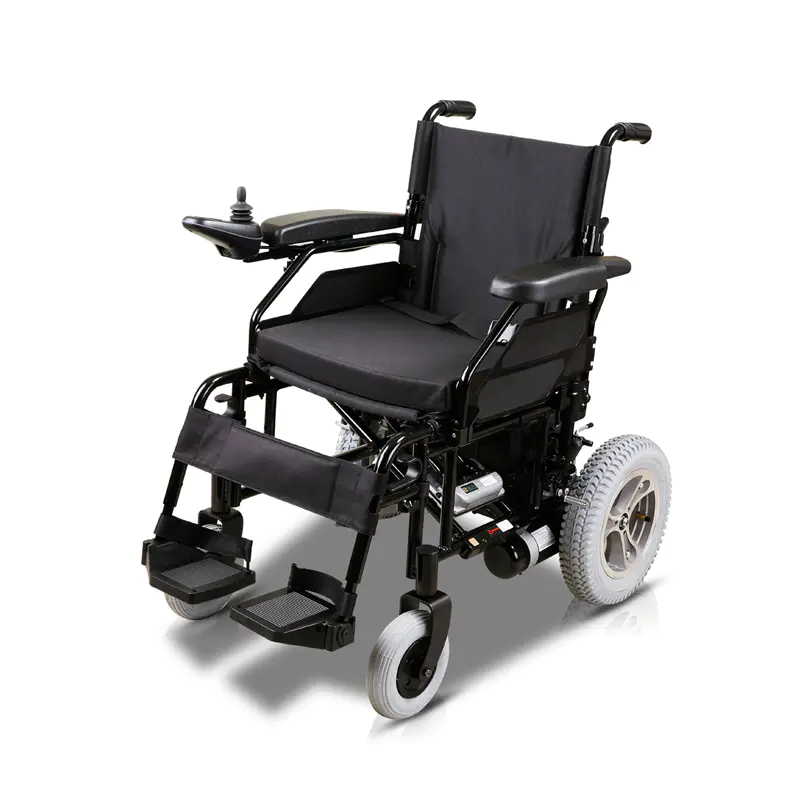
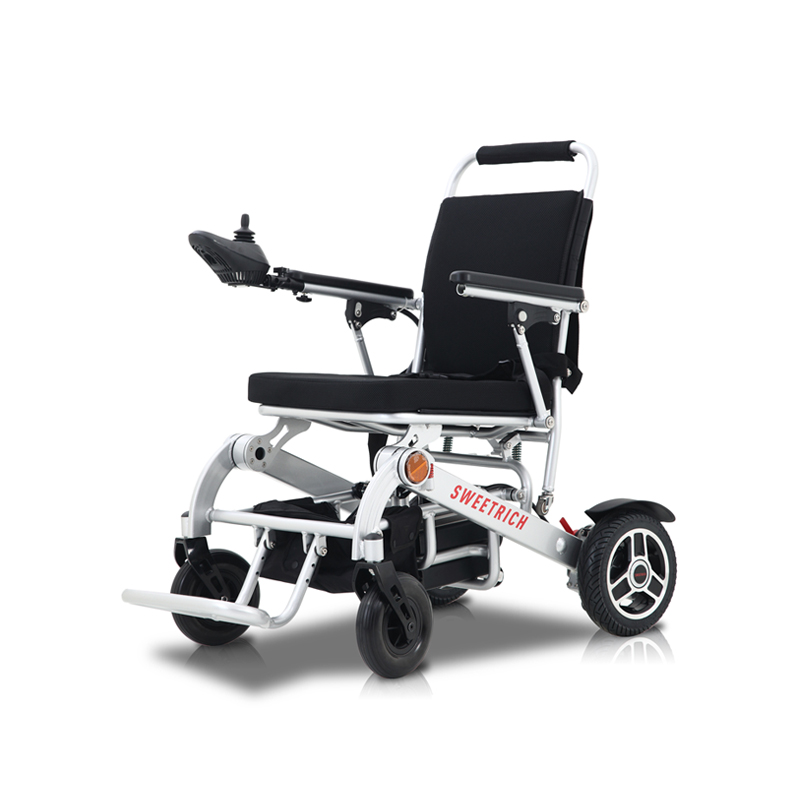
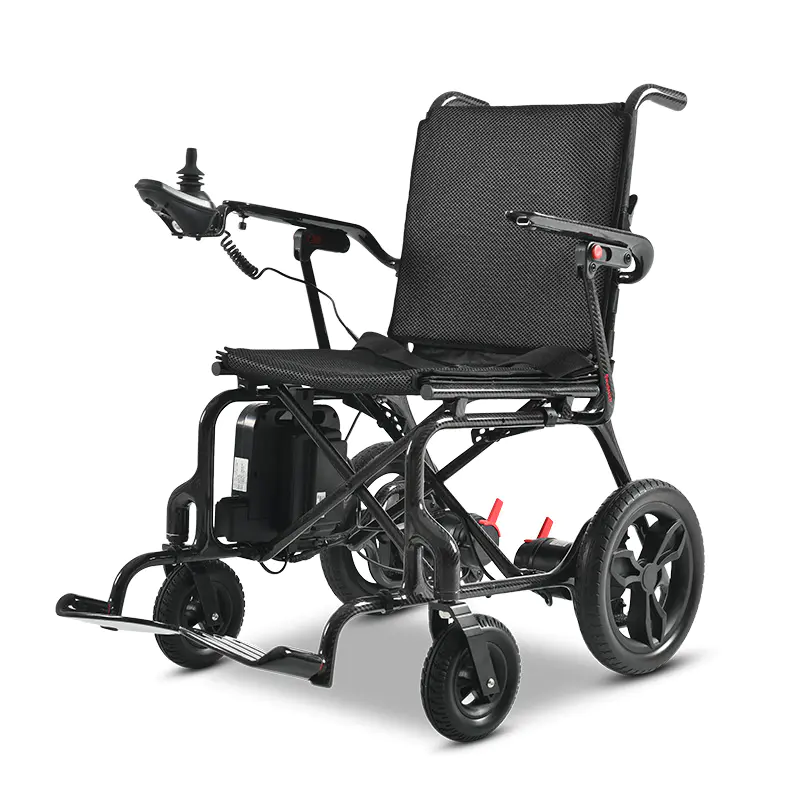
Electric wheelchairs have given thousands of older adults a new level of freedom. They make it possible to move around the house, visit neighbors, shop, attend appointments, and enjoy parks without the physical exhaustion that often comes with manual wheelchairs or walking long distances. Yet choosing the right model and learning to use it properly can feel overwhelming at first.
Start with a Professional Mobility Assessment
Before looking at any model, a doctor, physical therapist, or occupational therapist can evaluate strength, coordination, vision, and cognitive abilities. This short assessment helps determine whether an electric wheelchair is suitable and which features will provide the greatest benefit. Some seniors do well with simple joystick control, while others may need head-array, sip-and-puff, or switch-operated systems. A professional recommendation also opens the door to potential insurance or Medicare coverage when medical necessity is documented.
Rear-Wheel, Mid-Wheel, or Front-Wheel Drive
Each drive system behaves differently:
- Rear-wheel drive feels familiar to anyone who has driven a car. It performs well outdoors on sidewalks, gentle slopes, and uneven pavement, and offers good straight-line stability at higher speeds.
- Mid-wheel drive gives the tightest turning radius—often able to spin in place—which makes it for smaller homes, apartments, and crowded stores.
- Front-wheel drive climbs curbs and small obstacles more easily and still turns tightly, though it can feel slightly different when reversing.
Trying all three types during a test sit helps reveal which handling style feels natural and confident.
Seating and Comfort Matter More Than You Think
Hours spent in the chair each day make proper seating essential. Look for:
- Pressure-relieving cushions that reduce the risk of skin breakdown.
- Adjustable seat depth, backrest angle, and armrest height.
- Tilt or recline functions for users who need to change position to manage pain, swelling, or breathing issues.
- Adequate legrests—elevating legrests are especially helpful after surgery or for edema.
A seating specialist can perform a quick pressure-mapping test to ensure weight is distributed evenly.
Indoor, Outdoor, or Both?
Think honestly about where the chair will be used most:
- Primarily indoor use: compact turning radius, smaller overall footprint, and lower speed settings.
- Outdoor and neighborhood travel: larger wheels, stronger motors, longer battery range, and suspension for smoother rides over cracks and bumps.
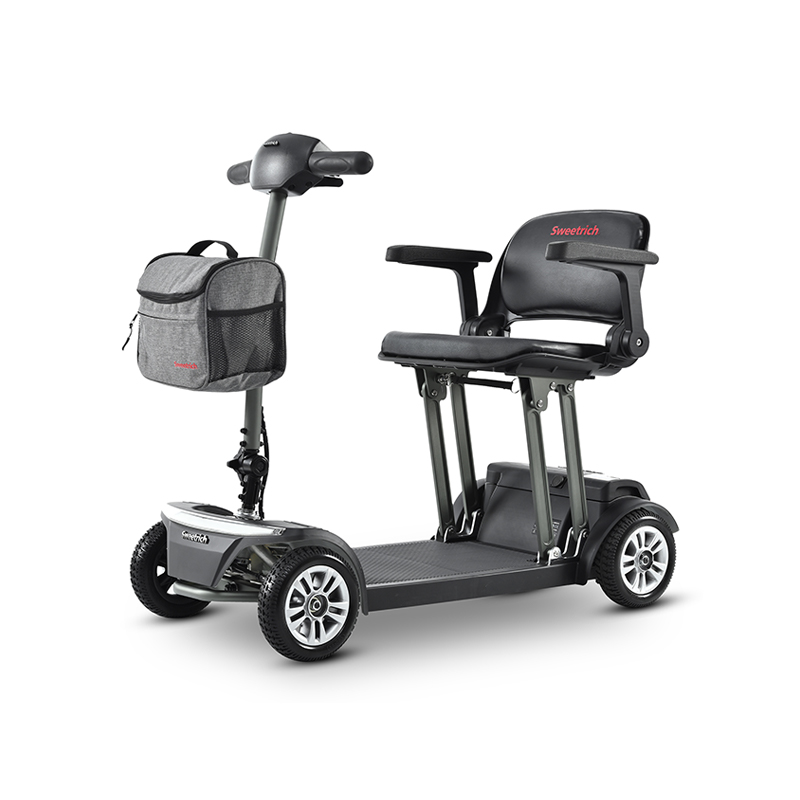
- Frequent car transport: folding or lightweight transportable models that separate into manageable pieces.
Many families find a versatile mid-size model with adjustable speed and removable batteries works well for both home and community outings.
| Usage Scenario | Key Features Needed | Notes |
|---|---|---|
| Indoor Use | Compact turning radius; small footprint; low-speed control | Best for tight hallways and small rooms |
| Outdoor / Neighborhood | Larger wheels; stronger motor; longer range; suspension system | Handles uneven paths, cracks, and mild slopes |
| Frequent Car Transport | Foldable frame or lightweight design; separable components | Easier lifting and loading into car trunks |
| Both Indoor & Outdoor | Mid-size design; adjustable speed; removable batteries | A balanced choice for home and community trips |
Battery Range and Charging Reality
Daily travel distance varies widely. Someone who mainly moves around a retirement community may need only 8–12 miles of range, while a person who enjoys park visits or shopping centers benefits from 18–25 miles. Always choose a little more range than you think you need—cold weather, hills, and carpeted surfaces all reduce real-world distance.
Removable lithium-ion batteries have become common because they are lighter and charge faster than traditional sealed lead-acid packs. Being able to lift the battery out and charge it on a kitchen counter is a major convenience for apartment dwellers.
Safety Features That Actually Get Used
Useful safety options include:
- Automatic speed reduction when turning or tilting.
- Anti-tip wheels for added stability on slopes.
- Bright LED lighting front and rear.
- Seat belts and adjustable armrests that lock in place.
- Programmable speed so caregivers can limit top speed when needed.
Trial Period and Training
Reputable suppliers offer home trials—often a week or two—so the chair can be tested on real floors, doorways, ramps, and sidewalks. Use this time to practice:
- Transferring in and out safely.
- Navigating tight corners and furniture.
- Driving up and down the ramps you actually use.
- Loading the chair into your vehicle if transport is required.
Many communities and rehabilitation centers provide short training sessions that cover obstacle negotiation, curb climbing, and emergency procedures. Both user and primary caregiver benefit from attending together.
Long-Term Costs and Support
Beyond the initial price, factor in:
- Battery replacement every 2–4 years.
- Annual maintenance checks.
- Possible cushion or tire upgrades.
- Local service availability—quick repairs keep the chair in daily use instead of sitting idle for weeks.
A solid warranty on the frame (often 5–7 years) and electronics (1–2 years) provides peace of mind.
Common Mistakes to Avoid
- Buying only on price without testing fit and function.
- Choosing a chair that is too large for the home environment.
- Skipping the professional assessment and losing potential funding.
- Forgetting to measure doorways, hallways, and vehicle space before delivery.
A Partner in Daily Living
When the right electric wheelchair is matched to the user's body, home, and lifestyle, it quickly stops feeling like medical equipment and starts feeling like a trusted companion. Doors that once seemed too far become reachable. Grandchildren's soccer games, afternoon coffee with friends, and simple trips to the mailbox return to the calendar. Independence grows, caregiver burden lightens, and quality of life improves—often dramatically.
Take the process one step at a time: assessment, trials, training, and ongoing support. With thoughtful selection and proper introduction, an electric wheelchair can open years of active, connected living that might otherwise feel out of reach.
Why choose Sweetrich electric wheelchairs
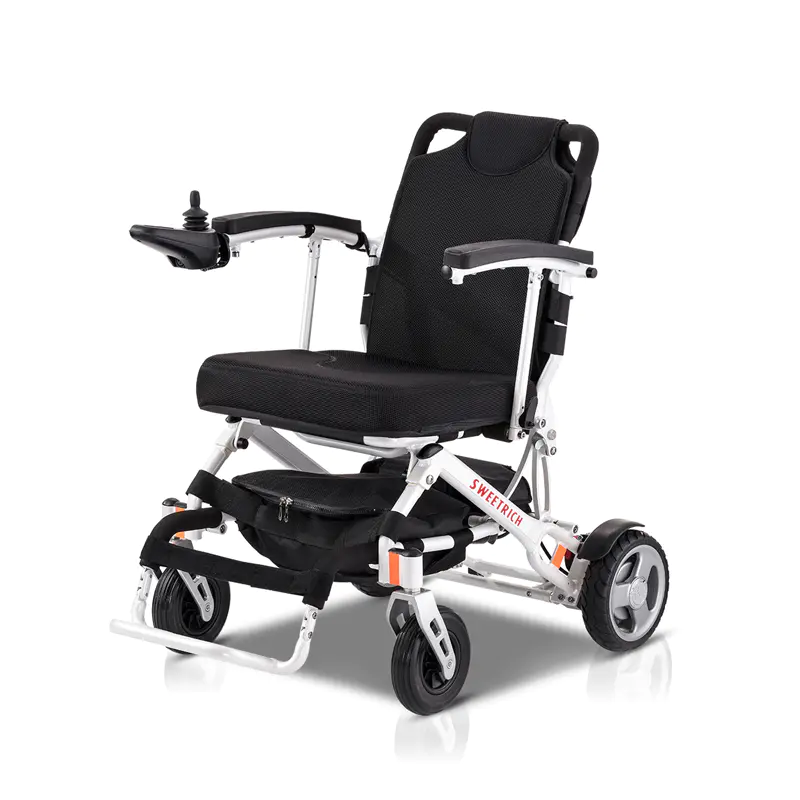
When chosen thoughtfully and with professional guidance, an electric wheelchair can transform daily life, restoring freedom, reducing strain, and opening doors to activities that matter most. Sweetrich offers a range of carefully designed models that balance comfort, reliability, and real-world performance for seniors and their families.
website : https://www.sweetrichmobility.com/