
 +86-(0)512-82283871
Content
- 1 What Does a Low Step Through Design Change?
- 2 How Does a Lower Entry Path Affect Leg Movement?
- 3 Why Does the Step Through Area Matter Before Sitting Down?
- 4 How Can Low Step Through Design Help When Leaving the Scooter?
- 5 Does a Low Step Through Layout Change Sitting Position?
- 6 How Does the Design Relate to a Foldable 4 Wheel Scooter?
- 7 What Needs to Work Together Around the Step Through Area?
- 8 Why Is an Open Entry Space Useful for Different Daily Situations?
- 9 How Should a Low Step Through Design Be Balanced With the Scooter Frame?
- 10 What Does Low Step Through Design Mean for a Travel Scooter for Seniors?
Getting onto a scooter begins before the body reaches the seat. The feet need to approach the frame, the legs need to pass through the available space, and the body needs to move into a stable sitting position. For seniors, this sequence can be affected by the height and shape of the frame between the front and seat. A low step through design changes this part of the scooter. Instead of requiring the leg to pass over a raised frame section, the design creates a lower and more open route into the seating area. The difference may look simple, but it changes the movement involved in getting onto and off the scooter. For a Travel Scooter for Seniors, the entry area therefore deserves attention alongside the seat and handlebar. The way these parts are arranged determines how the rider approaches the scooter, places the feet, and settles into the seat.
What Does a Low Step Through Design Change?
A low step through structure creates an open passage between the front section and the seat. The lower frame does not rise as high across the path of the legs, allowing the rider to approach the seat without lifting a leg over a large obstruction. This changes the movement from a stepping-over action to a more direct stepping-through action.
The difference becomes clearer when considering how a rider approaches a scooter. With a raised central frame, the foot needs to clear the frame before the body can move into the seat area. With a lower passage, the foot can move through the open space while the body remains closer to its normal standing position.
The design involves several connected areas:
- Entry height affects how far the foot needs to lift.
- Opening width affects how freely the legs can move.
- Floor position determines where the feet settle after entry.
- Seat location affects the final movement from standing to sitting.
- Handlebar position shapes the space available for the upper body.
These parts need to work together. A low opening by itself does not determine the entire entry experience. The surrounding structure also influences how easily the body can move through the available space.
The basic idea remains straightforward: less obstruction in the central entry area allows the legs to follow a more direct path.
How Does a Lower Entry Path Affect Leg Movement?
Leg movement is a key part of getting onto a scooter. The foot needs to move forward, sideways, or through the central opening before the body can settle into the seat. A lower entry path can reduce the amount of lifting needed during this movement. This can be useful when a rider prefers to keep the feet closer to the floor while changing position.
Instead of lifting the leg over a raised section, the foot can pass through the lower opening. Different body proportions also influence this movement. Leg length, sitting height, and normal walking posture are not identical between riders. A frame that provides a lower passage gives the legs some additional room to find a comfortable route into the seat.
The open space can also make foot placement easier to see. When the lower frame does not block the central area, the relationship between the feet and floor becomes clearer. That matters during a simple sequence: Approach → Step Through → Position the Feet → Turn Toward the Seat → Sit
Each stage involves a small change in body position. A less obstructed path can make these changes feel more connected rather than requiring a noticeable lifting motion between them.
The same principle applies when leaving the seat. The legs need to move back into a standing position, and the available space affects how directly that movement can happen.
Why Does the Step Through Area Matter Before Sitting Down?
The entry process does not begin with sitting. It starts when the scooter is approached. A rider may stand in front of or beside the scooter before moving toward the seat. The position of the front frame, handlebar, and seat determines how much room is available for this approach.
If the central frame occupies a large part of the lower path, the legs have fewer routes into the seating area. A low step through design creates a clearer passage. The feet can move into the open area before the body turns toward the seat.
The distinction is small but meaningful from a design perspective. The scooter becomes part of the movement sequence rather than an obstacle that needs to be cleared.
The handlebar remains relevant here. A low entry area needs enough surrounding space for the upper body to move without creating a conflict with the steering area. Seat position also matters because the final sitting movement depends on the distance between the standing position and the seat.
For this reason, the entry area should be viewed as a complete space rather than a single low frame section.
How Can Low Step Through Design Help When Leaving the Scooter?
Getting off the scooter reverses the movement, but the sequence is not exactly the same. The body begins in a seated position. The feet need to move into a standing position, the legs need to pass through the available space, and the body then rises away from the seat.
A lower central opening can give the legs more room during this transition. Instead of lifting the leg over a raised section, the foot can move through the lower space while the body moves toward a standing position.
This creates a useful relationship between the seat and floor area. The feet need a clear place to move before the body can rise.
Several design details affect this process:
- The seat should leave practical room for the legs.
- The floor area should not unnecessarily block foot movement.
- The front structure should leave a usable passage.
- The handlebar should remain clear of the body during the transition.
The same entry space therefore serves two different movements. It supports the path into the seat and the path back out of the seat. That dual role is one reason a low step through structure can have an effect beyond simple frame height.
Does a Low Step Through Layout Change Sitting Position?
The entry structure can influence where the rider stands before sitting, which in turn affects the final sitting position. A more open front area allows the feet to move into a suitable position before the body lowers toward the seat. This can make the transition from standing to sitting more direct.
Once seated, the feet still need a practical resting position. The distance between the seat, floor, and handlebar determines how the lower and upper body are positioned.
A low step through structure should therefore be considered together with the seat rather than treated as a separate frame feature.
For a Travel Scooter for Seniors, this relationship is particularly relevant because the scooter may be approached and left repeatedly during everyday activities. The entry structure becomes part of a familiar physical routine.
The design does not need to force a single sitting posture. Instead, it can provide enough open space for different riders to move into a comfortable position according to their body proportions and habits.
This leads naturally to the next consideration: how the same entry structure needs to work when portability and a four-wheel layout are also part of the scooter design.
How Does the Design Relate to a Foldable 4 Wheel Scooter?
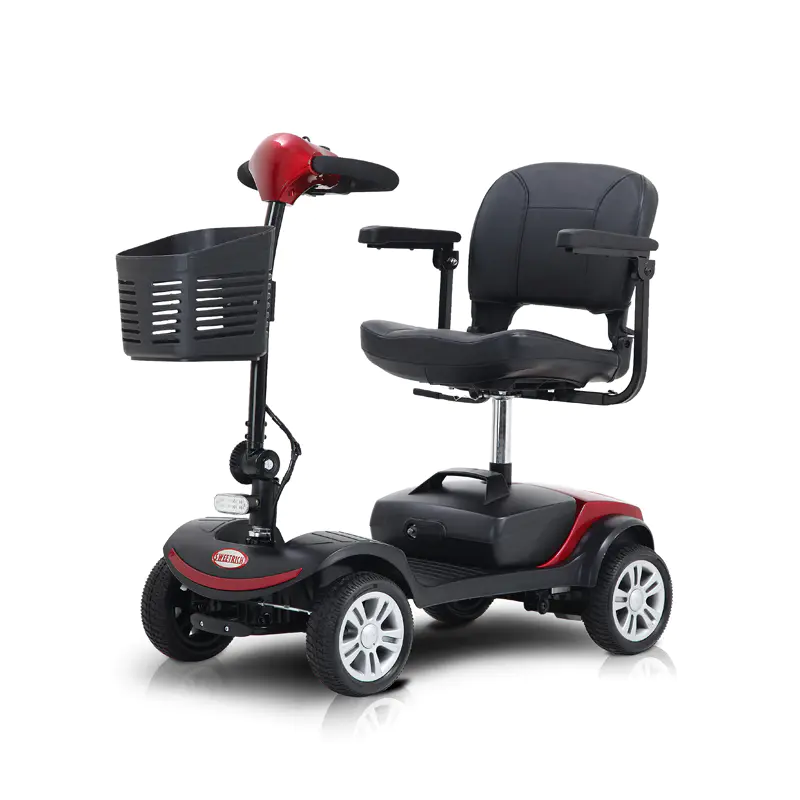
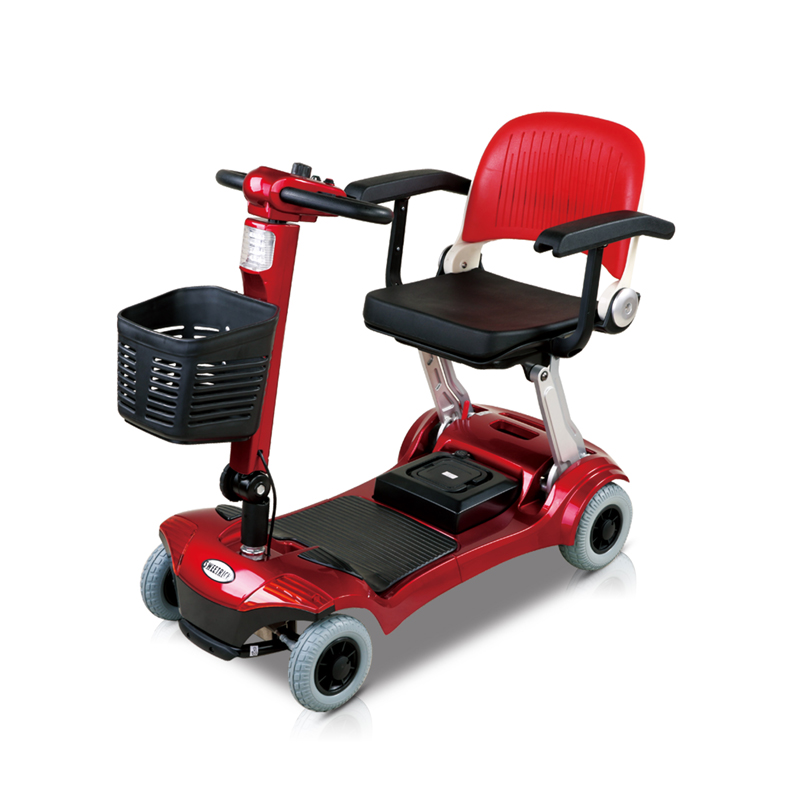
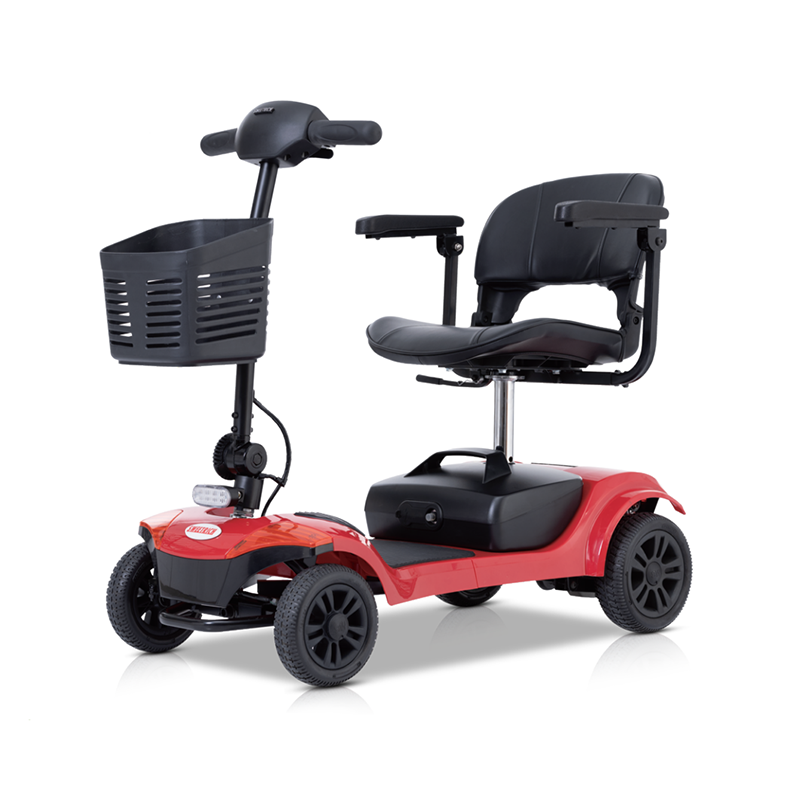
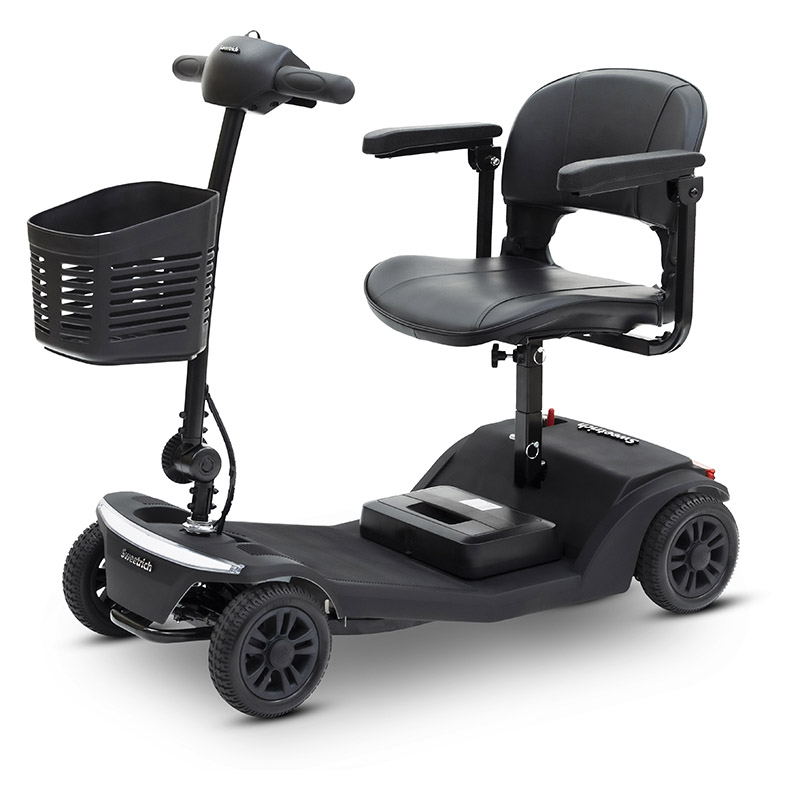
A Foldable 4 Wheel Scooter needs to serve two different situations. During travel, the frame needs to provide a stable seating and riding space. During storage or transport, parts of the frame need to move into a more compact arrangement.
A low step through design belongs to the riding side of this relationship. It creates an open route between the front section and the seat, while the folding structure has to preserve that space when the scooter is assembled for use.
The four-wheel layout also influences the shape of the lower frame. Front wheels, rear wheels, the floor area, and the seat all occupy specific positions. A step through opening needs to fit around these parts without making the entry path unnecessarily narrow.
Folding requirements can add another consideration. A frame component that moves during folding needs to remain out of the way during normal entry and exit. At the same time, the folding arrangement should not require the low entry area to be filled with extra structural parts.
This creates a useful design balance:
- Riding position: provides a clear path for the legs.
- Folded position: allows the frame to become more compact.
- Wheel layout: supports the scooter while leaving practical space around the feet.
- Seat area: remains accessible when the scooter is ready for use.
The low step through concept therefore does not need to compete with portability. Both can be considered within the same frame arrangement.
What Needs to Work Together Around the Step Through Area?
The step through opening may look like a single section of the frame, but several components shape the space around it. The seat determines where the body settles after entry. The floor area gives the feet a place to move through and rest. The handlebar defines the space around the upper body, while the front frame determines the shape of the passage.
The wheel arrangement also has an indirect effect. Front wheels need to remain outside the rider's normal foot path, while the lower frame needs to connect the front and rear sections of the scooter.
| Design Area | Role in Entry and Exit |
|---|---|
| Seat | Provides the main sitting position |
| Step Through Area | Creates the passage for the legs |
| Floor Area | Gives the feet a place to move and rest |
| Handlebar | Defines the upper body space |
| Front Frame | Shapes the available entry path |
No single component determines the entire movement. A low frame section may create an open passage, but the passage still needs enough surrounding space to be useful. For example, a low entry area with limited room beside the seat may not provide the same practical movement as a lower frame with a more open surrounding layout.
The position of the handlebar can also change how the upper body approaches the seat. This is why step through design is better viewed as a spatial arrangement rather than simply a measurement of frame height.
Why Is an Open Entry Space Useful for Different Daily Situations?
A scooter is not always approached from the same direction. The available space may change when the scooter is parked indoors, placed beside a walkway, or positioned near another object. A more open entry area gives the legs some freedom to adjust when the approach angle changes.
Instead of requiring a precise stepping position, the rider can move into the seating area through a wider and lower path.
This can also matter when the scooter stops close to a table, wall, doorway, or other object. The surrounding space may limit how the body can turn before sitting. A lower central passage can reduce the amount of leg movement needed to clear the frame.
The same idea applies when leaving the scooter. The feet may need to move slightly differently depending on the available space around the vehicle.
A low step through design does not remove the need for sufficient surrounding space. Rather, it gives the lower body a less restricted route within the space that is available.
For a Travel Scooter for Seniors, this can make the entry structure relevant to ordinary routines rather than only to a particular riding situation.
How Should a Low Step Through Design Be Balanced With the Scooter Frame?
Lowering the entry area requires more than removing material from the central frame. The frame still needs to connect the front and rear sections, support the seat, and accommodate the other components required for normal riding. The open area therefore needs to be created within the overall structure.
This balance can involve several considerations:
- The seat needs adequate support above the open entry area.
- The floor should provide a practical surface for the feet.
- The front structure needs to leave enough passage for the legs.
- The wheel arrangement needs to remain compatible with the lower frame.
- Folding components should not occupy the entry space during normal use.
For portable scooters, the relationship becomes more noticeable because the same frame may need to perform different tasks during riding and storage. A component may need to move or fold when the scooter is being stored, but remain secure when the scooter is in use.
The low entry path should remain clear after the frame has been opened into its riding position. This means the step through area is not simply an empty section. It is a planned space created by the position of the surrounding components.
The design goal is a useful passage without making the rest of the frame unnecessarily complex.
What Does Low Step Through Design Mean for a Travel Scooter for Seniors?
A low step through structure changes the way the rider approaches the seat. The main difference is the path taken by the legs. Instead of lifting a leg over a raised central frame, the foot can move through a lower opening. This can make the transition from standing to sitting more direct, while also leaving a practical route for the legs when leaving the seat.
The effect continues beyond the entry point. Seat position, floor space, handlebar placement, and front frame shape all influence how the opening is used. For a Travel Scooter for Seniors, these relationships can become part of everyday usability.
Getting onto the scooter, settling into the seat, placing the feet, and leaving the seat are connected movements. A frame that provides a clear path can support these movements without adding unrelated features.
The same principle can be applied to a Foldable 4 Wheel Scooter. The four-wheel arrangement and folding structure create their own space requirements, but the entry area still needs to remain practical when the scooter is ready for travel.
Low step through design is therefore less about creating a single low section of the frame and more about shaping a usable route between standing and sitting. When the seat, floor, handlebar, wheels, and frame are considered together, the entry space becomes a meaningful part of the overall scooter design.