
 +86-(0)512-82283871
Content
- 1 How High-Efficiency Motors Operate in Wheelchair Systems
- 2 Battery Duration and Charging Patterns in Everyday Routines
- 3 Indoor Precision and Navigation in Confined Spaces
- 4 Outdoor Range and Adaptability to Varied Surfaces
- 5 Comfort During Prolonged Use
- 6 Compatibility with Modern Control Electronics
- 7 Maintenance and Service Implications
- 8 Typical Daily Patterns
- 9 Broader Effects on Independence and Daily Life
- 10 Sweetrich Wheelchair
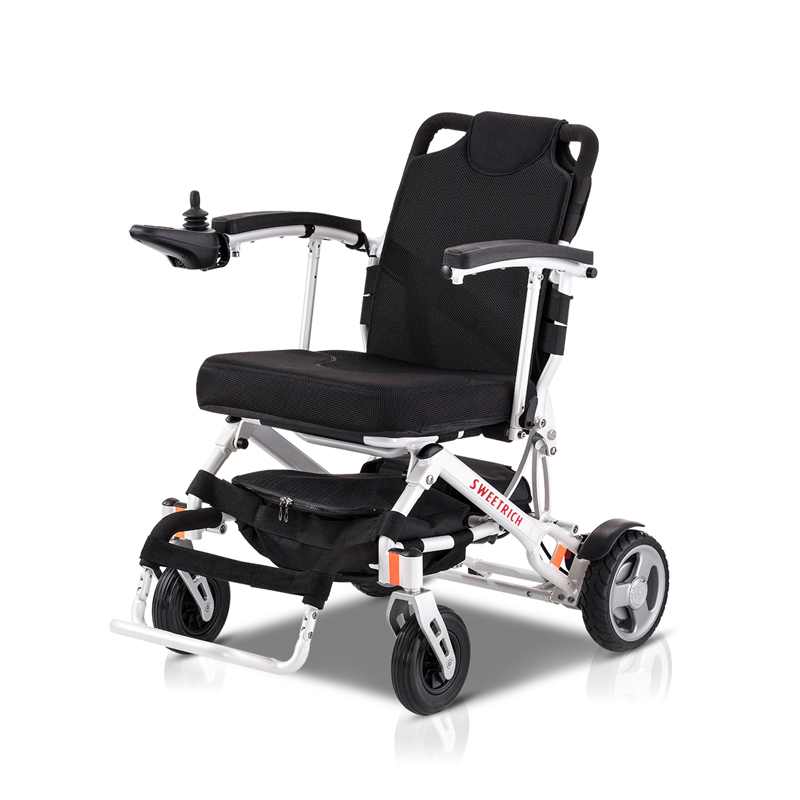
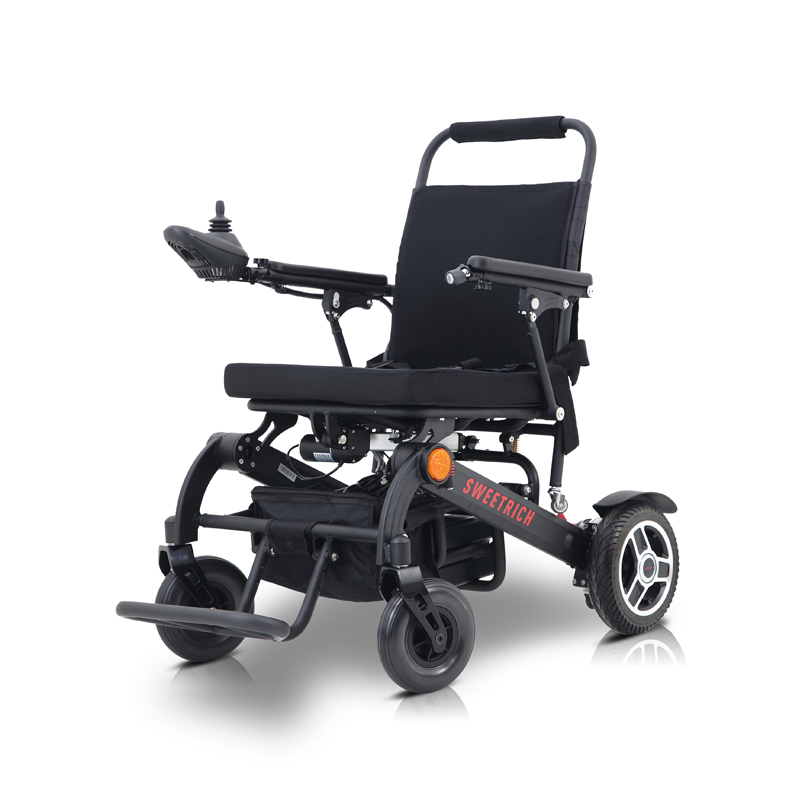
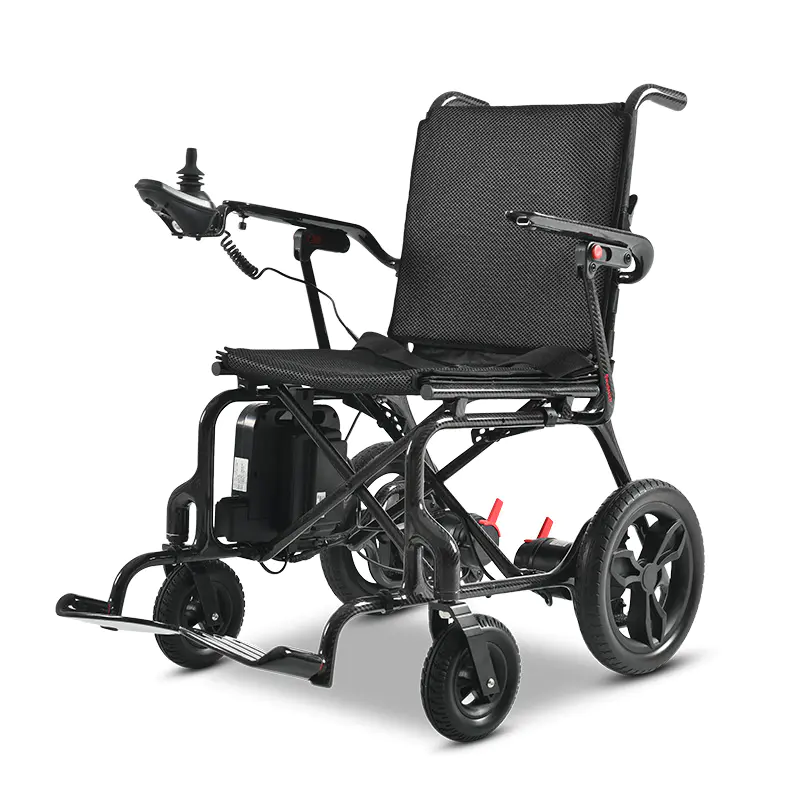
Powered wheelchairs give people the freedom to move through their homes, workplaces, public buildings, streets, parks, and community spaces without depending on others for every step. For many users, the chair becomes an extension of the body, carrying them through morning routines, workdays, errands, social visits, and quiet evenings. The motor stands at the center of this experience, turning electrical energy from the battery into the rotational force that drives the wheels forward, backward, and around corners. Wholesale Wheelchair Manufacturer designs often feature high-efficiency motors that differ from conventional ones because they waste less energy as heat or through mechanical losses, channeling a larger share of available power into useful motion.
Daily wheelchair use follows highly personal rhythms shaped by individual schedules, living arrangements, family dynamics, work or school commitments, and access to the wider world. A typical day often begins with short indoor transfers—bedroom to bathroom to kitchen—followed by loading into a vehicle or rolling along sidewalks to appointments, spending hours in office corridors or classrooms, running errands at stores or markets, visiting friends or family, attending community events, or simply spending time outdoors. Each segment carries its own requirements: precise control in tight indoor spaces, sustained performance over longer outdoor distances, sufficient torque for gentle inclines or thresholds, quiet operation in shared households or quiet settings, and consistent responsiveness when carrying additional weight from bags, groceries, medical equipment, or service animals.
High-efficiency motors influence every one of these moments in practical ways. They provide smoother torque delivery, extend the distance and duration achievable on a single battery charge, reduce audible noise and tactile vibration, and maintain reliable performance across changing conditions and battery levels. The following sections examine these contributions step by step, looking at how the motors function within wheelchair systems, their effects on battery duration and charging habits, indoor and outdoor handling, comfort during prolonged use, compatibility with modern control electronics, maintenance requirements, and broader impacts on independence, daily well-being, and quality of life.
How High-Efficiency Motors Operate in Wheelchair Systems
Electric motors in powered wheelchairs convert direct-current energy from the battery into rotational movement delivered to the drive wheels. Virtually all current designs use two independent motors—one for the left wheel and one for the right—enabling the controller to vary speed between them for smooth turning without a mechanical steering linkage. Each motor connects to a gearbox that adjusts the balance between torque (rotational force) and rotational speed to match typical wheelchair needs: strong initial torque to overcome starting resistance or small obstacles, moderate top speed for comfortable cruising on level surfaces, and controlled low-speed behavior for accurate positioning.
| Component / Feature | Description / Function | Benefit / Purpose in Wheelchair Use |
|---|---|---|
| Power Source | Direct-current energy from the battery | Supplies electricity to generate motion |
| Motor Type & Quantity | Two independent electric motors (one per drive wheel) | Enables differential speed control for smooth turning without mechanical steering |
| Energy Conversion | Converts battery DC energy into rotational movement | Delivers mechanical force to the drive wheels |
| Gearbox Role | Adjusts balance between torque and rotational speed | Matches wheelchair needs: high initial torque, moderate cruising speed, precise low-speed control |
| Torque Characteristics | Strong initial torque + controlled low-speed torque | Overcomes starting resistance/obstacles + enables accurate positioning |
| Speed Characteristics | Moderate top speed for level surfaces | Provides comfortable cruising on flat ground |
High-efficiency motors achieve their performance through targeted design improvements. Many adopt brushless construction, in which electronic circuits precisely time the flow of current through stationary coils rather than relying on physical brushes that contact a rotating commutator. This eliminates brush friction, electrical arcing, and gradual wear, while removing a major source of energy loss and maintenance.
Powerful permanent magnets generate strong magnetic fields with reduced material mass, and windings are carefully arranged to lower internal electrical resistance. Bearings receive attention to minimize mechanical drag, and overall component balance reduces vibration. Together, these refinements result in a higher ratio of mechanical output to electrical input—less energy turns into waste heat or noise, more becomes useful wheel motion.
The practical outcome appears in everyday handling. A gentle nudge on the joystick produces proportional wheel response: the chair creeps forward smoothly without surge or delay. Tiny corrections in tight spaces feel natural and controlled rather than jerky or overshooting. Initial torque for starting on carpet or slight inclines arrives steadily, avoiding the momentary hesitation or power spike sometimes experienced with less efficient systems.
Battery Duration and Charging Patterns in Everyday Routines
Battery runtime directly determines how far and how long a powered wheelchair can operate before recharging becomes necessary. Conventional motors consume more energy to produce equivalent mechanical work, so the battery depletes more quickly. High-efficiency motors reverse this pattern by directing a larger fraction of available energy toward propulsion.
A realistic daily routine might include 2–4 hours of active driving spread across the day: 30–90 minutes of intermittent indoor movement (room-to-room transfers, kitchen tasks, personal care), 1–4 kilometers outdoors (sidewalks, parking lots, short commutes), maneuvering in offices, stores, or classrooms, and evening outings (family visits, local parks, errands). High-efficiency motors frequently allow the same battery pack to cover this full cycle with meaningful capacity remaining, even when the chair carries extra weight or encounters moderate resistance from carpet, inclines, or uneven surfaces.
The energy savings become particularly evident during repeated starts and stops, low-speed precision work, or gentle climbing—situations that traditionally consume disproportionate power. Because less energy is lost as heat, the motor operates efficiently even as battery voltage sags toward the end of the day. Speed, acceleration, and torque hold steadier compared to conventional motors that can feel sluggish or cut out abruptly when the pack nears depletion.
Charging routines simplify and become more predictable. Overnight charging from a standard household outlet usually suffices for the next day’s needs for many users. Midday recharges become optional rather than essential, reducing the need to plan around accessible outlets or carry bulky chargers. Lower charging frequency also reduces thermal cycling on the battery cells, which contributes to longer overall pack life.
In colder weather, when battery capacity naturally decreases, the efficiency advantage helps offset the loss. More of the available charge goes toward movement rather than internal heat generation, so range drops less dramatically than with standard motors.
Indoor environments require fine, controlled movement. Hallways narrow, doorways limit clearance, furniture clusters create obstacles, and floor transitions demand careful management. High-efficiency motors provide low-speed torque that feels predictable and proportional to joystick input.
Moving from bedroom to bathroom involves short forward bursts, precise pivots around corners, and alignment with fixtures. The motor responds instantly to small inputs, allowing the chair to creep forward or rotate without overshooting. In kitchens, where counters, chairs, and appliances restrict space, tiny adjustments position the user exactly where needed without repeated back-and-forth corrections.
Thick carpet, area rugs, or raised thresholds require extra initial torque to overcome rolling resistance. High-efficiency motors supply that push without drawing excessive current, so the battery gauge drops more gradually during indoor activity. Quiet operation prevents disturbing others in shared living spaces, and the absence of vibration reduces fatigue during prolonged indoor time.
Outdoor Range and Adaptability to Varied Surfaces
Going outside usually involves traveling farther, crossing surfaces that change frequently, and dealing with slopes of varying steepness. High-efficiency motors keep delivering consistent torque no matter the speed setting, so the chair rolls up curb cuts or moderate hills without pulling an unusually heavy current draw or causing a rapid drop in remaining battery capacity.
Cracked concrete sidewalks, uneven paving stones, loose gravel trails, or patches of grass challenge both grip and stability. The motors adjust almost instantly when resistance shifts from one wheel to the other, helping the chair stay on course rather than pulling sideways. Many users say this immediate correction creates a more secure, rooted sensation when rolling across bumpy or irregular ground.
Extra weight from carrying shopping bags, a backpack, portable oxygen gear, or a service animal increases the overall load. The efficient motor setup manages that added mass with only a small effect on travel speed or remaining range, which makes it easier to stay engaged in everyday errands and activities.
In slightly damp or wet conditions, the motors build up far less internal heat, lowering the likelihood of moisture forming inside sealed enclosures. The steady, controlled power output also improves grip on slick pavement because it prevents the sudden wheel spin that can happen from abrupt changes in torque.
Comfort During Prolonged Use
Comfort develops gradually over the hours spent sitting and traveling in the chair. High-efficiency motors support this in several direct ways.
Vibration lessens because torque comes on more evenly and the internal components are better balanced. Steady, low-level shaking over time can tire muscles and aggravate joints; a smoother ride helps cut down on that ongoing strain.
The operating sound level drops noticeably. Without the usual brush noise or gear whine, users can follow conversations more easily, pay attention to surroundings, or listen to audio content without constant background interference. This difference stands out in group settings or quiet neighborhoods.
Heat generation stays lower. The motors remain cooler during use, so less warmth spreads to the seat frame, battery housing, or the user’s legs over long periods—especially welcome on hot days or for anyone sensitive to temperature shifts.
Many high-efficiency motor packages weigh less overall. The lighter chair becomes simpler to push by hand when needed, easier to maneuver when transferring into vehicles, and less burdensome for caregivers who help with positioning or lifts.
Compatibility with Modern Control Electronics
Current wheelchair control units go well beyond simply routing power to the motors. They read joystick movements, follow customized speed and acceleration curves, adjust for ground conditions, and track battery condition. High-efficiency motors work seamlessly with these systems because they react in a direct, predictable manner to the signals they receive.
Customizable settings let users dial in preferences: gentle ramp-up for careful indoor work, stronger torque ceilings for outdoor slopes, or restricted top speeds for busy areas. The motors carry out these instructions precisely without burning extra power to make up for inefficiencies.
Sensors that pick up changes in terrain or interpret joystick intent can modify power delivery in real time. Because the motor is efficient, these ongoing adjustments draw very little additional energy, helping extend overall range.
Battery monitoring software calculates remaining distance more reliably when the motor draws power in a steady, predictable way. Users can depend on the range readout to decide whether a planned trip is feasible or if a charge is required soon, cutting down on uncertainty in daily planning.
Maintenance and Service Implications
High-efficiency motors typically demand less regular upkeep. The brushless layout eliminates the periodic job of swapping out worn carbon brushes—a step that used to require scheduling service and taking the chair out of use temporarily.
Bearings and coil windings face reduced heat stress and mechanical wear, so the gaps between routine inspections grow longer. Users experience fewer sudden breakdowns that leave them stranded away from home base.
Service technicians often find fault-finding more straightforward. Built-in diagnostic tools record performance information, and the motors display steady, repeatable behavior, making it simpler to locate and resolve problems when they occur.
Typical Daily Patterns
A typical day could open with moving from bed to bathroom to kitchen. The motor's accurate low-speed handling manages doorways and narrow passages without scraping walls or knocking into furniture.
Preparing breakfast means rolling between counters, cabinets, and appliances. Quiet running keeps the house calm, and even torque application avoids abrupt stops that might spill things.
Heading out to work, school, or appointments involves sidewalks, curb ramps, and sometimes boarding public transit. Steady power keeps pace on inclines, and battery consumption stays gradual.
| Daily Activity / Scenario | Key Motor Benefit | Practical Outcome / Advantage |
|---|---|---|
| Preparing breakfast (rolling between counters, cabinets, appliances) | Quiet running + even torque application | Keeps the house calm; avoids abrupt stops that could spill items |
| Heading out to work, school, or appointments (sidewalks, curb ramps, public transit) | Steady power delivery + gradual battery consumption | Maintains consistent pace on inclines; extends range without rapid drain |
At the destination, indoor movement—elevators, hallways, offices—feels precise. Small joystick nudges create exact positioning without overshooting.
Lunch outings or quick errands add distance and sometimes extra weight from bags or purchases. The motor handles the load without obvious loss of speed or rise in noise.
Evening plans—seeing family, joining a community gathering, or relaxing in a park—stretch the day comfortably. The chair arrives home with power still available.
These everyday sequences show how the motors support smooth, self-directed movement from morning to night.
Broader Effects on Independence and Daily Life
Reliable mobility opens up more opportunities to connect with people and places outside the home. Greater range and smoother control reduce obstacles to visiting friends, keeping a job, attending classes, or taking part in recreational activities.
Less ongoing strain from vibration, constant noise, or difficult steering adds to overall comfort and helps preserve energy. Many users mention arriving home feeling less worn out, which leaves more room for family time, hobbies, or simply resting.
Trust in battery endurance and chair handling makes daily planning feel less restrictive. Last-minute choices—grabbing coffee with a friend, dropping by an event, or taking a short trip—turn into realistic options instead of sources of worry.
Sweetrich Wheelchair
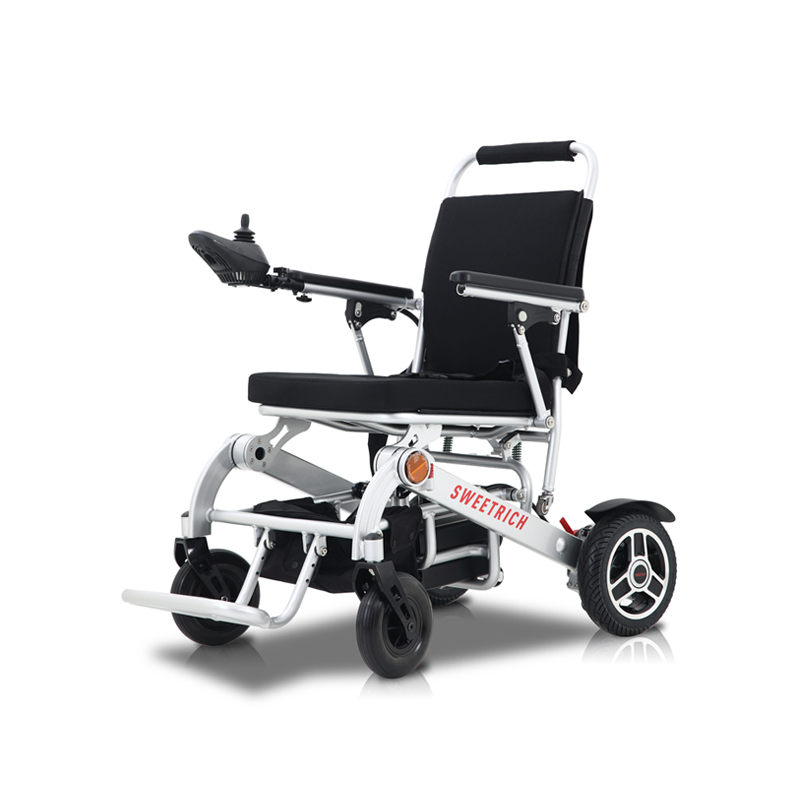
At Sweetrich wheelchair, the dedication to incorporating high-efficiency motors stems from a clear understanding of how daily mobility challenges—battery anxiety, noisy rides, vibration fatigue, and unpredictable performance on varied terrain—can limit freedom and enjoyment. By engineering motors that deliver smoother torque, quieter operation, cooler running temperatures, and extended range without excessive energy draw, Sweetrich enables users to move through their routines with greater ease and confidence, whether navigating tight indoor spaces, handling outdoor paths, or carrying everyday loads. This thoughtful approach supports individuals in focusing on the moments that matter—connecting with family, pursuing work or hobbies, or simply spending time in the community—rather than constantly monitoring power levels or managing discomfort.
Through reliable, low-maintenance performance and consistent responsiveness across conditions, Sweetrich wheelchairs become a steady companion that adapts to real-life needs, helping each day feel more fluid, less restricted, and more fully lived.