
 +86-(0)512-82283871
Content
- 1 Function in Home Environments
- 2 Function in Community Environments
- 3 Benefits for Daily Independence and Participation
- 4 Challenges and Practical Solutions in Home Environments
- 5 Challenges and Practical Solutions in Community Environments
- 6 Integration with Other Assistive Technologies
- 7 Future Directions in Electric Wheelchair Development
- 8 Sweetrich wheelchair
Electric wheelchairs provide individuals with limited lower-body mobility the means to move independently through familiar indoor environments and public spaces outside the home. These battery-operated devices, often sourced from a trusted Wholesale Wheelchair Manufacturer, use motors to power the wheels, with direction controlled by interfaces suited to the user's abilities, such as joysticks, head-tracking arrays, sip-and-puff mechanisms, or other adaptive inputs. In residential settings, they support routine tasks like shifting between rooms, accessing kitchen work surfaces, or engaging in family discussions. In community settings, they facilitate visits to retail stores, workplaces, healthcare providers, leisure venues, religious locations, and social gatherings. The combination of precise indoor handling and reliable outdoor capability helps users remain active in daily routines.
A standard electric wheelchair consists of a seat mounted on a frame with four or six wheels, a battery system, drive motors, and an electronic control unit. Dual motors—one for each primary drive wheel—allow turning through differential speeds, eliminating the need for a dedicated steering system. Front-wheel drive configurations deliver effective traction on softer surfaces and enable compact turning radii. Mid-wheel drive setups offer balanced stability and agility across varied conditions. Rear-wheel drive provides consistent handling at increased speeds. Battery options include sealed lead-acid varieties and lithium-based systems, each affecting operational duration and recharge requirements. Control systems commonly include adjustable parameters for speed caps, acceleration profiles, and input sensitivity to match user preferences and environmental demands.
Seating components feature modifiable cushions, back supports, armrests, leg rests, and powered functions for tilt, recline, or seat height adjustment. These features assist in maintaining body alignment, distributing pressure to prevent discomfort, and positioning the user at appropriate levels for social interaction or surface-based activities. Suspension elements in some designs dampen impacts from irregular surfaces, minimizing transmitted vibrations. Safety mechanisms, including self-activating brakes, anti-tip devices, and restraints, support secure use in residential and public contexts.
Function in Home Environments
Residential layouts differ widely, but electric wheelchairs accommodate typical features through their compact sizing and accurate control.
In bedrooms, transfers between the chair and bed occur regularly. Powered seat elevation or tilt functions align the seating surface with mattress height, simplifying the transition. Low-noise motors minimize disruption during early or late hours. The chair's ability to rotate in confined areas around furniture allows independent access to wardrobes, medications, or bedside items.
Bathrooms present challenges like moist floors, restricted maneuvering space, and fixed elements. Moisture-resistant controls and durable frames endure exposure to water. The device positions the user at appropriate heights for sinks, toilets, or showers, while swing-away footrests or removable armrests facilitate transfers. Certain configurations include powered leg elevation or tilt-in-space options that aid movement to bathing equipment or hygiene aids.
Kitchens encompass work surfaces, appliances, storage units, and occasional central islands. The chair approaches counters at comfortable heights, and precise joystick control enables alignment with drawers, ovens, or refrigerators. Available torque at low velocities assists in crossing minor thresholds or transitioning between floor types like tile and carpet. Users engage in food preparation, dishwasher loading, or pantry retrieval with reduced effort.
| Aspect | Key Features / Benefits | User Activities Supported |
|---|---|---|
| Counter Access | Approaches at comfortable heights | Food preparation, reaching work surfaces |
| Precise Control | Joystick enables accurate alignment | Opening drawers, accessing ovens / refrigerators |
| Low-Speed Torque | Assists crossing small thresholds & floor transitions (tile ↔ carpet) | Smooth movement over minor obstacles |
| Overall Effort Reduction | Reduced physical strain | Dishwasher loading, pantry retrieval |
Living and family areas involve frequent short movements. The chair navigates around seating, tables, or activity zones. Gentle operation and smooth acceleration prevent startling household members or animals. Positioning at suitable heights for conversation or viewing supports natural engagement.
Home offices or study spaces require stable placement at desks. The chair maintains steadiness during prolonged periods, with low vibration levels aiding focus on tasks such as reading, writing, or computer use. Powered recline or tilt functions alleviate pressure during extended sessions.
Utility areas, storage spaces, or garages often feature narrow entrances or small elevations. Motor torque overcomes minor barriers, and maneuverability permits reaching shelves or operating equipment. In homes with multiple levels lacking built-in lifts, portable ramps or stair-assist devices can extend accessibility.
Across residential settings, electric wheelchairs decrease reliance on assistance for basic mobility. Users manage personal care, household responsibilities, childcare, or leisure pursuits with increased self-sufficiency, promoting a feeling of routine and personal control.
Function in Community Environments
Public spaces involve greater distances, shared infrastructure, groups of people, and diverse terrain. Electric wheelchairs equipped with sufficient battery reserves and motor strength traverse sidewalks, parking areas, entrances, and interior corridors.
Sidewalks and pathways demand handling of cracks, uneven sections, light loose material, or vegetation. Larger wheels or suspension systems cushion impacts, while robust motors sustain forward progress. The capacity to ascend moderate ramps or use designated access points enables routes to commercial outlets, healthcare facilities, libraries, or green spaces.
Public transit systems, including buses, trains, subways, or shared rides, frequently incorporate ramps or lifts. Chairs with stable bases and automatic brakes remain secure during vehicle motion. They fit designated accessible areas, and responsive controls support efficient boarding and positioning.
Retail centers and stores offer wide passages alongside busy sections. Variable speed controls permit deliberate progress in crowded zones and quicker movement in open areas. Attachments for carrying items or trays accommodate purchases, and motor torque manages additional load without substantial performance reduction.
Parks, trails, and recreational sites include grass, dirt paths, or gravel surfaces. Chairs equipped with terrain-appropriate tires and suspension navigate these conditions. Reliable power supports extended outdoor periods without concern for depletion or user fatigue.
Community facilities, religious sites, theaters, and event locations generally provide ramps, elevators, and designated seating. The chair moves through entryways and hallways, with powered tilt or elevation enabling eye-level interaction or table access.
Healthcare visits and therapy sessions involve waiting zones and examination rooms. Comfort-oriented features lessen strain during extended periods, and quiet operation aligns with calm surroundings.
Professional and educational environments require navigation through corridors, elevators, and classrooms. The chair accommodates desk placement, and precise control aids positioning during discussions or presentations.
In community contexts, electric wheelchairs support involvement in learning, work, volunteer activities, shopping, leisure, and social occasions. Users pursue studies, maintain employment, participate in organizations, or utilize public areas with reduced dependence on others for transport.
Benefits for Daily Independence and Participation
Electric wheelchairs lessen the physical demands of movement, conserving energy for other pursuits. In homes, users complete personal care, meal preparation, or cleaning tasks without undue fatigue. In public settings, they manage appointments, errands, or social interactions without requiring assistance for every outing.
Social engagement expands through easier access to external activities. The capacity for independent departures supports relationships, family events, group participation, and community roles. Lowered isolation contributes to emotional health and feelings of connection.
Emotional well-being gains from enhanced self-direction. Organizing activities without concerns over distance or support requirements fosters confidence and reduces stress related to mobility constraints.
Physical health benefits from increased activity. Consistent movement promotes circulation and mitigates issues associated with prolonged immobility. Powered tilt, recline, or elevation functions distribute pressure and maintain alignment during longer use periods.
Personalization improves fit to individual needs. Controls adapt to grip strength or motion range, while add-ons such as trays, holders, or device mounts enhance functionality for routine tasks.
Challenges and Practical Solutions in Home Environments
Many homes weren't built with powered mobility in mind, so users often run into tight spots that make getting around feel restrictive. Doorways that are just a bit too narrow can catch the chair's arms or wheels, and even small raised spots where floors meet—like between rooms or at patio doors—stop smooth rolling. People make these spaces work better by adding simple ramps over those little steps, opening up door frames where possible, or moving couches and tables to carve out wider paths. Chairs that sit lower to the ground or have a tighter spin radius already fit through ordinary openings more easily, cutting down on the need for big structural changes.
Keeping the battery topped up shouldn't mean dragging cords across rooms or waiting in one spot for hours. Folks set up outlets in spots they visit often, like near the living room recliner or bedside, or choose models where the battery pack slides out so a fresh one can go in right away while the other charges separately.
Living with others brings extra things to watch for—kids darting around, pets underfoot, or shelves full of glassware that could tip over. Chairs come with brakes that lock the moment the control lets go, and some have built-in detectors that sense objects close by or give off beeps to let everyone know movement is happening. Keeping walkways free of clutter and putting bright tape or signs on sharp corners or fragile items helps everyone stay aware and avoid mishaps.
| Challenge / Risk | Built-in Chair Features | Practical Solutions / Habits |
|---|---|---|
| Kids running around | Automatic brakes (engage on control release) | Keep walkways clear of clutter |
| Pets underfoot | Proximity sensors (detect nearby objects) | Use bright tape or signs on sharp corners |
| Fragile items (e.g., glassware on shelves) | Audible beeps or alerts during movement | Mark fragile / hazardous items visibly |
Heavy rugs or deep-pile carpet can feel like driving through sand, slowing everything down and draining power faster. Going with chairs that have bigger wheels with more grip or stronger drives pushes past that drag more comfortably. In busy parts of the house, switching to flatter rugs or bare floors in main traffic lanes makes rolling feel natural again.
Staying on top of upkeep prevents little issues from turning into big ones. Checking the charge level each day, feeling the tires for proper firmness, and making sure the joystick moves without sticking are quick habits anyone can pick up. When something more technical comes up—like a motor acting funny or wiring that needs a look—regular visits from a service tech keep the chair dependable year after year.
Challenges and Practical Solutions in Community Environments
Out in the world, sidewalks tell different stories—cracks from tree roots, patches where concrete has settled unevenly, or places where curb ramps never got installed. These turn short trips into frustrating detours or force users to backtrack. Pushing for change helps: talking to local officials about adding missing ramps, fixing broken pavement, or designing new sidewalks with everyone in mind gradually opens more routes. Chairs built with solid, larger wheels and good cushioning roll over small bumps without jarring the rider or losing speed.
Getting on a bus or train isn't always straightforward—some vehicles have ramps that are too steep, lifts that break down, or drivers who aren't sure how to help. Users scout schedules for buses known to have working lifts or pick ride services that advertise easy boarding for chairs. Once aboard, solid frames and spots to lock the wheels in place keep things steady through stops and turns.
Rain turns pavement slick and soaks controls, while winter cold cuts how far the battery lasts on a single charge. Waterproof sleeves or covers guard the joystick and electronics from puddles, and in chilly months people plan shorter errands or make extra stops to plug in and warm the battery back up.
Crowded sidewalks, mall aisles, or event entrances mean watching every direction at once to avoid clipping someone. Rear mirrors give a quick glance behind, sensors beep or vibrate when something gets too close, and dropping speed in packed areas lets the chair respond more gently to steering. Taking it slow and staying predictable helps everyone move safely.
When a day out stretches longer than expected, running low on power far from an outlet creates real worry. Mapping apps show nearby public chargers in libraries, cafes, or transit hubs, and small portable battery boosters tucked in a side bag add extra miles without cutting the trip short.
Integration with Other Assistive Technologies
Powered chairs now tie into everyday smart setups around the house, turning voice commands or a quick tap into control over lights, heat, fans, or even door openers. A low-battery warning or reminder that tires need air can ping straight to a phone or caregiver's device so nothing gets overlooked.
When heading out, apps on a connected tablet or phone pull up maps that highlight smooth sidewalks, working curb cuts, and entrances without steps. The chair's own USB ports keep those devices charged so directions stay live and calls or texts stay possible.
Wearable trackers that clip on or pair wirelessly log how much the user moves each day or catch changes in heart rate or position, then share that data straight with doctors or therapists for better follow-up care.
Linking the chair to home cameras or smart doorbells means seeing who's at the entrance from across the room and deciding whether to buzz them in—all without needing to roll over and check manually.
Future Directions in Electric Wheelchair Development
Batteries keep getting better at holding more energy, recharging in less time, and weighing noticeably less, so users travel farther between plugs and the whole chair feels lighter to push or lift when needed.
Motors run more efficiently now, packing the same push into smaller packages that use less juice overall and leave room for other features without bulking up the frame.
Controls are moving beyond joysticks toward things like hand waves, spoken words, or even signals picked up directly from brain activity, giving people with very little arm or hand movement new ways to steer confidently.
Ride comfort improves as suspension gets smarter—absorbing jolts from rough paths more effectively so the body feels less shake and fatigue sets in slower.
Builders pay more attention to earth-friendly materials and ways of putting chairs together that cut waste and energy use from start to finish.
Newer models add brains of their own: they spot obstacles ahead and slow or stop automatically, suggest smoother paths through busy areas, and fine-tune brakes for hills or slippery spots, making every trip feel a bit more secure.
All these steps aim to fit powered chairs more naturally into whatever mix of home life and outside activities a person chooses.
Sweetrich wheelchair
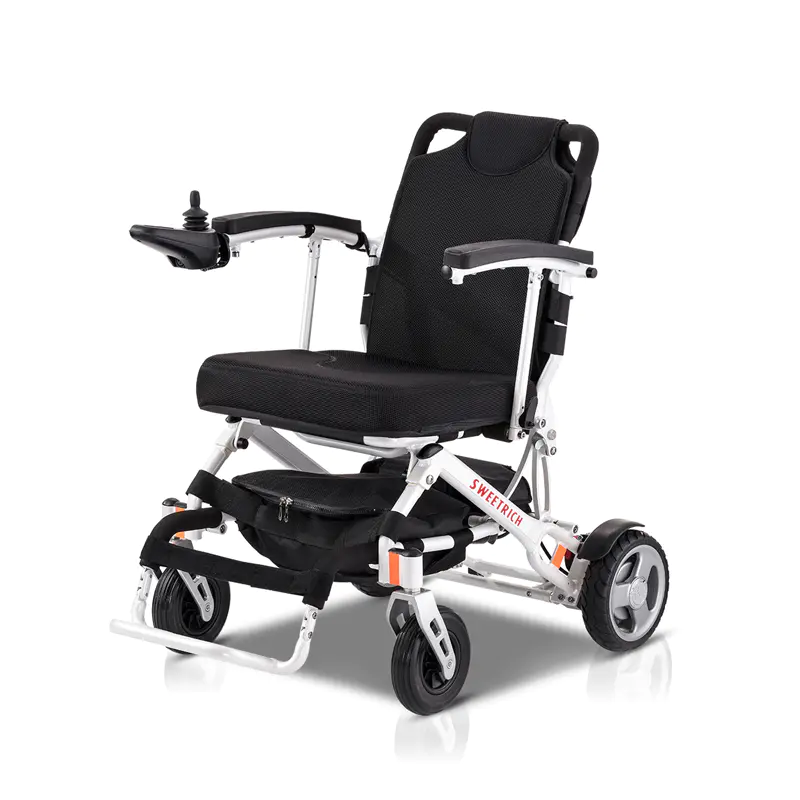
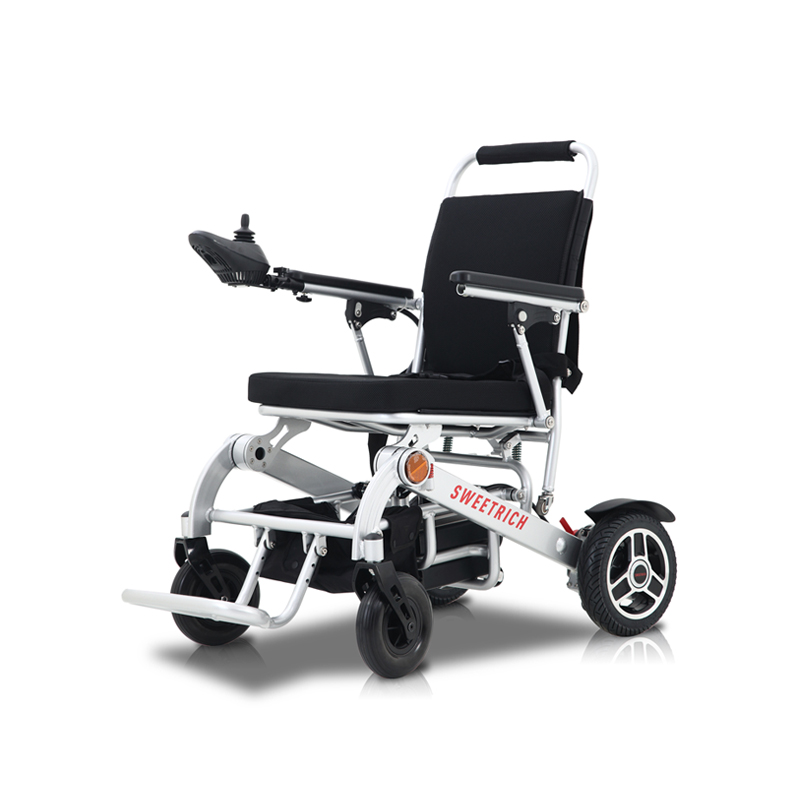
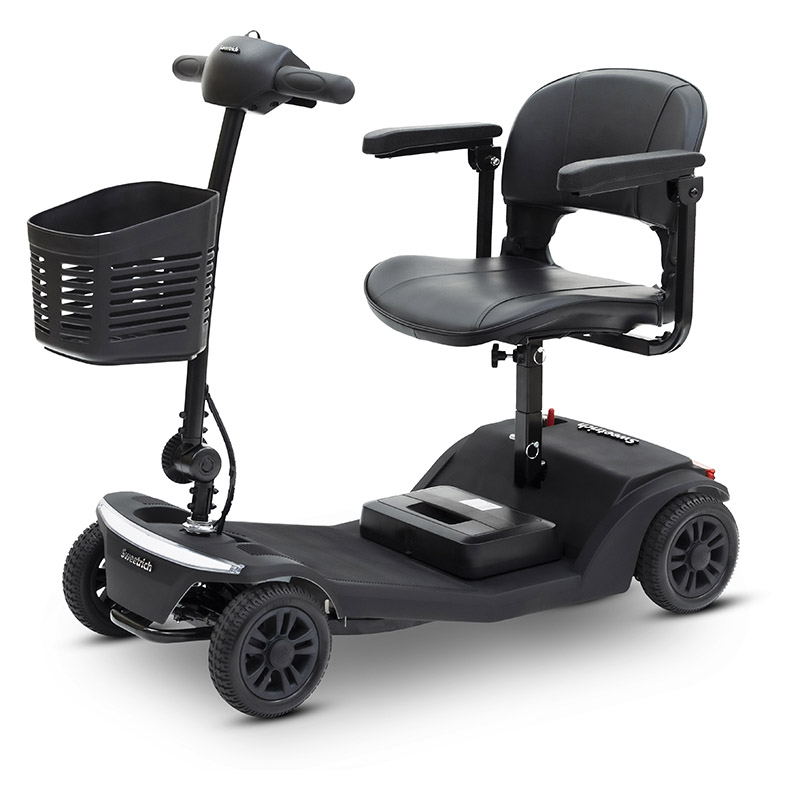
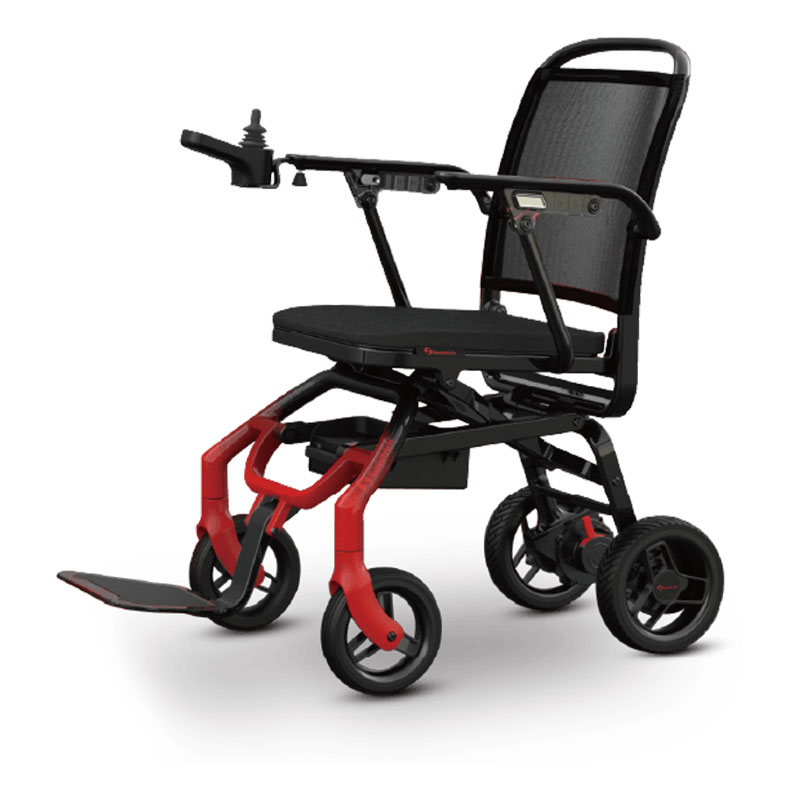
Sweetrich wheelchairs bring a fresh sense of possibility to everyday movement, blending lightweight aluminum frames with reliable lithium batteries that make folding and loading the chair into a car feel almost effortless. Users find themselves rolling smoothly from kitchen counters to neighborhood sidewalks, or even venturing farther on trails where sturdy wheels and thoughtful torque handle the change in terrain without hesitation. The quiet hum of the motors lets conversations flow naturally at family tables or during community gatherings, while adjustable seating keeps posture supported hour after hour. Whether navigating a crowded store aisle with precise joystick response or settling into a quiet home office for the afternoon, the design quietly removes barriers, letting focus stay on the people and moments that fill the day rather than the effort it takes to get there.
As more individuals discover how these chairs fit into their routines—traveling light for weekend outings or powering through longer days at work—the emphasis remains on that simple, steady freedom to go where life calls next.