
 +86-(0)512-82283871
Content
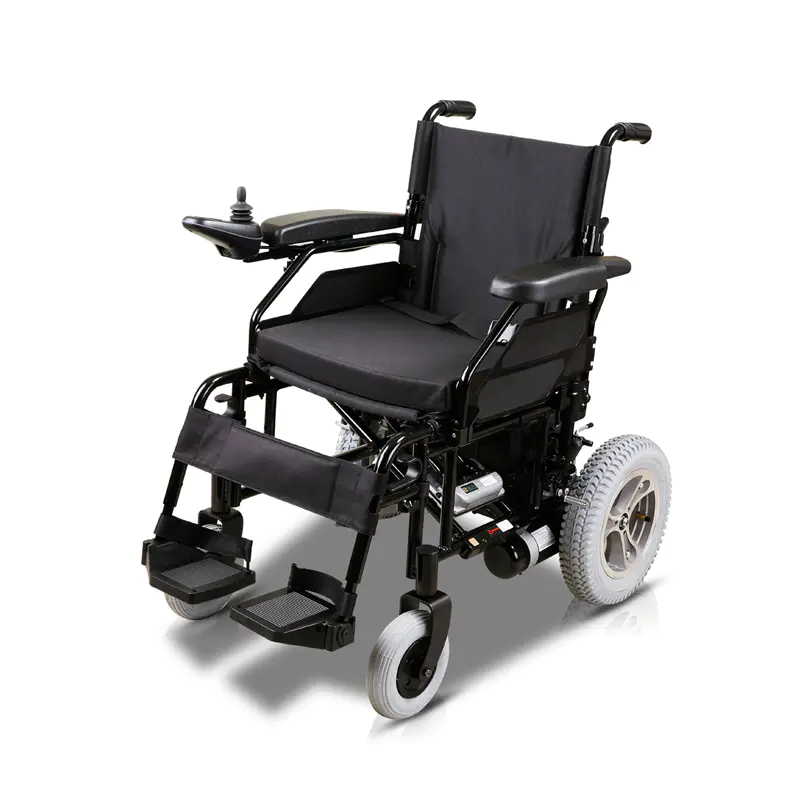
Electric wheelchairs offer crucial assistance to those with mobility limitations, enabling them to navigate homes, communities, and beyond with increased self-reliance. As a trusted Wholesale Wheelchair Manufacturer, we focus on intentional design that integrates safeguards, promotes steady functionality, and incorporates controls that align with user capabilities.
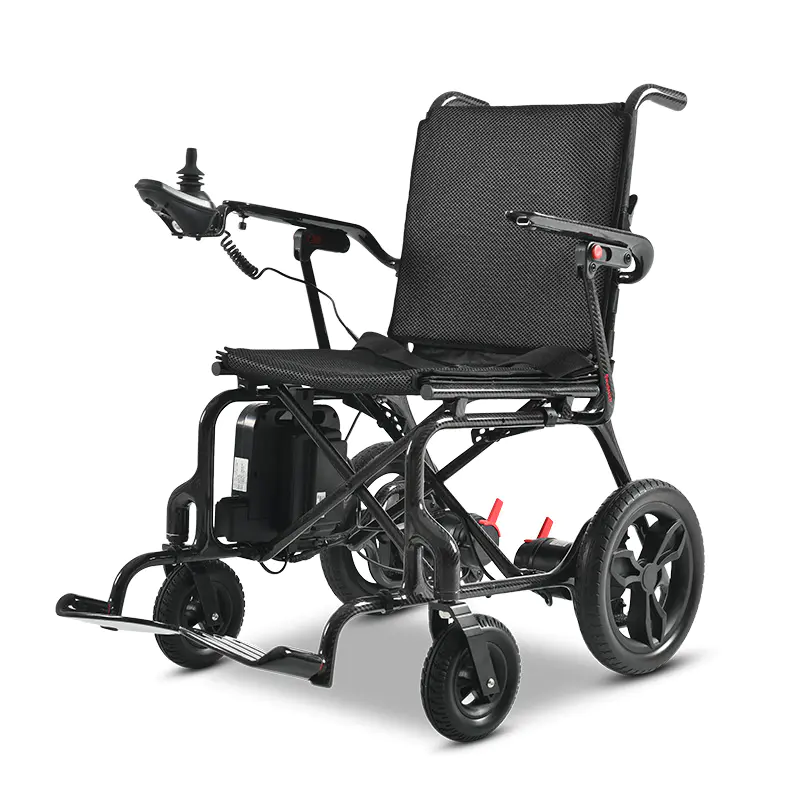
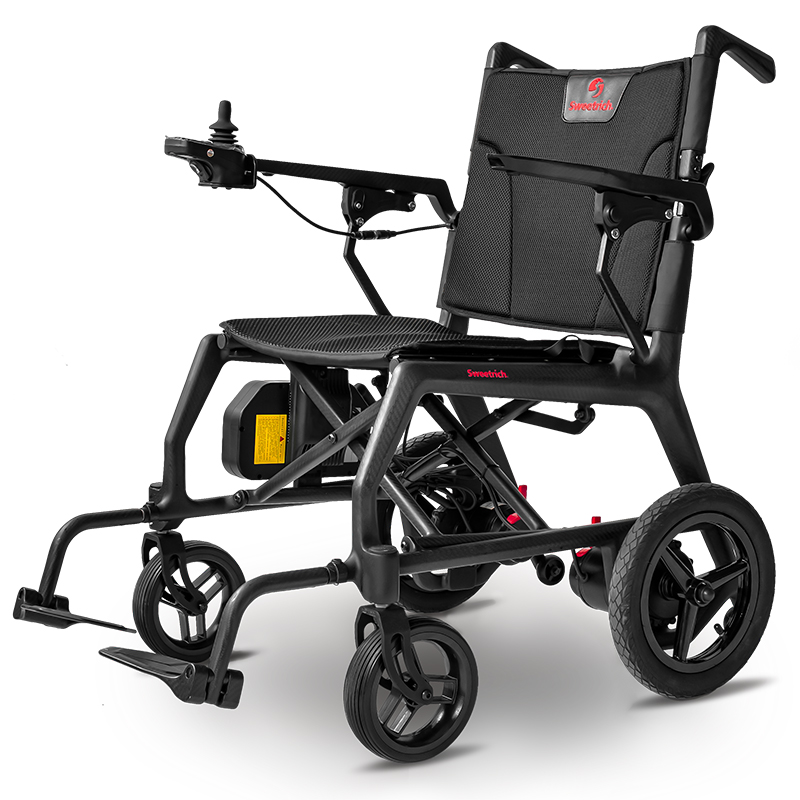
Electric wheelchairs come equipped with numerous safeguards to address potential hazards in routine use. For instance, anti-tip bars or supplementary casters at the back offset shifts in load distribution. These additions help sustain steadiness when dealing with slight elevations, edges, or immediate pauses, reducing tipping incidents.
Riders have the ability to adjust pace to fit specific contexts—dialing it back in narrow indoor zones and ramping it up on wider exterior routes. Such versatility assists in managing dense areas without abrupt speed changes. Several versions automatically power down following stretches of non-use, averting motion from unintended control contact.
Belts designed for seating secure the individual, featuring rapid-unlock systems for urgent situations. Layered foam on seating areas, support panels, and edges dampens vibrations from irregular paths. Arm supports and leg platforms commonly pivot or detach, easing entry and exit while locking securely for journeys.
Power sources reside in resilient shells that withstand collisions, paired with airflow systems to control warmth. Prominent meters indicate energy reserves, enabling trip planning to sidestep depletion en route. Conductors include substantial coverings, and safety switches halt flow during anomalies.
Seating configurations that shift or angle aid in balanced load sharing, alleviating tension in extended sessions and minimizing distractions from unease. Collectively, these components establish a multifaceted shield, allowing individuals to proceed through activities with heightened assurance.
Influences on Balance and Halting Capability
Balance underpins secure wheelchair navigation, guiding how the aid copes with bends, gradients, and diverse terrains. Situating substantial elements like energy packs near the base diminishes the gravitational midpoint, bolstering defense against lateral or rearward instability.
Wheel positioning holds considerable weight. Expanded separation across wheels strengthens horizontal poise, whereas enlarged propulsion wheels secure hold on soft or bumpy ground. Forward pivoting wheels enable nimble adjustments yet manage minor barriers without obstruction. Various models integrate cushioning features that temper shocks and sustain surface contact.
Halting mechanisms often employ magnetic engagement that triggers promptly upon control neutralization, yielding controlled cessation. This rapid activation aids significantly on descents, securing location sans extra exertion. Auxiliary lever-based secures reinforce stillness in resting states.
Propulsion units facilitate tapered reduction in velocity, circumventing sharp interruptions that might displace the rider. Select configurations reclaim kinetic force during slowdowns, channeling it toward replenishment while upholding seamless direction. Terrain variables alter halt spans—moist asphalt or debris necessitate prudence and tempered rates.
Individuals enhance security via centered posture and restrained add-ons. Addressing ascents linearly and curving mildly bolsters equilibrium. Periodic assessments of wheel inflation and stopping sensitivity preserve dependable reactions in routine scenarios.
Building Choices That Sustain Enduring Safety
The assembly of an electric wheelchair shapes its resilience across prolonged application. Structures formed from robust, featherweight alloys or blended substances withstand distortion amid ongoing pressures. Barrier layers counter degradation in moist or fluctuating atmospheres.
Critical linkages—such as where rests connect to bases or rollers affix—utilize fortified anchors or unified bonds to endure strain at pivotal sites. Numerous aids disassemble into interchangeable segments, permitting substitution of fatigued elements like side rests or drive assemblies without overhauling the core.
Buffer zones or fortified borders around susceptible regions deflect minor impacts, diffusing momentum prior to affecting vital parts. Collapsible variants depend on durable clamps that fasten unwaveringly when extended.
| Aspect | Description |
|---|---|
| Frame Materials | Robust, lightweight alloys or composite materials that resist distortion under repeated stress |
| Protective Coatings | Barrier layers to prevent degradation from moisture or varying weather conditions |
| Critical Connections | Reinforced anchors or seamless bonds at key points (e.g., seat-to-base, wheel attachments) for enduring strain |
| Modular Design | Interchangeable components allowing easy replacement of worn parts (e.g., armrests, drive units) without full overhaul |
| Impact Protection | Buffer zones or reinforced edges to absorb minor collisions and dissipate energy |
| Folding Mechanism (if applicable) | Durable clamps that lock securely when the wheelchair is unfolded |
Prior to deployment, assemblies undergo stringent evaluations replicating accumulated usage, falls, and climatic variances to affirm persistence. Approachable connectors facilitate regular examinations, identifying erosion promptly. Shielded compartments for circuitry repel particulates and liquids.
Such assembly tactics uphold wholeness and foreseeable conduct over durations, diminishing abrupt malfunctions that could endanger well-being. Riders develop trust in apparatus capable of delivering unwavering aid across spans.
Techniques for Increasing Visibility and Awareness
Being easily seen and staying alert are key for electric wheelchair users sharing spaces with pedestrians, bikes, and cars. Simple reflective strips attached to the frame and wheels catch light from headlights or street lamps, making the chair stand out more when natural light is low.
Built-in lights help a great deal: a headlight up front shows the way ahead, while rear lights and side markers let others know exactly where the chair is. Turn signals that blink when changing direction work much like those on a bicycle, giving clear warning to people nearby. Modern LED bulbs stay bright for long periods and use very little battery power.
A horn or buzzer, placed within easy reach, lets the user give a quick sound alert in busy or noisy places. A tall pole with a bright flag can rise above surrounding traffic, drawing extra attention from drivers. Small mirrors mounted on the armrests allow a glance backward without having to turn the whole body.
Displays on the control panel keep the rider informed about current speed and remaining battery charge. Some chairs include gentle vibrations or warning tones when sensors detect slippery surfaces or objects too close. Choosing routes with good street lighting and fewer obstacles adds another practical layer of safety.
Regular practice in watching traffic patterns and anticipating how others might move helps build strong awareness habits. Combining reflective materials, active lights and sounds, and careful observation creates a much safer experience in shared public areas.
| Feature | Description |
|---|---|
| Audible Alert | Horn or buzzer within easy reach for quick sound signals in busy or noisy areas |
| Visibility Flag | Tall pole with bright flag to stand out above traffic and attract driver attention |
| Rear-View Mirrors | Small mirrors on armrests for checking behind without turning the body |
| Control Panel Displays | Show current speed and remaining battery charge for ongoing awareness |
| Sensor Warnings | Gentle vibrations or tones to alert about slippery surfaces or nearby obstacles |
| Route Selection | Prefer paths with good lighting and fewer obstacles for added safety |
| Awareness Training | Practice observing traffic and predicting movements to build safe habits |
| Overall Combination | Reflective materials + active lights/sounds + careful observation = safer shared spaces |
Strategies for Simple and Accessible Operation
Controls designed to feel natural make electric wheelchairs usable for people with a wide range of physical abilities. The standard joystick responds in proportion to how far it is moved—small nudges for slow, careful travel and larger pushes for quicker movement. Settings can be adjusted to match each person’s strength and coordination.
For users with limited hand movement, sip-and-puff tubes or head-movement sensors turn tiny actions into clear commands. Large button panels or touch-sensitive surfaces require only light pressure. Voice control is becoming another reliable hands-free option on newer models.
Personal profiles can save preferred settings for acceleration, turning response, and top speed so the chair behaves consistently every time it is switched on. Buttons for common adjustments, such as seat tilt or leg-rest height, are placed where they can be reached quickly without searching through menus.
Charging ports are straightforward to connect, sometimes using magnets to guide the plug into place. Clear indicators show charging progress and alert when routine maintenance is due.
Well-written instructions and short hands-on training sessions help new users become comfortable step by step. Sturdy handles positioned for caregivers make occasional pushing assistance easy and safe. All these thoughtful control features reduce effort and frustration, letting users focus on their day rather than on operating the chair.
Safety and reliability in electric wheelchairs come from careful attention to protection, balance, durable construction, clear visibility, and easy-to-use controls. Each part supports the others to create a unified device that promotes independent movement. Because individual needs and environments vary widely, these core approaches provide a solid foundation for continued improvements that always keep user comfort and security as the top priority.
Why choose Sweetrich
Choosing a Sweetrich electric wheelchair means choosing a brand that prioritizes safety, reliability, and user-centered design. Sweetrich is committed to integrating advanced safety features, balance and braking systems, durable construction, enhanced visibility features, and intuitive and convenient operation, allowing users to confidently enjoy independent living. Whether in daily life or exploring new environments, Sweetrich always puts user needs first, constantly innovating to ensure every user experiences lasting comfort, safety, and peace of mind.