
 +86-(0)512-82283871
Content
- 1 The Realities of Daily Mobility
- 2 Smart Technology as a Supporting Layer
- 3 Electric Power: Freedom with New Questions
- 4 Hybrid Wheelchairs: Choosing the Right Mode for the Moment
- 5 Alternative Concepts that Rethink the Form
- 6 Assistive Layers that Enhance, Not Replace, Ability
- 7 Looking Toward Practical Future Developments
- 8 Placing Users at the Center
- 9 Why choose Sweetrich wheelchairs
The way people move through the world is changing. Where once a wheelchair was simply a chair with wheels, today's designs—especially from forward-thinking Wholesale Wheelchair Manufacturer—blend mechanical ingenuity, electric power, user feedback, and forward-thinking materials. The result is a range of mobility devices that no longer accept the old trade-offs between effort and distance, indoor ease and outdoor capability, or personal style and practical function.
The Realities of Daily Mobility
Movement affects nearly every part of life: reaching a kitchen counter, joining friends at a café, attending a meeting, or walking a forest trail. When legs cannot carry a person reliably, a wheelchair becomes the primary way to stay connected to those experiences. Traditional manual chairs have served this purpose for decades, yet they place clear limits on energy, distance, and terrain. Users often describe a familiar cycle—short outings are manageable, longer ones bring shoulder fatigue, and uneven ground can stop progress entirely. Electric chairs remove much of the physical effort but introduce new considerations: weight, battery range, and the loss of the light exercise that manual propulsion provides.
Smart Technology as a Supporting Layer
Modern wheelchairs increasingly include sensors, connectivity, and modest automation—not to replace the user, but to reduce unnecessary obstacles. Simple detectors can warn of a step or curb ahead. Inertial sensors notice when a wheel lifts on uneven ground and adjust power to keep balance. Location services can guide a user through a large building or remember the route home. Health-related functions track seating time, alert when posture shifts too long in one direction, or log activity levels that can be shared with a therapist. None of these tools dominate the experience; they sit quietly in the background until needed, much like airbags in a car.
Voice input and smartphone links have also become practical. A spoken command can adjust seat height or tilt, while an app can change speed settings before entering a crowded space. The aim is always the same: give control to the user while removing small, repetitive barriers that add up over a day.
Electric Power: Freedom with New Questions
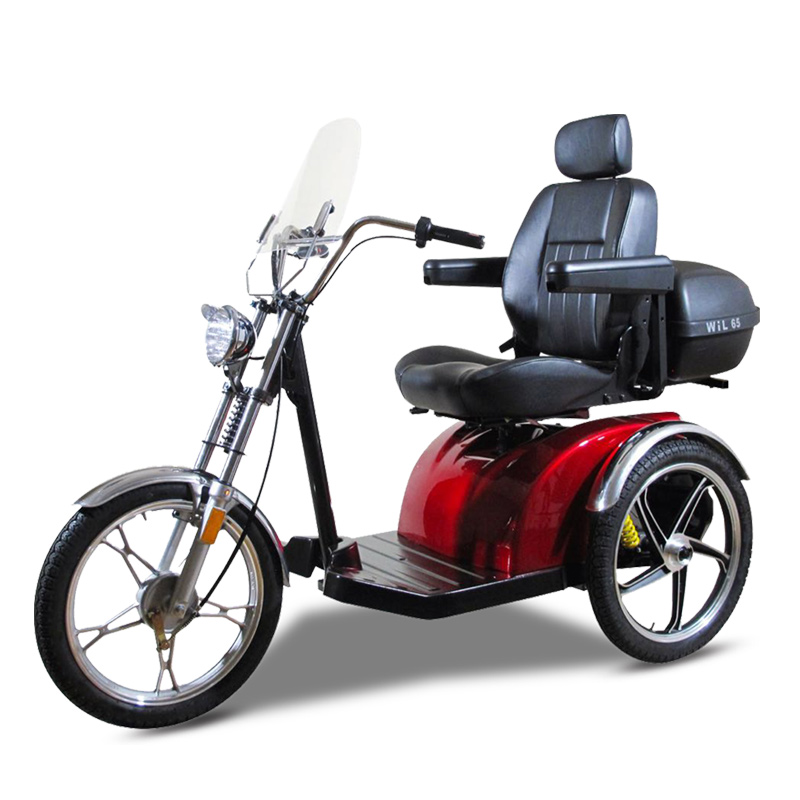
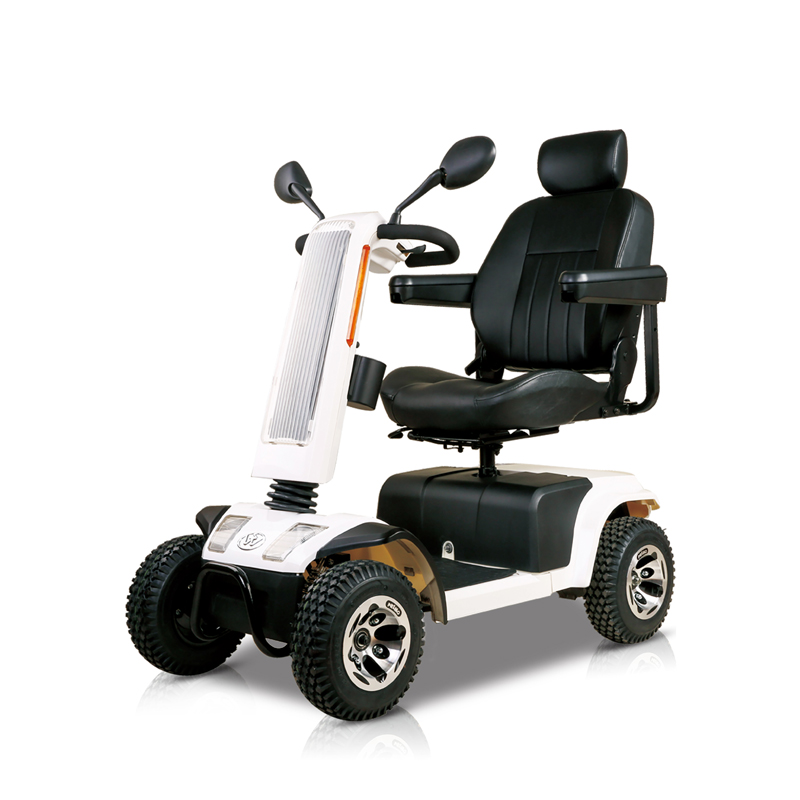
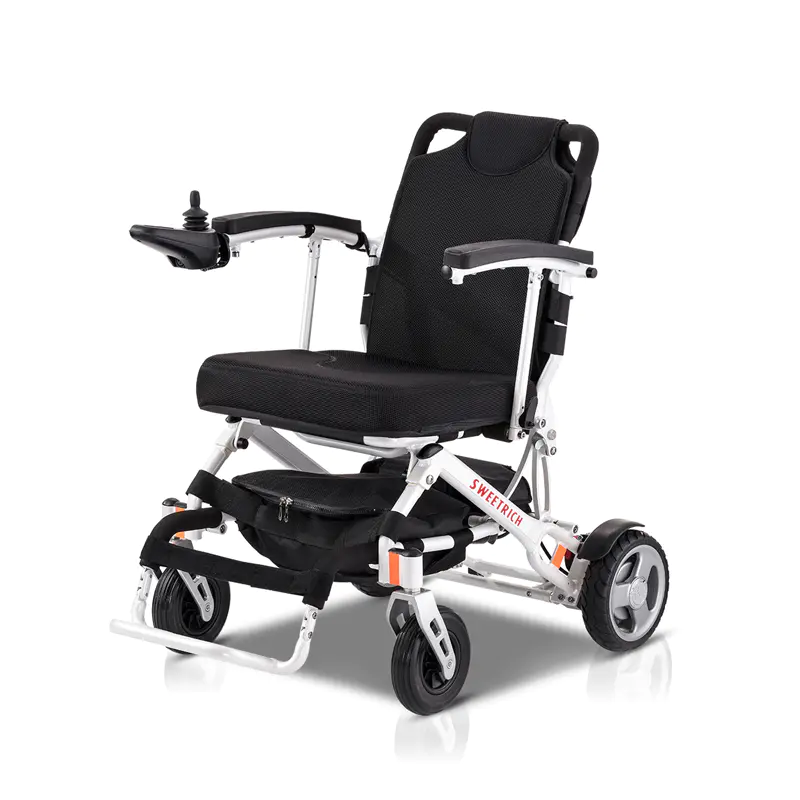
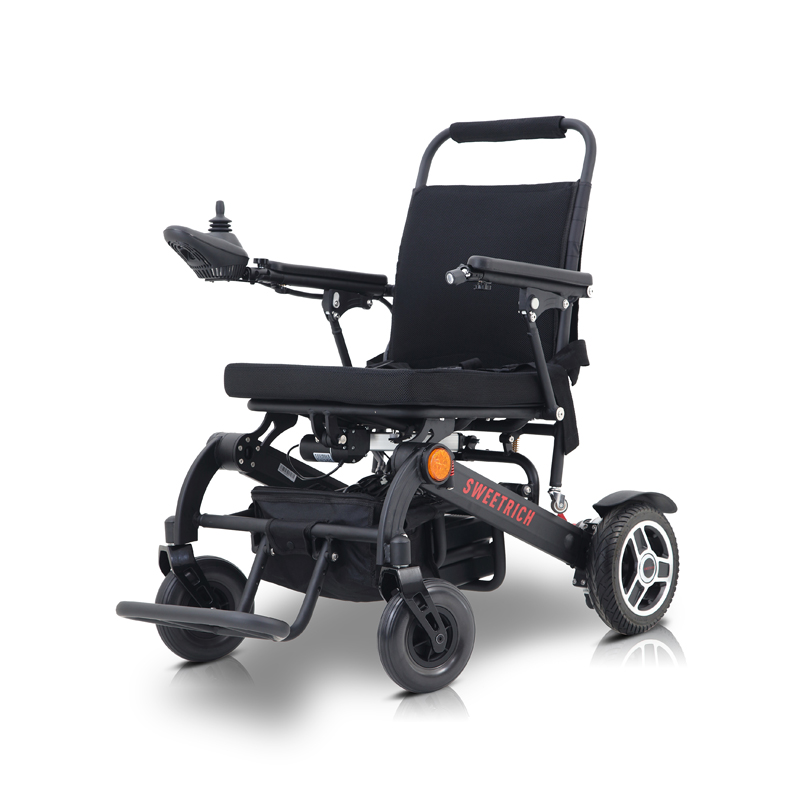
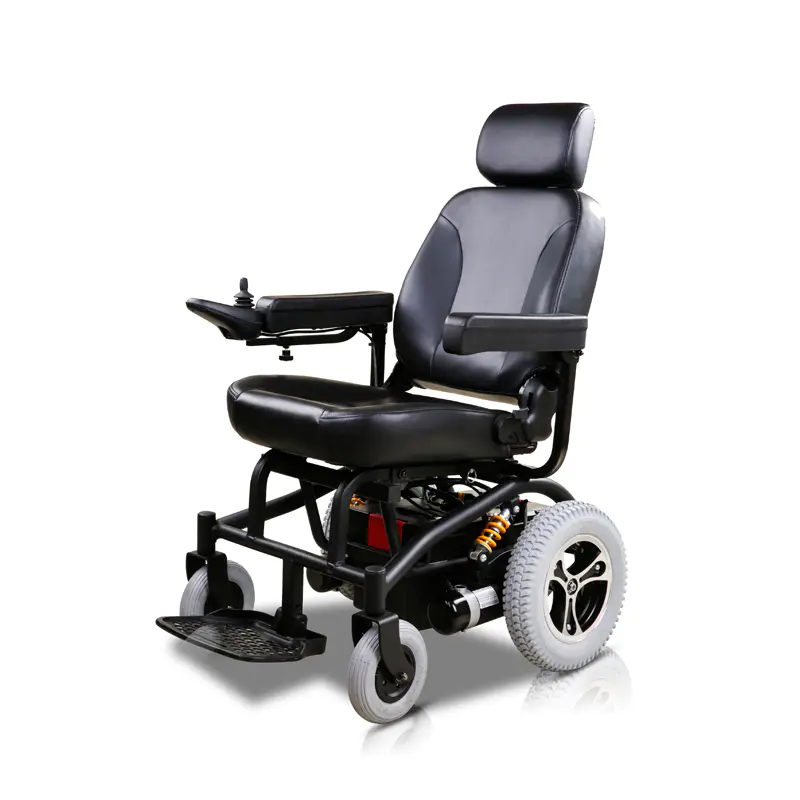
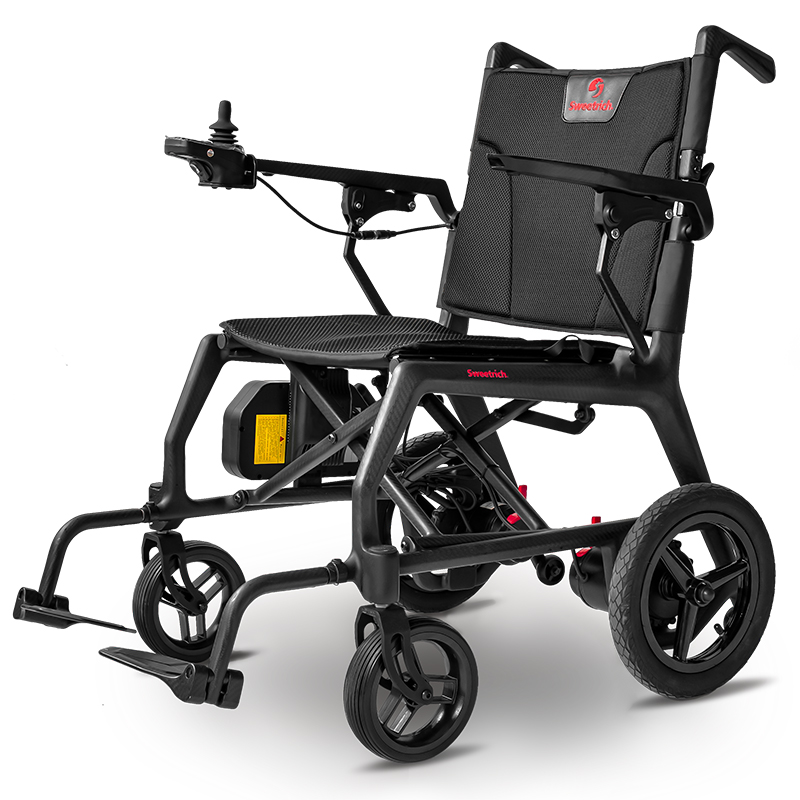
Electric wheelchairs have brought clear gains in range and reduced effort. A single battery charge can cover distances that would exhaust even a strong manual user. Joystick or alternative controls make operation possible for people with limited arm strength. Yet pure electric designs are heavier, harder to transport in a car, and sometimes feel less intuitive on very rough ground. Battery life remains a daily concern, and the higher purchase price can be difficult to justify for someone who still has usable arm strength part of the time.
| Aspect | Key Points |
|---|---|
| Core Advantages | Extended travel range on a single charge; reduces physical effort; joystick and adaptive controls support users with limited upper-body strength. |
| Ease of Operation | Simple, intuitive control interfaces; stable performance across indoor surfaces; suitable for users who cannot self-propel manually. |
| Practical Limitations | Higher overall weight makes transport and storage more challenging; less convenient for frequent car travel; maneuvering on rough terrain may feel less natural. |
| Battery Considerations | Requires regular charging; range varies with terrain and user habits; battery anxiety can be part of daily planning. |
| Cost Factors | Higher purchase cost compared to manual chairs; may not be ideal for users who retain partial self-propulsion ability and do not need continuous powered use. |
Hybrid Wheelchairs: Choosing the Right Mode for the Moment
A hybrid wheelchair lets the user decide, moment by moment, whether to push manually or engage electric assistance. On a smooth hallway floor, manual mode keeps the chair light and gives useful exercise. On a long ramp or gravel path, a touch of a switch adds power exactly where it is needed. The hybrid systems feel seamless: the transition between modes happens without awkward pauses, and the added components do not turn a nimble manual chair into a bulky electric one.
Several practical approaches have emerged from this idea:
- Add-on power units that clip to an existing manual frame and can be removed in seconds when not required.
- Built-in hub motors that stay almost invisible until activated, preserving the clean lines and low weight of a manual chair.
- Systems that sense pushing effort and add just enough assistance to keep the workload comfortable, sometimes called "power-on-demand."
The value of these designs shows clearest in real routines. A university student might wheel manually across campus to stay active, then switch to power for the uphill return when fatigue sets in. Someone living in a hilly neighborhood can preserve shoulder health on steep streets without buying a full-time power chair. The flexibility also extends battery life, because power is used only when truly helpful.
Alternative Concepts that Rethink the Form
While hybrid designs refine existing ideas, alternative concepts question the basic shape and function of a wheelchair.
Standing wheelchairs allow a smooth shift from sitting to a supported standing position. The health effects—better circulation, stronger bones, easier breathing—are well documented, but users also speak about social benefits: eye-level conversation, reaching a high shelf, or simply feeling less "seated" in a room full of standing people.
All-terrain and beach wheelchairs use wider, lower-pressure tires or tracked systems to cross grass, sand, or forest paths. Instead of forcing the environment to adapt with ramps and smooth surfaces, these chairs let the user meet the landscape on its own terms.
Modular frames take another direction. A single base chair can accept different wheel sets, seats, or power modules depending on the day's plans. One configuration works for office and public transport; another swaps in rugged wheels for a weekend outdoors. The chair grows and changes with the user instead of being replaced entirely every few years.
Ergonomic and aesthetic redesigns also matter. Seats that tilt and recline in coordinated motion reduce pressure injuries. Frames built from lightweight composites lower the effort of lifting the chair into a car. Color choices, streamlined shapes, and removable branding let the device reflect personal style rather than medical necessity.
Assistive Layers that Enhance, Not Replace, Ability
Technology works when it amplifies what a person can already do.
Eye-tracking and sip-and-puff controls open powered mobility to people with very limited movement. Head-array systems translate small head motions into precise steering. Brain-computer interfaces, though still early, have allowed a few users to drive a wheelchair by thought alone in controlled settings.
Environmental control is another growing area. A wheelchair that can open an automatic door, adjust room lighting, or call an elevator through a single command removes dozens of small frustrations each day.
Obstacle-avoidance systems use ultrasonic or laser sensors to slow the chair gently if something enters the path—useful in crowded hallways or when visibility is low. Unlike full autonomy, these systems act as an extra pair of eyes rather than taking over control.
Looking Toward Practical Future Developments
Several realistic trends are already taking shape:
- Batteries that charge faster and last longer without adding weight.
- Materials that combine strength with low mass, making both manual and powered chairs easier to handle.
- Standardized connection points so accessories—power add-ons, standing mechanisms, different wheels—swap between chairs the way lenses swap on a camera.
- Recycling programs and durable construction that keep chairs in use longer and reduce waste.
- Design processes that begin and end with extended user trials rather than laboratory assumptions.
Cost and regulation remain the largest hurdles. Advanced components raise the initial price, and approval processes for new features can take years. Many users rely on insurance or government funding that updates slowly. Creative funding—shared community devices, rental programs for short-term needs, and second-hand certification schemes—offer partial answers while broader affordability improves.
| Category | Key Points | Practical Impact |
|---|---|---|
| Battery Advances | Faster charging; longer runtime without extra weight | Extends daily use; less downtime; improves travel independence |
| Lightweight Materials | Strong, low-mass composites for frames and components | Easier handling; reduced fatigue; better transportability |
| Standardized Interfaces | Universal mounting points for add-ons and accessories | Interchangeable modules; easier upgrades; customizable setups |
| Sustainability Initiatives | Recycling programs; longer-life construction | Lower waste; extended service life; reduced replacement frequency |
| User-Centered Design | Development based on real-world user trials | Better ergonomics; higher satisfaction; improved functional performance |
| Cost & Regulation Challenges | High component cost; slow approval processes | Delays adoption; limits access for users depending on funding |
| Alternative Funding Models | Community-shared devices; rentals; certified second-hand programs | More affordable access; flexible short-term solutions |
Placing Users at the Center
Every successful advancement in this field traces back to sustained conversation with people who actually use wheelchairs. Engineers may propose elegant technical solutions, but only users can say whether a feature helps on a Tuesday morning rush or simply adds complexity.
Co-design workshops, long-term loan programs for prototypes, and open feedback channels have replaced the older model where a company designed in private and then hoped for acceptance. When a new tilt mechanism, joystick position, or battery placement survives six months of daily life with a range of users, it earns its place.
Therapists, caregivers, and family members contribute valuable perspective, but the final decision on what feels right rests with the person sitting in the chair. That principle—simple, obvious, yet sometimes overlooked—guides the entire evolution of modern mobility devices.
Why choose Sweetrich wheelchairs
Assistive devices are no longer just for getting people from one place to another. They help people focus their energy on what truly matters in life, reach previously inaccessible areas, and express their individuality through movement. Hybrid wheelchairs offer real flexibility to meet the ever-changing needs of the day. Traditional folding wheelchairs are not the only solution. Assistive technologies reduce friction while ensuring user control.
Companies with a "user-centric" philosophy are shaping a more inclusive future. Sweetrich focuses on tangible improvements, not gimmicks, enabling them to consistently provide solutions that people use every day, whether for daily commutes or weekend getaways.