
 +86-(0)512-82283871
Content
- 1 Material Choices That Endure Frequent Folding Cycles
- 2 Arrangement of Components for Controlled and Even Motion
- 3 Systems That Reduce Friction for Effortless Movement
- 4 Operation Shaped by Everyday Use Patterns T
- 5 Locking That Keeps Everything Steady
- 6 How Folding Works Together with the Rest of the Scooter
- 7 Basic Maintenance to Keep Folding Reliable
- 8 Real-Life Gains from a Well-Designed Folding System
- 9 Responding to Typical Worries with Smart Design
- 10 Quiet Support for a More Independent Life
- 11 Sweetrich Foldable Scooter
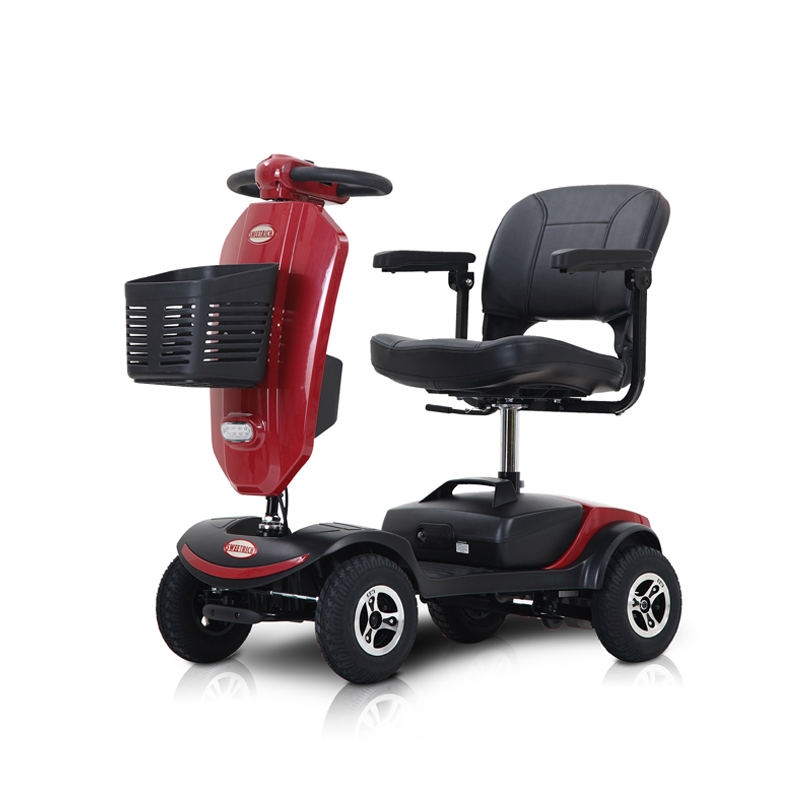
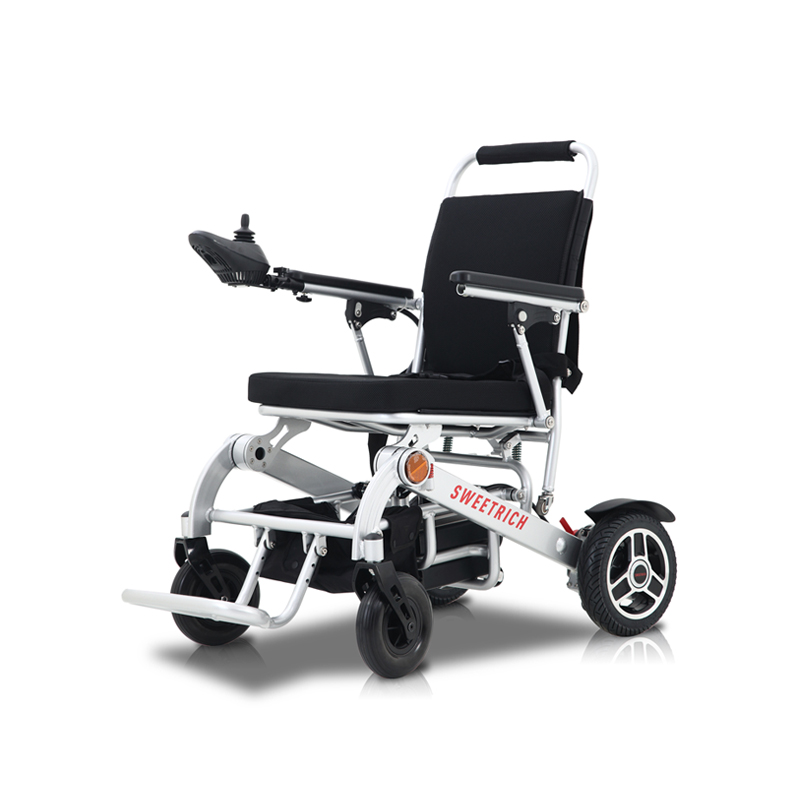
Foldable mobility scooters from Foldable Scooter Factory offer a practical solution for older adults and individuals with walking difficulties who want to stay active without being limited by bulky equipment. The ability to collapse the scooter into a smaller size after use makes storage straightforward in apartments, closets, or entryways, and transport easier in car trunks, on buses, or during family trips. This feature addresses common challenges such as limited living space or the need to move between home and community locations, allowing users to incorporate the scooter into daily routines like short errands, park visits, or social gatherings.
The folding mechanism stands at the center of this practicality. It enables the scooter to transition from a stable riding configuration to a compact form through controlled, repeatable steps. When designers focus on how people actually handle the device—considering hand reach, strength variations, and typical storage scenarios—the process becomes reliable and low-effort. Aspects such as material durability, balanced component arrangement, friction reduction, intuitive operation, and secure positioning after folding all contribute to consistent performance. These elements work together so that users can fold the scooter at the end of an outing and unfold it again later without hesitation or assistance.
In homes with narrow hallways or vehicles with modest cargo space, the compact folded state opens up possibilities that fixed-frame scooters often cannot match. Users report feeling more flexible in planning activities because the scooter no longer occupies permanent floor area or requires dedicated transport arrangements.
Material Choices That Endure Frequent Folding Cycles
Materials in the folding mechanism need to withstand repeated opening and closing while keeping the overall scooter manageable to handle. Aluminum alloys and stainless steel often appear in hinges, pivots, and connecting sections because they combine good strength with relatively low weight. This balance allows the folded scooter to lift or roll easily without excessive strain on arms or back, which benefits users whose physical capabilities fluctuate day to day.
| Aspect | Material Choices | Key Benefits | User Advantage |
|---|---|---|---|
| Durability under repeated use | Aluminum alloys, stainless steel | High strength + low weight in hinges, pivots, connectors | Withstands frequent folding/unfolding cycles |
| Weight management | Aluminum alloys, stainless steel | Keeps folded scooter light and easy to handle | Easier to lift, roll, or carry with limited strength |
| Practical impact | Balanced strength-to-weight ratio | Reduces strain on arms/back during handling | Supports users with varying daily physical ability |
Resistance to corrosion plays a role when scooters encounter outdoor conditions, moisture from rain, or occasional indoor spills. Surfaces that hold up against these elements avoid pitting or surface changes that could to rough spots in the joints over time. The result is a folding action that remains fluid months or years after purchase, without the gradual increase in effort that might occur with less suitable selections.
The materials also maintain dimensional stability under load. Hinges and pins resist bending or elongation even after hundreds of cycles, preventing looseness that could cause misalignment during folding. In everyday use, this consistency means a user folding the scooter after a grocery trip experiences the same smooth motion as on the day, building trust in the device's reliability.
Designers match material properties across the mechanism and main frame to avoid uneven wear or stress points. When all parts expand and contract at similar rates with temperature changes, the folding process stays aligned regardless of season. This attention to detail supports long-term usability without frequent adjustments.
Arrangement of Components for Controlled and Even Motion
The positioning of hinges, pivot points, and support arms influences how smoothly the scooter collapses and expands. A well-planned layout spreads forces evenly across the structure during the transition, minimizing any tendency for sections to bind, twist, or require extra pushing midway. Engineers consider the scooter's center of weight and average user proportions when determining angles and lengths, ensuring the handlebars, seat post, and wheels move in coordinated arcs.
This even distribution prevents one side from dropping faster than the other, which could otherwise create an unbalanced feel or demand corrective force. The mechanism often guides the rear section inward toward the front in a gentle curve, allowing the frame to nest compactly without sudden halts. Users appreciate how this predictability reduces physical demand, especially on days when coordination feels less sharp.
Space constraints in real environments shape the layout as well. Components fold inward rather than outward to avoid bumping walls, furniture, or car doors during the process. The folded profile sits flat and low, fitting neatly in trunks, under seats, or against walls for storage. Small refinements in pivot placement make the compact shape stable on the ground, reducing the chance of it tipping when leaned temporarily.
In practice, this thoughtful arrangement lets users complete the fold in confined areas like apartment doorways or parking lots. The guided motion requires minimal guidance, so even with limited hand strength, the scooter responds predictably. Over repeated use, the familiarity encourages more outings because returning home and storing the device feels uncomplicated.
Systems That Reduce Friction for Effortless Movement
Pivot joints and sliding sections perform when friction stays low and consistent. A light application of appropriate lubricant creates a protective film that allows metal surfaces to glide past one another without grinding or sticking. This layer keeps the folding action quiet and fluid, turning what could be a jerky process into one continuous motion.
The lubricant also acts as a shield against fine dust, sand, or pollen that might enter during outdoor rides. By limiting buildup inside the joints, it helps prevent the slow development of resistance that comes from accumulated particles. Users who apply a small amount periodically—typically every few months—find the mechanism continues to operate smoothly across seasons.
Daily benefits include reduced hand fatigue and no unexpected noises during folding. A person unfolding the scooter before heading to a community event encounters no catches or squeaks, letting them settle into the seat quickly. The lower wear on contact points extends joint life, meaning the scooter remains dependable without early signs of stiffness.
Access points for lubrication stay simple and reachable, so basic care fits easily into routine maintenance. This approach suits independent users who prefer handling upkeep themselves, keeping the folding feature ready for whenever needed.
Operation Shaped by Everyday Use Patterns T
he folding system is built around the way people naturally handle the scooter in ordinary moments—considering arm length, how firmly hands can grasp, and the typical order of stepping off and putting things away. Simple controls, whether a button to press, a lever to pull, or a twist to release, let users finish the job in one or two clear movements. Often a single push unlocks a latch, and a light upward motion guides the frame neatly into its closed position.
These features take into account days when fingers feel stiff or energy runs low. The controls activate with reasonable pressure and do not demand a strong squeeze. Raised edges, different shapes, or contrasting colors on the handles make each step easier to recognize, even in softer lighting or when eyesight is not at its best. After trying the sequence a handful of times in an open spot, it usually becomes second nature.
Other parts of the scooter help make folding smoother still. The seat sometimes drops down on its own as the frame closes, or the steering column folds in sync with the main action, so there is no need to adjust things separately. Many people find they can fold right after getting off, turning the change from riding to storing into one quick flow.
Everyday examples show why this matters. After a short walk around the block, someone can fold the scooter just inside the doorway and wheel the smaller unit to its spot without asking for help. Because the task takes little time or strength, people feel more willing to head out on the spur of the moment. That small difference in effort often leads to more time spent outside the house and more regular contact with neighbors or community activities.
Locking That Keeps Everything Steady
Solid locks hold the scooter firmly whether it is fully open for riding or folded for carrying and storage. They stop the frame from shifting due to road bumps, light knocks, or vibrations while in transit. Spring-loaded pins, simple buckles, or catch mechanisms usually snap into place automatically once the folding or unfolding finishes, giving a noticeable click or solid feel that tells the user everything is secure.
Releasing the lock takes a purposeful action, which keeps it from opening by mistake when children, pets, or accidental bumps come into play. During car trips the lock keeps the compact shape stable in the trunk or on a back seat. In storage it prevents the scooter from slowly unfolding and taking up extra room.
People feel more at ease knowing the scooter will stay exactly as they left it. Loading it into a vehicle becomes a calm step instead of something that needs constant watching. The lock components wear slowly and show clear signs when they need attention, so minor care prevents bigger issues later.
Regular cleaning and quick visual checks keep the locks working smoothly. This straightforward upkeep helps the folding system remain dependable year after year, quietly supporting the freedom to move around independently.
How Folding Works Together with the Rest of the Scooter
The folding design connects smoothly with the seat, steering tiller, wheels, and electrical parts to create one complete vehicle. As the frame closes, the seat often lowers and the tiller collapses in the same motion, shrinking the overall size without leaving loose pieces or requiring additional handling. Battery cables and wiring are routed with enough flexibility to bend safely during the change, so power systems stay protected whether the scooter is open or closed.
Even when folded, some controls stay within reach for a fast battery check or power status glance before opening it up again. The whole setup follows a logical rhythm—ride, fold, store, unfold, ride—that matches the natural pattern of daily use.
Basic Maintenance to Keep Folding Reliable
Keeping the folding mechanism in good shape requires only simple habits. A quick wipe of the joints clears away dust or grit, and a look-over every so often catches any looseness or unusual wear early. Adding a light lubricant now and then—following the guidance that comes with the scooter—keeps movements easy and quiet. None of these steps call for special tools or technical know-how. Staying consistent with them ensures the folding action continues to feel effortless over time.
Real-Life Gains from a Well-Designed Folding System
In actual daily living, a dependable folding mechanism changes how people organize their time. Those in smaller homes can tuck the scooter next to a chair or in a corner after shopping, freeing up floor space right away. Drivers can lift the folded unit into the car trunk quickly for doctor visits, family gatherings, or leisure trips, opening up destinations that once felt too complicated.
The smaller size makes it possible to bring the scooter along on public buses, trains, or rides with relatives to places like community gardens, local markets, or evening events. Many users say they join in more often because the practical side of getting there and back no longer feels overwhelming.
Responding to Typical Worries with Smart Design
A few people wonder whether a scooter that folds can be as steady when riding as one that stays fixed. Careful weight balance and strong materials keep the riding position solid while still allowing the collapse. Others are concerned the folding steps might be tricky or time-consuming. Clear, guided actions and a short learning curve usually solve that—most people feel comfortable after practicing just a couple of times in a safe area.
| Common Concern | Explanation / Solution | Outcome / Benefit |
|---|---|---|
| Stability during riding (foldable vs fixed) | Careful weight balance and strong materials maintain solid riding position while allowing folding | Riding feels steady and secure, no compromise on safety |
| Folding steps seem tricky or time-consuming | Clear, guided actions with a short learning curve; practice needed only a few times in a safe area | Most users become comfortable quickly and fold confidently |
Quiet Support for a More Independent Life
When strong materials last, parts move in balance, resistance stays minimal, handling feels instinctive, and locks hold securely, the folding mechanism becomes an unobtrusive helper. It gives users the comfort of seated travel during outings and the ease of compact storage when the day is done, linking indoor comfort with outdoor freedom in a natural way.
This approach helps older adults and those with reduced mobility keep living spaces tidy and daily plans open. Short local trips turn into regular habits because coming home and putting the scooter away takes almost no extra thought. Over the long run, a folding system that works reliably helps preserve social ties, physical activity, and a steady sense of control over one's own schedule.
Sweetrich Foldable Scooter
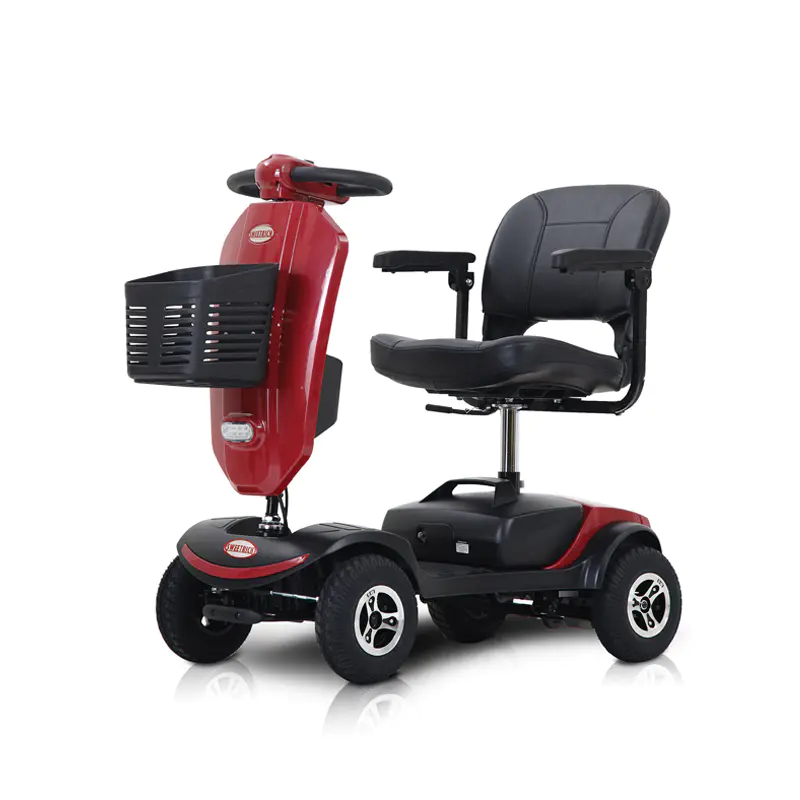
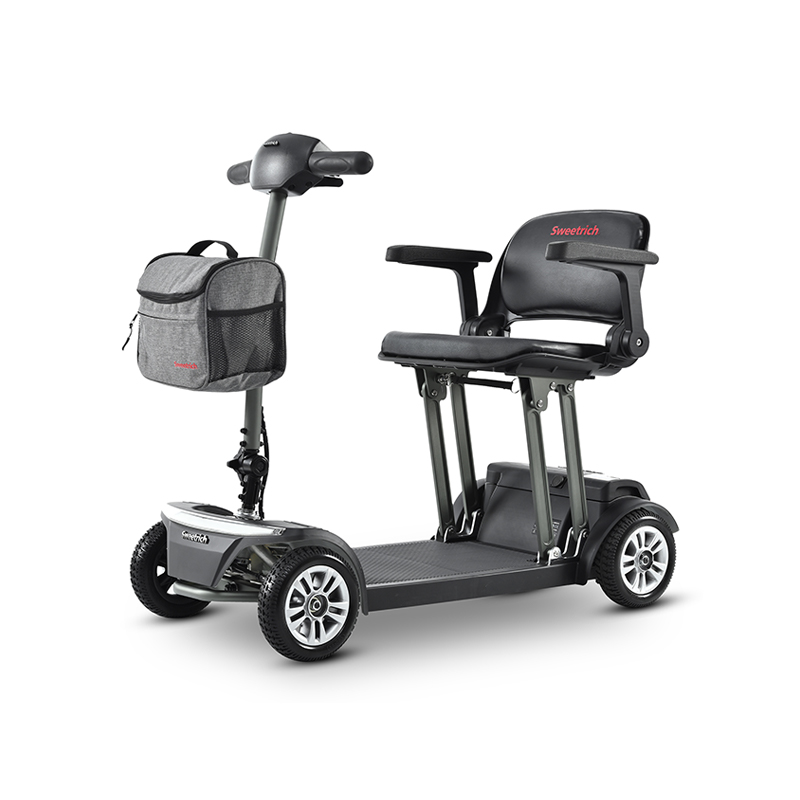
Sweetrich Foldable Scooter brings thoughtful engineering directly to the everyday realities faced by older adults and people with limited mobility, delivering a vehicle that combines reliable seated travel with genuinely practical compactness. By integrating durable materials that withstand repeated folding cycles, balanced component layouts for steady motion, low-friction systems for effortless operation, intuitive controls shaped around natural hand movements, and automatic locks that hold position securely, the design makes transitioning from ride to storage feel natural rather than cumbersome.
Users can complete outings to local shops, community centers, or quiet parks knowing the scooter folds quickly at the door, fits neatly in limited spaces, and unfolds just as smoothly the next time—without demanding extra strength or complicated steps. This seamless integration supports spontaneous decisions to get out more often, keeps living areas uncluttered, and quietly reinforces the freedom to stay connected and active on one's own terms.
As daily needs evolve, Sweetrich Foldable Scooter remains a dependable companion that adapts to real-life rhythms rather than forcing users to adjust around it.