
 +86-(0)512-82283871
Content
- 1 What Suspension Systems Are Typically Found on Portable Scooters?
- 2 What Suspension Systems Are Typically Found on Travel Scooters?
- 3 How Does Suspension Affect Ride Comfort on Different Surfaces?
- 4 Why Are Portable Scooters Designed with Limited Suspension?
- 5 Why Are Travel Scooters Built with More Advanced Suspension?
- 6 Does Suspension Affect Battery Life and Power Consumption?
- 7 What Role Does Weight Play in Suspension Design Choices?
- 8 Why Does the Choice Between Scooter Types Come Down to Use Case?
Mobility scooters come in different forms because people use them in different ways. A scooter that gets folded and lifted into a car trunk has a different set of priorities than one that stays assembled and covers miles of pavement each day. Those priorities influence everything about the design, including how the suspension works.
Suspension exists to smooth out the bumps and dips that come from the surface underneath the wheels. A scooter rolling across a supermarket floor sees very little of that. One rolling across a cracked sidewalk sees plenty. The kind of surface the scooter encounters often dictates what kind of suspension makes sense.
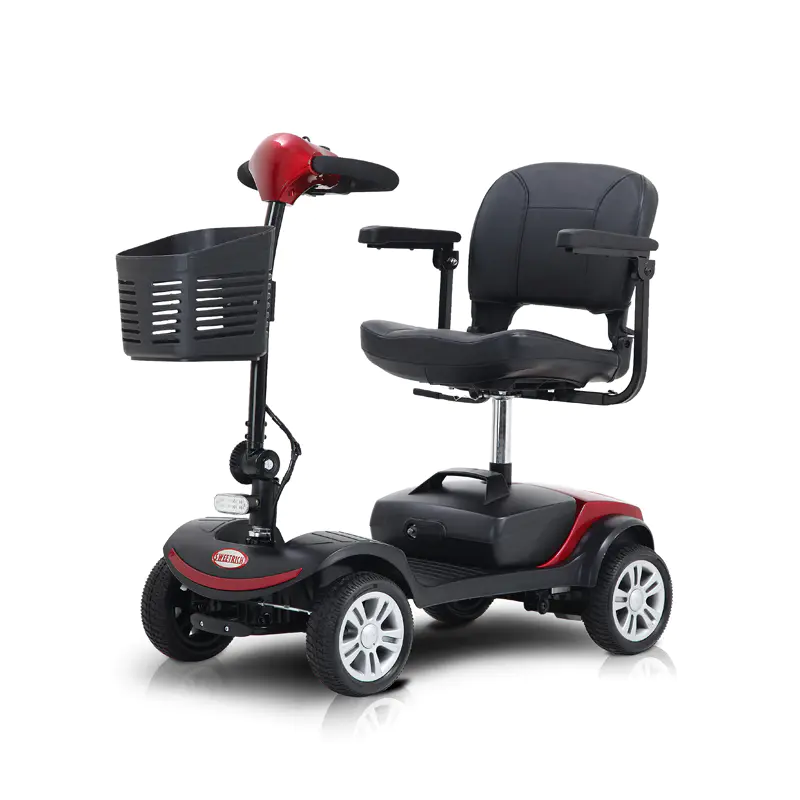
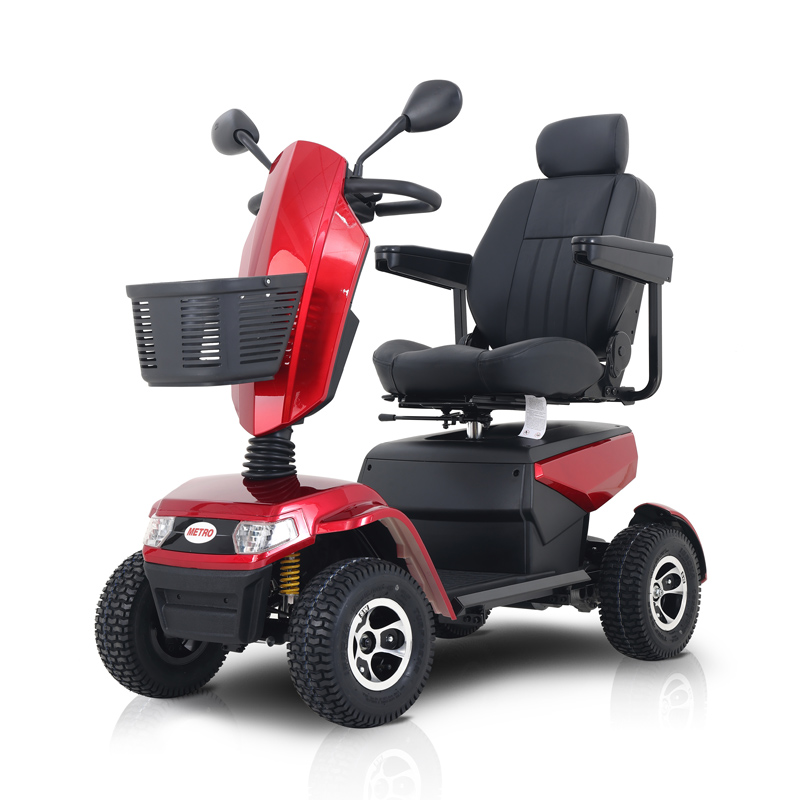
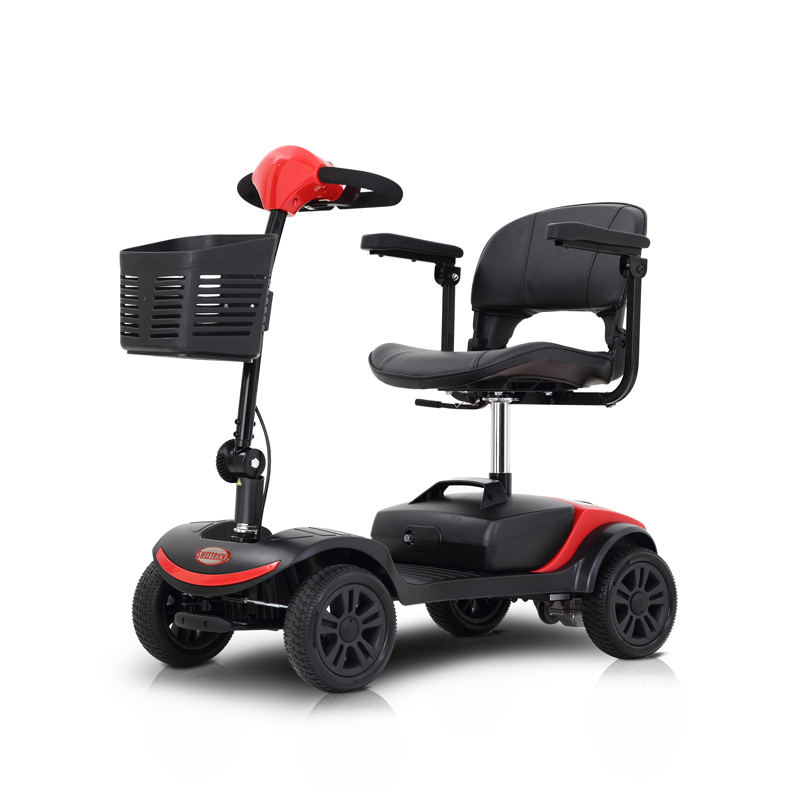
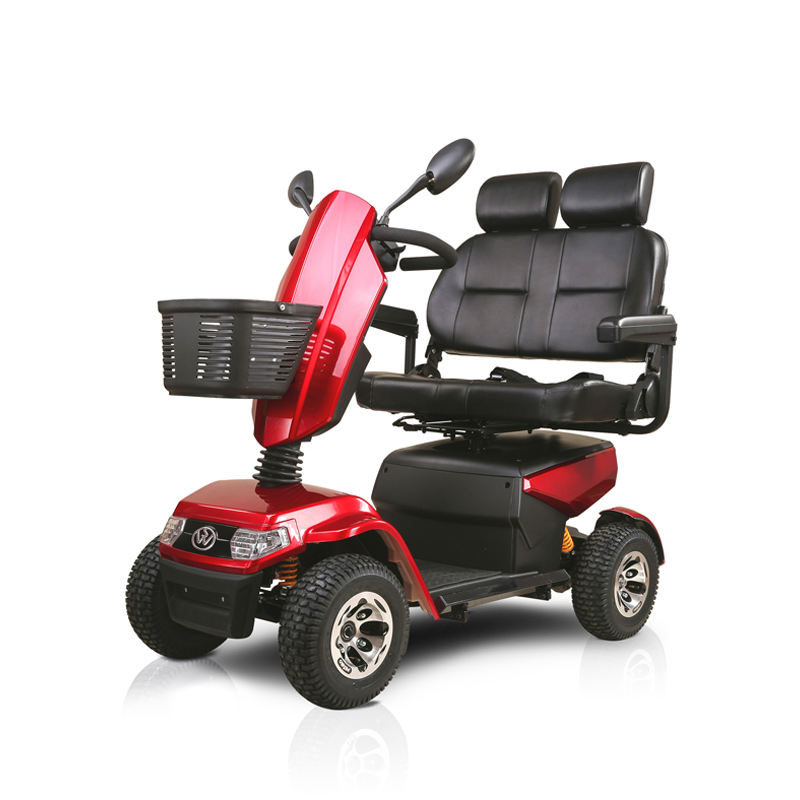
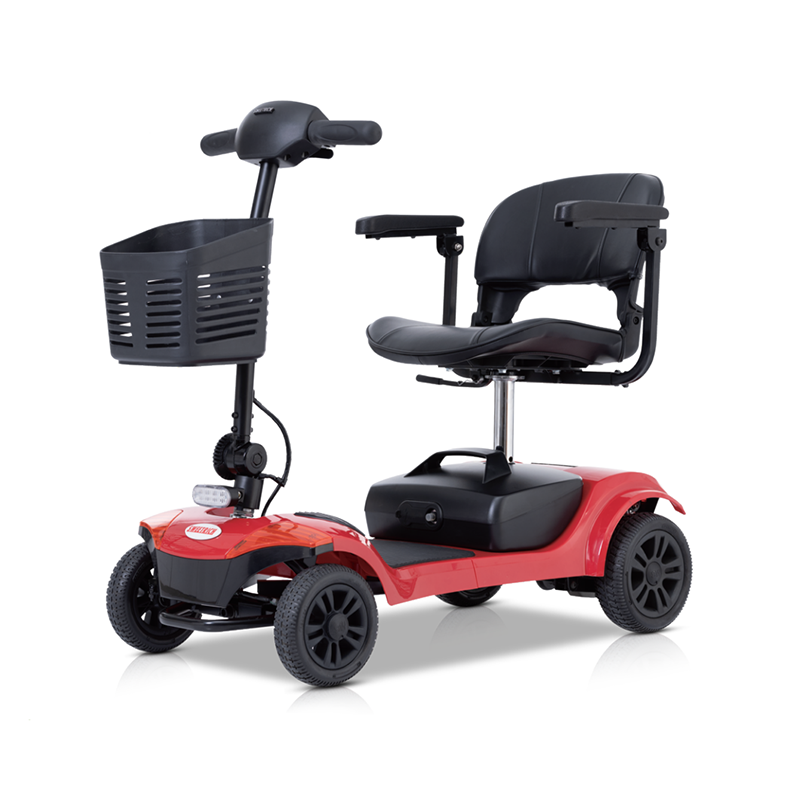
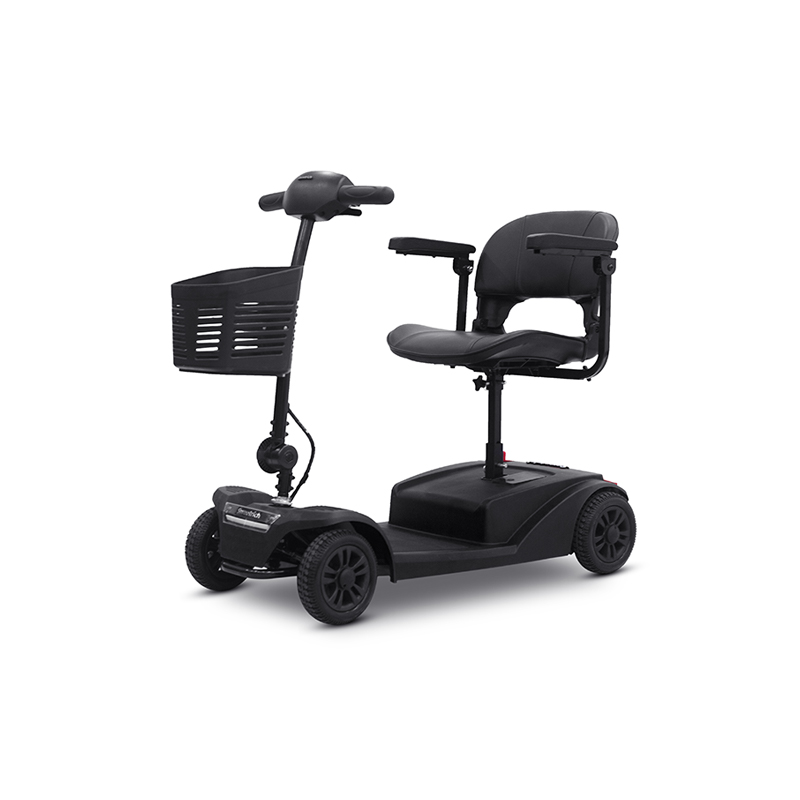
A Portable 3 Wheel Scooter carries the expectation of light weight and easy handling. It breaks down into pieces that one person can lift. A Travel 3 Wheel Scooter carries the expectation of comfort over distance. It stays assembled and spends more time on outdoor surfaces.
What Suspension Systems Are Typically Found on Portable Scooters?
Portable scooters often rely on simple spring designs. A coil spring sits between the wheel and the frame, compressing when the wheel hits a bump. The spring absorbs some of the shock, but the system has limited travel and limited damping.
Elastomer suspension shows up on some portable models. A block of rubber-like material compresses under load and returns to its shape when the load releases. The system has no moving parts and requires no lubrication. It adds little weight and does not complicate the folding mechanism.
Full independent suspension rarely appears on portable scooters because it adds weight and complexity. The manufacturer makes a deliberate choice to keep the suspension simple. The scooter gives up some ride quality to achieve portability.
What Suspension Systems Are Typically Found on Travel Scooters?
Travel scooters often include full independent suspension on all wheels. Each wheel moves separately, responding to the surface beneath it without affecting the other wheels. The scooter stays level and stable even when one wheel hits a bump.
Coil-over shock absorbers appear on many travel scooters. The coil spring supports the weight, and the shock absorber controls how quickly the spring rebounds. The arrangement absorbs larger shocks and keeps the ride controlled.
The suspension on a Travel 3 Wheel Scooter makes a noticeable difference on uneven ground. The rider feels fewer jolts, and the scooter tracks more predictably.
How Does Suspension Affect Ride Comfort on Different Surfaces?
A portable scooter passes more road vibration through to the rider. The wheels follow the contours of the surface, and the frame transmits those movements to the seat. Short trips on smooth surfaces do not cause much discomfort, but longer trips on rough surfaces become tiring.
A travel scooter isolates the rider from much of that vibration. The suspension absorbs the movement before it reaches the frame. The ride stays smooth, and the rider stays fresh for longer.
| Characteristic | Portable 3 Wheel Scooter | Travel 3 Wheel Scooter |
|---|---|---|
| Suspension type | Lightweight spring or elastomer | Full independent suspension |
| Ride comfort on smooth surfaces | Acceptable | Good |
| Ride comfort on uneven surfaces | Limited | Good |
| Weight added by suspension | Minimal | Moderate to high |
| Maintenance requirements | Low | Moderate |
| Typical use environment | Indoor, smooth outdoor | Outdoor, varied terrain |
Why Are Portable Scooters Designed with Limited Suspension?
Folding and disassembly matter more to portable scooters than ride comfort. A scooter that breaks down into manageable pieces cannot carry heavy suspension components. Every extra kilogram makes the scooter harder to lift and carry.
Suspension components add weight and take up space. A shock absorber weighs more than a solid connection. The added weight would make the scooter less portable. The design reflects the priority placed on easy transport.
The intended use of portable scooters keeps them mostly on smooth surfaces. Indoor floors, paved walkways, and flat paths do not require advanced suspension. The simple suspension handles these surfaces well enough.
Why Are Travel Scooters Built with More Advanced Suspension?
Travel scooters cover longer distances, and longer rides demand more comfort. A jarring ride becomes unbearable after a few miles. The suspension must keep the rider comfortable over the full distance.
Outdoor surfaces vary more than indoor ones. Sidewalks crack, tree roots lift pavement, and streets have potholes. Better suspension handles these conditions without passing the shock through to the rider.
A Travel 3 Wheel Scooter with capable suspension handles rougher terrain than a portable scooter. The rider can travel with confidence over surfaces that would make a portable scooter uncomfortable.
Does Suspension Affect Battery Life and Power Consumption?
Suspension design interacts with how power gets used. A scooter with poor suspension transfers more vibration through the frame. That vibration travels to the battery and electrical connections, gradually loosening terminals and stressing components. The added wear does not drain the battery directly, but it shortens the life of the electrical system.
Rolling resistance changes with suspension setup. A wheel that stays in firm contact with the ground rolls more efficiently than one that bounces and loses traction. Independent suspension keeps each wheel planted, reducing the energy lost to bouncing. The effect is subtle, but over a long ride, the difference in power consumption shows up.
Rider comfort also influences power use indirectly. A rider who feels every bump tends to slow down. Slower travel extends the trip duration and consumes more battery power over time. A smoother ride allows consistent speed, which keeps power use predictable.
What Role Does Weight Play in Suspension Design Choices?
The weight of the scooter determines how much suspension it needs. A lighter scooter puts less force on the springs and shocks. The suspension does not need to handle as much load, so it can be lighter and simpler.
A Portable 3 Wheel Scooter weighs less than a travel model, so its suspension does not need to absorb as much energy. The lighter suspension components keep the overall weight down.
A heavier scooter carries more momentum over bumps. The suspension must control that momentum and prevent the scooter from bouncing. The heavier design needs more robust suspension to maintain stability.
| Characteristic | Portable 3 Wheel Scooter | Travel 3 Wheel Scooter |
|---|---|---|
| Typical weight | Lighter | Heavier |
| Suspension type | Lightweight spring or elastomer | Full independent suspension |
| Suspension travel | Shorter | Longer |
| Load capacity | Lower | Higher |
| Suspension tuning | Firm for light loads | Softer for comfort |
Why Does the Choice Between Scooter Types Come Down to Use Case?
A Portable 3 Wheel Scooter serves a specific purpose. It goes in the car, goes to the store, and comes back. The trips are short, and the surfaces are predictable. The suspension only needs to handle that limited use.
A Travel 3 Wheel Scooter serves a different purpose. It goes for longer rides on varied terrain. The trips last longer, and the surfaces are less predictable. The suspension must handle that wider range of conditions.
The choice between the two comes down to how the scooter gets used. A rider who needs portability chooses the portable scooter. A rider who needs comfort and range chooses the travel scooter. The suspension reflects the intended use.
A few questions that help determine the right scooter type:
- How far does the rider typically travel in a single outing?
- Does the scooter need to be lifted into a vehicle frequently?
- How important is ride comfort compared to transport convenience?
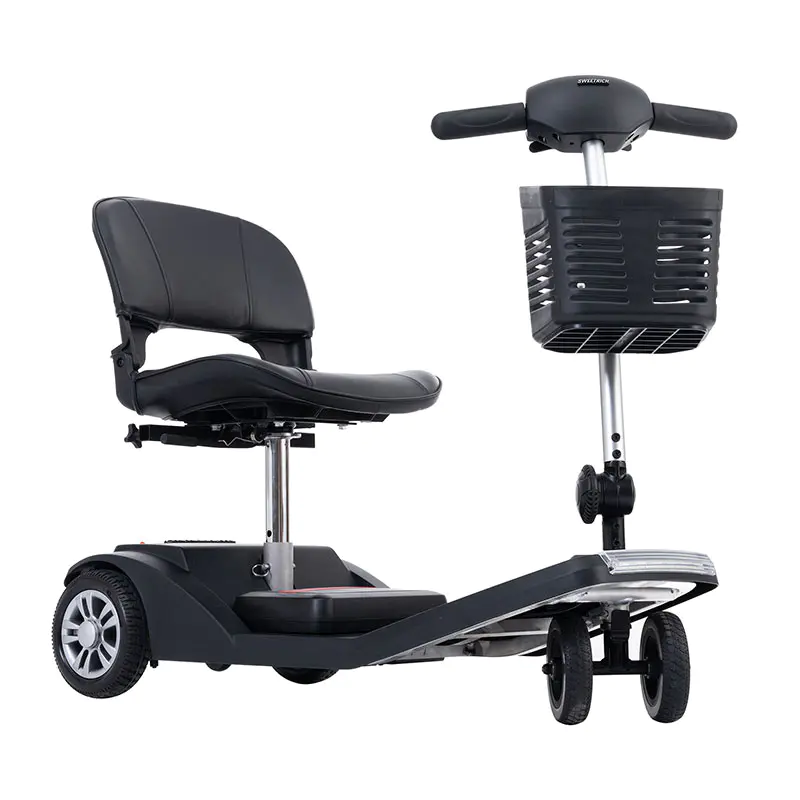
The difference in suspension shows up on surfaces that test the scooter. A smooth supermarket floor feels the same on both types. A cracked sidewalk or a gravel path tells a different story.
On uneven ground, the portable scooter passes every bump through to the rider. The ride feels rough, and the rider slows down. The travel scooter absorbs the bumps, and the ride stays smooth. The rider maintains speed and comfort.
The difference also appears over longer distances. A portable scooter that feels acceptable for a five-minute ride may feel uncomfortable for a thirty-minute trip. The travel scooter keeps the rider comfortable through the longer journey.
The answer to the suspension question depends on how the scooter gets used. A rider who sticks to smooth surfaces may not notice the difference. A rider who ventures onto rougher ground will appreciate the travel scooter's suspension.
The choice between scooter types involves trade-offs. Portability, comfort, weight, and cost all play a role. The suspension difference is one factor among many. Understanding the role of suspension helps riders choose the scooter that matches their needs.