
 +86-(0)512-82283871
Content
- 1 When Should Speed Be Reduced Automatically
- 2 How Do Speed Limitation Features Support Stable Control
- 3 Which Riding Situations Benefit From Different Speed Settings
- 4 Why Is Smooth Acceleration Often More Important Than Rapid Movement
- 5 What Role Does Braking Play in Speed Management
- 6 How Can Daily Riding Habits Improve Speed Safety
- 7 What Should Be Considered Before Choosing a Mobility Scooter With Speed Limitation Features
- 8 How Do Speed Limitation Features Support Everyday Mobility
Speed can feel like the main thing people notice in a mobility scooter, yet daily safety depends on a wider set of conditions that work together during travel. A route may look simple at the start and become more demanding a few minutes later, especially when pavement changes, pedestrians appear, or turning space narrows. In that kind of setting, steady control tends to matter more than going faster.
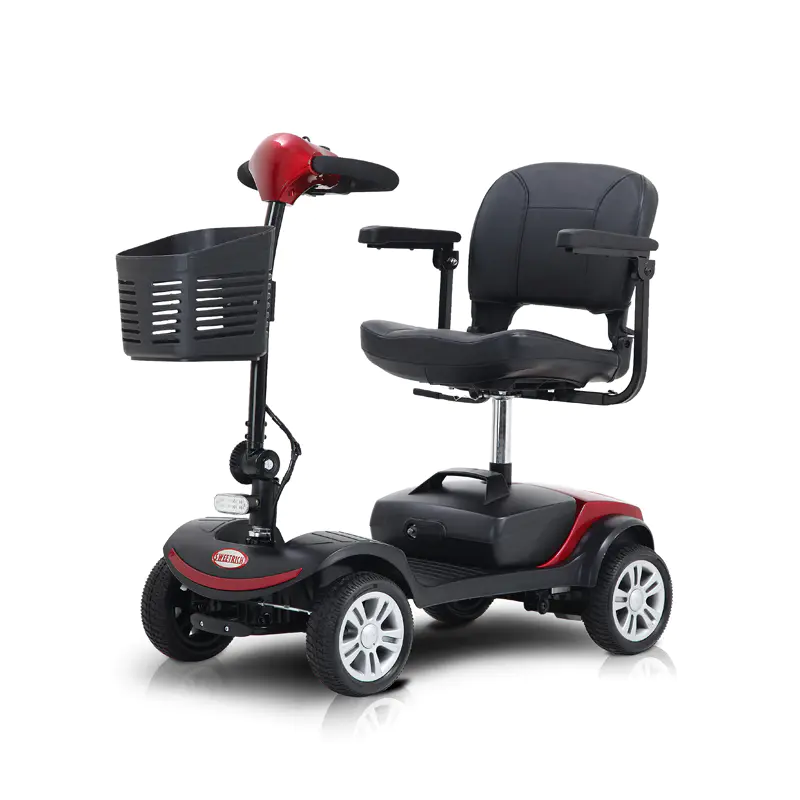
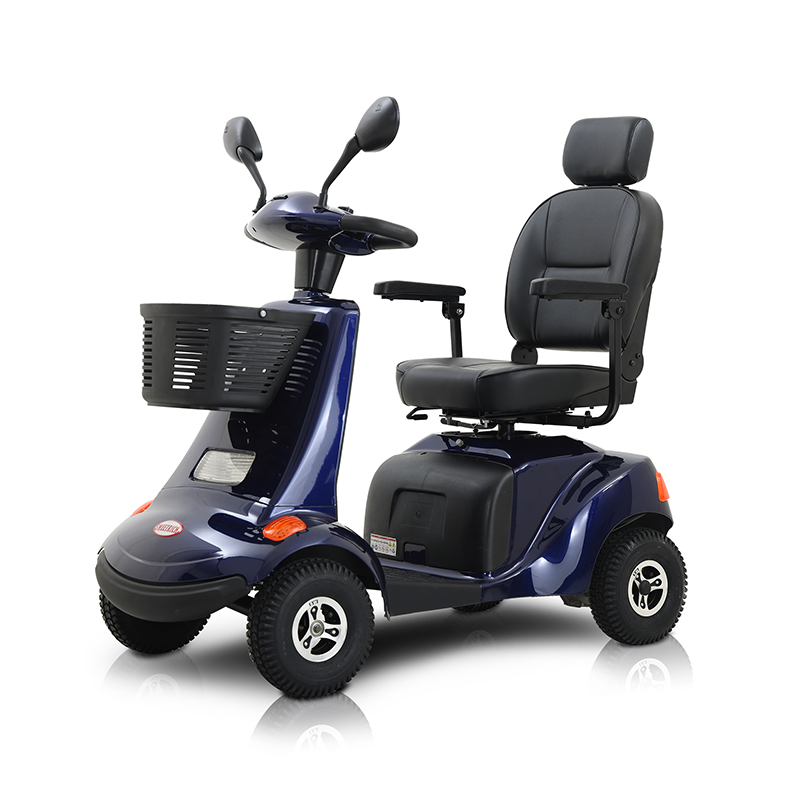
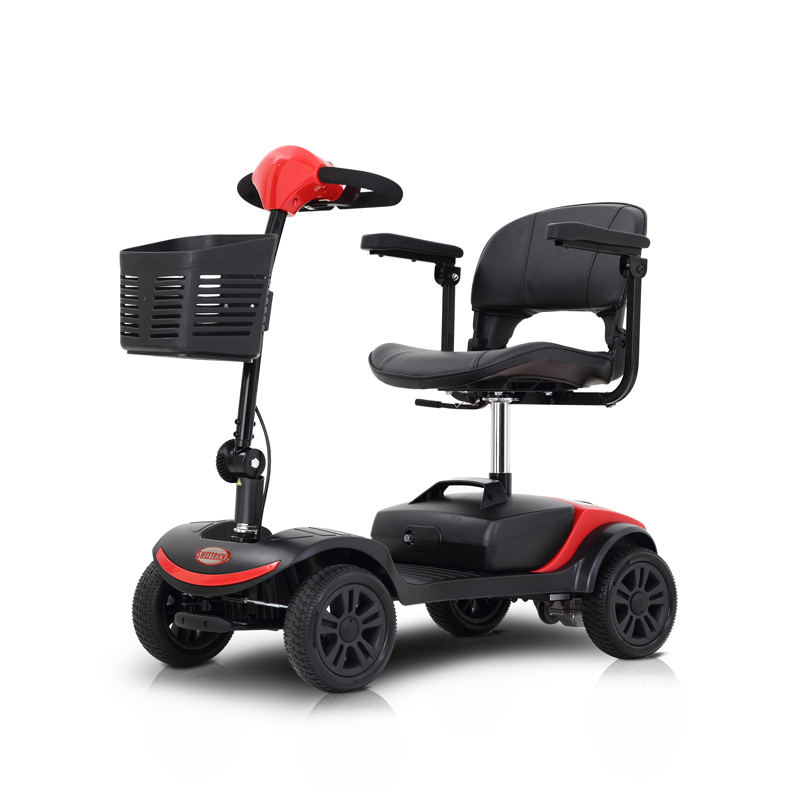
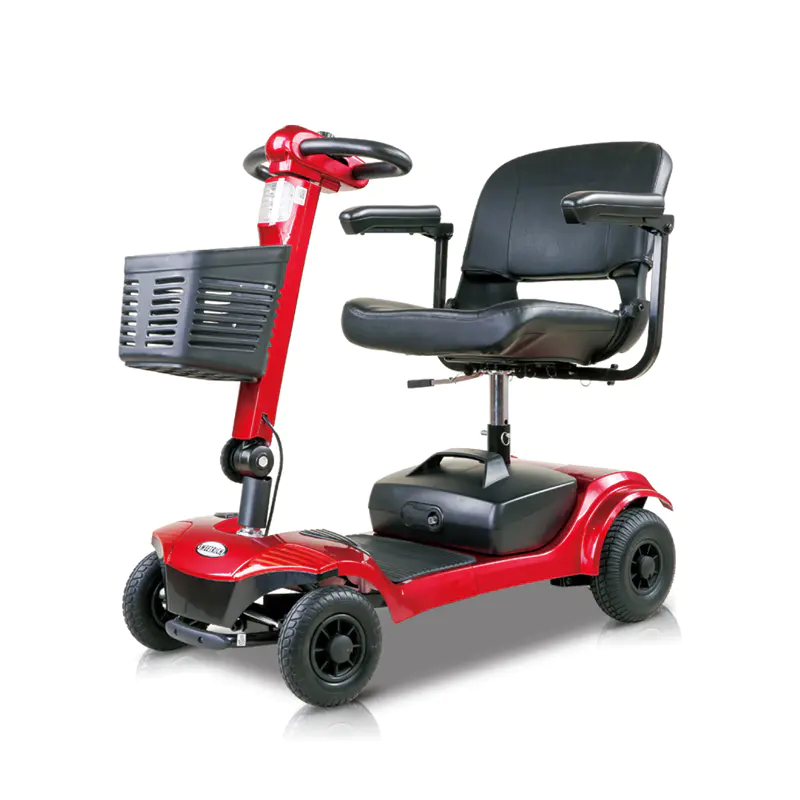
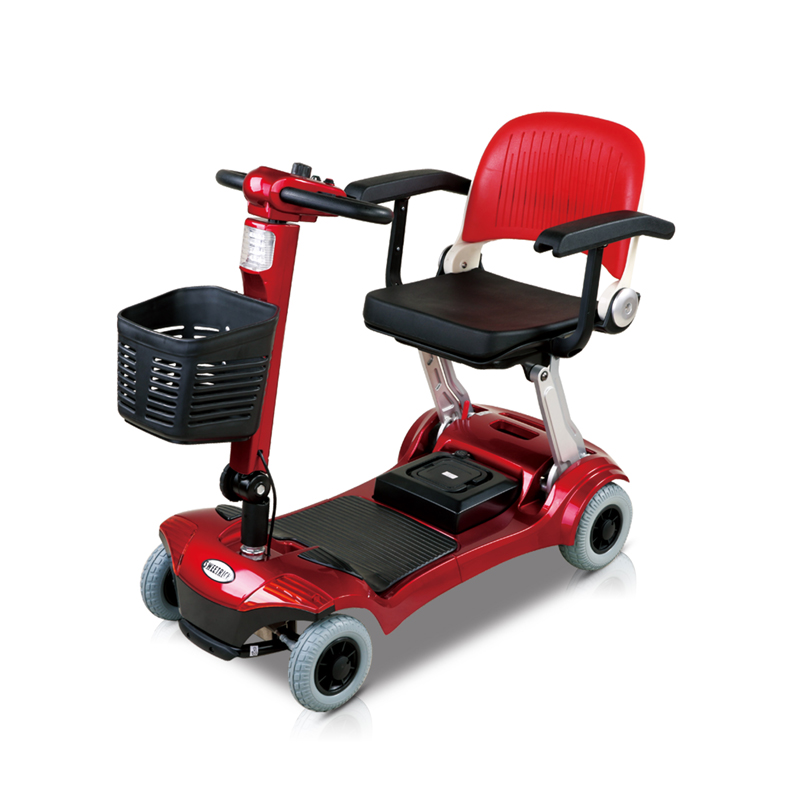
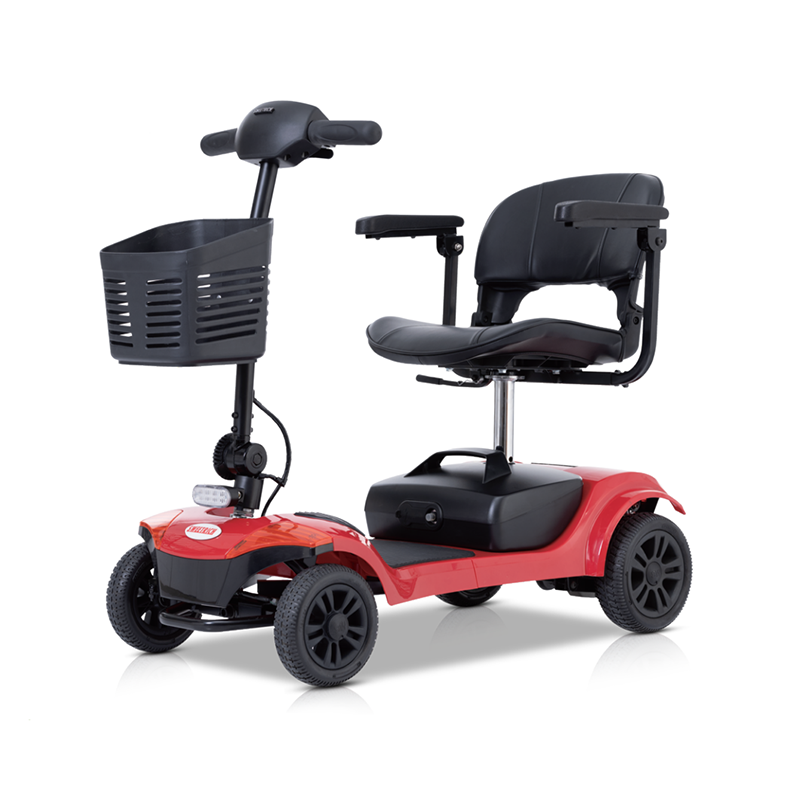
A Travel 3 Wheel Scooter is often chosen for everyday movement where flexibility and easy handling are part of the plan. Three-wheel layouts usually support turning in tighter spaces, which can be useful around entrances, community paths, and places where movement is not always straight and open. Once that kind of scooter is used in real daily travel, speed management becomes an important part of keeping the ride comfortable and predictable.
A scooter does not need to move quickly to feel useful. In many cases, a calmer pace gives the rider more time to notice what is happening ahead, adjust direction, and react to people or objects nearby. A speed limit feature helps shape that experience by keeping movement closer to the conditions of the route rather than allowing the scooter to run at a pace that may feel awkward in shared spaces.
Several everyday factors usually influence how safe a riding speed should be:
- road surface changes
- nearby foot traffic
- narrow turning areas
- visibility at the route edge
- how often the scooter stops and starts
When all of those details are part of ordinary travel, a speed feature becomes less about restriction and more about balance. It supports movement that feels easier to manage from start to finish.
When Should Speed Be Reduced Automatically
Travel outside the home rarely stays the same for long. A path may begin on a clear sidewalk, then shift into a busier area, a tighter corner, or a section with surface changes that ask for more attention. In those situations, automatic speed reduction can help the scooter adapt without requiring constant adjustment from the rider.
Lower movement speed is often useful near:
- crowded crossings
- ramps and doorway areas
- narrow paths with limited space
- turning points
- sections with uneven pavement
The value of automatic reduction lies in timing. When the scooter slows in response to the situation, riding feels more natural and less rushed. Sudden pace changes can make control harder to judge, while a gradual drop in speed keeps movement smoother and easier to follow.
Turning is a good example. A scooter that moves too quickly through a corner may demand more steering correction, which can make the ride feel less settled. A slower pace gives the rider more room to adjust direction in a controlled way. That is one reason speed limitation features often work quietly in the background rather than drawing attention to themselves.
How Do Speed Limitation Features Support Stable Control
Stable control depends on how the scooter behaves at each part of the trip, not only while it is already moving. The start of a ride, the approach to a stop, and the shift into a turn all place different demands on control, and speed management plays a role in each one.
Gentle acceleration can make a noticeable difference. A sudden burst of movement may feel abrupt, especially when starting from rest or moving away from a tight space. A smoother start allows the rider to settle into motion and keep attention on the route rather than on correcting the scooter.
Slowing down also matters when the scooter approaches a stop or enters a shared area. A controlled reduction in pace makes it easier to prepare for what comes next, whether that means pausing, turning, or moving around other people.
| Riding Moment | What Speed Control Helps With |
|---|---|
| Starting off | Smoother motion from rest |
| Entering a turn | Better direction control |
| Approaching a stop | Easier preparation for braking |
| Moving through crowds | More time to react |
Speed limitation does not replace careful riding habits, though it does support them. When the scooter responds in a measured way, the overall travel experience often feels more settled. That can be especially helpful in daily use, where movement is repeated many times and a small improvement in control can matter quite a lot.
Which Riding Situations Benefit From Different Speed Settings
Not every route asks for the same speed. A quiet residential path and a shopping area with more foot traffic create different riding conditions, and a scooter that can adjust pace becomes easier to use in both places.
In residential areas, movement often includes turns, parked vehicles, and people walking nearby. A moderate speed keeps the scooter easier to manage. In shopping spaces, the need for careful movement becomes even more noticeable because narrow passages, doorways, and intersections can interrupt a straight path. Parks or open paths may allow a smoother ride, yet even there, changes in pavement or shared use areas may call for slower movement at certain points.
Indoor outdoor transitions deserve attention too. Exiting a building, crossing a ramp, or moving through a doorway often requires a different pace from open-road travel. Speed flexibility helps the rider adapt naturally instead of staying locked into one movement style.
A practical speed setting should follow the setting around it. That simple idea often makes daily mobility feel more natural, because the scooter stays responsive to ordinary changes rather than forcing the rider to adjust to a fixed pace.
Why Is Smooth Acceleration Often More Important Than Rapid Movement
A scooter that starts too sharply can make the whole ride feel less calm. Even when the route is short, sudden movement may create the need for immediate correction, and that can affect comfort as well as control. Smooth acceleration gives the rider a little more time to settle into the motion and stay aware of the space ahead.
Daily movement usually involves many small decisions, not one long stretch of travel. Starting, slowing, turning, and stopping happen again and again throughout the day. A scooter that handles those changes gently tends to feel easier to live with, especially for regular outdoor use.
Speed limitation features are part of that feeling. They do not simply slow the scooter down; they help shape a riding style that is steadier and easier to manage across ordinary routes.
What Role Does Braking Play in Speed Management
Speed control becomes more meaningful once braking enters the picture, because riding safety is never only about how a scooter moves forward; it also depends on how it slows, pauses, and settles before a turn, a crossing, or a stop in a busy area. Outdoor travel rarely stays perfectly open, and a path that looks clear at one moment may ask for a slower response a few seconds later.
A braking system works alongside speed limitation by keeping motion under control before a stopping point arrives. When travel pace stays within a suitable range, the rider has more room to react, and braking feels less sudden. That matters in everyday settings where pedestrians, doorways, ramps, and narrow passages can appear without much warning.
Several common situations make the connection between speed and braking easier to notice:
- approaching an entrance or exit
- moving near people on shared paths
- preparing for a turn with limited space
- stopping near a slope or uneven section
- pausing in a crowded outdoor area
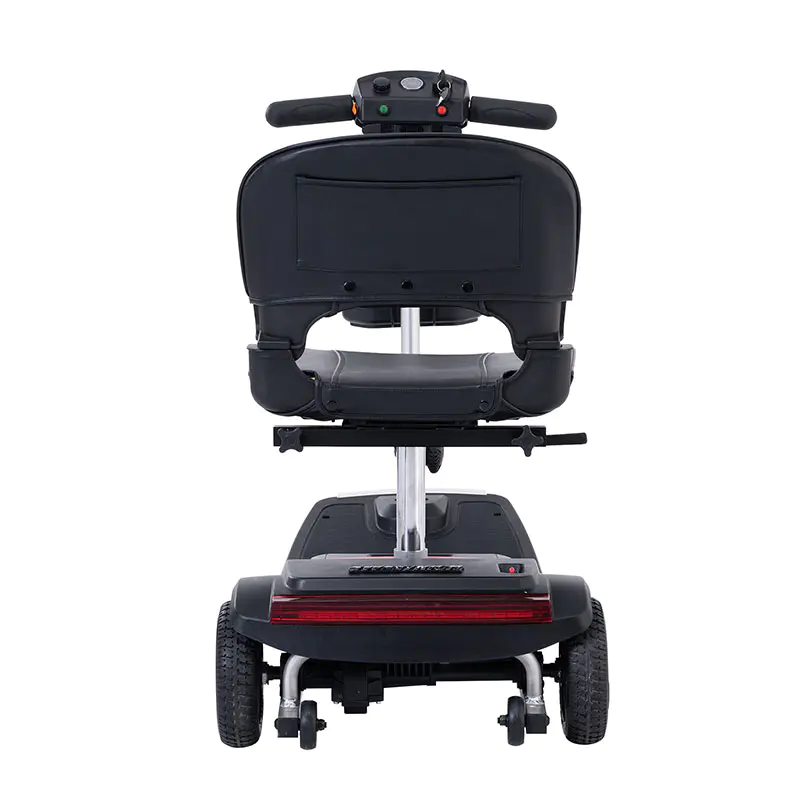
Controlled deceleration often creates a calmer riding experience than a sharp stop, since the scooter can ease into a halt rather than reacting all at once. That calmer motion can be especially useful for a Travel 3 Wheel Scooter, where flexible turning is part of ordinary use and the ride may involve more frequent direction changes across daily routes.
Braking and speed limitation work as a pair. One helps shape the pace of the journey, while the other helps finish the movement safely when the route changes. Together, they make travel feel more steady and easier to manage.
How Can Daily Riding Habits Improve Speed Safety
Even when a scooter includes useful control features, daily riding habits still shape how safe and comfortable movement feels. A careful rider can make a well-designed scooter feel easier to manage, while rushed habits can reduce the value of good control systems.
A useful habit often begins before the scooter starts moving. Looking at the path ahead, noticing surface changes, and adjusting pace early can prevent unnecessary corrections later. A slower approach to a tight corner or a busier walkway usually works better than waiting until the last moment.
Simple riding habits may include:
- lowering speed before entering crowded areas
- keeping a steady pace through narrow paths
- watching for changes in pavement or curb height
- leaving space for pedestrians and nearby obstacles
Route familiarity can also influence speed choices. Familiar streets and regular destinations often feel easier to navigate, yet new surroundings usually deserve a slower pace until the path becomes more predictable. That kind of adjustment is less about caution for its own sake and more about keeping movement natural in changing conditions.
For a Travel 3 Wheel Scooter, daily habits matter because everyday use often involves repeated starts, stops, and short turns rather than one long straight ride. A smooth rhythm between observation and movement can make the scooter feel more practical across regular routines.
What Should Be Considered Before Choosing a Mobility Scooter With Speed Limitation Features
Speed limitation is useful, yet it is only one part of scooter selection. A good choice comes from how the scooter fits into ordinary life, including the places visited, the frequency of travel, and the type of storage available after use.
Daily movement needs can differ quite a lot from one person to another. Some routines involve short local trips along familiar streets, while others include regular movement across open outdoor spaces or through areas with changing surface conditions. A scooter that handles one situation well may not fit another as neatly.
| Consideration | What It Affects |
|---|---|
| Travel Environment | How well the scooter matches daily routes |
| Route Frequency | Whether the scooter supports regular use |
| Storage Space | Ease of keeping the scooter after travel |
| Surface Conditions | Stability and riding comfort |
Travel patterns often reveal what matters more. A person moving through open community paths may place greater value on balance and controlled pace, while someone using the scooter for shorter errands may focus more on easy handling and simple placement at home.
A Travel 3 Wheel Scooter can fit many everyday situations when its speed control and riding feel match the user's normal routine. That match is usually more useful than a long list of features, because mobility tools are part of daily life rather than isolated products sitting in storage.
How Do Speed Limitation Features Support Everyday Mobility
Everyday mobility is made up of repeated small actions: leaving home, crossing familiar routes, slowing near entrances, turning through narrow spaces, and arriving at a destination without unnecessary strain. Speed limitation features help those actions feel more coordinated by keeping the scooter's movement closer to the situation around it.
A controlled speed setup can support daily travel in several ways:
- it gives the rider more time to notice changes ahead
- it keeps steering adjustments easier to manage
- it reduces the feeling of sudden motion
- it helps braking feel more predictable
When speed, steering, and braking work together, the scooter tends to feel more settled during normal use. That kind of balance often matters more than higher travel pace, especially in outdoor environments where paths, people, and surface conditions may shift from one moment to the next.
For that reason, speed limitation features belong to the practical side of mobility design. They support movement that fits real routes, real habits, and real surroundings, which is often the difference between a scooter that simply moves and a scooter that feels naturally useful in daily life.