
 +86-(0)512-82283871
Content
- 1 What Should Be Considered Before Choosing a Scooter for Travel?
- 2 How Does Weight Affect Travel and Daily Handling?
- 3 When Can a Heavy Duty 4 Wheel Scooter Be Suitable for Travel?
- 4 Why Can a Lightweight Scooter Be Easier to Carry?
- 5 How Do Different Road Conditions Change the Choice?
- 6 What Role Does Storage Space Play During Travel?
- 7 How Do Comfort and Stability Affect Longer Trips?
- 8 What Should Travelers Check Before Taking a Scooter on a Trip?
- 9 Which Travel Factors Matter When Comparing the Two Scooter Types?
- 10 How Can Travel Needs Guide the Final Choice?
Travel can change the way a mobility scooter is used. At home, there is usually a familiar parking place, a known route, and enough room to move the vehicle around. A trip may involve a car, hotel, public transport, unfamiliar roads, and limited storage space. A scooter that feels convenient in one setting may require a different approach when taken somewhere else.
For people comparing a Heavy Duty 4 Wheel Scooter with a Lightweight Scooter, the useful question is not simply which vehicle is heavier or lighter. Travel arrangements, road conditions, storage space, carrying needs, and the amount of time spent on the scooter all affect the choice.
What Should Be Considered Before Choosing a Scooter for Travel?
A good starting point is the journey itself. Consider what happens from the moment the scooter leaves the house until it is stored at the destination.
A short car trip to a hotel creates different requirements from a journey that involves several changes of transport. Someone who drives directly to a destination may have more room for a larger vehicle, while a traveler moving between vehicles may need something easier to handle.
The destination matters as well. Indoor floors, paved paths, narrow entrances, uneven ground, and crowded public areas can all change how a scooter is used.
Several questions can help clarify the situation:
- Will the scooter need to be lifted or moved by hand?
- Is there enough room in the vehicle for it and other luggage?
- Will it mainly be used indoors or outdoors?
- Does the destination have narrow doors or limited storage space?
- How often will the scooter need to be folded, moved, or repositioned?
Thinking through these details before a trip can prevent the vehicle from becoming an awkward part of the travel arrangement.
How Does Weight Affect Travel and Daily Handling?
Weight becomes noticeable whenever a scooter needs to leave the ground. Loading it into a car, moving it through a storage area, or repositioning it in a hotel room can all require physical effort.
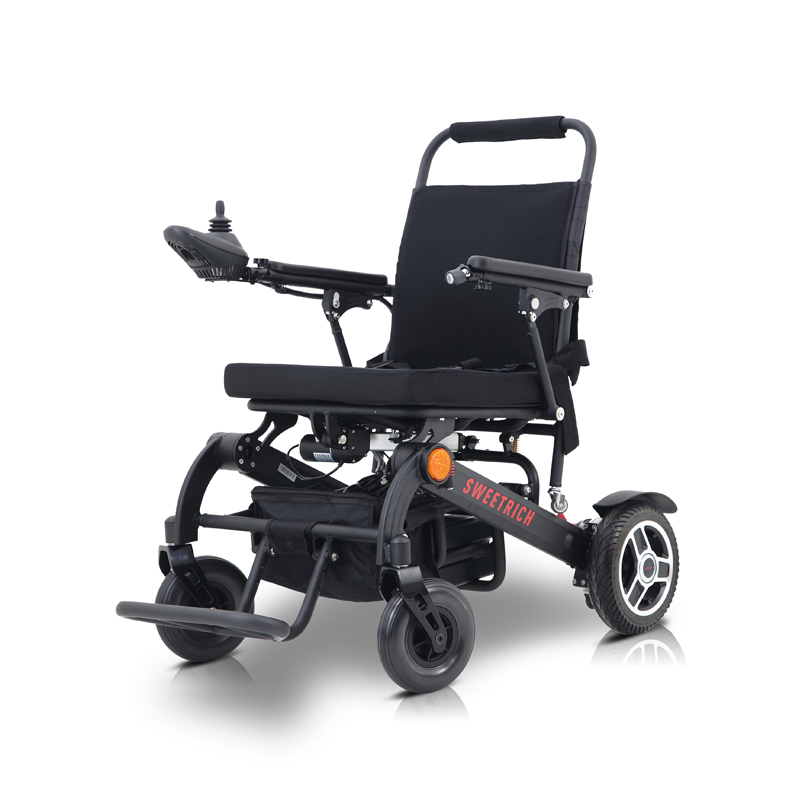
A Lightweight Scooter may be easier to carry when frequent lifting is part of the journey. Its reduced weight can also make temporary storage less demanding, particularly where available space is limited.
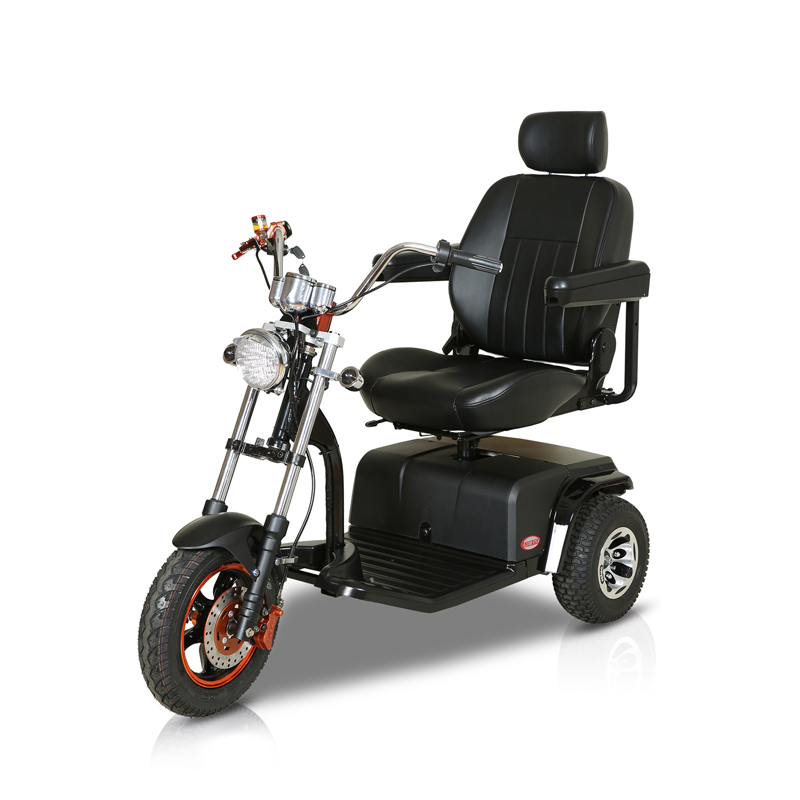
A heavier vehicle creates a different situation. Instead of lifting the entire scooter, travelers may need to consider ramps, vehicle loading arrangements, detachable sections, or assistance from another person. The practical issue is therefore not weight alone. The way that weight is distributed and whether parts can be separated can also affect handling.
For travel by car, it helps to consider the complete loading process:
- Clear enough space before loading.
- Check whether the vehicle can be moved safely toward the loading point.
- Consider how removable parts will be handled.
- Make sure loose accessories will not shift during transport.
- Leave a practical way to unload the scooter at the destination.
These small details become more noticeable when the same process needs to be repeated during a trip.
When Can a Heavy Duty 4 Wheel Scooter Be Suitable for Travel?
Travel does not always mean carrying a scooter from place to place. In some cases, the vehicle can remain with the traveler throughout the journey and be transported by car between destinations.
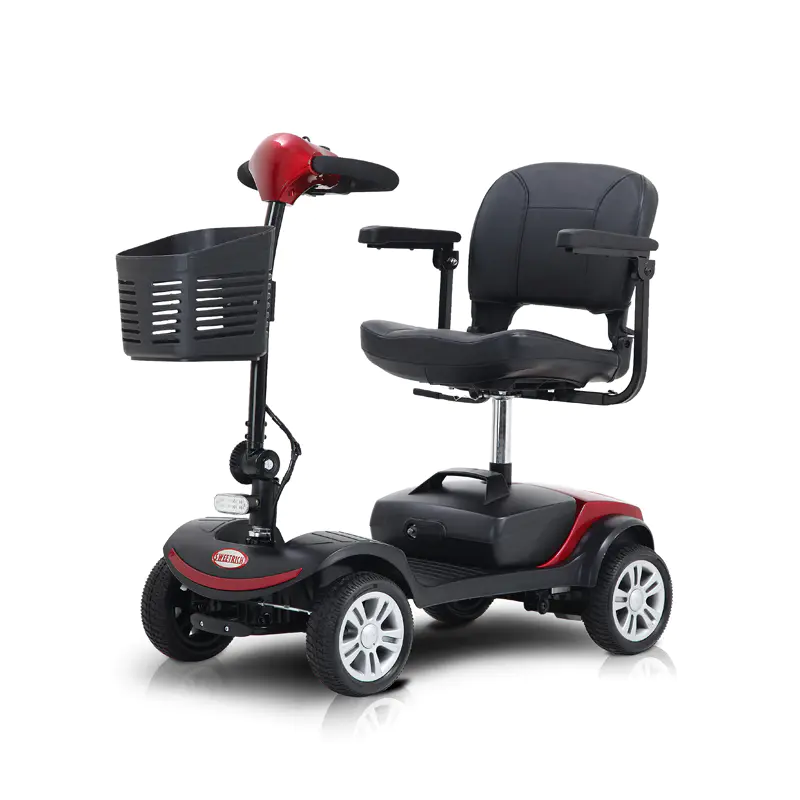
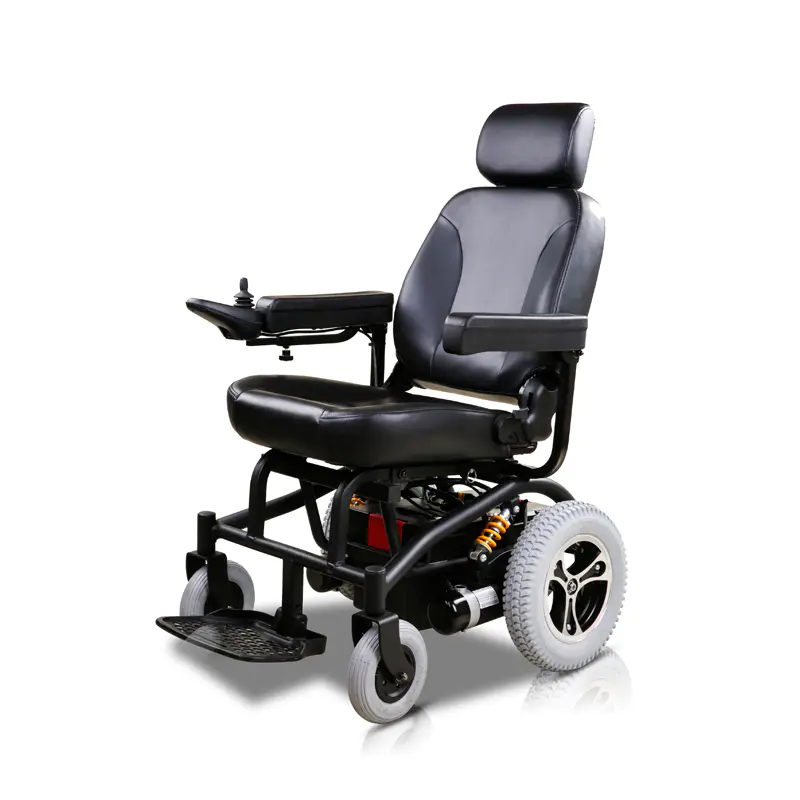
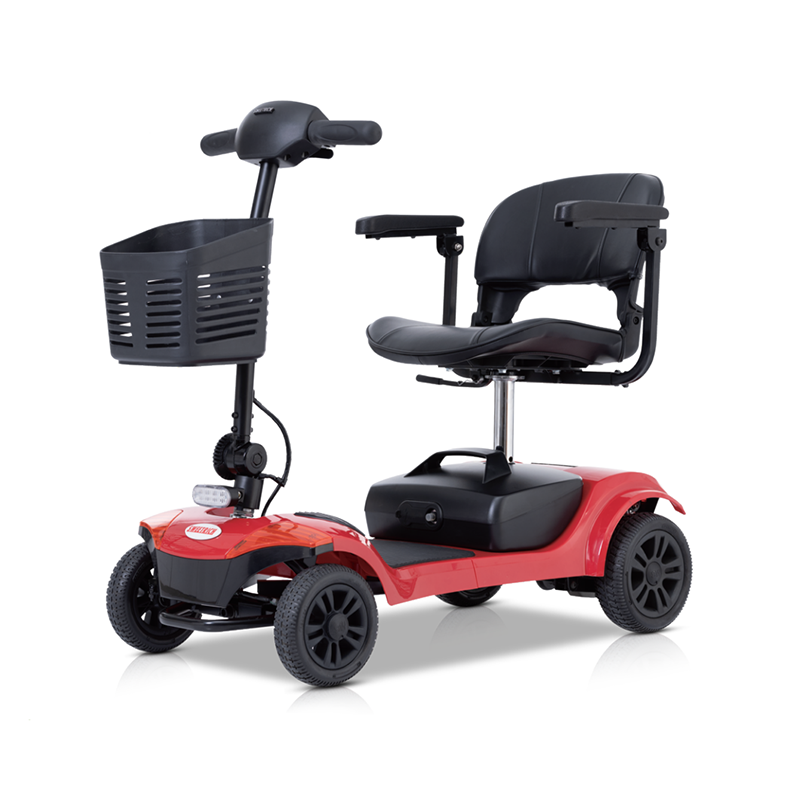
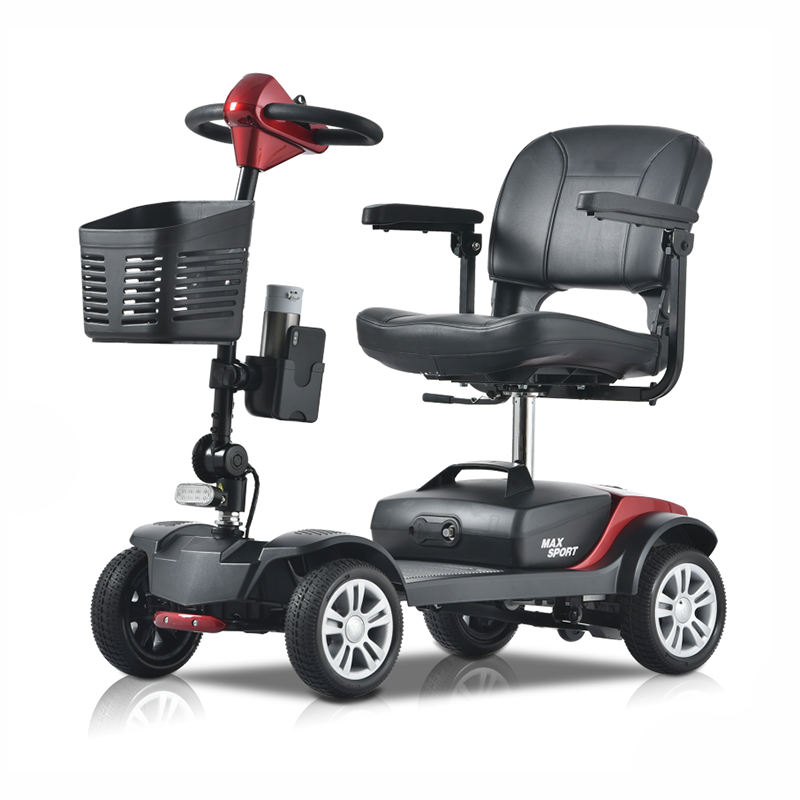
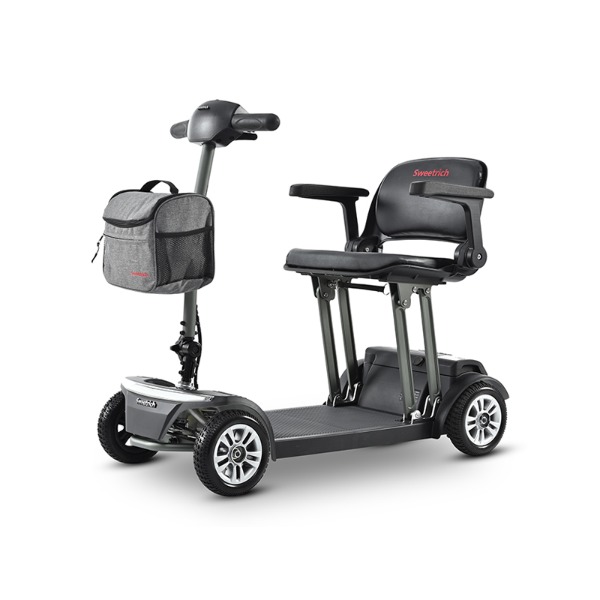
A Heavy Duty 4 Wheel Scooter may suit this type of arrangement when stability, seating space, and outdoor use are important considerations. Four wheels provide a stable layout, while a larger frame may offer more room depending on the design.
The surrounding environment still needs to be considered. A vehicle with a wider frame may require more turning and parking space. Hotel entrances, shop aisles, vehicle doors, and storage areas can therefore affect how convenient the arrangement is.
Longer outdoor use also changes the priorities. Rather than focusing only on whether the scooter can be transported, attention can be given to how comfortably it can be operated after reaching the destination.
For travelers considering a heavier four‑wheel design, useful points include:
- available storage space during the trip
- vehicle loading arrangements
- road and path conditions
- seating and operating space
- room required for turning and parking
Why Can a Lightweight Scooter Be Easier to Carry?
Portability becomes valuable when a scooter needs to move through several stages of a journey. A traveler may need to take it out of a vehicle, place it in a room, move it around a building, and load it again later.
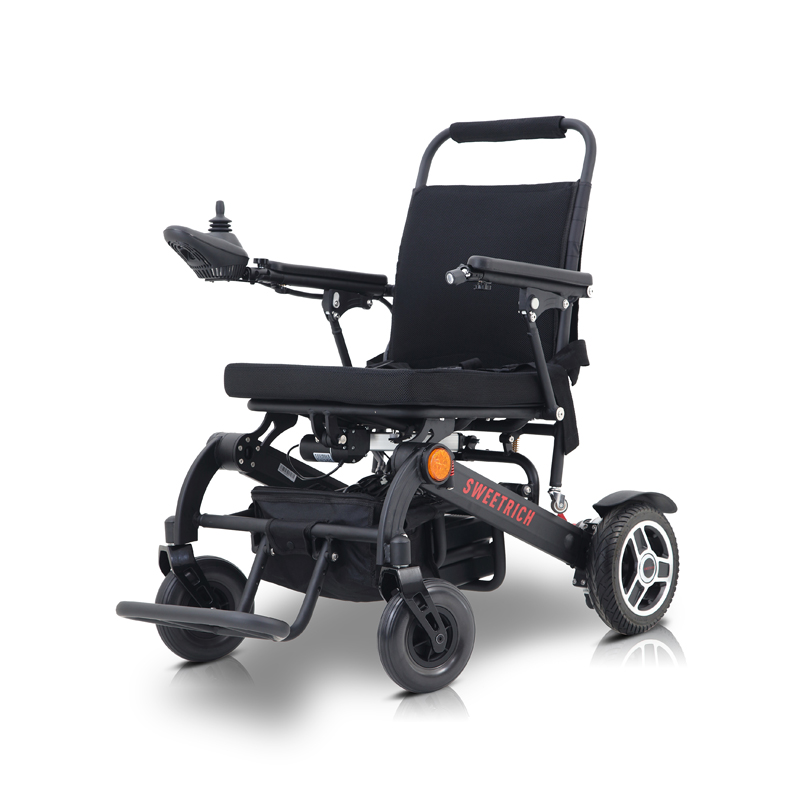
A Lightweight Scooter can make these transitions less demanding. Folding or detachable designs may also help where storage space is restricted. The benefit comes from how the vehicle fits into the travel routine rather than from weight alone.
There are still practical points to check. A compact scooter needs to be handled correctly after folding or separating its parts. Cables, seats, batteries, and other removable components should have a secure place during transport.
For frequent travel, a simple routine can make handling easier:
- Keep removable components together.
- Avoid placing heavy luggage on the scooter.
- Check the folding points before loading.
- Make sure the vehicle is secure during transport.
- Leave enough space to take the scooter out without moving every other item.
Such details matter when portability is part of everyday travel rather than an occasional requirement.
How Do Different Road Conditions Change the Choice?
A scooter that works well on a smooth indoor floor may feel different on an outdoor path. Road surfaces can include paving stones, slopes, rough sections, narrow passages, or transitions between different surfaces.
That makes the destination worth considering before departure. Hotels and shopping areas may provide relatively smooth floors, while parks and outdoor paths can require more attention to wheel placement and available space.
A Heavy Duty 4 Wheel Scooter can be considered where a stable four‑wheel layout is relevant to the intended environment. A lightweight model may be easier to move and store when the trip mainly involves smooth surfaces and frequent transport.
Neither type should be judged without considering the route. A practical comparison looks at the complete journey: how the scooter reaches the destination, where it will be stored, what surfaces it will encounter, and how often it needs to be moved.
With the travel environment clarified, storage and transport become the next parts of the decision. The amount of space available can change the practicality of either design, especially when luggage and other travel equipment need to share the same area.
What Role Does Storage Space Play During Travel?
Storage can become an unexpected issue once a scooter is taken away from its usual surroundings. A car may already contain luggage, a hotel room may have limited floor space, and temporary parking areas may not be designed for mobility equipment.
The physical size of the scooter matters before and after folding or removing parts. A vehicle that occupies a larger area may need a dedicated space in the car, while a compact design can fit into tighter areas more easily.
Travelers can check the available space in advance:
- Measure the usable area in the vehicle rather than relying on appearance.
- Consider the space needed to take the scooter out.
- Keep detachable parts away from heavy luggage.
- Check whether the hotel or accommodation has a suitable parking area.
- Leave enough room to move around the scooter when it is parked.
Storage also affects daily convenience. A scooter that is difficult to reach may become troublesome to use repeatedly, especially when it needs to be taken out and put away several times during a trip.
How Do Comfort and Stability Affect Longer Trips?
Travel can involve more than simply reaching a destination. A scooter may be used while visiting shops, moving around a large building, traveling through outdoor areas, or spending several hours away from the vehicle.
Under these conditions, seating space and riding position become relevant. A larger frame may provide more room for the seat and user's legs, depending on the design. A four‑wheel layout can also offer a different sense of balance during normal movement.
A lightweight design places greater attention on portability. That can be useful when the scooter is repeatedly lifted, folded, or placed into a vehicle. The trade‑off is that a compact frame may provide less room for some users.
Comfort should therefore be considered alongside the way the scooter will be transported. A vehicle that is convenient to carry may not provide the same amount of seating or foot space as a larger design.
For a longer trip, useful checks include:
- Is the seat comfortable for the expected period of use?
- Is there enough room for the legs and feet?
- Can the controls be reached without awkward movement?
- Does the scooter remain easy to handle when turning or stopping?
- Will the seating position remain suitable after several hours of use?
These questions connect the transport side of travel with the actual riding experience.
What Should Travelers Check Before Taking a Scooter on a Trip?
A quick inspection before departure can prevent small problems from becoming inconvenient during the journey. The process does not need to be complicated. It can follow the same routine used before regular use.
Start with the parts that are handled or moved frequently. Check the tires, wheels, seat, steering controls, brakes, and visible connections. Folding sections and detachable components should also be checked when the design includes them.
Battery preparation deserves attention as well. Charging instructions can vary between products, so the relevant product information should be followed rather than using a general assumption.
Before leaving, it is useful to confirm:
- The scooter is clean and free from loose objects.
- Tires and wheels appear to be in suitable condition.
- The controls and brakes operate normally.
- The battery and charger are prepared according to the product instructions.
- Removable parts are packed securely.
- The planned transport method can accommodate the scooter.
- The destination has a suitable place for parking and charging.
A short check at home is easier than dealing with an avoidable issue after arrival.
Which Travel Factors Matter When Comparing the Two Scooter Types?
A direct comparison becomes clearer when each feature is connected with a real travel task. Weight matters during lifting, size matters during storage, and the road environment matters during use. No single feature describes the whole travel experience.
| Travel Factor | Heavy Duty 4 Wheel Scooter | Lightweight Scooter |
|---|---|---|
| Carrying | May require more handling support | Easier to handle when lifting is needed |
| Storage | Needs more available space | More suitable for limited storage areas |
| Road Use | Four‑wheel layout can suit stability‑focused use | Convenient where portability is important |
| Transport | Vehicle space needs careful planning | Easier to arrange in smaller spaces |
| Comfort | Larger designs may provide more seating room | Compact design may reduce available space |
| Daily Handling | Better suited to trips with fewer lifting steps | Useful when frequent movement is involved |
The comparison also depends on the travel method. A person driving directly to one destination may have different requirements from someone changing vehicles several times. The same scooter can therefore feel convenient in one trip and less practical in another.
How Can Travel Needs Guide the Final Choice?
Choosing between a Heavy Duty 4 Wheel Scooter and a Lightweight Scooter starts with the journey rather than the product label. Transport, road conditions, storage, comfort, and handling all need to fit together.
A heavier four‑wheel design may make sense for travel plans where the scooter stays with the user for longer periods and outdoor movement is an important part of the trip. A lightweight model can fit situations where lifting, folding, and limited storage are regular concerns.
The decision can be approached through a simple sequence:
Travel method → Road conditions → Carrying needs → Storage space → Expected use
For manufacturers and buyers, this approach also shows why travel scooters cannot be assessed by one feature alone. A change in frame size can affect storage. A change in weight can affect transport. A different wheel arrangement can influence handling space.
Looking at the entire travel routine gives a clearer picture of what the scooter needs to do. Instead of treating portability, stability, comfort, and storage as separate concerns, each can be considered as part of the same travel plan.