
 +86-(0)512-82283871
Content
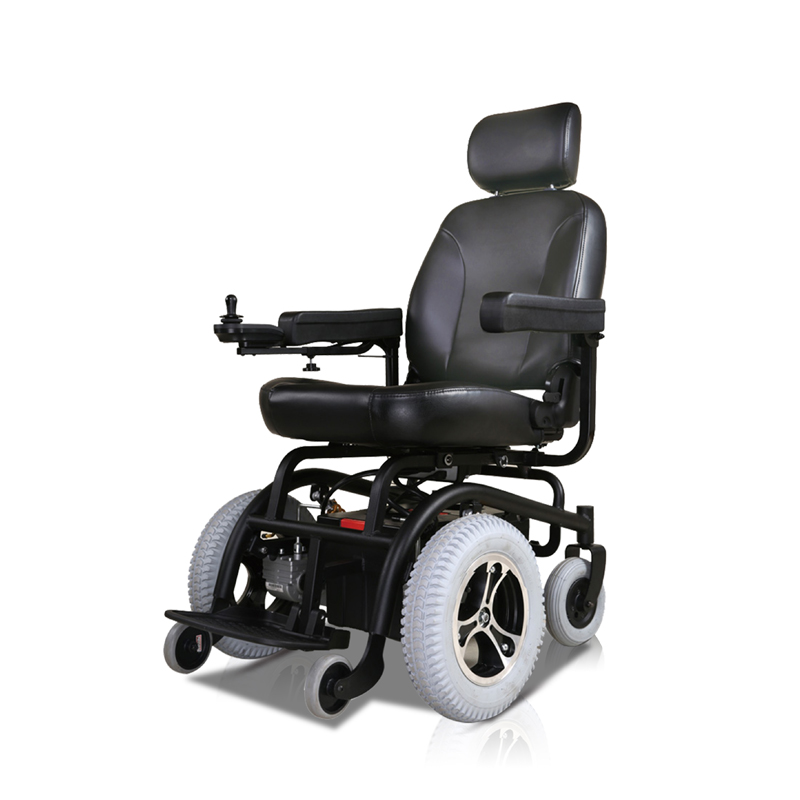
Choosing the right mobility solution is crucial for maintaining independence and quality of life. As a Wholesale Mobility Scooter, we understand user needs, travel habits, and physical conditions. From manual wheelchairs to electric mobility scooters, selecting the right option requires considering daily activities, terrain, storage needs, and ergonomic features. The right choice ensures safe travel while minimizing fatigue and convenience.
Electric Mobility Scooters vs. Manual Mobility Solutions
Mobility solutions have evolved significantly in recent years, providing a range of options for individuals with limited physical abilities. Among these, electric mobility scooters have gained popularity as they offer a combination of convenience, comfort, and independence. However, manual wheelchairs and walkers remain essential options, particularly for those who prioritize simplicity, portability, and physical exercise.
Advantages of Electric Mobility Scooters
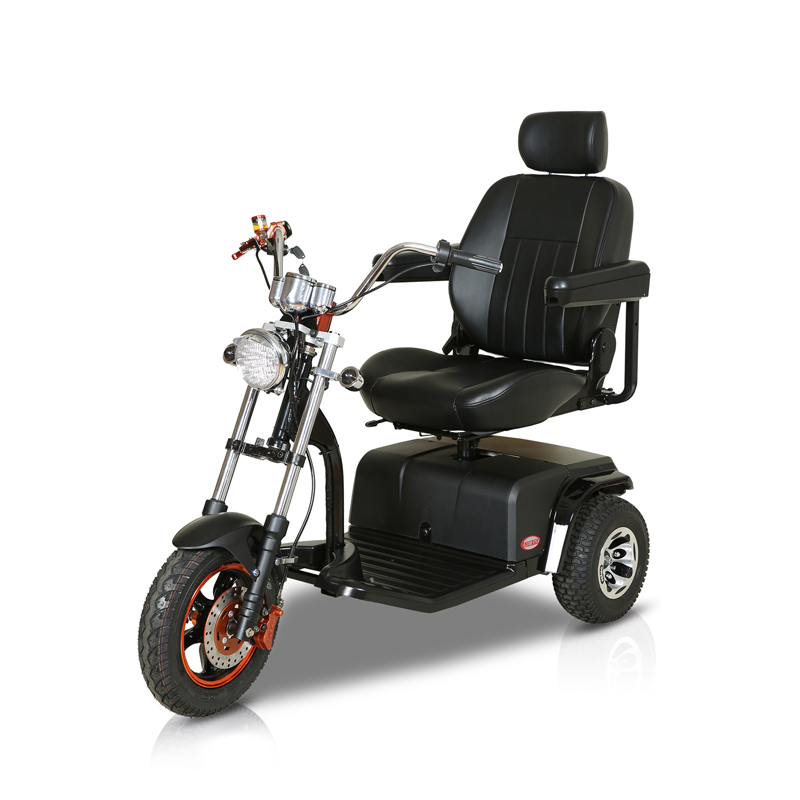
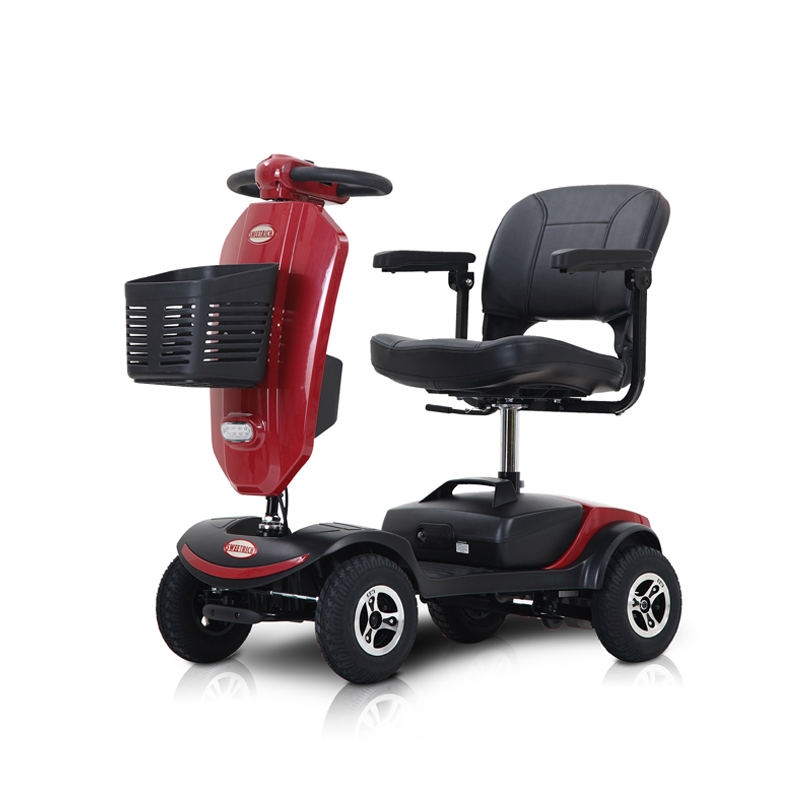
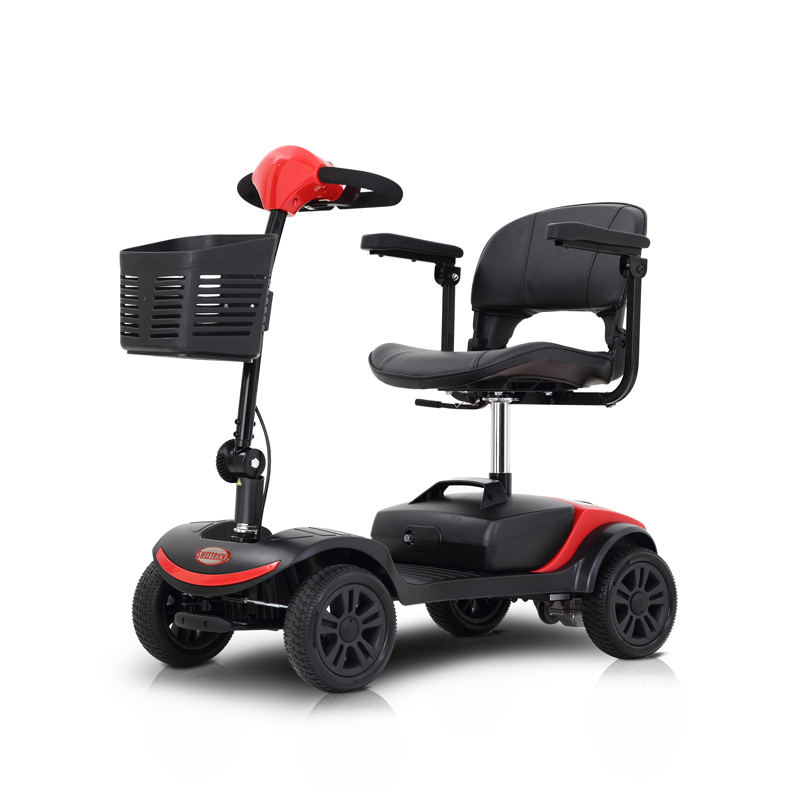
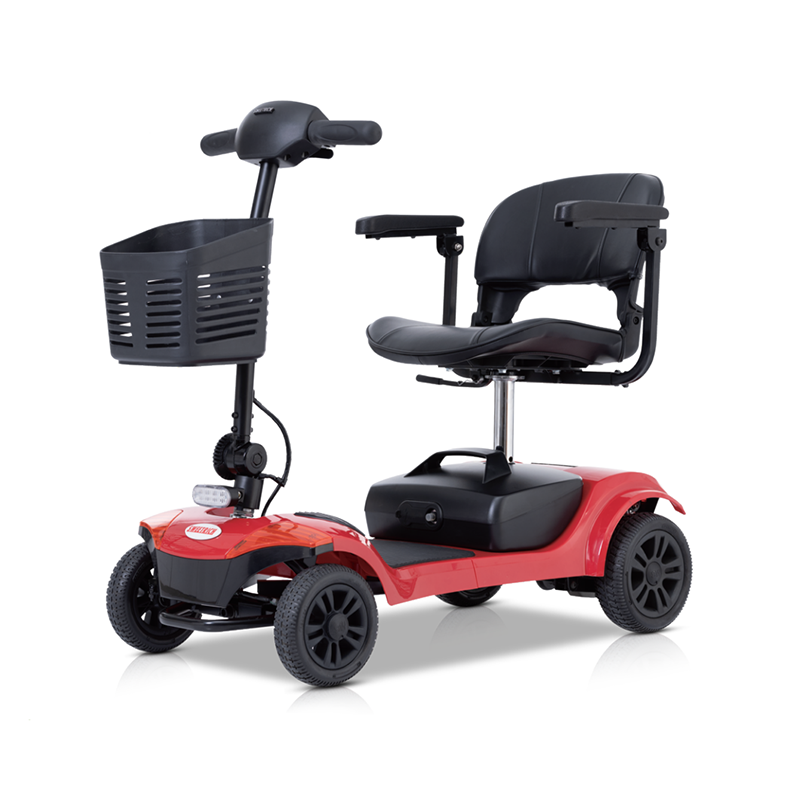
Electric mobility scooters are powered by rechargeable batteries and controlled using simple interfaces, such as joysticks or thumb-operated controllers. Their key advantage lies in reducing the physical effort required for mobility. Users can travel longer distances without fatigue, making these scooters suitable for outdoor activities, shopping trips, or commuting across large facilities.
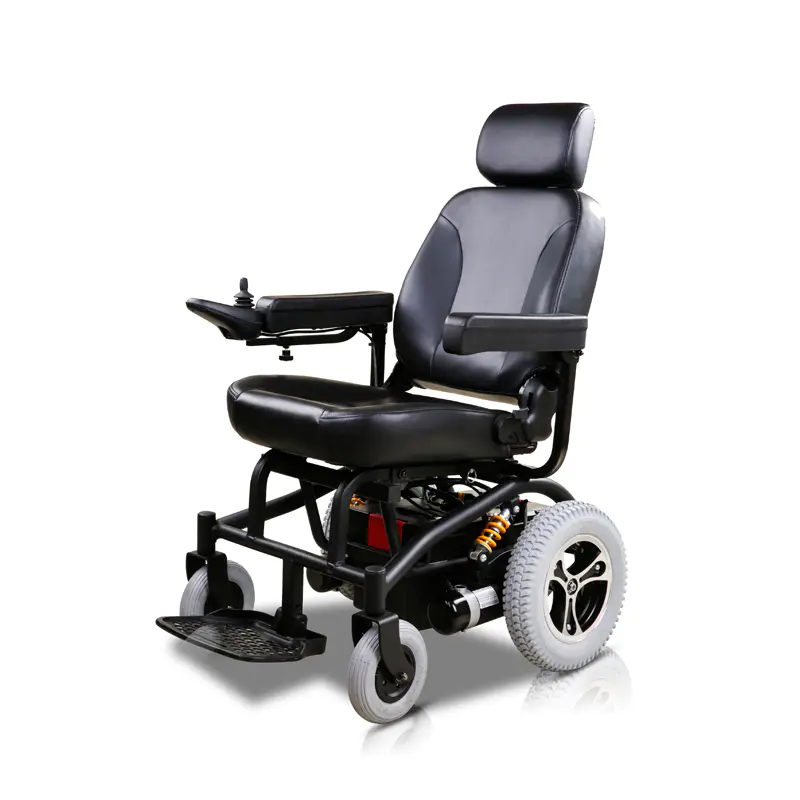
Another benefit of electric scooters is their seating design. Many models provide comfortable chairs with armrests, footrests, and adjustable seating angles. This support reduces strain on joints and improves posture, which is particularly important for individuals who experience chronic pain or stiffness.
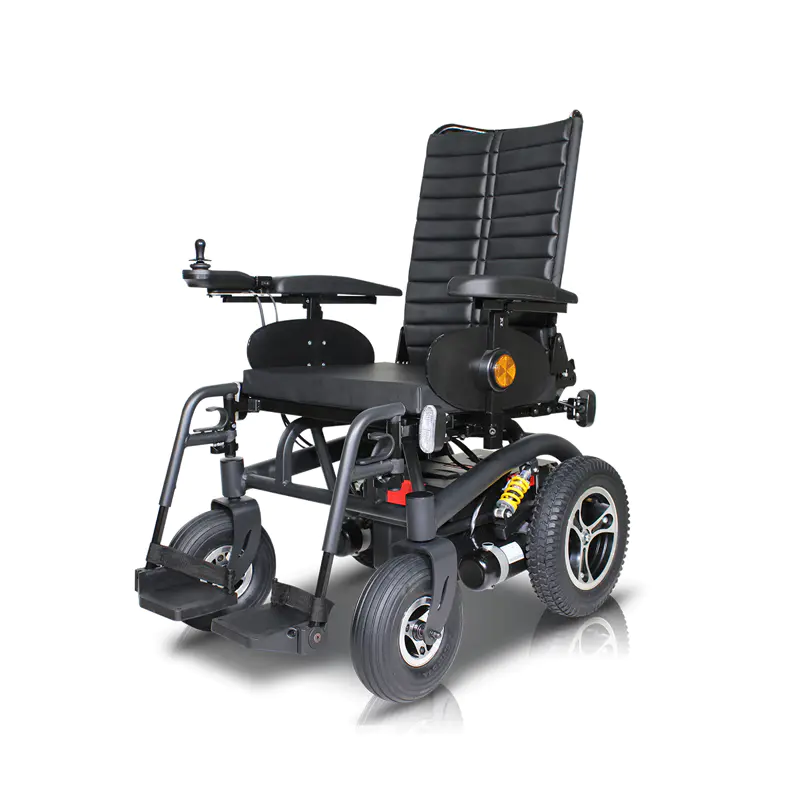
Electric scooters also offer predictable performance on smooth and slightly uneven surfaces. They typically include features such as suspension systems, anti-tip designs, and traction control to enhance stability and safety. For users who require consistent support while moving independently, electric scooters provide a reliable solution.
Limitations of Electric Mobility Scooters
Despite their advantages, electric scooters have certain limitations. Their weight can make them challenging to transport in vehicles without ramps or lifts. Some models are bulkier than manual wheelchairs, which may affect maneuverability in tight spaces such as small apartments or narrow corridors.
Additionally, electric scooters rely on battery power. Users must manage charging routines and plan trips according to battery levels. Failure to maintain adequate battery charge could limit travel distances or leave the user stranded. Electrical components also require maintenance, which may increase the overall cost and complexity of ownership compared to manual alternatives.
Advantages of Manual Wheelchairs
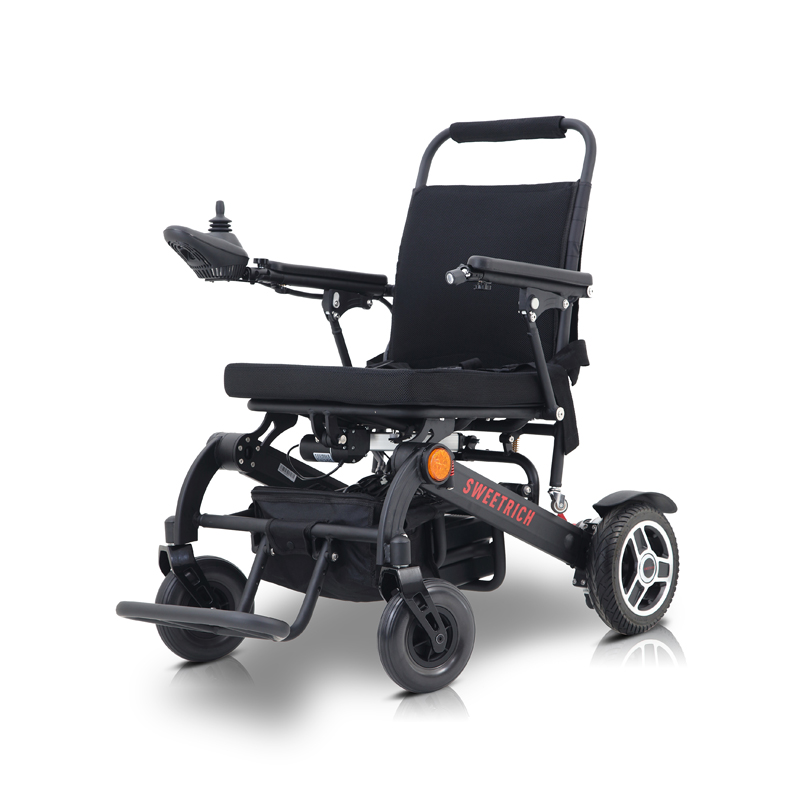
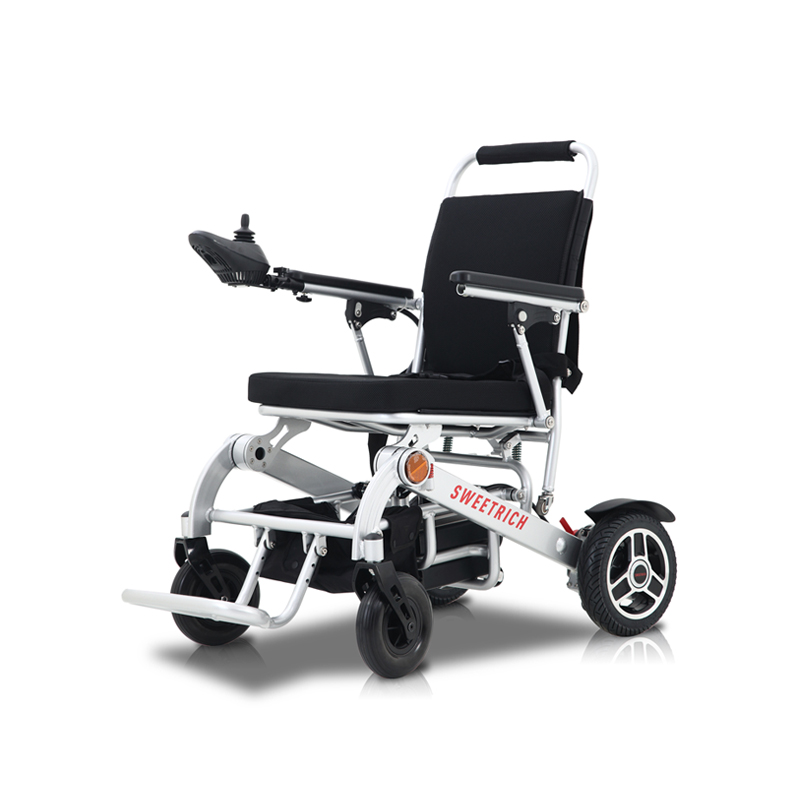
Manual wheelchairs offer unique benefits for individuals who are capable of self-propulsion or have access to caregiver assistance. They are typically lighter than electric scooters, making them easier to lift, store, or transport. Folding models are particularly convenient for travel or storage in vehicles.
Manual wheelchairs also encourage physical activity. Users who propel their chairs develop upper body strength and maintain cardiovascular engagement, which can have long-term health benefits. Their simplicity reduces maintenance requirements, and they do not rely on batteries or electrical systems, which makes them highly dependable in any setting.
Limitations of Manual Wheelchairs
The primary limitation of manual wheelchairs lies in physical demand. Users with limited strength, endurance, or upper body mobility may find prolonged use challenging, particularly on uneven terrain or longer distances. Additionally, continuous propulsion can to fatigue, making manual wheelchairs less suitable for users who need to travel extensively without assistance.
Suitable User Profiles
Electric mobility scooters are generally appropriate for users with limited strength, endurance, or balance, and those who require seating stability during travel. They are ideal for outdoor use, longer trips, and situations where users prefer minimal physical exertion.
Manual wheelchairs suit users with adequate upper body strength and stamina who prioritize portability and simplicity. They are also appropriate for indoor use or short-distance mobility where frequent maneuvering in tight spaces is required.
Battery Technology and Charging Practices for Electric Scooters
Battery performance is a critical factor in electric mobility scooter functionality. Understanding battery types, charging practices, and maintenance routines ensures safety, reliability, and consistent travel distances.
Common Battery Types
Electric scooters typically use rechargeable batteries, which can be lead-acid, lithium-ion, or other advanced chemistries. Each type offers different performance characteristics. Lead-acid batteries are commonly used due to their reliability and affordability, whereas lithium-ion batteries provide lighter weight, faster charging, and longer cycle life.
The choice of battery affects the scooter's overall weight, portability, and operating range. Lightweight batteries are particularly beneficial for foldable or transportable scooters, as they reduce lifting effort and enhance maneuverability.
Charging Practices
Proper charging routines are essential for maintaining battery health. Users should follow manufacturer guidelines for voltage, charging duration, and temperature conditions. Overcharging or deep discharging can shorten battery lifespan and reduce performance.
It is advisable to use compatible chargers specifically designed for the scooter model. Charging in a dry, ventilated area helps prevent overheating and reduces risks associated with electrical faults. For users who travel frequently, maintaining a charging schedule ensures that the scooter is ready for daily use without interruptions.
Battery Safety Considerations
Batteries are sensitive to environmental conditions. Exposure to temperatures, moisture, or physical damage can affect performance and safety. Users should avoid placing scooters in direct sunlight for extended periods or leaving them in damp conditions. Regular inspection of battery terminals and cables helps prevent corrosion or loose connections, which could impair function.
Additionally, proper handling and storage during extended periods of inactivity preserve battery longevity. Disconnecting the battery and storing it in a controlled environment minimizes self-discharge and maintains readiness for future use.
Extending Battery Life
Battery life can be extended through careful operation and maintenance. Avoiding rapid acceleration, overloading, and abrupt stops reduces strain on the battery and motor. Monitoring battery levels and charging promptly rather than waiting for complete depletion helps preserve cycle life. Regular maintenance of electrical components complements battery care and ensures safe, reliable operation.
| Topic | Key Points |
|---|---|
| Battery Types | Lead-acid: reliable; Lithium-ion: lighter, faster charging, longer life. |
| Charging | Follow guidelines, use proper charger, charge in dry, ventilated areas. |
| Safety | Avoid extremes, moisture, damage; inspect terminals and cables. |
| Longevity | Avoid overloading and abrupt stops; charge before full depletion; maintain components. |
Choosing the Right Electric Scooter for Different Lifestyles
Selecting an electric mobility scooter involves considering lifestyle needs, physical abilities, and practical requirements. A thorough evaluation helps match the scooter to daily routines and environments.
Lifestyle and Daily Travel Needs
The distance users typically travel each day, and the type of terrain encountered, are primary factors in scooter selection. Users who navigate long distances or require outdoor mobility may benefit from larger scooters with extended battery range and stability features. Conversely, those who primarily move indoors or in compact environments might prefer smaller, more agile models that easily navigate tight spaces.
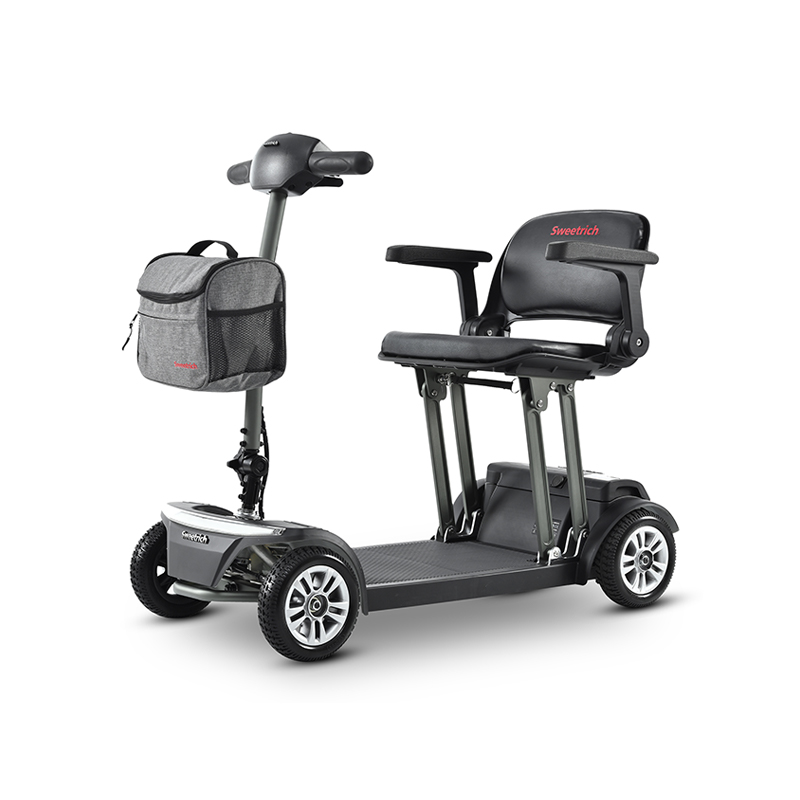
Frequency of travel, transport requirements, and storage conditions also influence the choice. Scooters intended for frequent vehicle transport should be lightweight, foldable, and easy to lift. Users who store scooters in confined spaces should consider compact models that can be folded or disassembled.
Physical Ability and Ergonomic Considerations
Physical strength, balance, and hand dexterity determine which controls and seating options are suitable. Joystick-controlled scooters may be easier for users with limited arm movement, whereas simple thumb controls may suffice for those with good manual dexterity.
Seating design is also critical. Adjustable armrests, supportive cushions, and adequate legroom enhance comfort during travel. Users with postural challenges may require additional support features to maintain stability and prevent discomfort.
Environmental Adaptability
Users should consider the environments where the scooter will be used. Features such as suspension systems, anti-tip mechanisms, and traction control improve safety on uneven surfaces. Scooters that can handle moderate outdoor conditions provide flexibility for shopping trips, park visits, or community mobility. Environmental sealing for electronic components helps protect against dust, moisture, and other contaminants, enhancing durability and reliability.
Storage and Transport Needs
Practical considerations include storage space, transportation in vehicles, and ease of handling. Foldable scooters with detachable batteries and compact dimensions are advantageous for users who frequently move between locations or require public transport compatibility. For stationary users, stability and comfort may take precedence over portability.
Accessories and Customization
Many scooters offer optional features such as baskets, cup holders, or weather protection accessories. Customization allows users to tailor the scooter to daily routines, environmental conditions, and personal preferences, enhancing convenience and satisfaction.
Integrating Battery and Lifestyle Considerations
Battery performance and lifestyle requirements are closely connected. Users should select a scooter with sufficient battery capacity for daily travel distances, factoring in terrain, weight load, and accessory usage. Efficient battery management supports reliability, reduces operational interruptions, and aligns with daily routines.
Routine inspections and proactive maintenance of both the battery and mechanical components complement lifestyle needs. For instance, users traveling outdoors frequently should monitor tires, suspension, and protective covers regularly to prevent wear and ensure smooth operation.
Safety and Practical Tips
While electric mobility scooters enhance independence, safety remains a priority. Key considerations include:
- Safe operation: Avoid excessive speed, sharp turns, and uneven surfaces when possible.
- Environmental awareness: Be mindful of weather conditions, pedestrian traffic, and obstacles.
- Load management: Avoid exceeding weight limits for both user and cargo to maintain stability and prolong component life.
- Regular maintenance: Check battery, tires, brakes, and electrical connections consistently.
| Topic | Key Points |
|---|---|
| Operation | Avoid high speed, sharp turns, and uneven surfaces. |
| Environment | Watch weather, pedestrians, and obstacles. |
| Load | Stay within weight limits for user and cargo. |
| Maintenance | Regularly check battery, tires, brakes, and connections. |
Carefully designed, reliable battery performance, and ergonomic considerations allow users to move confidently in a variety of environments. By combining advanced engineering with durable materials, Sweetrich is committed to ensuring consistent quality in every product, meeting the needs of diverse users, providing practical solutions to everyday commuting challenges, and enhancing the overall user experience.