
 +86-(0)512-82283871
Content
- 1 The Role of Ergonomics in Modern Wheelchair Design
- 2 Wheelchair Propulsion Technology and Its Impact on User Health
- 3 Customizable Components and Individualized Configurations
- 4 Environmental Adaptation and Mobility Safety
- 5 Training and Education for Users and Caregivers
- 6 Material Innovations and Lightweight Construction
- 7 Selecting a Trusted Manufacturer
Choosing the right wheelchair involves far more than simply matching dimensions or selecting a preferred style. For individuals with limited mobility, a wheelchair can significantly influence quality of life, independence, and long-term health. Modern design principles in wheelchairs—often implemented by an experienced Wholesale Wheelchair Manufacturer—focus on ergonomics, postural support, propulsion efficiency, and material innovation, ensuring that users maintain comfort and mobility while minimizing physical strain.
The Role of Ergonomics in Modern Wheelchair Design
Ergonomics, in the context of wheelchair design, refers to the study and application of principles that optimize comfort, safety, and efficiency for users. This includes considering how seat geometry, frame layout, and posture support affect the distribution of pressure on the body. Poor ergonomic design can to discomfort, musculoskeletal issues, or even long-term health consequences. Conversely, well-designed wheelchairs enhance comfort during prolonged use, reduce fatigue, and support proper alignment of the spine and joints.
- Seat shape and frame geometry: Maintains correct posture and distributes pressure evenly.
- Postural support: Reduces risk of spinal misalignment and muscle strain.
- Ease of transfers: Facilitates independence in daily activities.
Proper Seating and Cushioning Systems
A wheelchair's seating system is central to both comfort and health. Pressure distribution is critical to prevent skin breakdown, commonly known as pressure sores, which can result from prolonged sitting. Cushions and postural support mechanisms work together to:
- Distribute body weight evenly
- Reduce pressure on bony prominences
- Enhance circulation
- Support spinal alignment
Customizing cushions and postural supports to the user's needs is critical. Individuals with different mobility levels, muscle tone, or postural deviations may require distinct configurations. Well-selected systems improve endurance during daily activities, reduce fatigue, and support overall functional independence.
| Topic | Key Points (Optimized & Condensed) |
|---|---|
| Ergonomics in Wheelchair Design | • Seat geometry supports posture • Frame design aids pressure distribution • Proper ergonomics reduce fatigue and strain • Improves comfort during long-term use |
| Postural Support Benefits | • Helps maintain spinal alignment • Reduces risk of muscle imbalance • Supports upper-body stability • Enhances safety during transfers |
| Seating & Cushioning Systems | • Distribute body weight evenly • Reduce pressure on sensitive areas • Improve circulation during long sitting • Enhance endurance and daily function |
| Customization Needs | • Adjustments based on mobility level • Adaptable for posture deviations • Supports individual muscle tone requirements • Helps maintain consistent comfort |
Wheelchair Propulsion Technology and Its Impact on User Health
Propulsion efficiency is another vital consideration in wheelchair design. How users move the chair—whether manually or with assistive technology—directly impacts upper body health. Inefficient propulsion can to shoulder strain, tendonitis, or repetitive motion injuries over time. Ergonomic design addresses these concerns by optimizing wheel position, hand rim size, and mechanical advantage to reduce energy expenditure.
Manual wheelchair tips for reduced strain:
- Adjust axle position for force application
- Use ergonomically designed hand rims
- Maintain lightweight frame for easier maneuverability
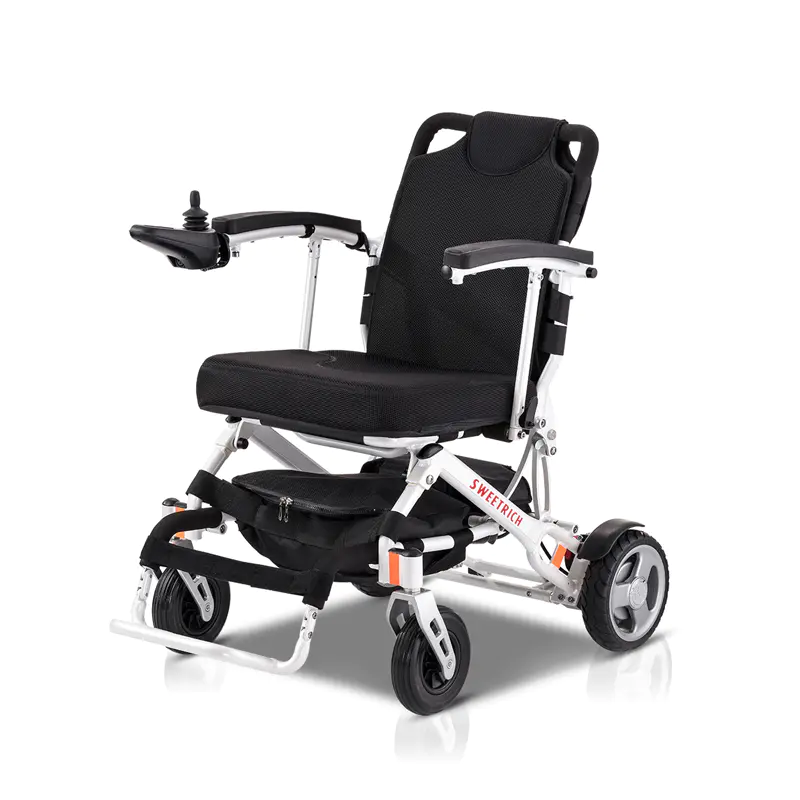
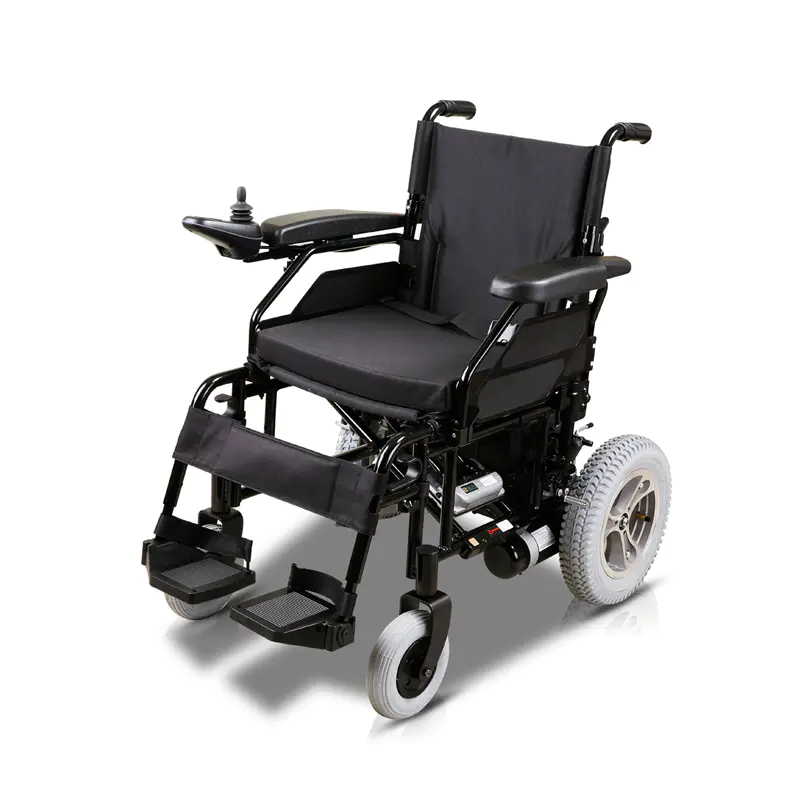
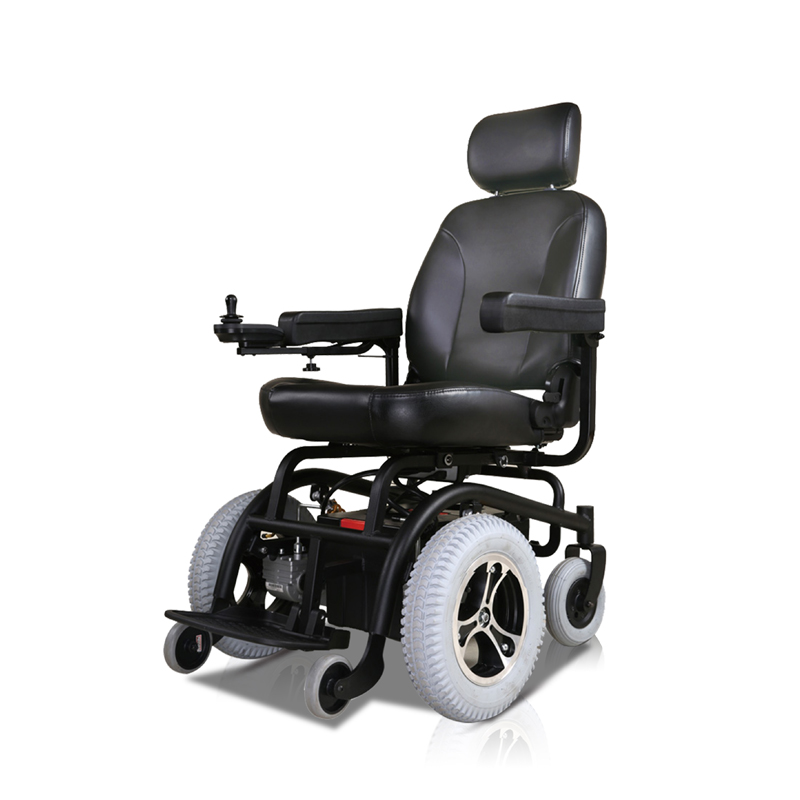
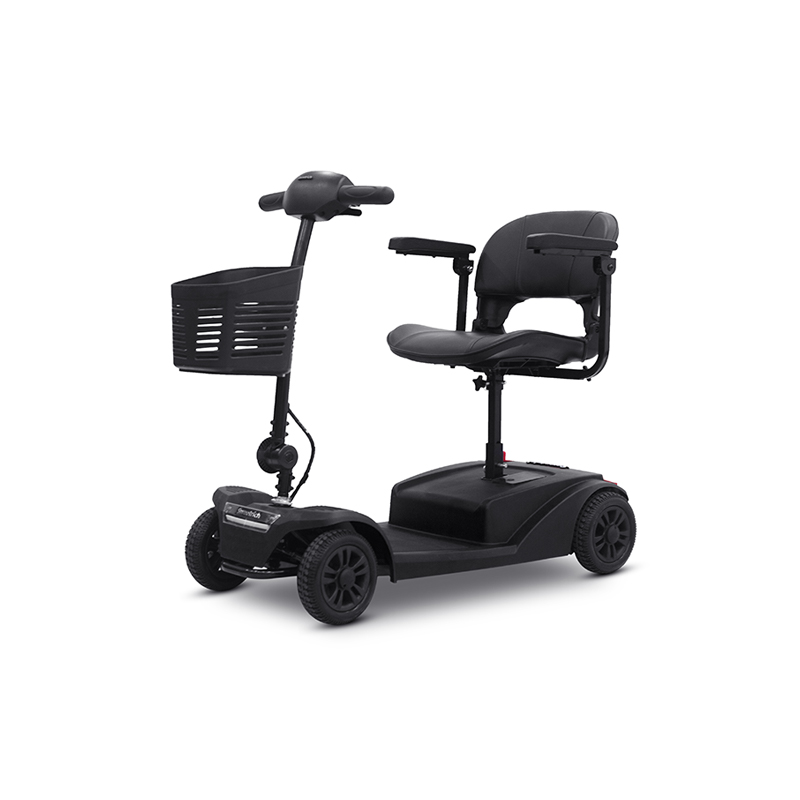
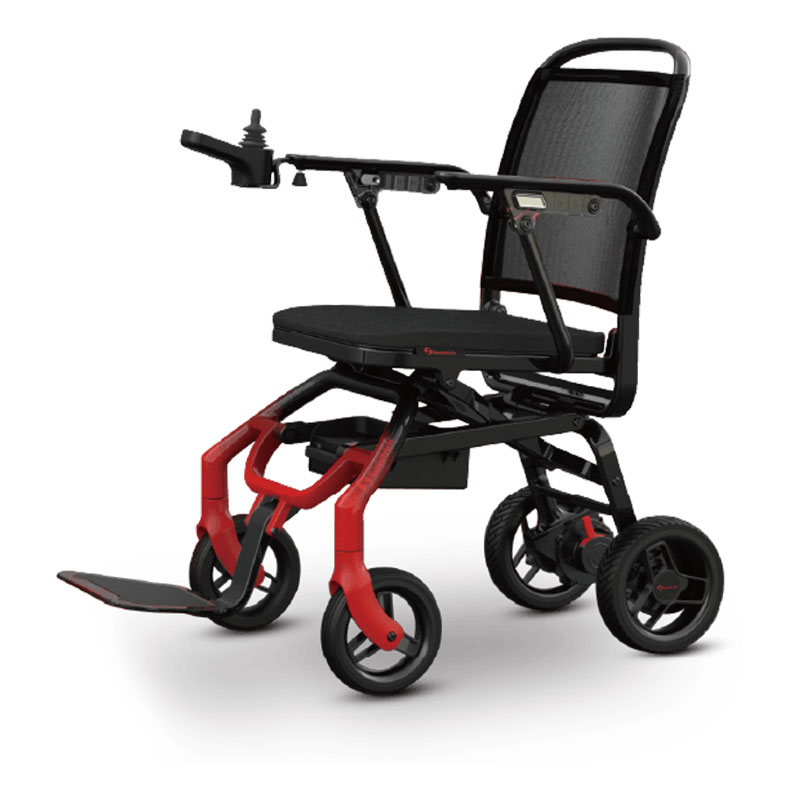
For powered wheelchairs, propulsion systems often include advanced motors, responsive controls, and adjustable seating angles to maintain proper posture during movement. Even small improvements in control interface or wheel positioning can significantly reduce fatigue, especially for users who navigate long distances daily.
Customizable Components and Individualized Configurations
Modern wheelchairs offer a high degree of customization to match the specific needs of individual users. Frame height, seat depth, backrest angle, and footplate positioning can all be adjusted to optimize comfort and functionality. Customization allows users to engage in diverse activities—whether at home, in the workplace, or outdoors—while maintaining health and stability.
Key customizable features include:
- Adjustable footrests and swing-away armrests
- Modular seating and postural support
- Lightweight, corrosion-resistant frame materials
Environmental Adaptation and Mobility Safety
Wheelchair performance is also influenced by environmental factors. Surfaces, slopes, weather conditions, and obstacles all affect how the user interacts with the chair. Ergonomic design incorporates features such as:
- Responsive braking systems
- Anti-tip supports
- Lightweight frames for easier navigation
Environmental adaptation also extends to material choice. Weather-resistant coatings and impact-resistant finishes help ensure durability and hygiene across diverse conditions, supporting long-term user health.
Training and Education for Users and Caregivers
Even the ergonomically designed wheelchair requires informed use. Training in propulsion techniques, posture maintenance, and transfer strategies maximizes health benefits.
Key training points include:
- Proper pushing techniques to minimize shoulder strain
- Adjusting seating and cushions for posture support
- Safe transfer methods to prevent injury
Healthcare professionals often provide guidance to ensure users can operate controls efficiently, maintain balance, and reduce fatigue. Caregivers benefit from training on handling, adjustments, and transportation to enhance safety and longevity of the wheelchair.
| Training Area | Key Points |
|---|---|
| Propulsion Techniques | Proper pushing methods to reduce shoulder strain and improve efficiency. |
| Posture & Seating | Adjust seating, cushions, and back support to maintain healthy posture. |
| Transfer Skills | Safe methods for moving between wheelchair, bed, and other surfaces to avoid injury. |
| Control Operation | Learn efficient use of controls to maintain stability and reduce fatigue. |
| Caregiver Skills | Handling, adjustment checks, and safe transport procedures to ensure longevity and safety. |
Material Innovations and Lightweight Construction
Advances in materials contribute significantly to ergonomic wheelchair design. Aluminum alloys, carbon fiber composites, and reinforced polymers reduce weight while maintaining structural integrity. Lightweight frames decrease propulsion effort, improve maneuverability, and reduce strain on joints. Durable finishes and corrosion-resistant coatings further extend service life, combining comfort, health benefits, and long-term usability.
Selecting a Trusted Manufacturer
Designing wheelchairs that integrate ergonomics, postural support, propulsion efficiency, and material innovation requires collaboration with experienced suppliers. Working with a Wholesale Wheelchair Manufacturer ensures access to products that meet rigorous safety and performance standards.
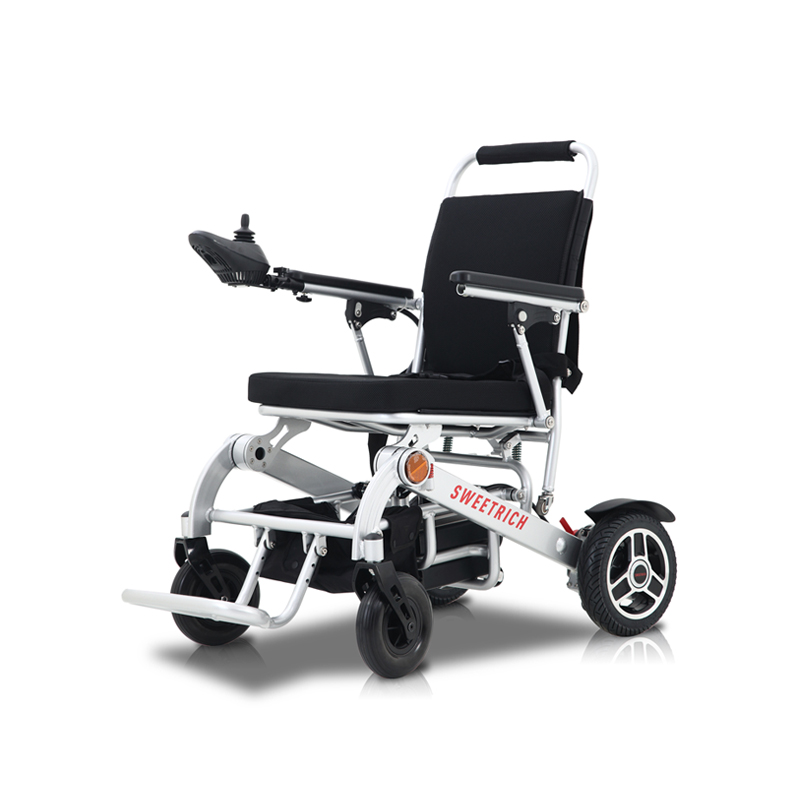
Choosing a partner such as Sweetrich offers:
- Customizable solutions to fit individual needs
- Quality control to maintain health-focused features
- Ongoing support for adjustments and maintenance
By prioritizing both comfort and long-term health, modern wheelchairs contribute to enhanced independence, reduced physical strain, and improved quality of life.